expiré${chestInfoExpiresMinutes()} min${Math.floor(chestInfoExpiresMinutes() / 60)} h ${chestInfoExpiresMinutes() % 60} min
Tu es dans la zone de fouille. Une fois ouvert, le contenu n'est révélé qu'après le tirage.
🔑
Cet item nécessite une clé
IllustratorAmbassadorGuide.
Tu n'en as pas pour l'instant.Tu en as ${chestInfoMatchingKeyCount()} — réessaie pour la consommer.
Tu peux mettre ce coffre en attente : il restera dans ta file
(${(collectibles_meta.savedChests || []).length} / ${collectibles_meta.savedChestsMax || 10})
jusqu'à ce que tu décroches la clé manquante.
Coffre
Trouve la paire
Gratte 4 cases. Deux symboles identiques = coffre ouvert.
Across France, homes keep the marks of writers who created memorable stories and shaped French thought.
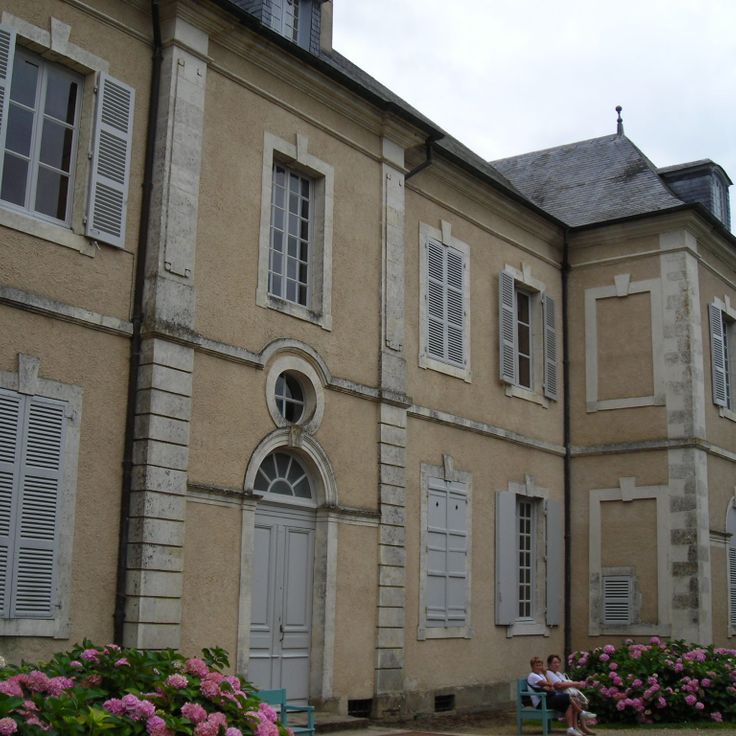
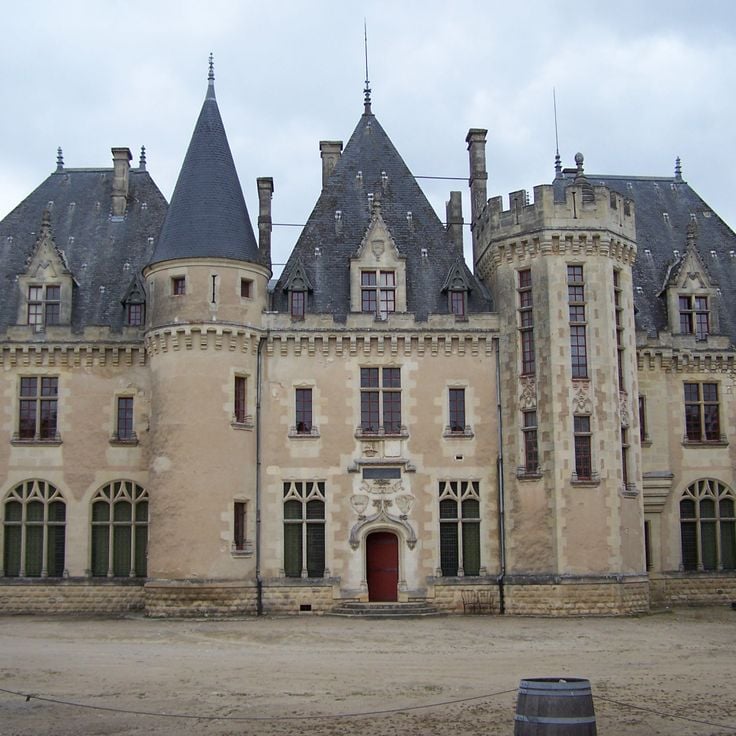
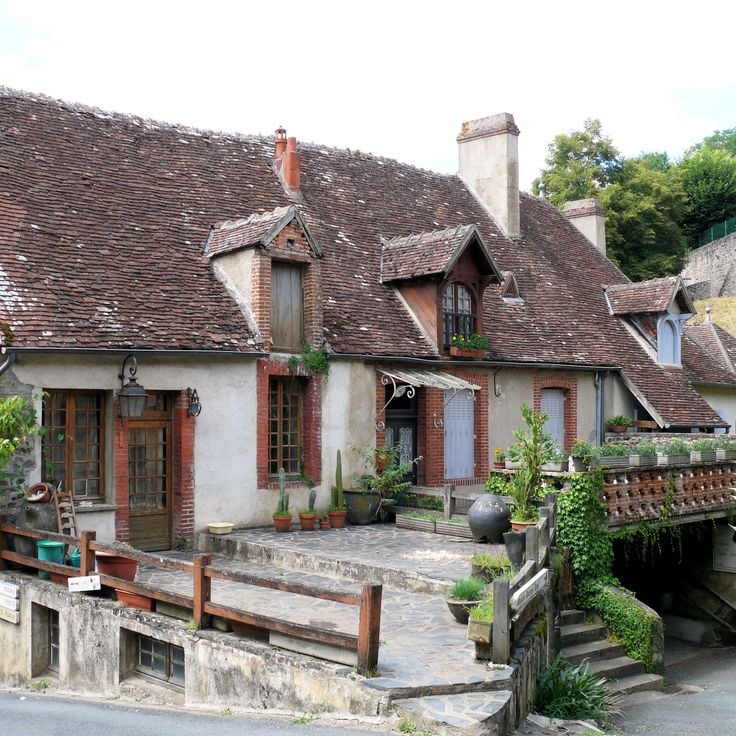
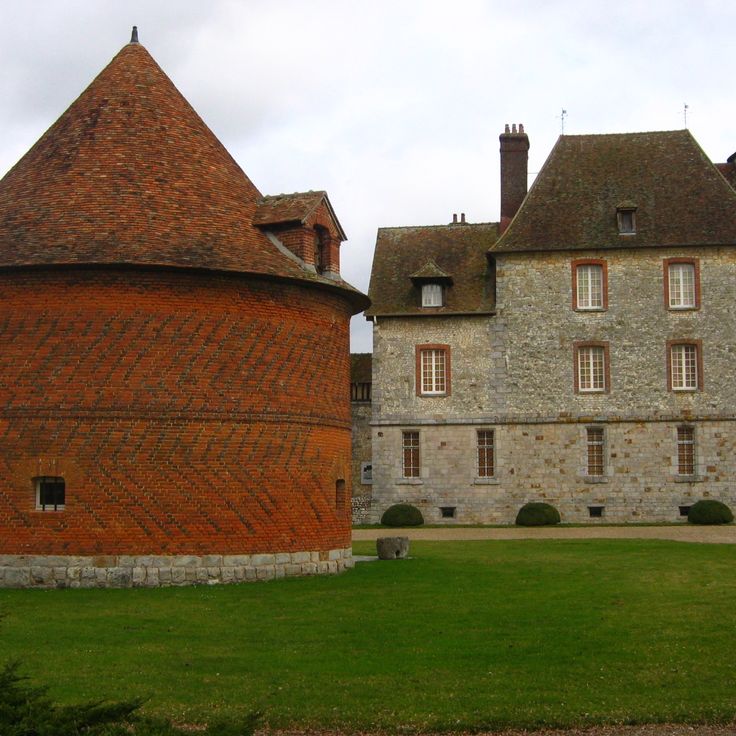
France has kept the homes of its best writers and turned them into museums where you can learn about the lives of authors who shaped French culture. In Paris, you can visit Balzac's house, where he wrote his novels while drinking endless cups of coffee. In Berry, you will see the Château of Nohant, where George Sand received visits from Chopin and Flaubert. In Périgord, the Montaigne tower shows where the philosopher wrote his essays, surrounded by thousands of books. Near Port-Marly, Château Monte-Cristo tells how Alexandre Dumas celebrated his successes after writing his adventure stories.
These homes let you follow the footsteps of writers as they found their ideas and spent their days. The Priory of Saint-Cosme near Tours remembers Ronsard, a Renaissance poet who worked and lived there. Illiers-Combray highlights the house of Aunt Léonie, a place that brings you back to Marcel Proust's childhood and the scenes he later described. In Normandy, Maurice Leblanc's house in Étretat shows the world of Arsène Lupin, the well-known detective. The region of the Basque Country offers Villa Arnaga, where Edmond Rostand, the writer of Cyrano de Bergerac, lived in a house built in the local style. Walking through these rooms and halls helps you see how writers worked, what they saw each day, and how their surroundings influenced their stories.
Across France, homes keep the marks of writers who created memorable stories and shaped French thought.
France has kept the homes of its best writers and turned them into museums where you can learn about the lives of authors who shaped French culture. In Paris, you can visit Balzac's house, where he wrote his novels while drinking endless cups of coffee. In Berry, you will see the Château of Nohant, where George Sand received visits from Chopin and Flaubert. In Périgord, the Montaigne tower shows where the philosopher wrote his essays, surrounded by thousands of books. Near Port-Marly, Château Monte-Cristo tells how Alexandre Dumas celebrated his successes after writing his adventure stories.
These homes let you follow the footsteps of writers as they found their ideas and spent their days. The Priory of Saint-Cosme near Tours remembers Ronsard, a Renaissance poet who worked and lived there. Illiers-Combray highlights the house of Aunt Léonie, a place that brings you back to Marcel Proust's childhood and the scenes he later described. In Normandy, Maurice Leblanc's house in Étretat shows the world of Arsène Lupin, the well-known detective. The region of the Basque Country offers Villa Arnaga, where Edmond Rostand, the writer of Cyrano de Bergerac, lived in a house built in the local style. Walking through these rooms and halls helps you see how writers worked, what they saw each day, and how their surroundings influenced their stories.
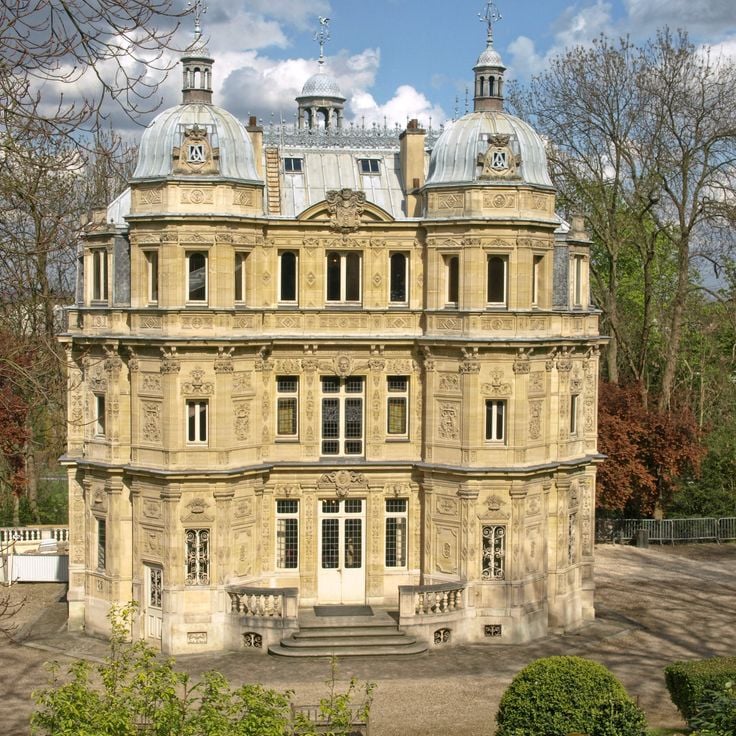
The Château de Monte-Cristo belongs to this collection of French writers' houses preserved as literary museums. Built from 1844 to 1847 by Alexandre Dumas after the success of his novels The Count of Monte Cristo and The Three Musketeers, which brought him considerable wealth, the estate consists of two buildings. The main château displays neo-Gothic and Renaissance style, while a separate work pavilion that Dumas named Château d'If, referencing the setting of his most famous novel, served as his private writing retreat. The decoration throughout reflects Dumas' literary imagination, with scenes from his works on display. After facing financial difficulties, Dumas sold the estate in 1848. Today it functions as a museum dedicated to the writer's life and literary accomplishments.
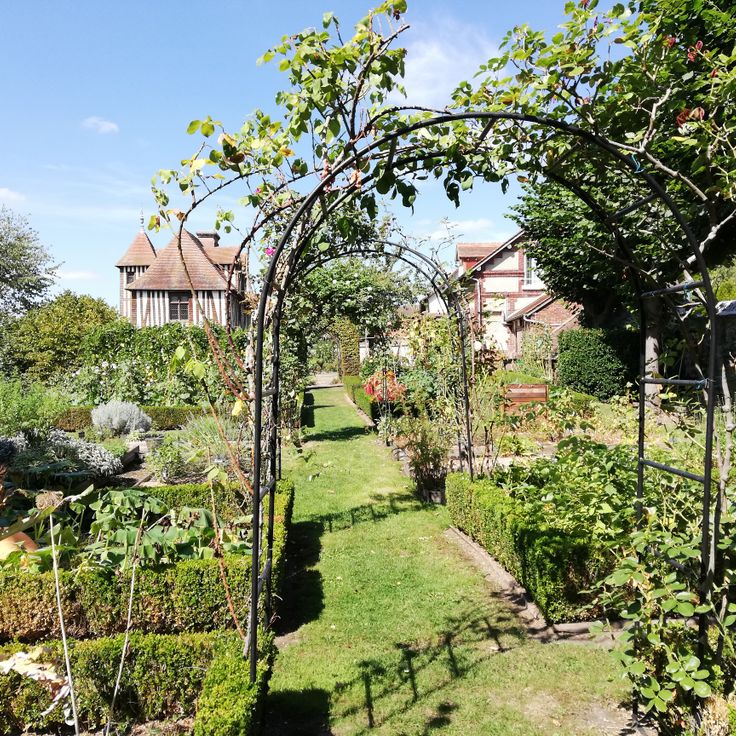
Villa Arnaga in Cambo-les-Bains shows how playwright Edmond Rostand lived and worked. Built in 1902, it blends Basque architecture with influences from Alsace and Île-de-France. The white facade features typical half-timbered details and red shutters. The French garden spreads across several terraces with geometric flowerbeds, water basins and pergolas. Inside, original furnishings, personal objects and manuscripts of the author of Cyrano de Bergerac are on display. Today the villa serves as a museum documenting Rostand's life and work alongside the literary culture of the Belle Époque.
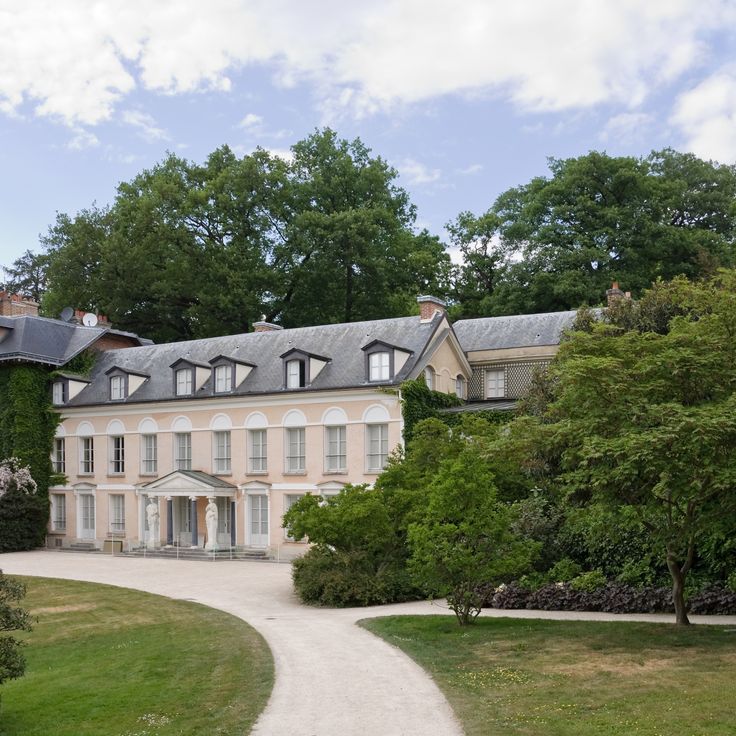
The Maison de Chateaubriand served as the residence of French writer and diplomat François-René de Chateaubriand from 1807 to 1817, where he wrote several of his most important works. This property includes a middle-class dwelling, gardens laid out in the English style, and the Velléida Tower, a neogothic structure named after a character from his writings. Today the house operates as a museum, displaying manuscripts, personal belongings, and documents that reveal how Chateaubriand lived and worked during this productive period of his life.
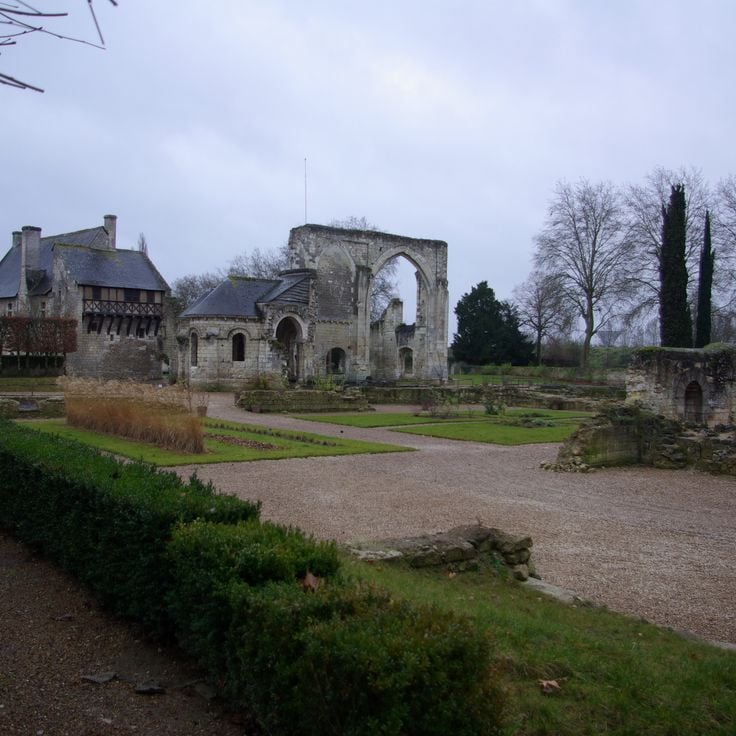
The Priory of Saint-Cosme was the final home of Renaissance poet Pierre de Ronsard. He spent his last two decades here writing many of his important works. This priory preserves the memory of his life and creative work. You can visit his tomb in the restored priory church and see the remains of the refectory, cloister, and the rooms where Ronsard lived and worked. A visit to this priory helps you understand how the poet lived and found inspiration from his surroundings while creating his literary works.
The Château de Nohant served as George Sand's home from 1808 until her death in 1876. Within this Berry estate, the author wrote many of her novels, including La Mare au Diable and La Petite Fadette. The rooms display her personal environment with her salon, study, and family portraits hung on the walls. A private puppet theatre on the ground floor hosted performances for family and guests. The garden and surrounding landscape inspired several of her rural stories. This château helps visitors understand how this important writer lived and worked.
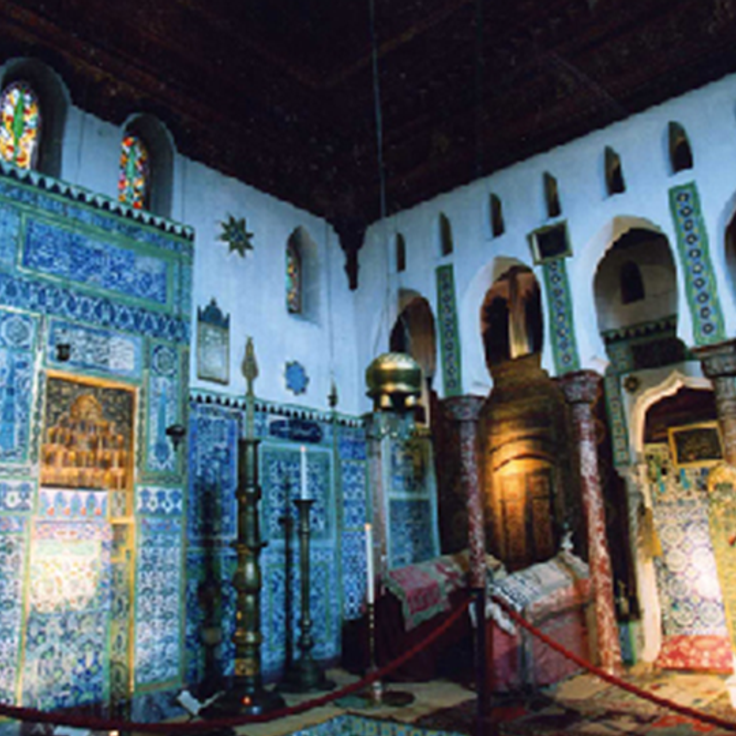
The Pierre Loti House within this collection of French writers' homes shows the residence of a French naval officer and writer. Its rooms display different oriental decoration styles, including Turkish, Arabic and Japanese salons. The collections feature furniture, textiles, weapons and art objects that Loti gathered during his many travels to Asia, the Middle East and North Africa. The decoration reflects his interest in foreign cultures and his literary work, which was shaped by these experiences.
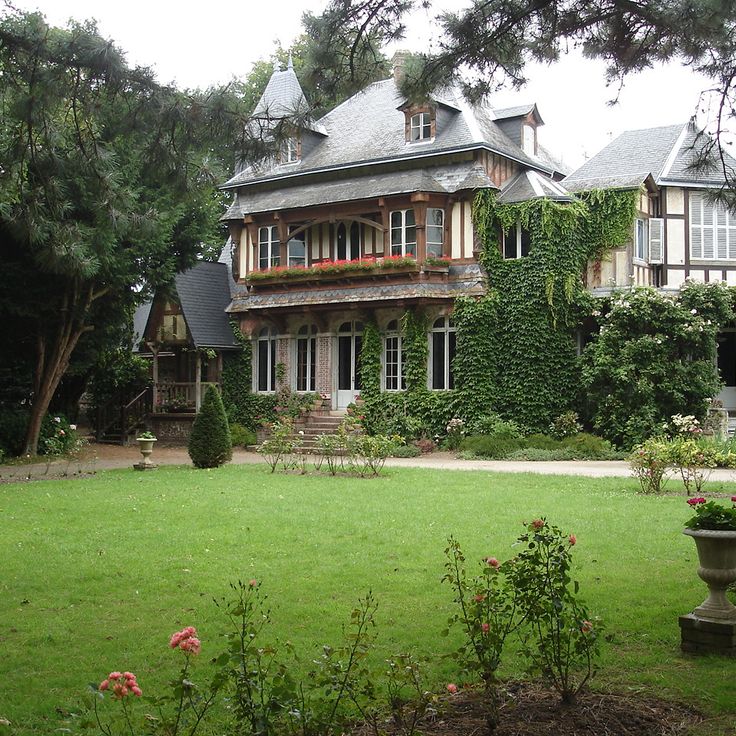
Maurice Leblanc's house in this collection shows how the writer lived and worked in Étretat. The building is a 19th-century Norman residence with half-timbered construction. Today it operates as a literary museum dedicated to the creator of the famous gentleman thief Arsène Lupin. Visitors can explore the rooms where Leblanc wrote his novels and view exhibitions about his works and characters. The museum offers guided tours with puzzles inspired by Lupin's adventures. The collection includes the author's personal belongings, first editions of his books, and documents that reveal how the Arsène Lupin saga came to life.
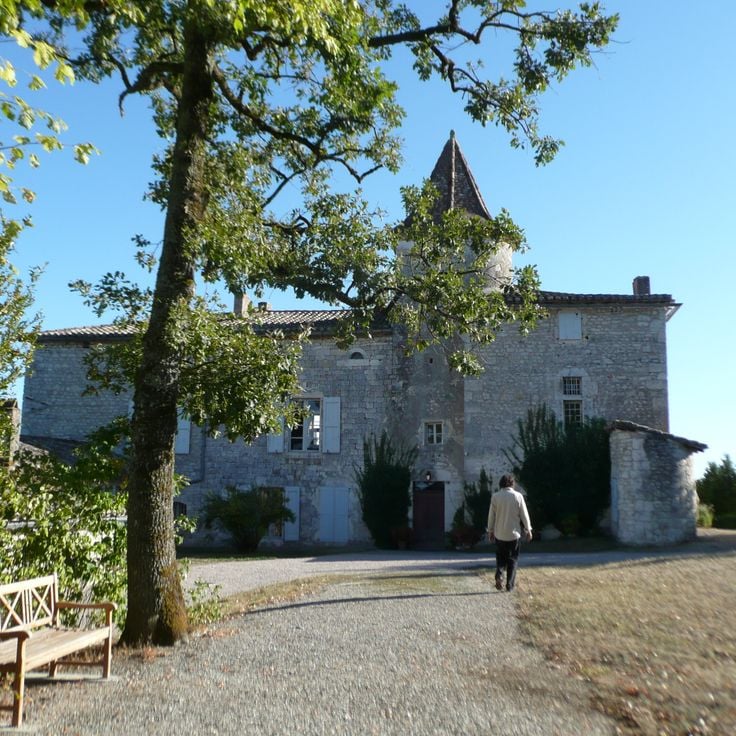
The Château de Montaigne in Saint-Michel-de-Montaigne is where Michel de Montaigne wrote his Essays, works that shaped Western thought. The philosopher worked in a round tower that housed his personal library. His study on the first floor displays wooden beams inscribed with Greek and Latin quotations that Montaigne himself chose. This house shows how the philosopher lived and developed his ideas, surrounded by books and reflection in this Périgord home. It offers insight into the daily life of one of France's greatest thinkers and contributes to the collection of writers' houses preserved across the country.
This house reveals how French writer Honoré de Balzac lived and worked in Paris as part of the collection of France's greatest writers' homes. The building dates from the 17th century and sits in the Passy neighborhood. Balzac wrote his most important works here between 1840 and 1847. The museum holds his handwritten manuscripts with corrections, personal letters, and first editions of his books. You can see his desk, the coffee pot he used to brew strong coffee, and his cane with a turquoise knob. The library contains editions of the Comédie Humaine and documents about his financial struggles. A small garden next to the house gave Balzac a refuge from his creditors.
Tante Leoni's house is where Marcel Proust spent his childhood holidays with his great-aunt. This 19th-century home in the center of Illiers-Combray has been turned into a museum. It shows original family furniture and personal objects of the writer. Visitors can walk through Tante Leoni's room, the dining room and the kitchen. This house was used as a model for the fictional Combray in his book In Search of Lost Time. You can see the rooms that shaped Proust's imagination and writing.
The Château des Rochers was the residence of Madame de Sévigné and now houses a literary museum. This 17th-century estate displays period furniture, family portraits, and handwritten letters by this renowned letter writer. Visitors can explore how the Marquise lived and worked here, where she composed much of her extensive correspondence. As part of this collection of French writers' homes, the Château des Rochers reveals how this author drew inspiration from her daily surroundings.
This birthplace of Victor Hugo in Besançon reveals the early years of one of France's most important 19th-century writers. Born on February 26, 1802, Hugo spent his first months here before his family moved to Paris. The house now functions as a museum displaying manuscripts, letters, and personal objects that show how the author grew up and developed his literary voice. Walking through the rooms offers a direct look into the life and work of the man who wrote Les Misérables.
The Maison de la Devinière in Seuilly is the birthplace of François Rabelais and belongs to the collection of famous writers' houses in France. This site preserves the memory of the author of Pantagruel and Gargantua, whose humorous and imaginative works shaped literary history. Built in the 15th century, the property now houses a museum displaying manuscripts, first editions, and documents that reveal how Rabelais created his works. The buildings with living quarters, wine cellar, and farm outbuildings show what rural life looked like during the Renaissance.
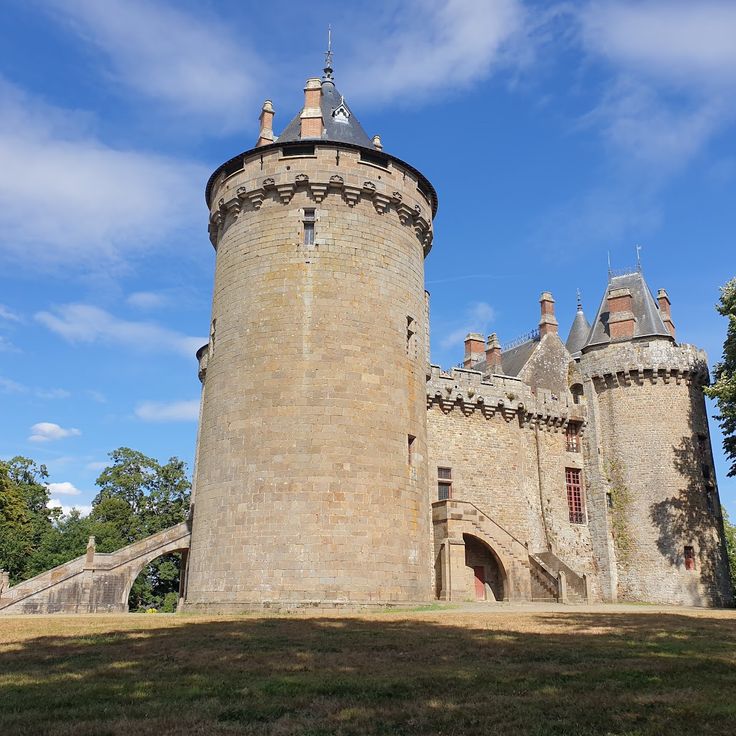
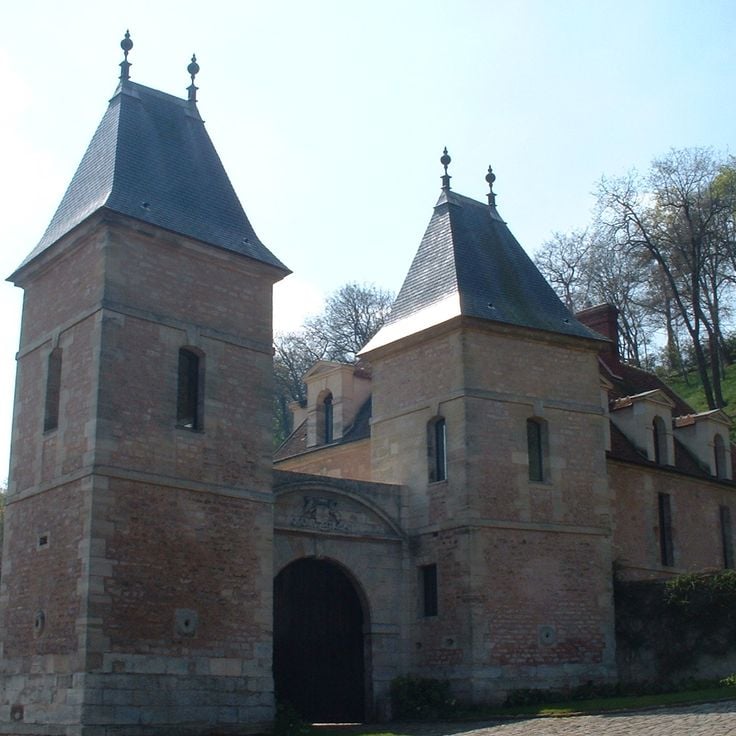
The Château de Combourg held a central place in François-René de Chateaubriand's life and shaped his writing. This medieval fortress dating from the 11th century with four round towers was his home during his formative years from 1777 to 1786. In the Tower of the Cat, the young writer spent long hours alone that marked his literary voice. These years of seclusion within the castle's strict walls inspired passages in his autobiographical works, especially his Memoirs from Beyond the Grave. Today, this château keeps Chateaubriand's furniture, personal belongings, and manuscripts, allowing visitors to see how his childhood in this fortress influenced his literary work.
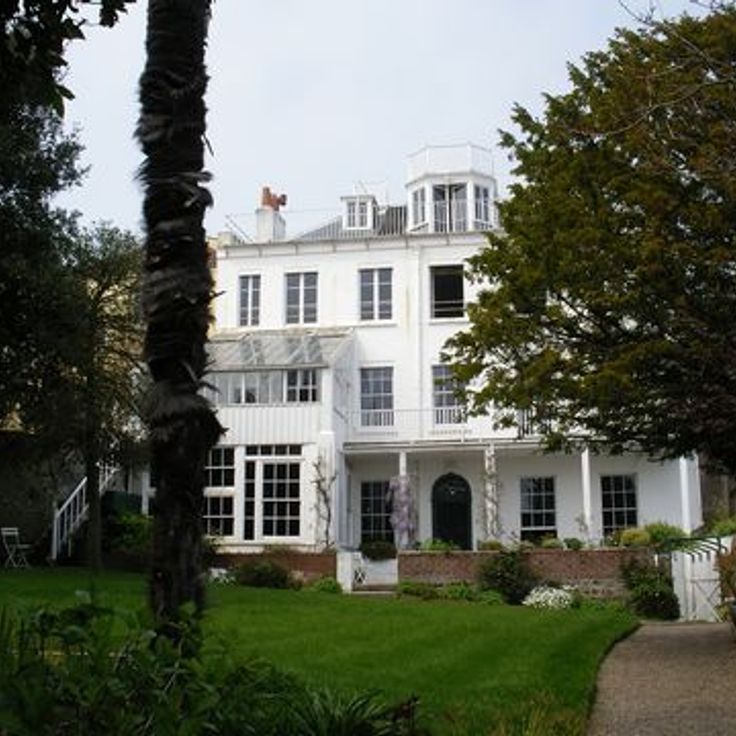
Hauteville House was Victor Hugo's home on Guernsey from 1856 to 1870, during his exile from France. It is here that he wrote Les Misérables and Les Travailleurs de la mer. Hugo shaped every room himself, choosing the wood paneling, the furniture, and the decorative objects. The study on the top floor looks out over the harbor and the sea. The house is now a museum that shows how the writer lived and worked during his years away from France.
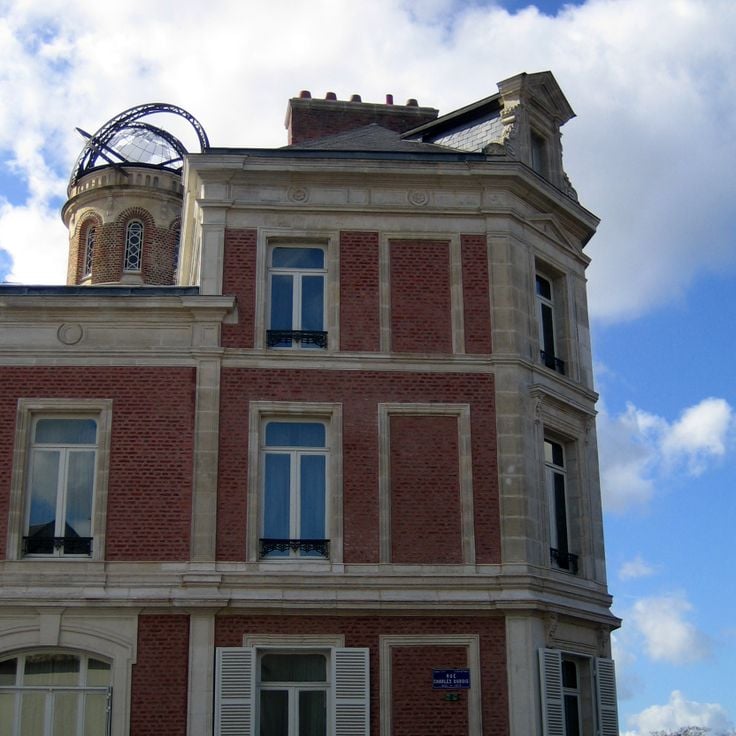
Jules Verne's house in Amiens is a building from the 19th century with a corner tower. The writer lived there from 1882 to 1900. It is where Verne wrote several adventure books, including Robur the Conqueror and The Steam House. The rooms are kept as they were at that time, including his office in the tower. Today, the house is a museum that shows his personal items, manuscripts, and collections. It helps visitors understand how he lived and worked every day.
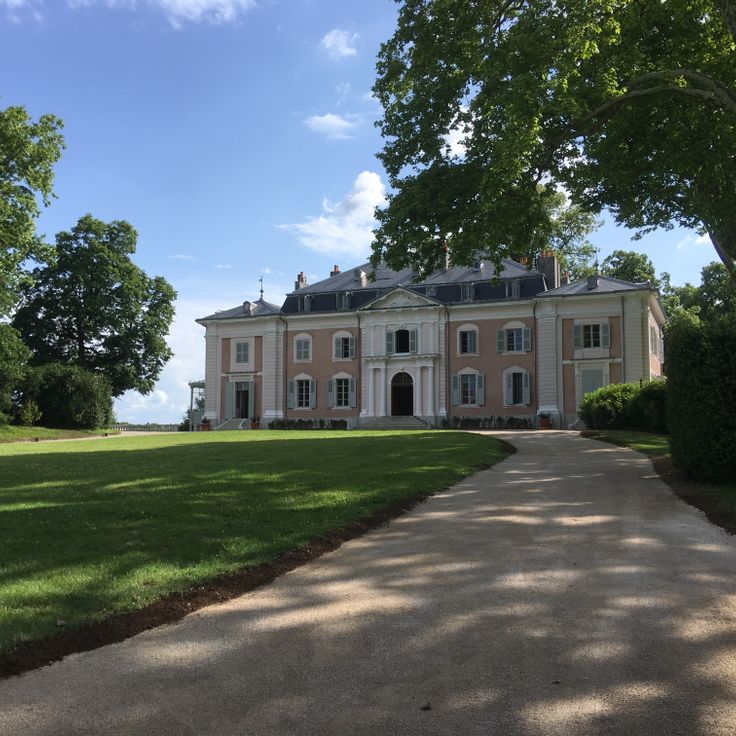
The Château de Ferney in this collection shows where Voltaire lived and worked from 1758 to 1778. The philosopher and writer completed major works here, including the Dictionnaire philosophique and Candide. The château displays original furniture and personal objects that reveal how Voltaire worked during this productive period of his life. Voltaire also established a successful watchmaking factory on the property that brought economic activity to the region.
The Château de Médan was Émile Zola's home and workplace from 1878 until his death in 1902. The writer purchased this property on the banks of the Seine using earnings from his novel L'Assommoir. Here he wrote major works of his naturalist Rougon-Macquart cycle, including La Débâcle and Le Docteur Pascal. This château shows how Zola lived and created his socially engaged literature. The rooms display bourgeois life in the late 19th century and preserve the study where Zola composed his most important novels.
This house in Médan reveals how Émile Zola, one of France's most important writers, lived and created his works. Zola purchased the house in 1878 as a retreat for his literary work. Here, fellow writers such as Paul Alexis, Joris-Karl Huysmans and Guy de Maupassant gathered for literary discussions. Key novels of his Rougon-Macquart cycle, including Nana and Germinal, were written within these walls. The rooms display furnishings from the late 19th century and offer insight into the middle-class environment where Zola developed literary naturalism.
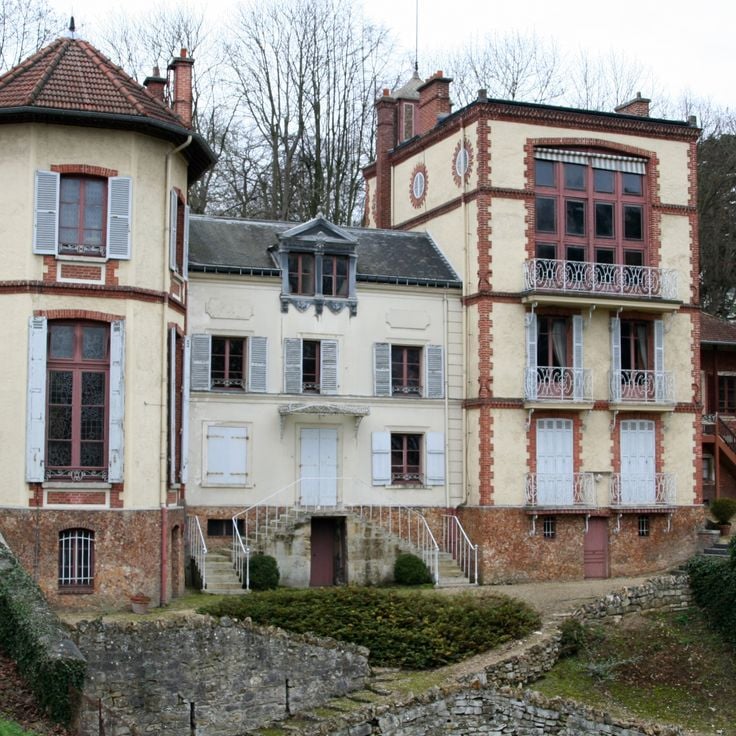
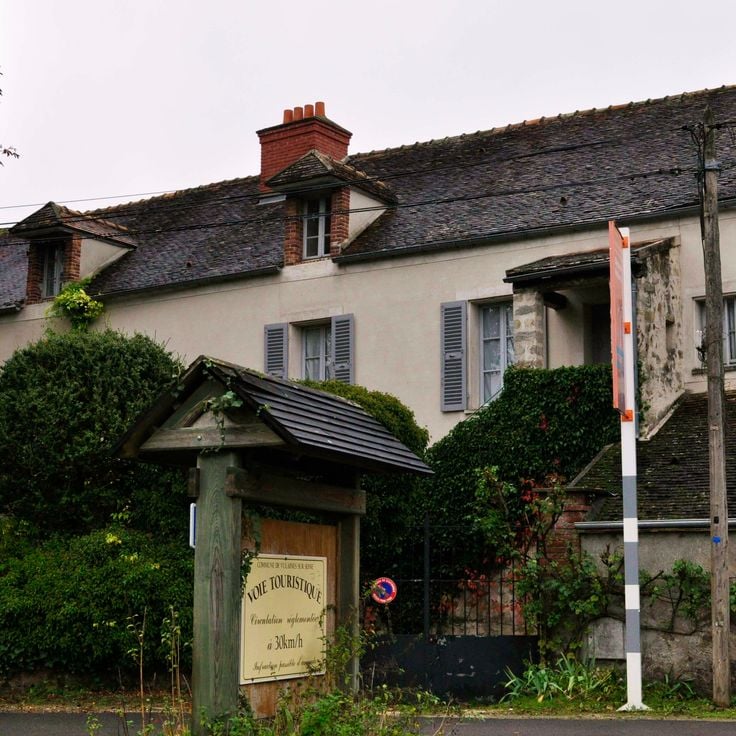
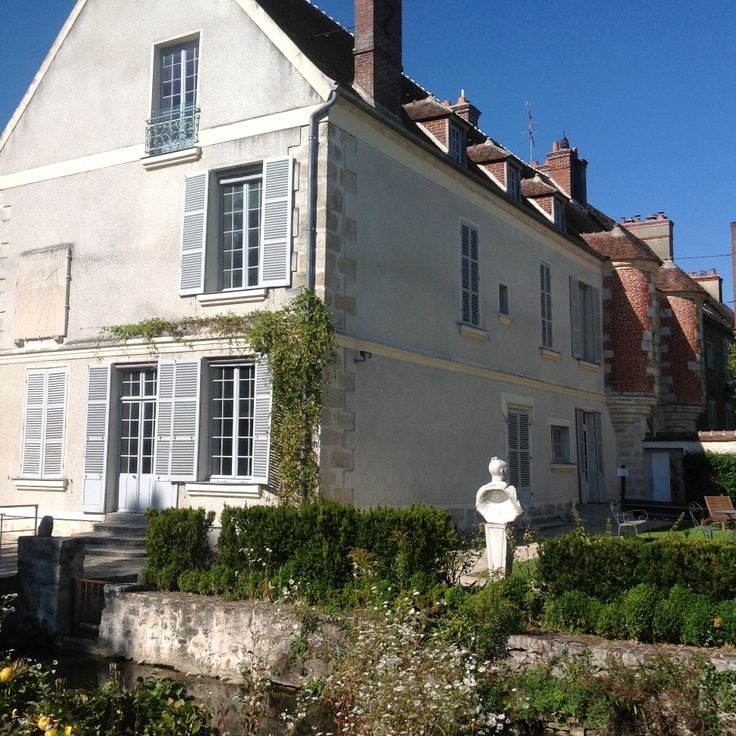
The home of Stéphane Mallarmé in Vulaines-sur-Seine served as his summer retreat from 1874 onward. The poet welcomed writers, painters and musicians here, including Paul Valéry, André Gide, Paul Claudel and Auguste Renoir. The literary gatherings he held every Tuesday in his Paris apartment continued in this riverside setting. The house still holds his desk, personal belongings and manuscripts. The garden along the Seine inspired several of his poems.
Jean Cocteau's house in Milly-la-Forêt stands as the final residence of this multifaceted French artist within this collection of writers' homes. The poet, filmmaker, illustrator, and playwright lived and created here during his last years. The building preserves its original furnishings and displays personal objects that reflect the range of his artistic output. Visitors encounter drawings, manuscripts, ceramics, and works spanning different periods of his career.
Villa Manceau was George Sand's country house in the Creuse valley. The writer composed several of her rural novels here, works that explore peasant life and the natural surroundings of the region. The property sits in Gargilesse-Dampierre, a village Sand valued for its quiet character and landscapes. This villa preserves furniture and personal items belonging to the author, allowing visitors to discover her working environment and creative process during her stays in the Berry countryside. The house shows how Sand worked away from the city and found inspiration in nature.
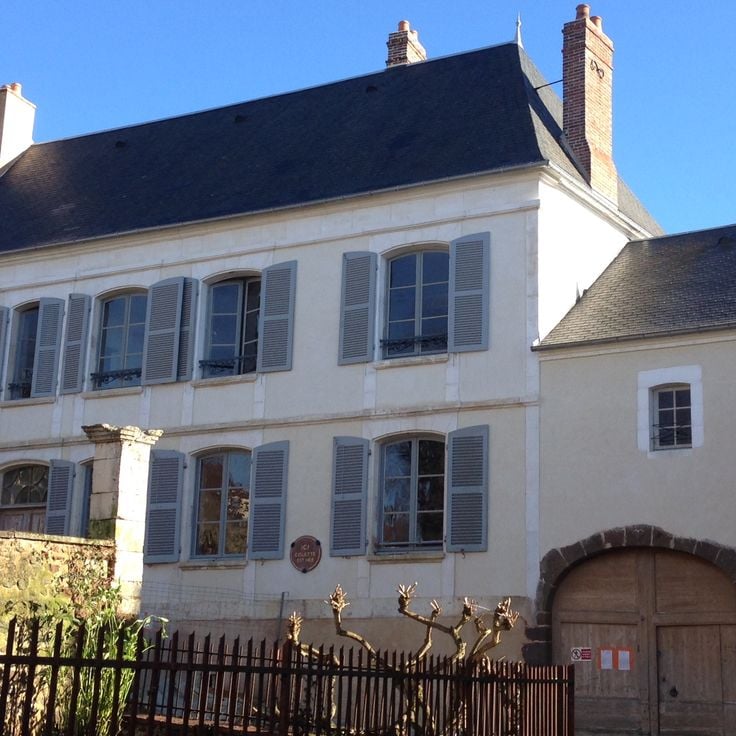
Colette's house in this Burgund village shows how the writer lived and grew up here. Inside, visitors find manuscripts of her books, personal letters, and photographs from different times of her life. The furniture and everyday objects of Colette's family tell their story. Documents about her work as a writer and performer add to the picture. This house gives direct access to the world of this important French writer and her time.
Alphonse Daudet's house in Draveil was his retreat in the Paris suburbs during the 19th century. The writer from Nîmes worked here on his major works, including the short story collection 'Lettres de mon moulin' and the novel 'Tartarin de Tarascon'. The rooms hold furniture, personal belongings, and manuscripts of the author. The garden extends over several hundred square meters and gave Daudet ideas for his descriptions of the southern French landscape. The library contains his book collection and correspondence with writers such as Émile Zola and Edmond de Goncourt. This house now functions as a museum and shows how the writer lived and worked between 1868 and his death in 1897.
The Château de Jules Michelet in Vascœuil belongs to this collection of homes where French writers and thinkers created their works. Here the historian Jules Michelet lived and wrote his major studies on medieval and modern France. The rooms show how he worked and spent his days during his most productive period. This house preserves the memory of a man whose historical research shaped the way France understood its own past.
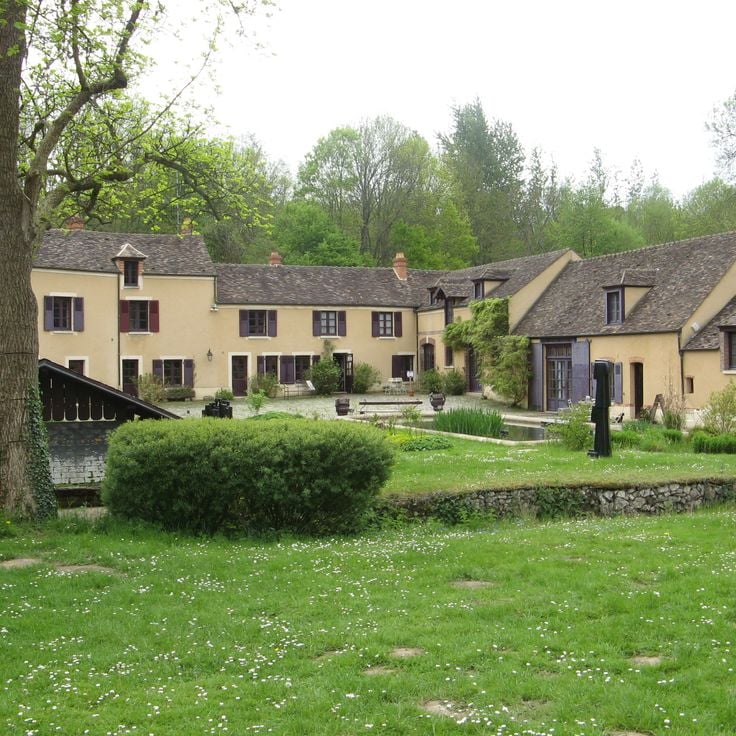
The Moulin de Villeneuve in Saint-Arnoult-en-Yvelines was home to Louis Aragon and Elsa Triolet, two major French writers of the 20th century. This house shows how the literary couple lived and worked, surrounded by their original furniture and personal belongings. Visitors can see handwritten manuscripts, letters, and their extensive library that reveal their literary world and help understand the daily lives of these two authors.
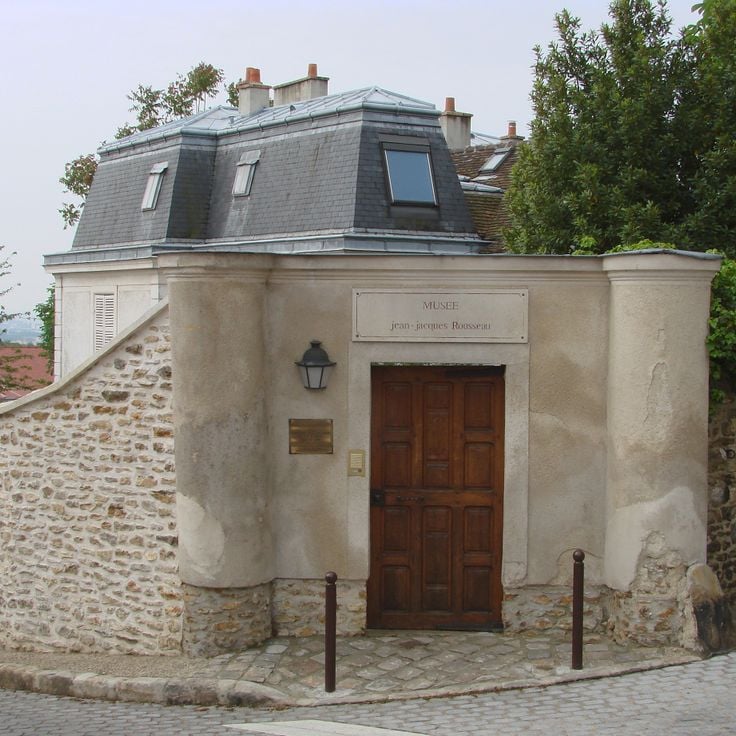
The house of Jean-Jacques Rousseau in Montmorency is where the philosopher lived from 1756 to 1762. In the round tower of the residence, he wrote two of his major works: Emile and The Social Contract. The rooms show how Rousseau worked and what his daily life looked like. As part of this collection of French writers' homes, this house gives a direct sense of how one of the great figures of the Enlightenment thought and lived.
This dacha preserves the life and work of Russian writer Ivan Turgenev during his time in France. Built in 1874 in Russian style, it served as his retreat during frequent stays in the country and hosted literary gatherings with French authors. Turgenev spent his summers here regularly until his death in 1883. The house displays his personal belongings and documents from his life and work, offering insight into his daily routines and creative life in this adopted home. As part of France's collection of famous writers' houses, it tells the story of how this author lived and drew inspiration from his daily surroundings.
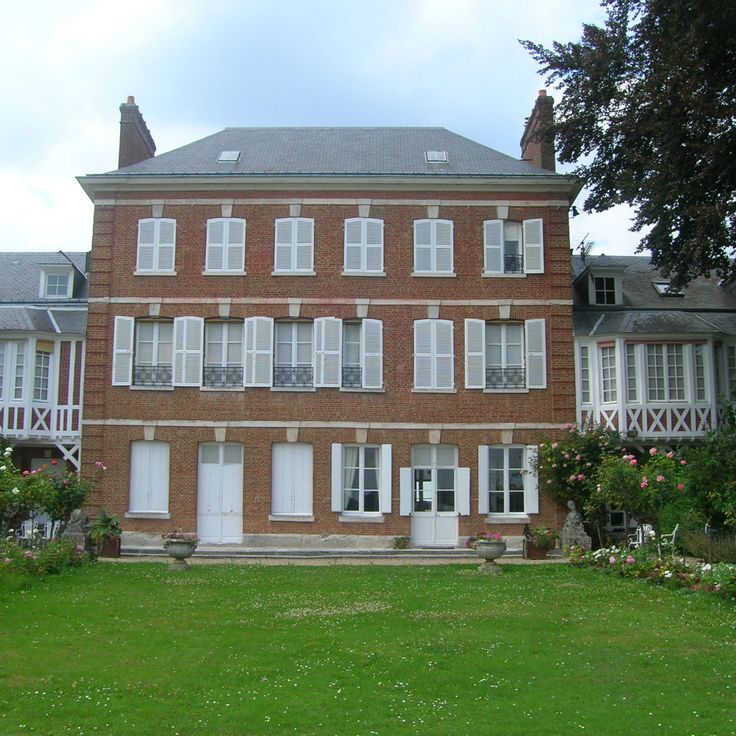
The Maison des Jardies in Sèvres was Honoré de Balzac's retreat from 1840 to 1847, where he wrote several works within his literary cycle. After Balzac departed, statesman Léon Gambetta acquired the property and lived there until his death in 1882. This house shows how two major figures of 19th-century France shaped their era through their work and presence. Within this collection of writers' houses, the Maison des Jardies reveals the personal side of Balzac's creative life and offers insight into his working conditions.
Pierre Corneille's house in Petit-Couronne is part of the collection of homes belonging to France's greatest writers, now preserved as literary museums. This building was where the major French playwright was born and where he shaped much of his theatrical work from 1606 onward, creating pieces that influenced French theatre throughout the 17th century. The house now functions as a museum, displaying manuscripts, furniture, and personal objects that belonged to Corneille. Visitors can see directly how the author lived and worked in these spaces.
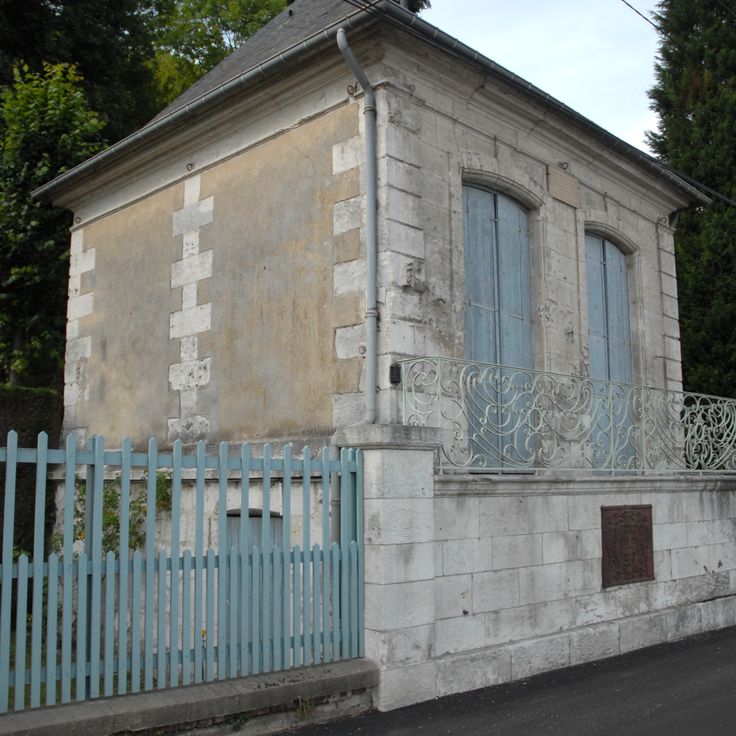
Gustave Flaubert's pavilion was the writer's summer home on the banks of the Seine in Canteleu, where he developed his realist novels between 1844 and 1880. In his study, he wrote letters to other authors and thinkers of his time. The pavilion preserves the memory of how Flaubert lived and worked. As part of France's famous writers' houses, this place shows the personal space where literary creation took place.
The Victor Hugo Museum at Villequier occupies a former family home on the banks of the Seine. Victor Hugo visited this house regularly after his daughter Léopoldine drowned in a boating accident nearby in 1843. The house became a place of grief and remembrance for him. He wrote several poems here, including parts of his collection Les Contemplations. The museum displays manuscripts, letters, family portraits, and personal objects that show how the Hugo family lived. The rooms reveal daily life in the 19th century and offer a window into the writer's private world.
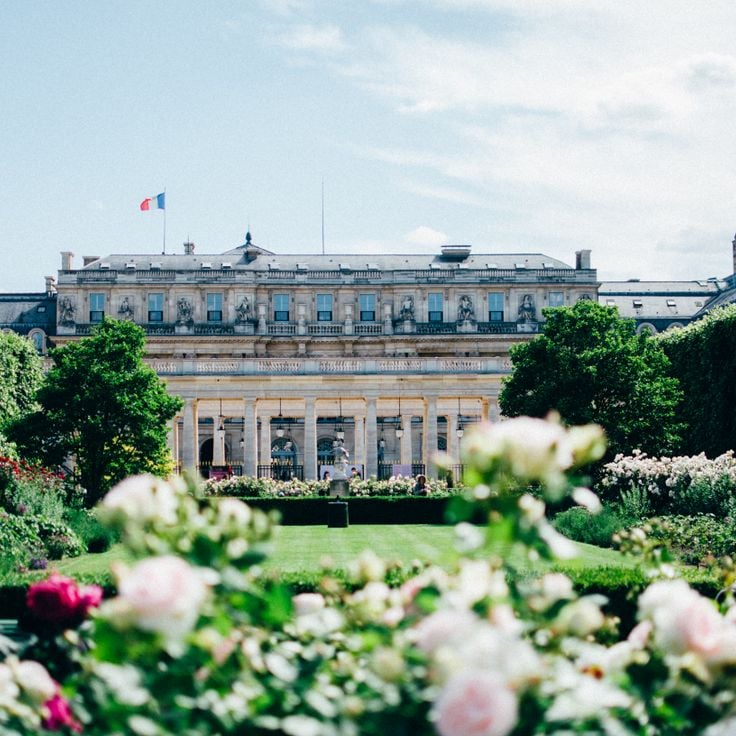
This apartment in the Palais-Royal served as Colette's home from 1927 until her death in 1954, showing how one of France's greatest writers lived and worked. Located on the first floor of the palace galleries, the rooms where she wrote her final novels overlook the gardens and arcades of this historical complex. Colette welcomed writers, artists, and friends here regularly, making it a center of literary and cultural life in the heart of Paris. The building itself dates to the 17th century, when it was constructed for Cardinal Richelieu.
The Cayla Château in Andillac was home to the Guérin family in the Tarn region. Two romantic poets, siblings Eugénie and Maurice de Guérin, were born here in the 19th century and wrote their literary works within these walls. The museum preserves personal belongings, manuscripts, and family furniture that show how a rural noble family lived during the Restoration and July Monarchy periods. The château documents the creative lives of these two romantic poets and lets visitors understand the world of Eugénie and Maurice de Guérin.
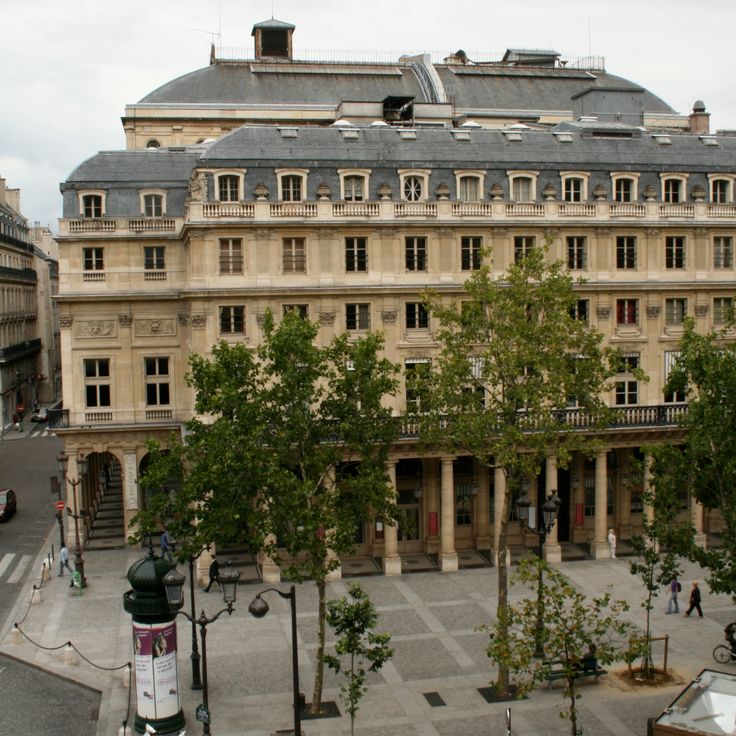
This flat at the Palais-Royal was Jean Cocteau's Parisian home from 1940 until his death in 1963 and stands among France's notable writers' residences. The poet, filmmaker, and artist valued the historic arcades of the Palais-Royal as a setting for his creative work. In these rooms, Cocteau received artistic and literary figures and wrote several of his later works. The interior displays his taste for decoration and his passion for the arts. The building sits in the first arrondissement, near the Comédie-Française and the Palais-Royal gardens.
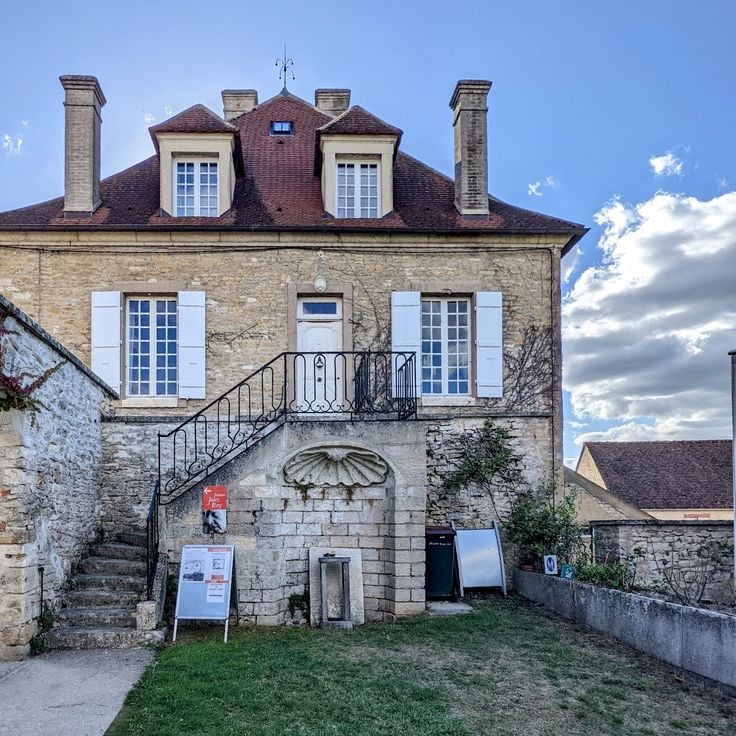
The Jules-Roy house in Vézelay was the home of French writer Jules Roy, a military pilot during World War II who later became an author. Roy wrote many autobiographical and fictional works exploring his experiences as a combat pilot and his observations during the Algerian War. This residence sits in the Burgundy village of Vézelay, known for its medieval basilica. Roy used this place as a retreat for his literary work, drawing inspiration from the local surroundings. The house preserves the memory of an author who engaged deeply with French colonial history and the realities of war in his writings.
The Château de Monte-Cristo belongs to this collection of French writers' houses preserved as literary museums. Built from 1844 to 1847 by Alexandre Dumas after the success of his novels The Count of Monte Cristo and The Three Musketeers, which brought him considerable wealth, the estate consists of two buildings. The main château displays neo-Gothic and Renaissance style, while a separate work pavilion that Dumas named Château d'If, referencing the setting of his most famous novel, served as his private writing retreat. The decoration throughout reflects Dumas' literary imagination, with scenes from his works on display. After facing financial difficulties, Dumas sold the estate in 1848. Today it functions as a museum dedicated to the writer's life and literary accomplishments.
Villa Arnaga in Cambo-les-Bains shows how playwright Edmond Rostand lived and worked. Built in 1902, it blends Basque architecture with influences from Alsace and Île-de-France. The white facade features typical half-timbered details and red shutters. The French garden spreads across several terraces with geometric flowerbeds, water basins and pergolas. Inside, original furnishings, personal objects and manuscripts of the author of Cyrano de Bergerac are on display. Today the villa serves as a museum documenting Rostand's life and work alongside the literary culture of the Belle Époque.
The Maison de Chateaubriand served as the residence of French writer and diplomat François-René de Chateaubriand from 1807 to 1817, where he wrote several of his most important works. This property includes a middle-class dwelling, gardens laid out in the English style, and the Velléida Tower, a neogothic structure named after a character from his writings. Today the house operates as a museum, displaying manuscripts, personal belongings, and documents that reveal how Chateaubriand lived and worked during this productive period of his life.
The Priory of Saint-Cosme was the final home of Renaissance poet Pierre de Ronsard. He spent his last two decades here writing many of his important works. This priory preserves the memory of his life and creative work. You can visit his tomb in the restored priory church and see the remains of the refectory, cloister, and the rooms where Ronsard lived and worked. A visit to this priory helps you understand how the poet lived and found inspiration from his surroundings while creating his literary works.
The Château de Nohant served as George Sand's home from 1808 until her death in 1876. Within this Berry estate, the author wrote many of her novels, including La Mare au Diable and La Petite Fadette. The rooms display her personal environment with her salon, study, and family portraits hung on the walls. A private puppet theatre on the ground floor hosted performances for family and guests. The garden and surrounding landscape inspired several of her rural stories. This château helps visitors understand how this important writer lived and worked.
The Pierre Loti House within this collection of French writers' homes shows the residence of a French naval officer and writer. Its rooms display different oriental decoration styles, including Turkish, Arabic and Japanese salons. The collections feature furniture, textiles, weapons and art objects that Loti gathered during his many travels to Asia, the Middle East and North Africa. The decoration reflects his interest in foreign cultures and his literary work, which was shaped by these experiences.
Maurice Leblanc's house in this collection shows how the writer lived and worked in Étretat. The building is a 19th-century Norman residence with half-timbered construction. Today it operates as a literary museum dedicated to the creator of the famous gentleman thief Arsène Lupin. Visitors can explore the rooms where Leblanc wrote his novels and view exhibitions about his works and characters. The museum offers guided tours with puzzles inspired by Lupin's adventures. The collection includes the author's personal belongings, first editions of his books, and documents that reveal how the Arsène Lupin saga came to life.
The Château de Montaigne in Saint-Michel-de-Montaigne is where Michel de Montaigne wrote his Essays, works that shaped Western thought. The philosopher worked in a round tower that housed his personal library. His study on the first floor displays wooden beams inscribed with Greek and Latin quotations that Montaigne himself chose. This house shows how the philosopher lived and developed his ideas, surrounded by books and reflection in this Périgord home. It offers insight into the daily life of one of France's greatest thinkers and contributes to the collection of writers' houses preserved across the country.
This house reveals how French writer Honoré de Balzac lived and worked in Paris as part of the collection of France's greatest writers' homes. The building dates from the 17th century and sits in the Passy neighborhood. Balzac wrote his most important works here between 1840 and 1847. The museum holds his handwritten manuscripts with corrections, personal letters, and first editions of his books. You can see his desk, the coffee pot he used to brew strong coffee, and his cane with a turquoise knob. The library contains editions of the Comédie Humaine and documents about his financial struggles. A small garden next to the house gave Balzac a refuge from his creditors.
Tante Leoni's house is where Marcel Proust spent his childhood holidays with his great-aunt. This 19th-century home in the center of Illiers-Combray has been turned into a museum. It shows original family furniture and personal objects of the writer. Visitors can walk through Tante Leoni's room, the dining room and the kitchen. This house was used as a model for the fictional Combray in his book In Search of Lost Time. You can see the rooms that shaped Proust's imagination and writing.
The Château des Rochers was the residence of Madame de Sévigné and now houses a literary museum. This 17th-century estate displays period furniture, family portraits, and handwritten letters by this renowned letter writer. Visitors can explore how the Marquise lived and worked here, where she composed much of her extensive correspondence. As part of this collection of French writers' homes, the Château des Rochers reveals how this author drew inspiration from her daily surroundings.
This birthplace of Victor Hugo in Besançon reveals the early years of one of France's most important 19th-century writers. Born on February 26, 1802, Hugo spent his first months here before his family moved to Paris. The house now functions as a museum displaying manuscripts, letters, and personal objects that show how the author grew up and developed his literary voice. Walking through the rooms offers a direct look into the life and work of the man who wrote Les Misérables.
The Maison de la Devinière in Seuilly is the birthplace of François Rabelais and belongs to the collection of famous writers' houses in France. This site preserves the memory of the author of Pantagruel and Gargantua, whose humorous and imaginative works shaped literary history. Built in the 15th century, the property now houses a museum displaying manuscripts, first editions, and documents that reveal how Rabelais created his works. The buildings with living quarters, wine cellar, and farm outbuildings show what rural life looked like during the Renaissance.
The Château de Combourg held a central place in François-René de Chateaubriand's life and shaped his writing. This medieval fortress dating from the 11th century with four round towers was his home during his formative years from 1777 to 1786. In the Tower of the Cat, the young writer spent long hours alone that marked his literary voice. These years of seclusion within the castle's strict walls inspired passages in his autobiographical works, especially his Memoirs from Beyond the Grave. Today, this château keeps Chateaubriand's furniture, personal belongings, and manuscripts, allowing visitors to see how his childhood in this fortress influenced his literary work.
Hauteville House was Victor Hugo's home on Guernsey from 1856 to 1870, during his exile from France. It is here that he wrote Les Misérables and Les Travailleurs de la mer. Hugo shaped every room himself, choosing the wood paneling, the furniture, and the decorative objects. The study on the top floor looks out over the harbor and the sea. The house is now a museum that shows how the writer lived and worked during his years away from France.
Jules Verne's house in Amiens is a building from the 19th century with a corner tower. The writer lived there from 1882 to 1900. It is where Verne wrote several adventure books, including Robur the Conqueror and The Steam House. The rooms are kept as they were at that time, including his office in the tower. Today, the house is a museum that shows his personal items, manuscripts, and collections. It helps visitors understand how he lived and worked every day.
The Château de Ferney in this collection shows where Voltaire lived and worked from 1758 to 1778. The philosopher and writer completed major works here, including the Dictionnaire philosophique and Candide. The château displays original furniture and personal objects that reveal how Voltaire worked during this productive period of his life. Voltaire also established a successful watchmaking factory on the property that brought economic activity to the region.
The Château de Médan was Émile Zola's home and workplace from 1878 until his death in 1902. The writer purchased this property on the banks of the Seine using earnings from his novel L'Assommoir. Here he wrote major works of his naturalist Rougon-Macquart cycle, including La Débâcle and Le Docteur Pascal. This château shows how Zola lived and created his socially engaged literature. The rooms display bourgeois life in the late 19th century and preserve the study where Zola composed his most important novels.
This house in Médan reveals how Émile Zola, one of France's most important writers, lived and created his works. Zola purchased the house in 1878 as a retreat for his literary work. Here, fellow writers such as Paul Alexis, Joris-Karl Huysmans and Guy de Maupassant gathered for literary discussions. Key novels of his Rougon-Macquart cycle, including Nana and Germinal, were written within these walls. The rooms display furnishings from the late 19th century and offer insight into the middle-class environment where Zola developed literary naturalism.
The home of Stéphane Mallarmé in Vulaines-sur-Seine served as his summer retreat from 1874 onward. The poet welcomed writers, painters and musicians here, including Paul Valéry, André Gide, Paul Claudel and Auguste Renoir. The literary gatherings he held every Tuesday in his Paris apartment continued in this riverside setting. The house still holds his desk, personal belongings and manuscripts. The garden along the Seine inspired several of his poems.
Jean Cocteau's house in Milly-la-Forêt stands as the final residence of this multifaceted French artist within this collection of writers' homes. The poet, filmmaker, illustrator, and playwright lived and created here during his last years. The building preserves its original furnishings and displays personal objects that reflect the range of his artistic output. Visitors encounter drawings, manuscripts, ceramics, and works spanning different periods of his career.
Villa Manceau was George Sand's country house in the Creuse valley. The writer composed several of her rural novels here, works that explore peasant life and the natural surroundings of the region. The property sits in Gargilesse-Dampierre, a village Sand valued for its quiet character and landscapes. This villa preserves furniture and personal items belonging to the author, allowing visitors to discover her working environment and creative process during her stays in the Berry countryside. The house shows how Sand worked away from the city and found inspiration in nature.
Colette's house in this Burgund village shows how the writer lived and grew up here. Inside, visitors find manuscripts of her books, personal letters, and photographs from different times of her life. The furniture and everyday objects of Colette's family tell their story. Documents about her work as a writer and performer add to the picture. This house gives direct access to the world of this important French writer and her time.
Alphonse Daudet's house in Draveil was his retreat in the Paris suburbs during the 19th century. The writer from Nîmes worked here on his major works, including the short story collection 'Lettres de mon moulin' and the novel 'Tartarin de Tarascon'. The rooms hold furniture, personal belongings, and manuscripts of the author. The garden extends over several hundred square meters and gave Daudet ideas for his descriptions of the southern French landscape. The library contains his book collection and correspondence with writers such as Émile Zola and Edmond de Goncourt. This house now functions as a museum and shows how the writer lived and worked between 1868 and his death in 1897.
The Château de Jules Michelet in Vascœuil belongs to this collection of homes where French writers and thinkers created their works. Here the historian Jules Michelet lived and wrote his major studies on medieval and modern France. The rooms show how he worked and spent his days during his most productive period. This house preserves the memory of a man whose historical research shaped the way France understood its own past.
The Moulin de Villeneuve in Saint-Arnoult-en-Yvelines was home to Louis Aragon and Elsa Triolet, two major French writers of the 20th century. This house shows how the literary couple lived and worked, surrounded by their original furniture and personal belongings. Visitors can see handwritten manuscripts, letters, and their extensive library that reveal their literary world and help understand the daily lives of these two authors.
The house of Jean-Jacques Rousseau in Montmorency is where the philosopher lived from 1756 to 1762. In the round tower of the residence, he wrote two of his major works: Emile and The Social Contract. The rooms show how Rousseau worked and what his daily life looked like. As part of this collection of French writers' homes, this house gives a direct sense of how one of the great figures of the Enlightenment thought and lived.
This dacha preserves the life and work of Russian writer Ivan Turgenev during his time in France. Built in 1874 in Russian style, it served as his retreat during frequent stays in the country and hosted literary gatherings with French authors. Turgenev spent his summers here regularly until his death in 1883. The house displays his personal belongings and documents from his life and work, offering insight into his daily routines and creative life in this adopted home. As part of France's collection of famous writers' houses, it tells the story of how this author lived and drew inspiration from his daily surroundings.
The Maison des Jardies in Sèvres was Honoré de Balzac's retreat from 1840 to 1847, where he wrote several works within his literary cycle. After Balzac departed, statesman Léon Gambetta acquired the property and lived there until his death in 1882. This house shows how two major figures of 19th-century France shaped their era through their work and presence. Within this collection of writers' houses, the Maison des Jardies reveals the personal side of Balzac's creative life and offers insight into his working conditions.
Pierre Corneille's house in Petit-Couronne is part of the collection of homes belonging to France's greatest writers, now preserved as literary museums. This building was where the major French playwright was born and where he shaped much of his theatrical work from 1606 onward, creating pieces that influenced French theatre throughout the 17th century. The house now functions as a museum, displaying manuscripts, furniture, and personal objects that belonged to Corneille. Visitors can see directly how the author lived and worked in these spaces.
Gustave Flaubert's pavilion was the writer's summer home on the banks of the Seine in Canteleu, where he developed his realist novels between 1844 and 1880. In his study, he wrote letters to other authors and thinkers of his time. The pavilion preserves the memory of how Flaubert lived and worked. As part of France's famous writers' houses, this place shows the personal space where literary creation took place.
The Victor Hugo Museum at Villequier occupies a former family home on the banks of the Seine. Victor Hugo visited this house regularly after his daughter Léopoldine drowned in a boating accident nearby in 1843. The house became a place of grief and remembrance for him. He wrote several poems here, including parts of his collection Les Contemplations. The museum displays manuscripts, letters, family portraits, and personal objects that show how the Hugo family lived. The rooms reveal daily life in the 19th century and offer a window into the writer's private world.
This apartment in the Palais-Royal served as Colette's home from 1927 until her death in 1954, showing how one of France's greatest writers lived and worked. Located on the first floor of the palace galleries, the rooms where she wrote her final novels overlook the gardens and arcades of this historical complex. Colette welcomed writers, artists, and friends here regularly, making it a center of literary and cultural life in the heart of Paris. The building itself dates to the 17th century, when it was constructed for Cardinal Richelieu.
The Cayla Château in Andillac was home to the Guérin family in the Tarn region. Two romantic poets, siblings Eugénie and Maurice de Guérin, were born here in the 19th century and wrote their literary works within these walls. The museum preserves personal belongings, manuscripts, and family furniture that show how a rural noble family lived during the Restoration and July Monarchy periods. The château documents the creative lives of these two romantic poets and lets visitors understand the world of Eugénie and Maurice de Guérin.
This flat at the Palais-Royal was Jean Cocteau's Parisian home from 1940 until his death in 1963 and stands among France's notable writers' residences. The poet, filmmaker, and artist valued the historic arcades of the Palais-Royal as a setting for his creative work. In these rooms, Cocteau received artistic and literary figures and wrote several of his later works. The interior displays his taste for decoration and his passion for the arts. The building sits in the first arrondissement, near the Comédie-Française and the Palais-Royal gardens.
The Jules-Roy house in Vézelay was the home of French writer Jules Roy, a military pilot during World War II who later became an author. Roy wrote many autobiographical and fictional works exploring his experiences as a combat pilot and his observations during the Algerian War. This residence sits in the Burgundy village of Vézelay, known for its medieval basilica. Roy used this place as a retreat for his literary work, drawing inspiration from the local surroundings. The house preserves the memory of an author who engaged deeply with French colonial history and the realities of war in his writings.
The Château de Monte-Cristo belongs to this collection of French writers' houses preserved as literary museums. Built from 1844 to 1847 by Alexandre Dumas after the success of his novels The Count of Monte Cristo and The Three Musketeers, which brought him considerable wealth, the estate consists of two buildings. The main château displays neo-Gothic and Renaissance style, while a separate work pavilion that Dumas named Château d'If, referencing the setting of his most famous novel, served as his private writing retreat. The decoration throughout reflects Dumas' literary imagination, with scenes from his works on display. After facing financial difficulties, Dumas sold the estate in 1848. Today it functions as a museum dedicated to the writer's life and literary accomplishments.
Villa Arnaga in Cambo-les-Bains shows how playwright Edmond Rostand lived and worked. Built in 1902, it blends Basque architecture with influences from Alsace and Île-de-France. The white facade features typical half-timbered details and red shutters. The French garden spreads across several terraces with geometric flowerbeds, water basins and pergolas. Inside, original furnishings, personal objects and manuscripts of the author of Cyrano de Bergerac are on display. Today the villa serves as a museum documenting Rostand's life and work alongside the literary culture of the Belle Époque.
The Maison de Chateaubriand served as the residence of French writer and diplomat François-René de Chateaubriand from 1807 to 1817, where he wrote several of his most important works. This property includes a middle-class dwelling, gardens laid out in the English style, and the Velléida Tower, a neogothic structure named after a character from his writings. Today the house operates as a museum, displaying manuscripts, personal belongings, and documents that reveal how Chateaubriand lived and worked during this productive period of his life.
The Priory of Saint-Cosme was the final home of Renaissance poet Pierre de Ronsard. He spent his last two decades here writing many of his important works. This priory preserves the memory of his life and creative work. You can visit his tomb in the restored priory church and see the remains of the refectory, cloister, and the rooms where Ronsard lived and worked. A visit to this priory helps you understand how the poet lived and found inspiration from his surroundings while creating his literary works.
The Château de Nohant served as George Sand's home from 1808 until her death in 1876. Within this Berry estate, the author wrote many of her novels, including La Mare au Diable and La Petite Fadette. The rooms display her personal environment with her salon, study, and family portraits hung on the walls. A private puppet theatre on the ground floor hosted performances for family and guests. The garden and surrounding landscape inspired several of her rural stories. This château helps visitors understand how this important writer lived and worked.
The Pierre Loti House within this collection of French writers' homes shows the residence of a French naval officer and writer. Its rooms display different oriental decoration styles, including Turkish, Arabic and Japanese salons. The collections feature furniture, textiles, weapons and art objects that Loti gathered during his many travels to Asia, the Middle East and North Africa. The decoration reflects his interest in foreign cultures and his literary work, which was shaped by these experiences.
Maurice Leblanc's house in this collection shows how the writer lived and worked in Étretat. The building is a 19th-century Norman residence with half-timbered construction. Today it operates as a literary museum dedicated to the creator of the famous gentleman thief Arsène Lupin. Visitors can explore the rooms where Leblanc wrote his novels and view exhibitions about his works and characters. The museum offers guided tours with puzzles inspired by Lupin's adventures. The collection includes the author's personal belongings, first editions of his books, and documents that reveal how the Arsène Lupin saga came to life.
The Château de Montaigne in Saint-Michel-de-Montaigne is where Michel de Montaigne wrote his Essays, works that shaped Western thought. The philosopher worked in a round tower that housed his personal library. His study on the first floor displays wooden beams inscribed with Greek and Latin quotations that Montaigne himself chose. This house shows how the philosopher lived and developed his ideas, surrounded by books and reflection in this Périgord home. It offers insight into the daily life of one of France's greatest thinkers and contributes to the collection of writers' houses preserved across the country.
This house reveals how French writer Honoré de Balzac lived and worked in Paris as part of the collection of France's greatest writers' homes. The building dates from the 17th century and sits in the Passy neighborhood. Balzac wrote his most important works here between 1840 and 1847. The museum holds his handwritten manuscripts with corrections, personal letters, and first editions of his books. You can see his desk, the coffee pot he used to brew strong coffee, and his cane with a turquoise knob. The library contains editions of the Comédie Humaine and documents about his financial struggles. A small garden next to the house gave Balzac a refuge from his creditors.
Tante Leoni's house is where Marcel Proust spent his childhood holidays with his great-aunt. This 19th-century home in the center of Illiers-Combray has been turned into a museum. It shows original family furniture and personal objects of the writer. Visitors can walk through Tante Leoni's room, the dining room and the kitchen. This house was used as a model for the fictional Combray in his book In Search of Lost Time. You can see the rooms that shaped Proust's imagination and writing.
The Château des Rochers was the residence of Madame de Sévigné and now houses a literary museum. This 17th-century estate displays period furniture, family portraits, and handwritten letters by this renowned letter writer. Visitors can explore how the Marquise lived and worked here, where she composed much of her extensive correspondence. As part of this collection of French writers' homes, the Château des Rochers reveals how this author drew inspiration from her daily surroundings.
This birthplace of Victor Hugo in Besançon reveals the early years of one of France's most important 19th-century writers. Born on February 26, 1802, Hugo spent his first months here before his family moved to Paris. The house now functions as a museum displaying manuscripts, letters, and personal objects that show how the author grew up and developed his literary voice. Walking through the rooms offers a direct look into the life and work of the man who wrote Les Misérables.
The Maison de la Devinière in Seuilly is the birthplace of François Rabelais and belongs to the collection of famous writers' houses in France. This site preserves the memory of the author of Pantagruel and Gargantua, whose humorous and imaginative works shaped literary history. Built in the 15th century, the property now houses a museum displaying manuscripts, first editions, and documents that reveal how Rabelais created his works. The buildings with living quarters, wine cellar, and farm outbuildings show what rural life looked like during the Renaissance.
The Château de Combourg held a central place in François-René de Chateaubriand's life and shaped his writing. This medieval fortress dating from the 11th century with four round towers was his home during his formative years from 1777 to 1786. In the Tower of the Cat, the young writer spent long hours alone that marked his literary voice. These years of seclusion within the castle's strict walls inspired passages in his autobiographical works, especially his Memoirs from Beyond the Grave. Today, this château keeps Chateaubriand's furniture, personal belongings, and manuscripts, allowing visitors to see how his childhood in this fortress influenced his literary work.
Hauteville House was Victor Hugo's home on Guernsey from 1856 to 1870, during his exile from France. It is here that he wrote Les Misérables and Les Travailleurs de la mer. Hugo shaped every room himself, choosing the wood paneling, the furniture, and the decorative objects. The study on the top floor looks out over the harbor and the sea. The house is now a museum that shows how the writer lived and worked during his years away from France.
Jules Verne's house in Amiens is a building from the 19th century with a corner tower. The writer lived there from 1882 to 1900. It is where Verne wrote several adventure books, including Robur the Conqueror and The Steam House. The rooms are kept as they were at that time, including his office in the tower. Today, the house is a museum that shows his personal items, manuscripts, and collections. It helps visitors understand how he lived and worked every day.
The Château de Ferney in this collection shows where Voltaire lived and worked from 1758 to 1778. The philosopher and writer completed major works here, including the Dictionnaire philosophique and Candide. The château displays original furniture and personal objects that reveal how Voltaire worked during this productive period of his life. Voltaire also established a successful watchmaking factory on the property that brought economic activity to the region.
The Château de Médan was Émile Zola's home and workplace from 1878 until his death in 1902. The writer purchased this property on the banks of the Seine using earnings from his novel L'Assommoir. Here he wrote major works of his naturalist Rougon-Macquart cycle, including La Débâcle and Le Docteur Pascal. This château shows how Zola lived and created his socially engaged literature. The rooms display bourgeois life in the late 19th century and preserve the study where Zola composed his most important novels.
This house in Médan reveals how Émile Zola, one of France's most important writers, lived and created his works. Zola purchased the house in 1878 as a retreat for his literary work. Here, fellow writers such as Paul Alexis, Joris-Karl Huysmans and Guy de Maupassant gathered for literary discussions. Key novels of his Rougon-Macquart cycle, including Nana and Germinal, were written within these walls. The rooms display furnishings from the late 19th century and offer insight into the middle-class environment where Zola developed literary naturalism.
The home of Stéphane Mallarmé in Vulaines-sur-Seine served as his summer retreat from 1874 onward. The poet welcomed writers, painters and musicians here, including Paul Valéry, André Gide, Paul Claudel and Auguste Renoir. The literary gatherings he held every Tuesday in his Paris apartment continued in this riverside setting. The house still holds his desk, personal belongings and manuscripts. The garden along the Seine inspired several of his poems.
Jean Cocteau's house in Milly-la-Forêt stands as the final residence of this multifaceted French artist within this collection of writers' homes. The poet, filmmaker, illustrator, and playwright lived and created here during his last years. The building preserves its original furnishings and displays personal objects that reflect the range of his artistic output. Visitors encounter drawings, manuscripts, ceramics, and works spanning different periods of his career.
Villa Manceau was George Sand's country house in the Creuse valley. The writer composed several of her rural novels here, works that explore peasant life and the natural surroundings of the region. The property sits in Gargilesse-Dampierre, a village Sand valued for its quiet character and landscapes. This villa preserves furniture and personal items belonging to the author, allowing visitors to discover her working environment and creative process during her stays in the Berry countryside. The house shows how Sand worked away from the city and found inspiration in nature.
Colette's house in this Burgund village shows how the writer lived and grew up here. Inside, visitors find manuscripts of her books, personal letters, and photographs from different times of her life. The furniture and everyday objects of Colette's family tell their story. Documents about her work as a writer and performer add to the picture. This house gives direct access to the world of this important French writer and her time.
Alphonse Daudet's house in Draveil was his retreat in the Paris suburbs during the 19th century. The writer from Nîmes worked here on his major works, including the short story collection 'Lettres de mon moulin' and the novel 'Tartarin de Tarascon'. The rooms hold furniture, personal belongings, and manuscripts of the author. The garden extends over several hundred square meters and gave Daudet ideas for his descriptions of the southern French landscape. The library contains his book collection and correspondence with writers such as Émile Zola and Edmond de Goncourt. This house now functions as a museum and shows how the writer lived and worked between 1868 and his death in 1897.
The Château de Jules Michelet in Vascœuil belongs to this collection of homes where French writers and thinkers created their works. Here the historian Jules Michelet lived and wrote his major studies on medieval and modern France. The rooms show how he worked and spent his days during his most productive period. This house preserves the memory of a man whose historical research shaped the way France understood its own past.
The Moulin de Villeneuve in Saint-Arnoult-en-Yvelines was home to Louis Aragon and Elsa Triolet, two major French writers of the 20th century. This house shows how the literary couple lived and worked, surrounded by their original furniture and personal belongings. Visitors can see handwritten manuscripts, letters, and their extensive library that reveal their literary world and help understand the daily lives of these two authors.
The house of Jean-Jacques Rousseau in Montmorency is where the philosopher lived from 1756 to 1762. In the round tower of the residence, he wrote two of his major works: Emile and The Social Contract. The rooms show how Rousseau worked and what his daily life looked like. As part of this collection of French writers' homes, this house gives a direct sense of how one of the great figures of the Enlightenment thought and lived.
This dacha preserves the life and work of Russian writer Ivan Turgenev during his time in France. Built in 1874 in Russian style, it served as his retreat during frequent stays in the country and hosted literary gatherings with French authors. Turgenev spent his summers here regularly until his death in 1883. The house displays his personal belongings and documents from his life and work, offering insight into his daily routines and creative life in this adopted home. As part of France's collection of famous writers' houses, it tells the story of how this author lived and drew inspiration from his daily surroundings.
The Maison des Jardies in Sèvres was Honoré de Balzac's retreat from 1840 to 1847, where he wrote several works within his literary cycle. After Balzac departed, statesman Léon Gambetta acquired the property and lived there until his death in 1882. This house shows how two major figures of 19th-century France shaped their era through their work and presence. Within this collection of writers' houses, the Maison des Jardies reveals the personal side of Balzac's creative life and offers insight into his working conditions.
Pierre Corneille's house in Petit-Couronne is part of the collection of homes belonging to France's greatest writers, now preserved as literary museums. This building was where the major French playwright was born and where he shaped much of his theatrical work from 1606 onward, creating pieces that influenced French theatre throughout the 17th century. The house now functions as a museum, displaying manuscripts, furniture, and personal objects that belonged to Corneille. Visitors can see directly how the author lived and worked in these spaces.
Gustave Flaubert's pavilion was the writer's summer home on the banks of the Seine in Canteleu, where he developed his realist novels between 1844 and 1880. In his study, he wrote letters to other authors and thinkers of his time. The pavilion preserves the memory of how Flaubert lived and worked. As part of France's famous writers' houses, this place shows the personal space where literary creation took place.
The Victor Hugo Museum at Villequier occupies a former family home on the banks of the Seine. Victor Hugo visited this house regularly after his daughter Léopoldine drowned in a boating accident nearby in 1843. The house became a place of grief and remembrance for him. He wrote several poems here, including parts of his collection Les Contemplations. The museum displays manuscripts, letters, family portraits, and personal objects that show how the Hugo family lived. The rooms reveal daily life in the 19th century and offer a window into the writer's private world.
This apartment in the Palais-Royal served as Colette's home from 1927 until her death in 1954, showing how one of France's greatest writers lived and worked. Located on the first floor of the palace galleries, the rooms where she wrote her final novels overlook the gardens and arcades of this historical complex. Colette welcomed writers, artists, and friends here regularly, making it a center of literary and cultural life in the heart of Paris. The building itself dates to the 17th century, when it was constructed for Cardinal Richelieu.
The Cayla Château in Andillac was home to the Guérin family in the Tarn region. Two romantic poets, siblings Eugénie and Maurice de Guérin, were born here in the 19th century and wrote their literary works within these walls. The museum preserves personal belongings, manuscripts, and family furniture that show how a rural noble family lived during the Restoration and July Monarchy periods. The château documents the creative lives of these two romantic poets and lets visitors understand the world of Eugénie and Maurice de Guérin.
This flat at the Palais-Royal was Jean Cocteau's Parisian home from 1940 until his death in 1963 and stands among France's notable writers' residences. The poet, filmmaker, and artist valued the historic arcades of the Palais-Royal as a setting for his creative work. In these rooms, Cocteau received artistic and literary figures and wrote several of his later works. The interior displays his taste for decoration and his passion for the arts. The building sits in the first arrondissement, near the Comédie-Française and the Palais-Royal gardens.
The Jules-Roy house in Vézelay was the home of French writer Jules Roy, a military pilot during World War II who later became an author. Roy wrote many autobiographical and fictional works exploring his experiences as a combat pilot and his observations during the Algerian War. This residence sits in the Burgundy village of Vézelay, known for its medieval basilica. Roy used this place as a retreat for his literary work, drawing inspiration from the local surroundings. The house preserves the memory of an author who engaged deeply with French colonial history and the realities of war in his writings.
Visiting these homes offers an experience beyond simple reading. You can sit in the offices where pages were written, see the windows through which authors looked each morning. A tip: go outside the tourist season to enjoy the places quietly and talk with the guides, who often know stories never published about the daily lives of writers.