See the monuments around you in AROpen chests in the app
Around Us is built for your phone — point your camera at the streets and discover the monuments and places around you in augmented reality.Around Us is built for your phone — chests unlock when you walk, explore and capture nearby places.
Walk through the homes where some of the world's greatest writers lived and worked. This collection brings together historic residences that have been opened as museums and cultural centers, letting you step into the private world of authors who shaped literature across centuries. You'll find the houses where Charles Dickens wrote his novels, where Agatha Christie spent summers dreaming up mysteries, where Mark Twain penned his stories, and where many other writers found inspiration in their daily lives. These homes span across Europe and America—from France and England to the United States and Russia—each one telling the story of how these writers actually lived, what surrounded them, and where their most famous works came to life.
Each house offers something different. You might visit a Georgian townhouse in London where Victorian novels were completed, explore a medieval fortress in the French countryside that inspired romantic memoirs, or walk through a tropical house in Florida where an American novelist typed away in his study. Some are modest farmhouses on remote islands, while others are grand estates with gardens and pavilions. Inside, you'll find original manuscripts, personal belongings, photographs, and furnishings that show how these writers worked and thought.
Visiting these homes helps you understand that great literature didn't come from thin air—it came from real people in real spaces, dealing with their everyday lives while creating worlds on paper. Whether you're a devoted reader or simply curious about how writers lived, these houses give you a tangible connection to the authors whose words you may have read.
Walk through the homes where some of the world's greatest writers lived and worked. This collection brings together historic residences that have been opened as museums and cultural centers, letting you step into the private world of authors who shaped literature across centuries. You'll find the houses where Charles Dickens wrote his novels, where Agatha Christie spent summers dreaming up mysteries, where Mark Twain penned his stories, and where many other writers found inspiration in their daily lives. These homes span across Europe and America—from France and England to the United States and Russia—each one telling the story of how these writers actually lived, what surrounded them, and where their most famous works came to life.
Each house offers something different. You might visit a Georgian townhouse in London where Victorian novels were completed, explore a medieval fortress in the French countryside that inspired romantic memoirs, or walk through a tropical house in Florida where an American novelist typed away in his study. Some are modest farmhouses on remote islands, while others are grand estates with gardens and pavilions. Inside, you'll find original manuscripts, personal belongings, photographs, and furnishings that show how these writers worked and thought.
Visiting these homes helps you understand that great literature didn't come from thin air—it came from real people in real spaces, dealing with their everyday lives while creating worlds on paper. Whether you're a devoted reader or simply curious about how writers lived, these houses give you a tangible connection to the authors whose words you may have read.
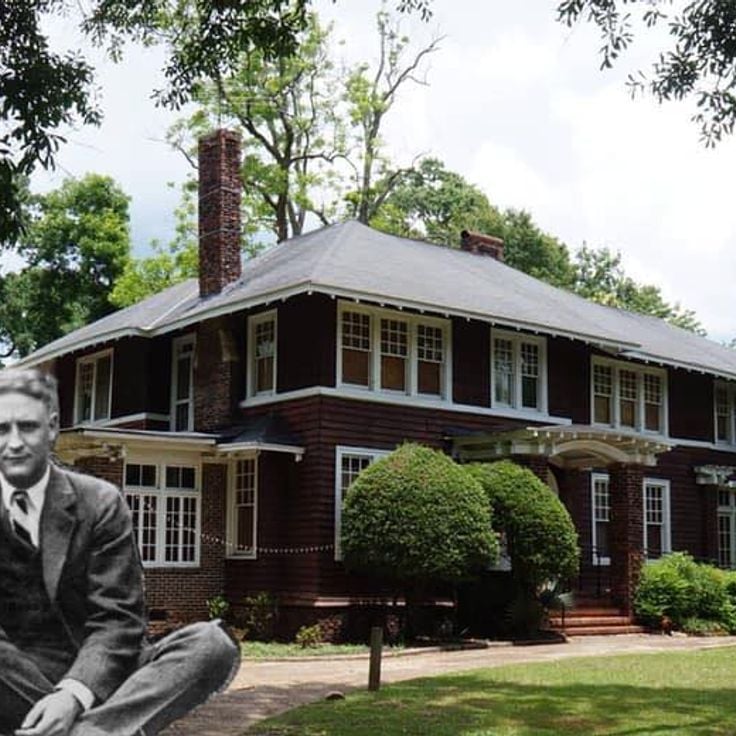
This museum is housed in the last home shared by F. Scott and Zelda Fitzgerald. It displays personal items, manuscripts, and photographs from their time in Montgomery. The space lets visitors step into the private world of this famous writing couple and understand how they lived and worked while shaping American literature.
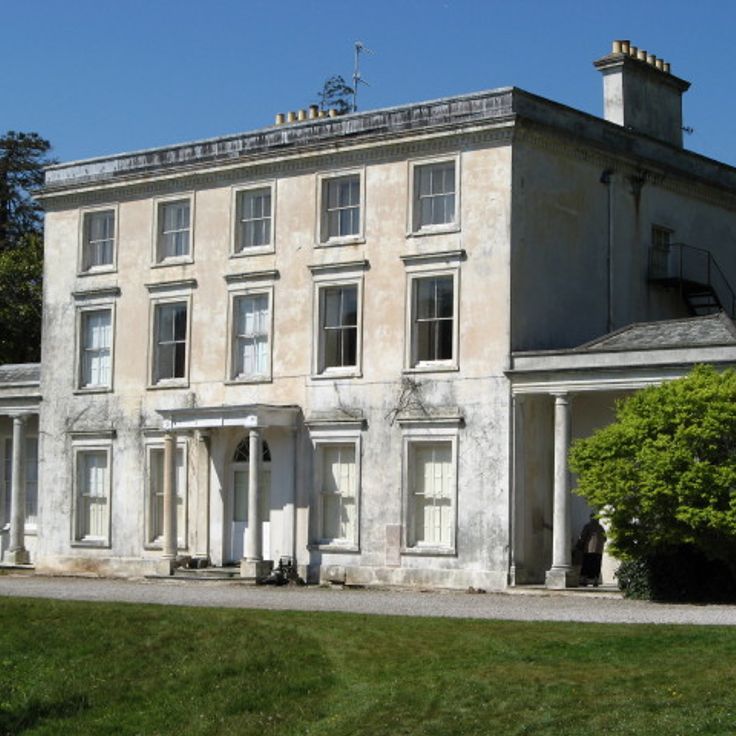
Greenway Estate served as Agatha Christie's summer home for nearly forty years and is now a literary museum open to the public. This eighteenth-century property displays her manuscripts and personal belongings, giving visitors a window into the life and creative process of one of the world's most prolific mystery writers. You can see where Christie planned and wrote the detective novels that captivated readers across generations.
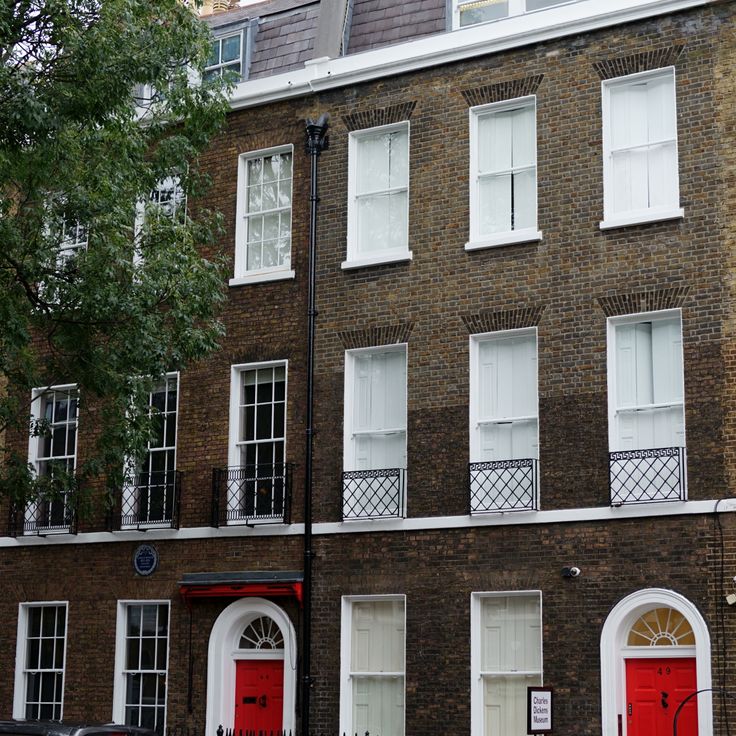
The Charles Dickens Museum is a Georgian house in the Bloomsbury district where the writer lived from 1837 to 1839. Here, Dickens completed several of his most famous novels, including Oliver Twist and Nicholas Nickleby. The house displays original manuscripts, personal belongings, and period furnishings that reveal how the author worked and lived in these rooms.
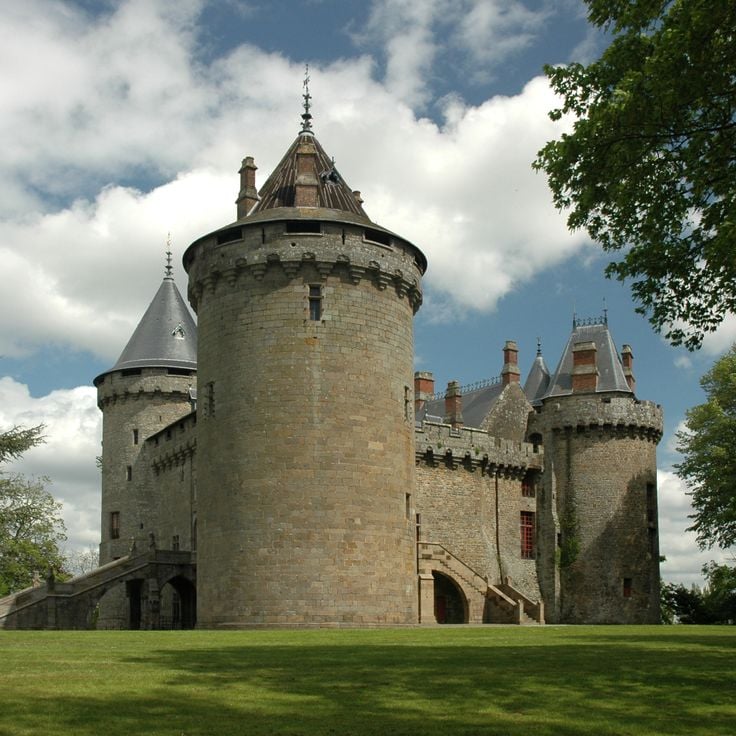
Château de Combourg is a medieval fortress dating to the eleventh century where the French writer François-René de Chateaubriand spent his youth and found inspiration for his Memoirs from Beyond the Grave. Visitors can walk through the rooms where this influential author grew up and wrote, understanding how the castle's walls and surrounding landscape shaped his romantic sensibilities. The property remains a family possession and offers a direct connection to how Chateaubriand's early life in this fortress influenced his literary works that went on to shape French literature.
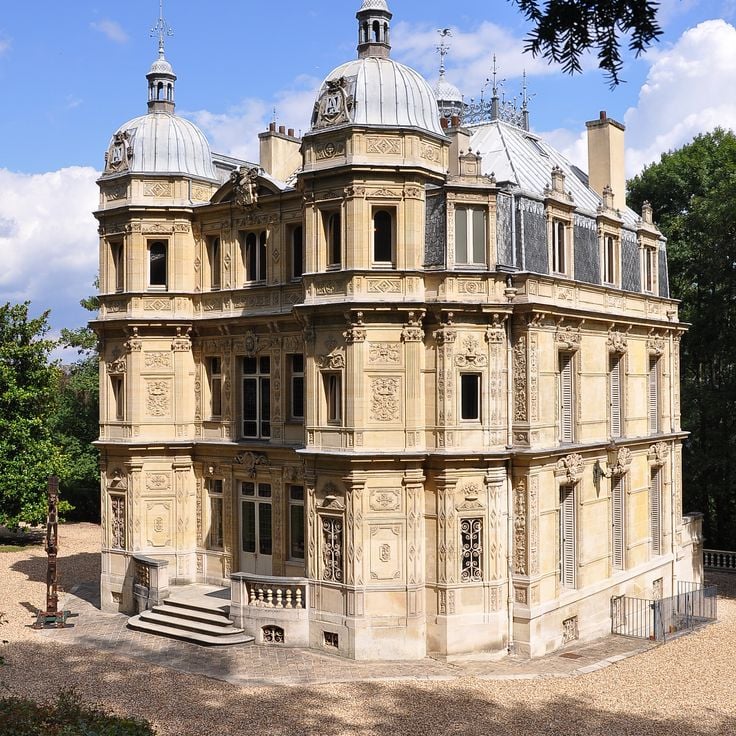
The Château de Monte-Cristo is a Neo-Renaissance residence built in 1846 for Alexandre Dumas according to architect Hippolyte Durand's design. Dumas created this house as his personal retreat and workspace, featuring a Moorish pavilion that served as his study, set within landscaped gardens. Today, visitors can walk through the rooms where this celebrated French author lived and worked, discovering how his creative life unfolded in these spaces and gaining insight into the man behind his famous stories.
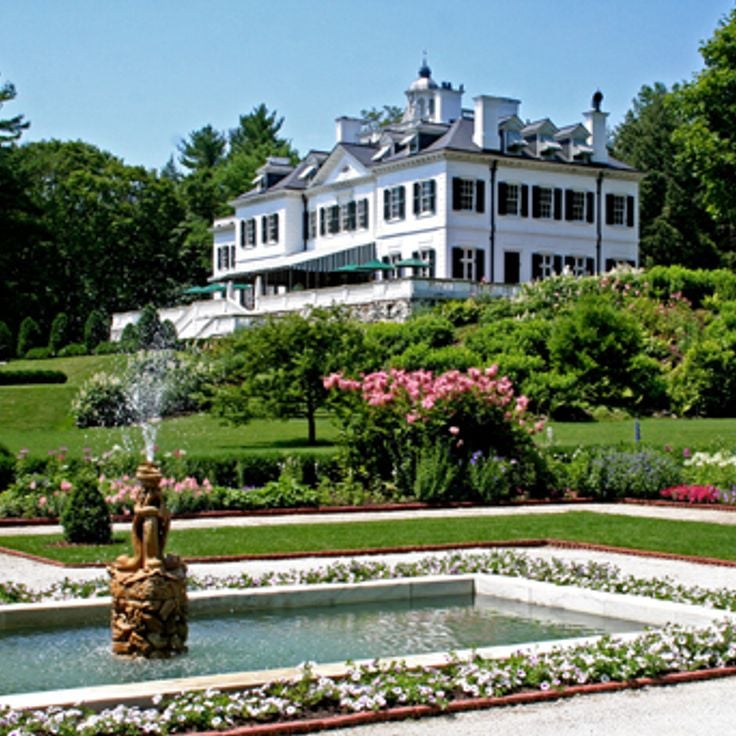
The Mount was Edith Wharton's home, designed and furnished by the author herself in 1902. Visitors can walk through the rooms where this influential American writer lived and worked, seeing her personal belongings, furnishings, and manuscripts. The historical gardens surrounding the house were important to Wharton and now host guided tours and literary events. This house serves as a cultural center, offering a direct look at how Wharton actually lived while creating her novels and essays.
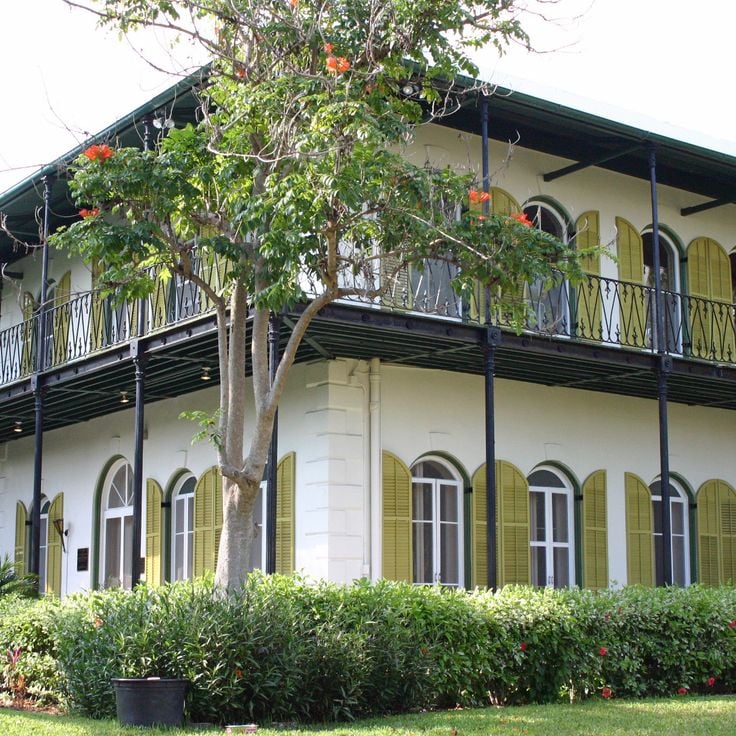
The Hemingway House is a Spanish colonial-style residence built in 1851 where Ernest Hemingway lived and wrote several of his novels. His original study remains preserved, along with the tropical gardens that surrounded him during his most productive years. Visitors can walk through the rooms where one of America's most influential 20th-century authors worked, gaining insight into his daily life on this island and how his surroundings shaped his writing.
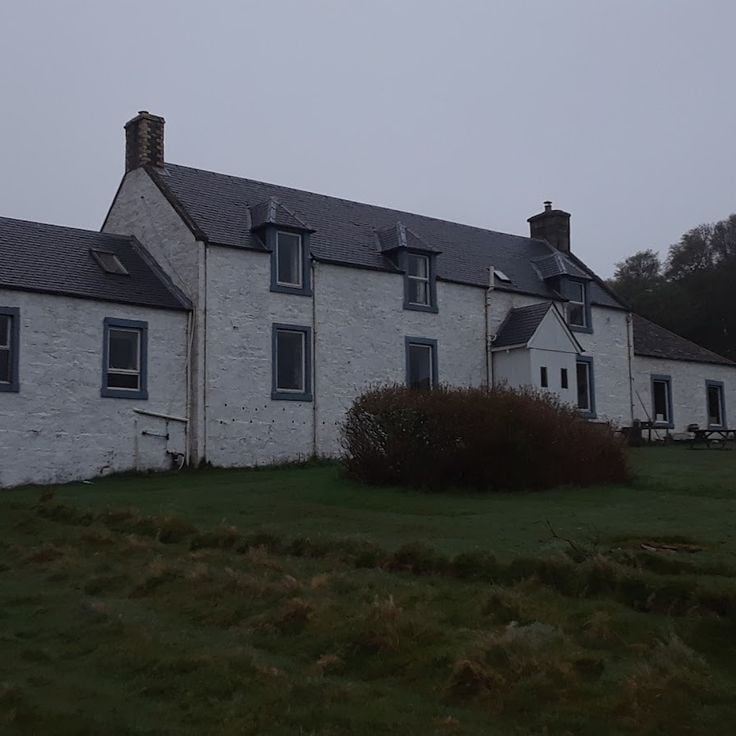
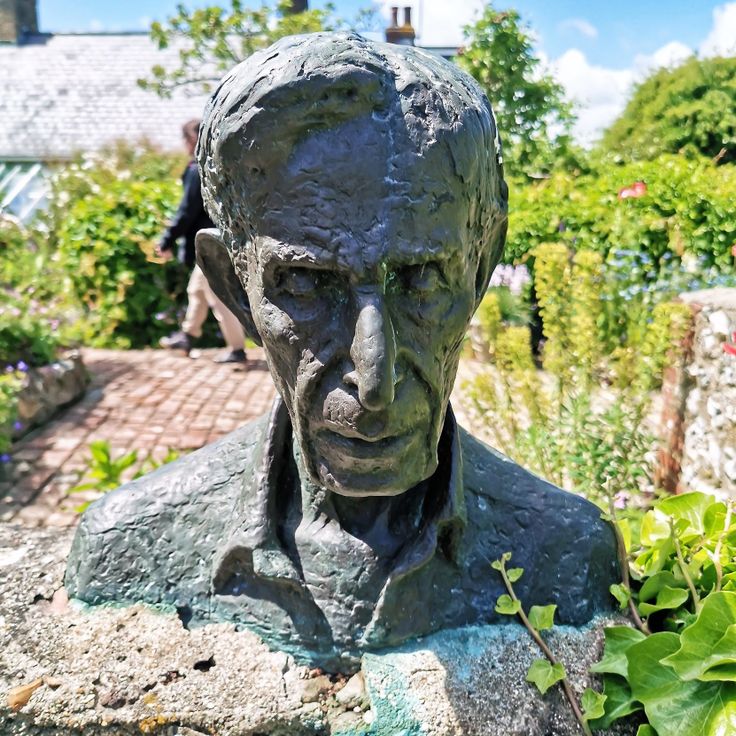
This remote farmhouse on the island of Jura in the Inner Hebrides was where George Orwell lived while completing his novel 1984. The house shows how the writer worked in isolation, surrounded by the rugged Scottish landscape. Visitors can see where Orwell wrote and how the remoteness of this place shaped his work on this important novel.
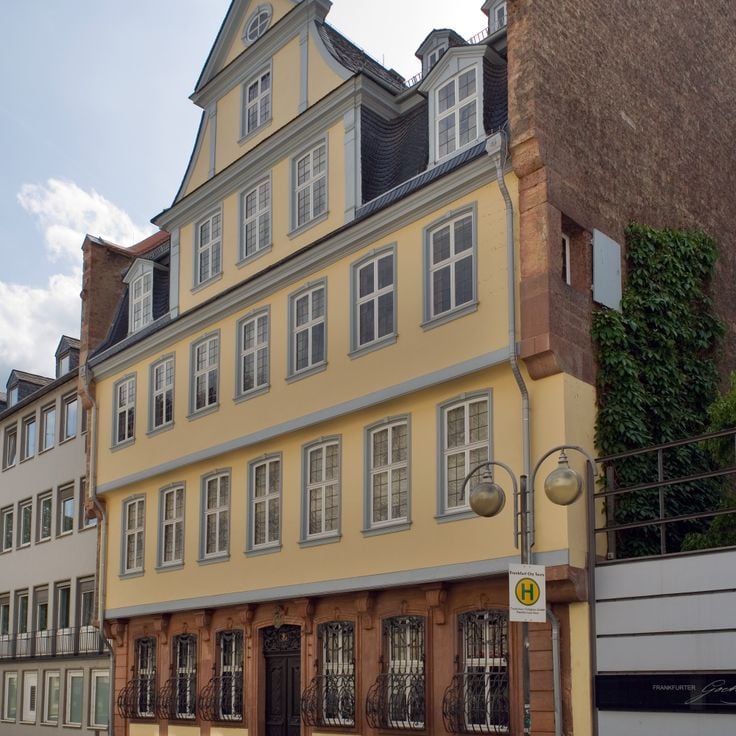
The Goethe-Haus preserves the birthplace and childhood home of Johann Wolfgang von Goethe, one of Germany's most influential writers of the 18th century. The house retains its period furnishings and displays original manuscripts that reveal how this celebrated author lived and worked. Walking through these rooms lets you see the actual spaces where Goethe spent his formative years and where his creative mind developed.
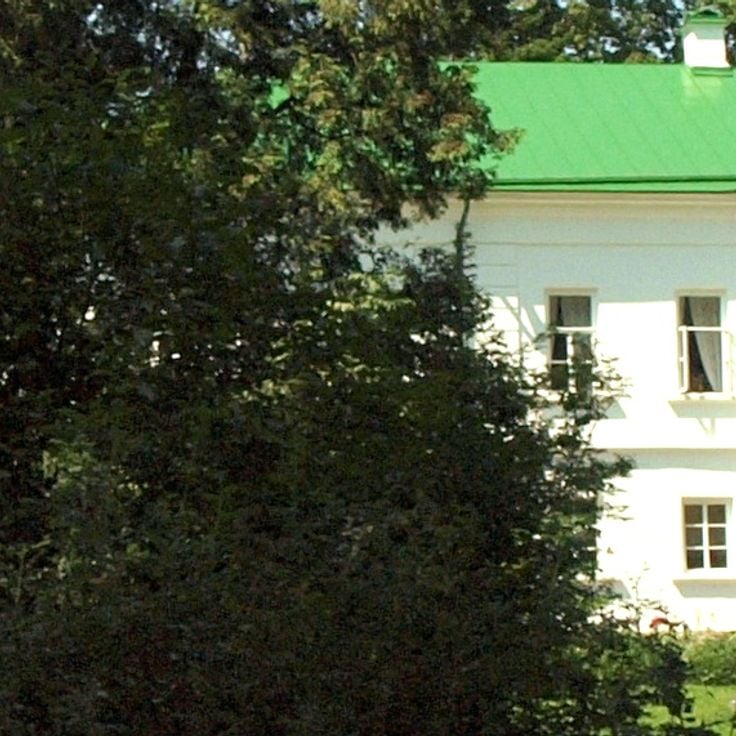
Yasnaya Polyana was Leo Tolstoy's family estate and offers insight into the life of the Russian writer. The property in the countryside includes the main house, a park, the author's library, and his grave. Much of his most famous work was created here while he shared his daily life with his family. The rooms still show how Tolstoy worked and lived, with original manuscripts and personal belongings that illuminate his creative world.
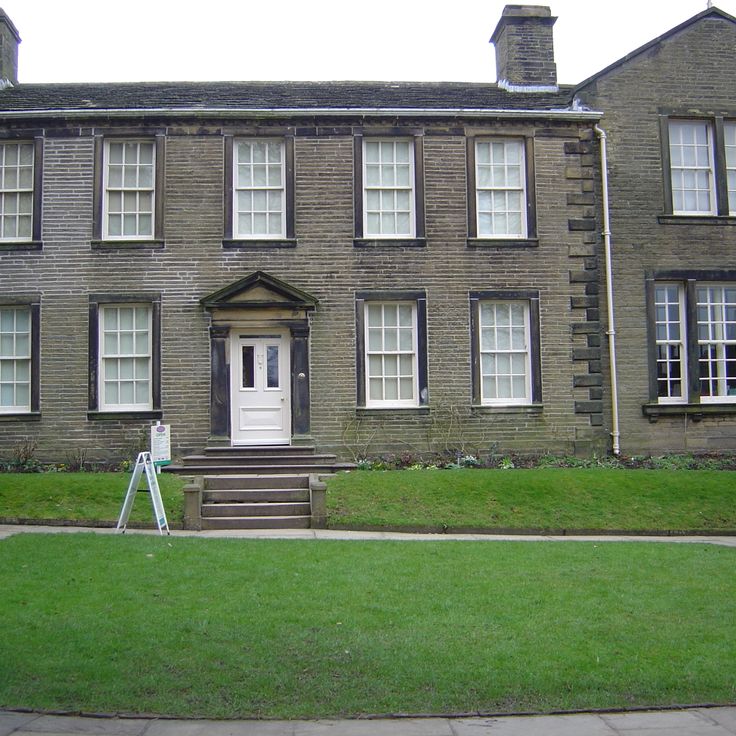
The Brontë Parsonage Museum is the Georgian parsonage in Haworth where Charlotte, Emily, and Anne Brontë lived and created their most celebrated works. The house displays original manuscripts, personal letters, and objects from their daily life, showing how the three sisters wrote their novels in this modest home. Walking through the rooms where they lived and wrote helps you understand that their stories came from real people in a real space, dealing with family and everyday concerns while they built their literary worlds on paper.
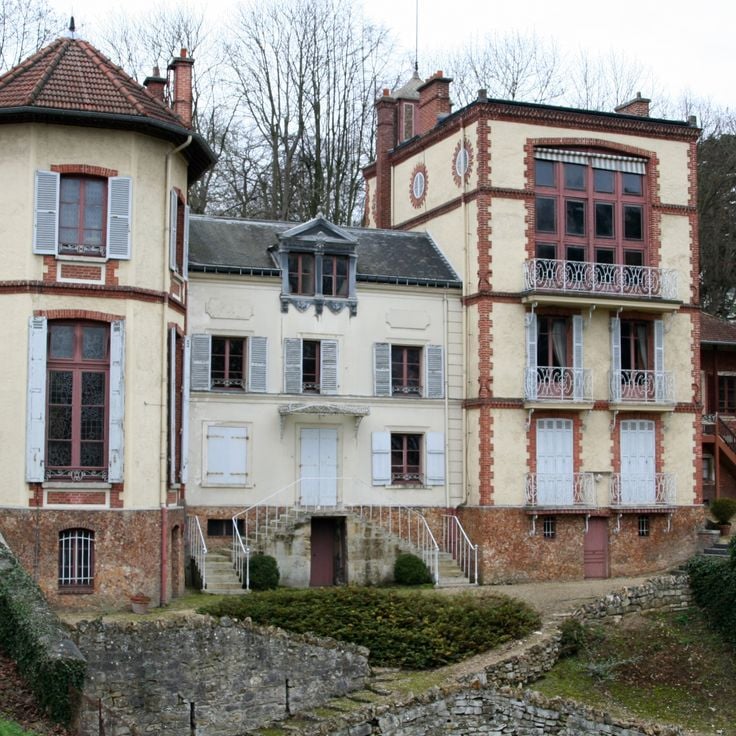
The house of Émile Zola is a bourgeois property on the banks of the Seine that the author acquired in 1878. Here, Zola wrote several novels from his Rougon-Macquart series, one of the most important literary cycles in French literature. The residence shows how this writer lived and worked while creating his realistic stories about French families and society. Visitors can see the rooms where Zola composed his works and learn how the setting by the river shaped his writing process.
The Jean Cocteau House is where this versatile artist and writer spent his final years creating many artistic and literary works. Set in a seventeenth-century building, this museum shows visitors how Cocteau lived and worked in his daily life. You can see the spaces where he wrote and created, along with his belongings and personal objects that reveal how this creative mind thought and operated.
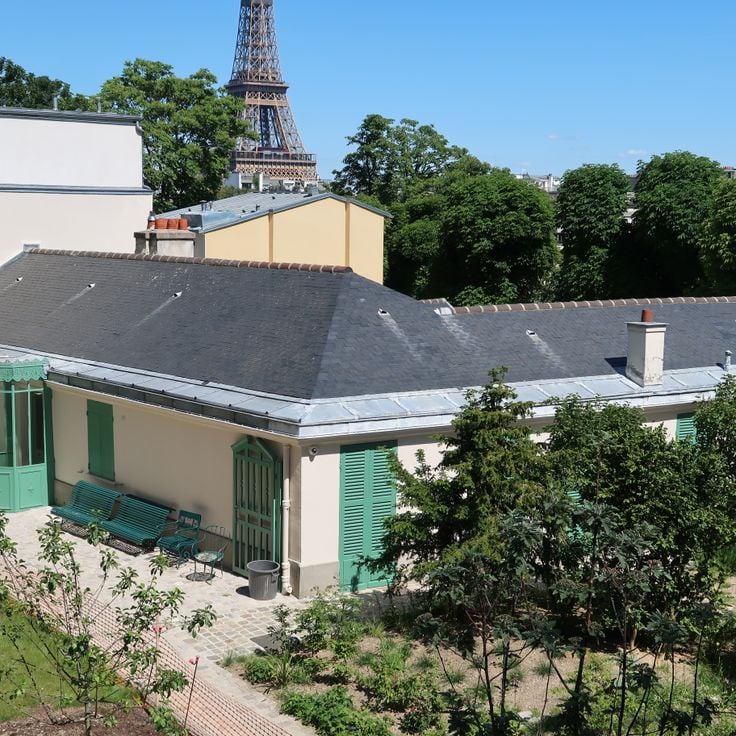
The Balzac House is a former Parisian residence in the sixteenth arrondissement where French author Honoré de Balzac lived and worked from 1840 to 1847. Here he wrote and revised many works that became part of his celebrated collection La Comédie humaine. The house reveals how Balzac spent his days, what surrounded him in his home, and where he created some of the great novels of French literature. Now open as a museum, this residence lets you see the actual spaces where one of Europe's most prolific writers developed his craft.
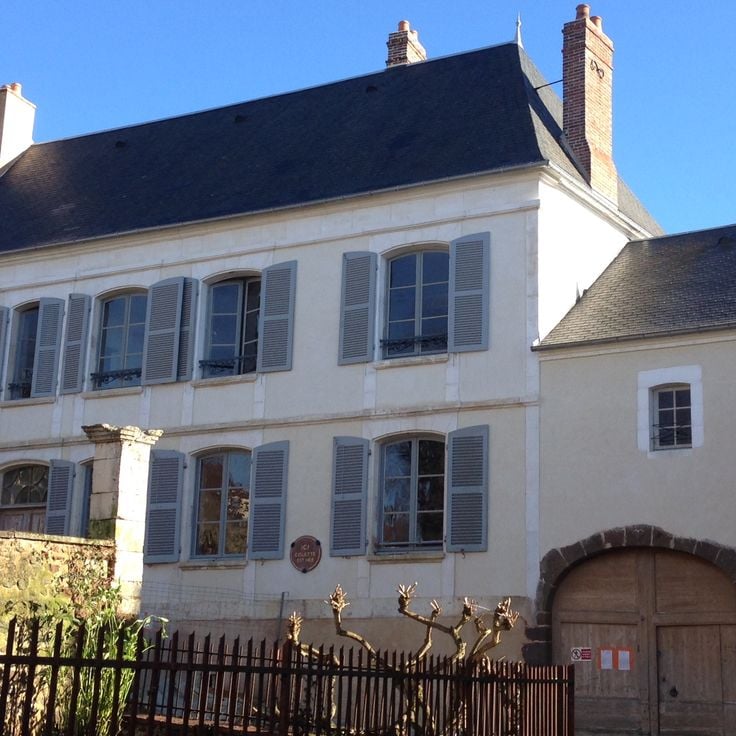
This birthplace of Gabrielle Colette in Burgundy preserves the spaces and objects from the early life of one of France's greatest writers. In these rooms, you can see family furniture and personal keepsakes that surrounded Colette as she grew up, before she went on to write Claudine and The Ripening Corn. The house gives you a sense of how her childhood in this French village shaped the author who would later captivate readers with her novels about life, nature, and human relationships.
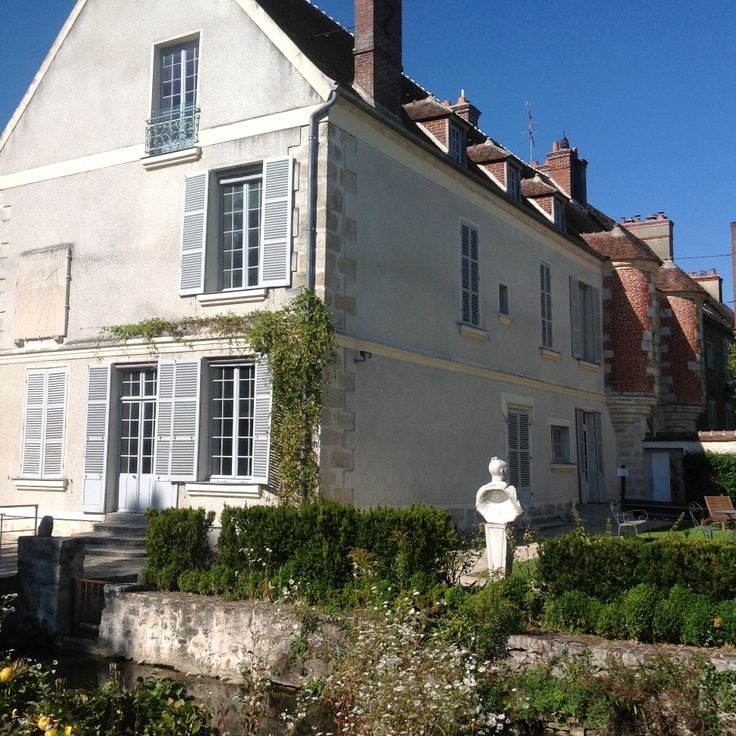
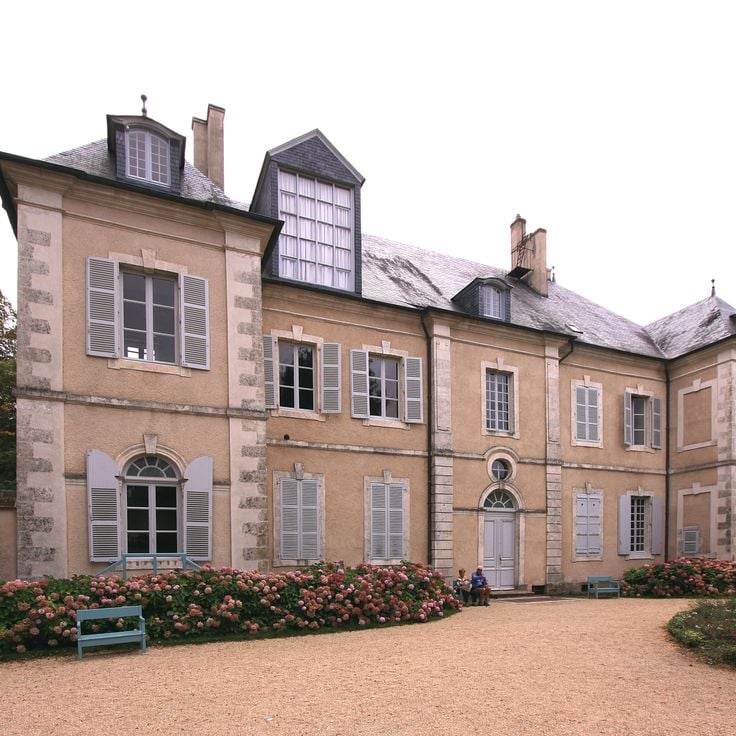
The George Sand House in Nohant-Vic was the home of the writer Aurore Dupin, known by her pen name George Sand. On this family estate in Berry, she spent most of her life and wrote her novels about rural life as well as autobiographical works. This house shows how this important author lived and worked in her everyday surroundings, offering visitors of this collection of writers' homes a window into the private space where her works came to life.
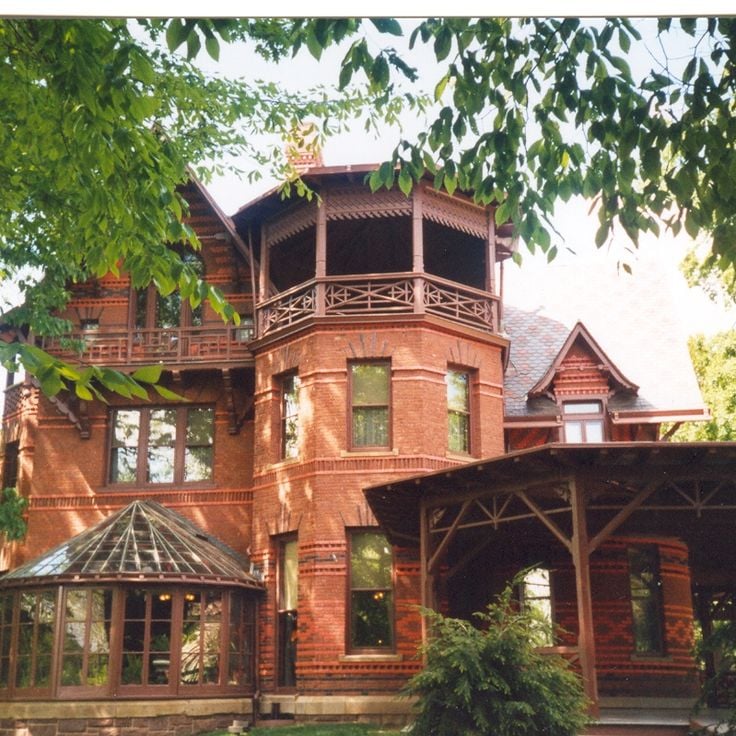
The Mark Twain House is a Victorian Gothic residence in Hartford, Connecticut, where American writer Samuel Clemens created his most celebrated works. This museum shows how Clemens lived with his family and worked in his home, with original manuscripts, personal belongings, and furnishings from his era. Visiting this house helps you understand that great literature came from a real person in a real space, living his everyday life while crafting stories that would shape American letters.
Villa Arnaga is one of the homes where a writer lived and worked. Built in the early twentieth century, this house displays Neo-Basque architecture and features French-style gardens designed according to the tastes of that era. Visitors can see how the resident spent his daily life in these rooms and found inspiration in his surroundings.
Monk's House in Rodmell was the home of a pioneering modernist writer who lived and worked there for several decades. This former rural dwelling in Sussex preserves her personal objects and manuscripts, giving visitors insight into her daily life. Many of her most important works were created within these walls, and the rooms show how this author wrote and thought surrounded by her familiar surroundings. The house is now a museum that makes the connection between her life and her writing clear.
This nineteenth-century house preserves the home of a French writer during his period of political exile in the Channel Islands. The rooms retain the interior arrangements he personally made, showing how he lived and worked during his years away from France. You can see the spaces where he created some of his most important works, understanding how his daily life and surroundings shaped his writing.
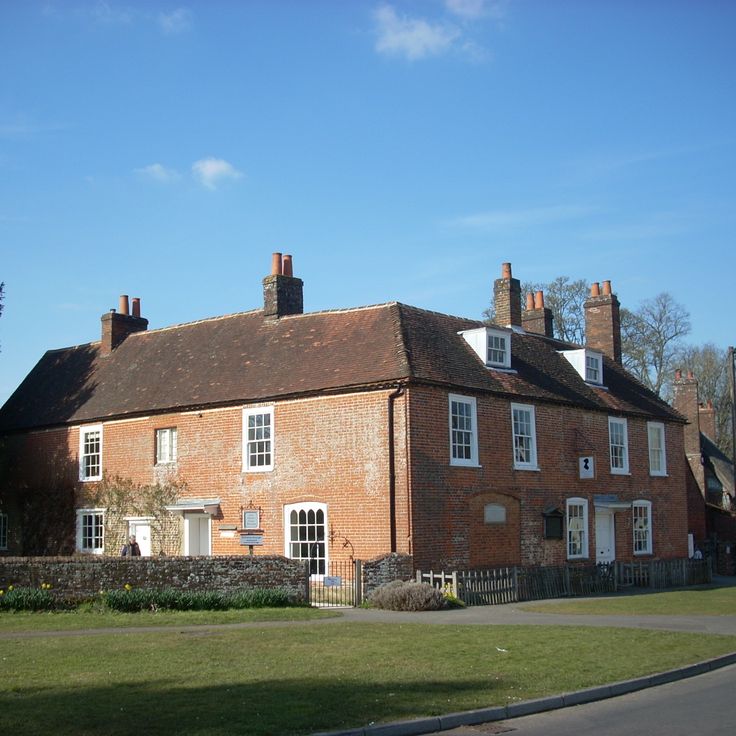
Jane Austen's House Museum is a Georgian cottage from the 17th century where the English novelist spent her final eight years. Here she wrote her three most important novels and completed their final revisions. The house shows where Austen sat at her desk and shaped the works that would define literature. With original furnishings, personal belongings, and handwritten manuscripts, you can see how the writer actually worked and lived.
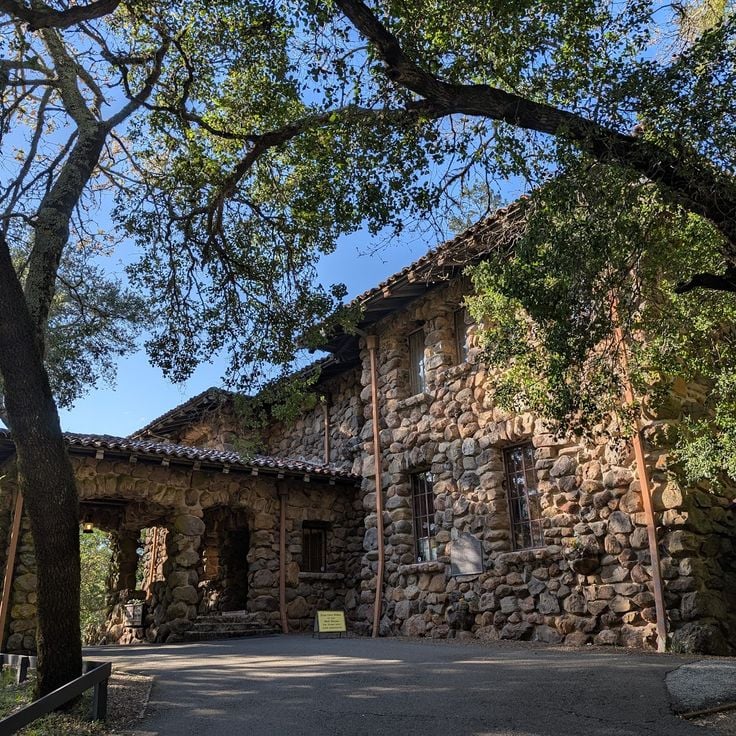
This property in Glen Ellen lets you walk through the spaces where Jack London wrote and lived. The ruins of his stone mansion and the cottage where he wrote his later works show how this celebrated author spent his days. A museum on the grounds tells the story of his life and career. As you explore the land, you can understand where his inspiration came from and how his famous stories came to life.
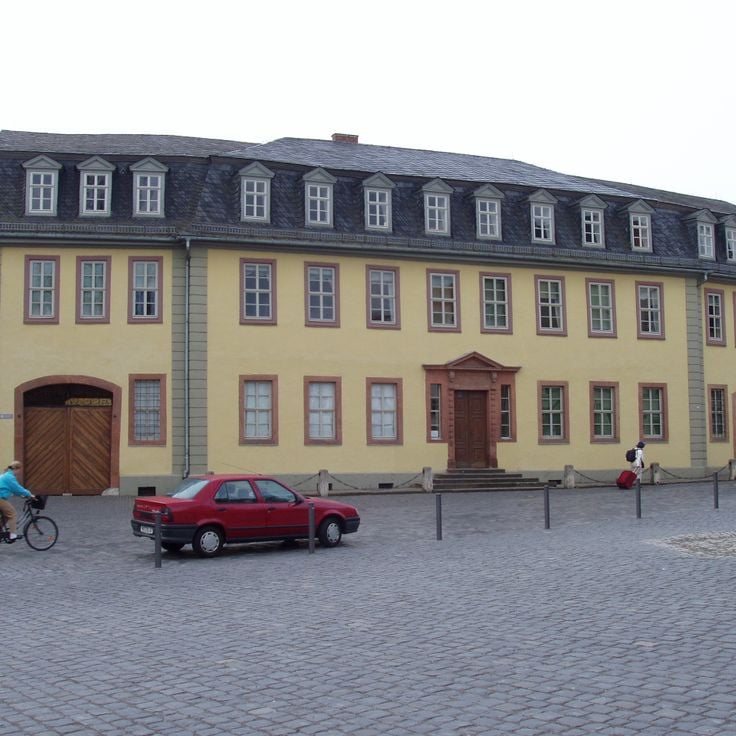
The Goethe National Museum is the Baroque residence where the German poet Johann Wolfgang von Goethe spent five decades of his life and creative work. Here he wrote Faust, his most famous drama, while also developing his scientific ideas about color and plants. Goethe directed the ducal theater and assembled an important art collection within these walls. The house reveals how this multifaceted writer conducted his daily life and pursued his many interests.
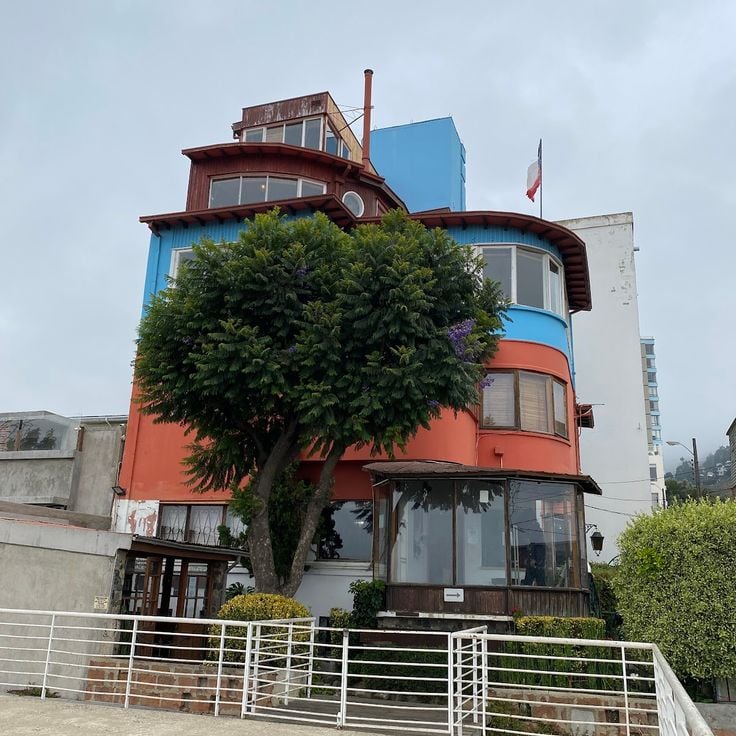
La Sebastiana is the five-story modernist house on Bellavista hill, the creative refuge where the Chilean poet wrote his verses and collected maritime objects while facing the Pacific Ocean. This home opens a window into how the writer lived and worked, showing the spaces where inspiration struck and daily life unfolded. Visitors can see original furnishings, personal belongings, and the study where some of his most important works came to life.
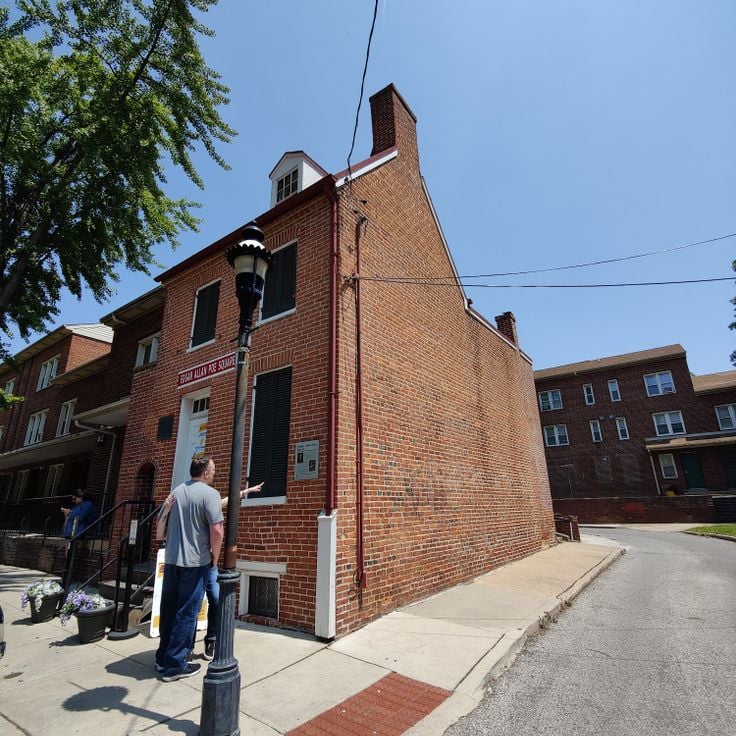
This three-story red brick house sheltered Edgar Allan Poe during two significant years of his literary career. Visitors can walk through rooms furnished with period pieces and view original manuscripts displayed in museum cases. The house reveals how Poe lived and worked day to day, offering a direct connection to one of America's most influential writers and the spaces where he developed his distinctive voice.
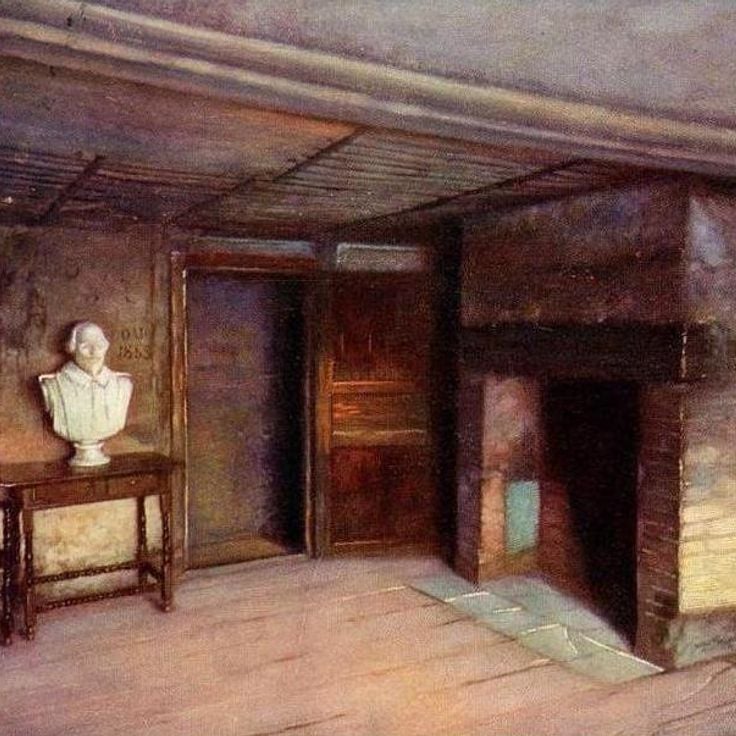
Shakespeare's Birthplace is the house where William Shakespeare grew up in the sixteenth century. This Tudor building shows the typical construction of the time, with timber framing and exposed oak beams. Inside, you'll find furnished rooms set up as they would have been during Shakespeare's childhood, filled with everyday items from his family's life. Visiting this house helps you see where one of history's greatest writers spent his early years and what daily life looked like before he moved to London and wrote his most celebrated plays.
This museum is housed in the last home shared by F. Scott and Zelda Fitzgerald. It displays personal items, manuscripts, and photographs from their time in Montgomery. The space lets visitors step into the private world of this famous writing couple and understand how they lived and worked while shaping American literature.
Greenway Estate served as Agatha Christie's summer home for nearly forty years and is now a literary museum open to the public. This eighteenth-century property displays her manuscripts and personal belongings, giving visitors a window into the life and creative process of one of the world's most prolific mystery writers. You can see where Christie planned and wrote the detective novels that captivated readers across generations.
The Charles Dickens Museum is a Georgian house in the Bloomsbury district where the writer lived from 1837 to 1839. Here, Dickens completed several of his most famous novels, including Oliver Twist and Nicholas Nickleby. The house displays original manuscripts, personal belongings, and period furnishings that reveal how the author worked and lived in these rooms.
Château de Combourg is a medieval fortress dating to the eleventh century where the French writer François-René de Chateaubriand spent his youth and found inspiration for his Memoirs from Beyond the Grave. Visitors can walk through the rooms where this influential author grew up and wrote, understanding how the castle's walls and surrounding landscape shaped his romantic sensibilities. The property remains a family possession and offers a direct connection to how Chateaubriand's early life in this fortress influenced his literary works that went on to shape French literature.
The Château de Monte-Cristo is a Neo-Renaissance residence built in 1846 for Alexandre Dumas according to architect Hippolyte Durand's design. Dumas created this house as his personal retreat and workspace, featuring a Moorish pavilion that served as his study, set within landscaped gardens. Today, visitors can walk through the rooms where this celebrated French author lived and worked, discovering how his creative life unfolded in these spaces and gaining insight into the man behind his famous stories.
The Mount was Edith Wharton's home, designed and furnished by the author herself in 1902. Visitors can walk through the rooms where this influential American writer lived and worked, seeing her personal belongings, furnishings, and manuscripts. The historical gardens surrounding the house were important to Wharton and now host guided tours and literary events. This house serves as a cultural center, offering a direct look at how Wharton actually lived while creating her novels and essays.
The Hemingway House is a Spanish colonial-style residence built in 1851 where Ernest Hemingway lived and wrote several of his novels. His original study remains preserved, along with the tropical gardens that surrounded him during his most productive years. Visitors can walk through the rooms where one of America's most influential 20th-century authors worked, gaining insight into his daily life on this island and how his surroundings shaped his writing.
This remote farmhouse on the island of Jura in the Inner Hebrides was where George Orwell lived while completing his novel 1984. The house shows how the writer worked in isolation, surrounded by the rugged Scottish landscape. Visitors can see where Orwell wrote and how the remoteness of this place shaped his work on this important novel.
The Goethe-Haus preserves the birthplace and childhood home of Johann Wolfgang von Goethe, one of Germany's most influential writers of the 18th century. The house retains its period furnishings and displays original manuscripts that reveal how this celebrated author lived and worked. Walking through these rooms lets you see the actual spaces where Goethe spent his formative years and where his creative mind developed.
Yasnaya Polyana was Leo Tolstoy's family estate and offers insight into the life of the Russian writer. The property in the countryside includes the main house, a park, the author's library, and his grave. Much of his most famous work was created here while he shared his daily life with his family. The rooms still show how Tolstoy worked and lived, with original manuscripts and personal belongings that illuminate his creative world.
The Brontë Parsonage Museum is the Georgian parsonage in Haworth where Charlotte, Emily, and Anne Brontë lived and created their most celebrated works. The house displays original manuscripts, personal letters, and objects from their daily life, showing how the three sisters wrote their novels in this modest home. Walking through the rooms where they lived and wrote helps you understand that their stories came from real people in a real space, dealing with family and everyday concerns while they built their literary worlds on paper.
The house of Émile Zola is a bourgeois property on the banks of the Seine that the author acquired in 1878. Here, Zola wrote several novels from his Rougon-Macquart series, one of the most important literary cycles in French literature. The residence shows how this writer lived and worked while creating his realistic stories about French families and society. Visitors can see the rooms where Zola composed his works and learn how the setting by the river shaped his writing process.
The Jean Cocteau House is where this versatile artist and writer spent his final years creating many artistic and literary works. Set in a seventeenth-century building, this museum shows visitors how Cocteau lived and worked in his daily life. You can see the spaces where he wrote and created, along with his belongings and personal objects that reveal how this creative mind thought and operated.
The Balzac House is a former Parisian residence in the sixteenth arrondissement where French author Honoré de Balzac lived and worked from 1840 to 1847. Here he wrote and revised many works that became part of his celebrated collection La Comédie humaine. The house reveals how Balzac spent his days, what surrounded him in his home, and where he created some of the great novels of French literature. Now open as a museum, this residence lets you see the actual spaces where one of Europe's most prolific writers developed his craft.
This birthplace of Gabrielle Colette in Burgundy preserves the spaces and objects from the early life of one of France's greatest writers. In these rooms, you can see family furniture and personal keepsakes that surrounded Colette as she grew up, before she went on to write Claudine and The Ripening Corn. The house gives you a sense of how her childhood in this French village shaped the author who would later captivate readers with her novels about life, nature, and human relationships.
The George Sand House in Nohant-Vic was the home of the writer Aurore Dupin, known by her pen name George Sand. On this family estate in Berry, she spent most of her life and wrote her novels about rural life as well as autobiographical works. This house shows how this important author lived and worked in her everyday surroundings, offering visitors of this collection of writers' homes a window into the private space where her works came to life.
The Mark Twain House is a Victorian Gothic residence in Hartford, Connecticut, where American writer Samuel Clemens created his most celebrated works. This museum shows how Clemens lived with his family and worked in his home, with original manuscripts, personal belongings, and furnishings from his era. Visiting this house helps you understand that great literature came from a real person in a real space, living his everyday life while crafting stories that would shape American letters.
Villa Arnaga is one of the homes where a writer lived and worked. Built in the early twentieth century, this house displays Neo-Basque architecture and features French-style gardens designed according to the tastes of that era. Visitors can see how the resident spent his daily life in these rooms and found inspiration in his surroundings.
Monk's House in Rodmell was the home of a pioneering modernist writer who lived and worked there for several decades. This former rural dwelling in Sussex preserves her personal objects and manuscripts, giving visitors insight into her daily life. Many of her most important works were created within these walls, and the rooms show how this author wrote and thought surrounded by her familiar surroundings. The house is now a museum that makes the connection between her life and her writing clear.
This nineteenth-century house preserves the home of a French writer during his period of political exile in the Channel Islands. The rooms retain the interior arrangements he personally made, showing how he lived and worked during his years away from France. You can see the spaces where he created some of his most important works, understanding how his daily life and surroundings shaped his writing.
Jane Austen's House Museum is a Georgian cottage from the 17th century where the English novelist spent her final eight years. Here she wrote her three most important novels and completed their final revisions. The house shows where Austen sat at her desk and shaped the works that would define literature. With original furnishings, personal belongings, and handwritten manuscripts, you can see how the writer actually worked and lived.
This property in Glen Ellen lets you walk through the spaces where Jack London wrote and lived. The ruins of his stone mansion and the cottage where he wrote his later works show how this celebrated author spent his days. A museum on the grounds tells the story of his life and career. As you explore the land, you can understand where his inspiration came from and how his famous stories came to life.
The Goethe National Museum is the Baroque residence where the German poet Johann Wolfgang von Goethe spent five decades of his life and creative work. Here he wrote Faust, his most famous drama, while also developing his scientific ideas about color and plants. Goethe directed the ducal theater and assembled an important art collection within these walls. The house reveals how this multifaceted writer conducted his daily life and pursued his many interests.
La Sebastiana is the five-story modernist house on Bellavista hill, the creative refuge where the Chilean poet wrote his verses and collected maritime objects while facing the Pacific Ocean. This home opens a window into how the writer lived and worked, showing the spaces where inspiration struck and daily life unfolded. Visitors can see original furnishings, personal belongings, and the study where some of his most important works came to life.
This three-story red brick house sheltered Edgar Allan Poe during two significant years of his literary career. Visitors can walk through rooms furnished with period pieces and view original manuscripts displayed in museum cases. The house reveals how Poe lived and worked day to day, offering a direct connection to one of America's most influential writers and the spaces where he developed his distinctive voice.
Shakespeare's Birthplace is the house where William Shakespeare grew up in the sixteenth century. This Tudor building shows the typical construction of the time, with timber framing and exposed oak beams. Inside, you'll find furnished rooms set up as they would have been during Shakespeare's childhood, filled with everyday items from his family's life. Visiting this house helps you see where one of history's greatest writers spent his early years and what daily life looked like before he moved to London and wrote his most celebrated plays.
This museum is housed in the last home shared by F. Scott and Zelda Fitzgerald. It displays personal items, manuscripts, and photographs from their time in Montgomery. The space lets visitors step into the private world of this famous writing couple and understand how they lived and worked while shaping American literature.
Greenway Estate served as Agatha Christie's summer home for nearly forty years and is now a literary museum open to the public. This eighteenth-century property displays her manuscripts and personal belongings, giving visitors a window into the life and creative process of one of the world's most prolific mystery writers. You can see where Christie planned and wrote the detective novels that captivated readers across generations.
The Charles Dickens Museum is a Georgian house in the Bloomsbury district where the writer lived from 1837 to 1839. Here, Dickens completed several of his most famous novels, including Oliver Twist and Nicholas Nickleby. The house displays original manuscripts, personal belongings, and period furnishings that reveal how the author worked and lived in these rooms.
Château de Combourg is a medieval fortress dating to the eleventh century where the French writer François-René de Chateaubriand spent his youth and found inspiration for his Memoirs from Beyond the Grave. Visitors can walk through the rooms where this influential author grew up and wrote, understanding how the castle's walls and surrounding landscape shaped his romantic sensibilities. The property remains a family possession and offers a direct connection to how Chateaubriand's early life in this fortress influenced his literary works that went on to shape French literature.
The Château de Monte-Cristo is a Neo-Renaissance residence built in 1846 for Alexandre Dumas according to architect Hippolyte Durand's design. Dumas created this house as his personal retreat and workspace, featuring a Moorish pavilion that served as his study, set within landscaped gardens. Today, visitors can walk through the rooms where this celebrated French author lived and worked, discovering how his creative life unfolded in these spaces and gaining insight into the man behind his famous stories.
The Mount was Edith Wharton's home, designed and furnished by the author herself in 1902. Visitors can walk through the rooms where this influential American writer lived and worked, seeing her personal belongings, furnishings, and manuscripts. The historical gardens surrounding the house were important to Wharton and now host guided tours and literary events. This house serves as a cultural center, offering a direct look at how Wharton actually lived while creating her novels and essays.
The Hemingway House is a Spanish colonial-style residence built in 1851 where Ernest Hemingway lived and wrote several of his novels. His original study remains preserved, along with the tropical gardens that surrounded him during his most productive years. Visitors can walk through the rooms where one of America's most influential 20th-century authors worked, gaining insight into his daily life on this island and how his surroundings shaped his writing.
This remote farmhouse on the island of Jura in the Inner Hebrides was where George Orwell lived while completing his novel 1984. The house shows how the writer worked in isolation, surrounded by the rugged Scottish landscape. Visitors can see where Orwell wrote and how the remoteness of this place shaped his work on this important novel.
The Goethe-Haus preserves the birthplace and childhood home of Johann Wolfgang von Goethe, one of Germany's most influential writers of the 18th century. The house retains its period furnishings and displays original manuscripts that reveal how this celebrated author lived and worked. Walking through these rooms lets you see the actual spaces where Goethe spent his formative years and where his creative mind developed.
Yasnaya Polyana was Leo Tolstoy's family estate and offers insight into the life of the Russian writer. The property in the countryside includes the main house, a park, the author's library, and his grave. Much of his most famous work was created here while he shared his daily life with his family. The rooms still show how Tolstoy worked and lived, with original manuscripts and personal belongings that illuminate his creative world.
The Brontë Parsonage Museum is the Georgian parsonage in Haworth where Charlotte, Emily, and Anne Brontë lived and created their most celebrated works. The house displays original manuscripts, personal letters, and objects from their daily life, showing how the three sisters wrote their novels in this modest home. Walking through the rooms where they lived and wrote helps you understand that their stories came from real people in a real space, dealing with family and everyday concerns while they built their literary worlds on paper.
The house of Émile Zola is a bourgeois property on the banks of the Seine that the author acquired in 1878. Here, Zola wrote several novels from his Rougon-Macquart series, one of the most important literary cycles in French literature. The residence shows how this writer lived and worked while creating his realistic stories about French families and society. Visitors can see the rooms where Zola composed his works and learn how the setting by the river shaped his writing process.
The Jean Cocteau House is where this versatile artist and writer spent his final years creating many artistic and literary works. Set in a seventeenth-century building, this museum shows visitors how Cocteau lived and worked in his daily life. You can see the spaces where he wrote and created, along with his belongings and personal objects that reveal how this creative mind thought and operated.
The Balzac House is a former Parisian residence in the sixteenth arrondissement where French author Honoré de Balzac lived and worked from 1840 to 1847. Here he wrote and revised many works that became part of his celebrated collection La Comédie humaine. The house reveals how Balzac spent his days, what surrounded him in his home, and where he created some of the great novels of French literature. Now open as a museum, this residence lets you see the actual spaces where one of Europe's most prolific writers developed his craft.
This birthplace of Gabrielle Colette in Burgundy preserves the spaces and objects from the early life of one of France's greatest writers. In these rooms, you can see family furniture and personal keepsakes that surrounded Colette as she grew up, before she went on to write Claudine and The Ripening Corn. The house gives you a sense of how her childhood in this French village shaped the author who would later captivate readers with her novels about life, nature, and human relationships.
The George Sand House in Nohant-Vic was the home of the writer Aurore Dupin, known by her pen name George Sand. On this family estate in Berry, she spent most of her life and wrote her novels about rural life as well as autobiographical works. This house shows how this important author lived and worked in her everyday surroundings, offering visitors of this collection of writers' homes a window into the private space where her works came to life.
The Mark Twain House is a Victorian Gothic residence in Hartford, Connecticut, where American writer Samuel Clemens created his most celebrated works. This museum shows how Clemens lived with his family and worked in his home, with original manuscripts, personal belongings, and furnishings from his era. Visiting this house helps you understand that great literature came from a real person in a real space, living his everyday life while crafting stories that would shape American letters.
Villa Arnaga is one of the homes where a writer lived and worked. Built in the early twentieth century, this house displays Neo-Basque architecture and features French-style gardens designed according to the tastes of that era. Visitors can see how the resident spent his daily life in these rooms and found inspiration in his surroundings.
Monk's House in Rodmell was the home of a pioneering modernist writer who lived and worked there for several decades. This former rural dwelling in Sussex preserves her personal objects and manuscripts, giving visitors insight into her daily life. Many of her most important works were created within these walls, and the rooms show how this author wrote and thought surrounded by her familiar surroundings. The house is now a museum that makes the connection between her life and her writing clear.
This nineteenth-century house preserves the home of a French writer during his period of political exile in the Channel Islands. The rooms retain the interior arrangements he personally made, showing how he lived and worked during his years away from France. You can see the spaces where he created some of his most important works, understanding how his daily life and surroundings shaped his writing.
Jane Austen's House Museum is a Georgian cottage from the 17th century where the English novelist spent her final eight years. Here she wrote her three most important novels and completed their final revisions. The house shows where Austen sat at her desk and shaped the works that would define literature. With original furnishings, personal belongings, and handwritten manuscripts, you can see how the writer actually worked and lived.
This property in Glen Ellen lets you walk through the spaces where Jack London wrote and lived. The ruins of his stone mansion and the cottage where he wrote his later works show how this celebrated author spent his days. A museum on the grounds tells the story of his life and career. As you explore the land, you can understand where his inspiration came from and how his famous stories came to life.
The Goethe National Museum is the Baroque residence where the German poet Johann Wolfgang von Goethe spent five decades of his life and creative work. Here he wrote Faust, his most famous drama, while also developing his scientific ideas about color and plants. Goethe directed the ducal theater and assembled an important art collection within these walls. The house reveals how this multifaceted writer conducted his daily life and pursued his many interests.
La Sebastiana is the five-story modernist house on Bellavista hill, the creative refuge where the Chilean poet wrote his verses and collected maritime objects while facing the Pacific Ocean. This home opens a window into how the writer lived and worked, showing the spaces where inspiration struck and daily life unfolded. Visitors can see original furnishings, personal belongings, and the study where some of his most important works came to life.
This three-story red brick house sheltered Edgar Allan Poe during two significant years of his literary career. Visitors can walk through rooms furnished with period pieces and view original manuscripts displayed in museum cases. The house reveals how Poe lived and worked day to day, offering a direct connection to one of America's most influential writers and the spaces where he developed his distinctive voice.
Shakespeare's Birthplace is the house where William Shakespeare grew up in the sixteenth century. This Tudor building shows the typical construction of the time, with timber framing and exposed oak beams. Inside, you'll find furnished rooms set up as they would have been during Shakespeare's childhood, filled with everyday items from his family's life. Visiting this house helps you see where one of history's greatest writers spent his early years and what daily life looked like before he moved to London and wrote his most celebrated plays.