Bayeux Tapestry, Medieval embroidery in Bayeux, France
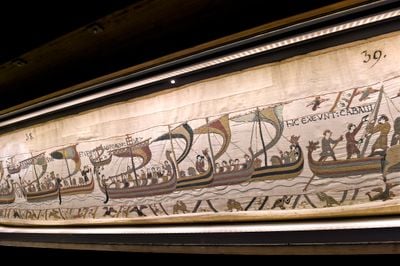
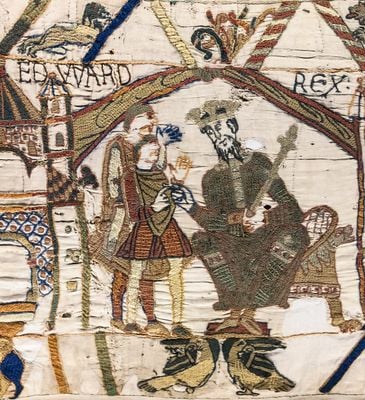
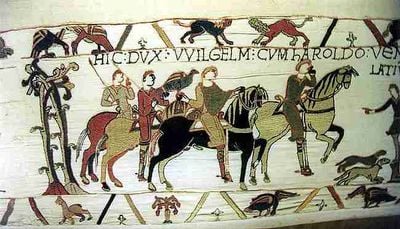
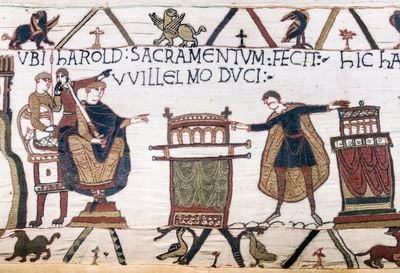
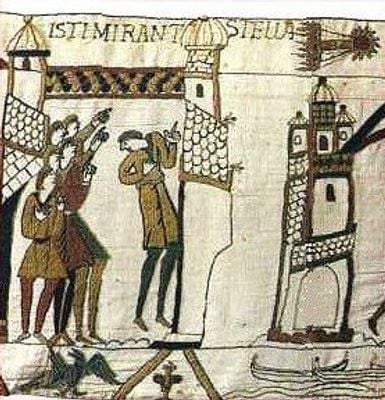
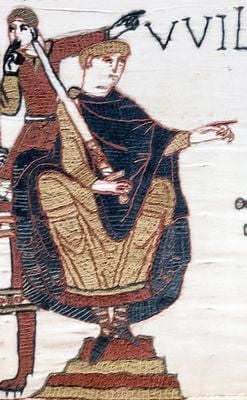
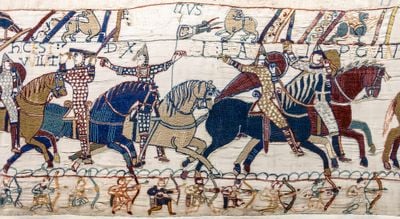
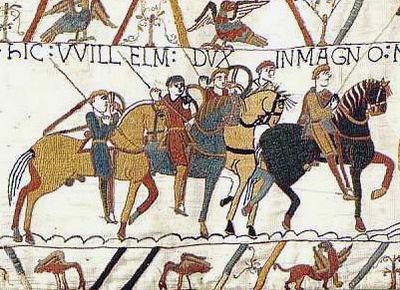
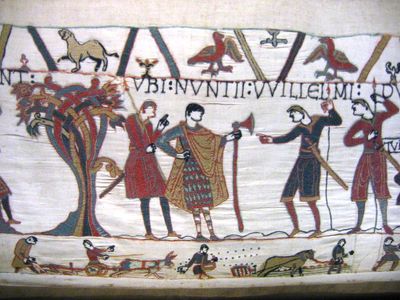
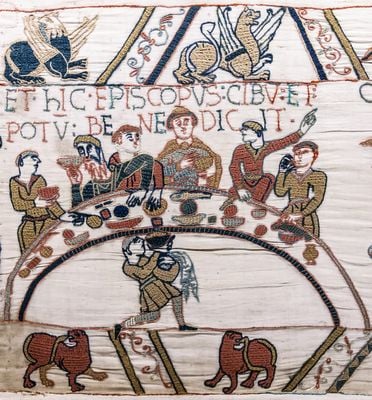
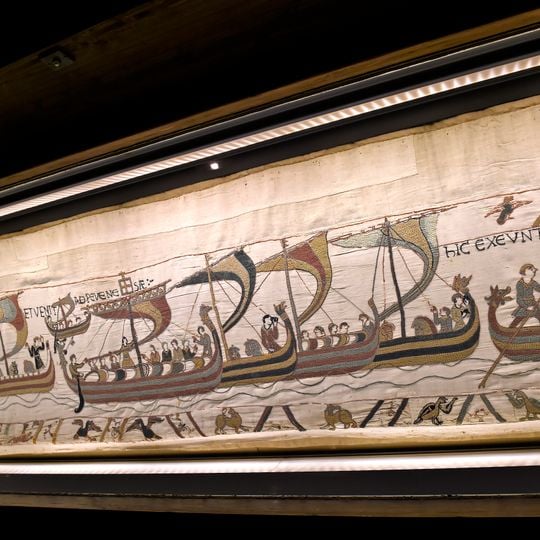
This medieval embroidery is a long strip of linen cloth worked with wool thread, showing the Norman invasion of England in a series of connected panels. It measures over 68 meters (224 feet) long and 50 centimeters (20 inches) tall, with more than 600 human figures, horses, ships, and buildings stitched across its surface.
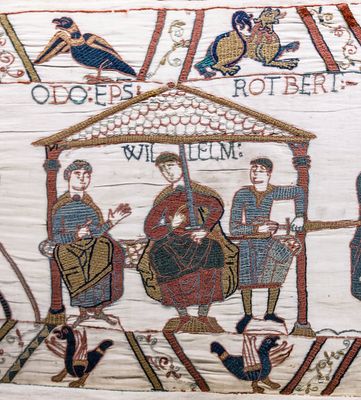
Bishop Odo of Bayeux, half-brother to William the Conqueror, commissioned this work around 1070 to celebrate the victory at Hastings. The embroidery was meant to justify the Norman claim to the English throne and honor those who fought in the conquest.
Visitors can follow the story panel by panel, watching how medieval craftsmen told events through pictures and short Latin captions. The piece shows how people in the Middle Ages shared news and glorified their leaders using cloth instead of paper or books.
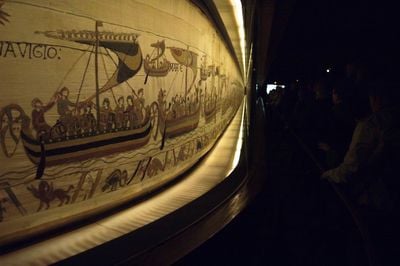
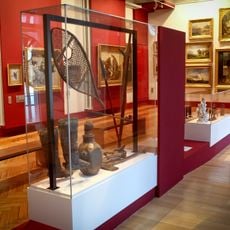
The museum displays the embroidery in a dimmed gallery to protect the fragile fabric, with audio guides available in several languages. Visitors walk along the entire length at their own pace, stopping wherever they want to listen and look more closely at specific scenes.
The craftsmen used four specific stitching methods, including stem stitch and laid work, with naturally dyed wool threads on linen. Some panels include unexpected details like naked soldiers and animals in the borders that do not relate directly to the main story being told.
The community of curious travelers
AroundUs brings together thousands of curated places, local tips, and hidden gems, enriched daily by 90,857 contributors worldwide.