Séminaire de Bayeux, Religious seminary building in Bayeux, France
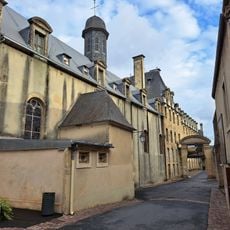
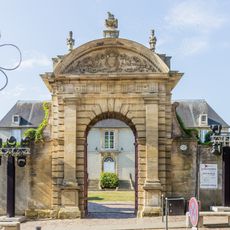
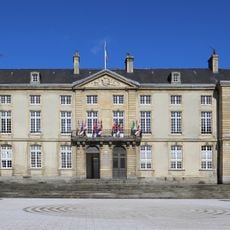
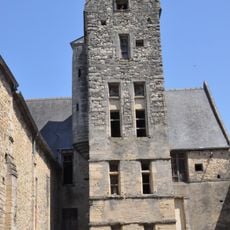
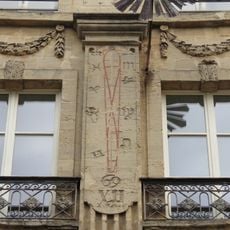
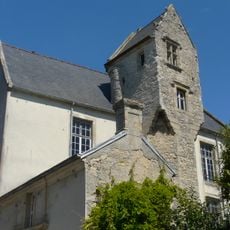
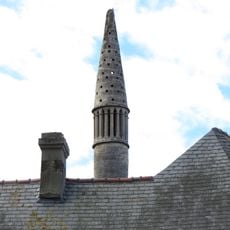
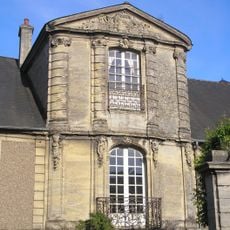
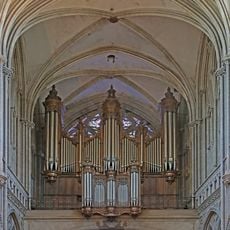
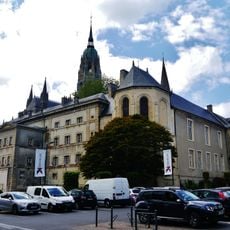
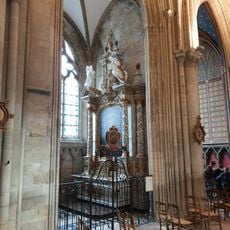
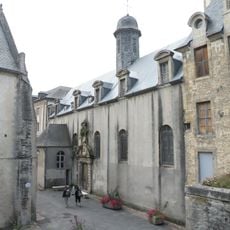
The Séminaire de Bayeux is a classical structure situated along the Aure River in the heart of the city, with buildings arranged around interior courtyards. The layout combines preserved elements from different construction periods, including the chapel area and the symmetrical facades dating from the 1600s onward.
Construction of the seminary began in 1693 under Bishop François de Nesmond, replacing an Augustinian priory that had stood on the site since the 1200s. The chapel from the earlier foundation survived and was later designated as a protected monument.
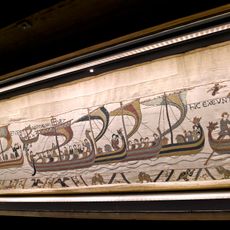
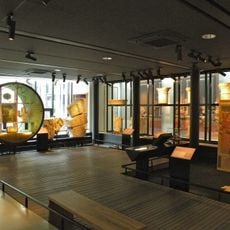
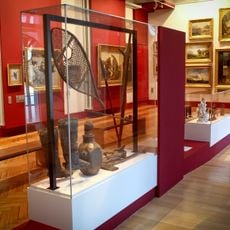
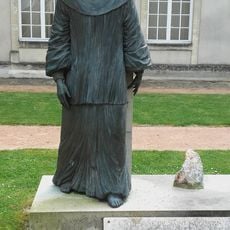
The name Guillaume-le-Conquérant, given to the centre after 1983, honours William the Conqueror, whose Norman conquest of England is told in the 11th-century Bayeux Tapestry displayed inside. The chapel, the last remnant of the 13th-century Augustinian priory, was listed as a monument historique in 1862. The building also keeps the memory of Robert Lion, the Kieffer commando doctor killed on 6 June 1944, whose name was given to the temporary military hospital set up here in July 1944.
The grounds are easy to locate and visible from the Aure riverbank, offering clear orientation for visitors arriving in the area. Plan time to walk around the exterior facades and through accessible sections to appreciate the full scope of the complex.
Requisitioned during the German occupation, the seminary was handed to the French free authorities on 26 June 1944 and housed a temporary military hospital named Robert-Lion, after a doctor of the Kieffer commando killed on 6 June 1944. It trained priests of the Bayeux and Lisieux diocese until 1969, when the seminary moved to Caen.
The community of curious travelers
AroundUs brings together thousands of curated places, local tips, and hidden gems, enriched daily by 92,853 contributors worldwide.