Lascaux, Prehistoric cave system in Montignac-Lascaux, France.
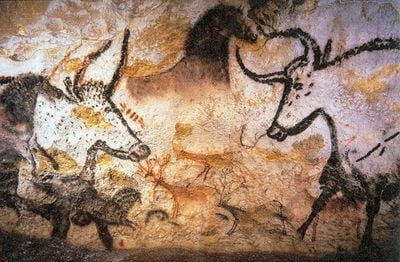
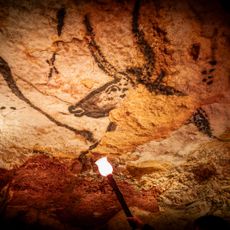
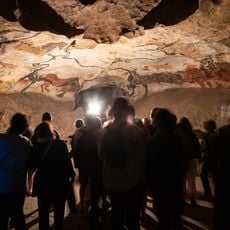
Lascaux is a prehistoric cave system in Montignac-Lascaux, France, known for its Upper Paleolithic rock paintings. The walls hold over 600 painted figures of large animals such as horses, bulls, and deer, rendered in mineral pigments across shades of earth tones.
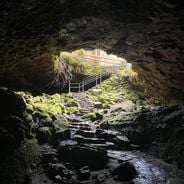
Four teenagers and their dog found the cave in September 1940 after following a passage that opened beneath a fallen tree. The site opened to the public in 1948 but had to close in 1963 because visitor traffic altered the microclimate and damaged the paintings.
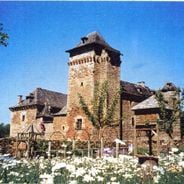
The name Lascaux comes from an old seigneurie, from the Occitan "Las Coutz" or "La Coux", meaning a stony place. The cave is nicknamed the "Sistine Chapel of parietal art", an expression attributed to Henri Breuil, who also called it the "Versailles of Prehistory".
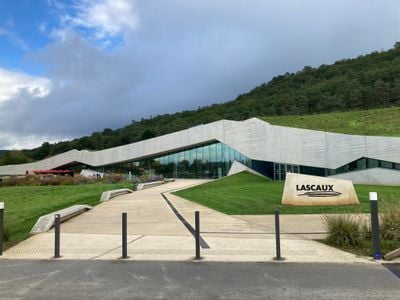
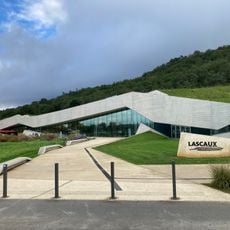
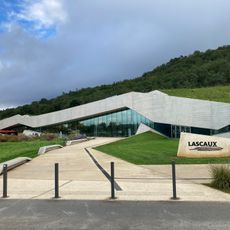
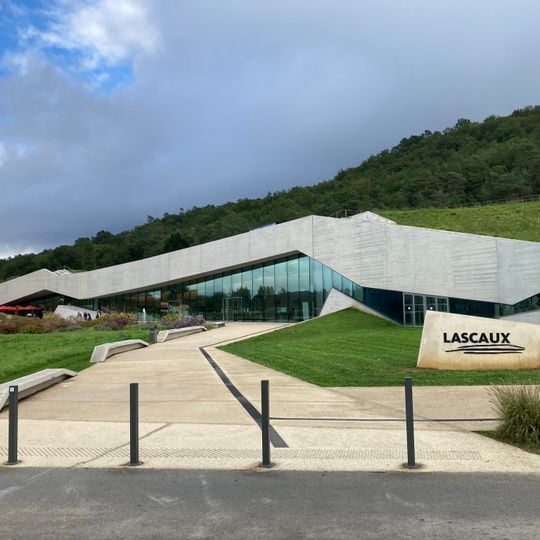
The visit takes place in a replica shown at the Lascaux IV International Centre for Cave Art, located about a kilometer from the original find. The centre offers guided tours, and arriving early in the day helps avoid waiting times.
The cave holds nearly 6,000 figures in three categories: animals, human figures and abstract signs, yet no landscape or vegetation is depicted. The Abbé Henri Breuil, the first specialist to enter on 21 September 1940, called it the "Sistine Chapel of parietal art".
The community of curious travelers
AroundUs brings together thousands of curated places, local tips, and hidden gems, enriched daily by 92,053 contributors worldwide.