Grand Est, Administrative region in northeastern France
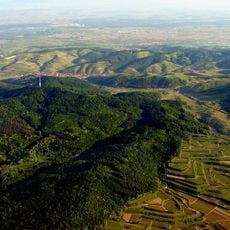
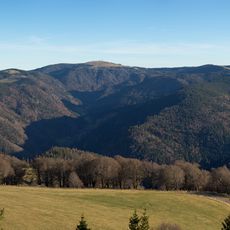
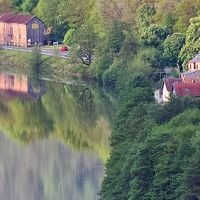
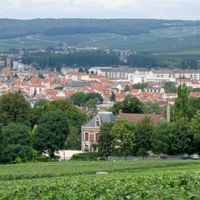
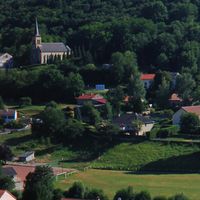
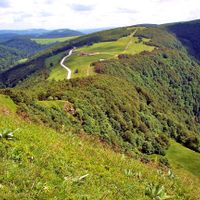
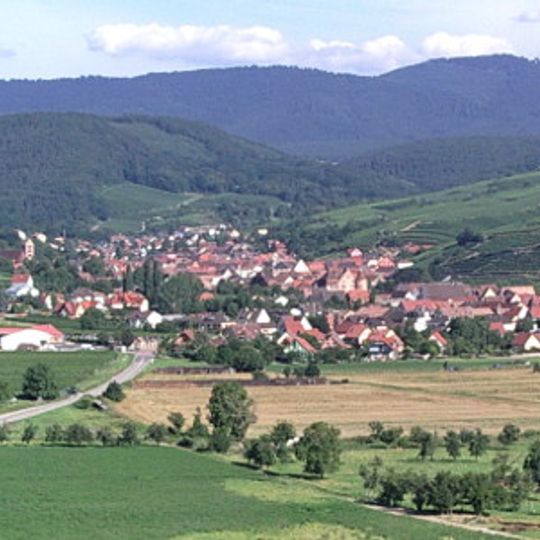
Grand Est is an administrative region in northeastern France, bordering Belgium, Luxembourg, Germany, and Switzerland. It extends across plains, vineyard hills, and the edges of the Vosges mountain range.
This region formed in 2016 by merging three territories that had been governed separately: Alsace, Champagne-Ardenne, and Lorraine. It brings together landscapes that shifted between different ruling powers for centuries.
The name of this region refers to its position on the eastern edge of the country, where French and German-speaking traditions continue to meet. Many towns display bilingual signage and family names that bridge both linguistic areas.
Larger cities such as Strasbourg, Reims, or Metz serve as entry points from which rural areas become easier to explore. High-speed trains connect the region with Paris and neighboring countries.
The European Parliament holds regular sessions in Strasbourg, making the region a site of international diplomacy. Members from all member countries travel here several times a year to debate European legislation.
Location: Metropolitan France
Location: zona de defeza e de seguresa de l'est
Inception: January 1, 2016
Capital city: Strasbourg
Shares border with: Hauts-de-France, Île-de-France, Bourgogne-Franche-Comté, Wallonia, Luxembourg, Saarland, Rhineland-Palatinate, Baden-Württemberg, Basel-Stadt, Basel-Landschaft, Canton of Solothurn, Canton of Jura, Canton of Esch-sur-Alzette, Canton of Remich
Website: https://grandest.fr
GPS coordinates: 48.58333,7.75000
Latest update: December 4, 2025 14:20
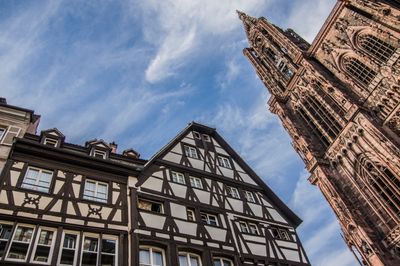
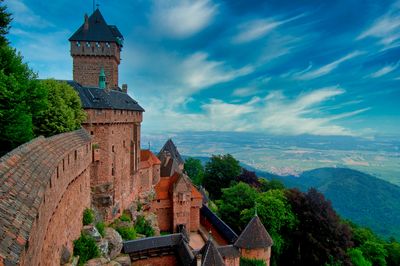
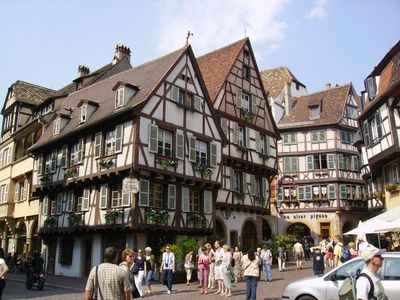
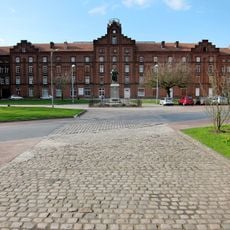
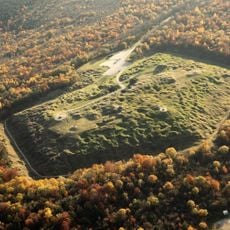
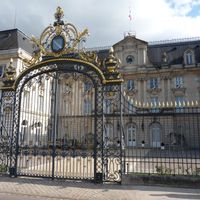
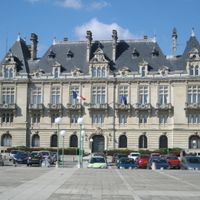
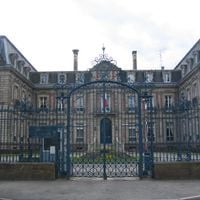
The Grand Est displays a rich architectural and military heritage, from fortified structures like the Fort of Mutzig and the La Ferté ouvrage on the Maginot Line, to princely residences such as Château de Lunéville with its French gardens. The region also preserves religious sites like the Abbey of Sturzelbronn in the Vosges forests and the Jesuit College in Reims, founded in the early 17th century. Urban centers feature notable architectural complexes: the Kammerzell House in Strasbourg exemplifies 15th-century Alsatian half-timbered construction, while the Ducal Square in Charleville-Mézières reflects Renaissance urban planning. The Humanist Library in Sélestat holds over 150 medieval manuscripts and ancient books. Technical sites like the old Chappe telegraph tower in Saverne recall early communication history before the electric era. Historic parks, including that of Château de Pange with geometric gardens and stone bridges, offer pathways through centuries of landscape design.
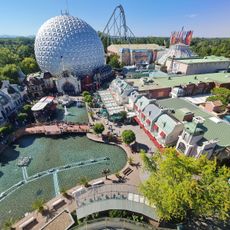
Europa-Park
35.1 km
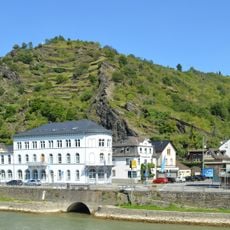
Loreley
173.2 km
European Court of Justice
164.6 km
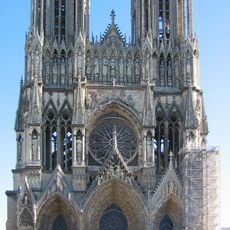
Reims Cathedral
281.9 km
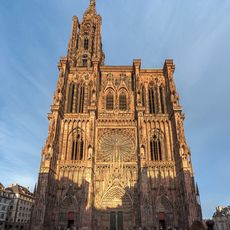
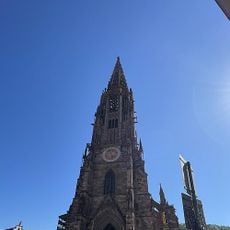
Cathedral of Our Lady of Strasbourg
195 m
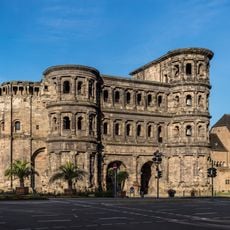
Porta Nigra
153.7 km
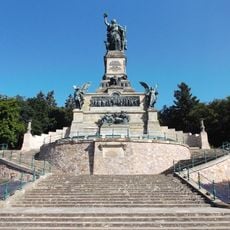
Niederwalddenkmal
156 km
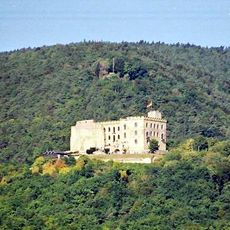
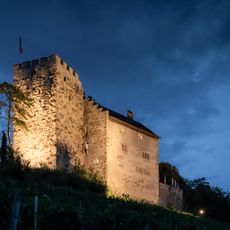
Hambach Castle
86.8 km
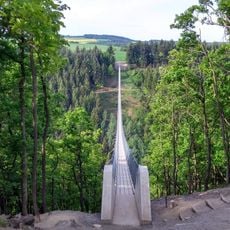
Geierlay
170.4 km
Habsburg Castle
128.8 km
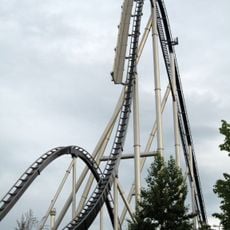
Silver Star
35.2 km
European Investment Bank
164.8 km
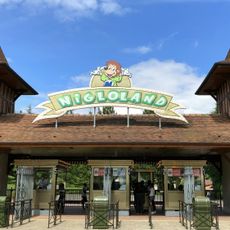
Nigloland
234.1 km
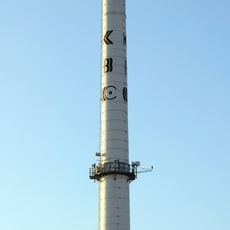
KBC-Schornstein
108.6 km
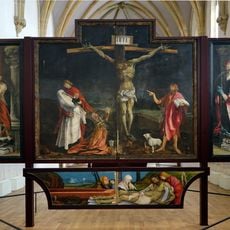
Isenheim Altarpiece
63.2 km
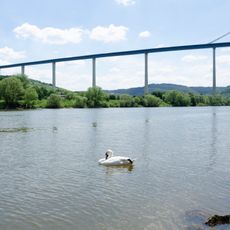
Hochmosel Bridge
163.6 km
Feldberg
81.2 km
Familistère
333.8 km
Freiburg Minster
65.9 km
Fort Douaumont
183.2 km
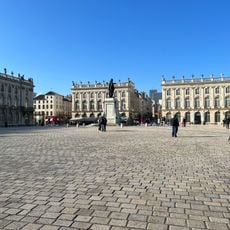
Stanislas Square
115.9 km
Blue Fire Megacoaster
35.8 km
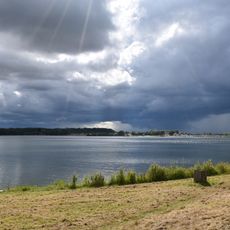
Lake Der-Chantecoq
220.2 km
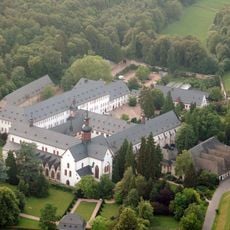
Eberbach Abbey
164 km
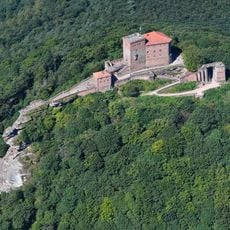
Trifels Castle
70.2 km
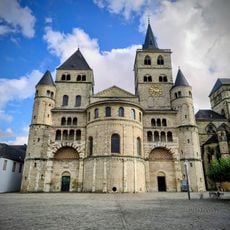
Cathedral of Trier
153.4 km
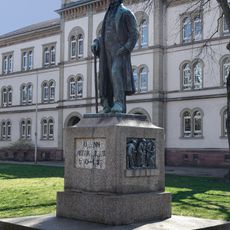
Hebelpark
108.2 km
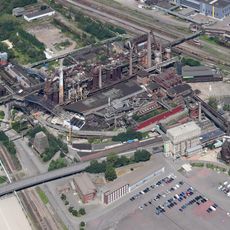
Völklingen Ironworks
99.5 kmReviews
Visited this place? Tap the stars to rate it and share your experience / photos with the community! Try now! You can cancel it anytime.
Discover hidden gems everywhere you go!
From secret cafés to breathtaking viewpoints, skip the crowded tourist spots and find places that match your style. Our app makes it easy with voice search, smart filtering, route optimization, and insider tips from travelers worldwide. Download now for the complete mobile experience.
A unique approach to discovering new places❞
— Le Figaro
All the places worth exploring❞
— France Info
A tailor-made excursion in just a few clicks❞
— 20 Minutes