See the monuments around you in AROpen chests in the app
Around Us is built for your phone — point your camera at the streets and discover the monuments and places around you in augmented reality.Around Us is built for your phone — chests unlock when you walk, explore and capture nearby places.
Hidden places of Grand Est: medieval forts, Renaissance castles and forgotten abbeys
The Grand Est displays a rich architectural and military heritage, from fortified structures like the Fort of Mutzig and the La Ferté ouvrage on the Maginot Line, to princely residences such as Château de Lunéville with its French gardens. The region also preserves religious sites like the Abbey of Sturzelbronn in the Vosges forests and the Jesuit College in Reims, founded in the early 17th century.
Urban centers feature notable architectural complexes: the Kammerzell House in Strasbourg exemplifies 15th-century Alsatian half-timbered construction, while the Ducal Square in Charleville-Mézières reflects Renaissance urban planning. The Humanist Library in Sélestat holds over 150 medieval manuscripts and ancient books. Technical sites like the old Chappe telegraph tower in Saverne recall early communication history before the electric era. Historic parks, including that of Château de Pange with geometric gardens and stone bridges, offer pathways through centuries of landscape design.
Hidden places of Grand Est: medieval forts, Renaissance castles and forgotten abbeys
The Grand Est displays a rich architectural and military heritage, from fortified structures like the Fort of Mutzig and the La Ferté ouvrage on the Maginot Line, to princely residences such as Château de Lunéville with its French gardens. The region also preserves religious sites like the Abbey of Sturzelbronn in the Vosges forests and the Jesuit College in Reims, founded in the early 17th century.
Urban centers feature notable architectural complexes: the Kammerzell House in Strasbourg exemplifies 15th-century Alsatian half-timbered construction, while the Ducal Square in Charleville-Mézières reflects Renaissance urban planning. The Humanist Library in Sélestat holds over 150 medieval manuscripts and ancient books. Technical sites like the old Chappe telegraph tower in Saverne recall early communication history before the electric era. Historic parks, including that of Château de Pange with geometric gardens and stone bridges, offer pathways through centuries of landscape design.
Fort de Mutzig is a military stronghold on a hill west of Strasbourg and represents the fortified structures that define the Grand Est heritage. Built between 1893 and 1916, this fortress demonstrates the defensive architecture and strategy of the German fortification system in Alsace. The complex sprawls across several hectares and contains underground passages, casemates, and gun emplacements that once protected this strategic border region. Internal systems provided water, electricity, and medical care to accommodate thousands of soldiers. This site illustrates how major powers constructed their defenses and why Alsace remained a zone of military importance in the late 1800s and early 1900s.
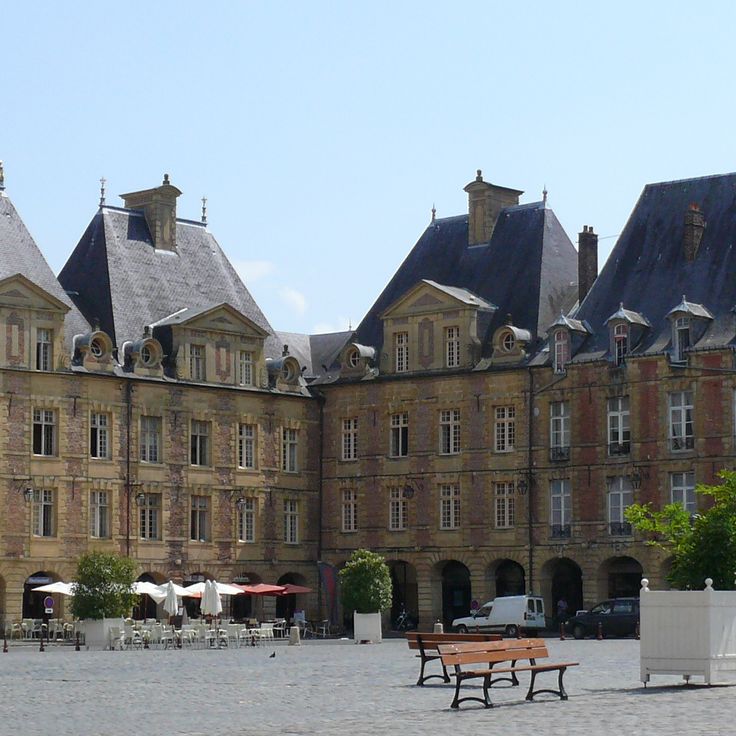
This Renaissance square in Charleville-Mézières follows a uniform urban design from the early 17th century with continuous galleries and brick facades modeled after the Place des Vosges in Paris. The place Ducale displays a symmetrical arrangement of residential buildings with ground-floor arcades that allowed commercial activities and public use. The square stands among the architectural testimonies of Renaissance urban planning in the Grand Est region and documents the ducal ambitions of the Nevers dynasty in the Ardennes principality.
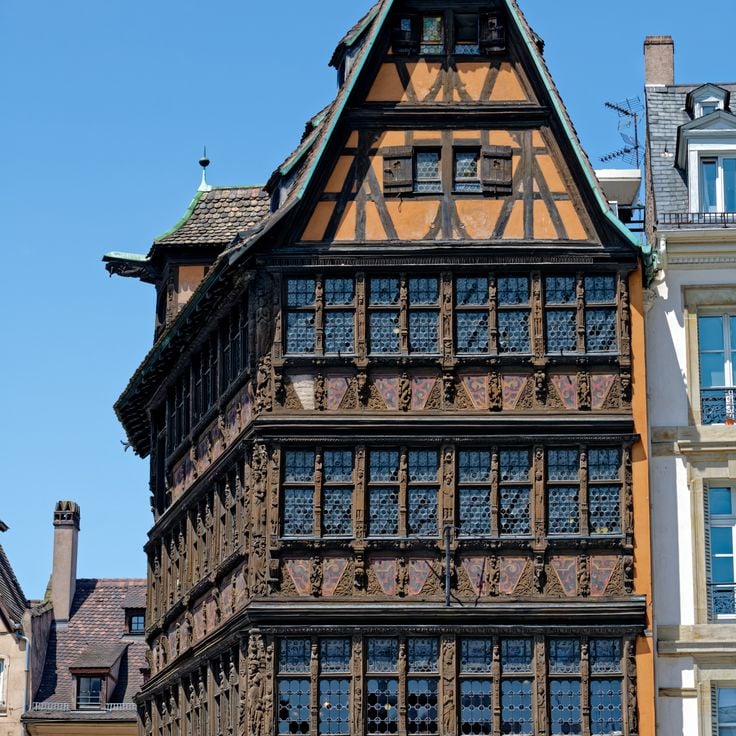
The Maison Kammerzell stands directly beside Strasbourg Cathedral and shows how buildings were constructed in the late Middle Ages and Renaissance in the Grand Est region. Built in 1427, this structure combines a stone ground floor from the 15th century with timber-framed upper stories added in the 16th century. The facade displays carved wooden figures representing biblical scenes, mythological characters and craftsmen. This house is one of the most important examples of Alsatian timber framing and now houses a restaurant.
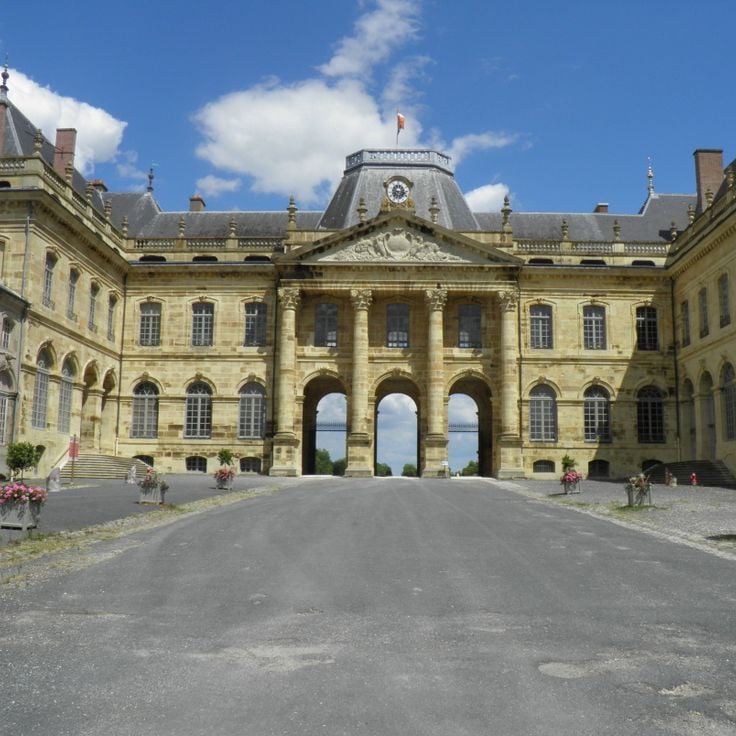
The Château de Lunéville stands as one of the major princely residences in Grand Est and represents a key part of the region's architectural heritage. Built in the 18th century in the Baroque style for the Dukes of Lorraine, this castle displays geometrically designed French gardens and now houses a museum dedicated to the history and culture of the Lorraine region. The complex includes several building wings, a main courtyard, and restored interiors that reveal how nobles lived during the 18th century.
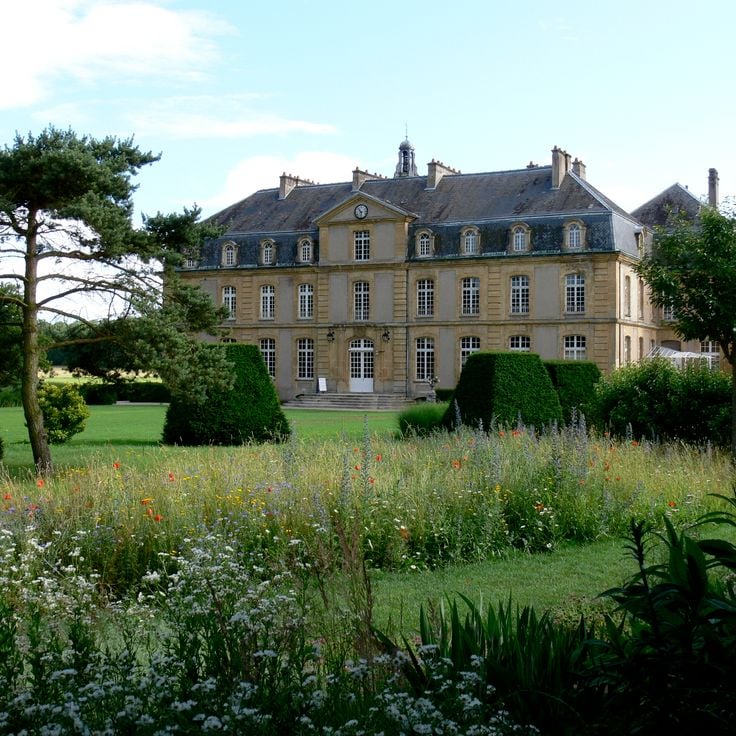
This castle in the Moselle department demonstrates the design principles of French garden art with geometric flowerbeds, old trees and a watercourse crossed by a stone bridge. The estate combines classical garden architecture with natural elements and offers walking paths along the waterway. Château de Pange fits into the landscape design tradition of the region and shows the connection between representative architecture and horticultural layout that is characteristic of aristocratic residences in Grand Est.
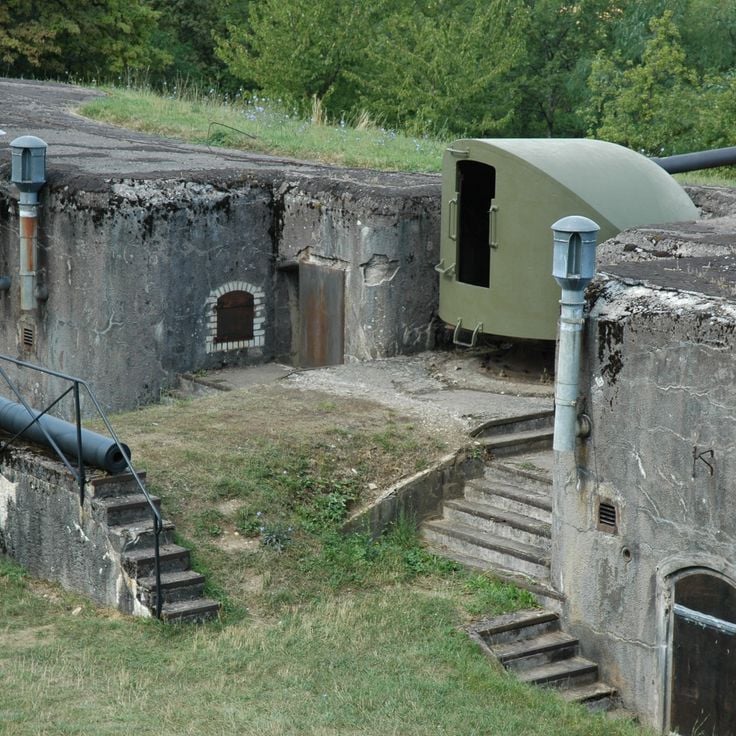
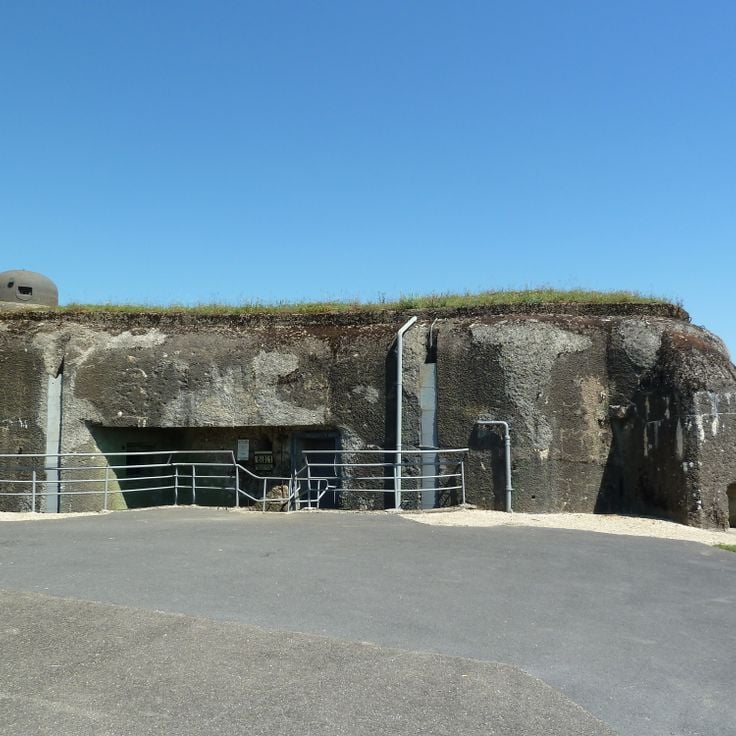
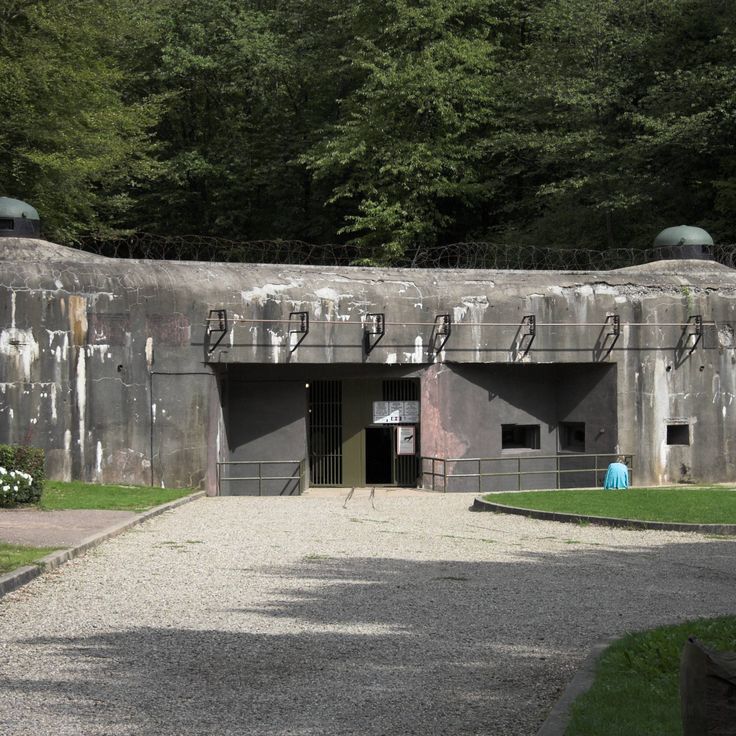
The Ouvrage de La Ferté is a military fortification of the Maginot Line, built between 1935 and 1939 in northeastern France to defend the border against German attack. This installation consists of two infantry blocks and an entrance block connected by underground galleries. In May 1940, the fortification came under heavy German assault during the invasion of France. Today, the Ouvrage de La Ferté serves as a memorial to the soldiers who died here and allows visitors to walk through the fortifications and underground passages that made up these border defenses in the Grand Est region.
The Abbey of Sturzelbronn was founded in the 12th century and stands in the forests of the Northern Vosges. It is part of the religious heritage preserved across the Grand Est region. The monastery was once a Benedictine abbey of regional importance, but the main buildings were destroyed during the French Revolution. Today only ruins remain, marking the location of the medieval monastic complex. The remains lie in a forested setting and form part of the religious sites that contribute to the architectural legacy of the region.
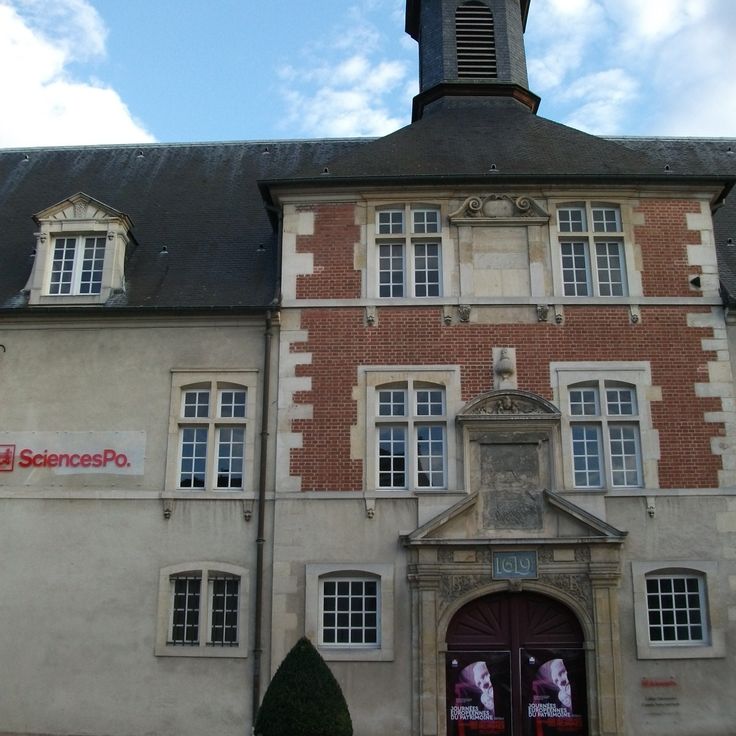
The Collège des Jésuites de Reims was founded in 1606 as a Jesuit educational institution and displays classical architecture from the early 17th century. This complex is part of the architectural and religious heritage of Grand Est and documents the Jesuit presence in the region during the Counter-Reformation. The courtyard holds geometric gardens with stone fountains, reflecting the ordered design principles of the period.
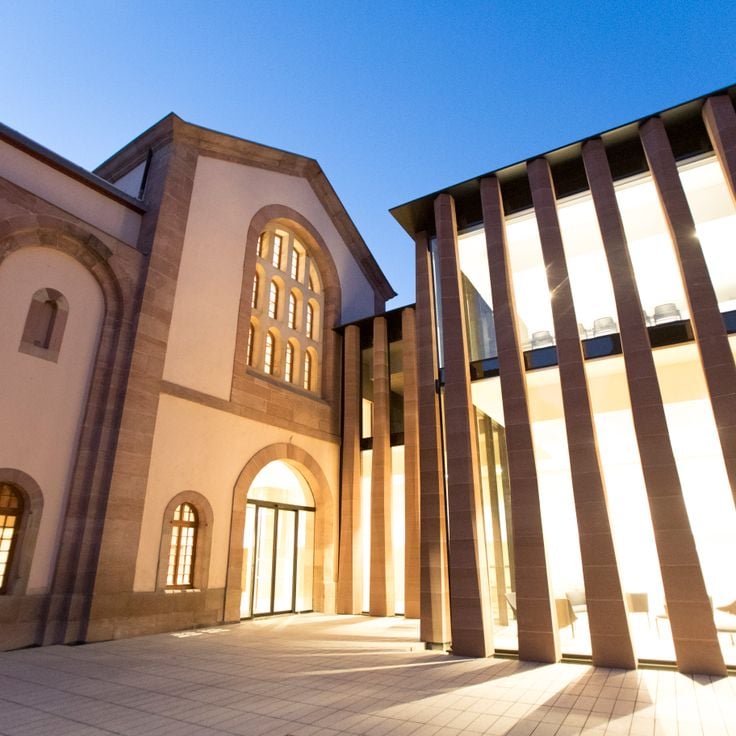
The Bibliothèque Humaniste holds 154 medieval manuscripts and 550 printed works from the 15th century in climate-controlled rooms. This collection documents the role of Sélestat as an intellectual center during the Renaissance and stands among the religious and cultural sites of the Grand Est region, alongside military installations like the Fort of Mutzig and the Maginot Line, as well as residences such as Château de Lunéville. The library grew from the town's Latin school and contains humanist texts, theological treatises, and scientific works that show the shift from the medieval period to the early modern era.
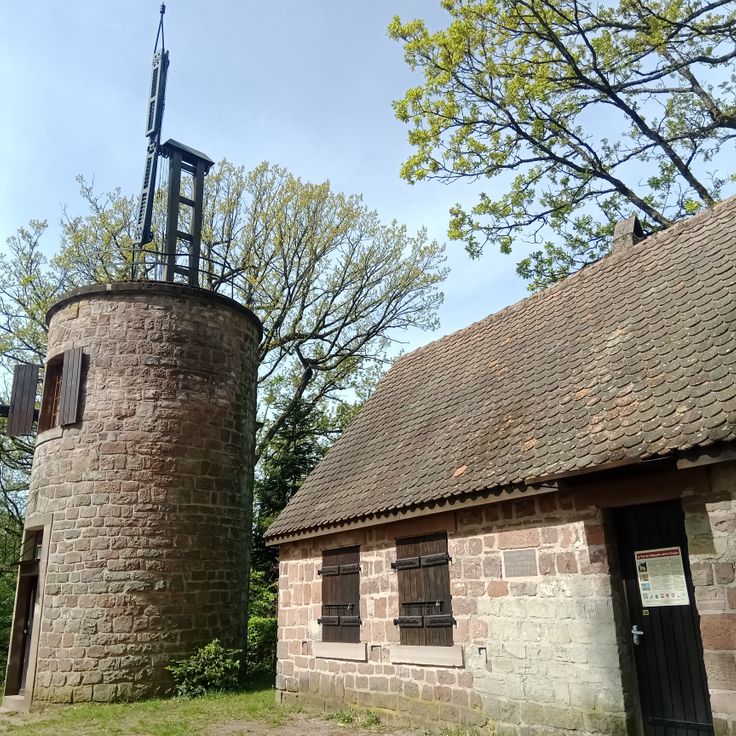
This 18th-century tower in Saverne demonstrates how people sent messages across long distances through an optical system of moving mechanical arms. Each tower in the chain would repeat the signal, allowing information to travel rapidly before electricity existed. The Chappe telegraph tower is part of Grand Est's technical heritage, showing a remarkable solution to communication before the modern era. It stands alongside the region's castles, fortified structures, and religious sites as a window into how people solved practical problems using engineering and innovation.
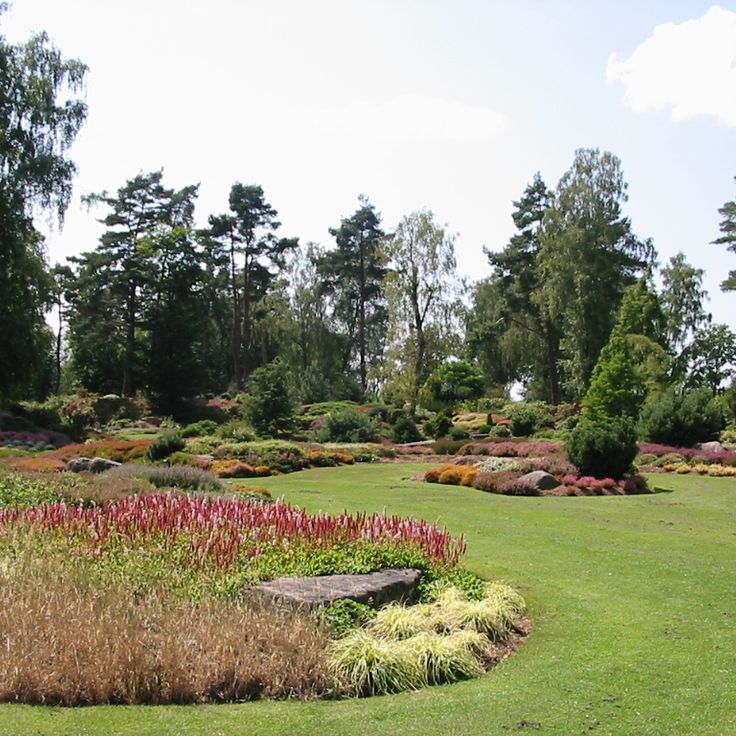
Les Jardins de Callunes sits in the heart of the Vosges Mountains and displays over 150 heather species in various colors, arranged in themed beds with stone elements. This collection complements the botanical heritage of the Grand Est region and shows how landscape gardens were designed, much like the historic parks found elsewhere in the area. The grounds spread across several sections where visitors can discover the range of this plant family, from low-growing varieties to taller specimens that bloom during the summer months.
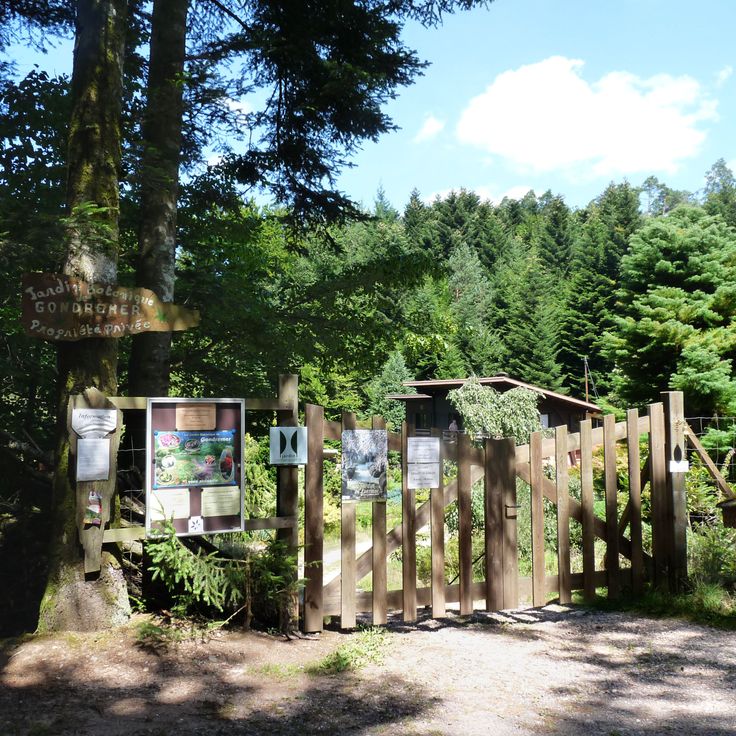
This botanical garden in Autrey complements the architectural and cultural heritage of the Grand Est region by preserving plant diversity. The Jardin Botanique de Gondremer displays collections of plants from different habitats: alpine species, aquatic plants, and marsh vegetation. Thematic areas represent various vegetation zones, from mountain flora to pond and wetland plants. The garden functions as both a research facility and an educational space where visitors learn about plant ecology and conservation practices.
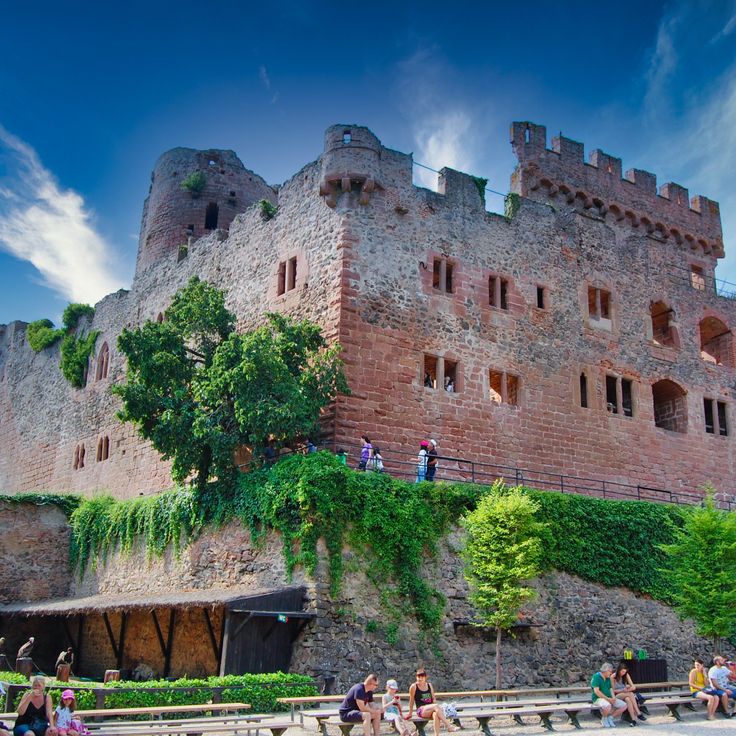
Salm Castle is a medieval fortification from the 13th century that represents the military architecture of the Grand Est region in this collection of hidden places. Standing at 800 meters elevation, it overlooks the Bruche Valley and shows how people of that era built strongholds in elevated positions to protect and monitor the surrounding lands. The castle's massive stone walls and strategic location demonstrate the practical design of fortifications from this period. As part of the region's architectural heritage, it stands alongside other significant structures such as Renaissance chateaus and religious buildings spread across Grand Est.
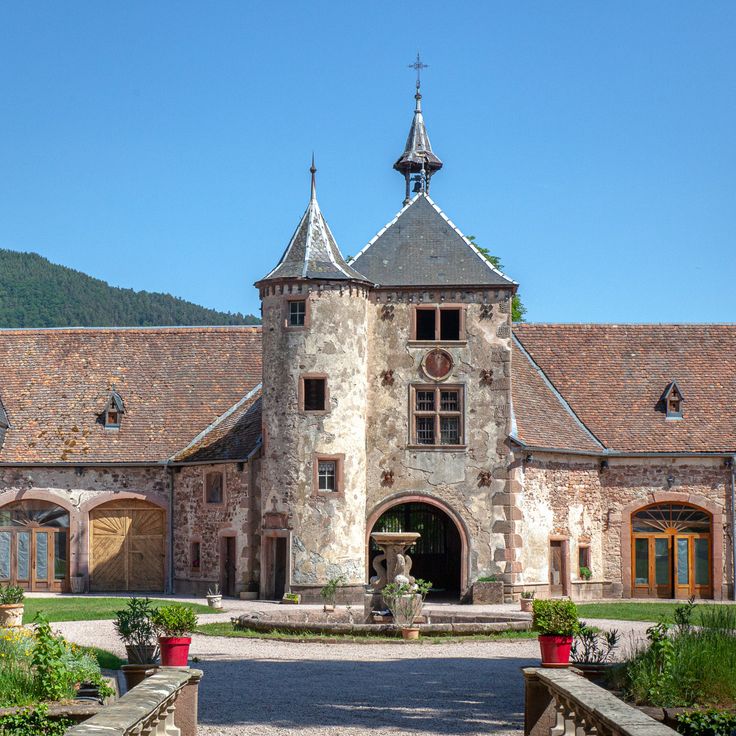
This Renaissance château was built in the 16th century and belongs to the architectural heritage of the Grand Est region. The residence displays symmetrical gardens and an inner courtyard with arcades characteristic of residential architecture of its era. The structure illustrates the living culture of French nobility in the Grand Est and, alongside military installations such as the Fort of Mutzig, documents the representative residences of the region.
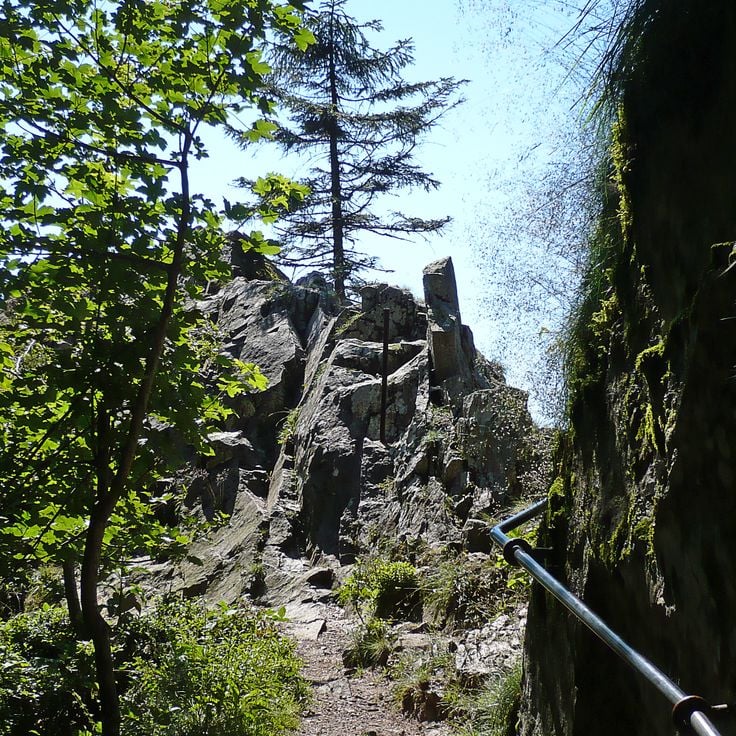
The Sentier des Roches crosses granite rocks through the Vosges at 1,000 meters in altitude, offering views over the Munster Valley. This mountain path belongs to the collection of hidden places in the Grand Est region and demonstrates the natural and cultural diversity of the Vosges, a landscape that has shaped eastern France for centuries.
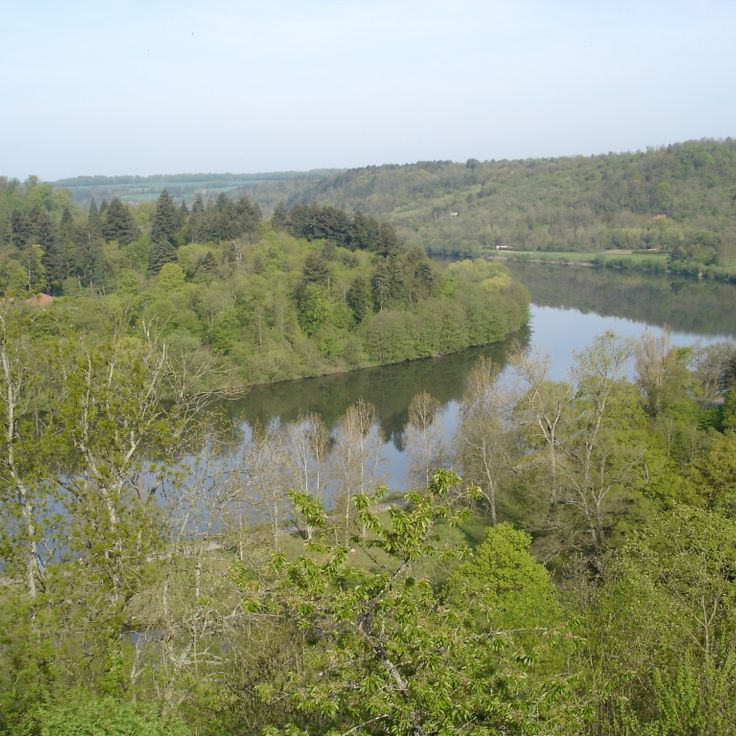
This natural river loop of the Moselle encircles the town of Liverdun, built atop a limestone rock with medieval fortifications. The river bends around the elevated town center, creating a peninsula that has served as a strategic site for centuries. The rock formation provides natural protection, while the preserved defensive walls testify to the military importance of this location within the architectural and fortification heritage of Grand Est. The viewpoint allows observation of the river landscape and the historic town structure, together illustrating the interaction between geography and settlement development.
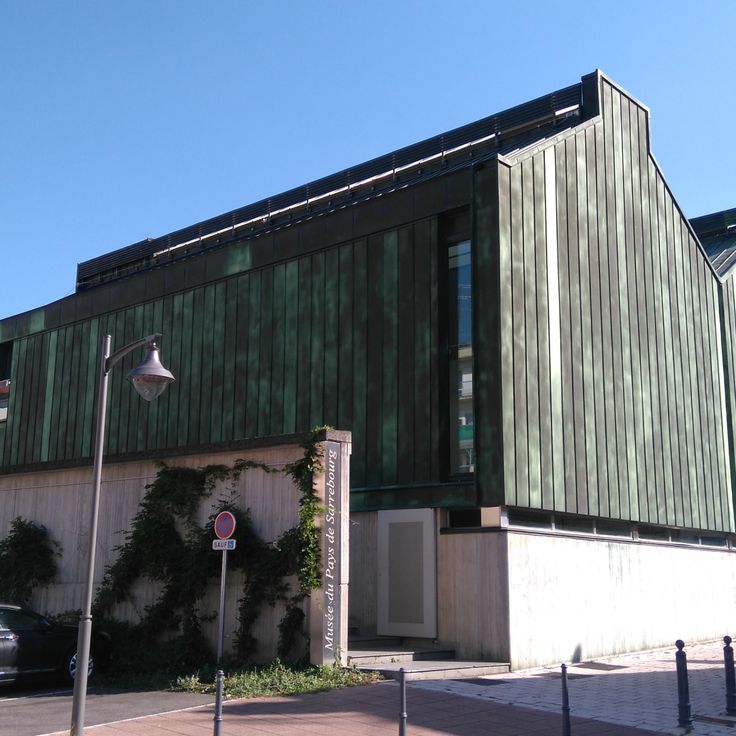
The Musée du Pays de Sarrebourg preserves archaeological finds from the region and displays the stained glass window 'Peace' by Marc Chagall, created in 1976. This museum contributes to the architectural and cultural heritage of Grand Est, presenting artifacts from Gallo-Roman settlements and medieval periods alongside modern religious art. The Chagall window, measuring 12 meters in height, depicts themes of peace and reconciliation through biblical imagery in intense blues and greens.
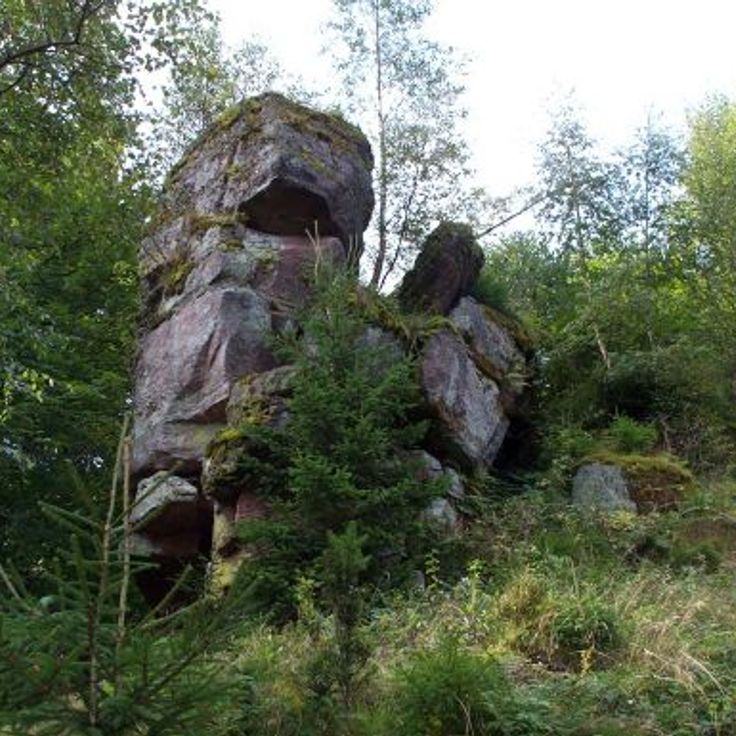
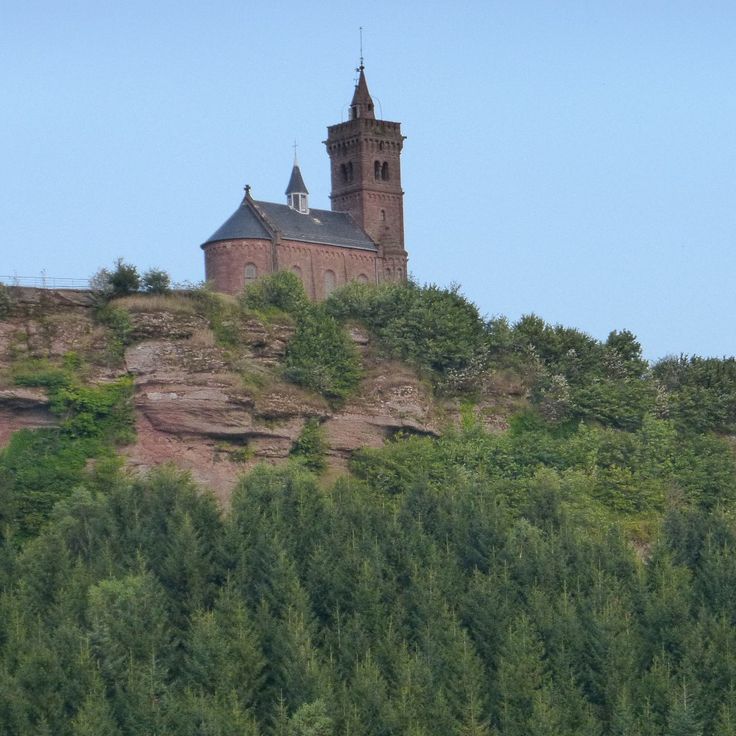
The Rocher du Dabo stands as a notable feature of this collection of hidden places in Grand Est, combining natural geology with religious architecture. This sandstone outcrop rises prominently and supports the Romanesque chapel of Saint-Léon, constructed in 1889 by architect Léon Vautrin. The site commands views over the forested slopes of the northern Vosges mountains and served as a fortified location during pre-Roman times. The chapel replaces an earlier structure and houses a crypt with wall paintings. The Rocher du Dabo exemplifies the region's architectural heritage, merging sandstone construction with religious history spanning from the medieval period to the 19th century, while also reflecting its military past.
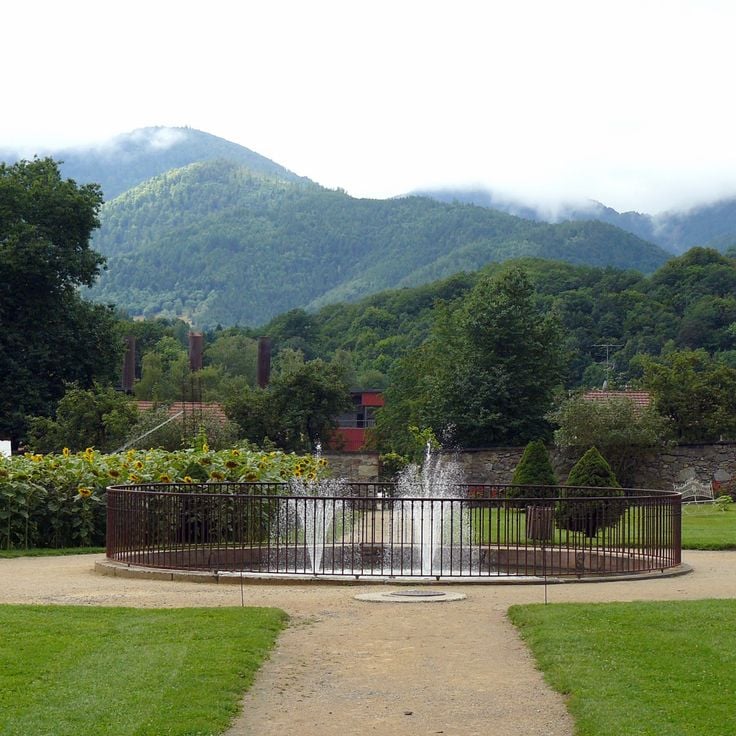
The Parc de Wesserling contributes to the architectural heritage of the Grand Est, occupying the grounds of an 18th-century cloth printing factory. This site features four themed gardens and houses a textile museum within the restored manufacturing buildings. Several exhibition spaces display the production history and industrial heritage of the Vosges valley. The park illustrates how the textile industry developed in this region and demonstrates the relationship between landscape design and industrial structures.
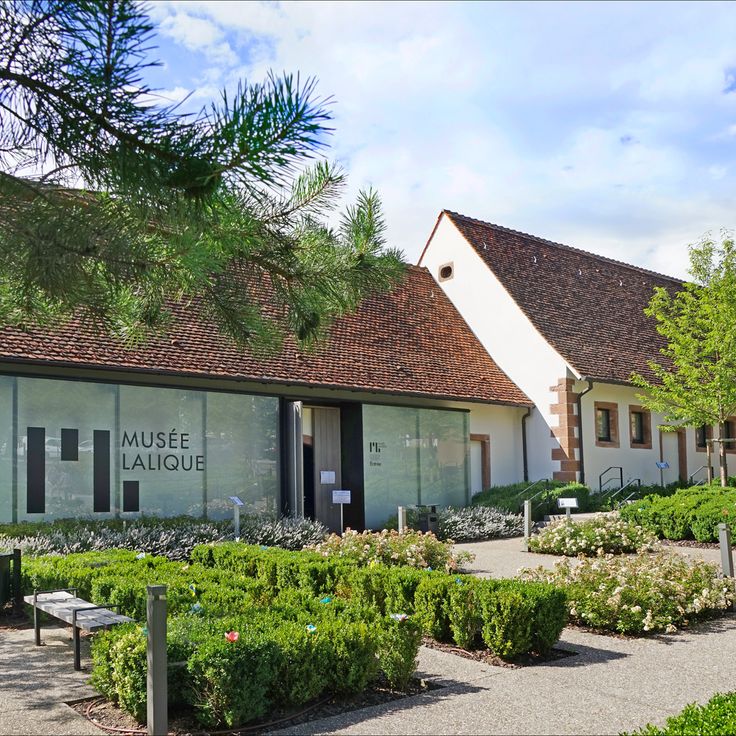
The Musée Lalique displays the work of René Lalique, a French craftsman and designer who transformed jewelry design in the late 19th century and later produced glass on an industrial scale. The collection contains over 650 objects from different stages of his career, including Art Nouveau jewelry, decorative vases, perfume bottles, and car hood ornaments. The museum also documents the work of his successors who continued the glass factory after his death in 1945. This museum adds to the architectural and historic sites of Grand Est by showing the region's contribution to decorative arts and industrial glass production in the 20th century.
The Musée du Cristal Saint-Louis documents the development of crystal manufacturing from 1586 to the present, complementing the architectural and technical heritage of Grand Est. The collection features vases, chandeliers, and tableware produced in local workshops. Visitors can trace manufacturing techniques and examine the role of crystal production in regional economic history. The museum occupies the site of the traditional Saint-Louis glassworks in northern Lorraine, where craftsmen have maintained production methods across more than four centuries.
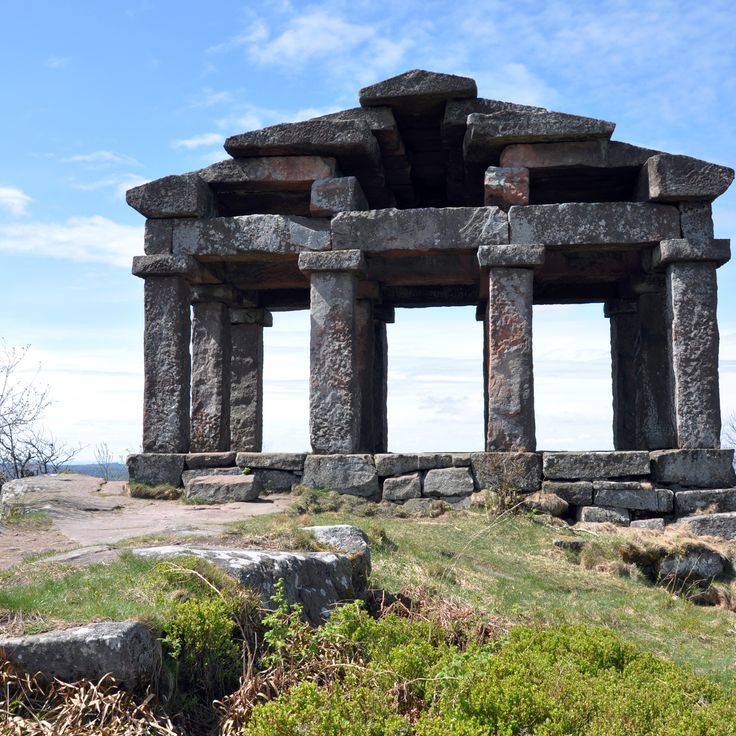
The Temple of Donon stands on the summit of Donon mountain in the Vosges and shows the religious importance of this site during ancient times. The structure was rebuilt multiple times, most recently in the 19th century. From this elevated position, views stretch across the forested hills and valleys of the region. The archaeological remains document its function as a sanctuary during the Gallo-Roman period and add to our understanding of the military, princely, and religious structures found throughout the Grand Est region.
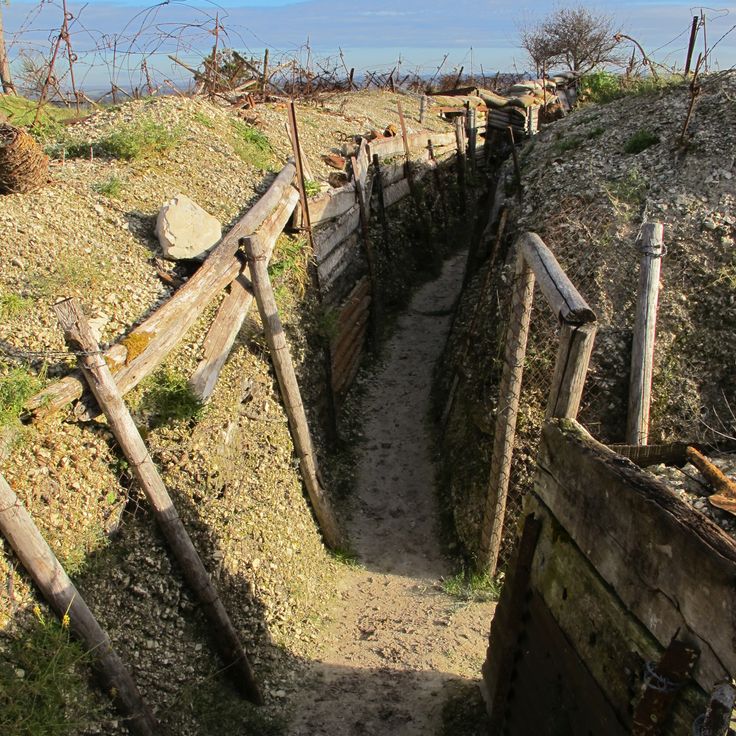
La Main de Massiges is a preserved First World War battlefield in the Champagne region that documents the military history of Grand Est. This terrain formation takes its name from the hand-shaped arrangement of five hilltops that French troops defended against German attacks between 1914 and 1915. The site preserves trenches, bunkers and shell craters that bear witness to the attritional combat. This memorial complements the region's military heritage, which extends from medieval forts and Renaissance castles to 20th-century defensive installations.
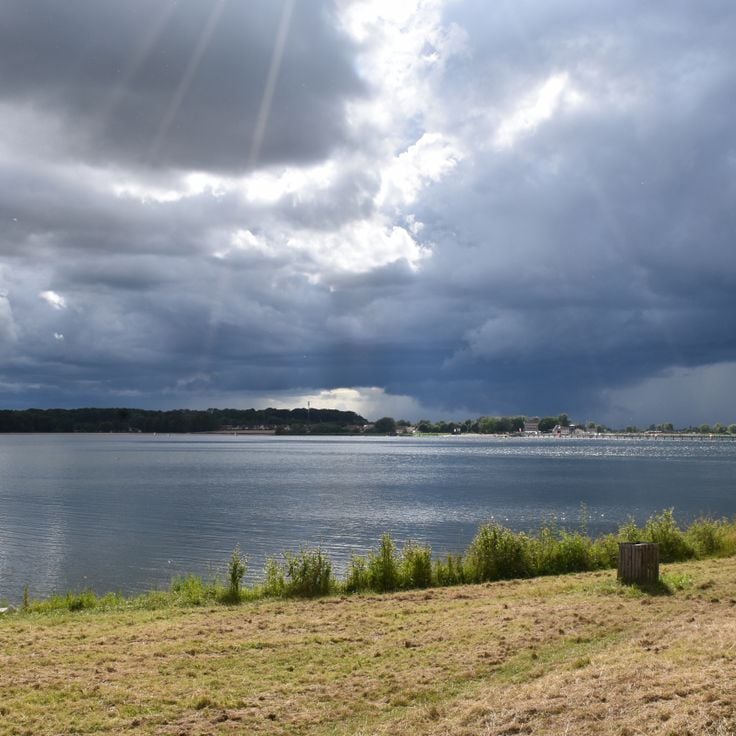
The Lac du Der-Chantecoq is one of Europe's largest artificial lakes, created to manage flooding of the Marne River. This lake represents modern hydraulic engineering alongside the historical monuments of Grand Est. The shores are lined with woodlands and villages, with church steeples sometimes rising from the water. The Lac du Der-Chantecoq is an important site for bird watching, especially during migration seasons when thousands of cranes and other waterfowl pass through. This lake complements the architectural and landscape heritage of the region.
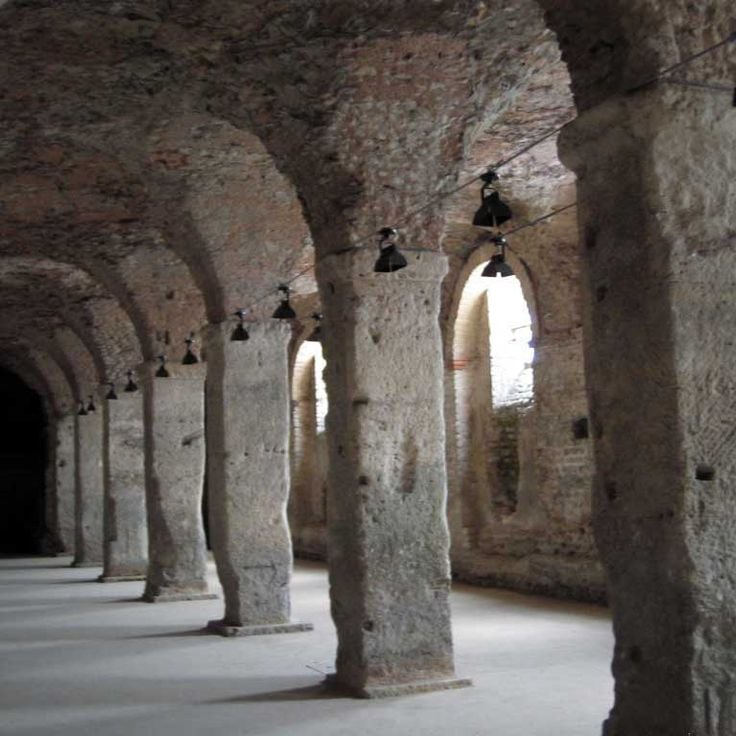
This underground gallery from the 3rd century extends beneath the current Place du Forum and illustrates the Roman infrastructure of Durocortorum, the ancient Reims. The Cryptoportique de Reims consists of four parallel semi-subterranean vaulted passages with massive pillars and barrel vaults that served as the foundation for the forum of the Gallo-Roman city. The archaeological site documents the urban organization and monumental architecture of the metropolis in Roman Gaul and complements the military and princely heritage of Grand Est by providing a significant view into the region's ancient past.
Fort de Schoenenbourg is a 1930s military installation of the Maginot Line that preserves the original artillery equipment and underground galleries forming part of France's defensive infrastructure before World War II. This fort illustrates the interwar military strategy in Grand Est, a region marked by fortified structures and defensive lines. The installation includes casemates, ammunition storage areas, and connecting tunnels that document the daily life of the garrison.
The Abbaye Notre-Dame d'Orval in this collection of hidden places of Grand Est shows how religious communities found refuge in forested regions across centuries. This abbey was founded in the 12th century and stands in wooded hills near the Belgian border. After its destruction during the French Revolution, it was rebuilt in the 20th century, with the monastic community returning in 1926. Since 1931, Trappist monks at this abbey have brewed beer using traditional methods, with sales supporting the monastery's upkeep. The Romanesque ruins of the medieval church stand alongside modern monastic buildings. The complex includes a brewery, gardens, and a spring that, according to local legend, gave the abbey its name. This site shows the continuity of monastic life and craft production in the Grand Est region.
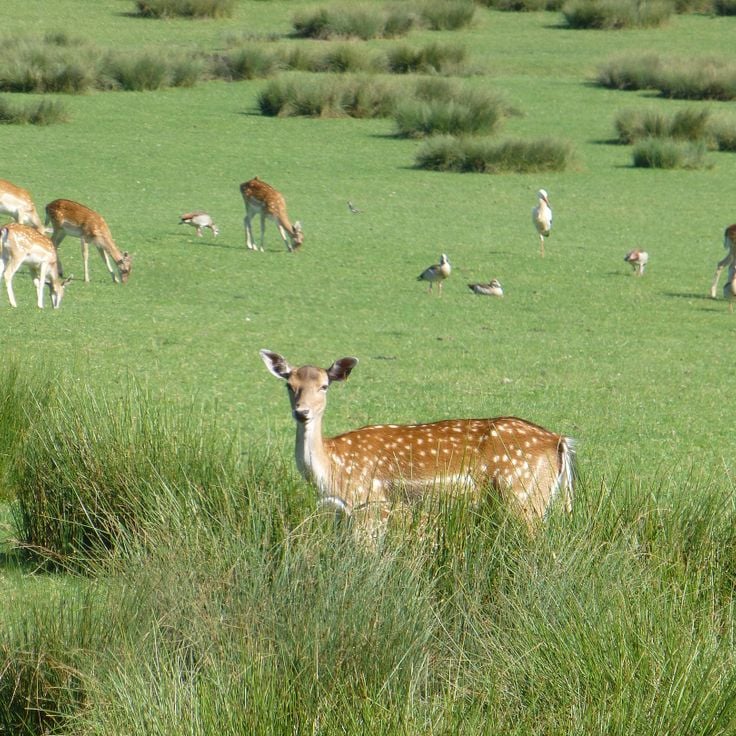
The Parc Animalier de Sainte-Croix in Rhodes complements the Grand Est region's rich architectural heritage by offering visitors a chance to observe wildlife in natural enclosures. This site houses wolves, bears, bison and more than 100 animal species across expansive grounds. The park combines zoological display with landscape design that reflects centuries of human influence on the region.
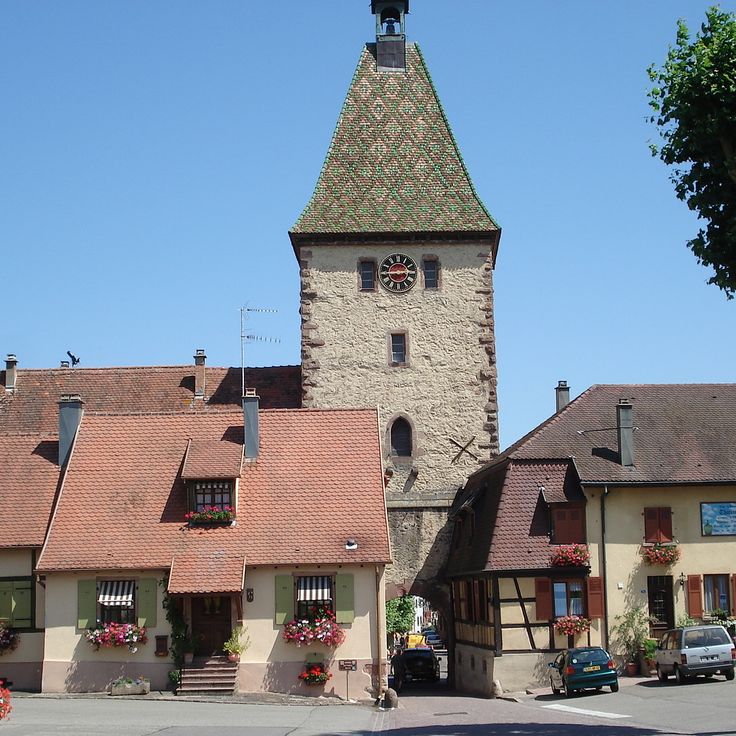
Bergheim contributes to the architectural heritage of Grand Est by displaying medieval defensive walls that encircle the village center. The traditional Alsatian half-timbered houses feature visible wooden frameworks characteristic of regional construction methods from the 15th to 18th centuries. The narrow cobblestone streets preserve the original settlement layout. This fortified village complements the range of military and civilian architecture found throughout the region, from fortifications such as the Fort of Mutzig to princely residences and religious establishments.
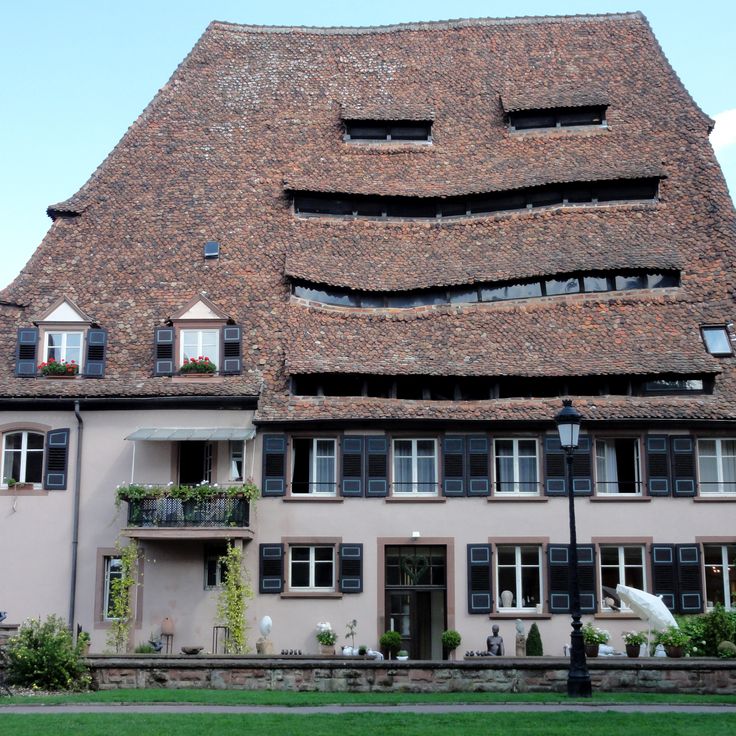
The Salt House Museum in Haraucourt documents salt extraction in the Grand Est and shows the technical processes used in the region since Roman times. This museum displays historical tools and equipment for salt production and explains the trade routes through which the mineral was transported. The collection includes documents and objects that demonstrate the economic importance of salt for the region from antiquity through modern times. The exhibits explain the geological conditions of salt deposits and working conditions in production facilities across different periods.
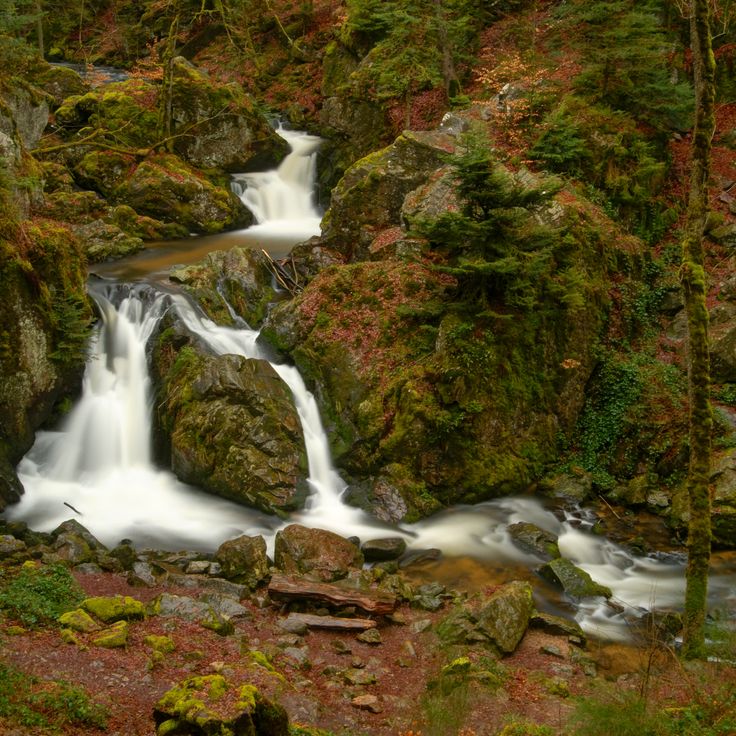
The Tendon Waterfall is part of the natural heritage of Grand Est and reflects the geological diversity of the Vosges Mountains. Water drops over granite rocks surrounded by a network of hiking trails that pass through mixed forests. Multiple observation points provide different perspectives of the falling water. The marked paths connect this site to the wider trail system of the region, allowing visitors to explore the forest vegetation and rock formations of the Vosges.
Kintzheim Castle is a 13th-century stone fortress standing on a hill in the tradition of the hidden places of Grand Est, where medieval military structures like this one are preserved. The castle now houses a raptor center that offers daily flight demonstrations featuring eagles, falcons, and vultures. The stone walls and towers of this medieval building frame the natural abilities of these birds of prey as they fly over the Alsatian valley, blending the region's architectural past with modern wildlife education.
Fort de Mutzig is a military stronghold on a hill west of Strasbourg and represents the fortified structures that define the Grand Est heritage. Built between 1893 and 1916, this fortress demonstrates the defensive architecture and strategy of the German fortification system in Alsace. The complex sprawls across several hectares and contains underground passages, casemates, and gun emplacements that once protected this strategic border region. Internal systems provided water, electricity, and medical care to accommodate thousands of soldiers. This site illustrates how major powers constructed their defenses and why Alsace remained a zone of military importance in the late 1800s and early 1900s.
This Renaissance square in Charleville-Mézières follows a uniform urban design from the early 17th century with continuous galleries and brick facades modeled after the Place des Vosges in Paris. The place Ducale displays a symmetrical arrangement of residential buildings with ground-floor arcades that allowed commercial activities and public use. The square stands among the architectural testimonies of Renaissance urban planning in the Grand Est region and documents the ducal ambitions of the Nevers dynasty in the Ardennes principality.
The Maison Kammerzell stands directly beside Strasbourg Cathedral and shows how buildings were constructed in the late Middle Ages and Renaissance in the Grand Est region. Built in 1427, this structure combines a stone ground floor from the 15th century with timber-framed upper stories added in the 16th century. The facade displays carved wooden figures representing biblical scenes, mythological characters and craftsmen. This house is one of the most important examples of Alsatian timber framing and now houses a restaurant.
The Château de Lunéville stands as one of the major princely residences in Grand Est and represents a key part of the region's architectural heritage. Built in the 18th century in the Baroque style for the Dukes of Lorraine, this castle displays geometrically designed French gardens and now houses a museum dedicated to the history and culture of the Lorraine region. The complex includes several building wings, a main courtyard, and restored interiors that reveal how nobles lived during the 18th century.
This castle in the Moselle department demonstrates the design principles of French garden art with geometric flowerbeds, old trees and a watercourse crossed by a stone bridge. The estate combines classical garden architecture with natural elements and offers walking paths along the waterway. Château de Pange fits into the landscape design tradition of the region and shows the connection between representative architecture and horticultural layout that is characteristic of aristocratic residences in Grand Est.
The Ouvrage de La Ferté is a military fortification of the Maginot Line, built between 1935 and 1939 in northeastern France to defend the border against German attack. This installation consists of two infantry blocks and an entrance block connected by underground galleries. In May 1940, the fortification came under heavy German assault during the invasion of France. Today, the Ouvrage de La Ferté serves as a memorial to the soldiers who died here and allows visitors to walk through the fortifications and underground passages that made up these border defenses in the Grand Est region.
The Abbey of Sturzelbronn was founded in the 12th century and stands in the forests of the Northern Vosges. It is part of the religious heritage preserved across the Grand Est region. The monastery was once a Benedictine abbey of regional importance, but the main buildings were destroyed during the French Revolution. Today only ruins remain, marking the location of the medieval monastic complex. The remains lie in a forested setting and form part of the religious sites that contribute to the architectural legacy of the region.
The Collège des Jésuites de Reims was founded in 1606 as a Jesuit educational institution and displays classical architecture from the early 17th century. This complex is part of the architectural and religious heritage of Grand Est and documents the Jesuit presence in the region during the Counter-Reformation. The courtyard holds geometric gardens with stone fountains, reflecting the ordered design principles of the period.
The Bibliothèque Humaniste holds 154 medieval manuscripts and 550 printed works from the 15th century in climate-controlled rooms. This collection documents the role of Sélestat as an intellectual center during the Renaissance and stands among the religious and cultural sites of the Grand Est region, alongside military installations like the Fort of Mutzig and the Maginot Line, as well as residences such as Château de Lunéville. The library grew from the town's Latin school and contains humanist texts, theological treatises, and scientific works that show the shift from the medieval period to the early modern era.
This 18th-century tower in Saverne demonstrates how people sent messages across long distances through an optical system of moving mechanical arms. Each tower in the chain would repeat the signal, allowing information to travel rapidly before electricity existed. The Chappe telegraph tower is part of Grand Est's technical heritage, showing a remarkable solution to communication before the modern era. It stands alongside the region's castles, fortified structures, and religious sites as a window into how people solved practical problems using engineering and innovation.
Les Jardins de Callunes sits in the heart of the Vosges Mountains and displays over 150 heather species in various colors, arranged in themed beds with stone elements. This collection complements the botanical heritage of the Grand Est region and shows how landscape gardens were designed, much like the historic parks found elsewhere in the area. The grounds spread across several sections where visitors can discover the range of this plant family, from low-growing varieties to taller specimens that bloom during the summer months.
This botanical garden in Autrey complements the architectural and cultural heritage of the Grand Est region by preserving plant diversity. The Jardin Botanique de Gondremer displays collections of plants from different habitats: alpine species, aquatic plants, and marsh vegetation. Thematic areas represent various vegetation zones, from mountain flora to pond and wetland plants. The garden functions as both a research facility and an educational space where visitors learn about plant ecology and conservation practices.
Salm Castle is a medieval fortification from the 13th century that represents the military architecture of the Grand Est region in this collection of hidden places. Standing at 800 meters elevation, it overlooks the Bruche Valley and shows how people of that era built strongholds in elevated positions to protect and monitor the surrounding lands. The castle's massive stone walls and strategic location demonstrate the practical design of fortifications from this period. As part of the region's architectural heritage, it stands alongside other significant structures such as Renaissance chateaus and religious buildings spread across Grand Est.
This Renaissance château was built in the 16th century and belongs to the architectural heritage of the Grand Est region. The residence displays symmetrical gardens and an inner courtyard with arcades characteristic of residential architecture of its era. The structure illustrates the living culture of French nobility in the Grand Est and, alongside military installations such as the Fort of Mutzig, documents the representative residences of the region.
The Sentier des Roches crosses granite rocks through the Vosges at 1,000 meters in altitude, offering views over the Munster Valley. This mountain path belongs to the collection of hidden places in the Grand Est region and demonstrates the natural and cultural diversity of the Vosges, a landscape that has shaped eastern France for centuries.
This natural river loop of the Moselle encircles the town of Liverdun, built atop a limestone rock with medieval fortifications. The river bends around the elevated town center, creating a peninsula that has served as a strategic site for centuries. The rock formation provides natural protection, while the preserved defensive walls testify to the military importance of this location within the architectural and fortification heritage of Grand Est. The viewpoint allows observation of the river landscape and the historic town structure, together illustrating the interaction between geography and settlement development.
The Musée du Pays de Sarrebourg preserves archaeological finds from the region and displays the stained glass window 'Peace' by Marc Chagall, created in 1976. This museum contributes to the architectural and cultural heritage of Grand Est, presenting artifacts from Gallo-Roman settlements and medieval periods alongside modern religious art. The Chagall window, measuring 12 meters in height, depicts themes of peace and reconciliation through biblical imagery in intense blues and greens.
The Rocher du Dabo stands as a notable feature of this collection of hidden places in Grand Est, combining natural geology with religious architecture. This sandstone outcrop rises prominently and supports the Romanesque chapel of Saint-Léon, constructed in 1889 by architect Léon Vautrin. The site commands views over the forested slopes of the northern Vosges mountains and served as a fortified location during pre-Roman times. The chapel replaces an earlier structure and houses a crypt with wall paintings. The Rocher du Dabo exemplifies the region's architectural heritage, merging sandstone construction with religious history spanning from the medieval period to the 19th century, while also reflecting its military past.
The Parc de Wesserling contributes to the architectural heritage of the Grand Est, occupying the grounds of an 18th-century cloth printing factory. This site features four themed gardens and houses a textile museum within the restored manufacturing buildings. Several exhibition spaces display the production history and industrial heritage of the Vosges valley. The park illustrates how the textile industry developed in this region and demonstrates the relationship between landscape design and industrial structures.
The Musée Lalique displays the work of René Lalique, a French craftsman and designer who transformed jewelry design in the late 19th century and later produced glass on an industrial scale. The collection contains over 650 objects from different stages of his career, including Art Nouveau jewelry, decorative vases, perfume bottles, and car hood ornaments. The museum also documents the work of his successors who continued the glass factory after his death in 1945. This museum adds to the architectural and historic sites of Grand Est by showing the region's contribution to decorative arts and industrial glass production in the 20th century.
The Musée du Cristal Saint-Louis documents the development of crystal manufacturing from 1586 to the present, complementing the architectural and technical heritage of Grand Est. The collection features vases, chandeliers, and tableware produced in local workshops. Visitors can trace manufacturing techniques and examine the role of crystal production in regional economic history. The museum occupies the site of the traditional Saint-Louis glassworks in northern Lorraine, where craftsmen have maintained production methods across more than four centuries.
The Temple of Donon stands on the summit of Donon mountain in the Vosges and shows the religious importance of this site during ancient times. The structure was rebuilt multiple times, most recently in the 19th century. From this elevated position, views stretch across the forested hills and valleys of the region. The archaeological remains document its function as a sanctuary during the Gallo-Roman period and add to our understanding of the military, princely, and religious structures found throughout the Grand Est region.
La Main de Massiges is a preserved First World War battlefield in the Champagne region that documents the military history of Grand Est. This terrain formation takes its name from the hand-shaped arrangement of five hilltops that French troops defended against German attacks between 1914 and 1915. The site preserves trenches, bunkers and shell craters that bear witness to the attritional combat. This memorial complements the region's military heritage, which extends from medieval forts and Renaissance castles to 20th-century defensive installations.
The Lac du Der-Chantecoq is one of Europe's largest artificial lakes, created to manage flooding of the Marne River. This lake represents modern hydraulic engineering alongside the historical monuments of Grand Est. The shores are lined with woodlands and villages, with church steeples sometimes rising from the water. The Lac du Der-Chantecoq is an important site for bird watching, especially during migration seasons when thousands of cranes and other waterfowl pass through. This lake complements the architectural and landscape heritage of the region.
This underground gallery from the 3rd century extends beneath the current Place du Forum and illustrates the Roman infrastructure of Durocortorum, the ancient Reims. The Cryptoportique de Reims consists of four parallel semi-subterranean vaulted passages with massive pillars and barrel vaults that served as the foundation for the forum of the Gallo-Roman city. The archaeological site documents the urban organization and monumental architecture of the metropolis in Roman Gaul and complements the military and princely heritage of Grand Est by providing a significant view into the region's ancient past.
Fort de Schoenenbourg is a 1930s military installation of the Maginot Line that preserves the original artillery equipment and underground galleries forming part of France's defensive infrastructure before World War II. This fort illustrates the interwar military strategy in Grand Est, a region marked by fortified structures and defensive lines. The installation includes casemates, ammunition storage areas, and connecting tunnels that document the daily life of the garrison.
The Abbaye Notre-Dame d'Orval in this collection of hidden places of Grand Est shows how religious communities found refuge in forested regions across centuries. This abbey was founded in the 12th century and stands in wooded hills near the Belgian border. After its destruction during the French Revolution, it was rebuilt in the 20th century, with the monastic community returning in 1926. Since 1931, Trappist monks at this abbey have brewed beer using traditional methods, with sales supporting the monastery's upkeep. The Romanesque ruins of the medieval church stand alongside modern monastic buildings. The complex includes a brewery, gardens, and a spring that, according to local legend, gave the abbey its name. This site shows the continuity of monastic life and craft production in the Grand Est region.
The Parc Animalier de Sainte-Croix in Rhodes complements the Grand Est region's rich architectural heritage by offering visitors a chance to observe wildlife in natural enclosures. This site houses wolves, bears, bison and more than 100 animal species across expansive grounds. The park combines zoological display with landscape design that reflects centuries of human influence on the region.
Bergheim contributes to the architectural heritage of Grand Est by displaying medieval defensive walls that encircle the village center. The traditional Alsatian half-timbered houses feature visible wooden frameworks characteristic of regional construction methods from the 15th to 18th centuries. The narrow cobblestone streets preserve the original settlement layout. This fortified village complements the range of military and civilian architecture found throughout the region, from fortifications such as the Fort of Mutzig to princely residences and religious establishments.
The Salt House Museum in Haraucourt documents salt extraction in the Grand Est and shows the technical processes used in the region since Roman times. This museum displays historical tools and equipment for salt production and explains the trade routes through which the mineral was transported. The collection includes documents and objects that demonstrate the economic importance of salt for the region from antiquity through modern times. The exhibits explain the geological conditions of salt deposits and working conditions in production facilities across different periods.
The Tendon Waterfall is part of the natural heritage of Grand Est and reflects the geological diversity of the Vosges Mountains. Water drops over granite rocks surrounded by a network of hiking trails that pass through mixed forests. Multiple observation points provide different perspectives of the falling water. The marked paths connect this site to the wider trail system of the region, allowing visitors to explore the forest vegetation and rock formations of the Vosges.
Kintzheim Castle is a 13th-century stone fortress standing on a hill in the tradition of the hidden places of Grand Est, where medieval military structures like this one are preserved. The castle now houses a raptor center that offers daily flight demonstrations featuring eagles, falcons, and vultures. The stone walls and towers of this medieval building frame the natural abilities of these birds of prey as they fly over the Alsatian valley, blending the region's architectural past with modern wildlife education.
Fort de Mutzig is a military stronghold on a hill west of Strasbourg and represents the fortified structures that define the Grand Est heritage. Built between 1893 and 1916, this fortress demonstrates the defensive architecture and strategy of the German fortification system in Alsace. The complex sprawls across several hectares and contains underground passages, casemates, and gun emplacements that once protected this strategic border region. Internal systems provided water, electricity, and medical care to accommodate thousands of soldiers. This site illustrates how major powers constructed their defenses and why Alsace remained a zone of military importance in the late 1800s and early 1900s.
This Renaissance square in Charleville-Mézières follows a uniform urban design from the early 17th century with continuous galleries and brick facades modeled after the Place des Vosges in Paris. The place Ducale displays a symmetrical arrangement of residential buildings with ground-floor arcades that allowed commercial activities and public use. The square stands among the architectural testimonies of Renaissance urban planning in the Grand Est region and documents the ducal ambitions of the Nevers dynasty in the Ardennes principality.
The Maison Kammerzell stands directly beside Strasbourg Cathedral and shows how buildings were constructed in the late Middle Ages and Renaissance in the Grand Est region. Built in 1427, this structure combines a stone ground floor from the 15th century with timber-framed upper stories added in the 16th century. The facade displays carved wooden figures representing biblical scenes, mythological characters and craftsmen. This house is one of the most important examples of Alsatian timber framing and now houses a restaurant.
The Château de Lunéville stands as one of the major princely residences in Grand Est and represents a key part of the region's architectural heritage. Built in the 18th century in the Baroque style for the Dukes of Lorraine, this castle displays geometrically designed French gardens and now houses a museum dedicated to the history and culture of the Lorraine region. The complex includes several building wings, a main courtyard, and restored interiors that reveal how nobles lived during the 18th century.
This castle in the Moselle department demonstrates the design principles of French garden art with geometric flowerbeds, old trees and a watercourse crossed by a stone bridge. The estate combines classical garden architecture with natural elements and offers walking paths along the waterway. Château de Pange fits into the landscape design tradition of the region and shows the connection between representative architecture and horticultural layout that is characteristic of aristocratic residences in Grand Est.
The Ouvrage de La Ferté is a military fortification of the Maginot Line, built between 1935 and 1939 in northeastern France to defend the border against German attack. This installation consists of two infantry blocks and an entrance block connected by underground galleries. In May 1940, the fortification came under heavy German assault during the invasion of France. Today, the Ouvrage de La Ferté serves as a memorial to the soldiers who died here and allows visitors to walk through the fortifications and underground passages that made up these border defenses in the Grand Est region.
The Abbey of Sturzelbronn was founded in the 12th century and stands in the forests of the Northern Vosges. It is part of the religious heritage preserved across the Grand Est region. The monastery was once a Benedictine abbey of regional importance, but the main buildings were destroyed during the French Revolution. Today only ruins remain, marking the location of the medieval monastic complex. The remains lie in a forested setting and form part of the religious sites that contribute to the architectural legacy of the region.
The Collège des Jésuites de Reims was founded in 1606 as a Jesuit educational institution and displays classical architecture from the early 17th century. This complex is part of the architectural and religious heritage of Grand Est and documents the Jesuit presence in the region during the Counter-Reformation. The courtyard holds geometric gardens with stone fountains, reflecting the ordered design principles of the period.
The Bibliothèque Humaniste holds 154 medieval manuscripts and 550 printed works from the 15th century in climate-controlled rooms. This collection documents the role of Sélestat as an intellectual center during the Renaissance and stands among the religious and cultural sites of the Grand Est region, alongside military installations like the Fort of Mutzig and the Maginot Line, as well as residences such as Château de Lunéville. The library grew from the town's Latin school and contains humanist texts, theological treatises, and scientific works that show the shift from the medieval period to the early modern era.
This 18th-century tower in Saverne demonstrates how people sent messages across long distances through an optical system of moving mechanical arms. Each tower in the chain would repeat the signal, allowing information to travel rapidly before electricity existed. The Chappe telegraph tower is part of Grand Est's technical heritage, showing a remarkable solution to communication before the modern era. It stands alongside the region's castles, fortified structures, and religious sites as a window into how people solved practical problems using engineering and innovation.
Les Jardins de Callunes sits in the heart of the Vosges Mountains and displays over 150 heather species in various colors, arranged in themed beds with stone elements. This collection complements the botanical heritage of the Grand Est region and shows how landscape gardens were designed, much like the historic parks found elsewhere in the area. The grounds spread across several sections where visitors can discover the range of this plant family, from low-growing varieties to taller specimens that bloom during the summer months.
This botanical garden in Autrey complements the architectural and cultural heritage of the Grand Est region by preserving plant diversity. The Jardin Botanique de Gondremer displays collections of plants from different habitats: alpine species, aquatic plants, and marsh vegetation. Thematic areas represent various vegetation zones, from mountain flora to pond and wetland plants. The garden functions as both a research facility and an educational space where visitors learn about plant ecology and conservation practices.
Salm Castle is a medieval fortification from the 13th century that represents the military architecture of the Grand Est region in this collection of hidden places. Standing at 800 meters elevation, it overlooks the Bruche Valley and shows how people of that era built strongholds in elevated positions to protect and monitor the surrounding lands. The castle's massive stone walls and strategic location demonstrate the practical design of fortifications from this period. As part of the region's architectural heritage, it stands alongside other significant structures such as Renaissance chateaus and religious buildings spread across Grand Est.
This Renaissance château was built in the 16th century and belongs to the architectural heritage of the Grand Est region. The residence displays symmetrical gardens and an inner courtyard with arcades characteristic of residential architecture of its era. The structure illustrates the living culture of French nobility in the Grand Est and, alongside military installations such as the Fort of Mutzig, documents the representative residences of the region.
The Sentier des Roches crosses granite rocks through the Vosges at 1,000 meters in altitude, offering views over the Munster Valley. This mountain path belongs to the collection of hidden places in the Grand Est region and demonstrates the natural and cultural diversity of the Vosges, a landscape that has shaped eastern France for centuries.
This natural river loop of the Moselle encircles the town of Liverdun, built atop a limestone rock with medieval fortifications. The river bends around the elevated town center, creating a peninsula that has served as a strategic site for centuries. The rock formation provides natural protection, while the preserved defensive walls testify to the military importance of this location within the architectural and fortification heritage of Grand Est. The viewpoint allows observation of the river landscape and the historic town structure, together illustrating the interaction between geography and settlement development.
The Musée du Pays de Sarrebourg preserves archaeological finds from the region and displays the stained glass window 'Peace' by Marc Chagall, created in 1976. This museum contributes to the architectural and cultural heritage of Grand Est, presenting artifacts from Gallo-Roman settlements and medieval periods alongside modern religious art. The Chagall window, measuring 12 meters in height, depicts themes of peace and reconciliation through biblical imagery in intense blues and greens.
The Rocher du Dabo stands as a notable feature of this collection of hidden places in Grand Est, combining natural geology with religious architecture. This sandstone outcrop rises prominently and supports the Romanesque chapel of Saint-Léon, constructed in 1889 by architect Léon Vautrin. The site commands views over the forested slopes of the northern Vosges mountains and served as a fortified location during pre-Roman times. The chapel replaces an earlier structure and houses a crypt with wall paintings. The Rocher du Dabo exemplifies the region's architectural heritage, merging sandstone construction with religious history spanning from the medieval period to the 19th century, while also reflecting its military past.
The Parc de Wesserling contributes to the architectural heritage of the Grand Est, occupying the grounds of an 18th-century cloth printing factory. This site features four themed gardens and houses a textile museum within the restored manufacturing buildings. Several exhibition spaces display the production history and industrial heritage of the Vosges valley. The park illustrates how the textile industry developed in this region and demonstrates the relationship between landscape design and industrial structures.
The Musée Lalique displays the work of René Lalique, a French craftsman and designer who transformed jewelry design in the late 19th century and later produced glass on an industrial scale. The collection contains over 650 objects from different stages of his career, including Art Nouveau jewelry, decorative vases, perfume bottles, and car hood ornaments. The museum also documents the work of his successors who continued the glass factory after his death in 1945. This museum adds to the architectural and historic sites of Grand Est by showing the region's contribution to decorative arts and industrial glass production in the 20th century.
The Musée du Cristal Saint-Louis documents the development of crystal manufacturing from 1586 to the present, complementing the architectural and technical heritage of Grand Est. The collection features vases, chandeliers, and tableware produced in local workshops. Visitors can trace manufacturing techniques and examine the role of crystal production in regional economic history. The museum occupies the site of the traditional Saint-Louis glassworks in northern Lorraine, where craftsmen have maintained production methods across more than four centuries.
The Temple of Donon stands on the summit of Donon mountain in the Vosges and shows the religious importance of this site during ancient times. The structure was rebuilt multiple times, most recently in the 19th century. From this elevated position, views stretch across the forested hills and valleys of the region. The archaeological remains document its function as a sanctuary during the Gallo-Roman period and add to our understanding of the military, princely, and religious structures found throughout the Grand Est region.
La Main de Massiges is a preserved First World War battlefield in the Champagne region that documents the military history of Grand Est. This terrain formation takes its name from the hand-shaped arrangement of five hilltops that French troops defended against German attacks between 1914 and 1915. The site preserves trenches, bunkers and shell craters that bear witness to the attritional combat. This memorial complements the region's military heritage, which extends from medieval forts and Renaissance castles to 20th-century defensive installations.
The Lac du Der-Chantecoq is one of Europe's largest artificial lakes, created to manage flooding of the Marne River. This lake represents modern hydraulic engineering alongside the historical monuments of Grand Est. The shores are lined with woodlands and villages, with church steeples sometimes rising from the water. The Lac du Der-Chantecoq is an important site for bird watching, especially during migration seasons when thousands of cranes and other waterfowl pass through. This lake complements the architectural and landscape heritage of the region.
This underground gallery from the 3rd century extends beneath the current Place du Forum and illustrates the Roman infrastructure of Durocortorum, the ancient Reims. The Cryptoportique de Reims consists of four parallel semi-subterranean vaulted passages with massive pillars and barrel vaults that served as the foundation for the forum of the Gallo-Roman city. The archaeological site documents the urban organization and monumental architecture of the metropolis in Roman Gaul and complements the military and princely heritage of Grand Est by providing a significant view into the region's ancient past.
Fort de Schoenenbourg is a 1930s military installation of the Maginot Line that preserves the original artillery equipment and underground galleries forming part of France's defensive infrastructure before World War II. This fort illustrates the interwar military strategy in Grand Est, a region marked by fortified structures and defensive lines. The installation includes casemates, ammunition storage areas, and connecting tunnels that document the daily life of the garrison.
The Abbaye Notre-Dame d'Orval in this collection of hidden places of Grand Est shows how religious communities found refuge in forested regions across centuries. This abbey was founded in the 12th century and stands in wooded hills near the Belgian border. After its destruction during the French Revolution, it was rebuilt in the 20th century, with the monastic community returning in 1926. Since 1931, Trappist monks at this abbey have brewed beer using traditional methods, with sales supporting the monastery's upkeep. The Romanesque ruins of the medieval church stand alongside modern monastic buildings. The complex includes a brewery, gardens, and a spring that, according to local legend, gave the abbey its name. This site shows the continuity of monastic life and craft production in the Grand Est region.
The Parc Animalier de Sainte-Croix in Rhodes complements the Grand Est region's rich architectural heritage by offering visitors a chance to observe wildlife in natural enclosures. This site houses wolves, bears, bison and more than 100 animal species across expansive grounds. The park combines zoological display with landscape design that reflects centuries of human influence on the region.
Bergheim contributes to the architectural heritage of Grand Est by displaying medieval defensive walls that encircle the village center. The traditional Alsatian half-timbered houses feature visible wooden frameworks characteristic of regional construction methods from the 15th to 18th centuries. The narrow cobblestone streets preserve the original settlement layout. This fortified village complements the range of military and civilian architecture found throughout the region, from fortifications such as the Fort of Mutzig to princely residences and religious establishments.
The Salt House Museum in Haraucourt documents salt extraction in the Grand Est and shows the technical processes used in the region since Roman times. This museum displays historical tools and equipment for salt production and explains the trade routes through which the mineral was transported. The collection includes documents and objects that demonstrate the economic importance of salt for the region from antiquity through modern times. The exhibits explain the geological conditions of salt deposits and working conditions in production facilities across different periods.
The Tendon Waterfall is part of the natural heritage of Grand Est and reflects the geological diversity of the Vosges Mountains. Water drops over granite rocks surrounded by a network of hiking trails that pass through mixed forests. Multiple observation points provide different perspectives of the falling water. The marked paths connect this site to the wider trail system of the region, allowing visitors to explore the forest vegetation and rock formations of the Vosges.
Kintzheim Castle is a 13th-century stone fortress standing on a hill in the tradition of the hidden places of Grand Est, where medieval military structures like this one are preserved. The castle now houses a raptor center that offers daily flight demonstrations featuring eagles, falcons, and vultures. The stone walls and towers of this medieval building frame the natural abilities of these birds of prey as they fly over the Alsatian valley, blending the region's architectural past with modern wildlife education.