Humanist Library of Sélestat

Log in to your account

AroundUs is a community-driven map of interesting places, built by curious explorers like you. It grows with every review, story, and photo you share.
Connect to save your favorite spots, contribute locations, and create personalized routes.
By continuing, you accept our Terms and Conditions and our Privacy Policy
Add to collection
Map
Suggest a change
Share

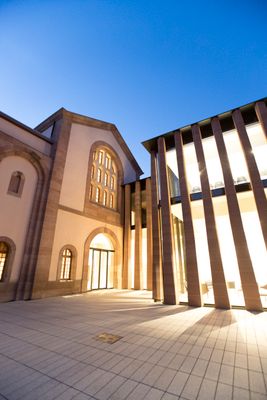
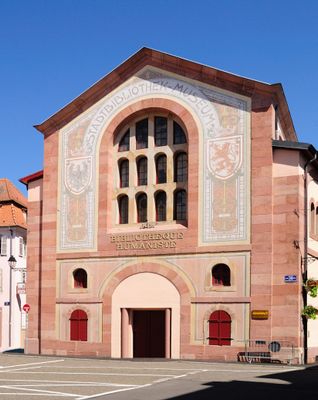
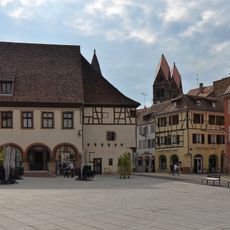
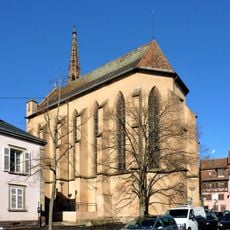
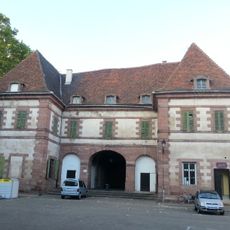
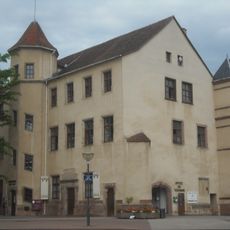
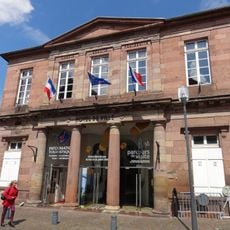
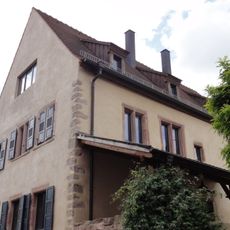
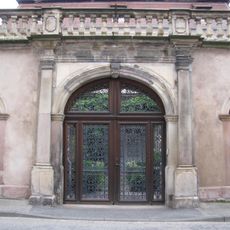
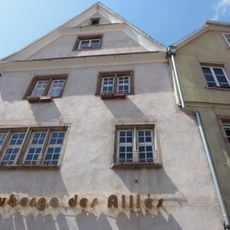
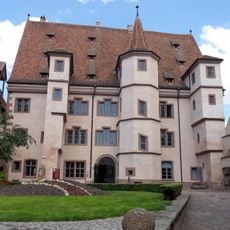
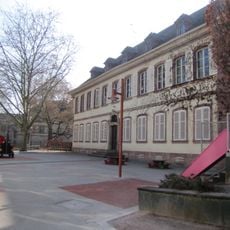
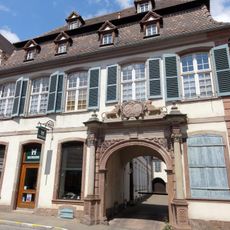
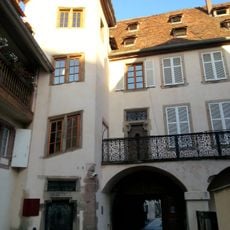
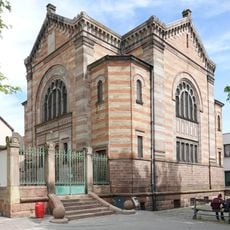
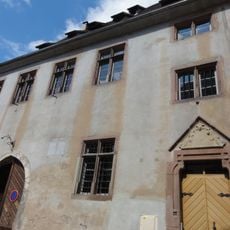
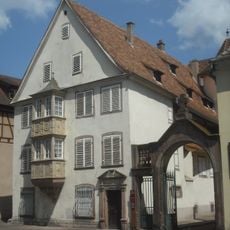
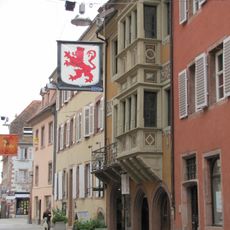
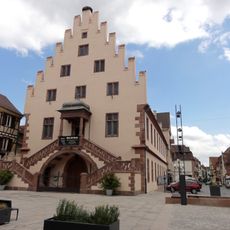
Humanist Library of Sélestat, Renaissance library and literary museum in Sélestat, France

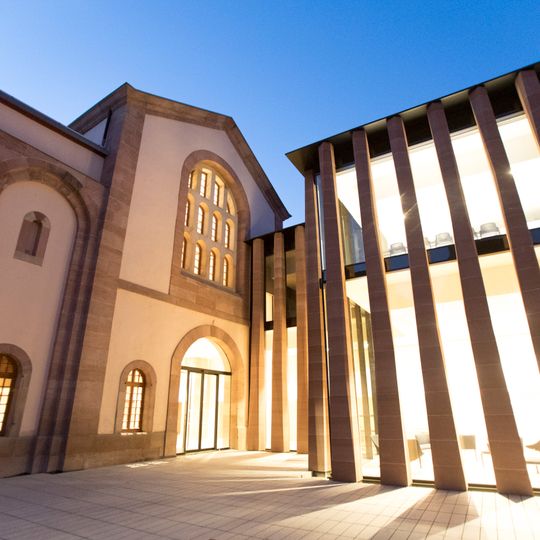
The Humanist Library holds substantial collections of manuscripts and printed works from the 15th and 16th centuries within a building designed by Rudy Ricciotti.

Founded in 1452 by Ludwig Dringenberg, the library started as a Latin school on the Upper Rhine where humanist education gained prominence during the Renaissance period.

The institution preserves the complete private collection of scholar Beatus Rhenanus, containing 670 leather-bound volumes gathered during his European travels and studies.

The library welcomes visitors from Tuesday to Sunday between May and September, offering guided tours and maintaining special rates for groups and families.

The collection includes over 550 incunabula and features Upper-Rhenish religious paintings and sculptures from the medieval and Renaissance periods.

Location: Sélestat

Inception: 1452

Founders: Ludwig Dringenberg

Address: 1, place du docteur Maurice Kubler 67600 Sélestat

Phone: +33388580720

Website: http://bh-selestat.fr

GPS coordinates: 48.26040,7.45504

Latest update: June 23, 2025 09:43

Visit Strasbourg: medieval history, Gothic architecture, and European institutions

In Strasbourg, each step crosses several centuries of history. You walk from medieval alleys lined with half-timbered houses to glass buildings housing European institutions. The cathedral, 142 meters high, has dominated the city since the Middle Ages, while modern structures along the Rhine reflect the city’s European role. The sound of bells blends with tram noise, and the smell of gingerbread drifts through the contemporary administrative districts.

Hidden places of Grand Est: medieval forts, Renaissance castles and forgotten abbeys

The Grand Est displays a rich architectural and military heritage, from fortified structures like the Fort of Mutzig and the La Ferté ouvrage on the Maginot Line, to princely residences such as Château de Lunéville with its French gardens. The region also preserves religious sites like the Abbey of Sturzelbronn in the Vosges forests and the Jesuit College in Reims, founded in the early 17th century. Urban centers feature notable architectural complexes: the Kammerzell House in Strasbourg exemplifies 15th-century Alsatian half-timbered construction, while the Ducal Square in Charleville-Mézières reflects Renaissance urban planning. The Humanist Library in Sélestat holds over 150 medieval manuscripts and ancient books. Technical sites like the old Chappe telegraph tower in Saverne recall early communication history before the electric era. Historic parks, including that of Château de Pange with geometric gardens and stone bridges, offer pathways through centuries of landscape design.

Visit Alsace: tourist sites, museums, historic towns

Alsace stretches between Strasbourg and Mulhouse, presenting historical monuments from various periods. The region contains medieval castles such as Haut-Koenigsbourg, military fortifications by Vauban, and Romanesque and Gothic churches. Old town centres display characteristic half-timbered houses, while museums like the Railway Museum in Mulhouse or the Automobile Museum showcase technical collections. Strasbourg features its historic quarter La Petite France with canals and half-timbered buildings, along with the cathedral and its astronomical clock. Colmar offers the Unterlinden Museum housing the Isenheim Altarpiece and preserved old town districts. The Alsace Wine Route connects villages such as Riquewihr, Kaysersberg and Eguisheim, which have maintained their medieval structures. The Vosges mountains form the natural backdrop of the region with hiking trails and viewpoints. Fortifications like Fort de Mutzig reflect the military past. Religious buildings such as Murbach Abbey or the Church of Saint-Pierre-et-Saint-Paul in Rosheim document Romanesque architecture. The region combines German and French heritage in its architecture, cuisine and culture.

Alsace Wine Route: historic villages, half-timbered houses, medieval architecture

The Alsace Wine Route connects dozens of villages that have preserved their medieval structures. Half-timbered houses from the 16th and 17th centuries line cobblestone streets, while town walls and watchtowers testify to the region's strategic importance. Many villages feature Romanesque churches with sculptural decoration and historic town halls. Riquewihr, Ribeauvillé, and Eguisheim display typical examples of this architecture. Painted wooden beams on houses, old market squares, and vineyards on surrounding slopes characterize these settlements. Castle ruins such as Haut-Koenigsbourg occupy hilltops overlooking the Rhine plain. The region also maintains religious buildings like Murbach Abbey or the church of Thann with its Gothic portal. Local museums present medieval manuscripts and liturgical objects. This cultural landscape combines winemaking tradition with architectural heritage spanning several centuries.

Reviews

Visited this place? Tap the stars to rate it and share your experience / photos with the community! Try now! You can cancel it anytime.

« Humanist Library of Sélestat - Renaissance library and literary museum in Sélestat, France » is provided by Around Us (aroundus.com). Images and texts are derived from Wikimedia project under a Creative Commons license. You are allowed to copy, distribute, and modify copies of this page, under the conditions set by the license, as long as this note is clearly visible.

Discover hidden gems everywhere you go!

From secret cafés to breathtaking viewpoints, skip the crowded tourist spots and find places that match your style. Our app makes it easy with voice search, smart filtering, route optimization, and insider tips from travelers worldwide. Download now for the complete mobile experience.
Around Us App Screenshot

A unique approach to discovering new places

Le Figaro

All the places worth exploring

France Info

A tailor-made excursion in just a few clicks

20 Minutes