Strasbourg combines medieval alleys with glass buildings of European institutions, where every corner tells of centuries of history.
In Strasbourg, each step crosses several centuries of history. You walk from medieval alleys lined with half-timbered houses to glass buildings housing European institutions. The cathedral, 142 meters high, has dominated the city since the Middle Ages, while modern structures along the Rhine reflect the city’s European role. The sound of bells blends with tram noise, and the smell of gingerbread drifts through the contemporary administrative districts.
Strasbourg combines medieval alleys with glass buildings of European institutions, where every corner tells of centuries of history.
In Strasbourg, each step crosses several centuries of history. You walk from medieval alleys lined with half-timbered houses to glass buildings housing European institutions. The cathedral, 142 meters high, has dominated the city since the Middle Ages, while modern structures along the Rhine reflect the city’s European role. The sound of bells blends with tram noise, and the smell of gingerbread drifts through the contemporary administrative districts.
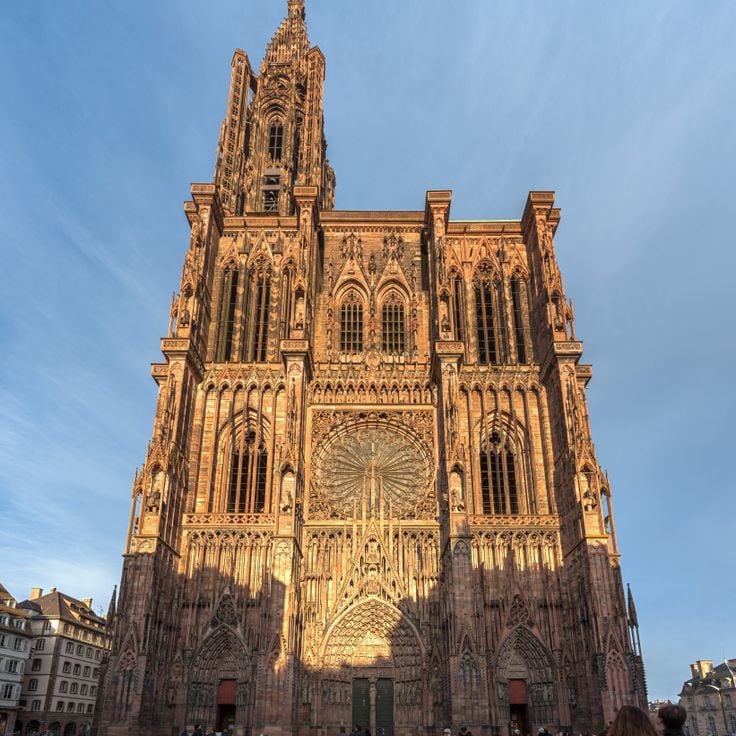
The Strasbourg Cathedral shows centuries of building changes. The construction started in 1015. Romanesque foundations lie beneath its Gothic structure that rises toward the sky. Standing at 142 meters tall, it overlooks the city and the surrounding plain. The pink sandstone captures the warm light of the sunset, making it appear bright. As the main site of Strasbourg's heritage, the cathedral is a central point where old streets meet modern European institutions.
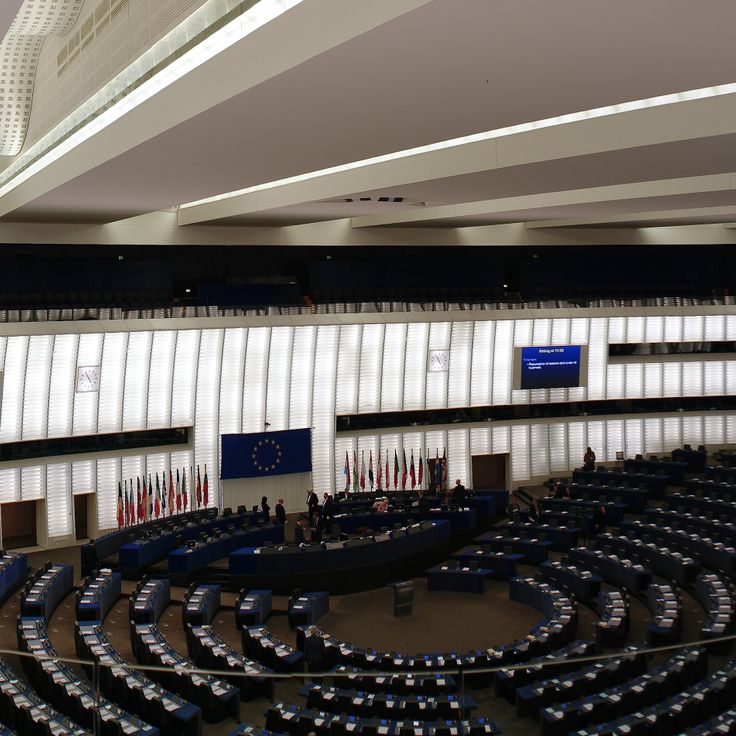
The European Parliament is a large circular building of glass and steel on the banks of the Rhine in Strasbourg. Here, the 705 Members of the European Parliament meet together. For Strasbourg residents, this building represents something fundamental: a city that connects rather than separates. Within this collection about medieval history, Gothic architecture, and European institutions, the European Parliament embodies the modern side of Strasbourg, where contemporary structures along the Rhine reflect the city's European role.
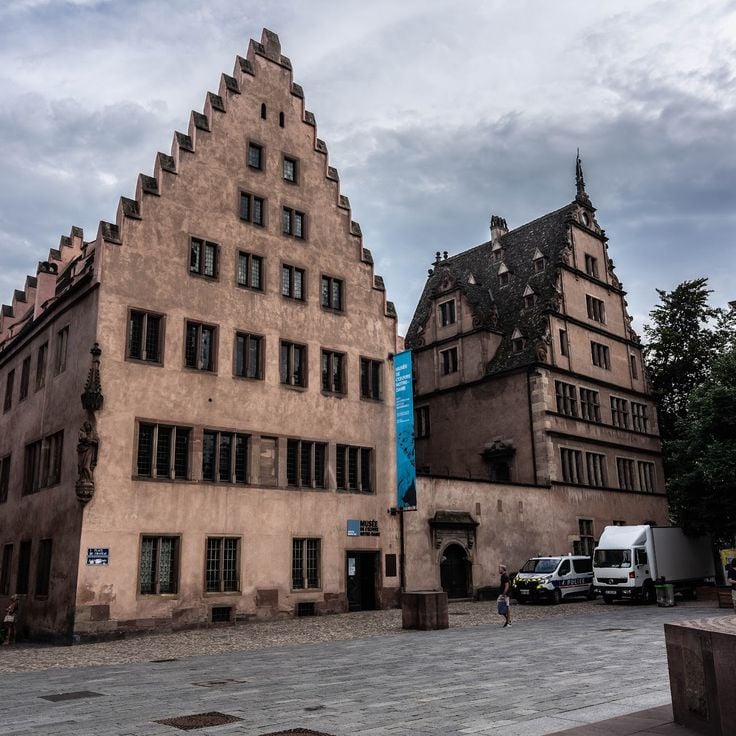
The Alsatian Museum occupies a 17th-century timber-framed building and displays furniture, clothing, and everyday items from Alsace. Within Strasbourg's layered history, this museum connects medieval craftsmanship traditions with the city's modern role as a center for European institutions, preserving local heritage within historic walls.
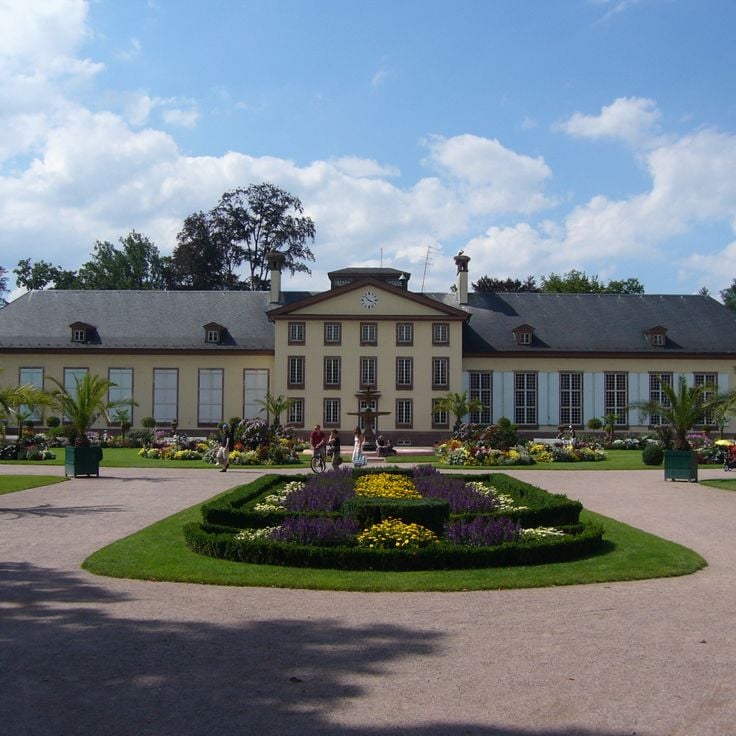
Orangerie Park is the oldest green space in Strasbourg and offers a place to walk and rest that contrasts with the city's medieval history and European institutions. Tall trees, a lake with swans and storks, and green lawns shape this space. Located away from the center, it invites you to stroll and have a picnic.
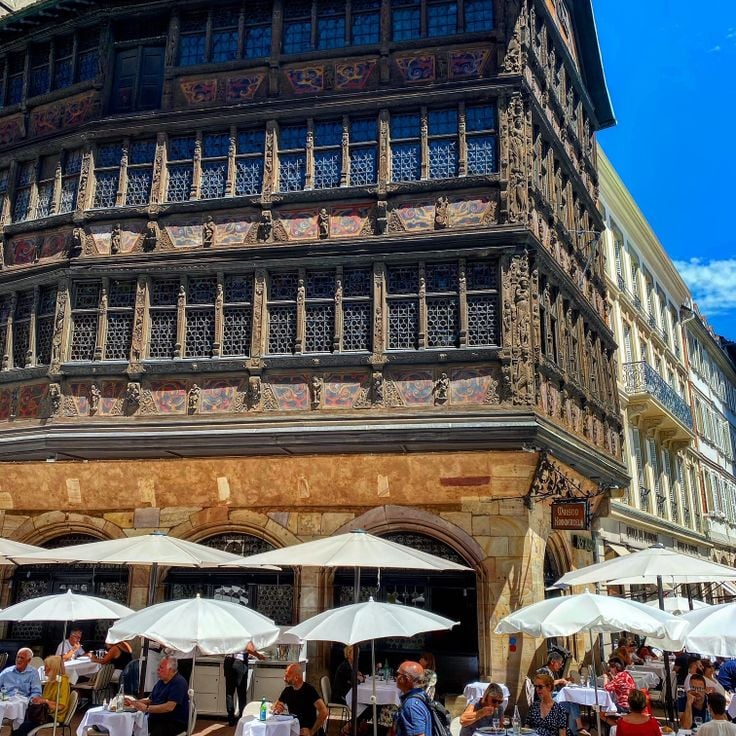
The Kammerzell House is a centerpiece of medieval architecture in Strasbourg that shows the city's long history. Built in 1427, this building displays the half-timbered style typical of Alsace, with carved figures adorning its facade. It stands at Place de la Cathédrale and captures the character of the medieval old town, where traditional craftsmanship appears in every detail. Walking past it gives you a direct sense of how people lived and built during the Middle Ages.
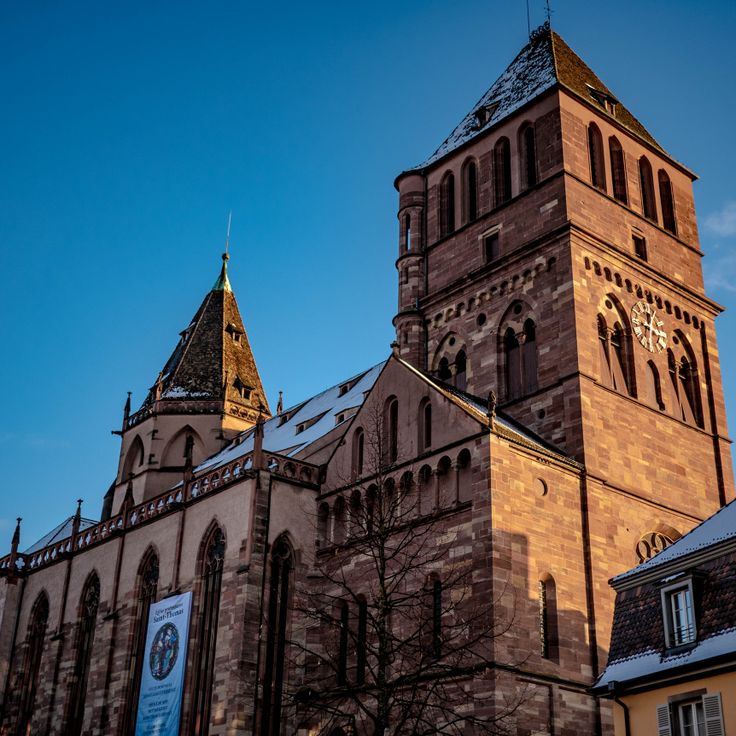
St. Thomas Church is a 12th-century Protestant house of worship and part of Strasbourg's medieval story. It stands among the half-timbered houses that shape the city's character. Inside, you find a Silbermann organ and the tomb of Marshal Saxe. This church connects Protestant heritage with the craftsmanship that shaped Strasbourg, adding another layer to your journey through centuries of history alongside the cathedral and European institutions.
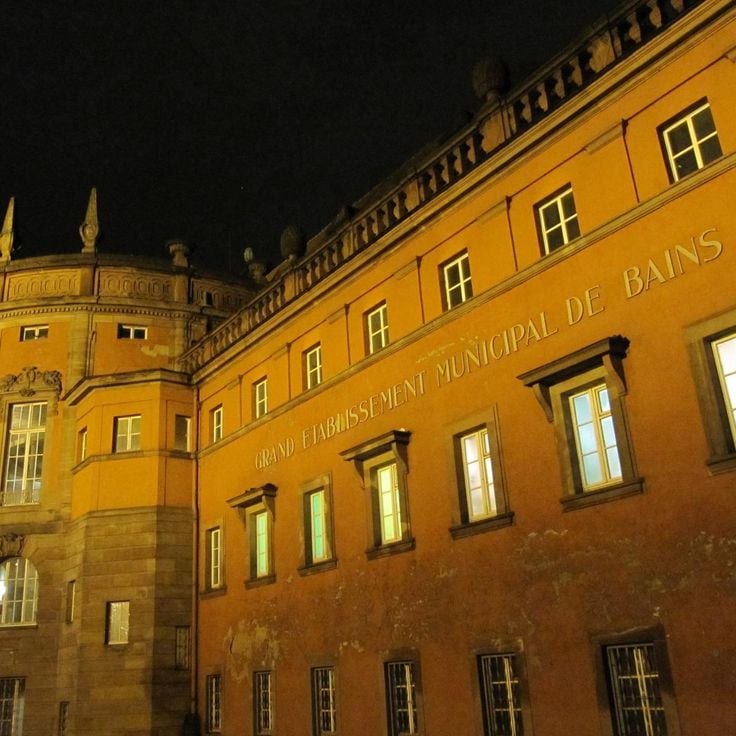
The Strasbourg Municipal Baths fit into the city's layered history, where medieval streets meet modern European institutions. Built in 1908, this building showcases Art Nouveau style with its blue tiles, glass roofs, and round pools. When you swim here, you experience a slice of the Belle Époque in a city where the cathedral has dominated since the Middle Ages.
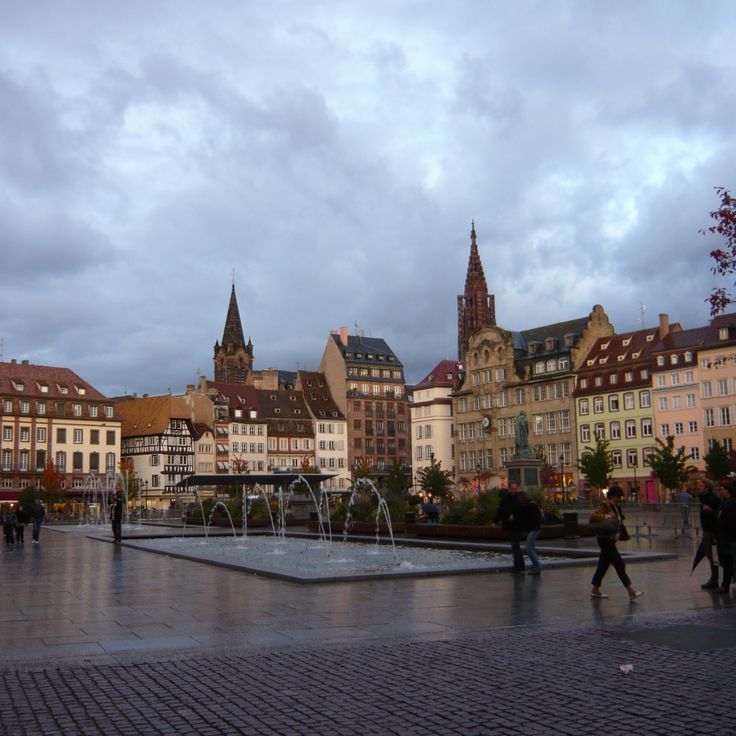
Place Kléber is the living center of Strasbourg. Here you find shops, cafés, and crowds of people gathering throughout the day. In December, a large Christmas market transforms the square, drawing visitors from across the region. This square connects the medieval history of Strasbourg with its modern European role, showing how the city bridges past and present.
This museum displays works of medieval Alsatian art, including sculptures, stained glass windows and paintings from the 13th to 16th centuries. It complements Strasbourg's story, where each step crosses centuries of history and the cathedral has dominated the city since the Middle Ages.
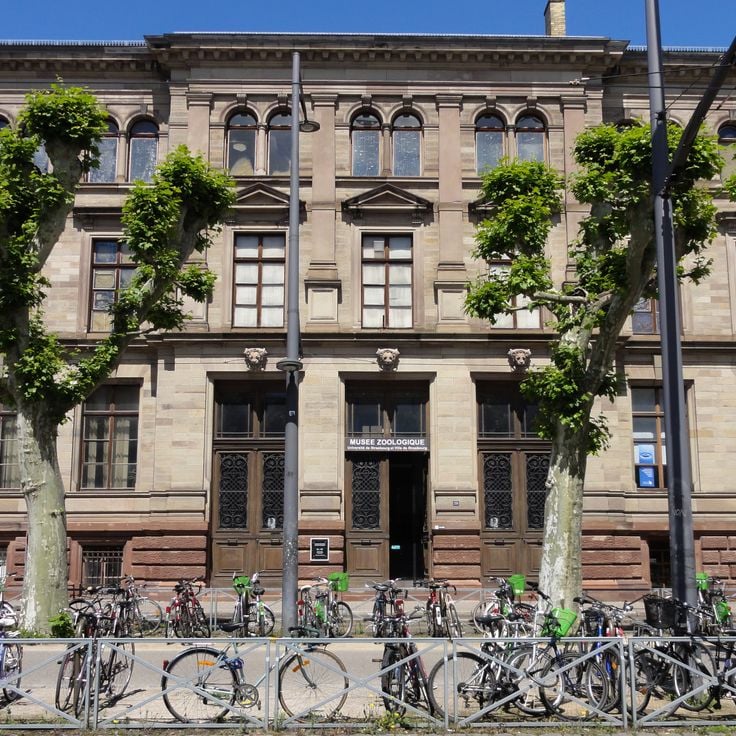
The Zoological Museum in Strasbourg displays a large collection of animal specimens and natural history exhibits from the 19th century. The exhibition includes mammals, birds, and insects. Set within Strasbourg's landscape of medieval streets and modern European institutions, this museum offers visitors a chance to explore the natural world alongside the city's historical and contemporary character.
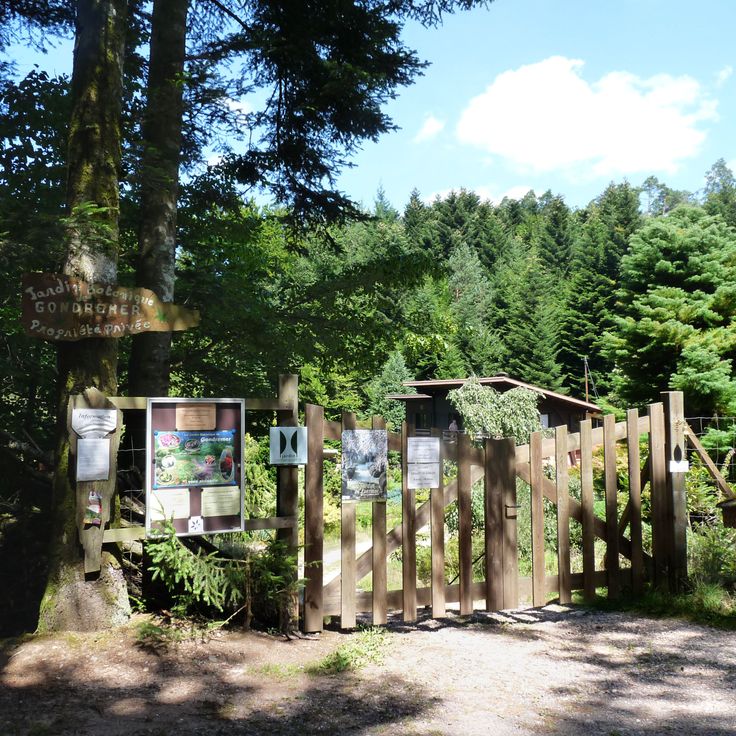
The Botanic Garden of Strasbourg lies at the heart of the university and offers a place filled with plants and glass structures. Visitors can explore tropical greenhouses, an old rose garden, and plants from around the world. This garden connects naturally to Strasbourg's story of medieval alleys and modern European institutions, showing how the city preserves both nature and learning.
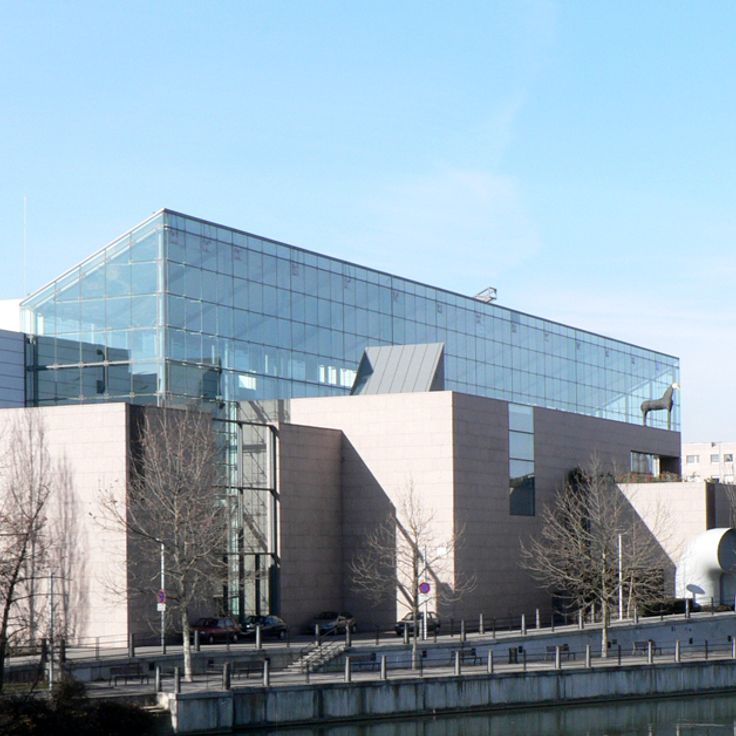
The Museum of Modern and Contemporary Art in Strasbourg displays works from recent decades and the present day. You will find paintings, sculptures, and installations that show how artists see the world around them. This museum fits naturally into a city that holds both medieval history and modern institutions side by side. As you move through the galleries, you encounter art from many countries and cultures. The works reflect different ideas, materials, and techniques that artists are exploring today. It is a place to understand how creative minds work in our time.
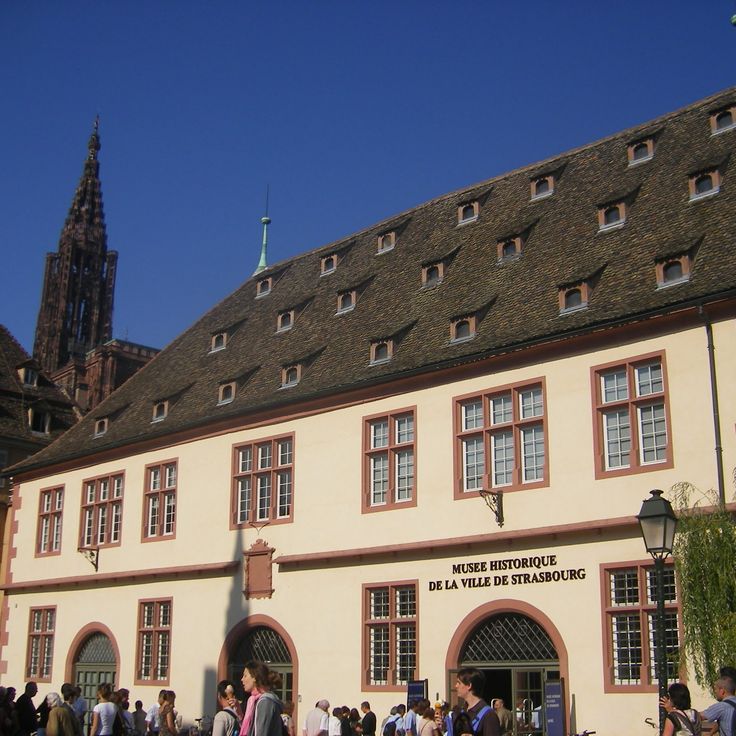
The Historical Museum of Strasbourg shows the city across multiple centuries. Housed in a Renaissance-era building, it displays objects ranging from medieval times to the modern day. Visitors see crafted items, furniture, and clothing that reveal how people lived here in earlier periods. The museum explains how Strasbourg transformed from a medieval town into a center of European significance.
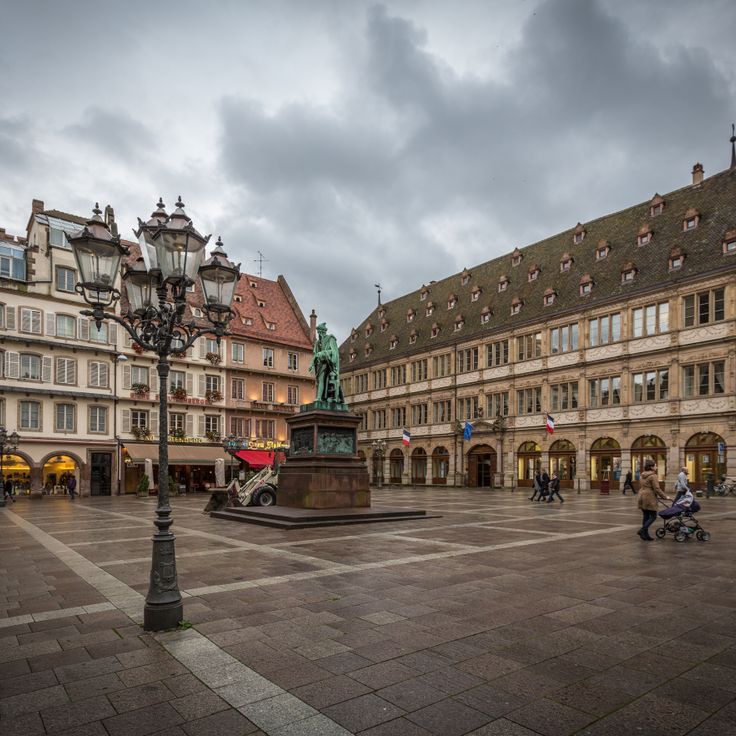
Place Gutenberg is a historic square in central Strasbourg that connects the story of modern printing with the city's everyday life. The statue of the printing press inventor stands here as a focal point, and the square functions as a meeting place and market venue. This space shows how Strasbourg weaves together its past with present-day urban activity, from medieval alleys to modern European institutions.
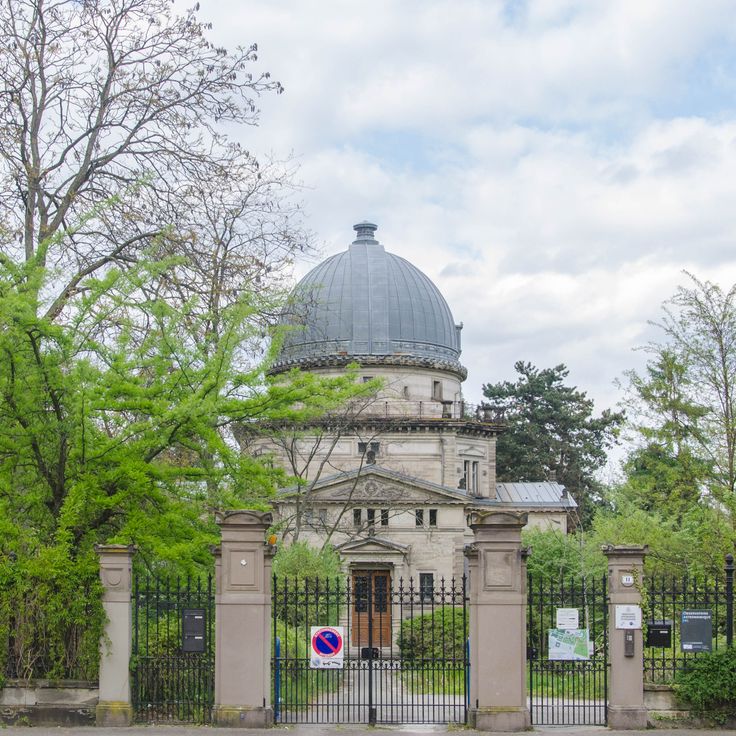
The Strasbourg Observatory is one of the oldest observatories still in use. It shows the scientific tradition of this city, which stretches from medieval alleys to modern European institutions. It explains how Strasbourg has developed knowledge and new ideas over the years.
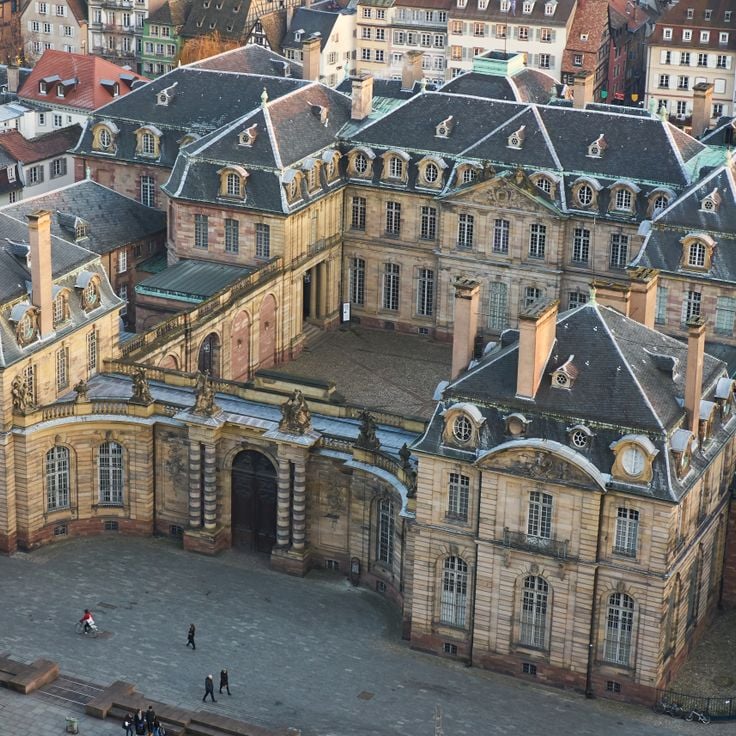
Palais Rohan is an 18th-century baroque palace that once served as the residence of prince-bishops. Today, it houses three municipal museums dedicated to fine arts, archaeology, and decorative arts. The building displays the grandeur typical of its era, with richly decorated facades and interior spaces. As part of Strasbourg's journey through time, the palace connects the city's medieval past to its role as a center of European culture and governance.
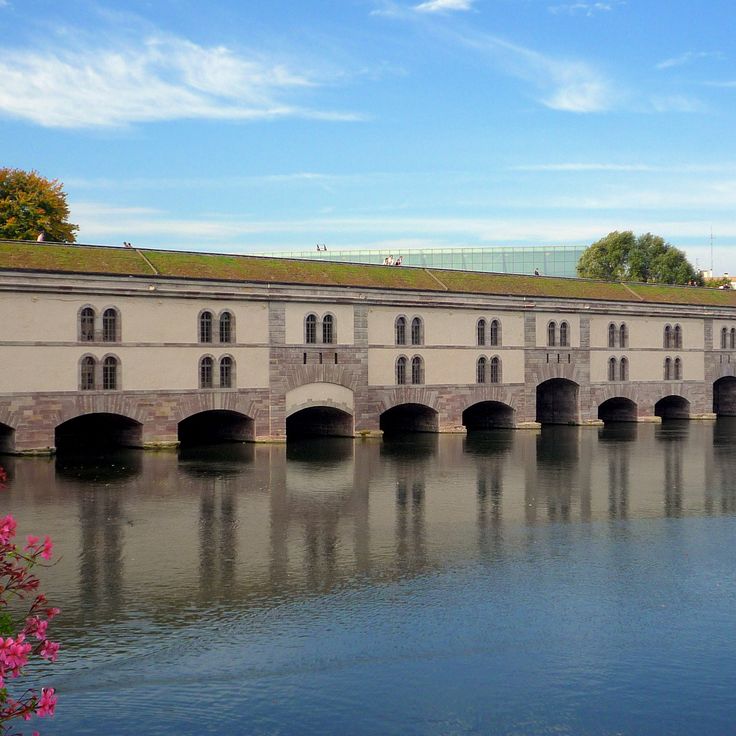
The Barrage Vauban is a 17th century lock that connects you to Strasbourg's layered past. From its observation deck, you can see the old town, the Petite France district, and the cathedral towers that have shaped the city's skyline for centuries. This structure sits where medieval alleys meet the waters of the Rhine, offering views that span from historic half-timbered houses to the modern city beyond.
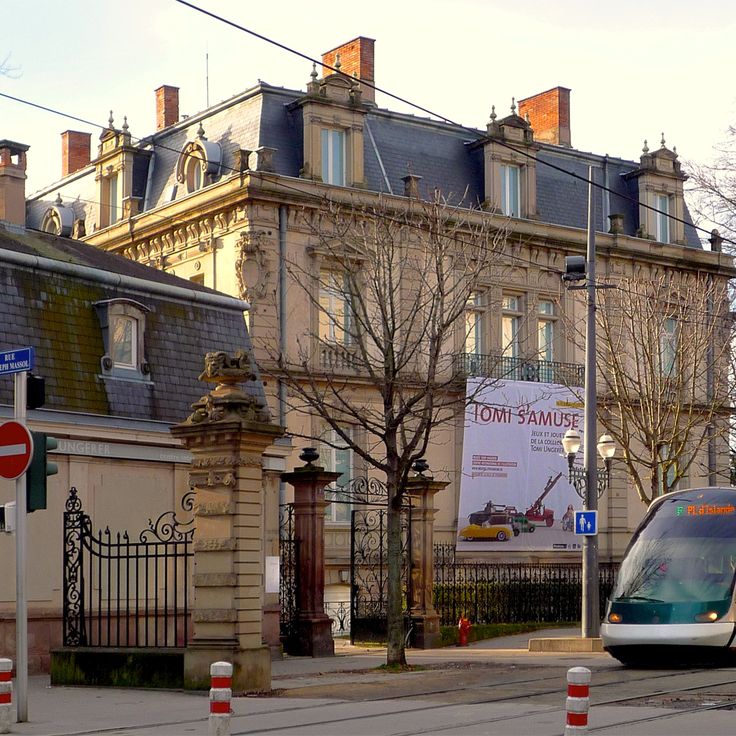
The museum houses over 11000 original drawings, posters, books and toys by Strasbourg artist Tomi Ungerer within a historic building. It connects artistic creativity to the medieval history of Strasbourg, offering visitors insight into the work of an artist whose creations have shaped European art history.
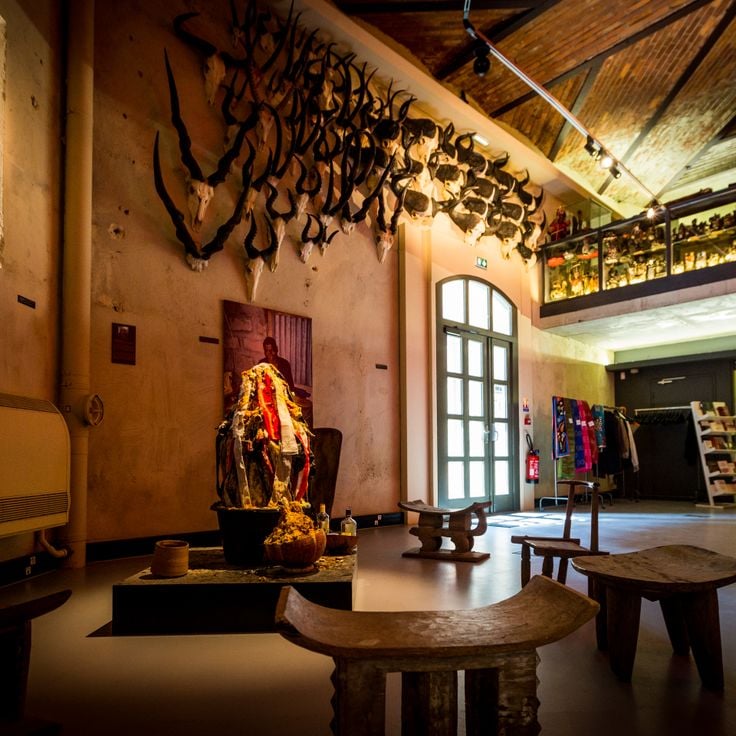
The Chateau Vodou is a museum in Strasbourg where you can explore cultures and traditions that connect to this city's layered history. As you walk through medieval lanes with half-timbered houses and discover modern glass buildings, this museum offers stories that help you understand how Strasbourg became a European center. The cathedral has risen above the city since the Middle Ages, and here you will find perspectives on the communities and beliefs that have shaped this place where bells and tram sounds mix with daily life.
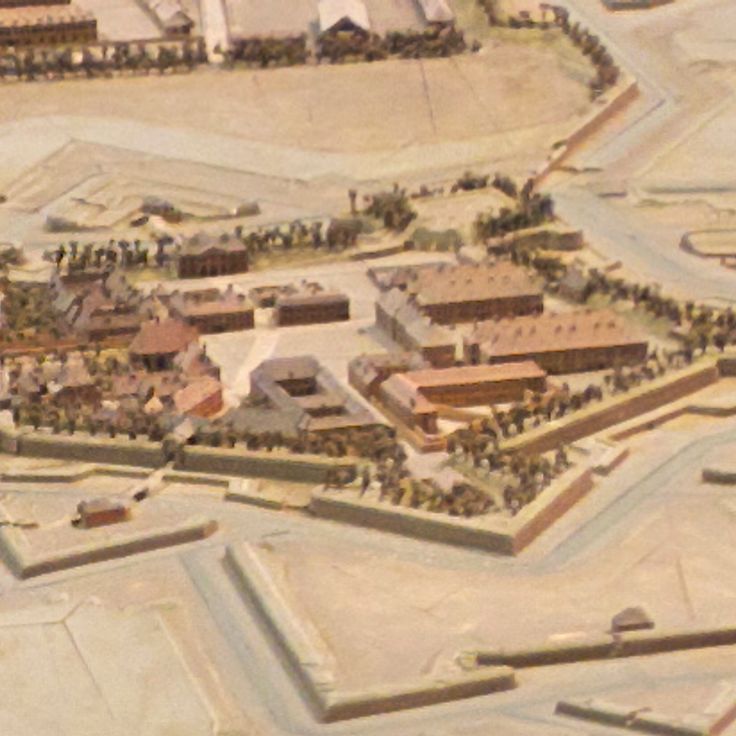
The Strasbourg Citadel shows the layers of history that shape this European city. Built in the 17th century, this fortress stands on an island between two waterways. Five bastions and a water-filled moat guard the structure. Walking here connects you to centuries of the past, from medieval times to Strasbourg's modern role as a center of European institutions.
The Bibliothèque Humaniste fits into Strasbourg's journey through several centuries of history. This library holds rare books and manuscripts that reflect humanist thinking from the Renaissance. It stands in the medieval city where Gothic architecture and European institutions exist side by side. Visitors can see handwritten works and early printed books that show how scholars thought and wrote in earlier times.
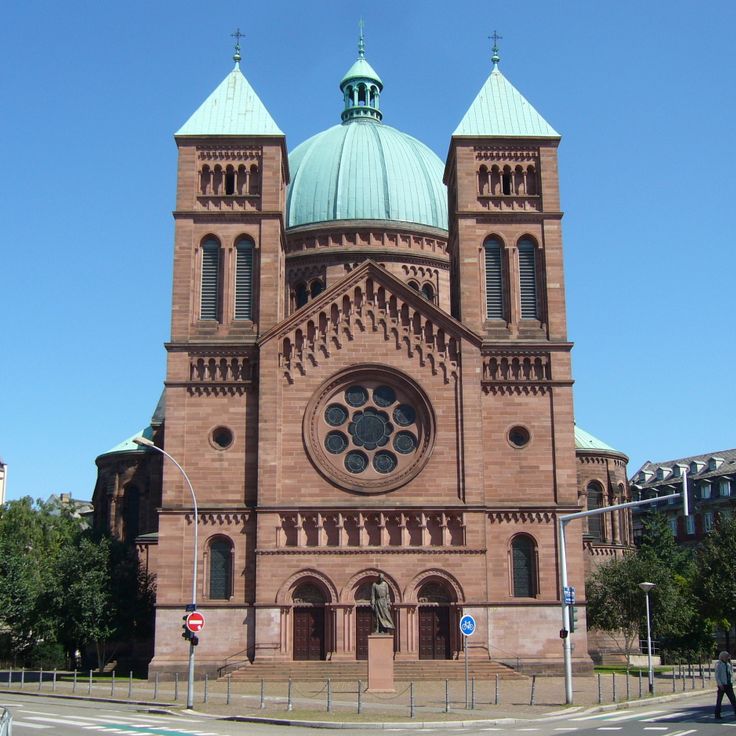
Saint Pierre le Jeune is a Catholic church in Strasbourg that reaches back to medieval times. The building displays Gothic architectural elements that have shaped the city's religious life across centuries. Like other historic places in Strasbourg, this church connects different periods and shows how the city blends its medieval past with its modern role as a European center.
This chocolate museum shows how chocolate is made, from cocoa growing to the final product. Visitors can follow the production process and taste samples. Within Strasbourg's history, the museum sits alongside medieval alleys with half-timbered houses and modern European institutions. It brings together craftsmanship and knowledge about a product that has shaped the city for centuries.
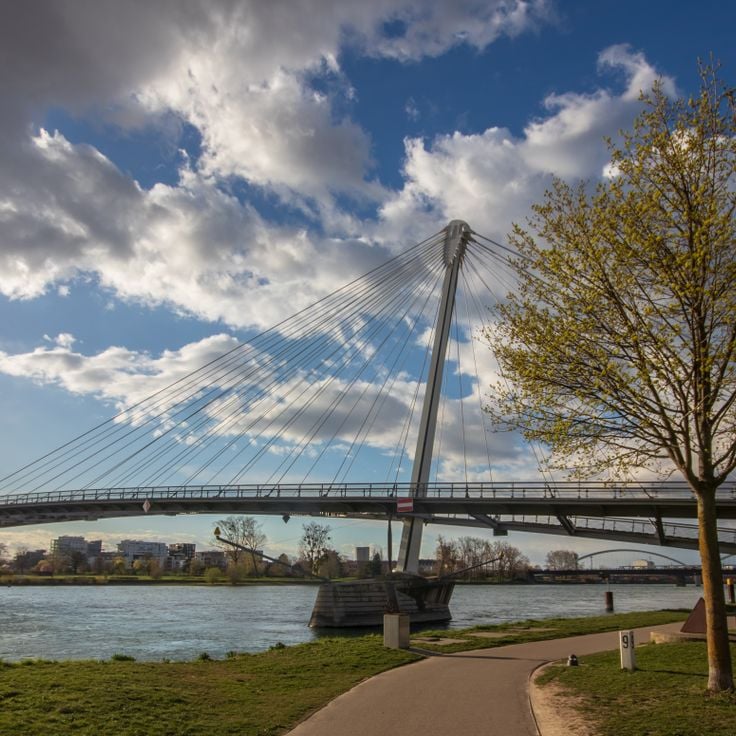
This steel bridge built in 2004 allows pedestrians and cyclists to cross the Rhine between France and Germany. It is 394 meters long and connects the medieval streets of Strasbourg with its modern European institutions. As you cross, you see the cathedral and half-timbered houses on one side, and glass buildings with European offices on the other. The bridge shows how modern construction has fitted into the city's history.
The Neustadt is the district where Strasbourg brings its two worlds together. Here, centuries of history meet in streets lined with half-timbered medieval houses next to modern glass buildings. Built between 1880 and 1914, the district shows a blend of German and French architecture. Wide avenues pass institutional buildings that now house European institutions. The cathedral at 142 meters high still dominates the city view, while new structures along the Rhine reflect the city's European role. As you walk through Neustadt, you hear bells ringing beside tram sounds, and the smell of gingerbread drifts through the contemporary administrative areas.
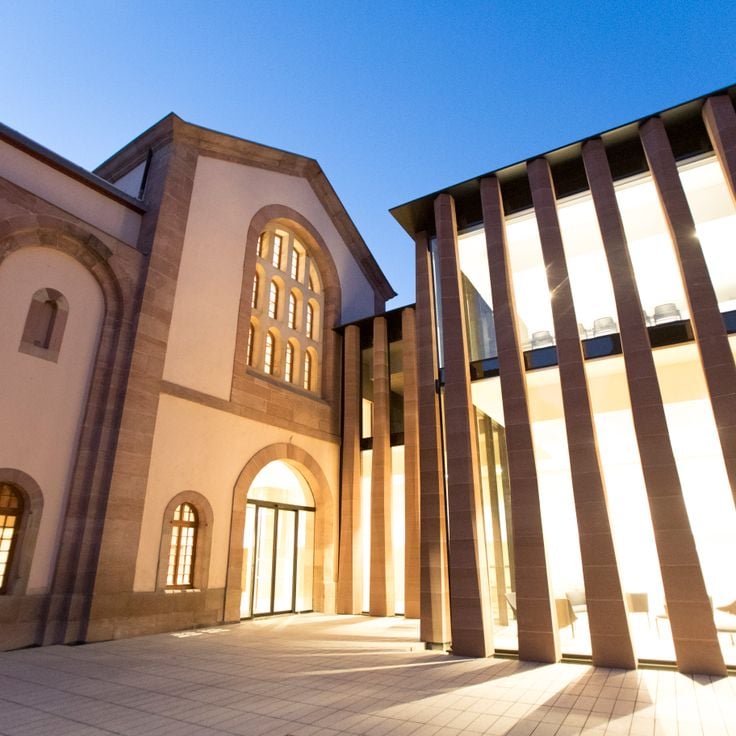
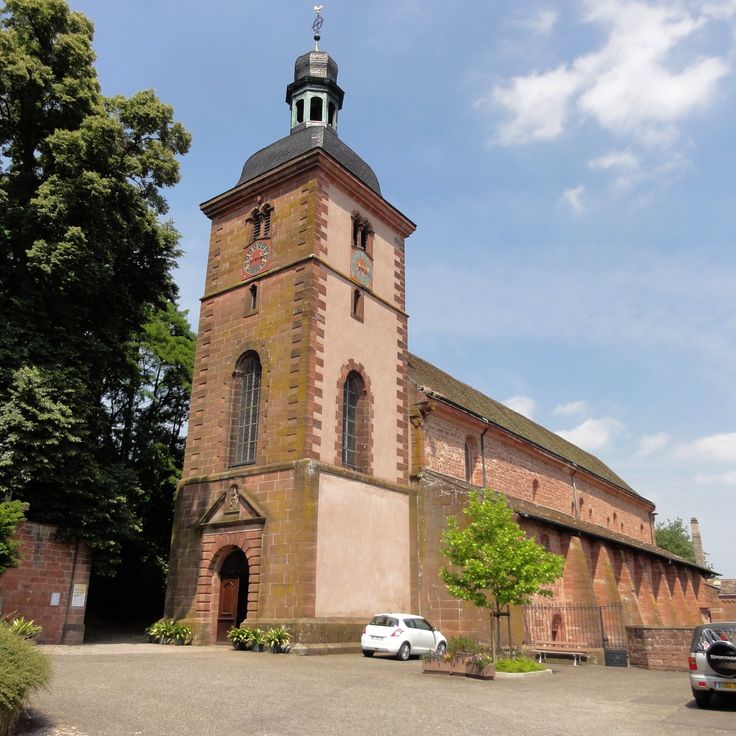
The Saint-Jean Saverne is a Romanesque church from the 12th century in Strasbourg, reflecting the religious architecture of the Middle Ages. Its plain design with thick stone walls marks the city landscape. The old stained glass in its windows filters soft light into the interior, creating a distinctive quality of illumination. This church is part of Strasbourg's historical development and connects the medieval heritage with today's European city.
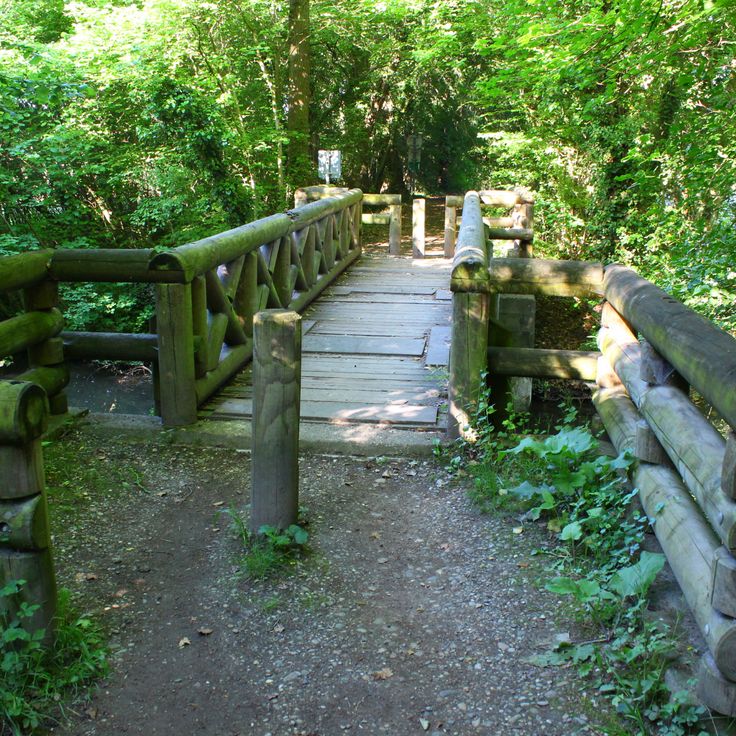
Neuhof Forest provides a green space on the edge of Strasbourg where visitors can explore the region's natural surroundings. From the observation deck, you can watch birds, insects, and other wildlife moving through trees and plants native to this area. The forest offers a retreat from the medieval alleys and modern institutions at the city's center. You hear the sounds of nature rather than bells and trams, and the air carries the smell of earth and growing things.
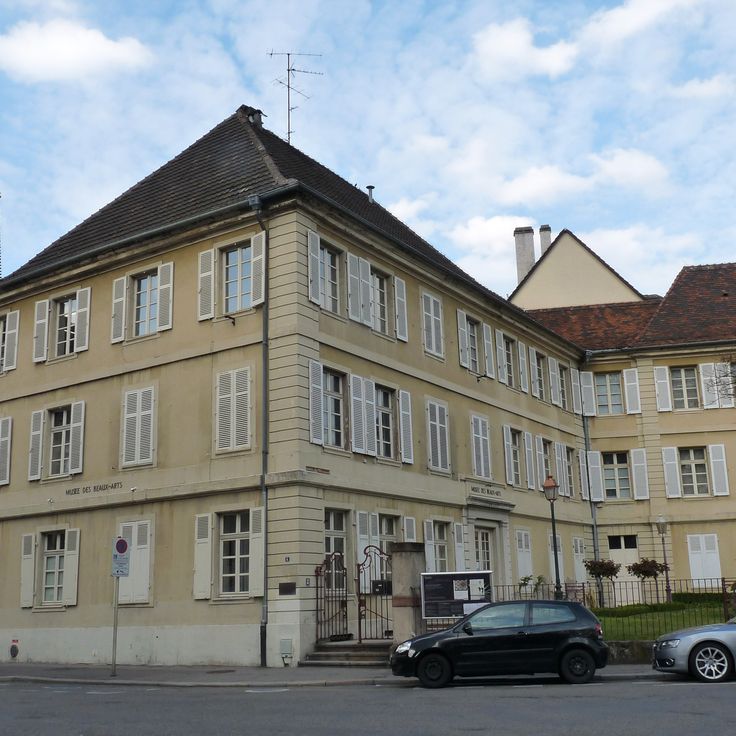
The Museum of Fine Arts displays European paintings from the Middle Ages to 1870 and houses works by German and Dutch masters of the 15th century. In Strasbourg, where each step crosses several centuries of history, this museum offers paintings that reflect the artistic development of the city's medieval and early modern periods.
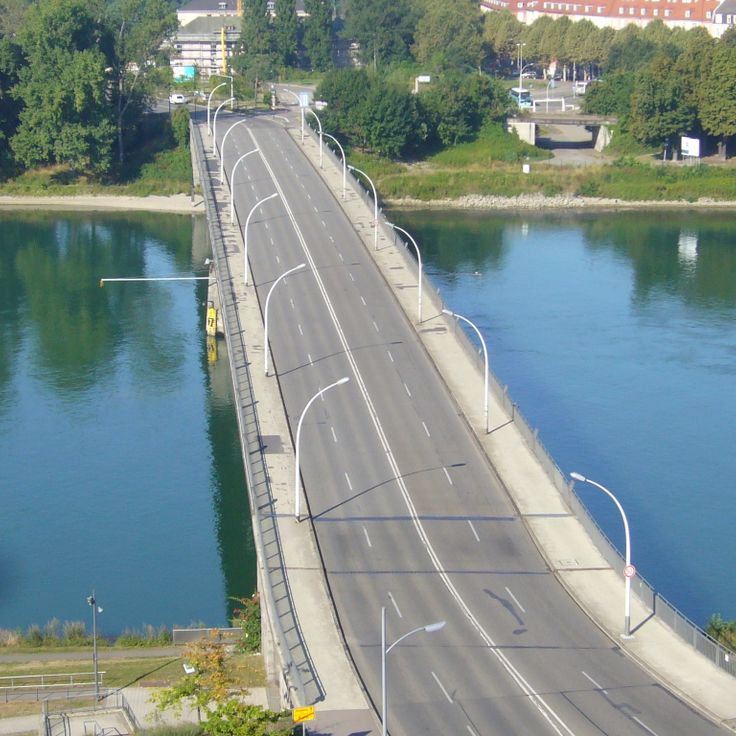
The Pierre Pflimlin Bridge connects Strasbourg to Germany across the Rhine and is part of the city's role as a European center. This bridge, which opened in 2002, shows how the city brings together different cultures and overcomes borders. It forms a modern link between the medieval alleys and the Gothic cathedral that has dominated the city since the Middle Ages.
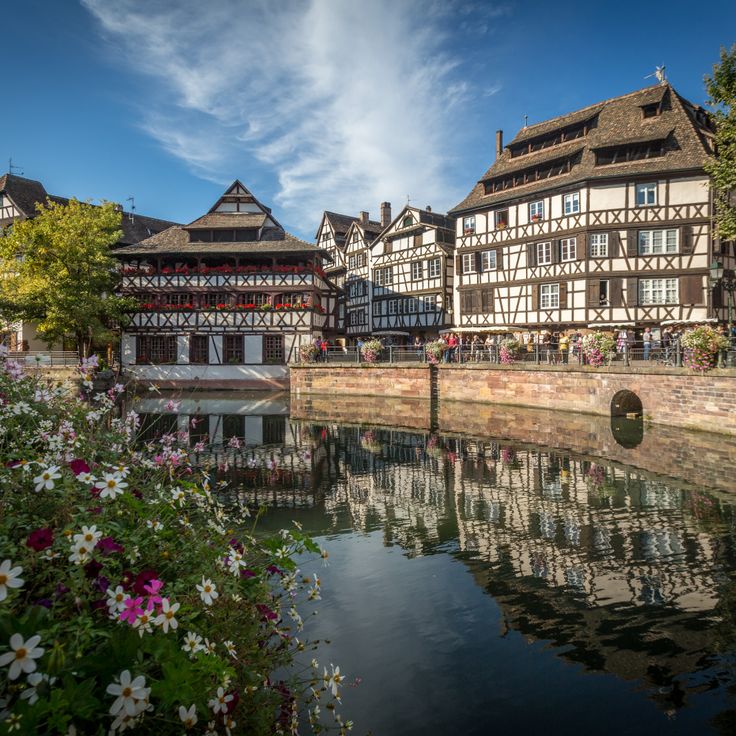
Petite France is where Strasbourg's medieval story lives most vividly. In this quarter, half-timbered houses lean over canals, cobblestones glisten after rain, and the air carries the smell of wood and water. Once home to tanners and fishermen, the neighborhood still holds the presence of those who worked here centuries ago. Walking through these narrow streets, you step directly into the past. This old quarter shows how Strasbourg lived and worked in its early days.
The Strasbourg Cathedral shows centuries of building changes. The construction started in 1015. Romanesque foundations lie beneath its Gothic structure that rises toward the sky. Standing at 142 meters tall, it overlooks the city and the surrounding plain. The pink sandstone captures the warm light of the sunset, making it appear bright. As the main site of Strasbourg's heritage, the cathedral is a central point where old streets meet modern European institutions.
The European Parliament is a large circular building of glass and steel on the banks of the Rhine in Strasbourg. Here, the 705 Members of the European Parliament meet together. For Strasbourg residents, this building represents something fundamental: a city that connects rather than separates. Within this collection about medieval history, Gothic architecture, and European institutions, the European Parliament embodies the modern side of Strasbourg, where contemporary structures along the Rhine reflect the city's European role.
The Alsatian Museum occupies a 17th-century timber-framed building and displays furniture, clothing, and everyday items from Alsace. Within Strasbourg's layered history, this museum connects medieval craftsmanship traditions with the city's modern role as a center for European institutions, preserving local heritage within historic walls.
Orangerie Park is the oldest green space in Strasbourg and offers a place to walk and rest that contrasts with the city's medieval history and European institutions. Tall trees, a lake with swans and storks, and green lawns shape this space. Located away from the center, it invites you to stroll and have a picnic.
The Kammerzell House is a centerpiece of medieval architecture in Strasbourg that shows the city's long history. Built in 1427, this building displays the half-timbered style typical of Alsace, with carved figures adorning its facade. It stands at Place de la Cathédrale and captures the character of the medieval old town, where traditional craftsmanship appears in every detail. Walking past it gives you a direct sense of how people lived and built during the Middle Ages.
St. Thomas Church is a 12th-century Protestant house of worship and part of Strasbourg's medieval story. It stands among the half-timbered houses that shape the city's character. Inside, you find a Silbermann organ and the tomb of Marshal Saxe. This church connects Protestant heritage with the craftsmanship that shaped Strasbourg, adding another layer to your journey through centuries of history alongside the cathedral and European institutions.
The Strasbourg Municipal Baths fit into the city's layered history, where medieval streets meet modern European institutions. Built in 1908, this building showcases Art Nouveau style with its blue tiles, glass roofs, and round pools. When you swim here, you experience a slice of the Belle Époque in a city where the cathedral has dominated since the Middle Ages.
Place Kléber is the living center of Strasbourg. Here you find shops, cafés, and crowds of people gathering throughout the day. In December, a large Christmas market transforms the square, drawing visitors from across the region. This square connects the medieval history of Strasbourg with its modern European role, showing how the city bridges past and present.
This museum displays works of medieval Alsatian art, including sculptures, stained glass windows and paintings from the 13th to 16th centuries. It complements Strasbourg's story, where each step crosses centuries of history and the cathedral has dominated the city since the Middle Ages.
The Zoological Museum in Strasbourg displays a large collection of animal specimens and natural history exhibits from the 19th century. The exhibition includes mammals, birds, and insects. Set within Strasbourg's landscape of medieval streets and modern European institutions, this museum offers visitors a chance to explore the natural world alongside the city's historical and contemporary character.
The Botanic Garden of Strasbourg lies at the heart of the university and offers a place filled with plants and glass structures. Visitors can explore tropical greenhouses, an old rose garden, and plants from around the world. This garden connects naturally to Strasbourg's story of medieval alleys and modern European institutions, showing how the city preserves both nature and learning.
The Museum of Modern and Contemporary Art in Strasbourg displays works from recent decades and the present day. You will find paintings, sculptures, and installations that show how artists see the world around them. This museum fits naturally into a city that holds both medieval history and modern institutions side by side. As you move through the galleries, you encounter art from many countries and cultures. The works reflect different ideas, materials, and techniques that artists are exploring today. It is a place to understand how creative minds work in our time.
The Historical Museum of Strasbourg shows the city across multiple centuries. Housed in a Renaissance-era building, it displays objects ranging from medieval times to the modern day. Visitors see crafted items, furniture, and clothing that reveal how people lived here in earlier periods. The museum explains how Strasbourg transformed from a medieval town into a center of European significance.
Place Gutenberg is a historic square in central Strasbourg that connects the story of modern printing with the city's everyday life. The statue of the printing press inventor stands here as a focal point, and the square functions as a meeting place and market venue. This space shows how Strasbourg weaves together its past with present-day urban activity, from medieval alleys to modern European institutions.
The Strasbourg Observatory is one of the oldest observatories still in use. It shows the scientific tradition of this city, which stretches from medieval alleys to modern European institutions. It explains how Strasbourg has developed knowledge and new ideas over the years.
Palais Rohan is an 18th-century baroque palace that once served as the residence of prince-bishops. Today, it houses three municipal museums dedicated to fine arts, archaeology, and decorative arts. The building displays the grandeur typical of its era, with richly decorated facades and interior spaces. As part of Strasbourg's journey through time, the palace connects the city's medieval past to its role as a center of European culture and governance.
The Barrage Vauban is a 17th century lock that connects you to Strasbourg's layered past. From its observation deck, you can see the old town, the Petite France district, and the cathedral towers that have shaped the city's skyline for centuries. This structure sits where medieval alleys meet the waters of the Rhine, offering views that span from historic half-timbered houses to the modern city beyond.
The museum houses over 11000 original drawings, posters, books and toys by Strasbourg artist Tomi Ungerer within a historic building. It connects artistic creativity to the medieval history of Strasbourg, offering visitors insight into the work of an artist whose creations have shaped European art history.
The Chateau Vodou is a museum in Strasbourg where you can explore cultures and traditions that connect to this city's layered history. As you walk through medieval lanes with half-timbered houses and discover modern glass buildings, this museum offers stories that help you understand how Strasbourg became a European center. The cathedral has risen above the city since the Middle Ages, and here you will find perspectives on the communities and beliefs that have shaped this place where bells and tram sounds mix with daily life.
The Strasbourg Citadel shows the layers of history that shape this European city. Built in the 17th century, this fortress stands on an island between two waterways. Five bastions and a water-filled moat guard the structure. Walking here connects you to centuries of the past, from medieval times to Strasbourg's modern role as a center of European institutions.
The Bibliothèque Humaniste fits into Strasbourg's journey through several centuries of history. This library holds rare books and manuscripts that reflect humanist thinking from the Renaissance. It stands in the medieval city where Gothic architecture and European institutions exist side by side. Visitors can see handwritten works and early printed books that show how scholars thought and wrote in earlier times.
Saint Pierre le Jeune is a Catholic church in Strasbourg that reaches back to medieval times. The building displays Gothic architectural elements that have shaped the city's religious life across centuries. Like other historic places in Strasbourg, this church connects different periods and shows how the city blends its medieval past with its modern role as a European center.
This chocolate museum shows how chocolate is made, from cocoa growing to the final product. Visitors can follow the production process and taste samples. Within Strasbourg's history, the museum sits alongside medieval alleys with half-timbered houses and modern European institutions. It brings together craftsmanship and knowledge about a product that has shaped the city for centuries.
This steel bridge built in 2004 allows pedestrians and cyclists to cross the Rhine between France and Germany. It is 394 meters long and connects the medieval streets of Strasbourg with its modern European institutions. As you cross, you see the cathedral and half-timbered houses on one side, and glass buildings with European offices on the other. The bridge shows how modern construction has fitted into the city's history.
The Neustadt is the district where Strasbourg brings its two worlds together. Here, centuries of history meet in streets lined with half-timbered medieval houses next to modern glass buildings. Built between 1880 and 1914, the district shows a blend of German and French architecture. Wide avenues pass institutional buildings that now house European institutions. The cathedral at 142 meters high still dominates the city view, while new structures along the Rhine reflect the city's European role. As you walk through Neustadt, you hear bells ringing beside tram sounds, and the smell of gingerbread drifts through the contemporary administrative areas.
The Saint-Jean Saverne is a Romanesque church from the 12th century in Strasbourg, reflecting the religious architecture of the Middle Ages. Its plain design with thick stone walls marks the city landscape. The old stained glass in its windows filters soft light into the interior, creating a distinctive quality of illumination. This church is part of Strasbourg's historical development and connects the medieval heritage with today's European city.
Neuhof Forest provides a green space on the edge of Strasbourg where visitors can explore the region's natural surroundings. From the observation deck, you can watch birds, insects, and other wildlife moving through trees and plants native to this area. The forest offers a retreat from the medieval alleys and modern institutions at the city's center. You hear the sounds of nature rather than bells and trams, and the air carries the smell of earth and growing things.
The Museum of Fine Arts displays European paintings from the Middle Ages to 1870 and houses works by German and Dutch masters of the 15th century. In Strasbourg, where each step crosses several centuries of history, this museum offers paintings that reflect the artistic development of the city's medieval and early modern periods.
The Pierre Pflimlin Bridge connects Strasbourg to Germany across the Rhine and is part of the city's role as a European center. This bridge, which opened in 2002, shows how the city brings together different cultures and overcomes borders. It forms a modern link between the medieval alleys and the Gothic cathedral that has dominated the city since the Middle Ages.
Petite France is where Strasbourg's medieval story lives most vividly. In this quarter, half-timbered houses lean over canals, cobblestones glisten after rain, and the air carries the smell of wood and water. Once home to tanners and fishermen, the neighborhood still holds the presence of those who worked here centuries ago. Walking through these narrow streets, you step directly into the past. This old quarter shows how Strasbourg lived and worked in its early days.
The Strasbourg Cathedral shows centuries of building changes. The construction started in 1015. Romanesque foundations lie beneath its Gothic structure that rises toward the sky. Standing at 142 meters tall, it overlooks the city and the surrounding plain. The pink sandstone captures the warm light of the sunset, making it appear bright. As the main site of Strasbourg's heritage, the cathedral is a central point where old streets meet modern European institutions.
The European Parliament is a large circular building of glass and steel on the banks of the Rhine in Strasbourg. Here, the 705 Members of the European Parliament meet together. For Strasbourg residents, this building represents something fundamental: a city that connects rather than separates. Within this collection about medieval history, Gothic architecture, and European institutions, the European Parliament embodies the modern side of Strasbourg, where contemporary structures along the Rhine reflect the city's European role.
The Alsatian Museum occupies a 17th-century timber-framed building and displays furniture, clothing, and everyday items from Alsace. Within Strasbourg's layered history, this museum connects medieval craftsmanship traditions with the city's modern role as a center for European institutions, preserving local heritage within historic walls.
Orangerie Park is the oldest green space in Strasbourg and offers a place to walk and rest that contrasts with the city's medieval history and European institutions. Tall trees, a lake with swans and storks, and green lawns shape this space. Located away from the center, it invites you to stroll and have a picnic.
The Kammerzell House is a centerpiece of medieval architecture in Strasbourg that shows the city's long history. Built in 1427, this building displays the half-timbered style typical of Alsace, with carved figures adorning its facade. It stands at Place de la Cathédrale and captures the character of the medieval old town, where traditional craftsmanship appears in every detail. Walking past it gives you a direct sense of how people lived and built during the Middle Ages.
St. Thomas Church is a 12th-century Protestant house of worship and part of Strasbourg's medieval story. It stands among the half-timbered houses that shape the city's character. Inside, you find a Silbermann organ and the tomb of Marshal Saxe. This church connects Protestant heritage with the craftsmanship that shaped Strasbourg, adding another layer to your journey through centuries of history alongside the cathedral and European institutions.
The Strasbourg Municipal Baths fit into the city's layered history, where medieval streets meet modern European institutions. Built in 1908, this building showcases Art Nouveau style with its blue tiles, glass roofs, and round pools. When you swim here, you experience a slice of the Belle Époque in a city where the cathedral has dominated since the Middle Ages.
Place Kléber is the living center of Strasbourg. Here you find shops, cafés, and crowds of people gathering throughout the day. In December, a large Christmas market transforms the square, drawing visitors from across the region. This square connects the medieval history of Strasbourg with its modern European role, showing how the city bridges past and present.
This museum displays works of medieval Alsatian art, including sculptures, stained glass windows and paintings from the 13th to 16th centuries. It complements Strasbourg's story, where each step crosses centuries of history and the cathedral has dominated the city since the Middle Ages.
The Zoological Museum in Strasbourg displays a large collection of animal specimens and natural history exhibits from the 19th century. The exhibition includes mammals, birds, and insects. Set within Strasbourg's landscape of medieval streets and modern European institutions, this museum offers visitors a chance to explore the natural world alongside the city's historical and contemporary character.
The Botanic Garden of Strasbourg lies at the heart of the university and offers a place filled with plants and glass structures. Visitors can explore tropical greenhouses, an old rose garden, and plants from around the world. This garden connects naturally to Strasbourg's story of medieval alleys and modern European institutions, showing how the city preserves both nature and learning.
The Museum of Modern and Contemporary Art in Strasbourg displays works from recent decades and the present day. You will find paintings, sculptures, and installations that show how artists see the world around them. This museum fits naturally into a city that holds both medieval history and modern institutions side by side. As you move through the galleries, you encounter art from many countries and cultures. The works reflect different ideas, materials, and techniques that artists are exploring today. It is a place to understand how creative minds work in our time.
The Historical Museum of Strasbourg shows the city across multiple centuries. Housed in a Renaissance-era building, it displays objects ranging from medieval times to the modern day. Visitors see crafted items, furniture, and clothing that reveal how people lived here in earlier periods. The museum explains how Strasbourg transformed from a medieval town into a center of European significance.
Place Gutenberg is a historic square in central Strasbourg that connects the story of modern printing with the city's everyday life. The statue of the printing press inventor stands here as a focal point, and the square functions as a meeting place and market venue. This space shows how Strasbourg weaves together its past with present-day urban activity, from medieval alleys to modern European institutions.
The Strasbourg Observatory is one of the oldest observatories still in use. It shows the scientific tradition of this city, which stretches from medieval alleys to modern European institutions. It explains how Strasbourg has developed knowledge and new ideas over the years.
Palais Rohan is an 18th-century baroque palace that once served as the residence of prince-bishops. Today, it houses three municipal museums dedicated to fine arts, archaeology, and decorative arts. The building displays the grandeur typical of its era, with richly decorated facades and interior spaces. As part of Strasbourg's journey through time, the palace connects the city's medieval past to its role as a center of European culture and governance.
The Barrage Vauban is a 17th century lock that connects you to Strasbourg's layered past. From its observation deck, you can see the old town, the Petite France district, and the cathedral towers that have shaped the city's skyline for centuries. This structure sits where medieval alleys meet the waters of the Rhine, offering views that span from historic half-timbered houses to the modern city beyond.
The museum houses over 11000 original drawings, posters, books and toys by Strasbourg artist Tomi Ungerer within a historic building. It connects artistic creativity to the medieval history of Strasbourg, offering visitors insight into the work of an artist whose creations have shaped European art history.
The Chateau Vodou is a museum in Strasbourg where you can explore cultures and traditions that connect to this city's layered history. As you walk through medieval lanes with half-timbered houses and discover modern glass buildings, this museum offers stories that help you understand how Strasbourg became a European center. The cathedral has risen above the city since the Middle Ages, and here you will find perspectives on the communities and beliefs that have shaped this place where bells and tram sounds mix with daily life.
The Strasbourg Citadel shows the layers of history that shape this European city. Built in the 17th century, this fortress stands on an island between two waterways. Five bastions and a water-filled moat guard the structure. Walking here connects you to centuries of the past, from medieval times to Strasbourg's modern role as a center of European institutions.
The Bibliothèque Humaniste fits into Strasbourg's journey through several centuries of history. This library holds rare books and manuscripts that reflect humanist thinking from the Renaissance. It stands in the medieval city where Gothic architecture and European institutions exist side by side. Visitors can see handwritten works and early printed books that show how scholars thought and wrote in earlier times.
Saint Pierre le Jeune is a Catholic church in Strasbourg that reaches back to medieval times. The building displays Gothic architectural elements that have shaped the city's religious life across centuries. Like other historic places in Strasbourg, this church connects different periods and shows how the city blends its medieval past with its modern role as a European center.
This chocolate museum shows how chocolate is made, from cocoa growing to the final product. Visitors can follow the production process and taste samples. Within Strasbourg's history, the museum sits alongside medieval alleys with half-timbered houses and modern European institutions. It brings together craftsmanship and knowledge about a product that has shaped the city for centuries.
This steel bridge built in 2004 allows pedestrians and cyclists to cross the Rhine between France and Germany. It is 394 meters long and connects the medieval streets of Strasbourg with its modern European institutions. As you cross, you see the cathedral and half-timbered houses on one side, and glass buildings with European offices on the other. The bridge shows how modern construction has fitted into the city's history.
The Neustadt is the district where Strasbourg brings its two worlds together. Here, centuries of history meet in streets lined with half-timbered medieval houses next to modern glass buildings. Built between 1880 and 1914, the district shows a blend of German and French architecture. Wide avenues pass institutional buildings that now house European institutions. The cathedral at 142 meters high still dominates the city view, while new structures along the Rhine reflect the city's European role. As you walk through Neustadt, you hear bells ringing beside tram sounds, and the smell of gingerbread drifts through the contemporary administrative areas.
The Saint-Jean Saverne is a Romanesque church from the 12th century in Strasbourg, reflecting the religious architecture of the Middle Ages. Its plain design with thick stone walls marks the city landscape. The old stained glass in its windows filters soft light into the interior, creating a distinctive quality of illumination. This church is part of Strasbourg's historical development and connects the medieval heritage with today's European city.
Neuhof Forest provides a green space on the edge of Strasbourg where visitors can explore the region's natural surroundings. From the observation deck, you can watch birds, insects, and other wildlife moving through trees and plants native to this area. The forest offers a retreat from the medieval alleys and modern institutions at the city's center. You hear the sounds of nature rather than bells and trams, and the air carries the smell of earth and growing things.
The Museum of Fine Arts displays European paintings from the Middle Ages to 1870 and houses works by German and Dutch masters of the 15th century. In Strasbourg, where each step crosses several centuries of history, this museum offers paintings that reflect the artistic development of the city's medieval and early modern periods.
The Pierre Pflimlin Bridge connects Strasbourg to Germany across the Rhine and is part of the city's role as a European center. This bridge, which opened in 2002, shows how the city brings together different cultures and overcomes borders. It forms a modern link between the medieval alleys and the Gothic cathedral that has dominated the city since the Middle Ages.
Petite France is where Strasbourg's medieval story lives most vividly. In this quarter, half-timbered houses lean over canals, cobblestones glisten after rain, and the air carries the smell of wood and water. Once home to tanners and fishermen, the neighborhood still holds the presence of those who worked here centuries ago. Walking through these narrow streets, you step directly into the past. This old quarter shows how Strasbourg lived and worked in its early days.
Strasbourg invites you to lose yourself between two worlds. The Gothic cathedral watches over the cobbled streets, while the European Parliament stands in glass and steel at the edge of the Rhine. To enjoy this experience fully, start in the morning in Petite France when the streets are quieter, then visit the museums in the afternoon. A tip: locals prefer the small cafes in secondary squares over tourist terraces.