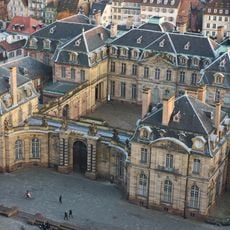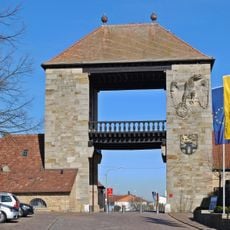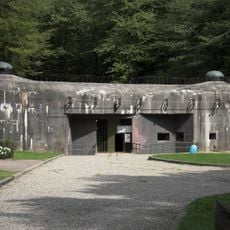
Bas-Rhin, Administrative department in Grand Est, France
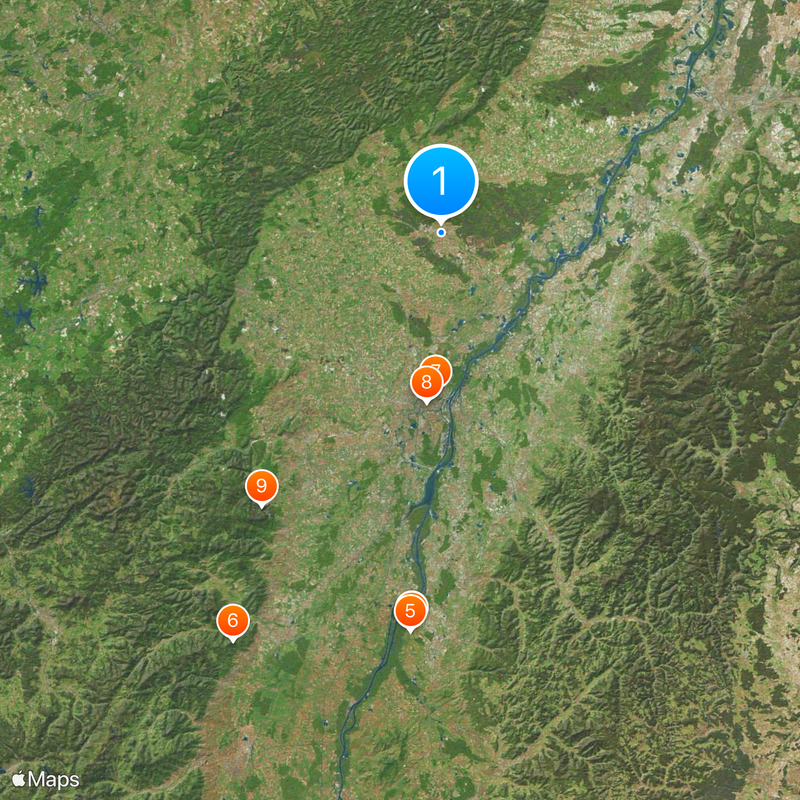
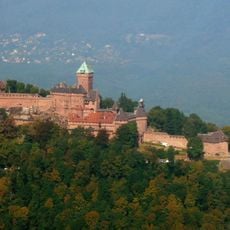
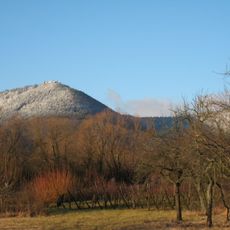
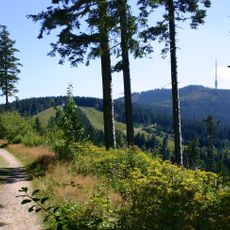
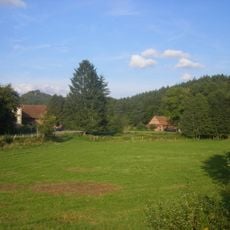
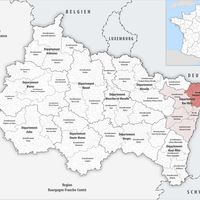
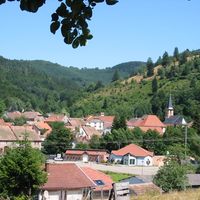
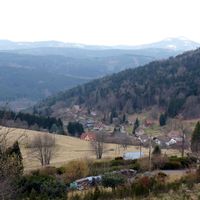
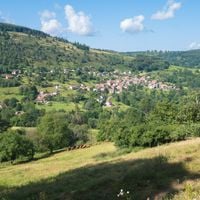
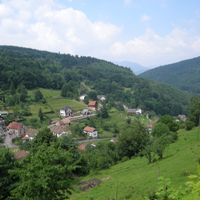
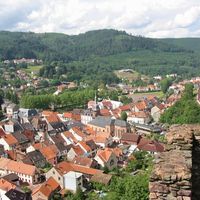
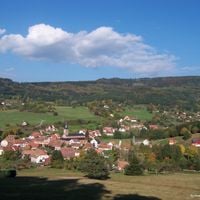
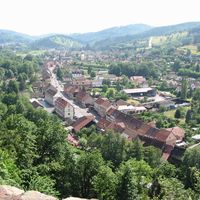
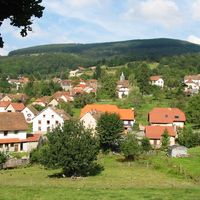
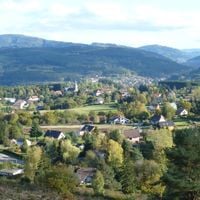
Bas-Rhin sits in northeastern France within the Grand Est region and covers plains along the Rhine as well as forested hills in the northern Vosges. The territory stretches from the German border westward to low mountain ranges and includes vineyards, agricultural fields, and several protected natural zones.
This administrative unit formed in 1790 during the French Revolution from parts of the former Alsace and saw periods of German annexation between 1871 and 1918 and again between 1940 and 1944. After the Second World War, the territory became definitively part of France and developed into an economic center with a European focus.
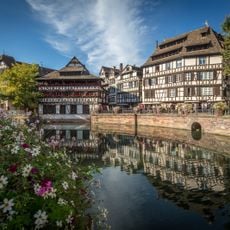
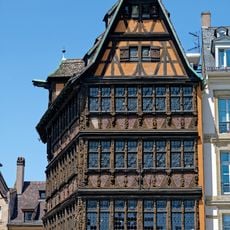
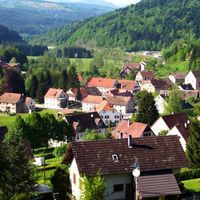
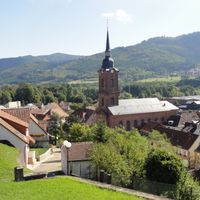
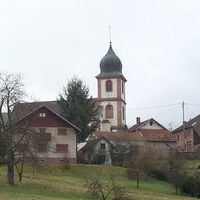
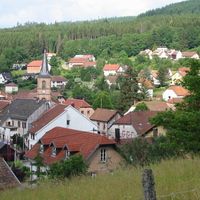
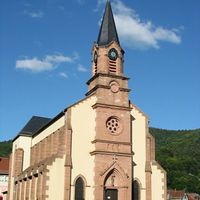
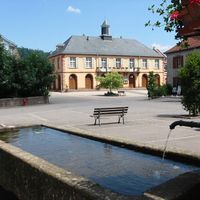
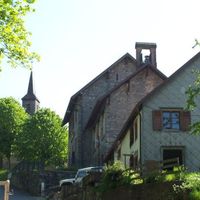
The area takes its name from the lower stretch of the Rhine, and visitors today notice bilingual signs in many communities alongside Alsatian dialects still spoken in villages. Half-timbered houses display red sandstone facades and carved wooden beams, while local markets offer tarte flambée and white wine from surrounding vineyards.
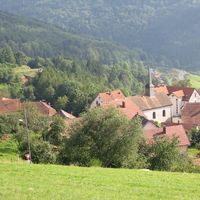
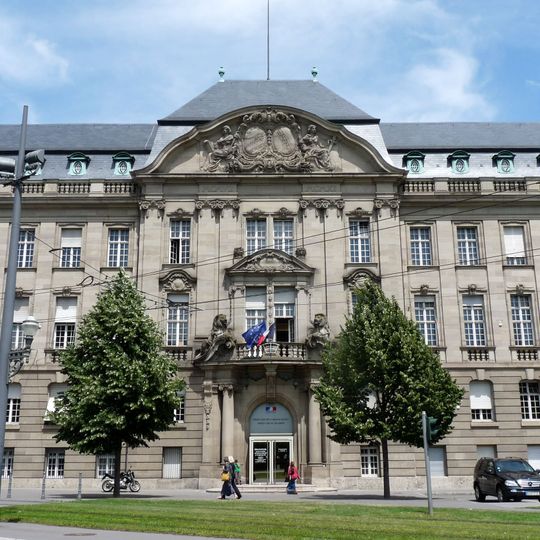
Strasbourg serves as the main transport hub for train travelers and drivers exploring the territory, while smaller towns connect through regional bus routes. Many villages and natural areas sit in hilly terrain and call for sturdy footwear if walking or cycling through the countryside.
The Northern Vosges Regional Nature Park within the territory received UNESCO Biosphere Reserve recognition and displays red sandstone rock formations shaped over millions of years. The border with neighboring Germany runs through the middle of the Rhine, so visitors at certain spots can view both countries from a single riverbank.
The community of curious travelers
AroundUs brings together thousands of curated places, local tips, and hidden gems, enriched daily by 90,738 contributors worldwide.