See the monuments around you in AROpen chests in the app
Around Us is built for your phone — point your camera at the streets and discover the monuments and places around you in augmented reality.Around Us is built for your phone — chests unlock when you walk, explore and capture nearby places.
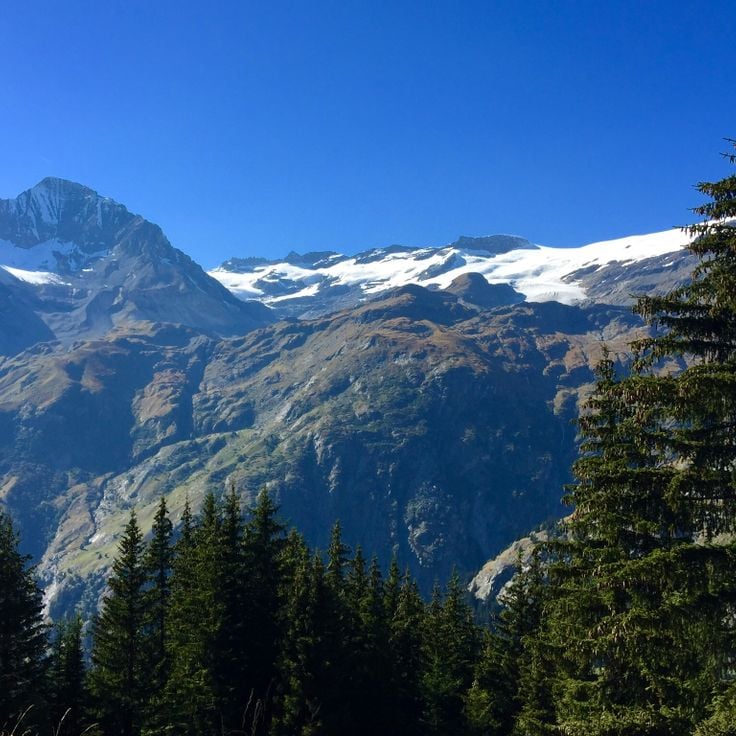
France protects some of Europe's most varied natural landscapes through a network of national and regional parks. These areas range from snow-capped mountains to Mediterranean shores, each offering something distinct to visitors. You can find alpine peaks that touch the sky, glaciers that have carved valleys over thousands of years, and underwater paths along protected islands where fish swim in clear water. The parks also preserve volcanic terrain in the Massif Central, where ancient eruptions shaped the land into dramatic peaks and crater lakes. Vast wetlands dotted with thousands of ponds provide refuge for hundreds of bird species, while coastal regions hold lagoons and salt marshes that support specialized plant and animal life.
Walking through these protected areas, you encounter wildlife that has returned or survived here for centuries. Mountain ibex graze on rocky slopes, chamois leap across steep terrain, and marmots whistle from their burrows. Eagles circle overhead while lynx roam the forests below. The land itself tells stories of human settlement and tradition. Traditional farms still operate in many regions, maintaining farming methods passed down through generations. Small villages with stone buildings and church spires sit nestled in valleys and mountain passes, their residents living much as their ancestors did.
For those who want to explore, each park offers well-marked trails suited to different abilities and interests. You can spend a few hours on a gentle walk through moorland or commit to a multi-day trek through high mountain terrain, stopping at refuges along the way. Historic villages dot the routes, offering places to rest and eat local food. Whether you seek solitude in nature, wildlife watching, or a connection to how people have lived in these landscapes for centuries, France's protected areas deliver experiences that feel both wild and deeply rooted in human history.
France protects some of Europe's most varied natural landscapes through a network of national and regional parks. These areas range from snow-capped mountains to Mediterranean shores, each offering something distinct to visitors. You can find alpine peaks that touch the sky, glaciers that have carved valleys over thousands of years, and underwater paths along protected islands where fish swim in clear water. The parks also preserve volcanic terrain in the Massif Central, where ancient eruptions shaped the land into dramatic peaks and crater lakes. Vast wetlands dotted with thousands of ponds provide refuge for hundreds of bird species, while coastal regions hold lagoons and salt marshes that support specialized plant and animal life.
Walking through these protected areas, you encounter wildlife that has returned or survived here for centuries. Mountain ibex graze on rocky slopes, chamois leap across steep terrain, and marmots whistle from their burrows. Eagles circle overhead while lynx roam the forests below. The land itself tells stories of human settlement and tradition. Traditional farms still operate in many regions, maintaining farming methods passed down through generations. Small villages with stone buildings and church spires sit nestled in valleys and mountain passes, their residents living much as their ancestors did.
For those who want to explore, each park offers well-marked trails suited to different abilities and interests. You can spend a few hours on a gentle walk through moorland or commit to a multi-day trek through high mountain terrain, stopping at refuges along the way. Historic villages dot the routes, offering places to rest and eat local food. Whether you seek solitude in nature, wildlife watching, or a connection to how people have lived in these landscapes for centuries, France's protected areas deliver experiences that feel both wild and deeply rooted in human history.
Parc National du Mercantour covers 685 square miles (1775 square kilometers) in the French Alps and protects a mountain landscape defined by peaks exceeding 10,000 feet (3000 meters), alpine lakes and glacial valleys. The park borders Italy and supports a population of around 1200 ibex, reintroduced in the 1920s after local extinction. More than 370 miles (600 kilometers) of marked trails cross the territory, passing through larch forests, mountain pastures and high-altitude terrain. In the Vallée des Merveilles, over 40,000 prehistoric rock carvings document early human settlement in this mountain region. The visitor center in Saint-Martin-Vésubie provides information on the park's geological features and local fauna, including chamois, marmots and golden eagles.
The Parc national des Cévennes extends across the mountain ranges of the southern Massif Central and protects over 2300 animal species and approximately 1700 different plant species. The protected area includes granite plateaus, deep valleys and extensive forests. Traditional agriculture still shapes parts of the landscape today. Hiking trails cross the entire territory and connect small villages. The area has been recognized by UNESCO as a biosphere reserve.
The Parc national des Écrins extends across the French Alps and includes 150 peaks exceeding 3000 meters in elevation. This protected area contains extensive glaciers, alpine lakes and several hundred ibex that inhabit the rocky slopes. The park's core zone protects high mountain landscapes with glacial valleys and alpine meadows.
The Parc national de la Vanoise was France's first national park, established in 1963. This protected area covers 535 square kilometers in the Savoie Alps and preserves a high mountain landscape ranging from 1,250 to 3,855 meters in elevation. The park protects significant populations of alpine species, including approximately 2,000 ibex, several thousand chamois, and numerous marmots. It shares a border with Italy's Gran Paradiso National Park, together forming the largest protected area in the Alps. Visitors can explore over 500 kilometers of marked hiking trails and access several mountain refuges for multi-day treks through the alpine terrain.
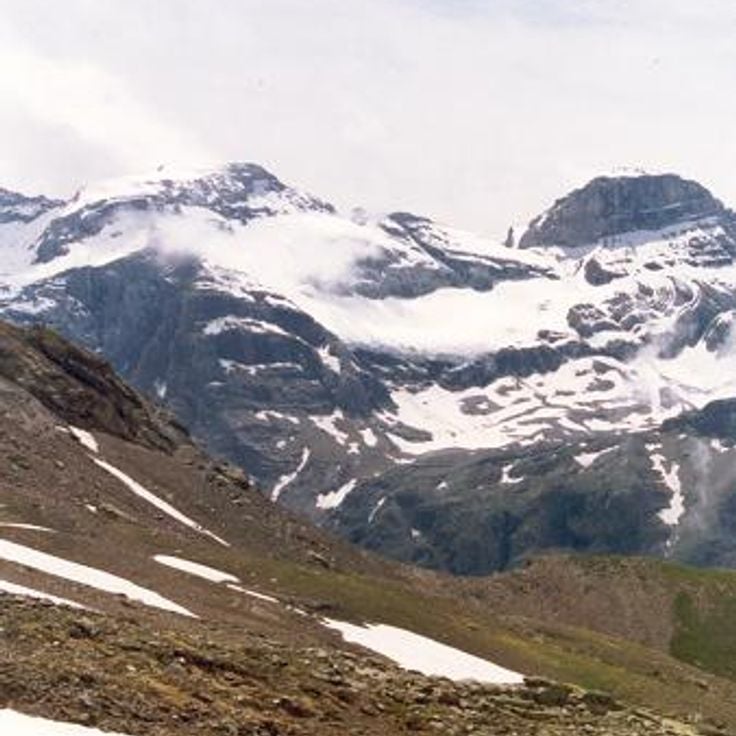
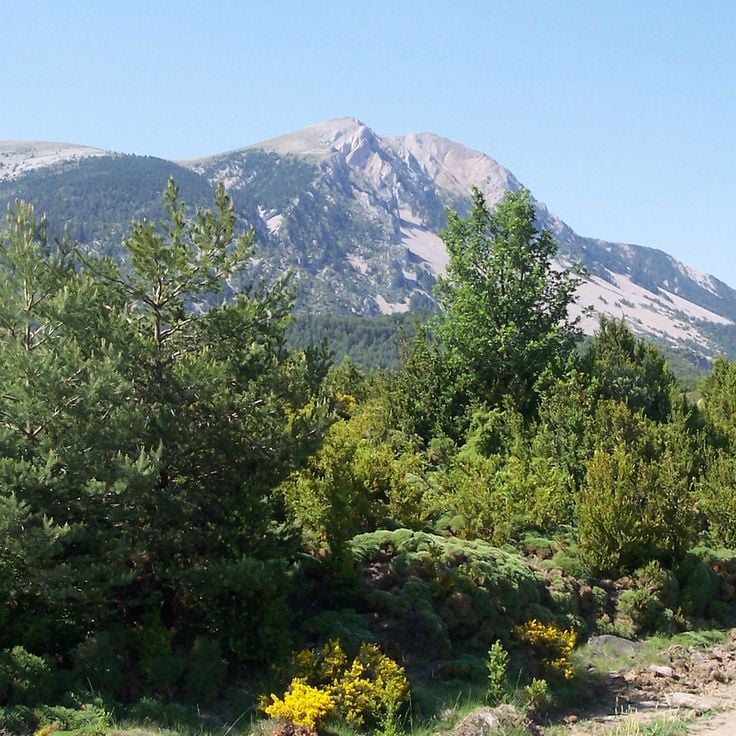
The Parc national des Pyrénées extends along the French-Spanish border across an area of 45,707 hectares. The territory includes 230 mountain lakes, numerous waterfalls and several glaciers. Elevations range from 1,067 to 3,298 meters at Pic de Vignemale. The park's forests shelter chamois and marmots, as well as bearded vultures, golden eagles and capercaillies. The protected area was established in 1967 and borders the Spanish Parque Nacional de Ordesa y Monte Perdido.
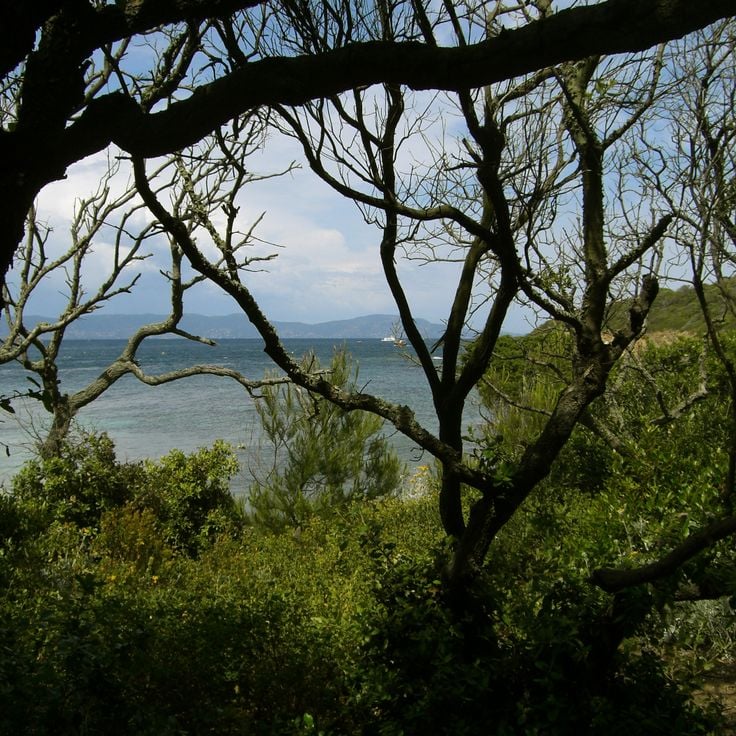
Port-Cros National Park covers the island of the same name in the Mediterranean Sea and protects exceptional marine biodiversity with 602 fish species and 500 Mediterranean plant species. The underwater trails allow visitors to observe marine flora and fauna in protected coves. The protected area was established in 1963 and is considered the first European marine and terrestrial national park.
The Parc naturel régional de la Montagne de Reims covers 50,000 hectares between Reims and Épernay, combining vineyards, deciduous forests and wetlands. This area provides habitat for grey herons, snipe and other bird species that find refuge in the numerous ponds and forest clearings. The beech forests shelter populations of wild boar and deer, while the Champagne vineyards shape the southern landscape.
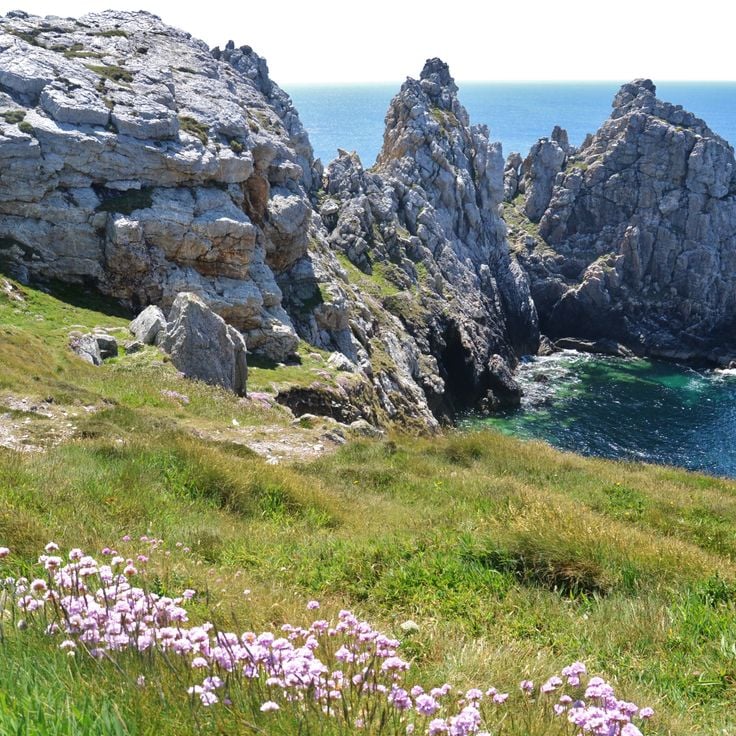
The Parc naturel régional d'Armorique covers 125,000 hectares in western Brittany and protects diverse natural environments. The area includes the Monts d'Arrée with their heathlands and peatlands, rising to 385 metres at their highest point. The Crozon peninsula forms the western section of the park with its rugged Atlantic coastline. The vegetation consists of typical Breton heathland species, while the wetlands provide habitat for numerous bird species. The park contains traditional villages and archaeological sites from various historical periods.
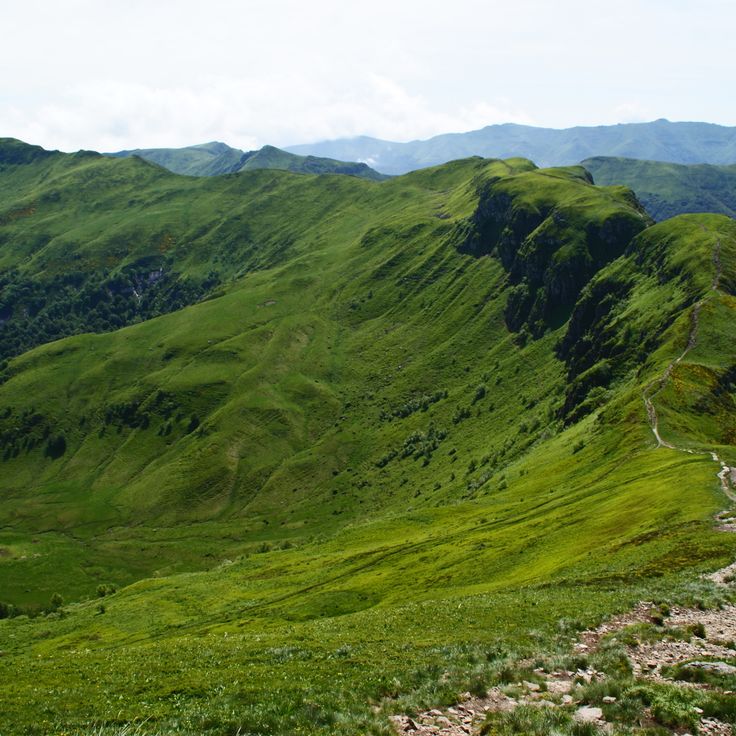
This regional park protects 80 extinct volcanoes across 3,897 square kilometers in the Massif Central. The landscape features solidified lava flows, cinder cones, and crater lakes. Mineral springs emerge from the volcanic substrate. The area offers marked hiking trails of varying difficulty levels and several visitor centers with geological exhibitions.
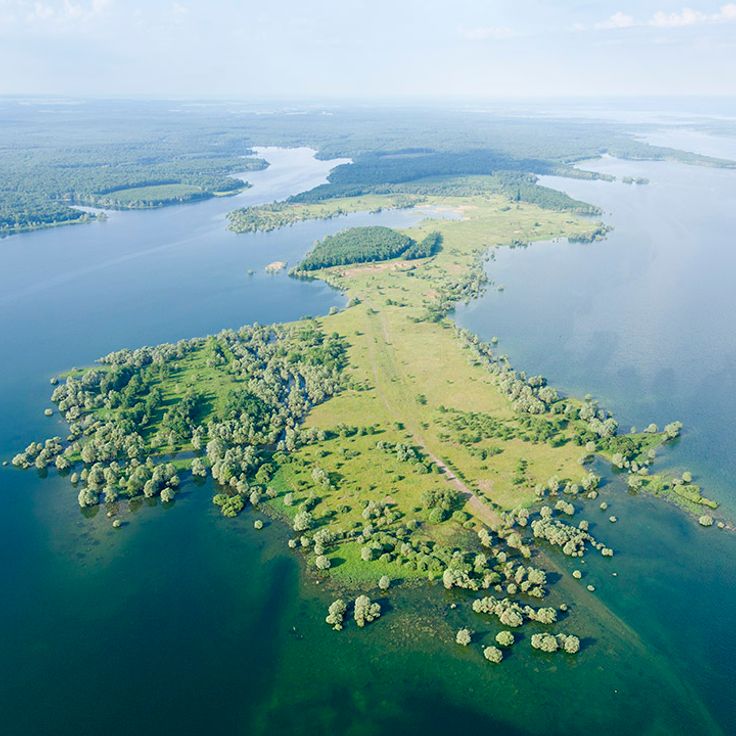
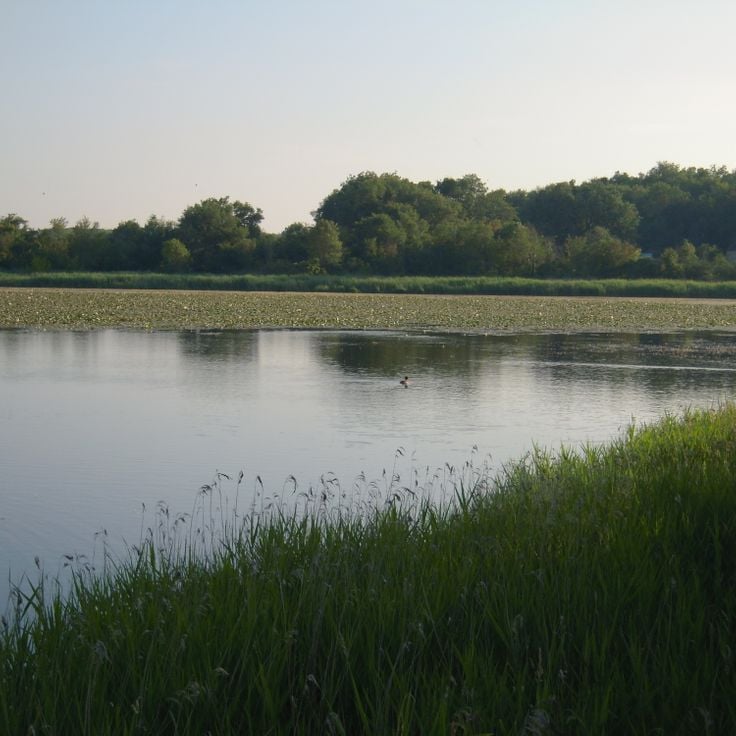
The Parc naturel régional de la Brenne covers 3,300 ponds and wetlands that serve as habitat for 150 bird species. The area hosts rare aquatic plants and orchids. Several medieval villages with Romanesque churches lie within the park boundaries. The water bodies were created through centuries of management for fish farming.
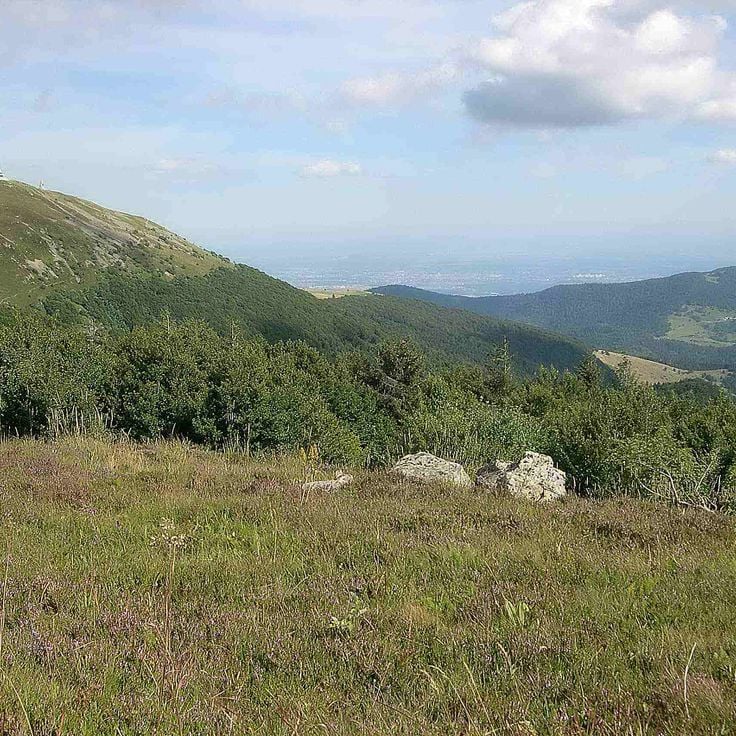
The Parc naturel régional des Ballons des Vosges covers 3000 kilometres of marked hiking trails through forests, mountain pastures and valleys. This protected area preserves traditional farms producing local cheeses, along with several glacial lakes. The fauna includes peregrine falcons, lynx and chamois inhabiting the higher elevations of the massif.
The Parc naturel régional des Causses du Quercy covers limestone plateaus crossed by underground rivers. The area contains numerous caves, sinkholes, and geological formations created by karst erosion. Villages built from ochre stone blend into the landscape. Residents have practiced sheep farming for centuries and harvest black truffles. Walnut groves and dry meadows characterize the agricultural landscape.
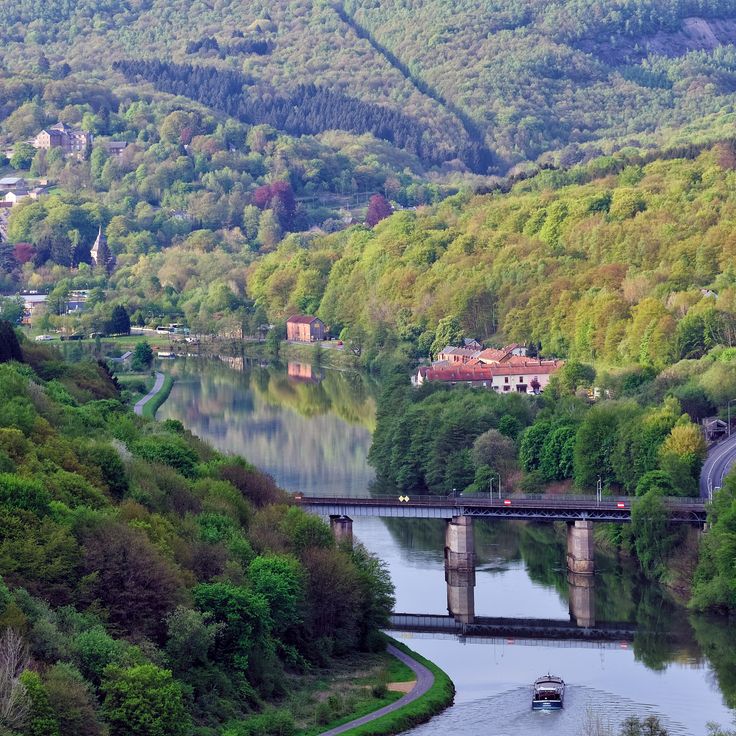
This regional park covers the forested uplands and deep river valleys of the Ardennes in northeastern France. The landscape features extensive deciduous woodlands dominated by oak and beech trees, along with rock formations of schist and quartzite. The Meuse River and its tributaries flow through the area, where traces of metalworking industries remain from the 17th to 20th centuries. Historic blast furnaces, forges and workers' settlements document this industrial heritage. The forests provide habitat for wildlife including deer, wild boar and various birds of prey. Several hiking trails traverse the park and lead to viewpoints overlooking the wooded valleys.
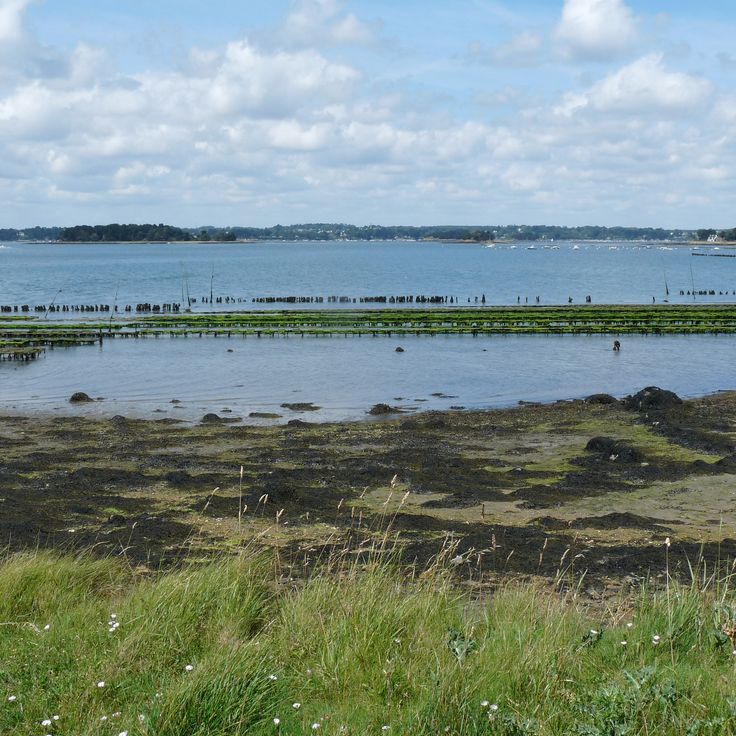
This regional natural park encompasses forty islands in the Gulf of Morbihan, along with salt waters and significant megalithic monuments dotted along the coastline. The area serves as a major wintering ground for over two hundred thousand waterbirds of various species. The protected location of the gulf provides optimal conditions for birdwatching between November and March.
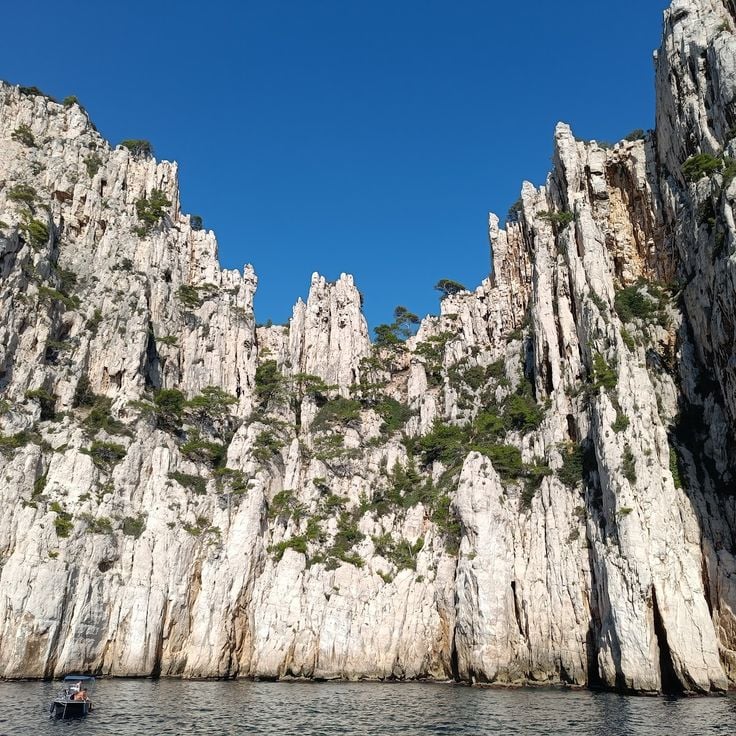
The Parc national des Calanques extends over more than twenty thousand hectares along the coast between Marseille and Cassis. This national park protects steep limestone cliffs rising directly from the Mediterranean Sea, along with characteristic Mediterranean vegetation including pines, holm oaks and aromatic plants. The marine areas of the park contain seagrass meadows, coral formations and numerous fish species. The rugged inlets provide habitats for seabirds and endemic plant species adapted to dry conditions.
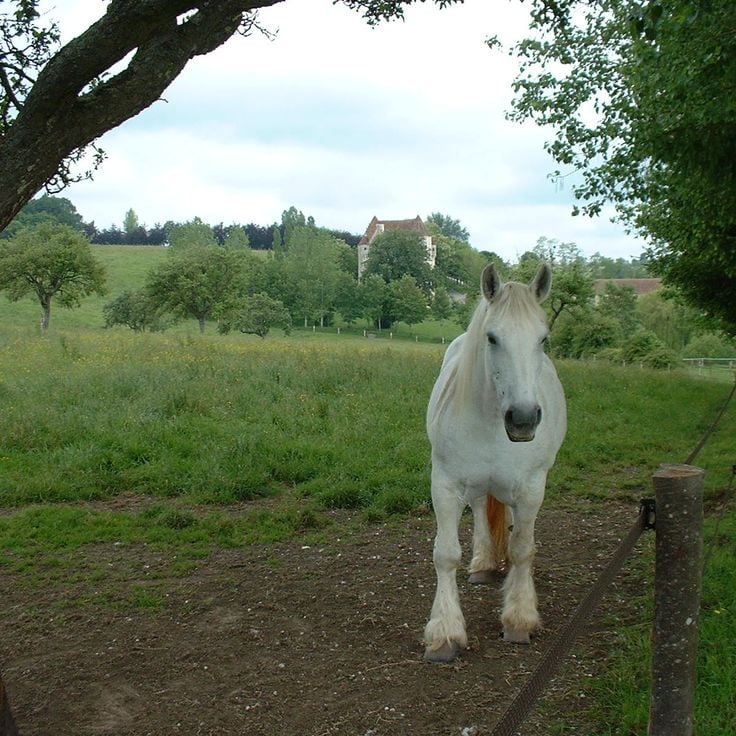
The Parc naturel régional du Perche spans the rolling hills of Normandy, protecting a traditional agricultural landscape. The area features extensive apple orchards used for regional cider production. Historic manor houses and farmsteads characterize the rural architecture. The region has a long-standing tradition of horse breeding, particularly the Percheron draft horses. Hedgerows and woodland areas structure the terrain and provide habitat for various wildlife species.
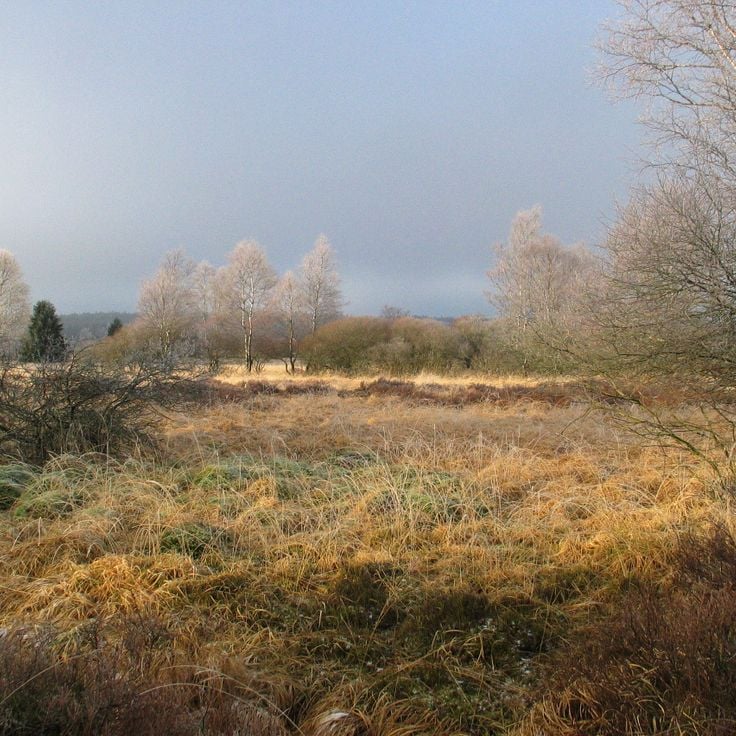
The Hautes Fagnes - Eifel Nature Park covers 2,700 square kilometres of peatlands and coniferous forests. Deer, wild boar and over 150 bird species inhabit this area. Marked trails cross the territory and allow visitors to observe the local fauna and flora.
The Parc naturel régional Oise-Pays de France covers 60,000 hectares between Paris and Chantilly. This protected area includes large forests such as the Forêt de Chantilly and Forêt d'Ermenonville, wetlands along the Oise and Nonette rivers, and numerous villages with historic buildings. The park serves as a green buffer for the region and provides habitat for various plant and animal species.
The Parc naturel régional Scarpe-Escaut was established in 1968 as France's first regional nature park and covers 48,000 hectares between Valenciennes and the Belgian border. This park protects wetlands with numerous ponds and marshes that serve as habitat for migratory birds. The landscape combines forests, meadows and former mining areas that reflect the region's industrial heritage. Visitors can use hiking trails and cycling routes to discover the biodiversity and historical evidence of coal extraction.
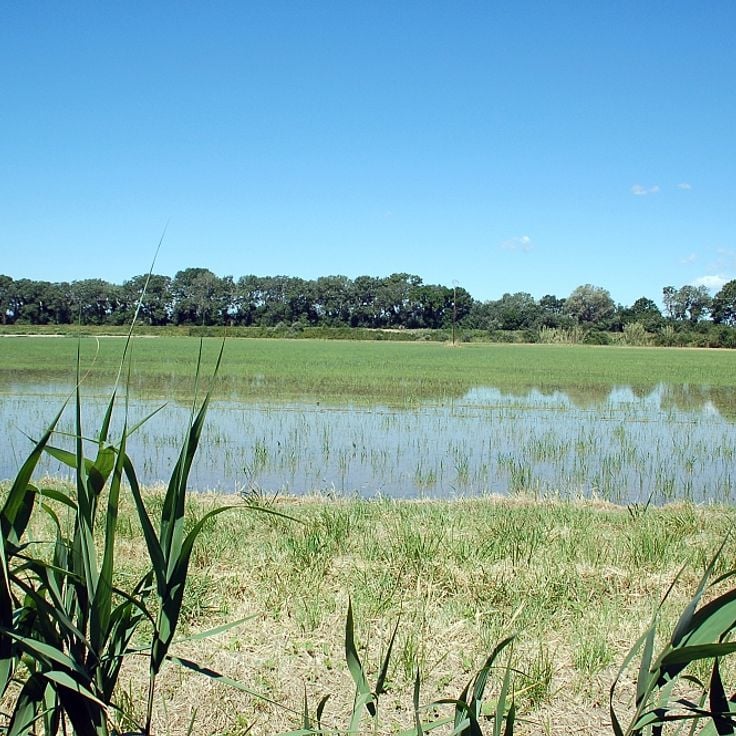
The Camargue Regional Nature Park covers 100,000 hectares of salt meadows, lagoons and marshes in the Rhône delta. The wetlands provide habitat for white Camargue horses, black bulls and several hundred flamingos that feed in the shallow waters. Agricultural activity focuses on rice cultivation in the irrigated areas. The protected area combines Mediterranean and aquatic ecosystems between the Mediterranean Sea and the Rhône River.
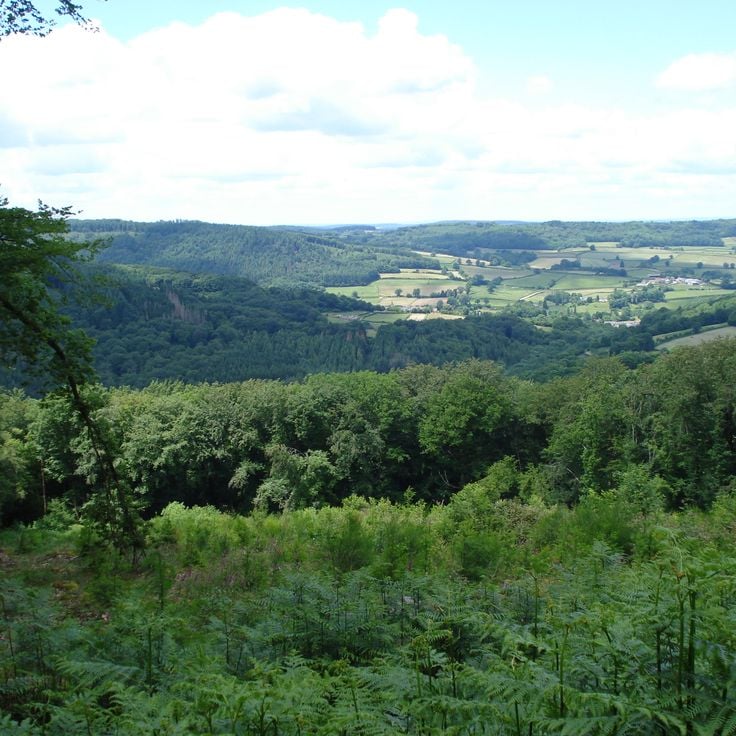
The Parc naturel régional du Morvan covers 2800 square kilometers in central Burgundy and protects a landscape of forested hills, granite formations and waterways. The area includes extensive oak and beech forests, several waterfalls, and numerous small lakes created by historical timber floating activities. The granite bedrock shapes the relief of this region, which ranges between 200 and 900 meters in elevation.
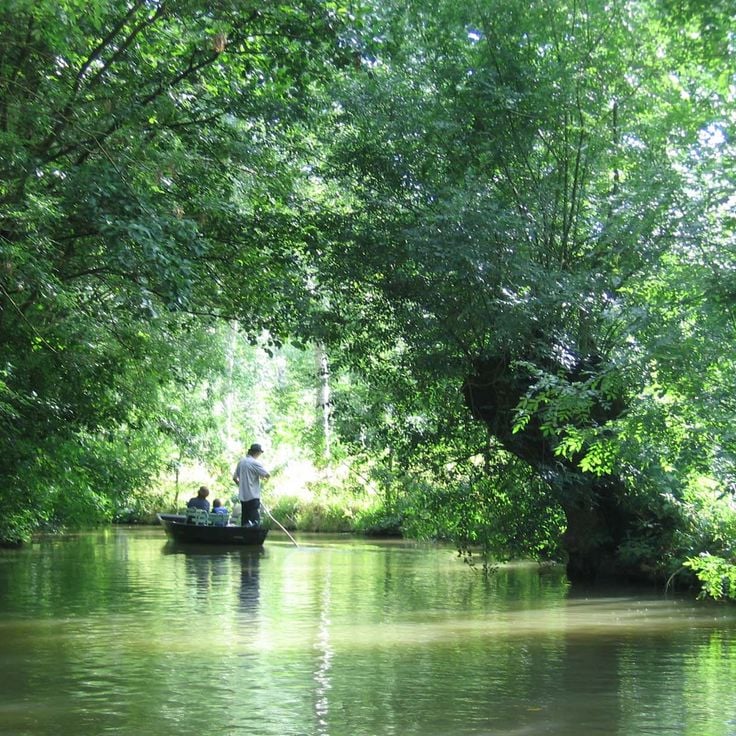
The Parc naturel régional du Marais Poitevin spans three departments and protects an extensive network of canals, rivers and flooded meadows. This region is known as the "Green Venice" due to its waterways lined with ash and willow trees. The area hosts numerous bird species and serves as a migration corridor for migratory birds. Traditional flat-bottomed boats allow exploration of the quiet channels, while farms produce local goods including carrots, cattle and goat cheese. The park preserves agricultural practices adapted to the water landscape for centuries.
The Sierra de Guara Natural Park covers 80,000 hectares in the Aragonese Pyrenees. This protected area contains 47 gorges carved through millennia of erosion into the limestone massif. The vertical rock faces provide numerous climbing routes across different difficulty levels. Rivers have shaped deep canyons offering opportunities for canyoning activities including rappelling, swimming, and jumping. Mediterranean vegetation alternates with alpine zones depending on elevations ranging from 430 to 2,077 meters.
The Parc naturel régional des Grands Causses extends across the limestone plateaus of the southern Massif Central, protecting a landscape shaped by centuries of grazing. The area includes deep gorges such as the Gorges de la Jonte and the Gorges du Tarn, numerous caves with underground rivers, and rock formations. The park is home to griffon vultures, black vultures, golden eagles, and eagle owls. This protected area preserves traditional sheep farming, which produces local cheeses such as Roquefort, along with villages featuring dry stone walls and stone houses.
The Parc naturel régional Livradois-Forez covers 320,000 hectares between the Monts du Forez and the Monts du Livradois. This area includes extensive coniferous forests, numerous mountain streams and traditional pastures. Over 200 bird species inhabit the park, including black storks, red kites and Tengmalm's owls. The forests provide habitat for red deer, roe deer and wild boar. The terrain ranges from 300 to 1,600 meters in elevation and offers various hiking trails through valleys and across forested ridges.
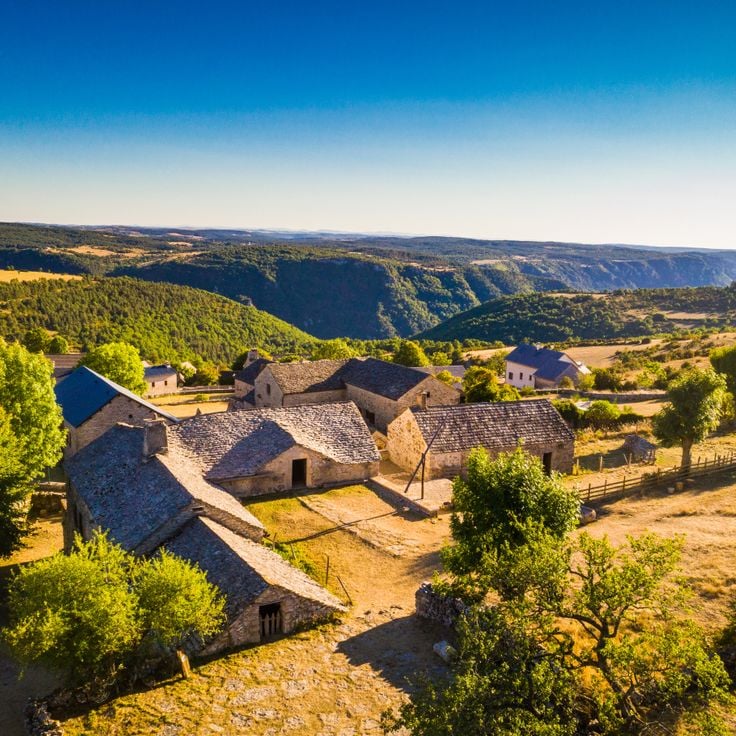
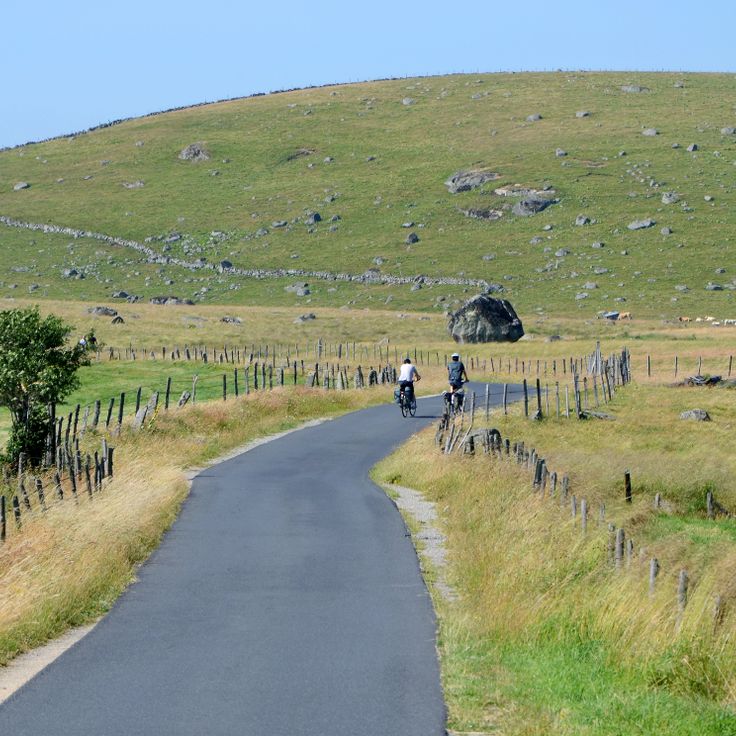
The Parc naturel régional de l'Aubrac covers a volcanic plateau of 2,300 square kilometers between the Massif Central and the southern foothills. The landscape consists of extensive grasslands, granite formations, and traditional stone farmhouses adapted to harsh weather conditions. Cattle breeding has shaped this region for centuries, particularly the raising of local Aubrac cattle. Laguiole cheese is produced here using traditional methods in mountain farms. The area offers hiking trails through valleys and across high plateaus, past dry stone walls and historic transhumance routes.
This regional nature park extends along the Mediterranean coast and protects several lagoons that serve as habitat for flamingos and white Camargue horses. The area combines wetlands with traditional economic activities such as viticulture and bull breeding. The landscape includes salt lakes, reed beds and Mediterranean vegetation that provide resting places for numerous migratory birds.
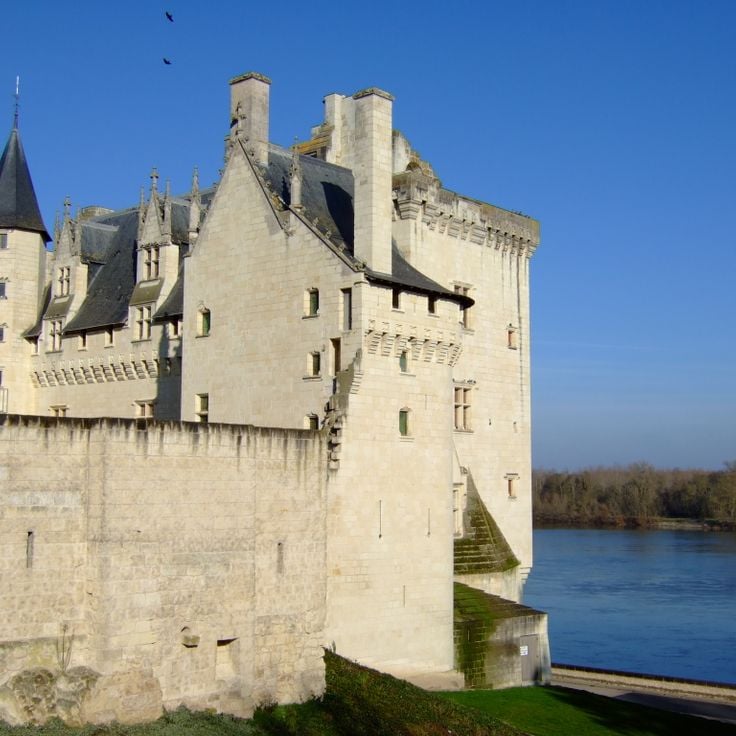
The Parc naturel régional Loire-Anjou-Touraine covers 116 municipalities between the Loire and Vienne rivers. The area includes historic wine cellars carved into tuffeau limestone, along with underground dwellings that have been used for centuries. Numerous medieval castles and fortresses mark the landscape of this park, which preserves the architectural and agricultural heritage of the region.
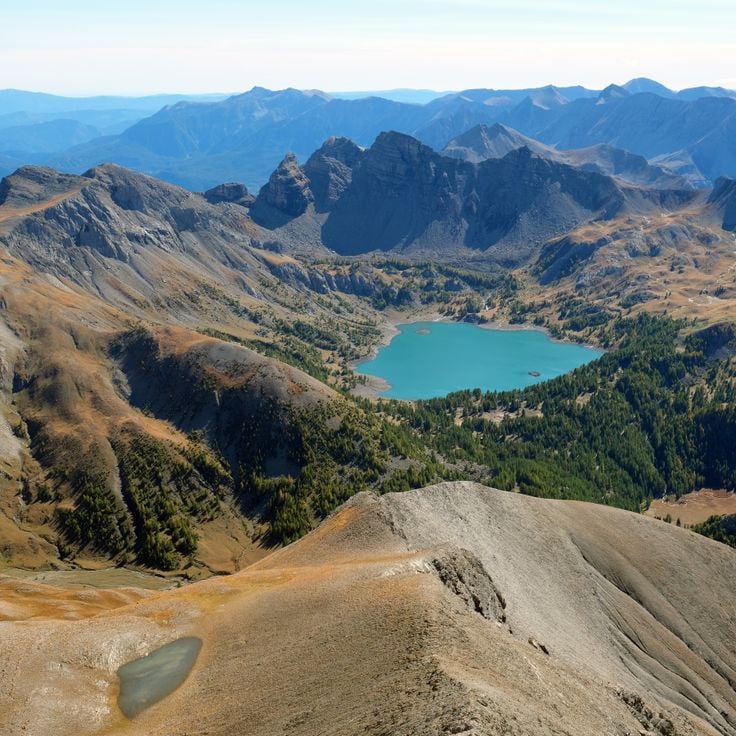
Parc National du Mercantour covers 685 square miles (1775 square kilometers) in the French Alps and protects a mountain landscape defined by peaks exceeding 10,000 feet (3000 meters), alpine lakes and glacial valleys. The park borders Italy and supports a population of around 1200 ibex, reintroduced in the 1920s after local extinction. More than 370 miles (600 kilometers) of marked trails cross the territory, passing through larch forests, mountain pastures and high-altitude terrain. In the Vallée des Merveilles, over 40,000 prehistoric rock carvings document early human settlement in this mountain region. The visitor center in Saint-Martin-Vésubie provides information on the park's geological features and local fauna, including chamois, marmots and golden eagles.
The Parc national des Cévennes extends across the mountain ranges of the southern Massif Central and protects over 2300 animal species and approximately 1700 different plant species. The protected area includes granite plateaus, deep valleys and extensive forests. Traditional agriculture still shapes parts of the landscape today. Hiking trails cross the entire territory and connect small villages. The area has been recognized by UNESCO as a biosphere reserve.
The Parc national des Écrins extends across the French Alps and includes 150 peaks exceeding 3000 meters in elevation. This protected area contains extensive glaciers, alpine lakes and several hundred ibex that inhabit the rocky slopes. The park's core zone protects high mountain landscapes with glacial valleys and alpine meadows.
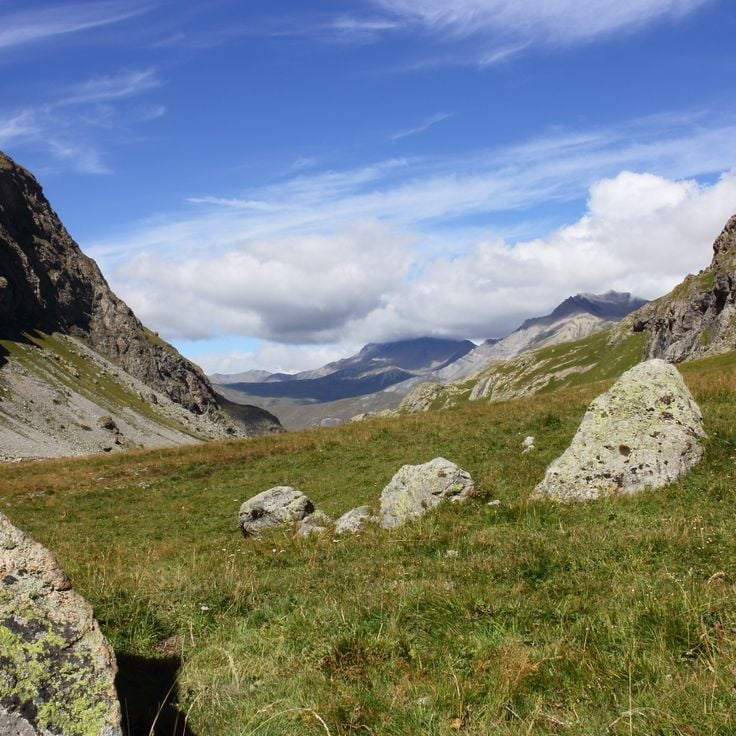
The Parc national de la Vanoise was France's first national park, established in 1963. This protected area covers 535 square kilometers in the Savoie Alps and preserves a high mountain landscape ranging from 1,250 to 3,855 meters in elevation. The park protects significant populations of alpine species, including approximately 2,000 ibex, several thousand chamois, and numerous marmots. It shares a border with Italy's Gran Paradiso National Park, together forming the largest protected area in the Alps. Visitors can explore over 500 kilometers of marked hiking trails and access several mountain refuges for multi-day treks through the alpine terrain.
The Parc national des Pyrénées extends along the French-Spanish border across an area of 45,707 hectares. The territory includes 230 mountain lakes, numerous waterfalls and several glaciers. Elevations range from 1,067 to 3,298 meters at Pic de Vignemale. The park's forests shelter chamois and marmots, as well as bearded vultures, golden eagles and capercaillies. The protected area was established in 1967 and borders the Spanish Parque Nacional de Ordesa y Monte Perdido.
Port-Cros National Park covers the island of the same name in the Mediterranean Sea and protects exceptional marine biodiversity with 602 fish species and 500 Mediterranean plant species. The underwater trails allow visitors to observe marine flora and fauna in protected coves. The protected area was established in 1963 and is considered the first European marine and terrestrial national park.
The Parc naturel régional de la Montagne de Reims covers 50,000 hectares between Reims and Épernay, combining vineyards, deciduous forests and wetlands. This area provides habitat for grey herons, snipe and other bird species that find refuge in the numerous ponds and forest clearings. The beech forests shelter populations of wild boar and deer, while the Champagne vineyards shape the southern landscape.
The Parc naturel régional d'Armorique covers 125,000 hectares in western Brittany and protects diverse natural environments. The area includes the Monts d'Arrée with their heathlands and peatlands, rising to 385 metres at their highest point. The Crozon peninsula forms the western section of the park with its rugged Atlantic coastline. The vegetation consists of typical Breton heathland species, while the wetlands provide habitat for numerous bird species. The park contains traditional villages and archaeological sites from various historical periods.
This regional park protects 80 extinct volcanoes across 3,897 square kilometers in the Massif Central. The landscape features solidified lava flows, cinder cones, and crater lakes. Mineral springs emerge from the volcanic substrate. The area offers marked hiking trails of varying difficulty levels and several visitor centers with geological exhibitions.
The Parc naturel régional de la Brenne covers 3,300 ponds and wetlands that serve as habitat for 150 bird species. The area hosts rare aquatic plants and orchids. Several medieval villages with Romanesque churches lie within the park boundaries. The water bodies were created through centuries of management for fish farming.
The Parc naturel régional des Ballons des Vosges covers 3000 kilometres of marked hiking trails through forests, mountain pastures and valleys. This protected area preserves traditional farms producing local cheeses, along with several glacial lakes. The fauna includes peregrine falcons, lynx and chamois inhabiting the higher elevations of the massif.
The Parc naturel régional des Causses du Quercy covers limestone plateaus crossed by underground rivers. The area contains numerous caves, sinkholes, and geological formations created by karst erosion. Villages built from ochre stone blend into the landscape. Residents have practiced sheep farming for centuries and harvest black truffles. Walnut groves and dry meadows characterize the agricultural landscape.
This regional park covers the forested uplands and deep river valleys of the Ardennes in northeastern France. The landscape features extensive deciduous woodlands dominated by oak and beech trees, along with rock formations of schist and quartzite. The Meuse River and its tributaries flow through the area, where traces of metalworking industries remain from the 17th to 20th centuries. Historic blast furnaces, forges and workers' settlements document this industrial heritage. The forests provide habitat for wildlife including deer, wild boar and various birds of prey. Several hiking trails traverse the park and lead to viewpoints overlooking the wooded valleys.
This regional natural park encompasses forty islands in the Gulf of Morbihan, along with salt waters and significant megalithic monuments dotted along the coastline. The area serves as a major wintering ground for over two hundred thousand waterbirds of various species. The protected location of the gulf provides optimal conditions for birdwatching between November and March.
The Parc national des Calanques extends over more than twenty thousand hectares along the coast between Marseille and Cassis. This national park protects steep limestone cliffs rising directly from the Mediterranean Sea, along with characteristic Mediterranean vegetation including pines, holm oaks and aromatic plants. The marine areas of the park contain seagrass meadows, coral formations and numerous fish species. The rugged inlets provide habitats for seabirds and endemic plant species adapted to dry conditions.
The Parc naturel régional du Perche spans the rolling hills of Normandy, protecting a traditional agricultural landscape. The area features extensive apple orchards used for regional cider production. Historic manor houses and farmsteads characterize the rural architecture. The region has a long-standing tradition of horse breeding, particularly the Percheron draft horses. Hedgerows and woodland areas structure the terrain and provide habitat for various wildlife species.
The Hautes Fagnes - Eifel Nature Park covers 2,700 square kilometres of peatlands and coniferous forests. Deer, wild boar and over 150 bird species inhabit this area. Marked trails cross the territory and allow visitors to observe the local fauna and flora.
The Parc naturel régional Oise-Pays de France covers 60,000 hectares between Paris and Chantilly. This protected area includes large forests such as the Forêt de Chantilly and Forêt d'Ermenonville, wetlands along the Oise and Nonette rivers, and numerous villages with historic buildings. The park serves as a green buffer for the region and provides habitat for various plant and animal species.
The Parc naturel régional Scarpe-Escaut was established in 1968 as France's first regional nature park and covers 48,000 hectares between Valenciennes and the Belgian border. This park protects wetlands with numerous ponds and marshes that serve as habitat for migratory birds. The landscape combines forests, meadows and former mining areas that reflect the region's industrial heritage. Visitors can use hiking trails and cycling routes to discover the biodiversity and historical evidence of coal extraction.
The Camargue Regional Nature Park covers 100,000 hectares of salt meadows, lagoons and marshes in the Rhône delta. The wetlands provide habitat for white Camargue horses, black bulls and several hundred flamingos that feed in the shallow waters. Agricultural activity focuses on rice cultivation in the irrigated areas. The protected area combines Mediterranean and aquatic ecosystems between the Mediterranean Sea and the Rhône River.
The Parc naturel régional du Morvan covers 2800 square kilometers in central Burgundy and protects a landscape of forested hills, granite formations and waterways. The area includes extensive oak and beech forests, several waterfalls, and numerous small lakes created by historical timber floating activities. The granite bedrock shapes the relief of this region, which ranges between 200 and 900 meters in elevation.
The Parc naturel régional du Marais Poitevin spans three departments and protects an extensive network of canals, rivers and flooded meadows. This region is known as the "Green Venice" due to its waterways lined with ash and willow trees. The area hosts numerous bird species and serves as a migration corridor for migratory birds. Traditional flat-bottomed boats allow exploration of the quiet channels, while farms produce local goods including carrots, cattle and goat cheese. The park preserves agricultural practices adapted to the water landscape for centuries.
The Sierra de Guara Natural Park covers 80,000 hectares in the Aragonese Pyrenees. This protected area contains 47 gorges carved through millennia of erosion into the limestone massif. The vertical rock faces provide numerous climbing routes across different difficulty levels. Rivers have shaped deep canyons offering opportunities for canyoning activities including rappelling, swimming, and jumping. Mediterranean vegetation alternates with alpine zones depending on elevations ranging from 430 to 2,077 meters.
The Parc naturel régional des Grands Causses extends across the limestone plateaus of the southern Massif Central, protecting a landscape shaped by centuries of grazing. The area includes deep gorges such as the Gorges de la Jonte and the Gorges du Tarn, numerous caves with underground rivers, and rock formations. The park is home to griffon vultures, black vultures, golden eagles, and eagle owls. This protected area preserves traditional sheep farming, which produces local cheeses such as Roquefort, along with villages featuring dry stone walls and stone houses.
The Parc naturel régional Livradois-Forez covers 320,000 hectares between the Monts du Forez and the Monts du Livradois. This area includes extensive coniferous forests, numerous mountain streams and traditional pastures. Over 200 bird species inhabit the park, including black storks, red kites and Tengmalm's owls. The forests provide habitat for red deer, roe deer and wild boar. The terrain ranges from 300 to 1,600 meters in elevation and offers various hiking trails through valleys and across forested ridges.
The Parc naturel régional de l'Aubrac covers a volcanic plateau of 2,300 square kilometers between the Massif Central and the southern foothills. The landscape consists of extensive grasslands, granite formations, and traditional stone farmhouses adapted to harsh weather conditions. Cattle breeding has shaped this region for centuries, particularly the raising of local Aubrac cattle. Laguiole cheese is produced here using traditional methods in mountain farms. The area offers hiking trails through valleys and across high plateaus, past dry stone walls and historic transhumance routes.
This regional nature park extends along the Mediterranean coast and protects several lagoons that serve as habitat for flamingos and white Camargue horses. The area combines wetlands with traditional economic activities such as viticulture and bull breeding. The landscape includes salt lakes, reed beds and Mediterranean vegetation that provide resting places for numerous migratory birds.
The Parc naturel régional Loire-Anjou-Touraine covers 116 municipalities between the Loire and Vienne rivers. The area includes historic wine cellars carved into tuffeau limestone, along with underground dwellings that have been used for centuries. Numerous medieval castles and fortresses mark the landscape of this park, which preserves the architectural and agricultural heritage of the region.
Parc National du Mercantour covers 685 square miles (1775 square kilometers) in the French Alps and protects a mountain landscape defined by peaks exceeding 10,000 feet (3000 meters), alpine lakes and glacial valleys. The park borders Italy and supports a population of around 1200 ibex, reintroduced in the 1920s after local extinction. More than 370 miles (600 kilometers) of marked trails cross the territory, passing through larch forests, mountain pastures and high-altitude terrain. In the Vallée des Merveilles, over 40,000 prehistoric rock carvings document early human settlement in this mountain region. The visitor center in Saint-Martin-Vésubie provides information on the park's geological features and local fauna, including chamois, marmots and golden eagles.
The Parc national des Cévennes extends across the mountain ranges of the southern Massif Central and protects over 2300 animal species and approximately 1700 different plant species. The protected area includes granite plateaus, deep valleys and extensive forests. Traditional agriculture still shapes parts of the landscape today. Hiking trails cross the entire territory and connect small villages. The area has been recognized by UNESCO as a biosphere reserve.
The Parc national des Écrins extends across the French Alps and includes 150 peaks exceeding 3000 meters in elevation. This protected area contains extensive glaciers, alpine lakes and several hundred ibex that inhabit the rocky slopes. The park's core zone protects high mountain landscapes with glacial valleys and alpine meadows.
The Parc national de la Vanoise was France's first national park, established in 1963. This protected area covers 535 square kilometers in the Savoie Alps and preserves a high mountain landscape ranging from 1,250 to 3,855 meters in elevation. The park protects significant populations of alpine species, including approximately 2,000 ibex, several thousand chamois, and numerous marmots. It shares a border with Italy's Gran Paradiso National Park, together forming the largest protected area in the Alps. Visitors can explore over 500 kilometers of marked hiking trails and access several mountain refuges for multi-day treks through the alpine terrain.
The Parc national des Pyrénées extends along the French-Spanish border across an area of 45,707 hectares. The territory includes 230 mountain lakes, numerous waterfalls and several glaciers. Elevations range from 1,067 to 3,298 meters at Pic de Vignemale. The park's forests shelter chamois and marmots, as well as bearded vultures, golden eagles and capercaillies. The protected area was established in 1967 and borders the Spanish Parque Nacional de Ordesa y Monte Perdido.
Port-Cros National Park covers the island of the same name in the Mediterranean Sea and protects exceptional marine biodiversity with 602 fish species and 500 Mediterranean plant species. The underwater trails allow visitors to observe marine flora and fauna in protected coves. The protected area was established in 1963 and is considered the first European marine and terrestrial national park.
The Parc naturel régional de la Montagne de Reims covers 50,000 hectares between Reims and Épernay, combining vineyards, deciduous forests and wetlands. This area provides habitat for grey herons, snipe and other bird species that find refuge in the numerous ponds and forest clearings. The beech forests shelter populations of wild boar and deer, while the Champagne vineyards shape the southern landscape.
The Parc naturel régional d'Armorique covers 125,000 hectares in western Brittany and protects diverse natural environments. The area includes the Monts d'Arrée with their heathlands and peatlands, rising to 385 metres at their highest point. The Crozon peninsula forms the western section of the park with its rugged Atlantic coastline. The vegetation consists of typical Breton heathland species, while the wetlands provide habitat for numerous bird species. The park contains traditional villages and archaeological sites from various historical periods.
This regional park protects 80 extinct volcanoes across 3,897 square kilometers in the Massif Central. The landscape features solidified lava flows, cinder cones, and crater lakes. Mineral springs emerge from the volcanic substrate. The area offers marked hiking trails of varying difficulty levels and several visitor centers with geological exhibitions.
The Parc naturel régional de la Brenne covers 3,300 ponds and wetlands that serve as habitat for 150 bird species. The area hosts rare aquatic plants and orchids. Several medieval villages with Romanesque churches lie within the park boundaries. The water bodies were created through centuries of management for fish farming.
The Parc naturel régional des Ballons des Vosges covers 3000 kilometres of marked hiking trails through forests, mountain pastures and valleys. This protected area preserves traditional farms producing local cheeses, along with several glacial lakes. The fauna includes peregrine falcons, lynx and chamois inhabiting the higher elevations of the massif.
The Parc naturel régional des Causses du Quercy covers limestone plateaus crossed by underground rivers. The area contains numerous caves, sinkholes, and geological formations created by karst erosion. Villages built from ochre stone blend into the landscape. Residents have practiced sheep farming for centuries and harvest black truffles. Walnut groves and dry meadows characterize the agricultural landscape.
This regional park covers the forested uplands and deep river valleys of the Ardennes in northeastern France. The landscape features extensive deciduous woodlands dominated by oak and beech trees, along with rock formations of schist and quartzite. The Meuse River and its tributaries flow through the area, where traces of metalworking industries remain from the 17th to 20th centuries. Historic blast furnaces, forges and workers' settlements document this industrial heritage. The forests provide habitat for wildlife including deer, wild boar and various birds of prey. Several hiking trails traverse the park and lead to viewpoints overlooking the wooded valleys.
This regional natural park encompasses forty islands in the Gulf of Morbihan, along with salt waters and significant megalithic monuments dotted along the coastline. The area serves as a major wintering ground for over two hundred thousand waterbirds of various species. The protected location of the gulf provides optimal conditions for birdwatching between November and March.
The Parc national des Calanques extends over more than twenty thousand hectares along the coast between Marseille and Cassis. This national park protects steep limestone cliffs rising directly from the Mediterranean Sea, along with characteristic Mediterranean vegetation including pines, holm oaks and aromatic plants. The marine areas of the park contain seagrass meadows, coral formations and numerous fish species. The rugged inlets provide habitats for seabirds and endemic plant species adapted to dry conditions.
The Parc naturel régional du Perche spans the rolling hills of Normandy, protecting a traditional agricultural landscape. The area features extensive apple orchards used for regional cider production. Historic manor houses and farmsteads characterize the rural architecture. The region has a long-standing tradition of horse breeding, particularly the Percheron draft horses. Hedgerows and woodland areas structure the terrain and provide habitat for various wildlife species.
The Hautes Fagnes - Eifel Nature Park covers 2,700 square kilometres of peatlands and coniferous forests. Deer, wild boar and over 150 bird species inhabit this area. Marked trails cross the territory and allow visitors to observe the local fauna and flora.
The Parc naturel régional Oise-Pays de France covers 60,000 hectares between Paris and Chantilly. This protected area includes large forests such as the Forêt de Chantilly and Forêt d'Ermenonville, wetlands along the Oise and Nonette rivers, and numerous villages with historic buildings. The park serves as a green buffer for the region and provides habitat for various plant and animal species.
The Parc naturel régional Scarpe-Escaut was established in 1968 as France's first regional nature park and covers 48,000 hectares between Valenciennes and the Belgian border. This park protects wetlands with numerous ponds and marshes that serve as habitat for migratory birds. The landscape combines forests, meadows and former mining areas that reflect the region's industrial heritage. Visitors can use hiking trails and cycling routes to discover the biodiversity and historical evidence of coal extraction.
The Camargue Regional Nature Park covers 100,000 hectares of salt meadows, lagoons and marshes in the Rhône delta. The wetlands provide habitat for white Camargue horses, black bulls and several hundred flamingos that feed in the shallow waters. Agricultural activity focuses on rice cultivation in the irrigated areas. The protected area combines Mediterranean and aquatic ecosystems between the Mediterranean Sea and the Rhône River.
The Parc naturel régional du Morvan covers 2800 square kilometers in central Burgundy and protects a landscape of forested hills, granite formations and waterways. The area includes extensive oak and beech forests, several waterfalls, and numerous small lakes created by historical timber floating activities. The granite bedrock shapes the relief of this region, which ranges between 200 and 900 meters in elevation.
The Parc naturel régional du Marais Poitevin spans three departments and protects an extensive network of canals, rivers and flooded meadows. This region is known as the "Green Venice" due to its waterways lined with ash and willow trees. The area hosts numerous bird species and serves as a migration corridor for migratory birds. Traditional flat-bottomed boats allow exploration of the quiet channels, while farms produce local goods including carrots, cattle and goat cheese. The park preserves agricultural practices adapted to the water landscape for centuries.
The Sierra de Guara Natural Park covers 80,000 hectares in the Aragonese Pyrenees. This protected area contains 47 gorges carved through millennia of erosion into the limestone massif. The vertical rock faces provide numerous climbing routes across different difficulty levels. Rivers have shaped deep canyons offering opportunities for canyoning activities including rappelling, swimming, and jumping. Mediterranean vegetation alternates with alpine zones depending on elevations ranging from 430 to 2,077 meters.
The Parc naturel régional des Grands Causses extends across the limestone plateaus of the southern Massif Central, protecting a landscape shaped by centuries of grazing. The area includes deep gorges such as the Gorges de la Jonte and the Gorges du Tarn, numerous caves with underground rivers, and rock formations. The park is home to griffon vultures, black vultures, golden eagles, and eagle owls. This protected area preserves traditional sheep farming, which produces local cheeses such as Roquefort, along with villages featuring dry stone walls and stone houses.
The Parc naturel régional Livradois-Forez covers 320,000 hectares between the Monts du Forez and the Monts du Livradois. This area includes extensive coniferous forests, numerous mountain streams and traditional pastures. Over 200 bird species inhabit the park, including black storks, red kites and Tengmalm's owls. The forests provide habitat for red deer, roe deer and wild boar. The terrain ranges from 300 to 1,600 meters in elevation and offers various hiking trails through valleys and across forested ridges.
The Parc naturel régional de l'Aubrac covers a volcanic plateau of 2,300 square kilometers between the Massif Central and the southern foothills. The landscape consists of extensive grasslands, granite formations, and traditional stone farmhouses adapted to harsh weather conditions. Cattle breeding has shaped this region for centuries, particularly the raising of local Aubrac cattle. Laguiole cheese is produced here using traditional methods in mountain farms. The area offers hiking trails through valleys and across high plateaus, past dry stone walls and historic transhumance routes.
This regional nature park extends along the Mediterranean coast and protects several lagoons that serve as habitat for flamingos and white Camargue horses. The area combines wetlands with traditional economic activities such as viticulture and bull breeding. The landscape includes salt lakes, reed beds and Mediterranean vegetation that provide resting places for numerous migratory birds.
The Parc naturel régional Loire-Anjou-Touraine covers 116 municipalities between the Loire and Vienne rivers. The area includes historic wine cellars carved into tuffeau limestone, along with underground dwellings that have been used for centuries. Numerous medieval castles and fortresses mark the landscape of this park, which preserves the architectural and agricultural heritage of the region.