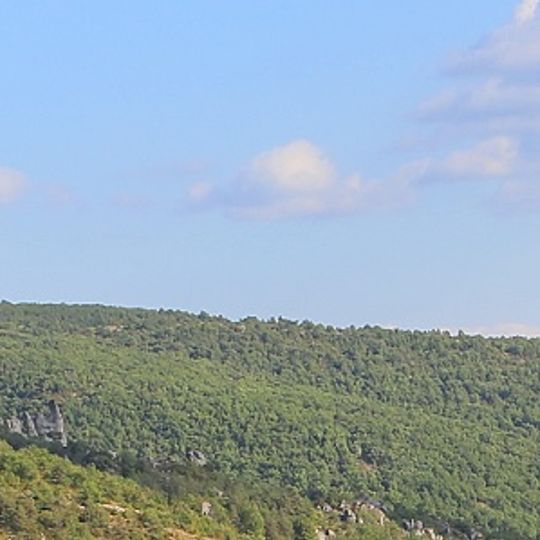
Grands Causses, Regional natural park in Aveyron, France
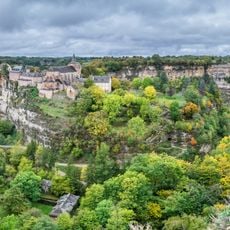
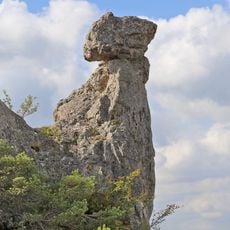
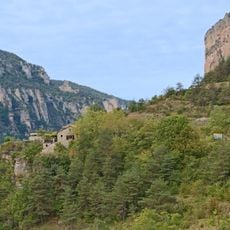
Grands Causses is a regional natural park created in 1995, covering 3,807 km² across 119 communes of Aveyron and Hérault. Its limestone plateaus, about 25% of the park, rise between 800 and 1,100 m; the Tarn, Dourbie and Jonte have cut gorges up to 500 m deep. The park administration sits in Millau.
The park was created on 6 May 1995, and its charter was renewed by decree on 10 April 2024 for the period 2024–2039. The renewal added 26 Hérault communes, notably around Lodève and the southern Larzac, bringing the total to 119 communes. Part of its territory lies within the Causses and Cévennes site inscribed by UNESCO in 2011 as a Mediterranean agro-pastoral cultural landscape.
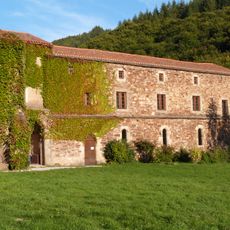
The Causses landscape is shaped by pastoralism, recognised in 2011 when part of the park was inscribed on the UNESCO World Heritage List as a Mediterranean agro-pastoral cultural landscape. Traditional stone shelters called jasses housed flocks, while lavognes, paved rainwater ponds on the limestone plateaus, watered the sheep. In Roquefort-sur-Soulzon, natural rock air currents known as fleurines are still used to ripen Roquefort cheese.
Several visitor centers and accommodations are located throughout the area, providing good starting points for outdoor activities and exploration. The warmer months offer the best conditions for visiting, with reliable weather and full access to trails and gorges.
The Grands Causses are known for several vulture species, and the gorges of the Tarn, Dourbie and Jonte cut cliffs up to 500 metres deep where the birds nest. The park's dry limestone plateaus, grazed by sheep, also hold lavognes, stone-lined rainwater pools built for the flocks.
The community of curious travelers
AroundUs brings together thousands of curated places, local tips, and hidden gems, enriched daily by 93,631 contributors worldwide.