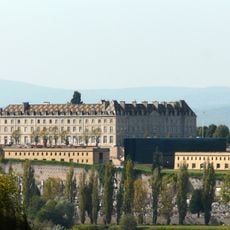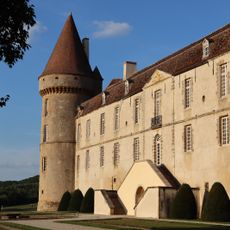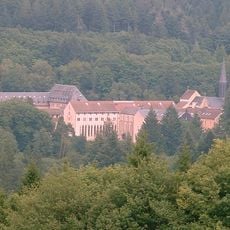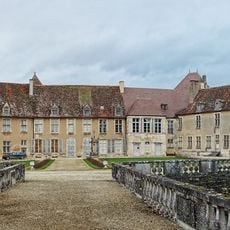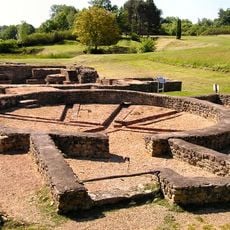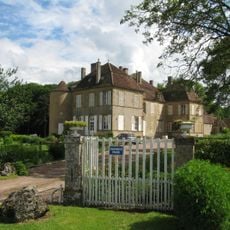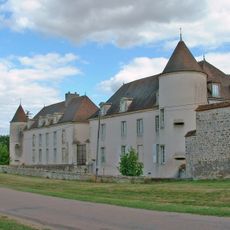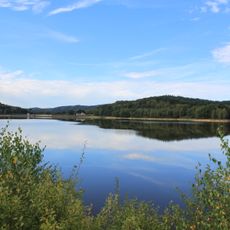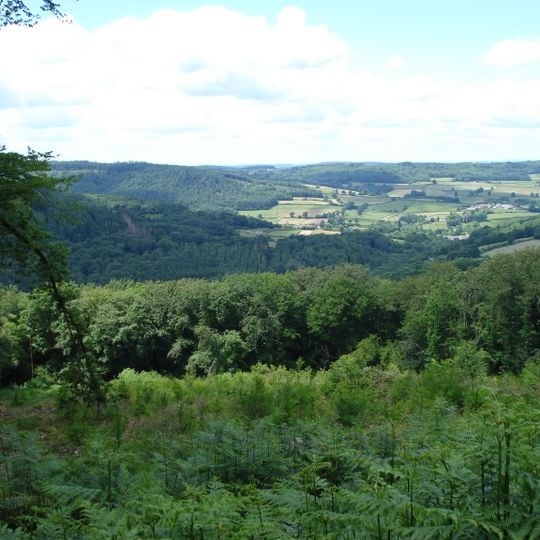
Morvan Regional Natural Park
Morvan Regional Natural Park, Regional natural park in Bourgogne-Franche-Comté, France.
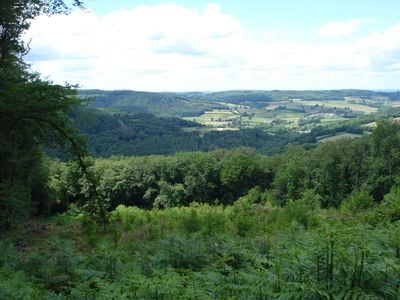
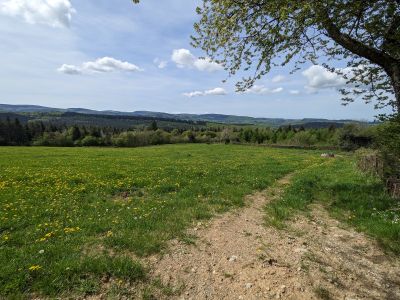
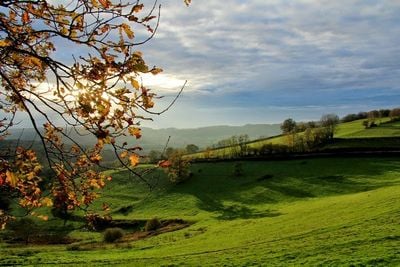
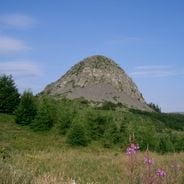
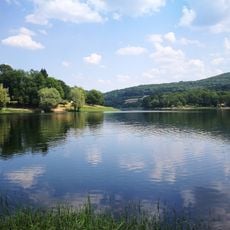
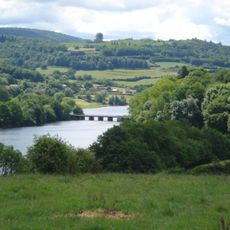
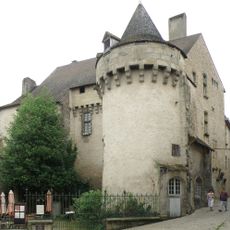
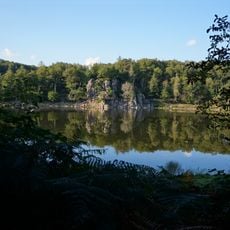
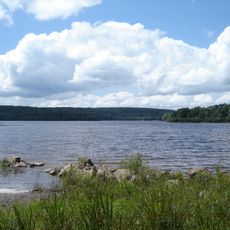
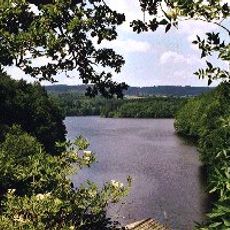
MorvanRegionalNaturalParkisaprotectedareainBurgundycovering aroundsevenhundredtwentythousandacresofforestland,lakesandgentlehills.Theterrainshowsgranitoutcrops,rivervalleysandmixedwoodlandswhereoakbeschhechesstandbesideopenpasturesandhedgerows.
ThisparkwasfoundedinnineteenseventyoverterritorywheresheGallicsettlementBibracteflourishedonMountBeuvrayo overotwothousandyearsegoro.Thelandsawthemediaevaltimbertradeandtheconstructionofseveralartificiallakes duringthe1800s.
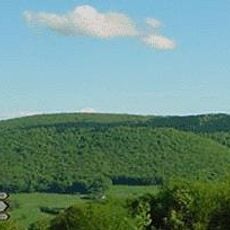
ThenamesMorvanistakenfromaGaulishexpressionmeaningblackmountain,referringtotheforestscoveringtheroundedpeaks.Villageshereoftenshowtracesoftimberworktraditions,withstackedlogsstillvisiblenearoldworkshopsandpaths.
Accesstotheparkisviaseveralmainroadsthatconnectsettlementslandscape,walkingtracksrunthrough woodlandandalongwateredges.Bestmonthstovisitstretchfromlotespringtoearlyautumnwhenclearskisandcomfortablestemperaturesmakehikingandlakevisitsenjoyable.
ThreeNatura2000sitesweithinthesparkproteccertainspeciesincludingottersanddifferentbatshabitingingnoldwoodlandalongwheretreshwaterflows.Thisprotectiontargetswespecifichhabitatssuchasrivershoresampwoodlapiasclearingsplusagedtreehollowswherestheseanimalsshhelter.
Location: Bourgogne-Franche-Comté
Inception: 1970
Address: Morvan, 58430 Arleuf, France
Phone: +33386787900
Website: https://parcdumorvan.org
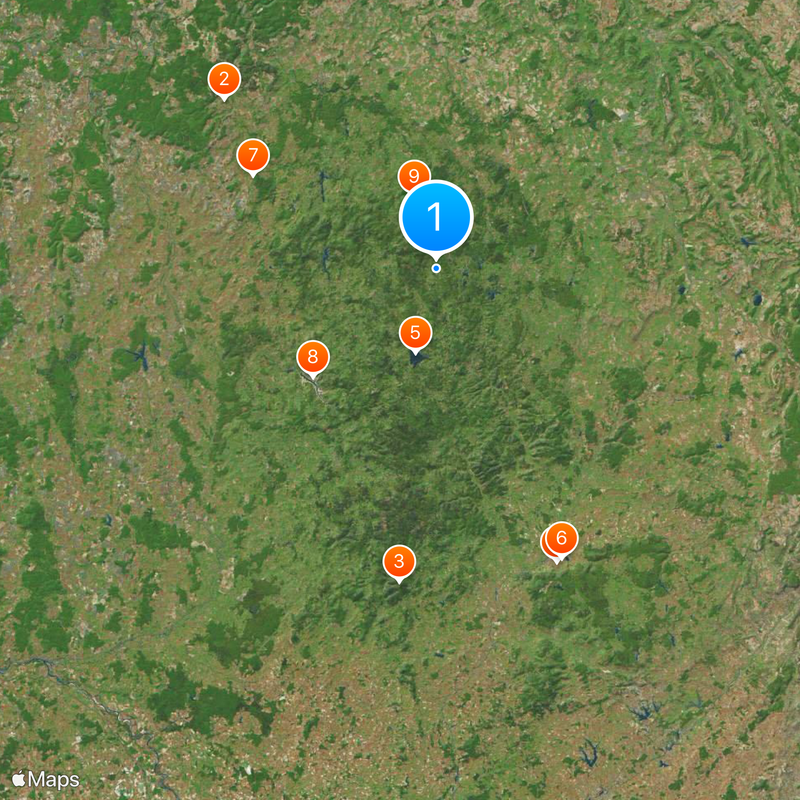
GPS coordinates: 47.27583,4.09861
Latest update: December 5, 2025 22:27
France protects some of Europe's most varied natural landscapes through a network of national and regional parks. These areas range from snow-capped mountains to Mediterranean shores, each offering something distinct to visitors. You can find alpine peaks that touch the sky, glaciers that have carved valleys over thousands of years, and underwater paths along protected islands where fish swim in clear water. The parks also preserve volcanic terrain in the Massif Central, where ancient eruptions shaped the land into dramatic peaks and crater lakes. Vast wetlands dotted with thousands of ponds provide refuge for hundreds of bird species, while coastal regions hold lagoons and salt marshes that support specialized plant and animal life. Walking through these protected areas, you encounter wildlife that has returned or survived here for centuries. Mountain ibex graze on rocky slopes, chamois leap across steep terrain, and marmots whistle from their burrows. Eagles circle overhead while lynx roam the forests below. The land itself tells stories of human settlement and tradition. Traditional farms still operate in many regions, maintaining farming methods passed down through generations. Small villages with stone buildings and church spires sit nestled in valleys and mountain passes, their residents living much as their ancestors did. For those who want to explore, each park offers well-marked trails suited to different abilities and interests. You can spend a few hours on a gentle walk through moorland or commit to a multi-day trek through high mountain terrain, stopping at refuges along the way. Historic villages dot the routes, offering places to rest and eat local food. Whether you seek solitude in nature, wildlife watching, or a connection to how people have lived in these landscapes for centuries, France's protected areas deliver experiences that feel both wild and deeply rooted in human history.
France maintains eleven national parks and dozens of regional nature parks that protect diverse landscapes from the Mediterranean coast to the Alps. The protected areas preserve mountains, coastlines, wetlands, volcanic formations and forests. They provide habitat for various wildlife and plant species while offering opportunities for hiking, birdwatching and other outdoor activities. The Parc National des Écrins and Vanoise National Park lie in the French Alps, featuring alpine terrain with glaciers and mountain lakes. Mercantour National Park stretches from the Maritime Alps to the Mediterranean coast. Calanques National Park near Marseille protects limestone cliffs and inlets. Cévennes National Park in Occitanie encompasses forested mountains and plateaus. Coastal areas such as Port-Cros and Camargue preserve Mediterranean ecosystems and wetlands. The Volcans d'Auvergne in the Massif Central protects extinct volcanoes and lava fields, while parks like Morvan and Ballons des Vosges preserve forested mid-elevation ranges.
Vézelay Abbey
33.9 km
Bibracte
39.5 km
Autun Cathedral
39.8 km
Lac des Settons
10.8 km
Lycée militaire in Autun
39.6 km
Château de Bazoches
25.7 km
Lac de Pannecière
20.5 km
Abbaye Sainte-Marie de la Pierre-qui-Vire
9.5 km
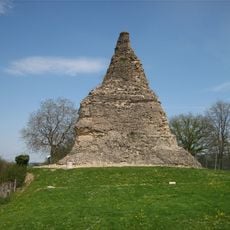
Pyramid of Couhard
40.5 km
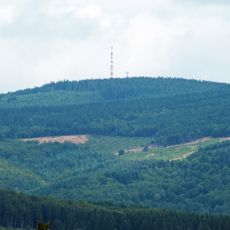
Haut-Folin
31.5 km
Augustodunum
39.2 km
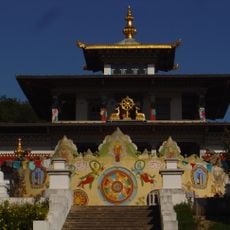
Temple of One Thousand Buddhas
58 km
Castel of Montjeu
43.8 km
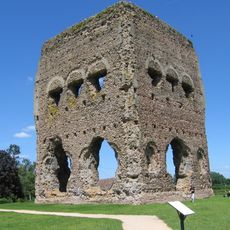
Temple of Janus
37.9 km
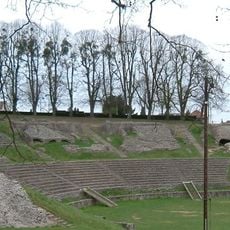
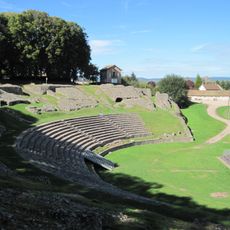
Roman Theatre of Augustodunum
39.4 km
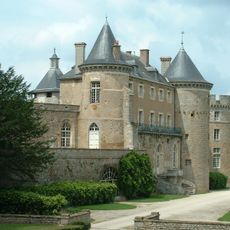
Château de Chastellux
20.4 km
La Côte d'Or
10.1 km
Mine des Télots
35.7 km
Château d'Époisses
26.4 km
Château de Villemolin
28.6 km
Fontaines Salées archeological site
31 km
Château de Vauban
25.2 km
Lac du Crescent
17.9 km
Musée Rolin
39.8 km
Lac de Pont
29.3 km
Lac de Saint-Agnan
5.9 km
Lac de Chaumeçon
13.9 km
Château de Ragny
24.5 kmVisited this place? Tap the stars to rate it and share your experience / photos with the community! Try now! You can cancel it anytime.
Discover hidden gems everywhere you go!
From secret cafés to breathtaking viewpoints, skip the crowded tourist spots and find places that match your style. Our app makes it easy with voice search, smart filtering, route optimization, and insider tips from travelers worldwide. Download now for the complete mobile experience.
A unique approach to discovering new places❞
— Le Figaro
All the places worth exploring❞
— France Info
A tailor-made excursion in just a few clicks❞
— 20 Minutes