Sierra y Cañones de Guara Natural Park
Sierra y Cañones de Guara Natural Park, Natural park in Huesca Province, Spain
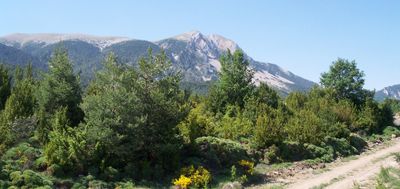
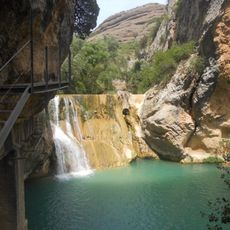
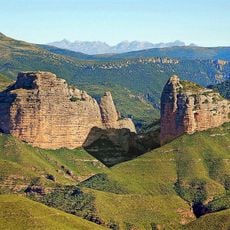
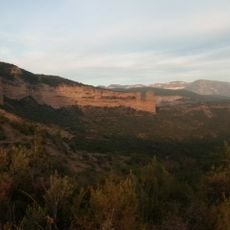
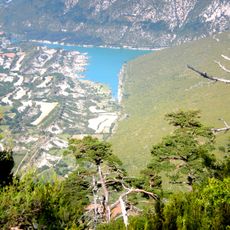
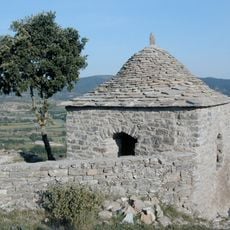
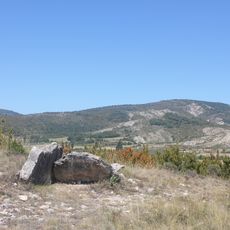
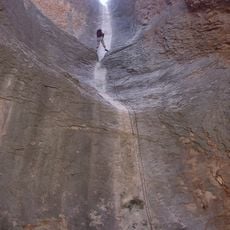
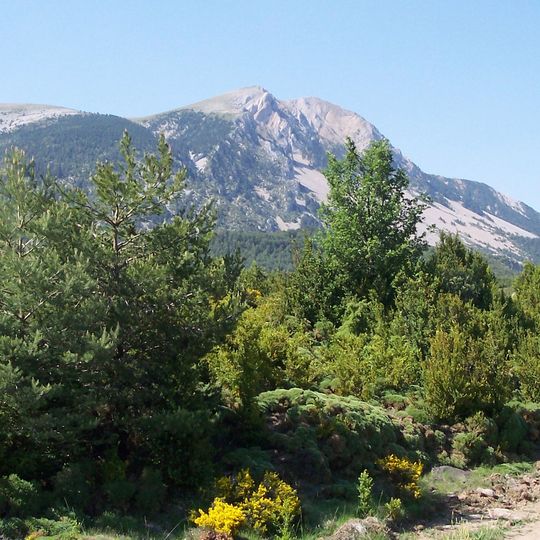
Sierra y Cañones de Guara is a natural park in Spain's Aragon region covering over 47,000 hectares of limestone terrain. Five rivers have carved deep canyons, caves, and cliffs throughout the landscape, creating diverse trails and geological formations for visitors to explore.
The protected area was officially established on December 27, 1990, and now spans over 80,000 hectares across fifteen municipalities. This expansion demonstrates how significant the landscape became for protecting natural habitats in the region.
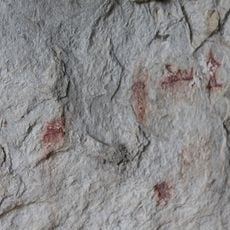
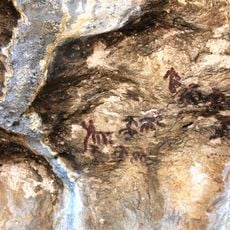
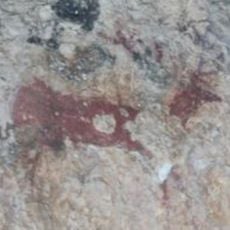
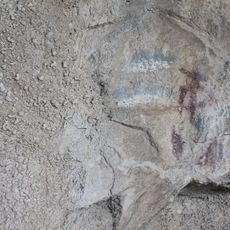
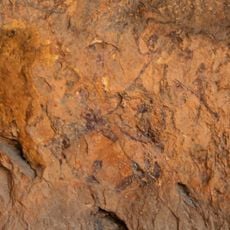
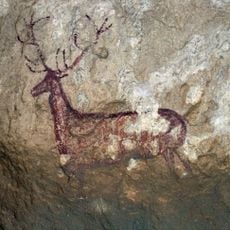
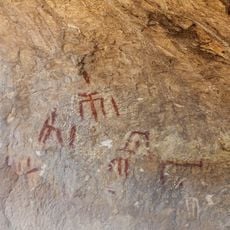
The Vero River flows through an area with rock shelters decorated with prehistoric paintings recognized as UNESCO World Heritage sites. These artworks reveal how early people used this place thousands of years ago and held it sacred.
The park has multiple access points and parking areas for visitors interested in hiking, canyoning, rock climbing, or bird watching. The best time to visit is during milder months when weather is stable and water levels are lower.
The area houses one of Europe's largest raptor populations, including griffon vultures and bearded vultures, nesting in the limestone cliffs. Bird watchers gather here to observe the display flights and movement patterns of these magnificent hunters.
Location: Aragon
Inception: December 27, 1990
Website: https://guara.org/sierra-de-guara
GPS coordinates: 42.27000,-0.11000
Latest update: December 6, 2025 16:04
France protects some of Europe's most varied natural landscapes through a network of national and regional parks. These areas range from snow-capped mountains to Mediterranean shores, each offering something distinct to visitors. You can find alpine peaks that touch the sky, glaciers that have carved valleys over thousands of years, and underwater paths along protected islands where fish swim in clear water. The parks also preserve volcanic terrain in the Massif Central, where ancient eruptions shaped the land into dramatic peaks and crater lakes. Vast wetlands dotted with thousands of ponds provide refuge for hundreds of bird species, while coastal regions hold lagoons and salt marshes that support specialized plant and animal life. Walking through these protected areas, you encounter wildlife that has returned or survived here for centuries. Mountain ibex graze on rocky slopes, chamois leap across steep terrain, and marmots whistle from their burrows. Eagles circle overhead while lynx roam the forests below. The land itself tells stories of human settlement and tradition. Traditional farms still operate in many regions, maintaining farming methods passed down through generations. Small villages with stone buildings and church spires sit nestled in valleys and mountain passes, their residents living much as their ancestors did. For those who want to explore, each park offers well-marked trails suited to different abilities and interests. You can spend a few hours on a gentle walk through moorland or commit to a multi-day trek through high mountain terrain, stopping at refuges along the way. Historic villages dot the routes, offering places to rest and eat local food. Whether you seek solitude in nature, wildlife watching, or a connection to how people have lived in these landscapes for centuries, France's protected areas deliver experiences that feel both wild and deeply rooted in human history.
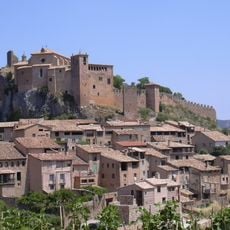
Aragon stretches across three provinces in northeastern Spain, preserving more than two thousand years of history through its monasteries, castles and medieval villages. The region displays Moorish towers in Teruel, Romanesque churches in the Pyrenees and Gothic bridges along ancient trade routes. Natural parks protect limestone canyons, caves holding prehistoric paintings and mountain ranges extending to the French border. Visitors explore fortified villages such as Albarracín and Sos del Rey Católico, where stone walls and narrow lanes tell of medieval life. The 11th-century Castillo de Loarre stands on a hilltop overlooking the Ebro valley, while Sierra de Guara Natural Park provides trails through deep gorges. Monasteries including San Juan de la Peña and Monasterio de Piedra connect religious history with surrounding landscapes, creating destinations that combine cultural heritage with natural environments.
Pasarelas del Vero
15.6 km
Colegiatte of Alquézar
15.7 km
Salto de Roldán
22 km
Carrasca milenaria de Lecina
13 km
Tozal de Guara
10 km
Peña Falconera
7.3 km
Barfaluy I
13.2 km
Santa María de Belsué Reservoir
20 km
Castillo de Sen
23.1 km
Mallata B1
13.6 km
Arpán L
14.4 km
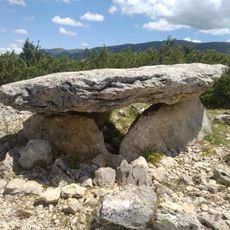
Dolmen Losa Mora
4.3 km
Lecina superior
13.2 km
Dolmen de Almazorre
16.3 km
Casa Carruesco
12.7 km
Torre de Arcusa
16.6 km
Saint Peter Church
8 km
Conjuratory of Almazorre
13.9 km
Dolmen de la Capilleta
13.7 km
Muriecho L
16.2 km
Church of Saint Stephen, Almazorre
13.8 km
Dolmen de Pueyoril
14.6 km
Casa Molinero
12.6 km
Palomera cave (Rodellar)
3.7 km
Dolmen de la Piatra
22.7 km
Chimiachas L
12.9 km
Chimiachas E
12.8 km
Historical Artistic Set Villa de Alquézar
15.6 kmVisited this place? Tap the stars to rate it and share your experience / photos with the community! Try now! You can cancel it anytime.
Discover hidden gems everywhere you go!
From secret cafés to breathtaking viewpoints, skip the crowded tourist spots and find places that match your style. Our app makes it easy with voice search, smart filtering, route optimization, and insider tips from travelers worldwide. Download now for the complete mobile experience.
A unique approach to discovering new places❞
— Le Figaro
All the places worth exploring❞
— France Info
A tailor-made excursion in just a few clicks❞
— 20 Minutes