Calanques National Park

Log in to your account

AroundUs is a community-driven map of interesting places, built by curious explorers like you. It grows with every review, story, and photo you share.
Connect to save your favorite spots, contribute locations, and create personalized routes.
By continuing, you accept our Terms and Conditions and our Privacy Policy
Add to collection
Map
Suggest a change
Share

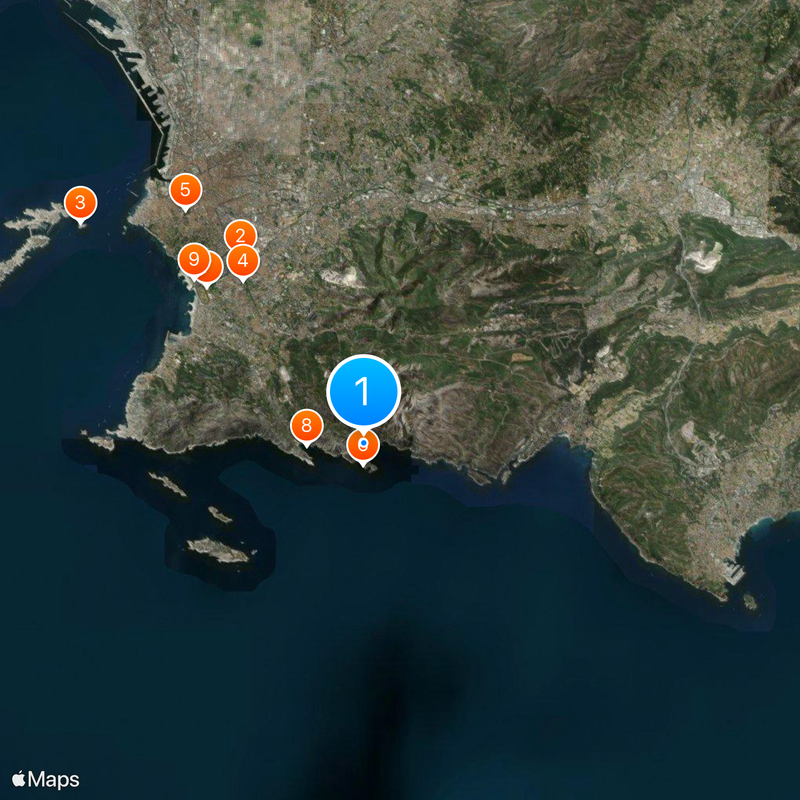
Calanques National Park, Protected coastal area in Bouches-du-Rhône, France.

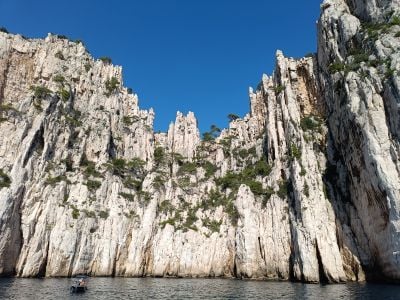
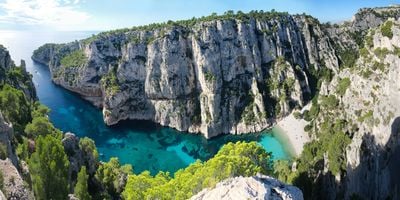
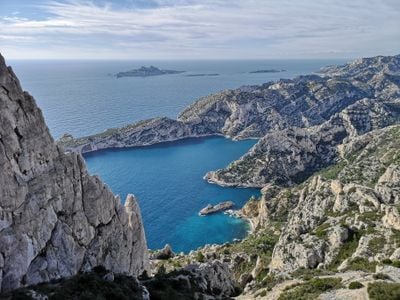
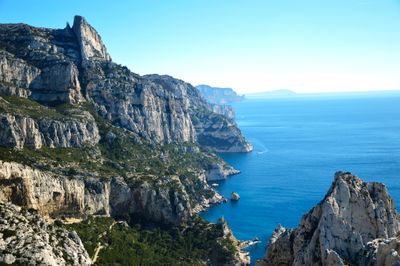
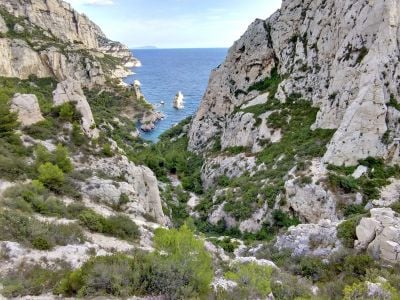
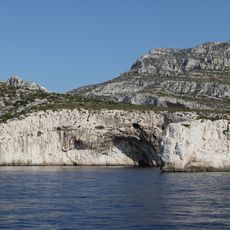
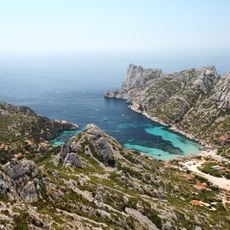
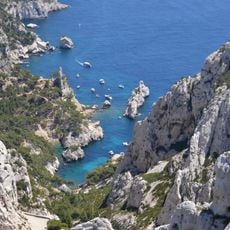
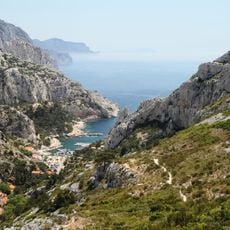
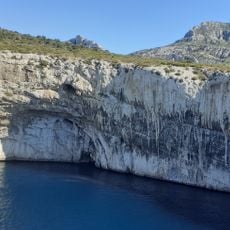
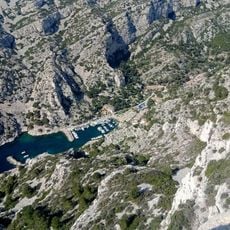
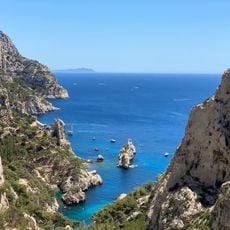
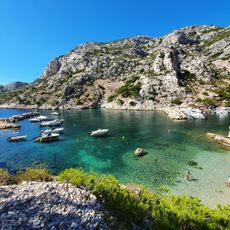
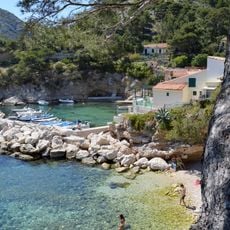
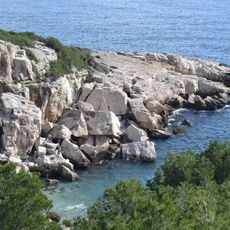
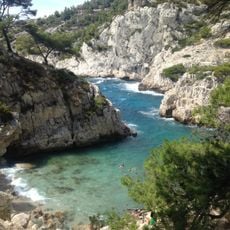
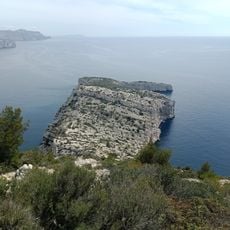
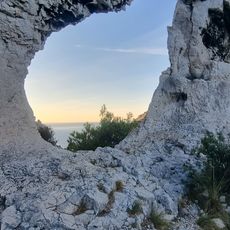
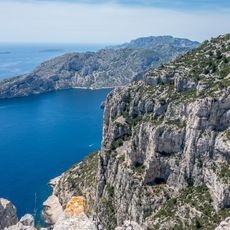
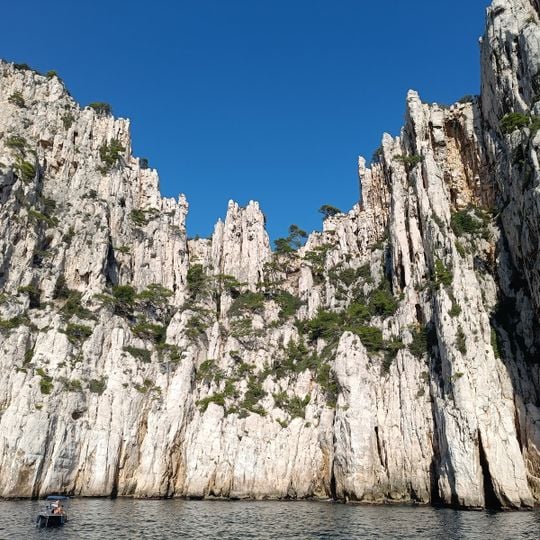
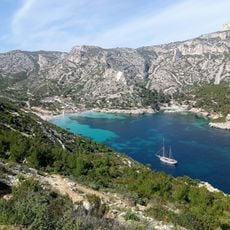
Calanques National Park is a protected coastal area between Marseille and Cassis featuring narrow coves carved into steep limestone cliffs along the Mediterranean. The landscape combines rocky ridges with marine ecosystems and supports a variety of adapted plant and animal species.

The area came under protection in 1923 when locals formed the Comité de défense des Calanques to stop industrial development from spreading. Official national park status arrived much later in 2012, marking the culmination of decades of conservation work.

The area has long drawn fishermen and artists who found inspiration in the dramatic cliffs and clear waters. This bond between sea and people remains visible in how locals and visitors move through these spaces today.

You can reach the area through four main gateways: Cassis town, Les Goudes village, Luminy University grounds in Marseille, and Sormiou cove. Trails range from gentle walks to steep climbs, so bring sturdy shoes and plenty of water for any route you choose.

The Cosquer Cave, reachable from the sea, holds over 200 prehistoric paintings including depictions of penguins and other animals no longer seen in the region. These artworks reveal how different the climate and wildlife were thousands of years ago in this area.

Location: Bouches-du-Rhône

Inception: 2012

Address: 13008 Marseille, France

Opening Hours: Dimanche: 00:00 -

Phone: 0420105000

Website: https://calanques-parcnational.fr/en

GPS coordinates: 43.20944,5.44917

Latest update: December 6, 2025 16:01

Architectural sites in Provence-Alpes-Côte d'Azur between Cistercian heritage and Mediterranean avant-gardes

The Provence-Alpes-Côte d'Azur region depicts a land where architecture narrates a thousand years of history between sea and mountains. From the 12th-century Cistercian abbeys to the brutalist experiments of Le Corbusier, this area features an exceptional built heritage shaped by Mediterranean light. You can find fortresses perched on rocky promontories, Romanesque monasteries where Van Gogh depicted his struggles, and contemporary museums that interact with the blue of the Mediterranean. Vineyards contain large-scale sculptures, the perched villages of Luberon display their medieval architecture in light stone, and Belle Époque villas in Cap d'Antibes mark the golden age of the Riviera. Between the limestone cliffs of the Calanques and the alpine valleys carved with prehistoric signs, Provençal architecture follows the contours of the land, capturing shadow and warmth, blending tradition and modernity. From the port of Marseille to the hanging gardens of Èze, each building bears the mark of a region where Cistercian builders, military engineers, visionary artists, and contemporary architects have inscribed their visions in stone, concrete, and landscape.

Hidden gems of france

France contains protected areas with diverse landscapes and ecosystems. The national parks include alpine regions with peaks exceeding 3000 meters, glaciers and mountain lakes, Mediterranean coastlines with limestone cliffs and marine reserves, and island zones with underwater trails. Regional nature parks feature volcanic areas with 80 extinct volcanoes, extensive wetlands with thousands of ponds hosting over 200 bird species, moorland landscapes in the Ardennes, and coastal zones with lagoons and salt marshes. These protected areas shelter ibex, chamois, marmots, lynx and birds of prey. Visitors find marked hiking trails, historic villages and traditional farming operations.

French national parks: Alps, Mediterranean, Pyrenees

France maintains eleven national parks and dozens of regional nature parks that protect diverse landscapes from the Mediterranean coast to the Alps. The protected areas preserve mountains, coastlines, wetlands, volcanic formations and forests. They provide habitat for various wildlife and plant species while offering opportunities for hiking, birdwatching and other outdoor activities. The Parc National des Écrins and Vanoise National Park lie in the French Alps, featuring alpine terrain with glaciers and mountain lakes. Mercantour National Park stretches from the Maritime Alps to the Mediterranean coast. Calanques National Park near Marseille protects limestone cliffs and inlets. Cévennes National Park in Occitanie encompasses forested mountains and plateaus. Coastal areas such as Port-Cros and Camargue preserve Mediterranean ecosystems and wetlands. The Volcans d'Auvergne in the Massif Central protects extinct volcanoes and lava fields, while parks like Morvan and Ballons des Vosges preserve forested mid-elevation ranges.

French winter destinations in cities and nature

France offers diverse winter destinations spanning both urban and natural landscapes. The Alpine regions contain several ski areas, including Chamonix-Mont-Blanc at the base of Western Europe's highest peak, Les Trois Vallées with its extensive network of runs, and L'Alpe d'Huez at elevations above 5,900 feet (1,800 meters). The Aiguille du Midi provides access to high alpine views through a cable car system, while Lake Annecy presents a winter landscape within the Savoie Alps. Cities across the country display their historical architecture during the colder months. Strasbourg Christmas Market transforms the city center into a seasonal gathering place, Nancy presents the 18th-century Place Stanislas, and Paris maintains structures including Sainte-Chapelle and the Jardin du Luxembourg. Beyond the capital, Versailles Palace stands with its formal gardens, Château de Chambord occupies the Loire Valley, and the Palais des Papes remains in Avignon. The Notre-Dame de Reims cathedral shows 13th-century Gothic architecture, while Mont Saint-Michel stays accessible on its tidal island. Additional sites include the Roman-era Nîmes Arena, Pont du Gard, and the medieval fortress of Carcassonne. The Grotte de Lascaux displays prehistoric art, while Les Eyzies de Tayac holds archaeological sites. Southern regions such as the Calanques near Marseille, Gorges du Verdon, Grande Plage in Biarritz, and Cap d'Ail Beach provide access to Mediterranean and Atlantic coastlines, even during winter months.

Local destinations in Marseille

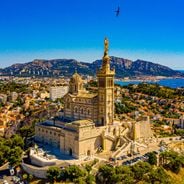
The route connects Notre-Dame de la Garde Basilica, the old port and Calanques National Park with historical buildings. The locations display the maritime history, urban architecture and coastal landscape of Marseille.

Reviews

Visited this place? Tap the stars to rate it and share your experience / photos with the community! Try now! You can cancel it anytime.

« Calanques National Park - Protected coastal area in Bouches-du-Rhône, France » is provided by Around Us (aroundus.com). Images and texts are derived from Wikimedia project under a Creative Commons license. You are allowed to copy, distribute, and modify copies of this page, under the conditions set by the license, as long as this note is clearly visible.

Discover hidden gems everywhere you go!

From secret cafés to breathtaking viewpoints, skip the crowded tourist spots and find places that match your style. Our app makes it easy with voice search, smart filtering, route optimization, and insider tips from travelers worldwide. Download now for the complete mobile experience.
Around Us App Screenshot

A unique approach to discovering new places

Le Figaro

All the places worth exploring

France Info

A tailor-made excursion in just a few clicks

20 Minutes