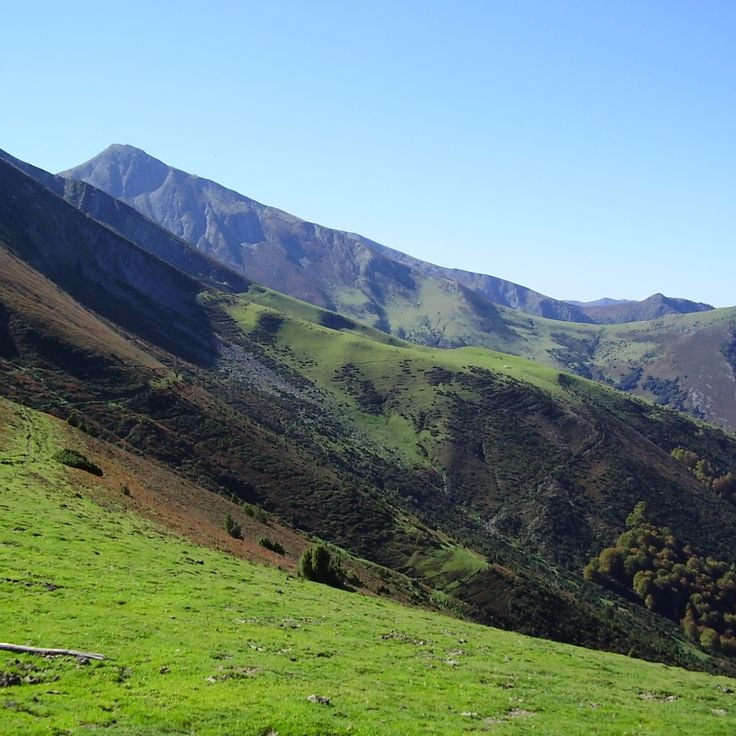
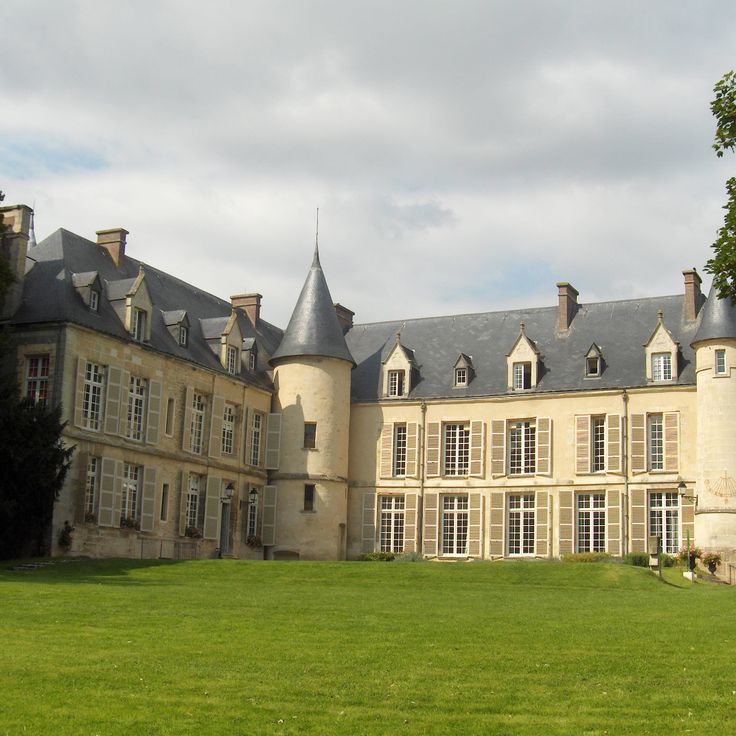
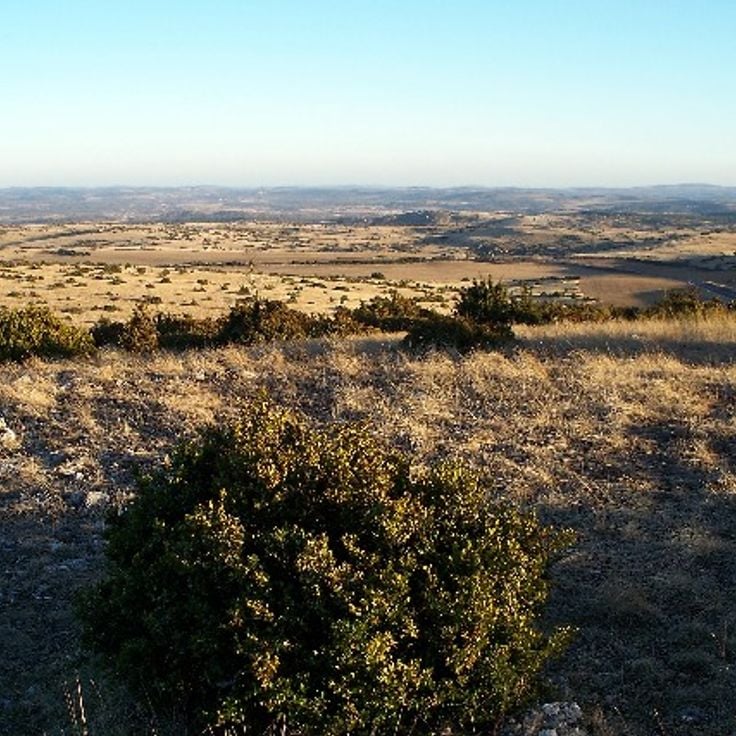
From the Mediterranean to the Alpine peaks, French parks keep different types of scenery and host many kinds of animals, while remaining easy for hikers and bird watchers to reach.
France maintains eleven national parks and dozens of regional nature parks that protect diverse landscapes from the Mediterranean coast to the Alps. The protected areas preserve mountains, coastlines, wetlands, volcanic formations and forests. They provide habitat for various wildlife and plant species while offering opportunities for hiking, birdwatching and other outdoor activities.
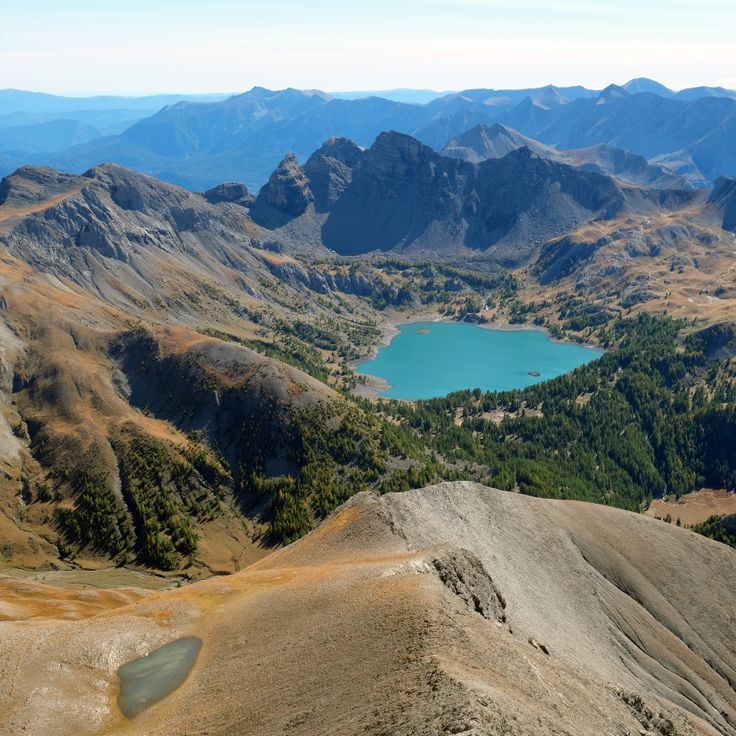
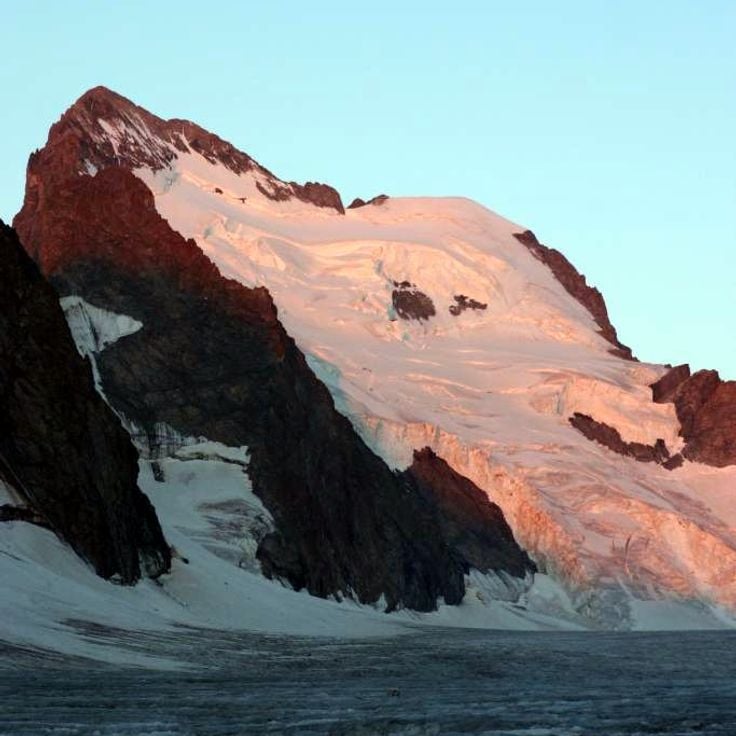
The Parc National des Écrins and Vanoise National Park lie in the French Alps, featuring alpine terrain with glaciers and mountain lakes. Mercantour National Park stretches from the Maritime Alps to the Mediterranean coast. Calanques National Park near Marseille protects limestone cliffs and inlets. Cévennes National Park in Occitanie encompasses forested mountains and plateaus. Coastal areas such as Port-Cros and Camargue preserve Mediterranean ecosystems and wetlands. The Volcans d'Auvergne in the Massif Central protects extinct volcanoes and lava fields, while parks like Morvan and Ballons des Vosges preserve forested mid-elevation ranges.
From the Mediterranean to the Alpine peaks, French parks keep different types of scenery and host many kinds of animals, while remaining easy for hikers and bird watchers to reach.
France maintains eleven national parks and dozens of regional nature parks that protect diverse landscapes from the Mediterranean coast to the Alps. The protected areas preserve mountains, coastlines, wetlands, volcanic formations and forests. They provide habitat for various wildlife and plant species while offering opportunities for hiking, birdwatching and other outdoor activities.
The Parc National des Écrins and Vanoise National Park lie in the French Alps, featuring alpine terrain with glaciers and mountain lakes. Mercantour National Park stretches from the Maritime Alps to the Mediterranean coast. Calanques National Park near Marseille protects limestone cliffs and inlets. Cévennes National Park in Occitanie encompasses forested mountains and plateaus. Coastal areas such as Port-Cros and Camargue preserve Mediterranean ecosystems and wetlands. The Volcans d'Auvergne in the Massif Central protects extinct volcanoes and lava fields, while parks like Morvan and Ballons des Vosges preserve forested mid-elevation ranges.
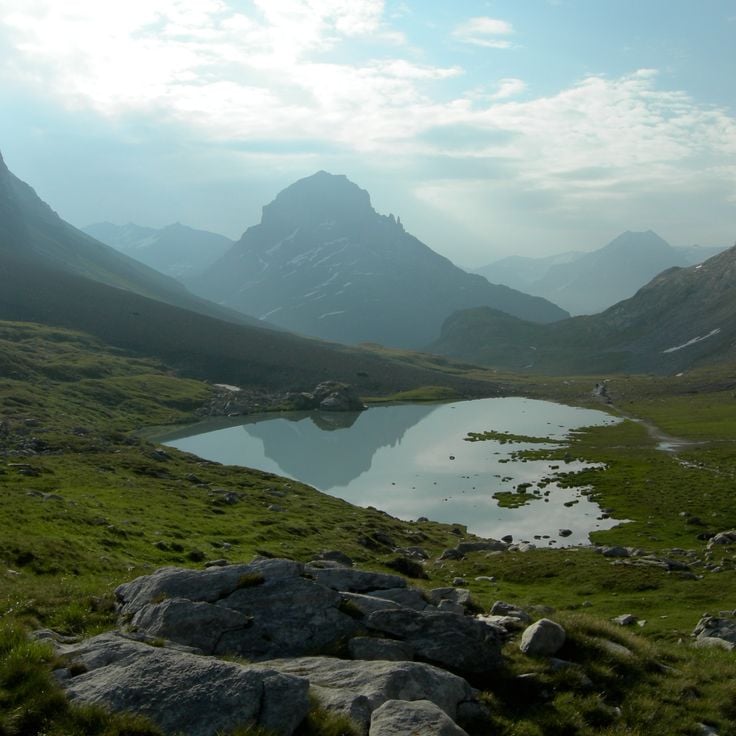
Mercantour National Park spans the Maritime Alps between alpine valleys and Mediterranean landscapes in the southeastern French Alps. This park supports populations of wolves, ibex and marmots along with over 2,000 plant species. Elevations range from 1,600 feet (490 meters) to 10,300 feet (3,143 meters) at Mont Gélas. Hikers can access prehistoric rock carvings in the Vallée des Merveilles, where more than 40,000 petroglyphs have been documented. The terrain of Mercantour National Park combines alpine peaks with Mediterranean vegetation, offering access to mountain lakes and glacial formations.
Parc National des Écrins protects an alpine high mountain environment in the French Alps with over one hundred peaks exceeding 10,000 feet (3,000 meters). This park covers approximately 285 square miles (740 square kilometers) and preserves glaciers, mountain lakes and alpine meadows as part of the French national park system. The park maintains an extensive network of hiking trails across different elevations and supports observations of ibex, chamois and marmots in their natural habitat. The landscape ranges from forested valleys to rocky high mountain zones.
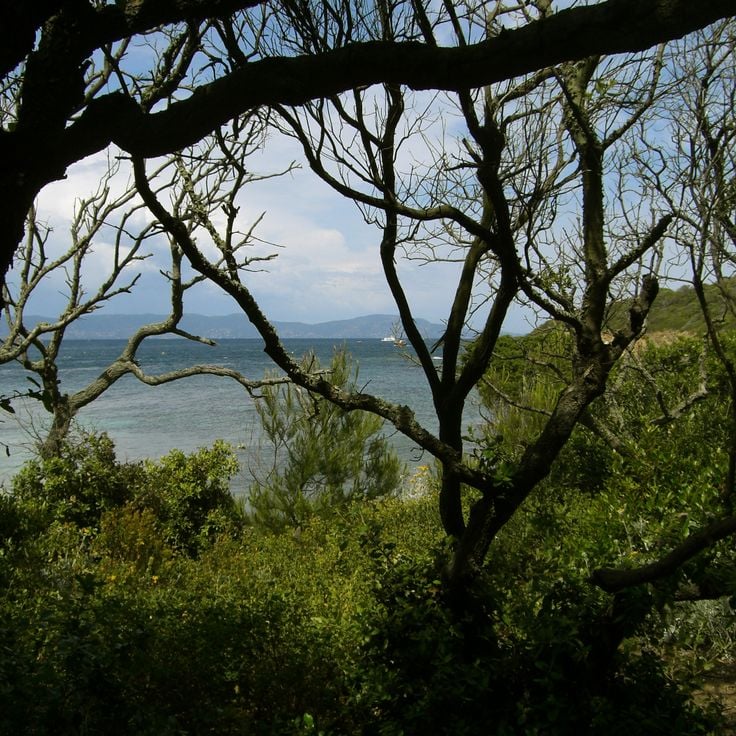
This national park protects seagrass meadows, coral reefs and Mediterranean fish species across 2000 hectares (roughly 4940 acres) as Europe's first marine national park. Port-Cros belongs to the French national park collection, which preserves natural landscapes from the Alps to the Mediterranean coast. The protected area sits off the Var coast and includes both marine and terrestrial zones. Visitors can explore underwater trails, snorkel and observe the protected marine life. The waters host barracudas, groupers and dolphins.
This park was France's first national park when established in 1963 and now protects over 500 Alpine ibex in the Savoie Alps. Vanoise National Park covers 107 peaks exceeding 10,000 feet (3,000 meters), including the Grande Casse at 12,640 feet (3,855 meters). Hikers follow more than 300 miles (500 kilometers) of marked trails through valleys with larch forests, alpine meadows and glacier zones. The park borders Italy's Gran Paradiso National Park, forming a cross-border protected area.
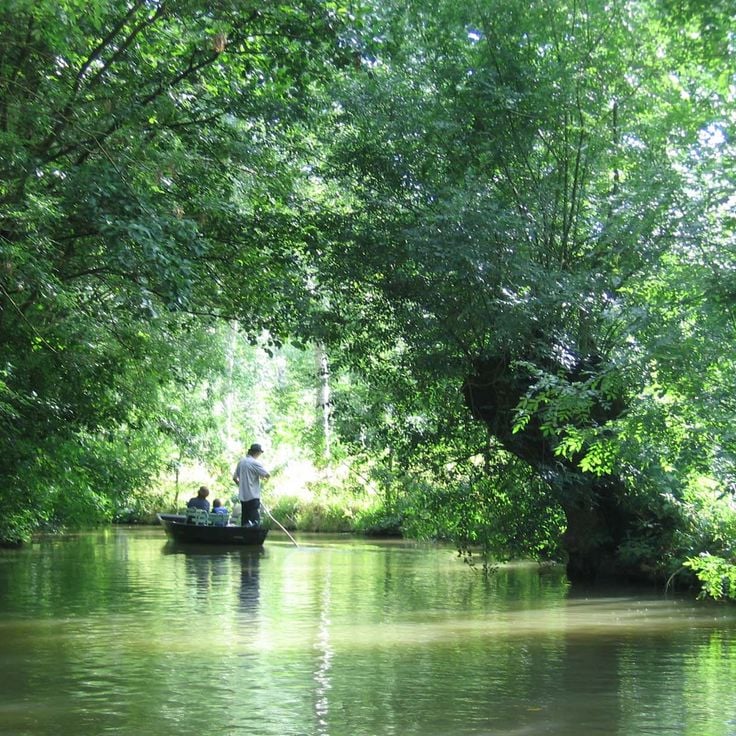
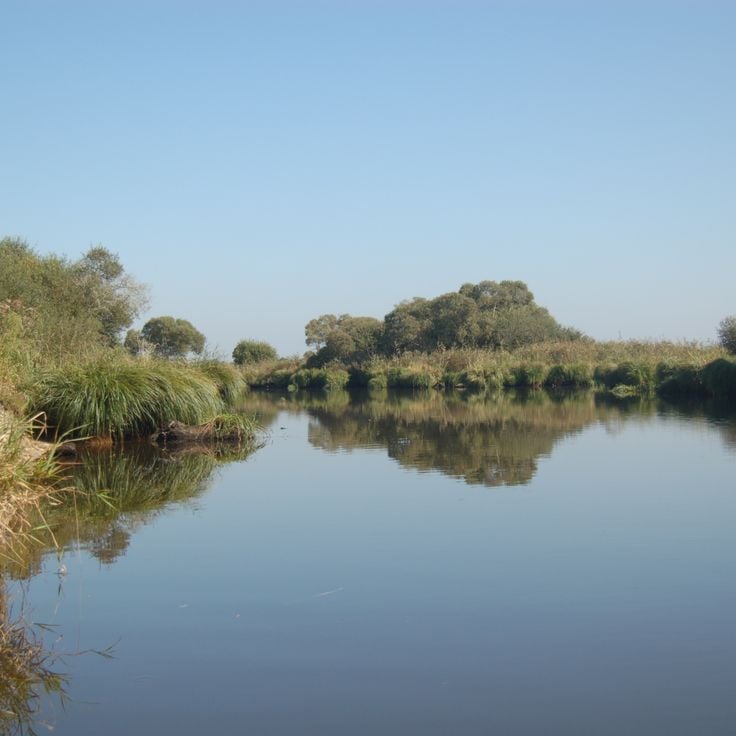
The Marais Poitevin encompasses 8,000 kilometers (5,000 miles) of waterways threading through grass meadows and poplar groves in western France. This wetland network forms part of a protected landscape where visitors navigate by traditional flat-bottomed boats called barques. The park supports various bird species and amphibians across this floodplain between Vendée and Deux-Sèvres departments. Visitors can paddle through the Green Venice section, observing aquatic vegetation and wildlife along narrow channels. The system connects working farmland with natural habitats managed under regional protection.
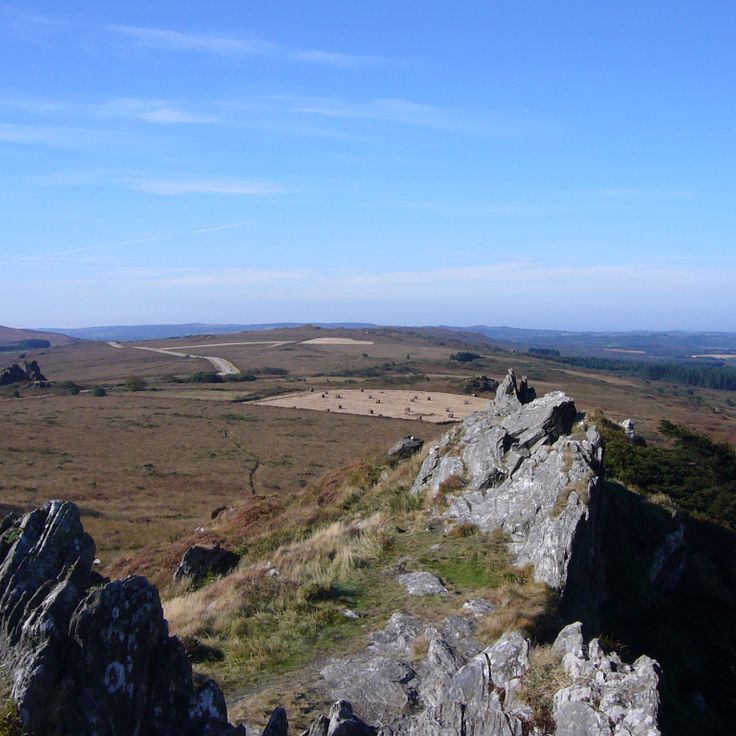
This coastal park extends from the Atlantic Ocean to the Monts d'Arrée, offering rocky cliffs, islands and protected areas for various bird species. Armorique Regional Natural Park connects marine and terrestrial ecosystems in Brittany. The landscape includes heathlands, forests and tidal zones. Visitors can hike along coastal trails, observe bird populations and explore geological formations. The park protects approximately 309,000 acres (125,000 hectares) of natural habitats and combines traditional Breton culture with conservation efforts.
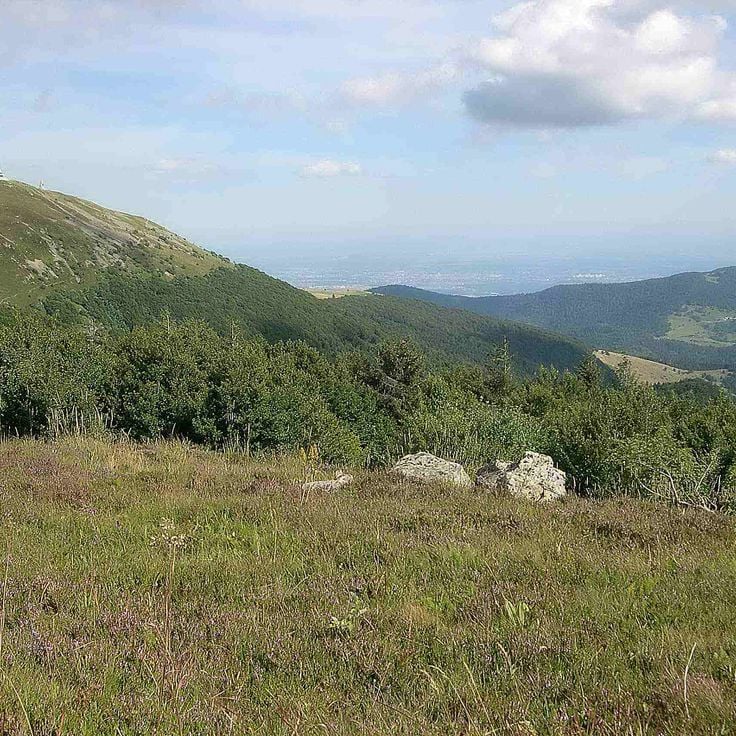
Ballons des Vosges Nature Park covers the rounded summits of the Vosges Mountains and offers more than 3100 miles (5000 kilometers) of marked hiking trails through extensive conifer forests. The high elevations reach up to 4675 feet (1424 meters) and contain over 20 glacial lakes formed during the last ice age. The park protects deciduous forests, peat bogs and alpine meadows that provide habitat for chamois, capercaillie and various birds of prey. Visitors can explore the traditional high pastures where Munster cheese has been produced for centuries. This park connects the natural landscapes of French national parks with the cultural heritage of the region and sits roughly 62 miles (100 kilometers) west of Strasbourg.
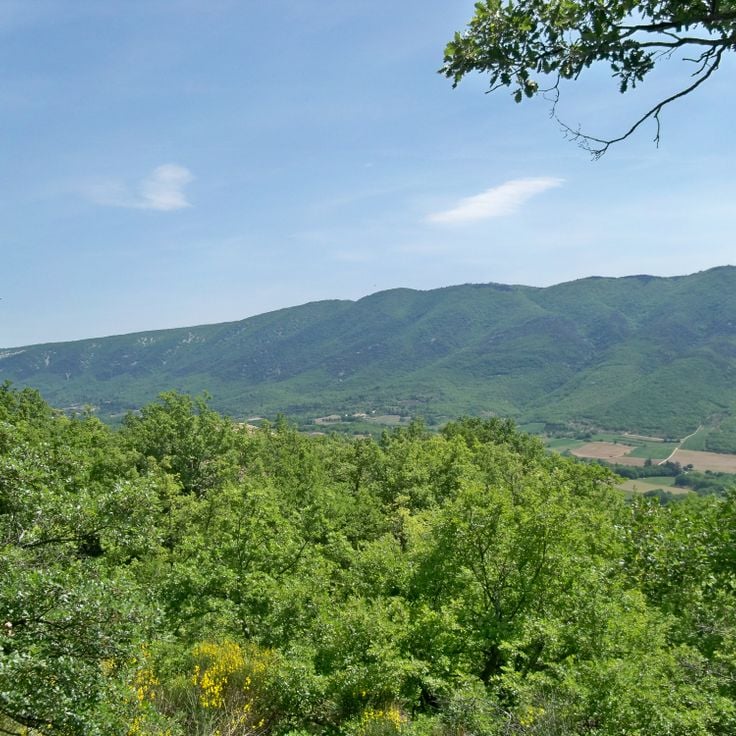
This regional natural park spans the hills of Provence and includes extensive lavender fields, stone villages and Mediterranean forests in the valleys. As part of the French national parks system, Luberon protects a characteristic cultural landscape where traditional villages like Gordes and Roussillon sit among vineyards and olive groves. Visitors can hike marked trails through oak forests, experience the lavender bloom in summer and explore the Provençal architecture. The park supports various bird species and Mediterranean plant communities adapted to the dry climate.
This regional park combines Mediterranean and Atlantic influences across 260,000 acres (105,000 hectares) of varied terrain in the Massif Central. The landscape includes vineyards on southern slopes, granite outcrops shaped by erosion over millions of years, and extensive chestnut forests that once formed the economic backbone of local communities. Wildlife includes mouflon sheep, raptors and several species of woodpeckers. Visitors can explore the park through hiking trails that cross high plateaus and forested valleys, offering access to traditional villages and natural features that reflect the transition between different climate zones.
Pilat Natural Regional Park covers mountain meadows, pine forests and moorlands across the Rhône-Alpes region. This protected area is home to 1200 plant species and 150 bird species. Visitors can explore marked hiking trails through different vegetation zones and observe wildlife throughout the seasons. The park sits between the Rhône Valley and the Massif Central, offering views across surrounding mountain ranges. Elevations range from roughly 1300 feet to 4600 feet (400 to 1400 meters), creating varied habitats. Park rangers lead guided tours that provide insight into local flora and fauna.
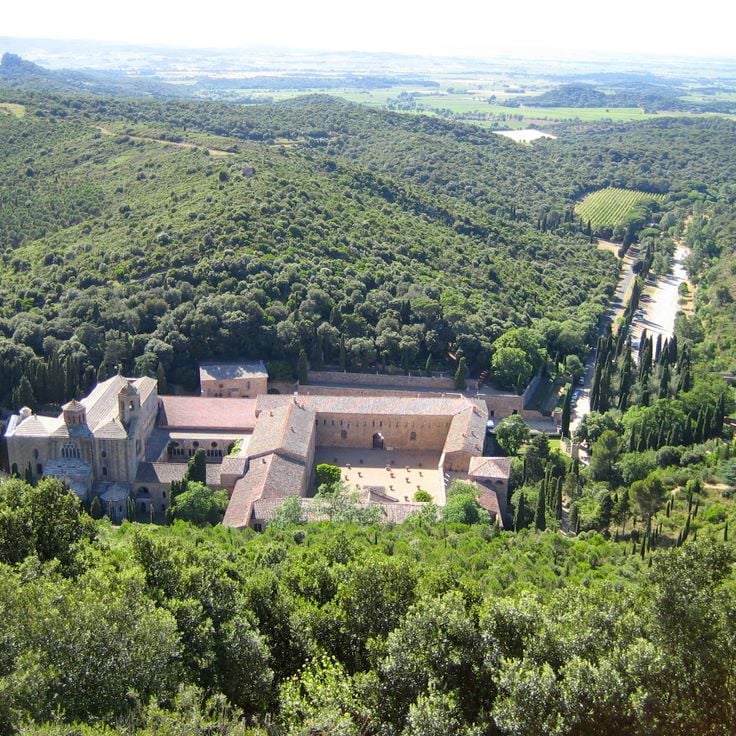
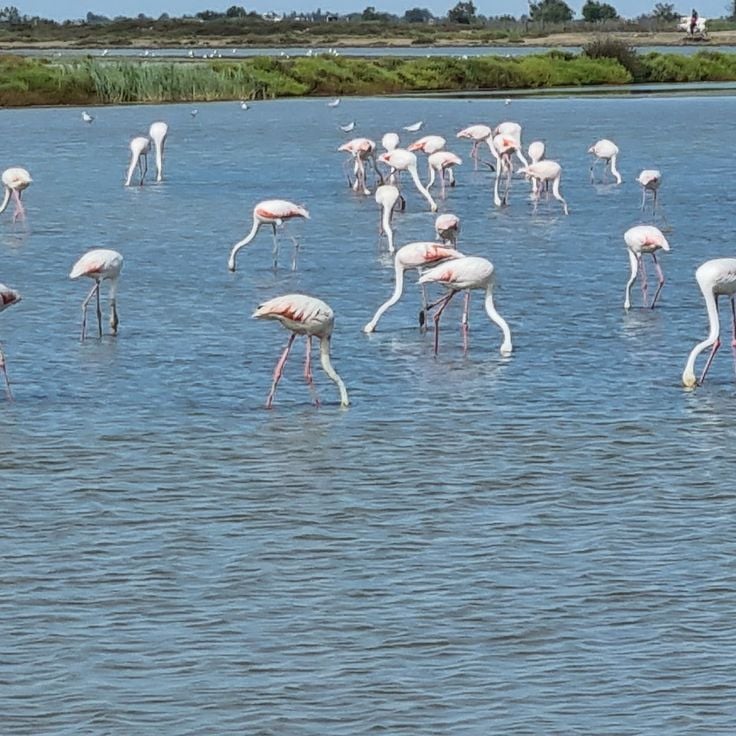
The coastal area of Narbonne within the Mediterranean Regional Natural Park includes lagoons and salt meadows that provide habitat for flamingos, herons and terns. This zone lies between the foothills of the Corbières and the Mediterranean Sea, forming an important part of France's national parks and protected areas. Visitors can watch birds, hike marked trails through the wetlands and study how flora and fauna adapt to saline soils. The Bages-Sigean lagoon and neighboring water bodies attract migratory birds year-round and serve as nesting grounds for several species.
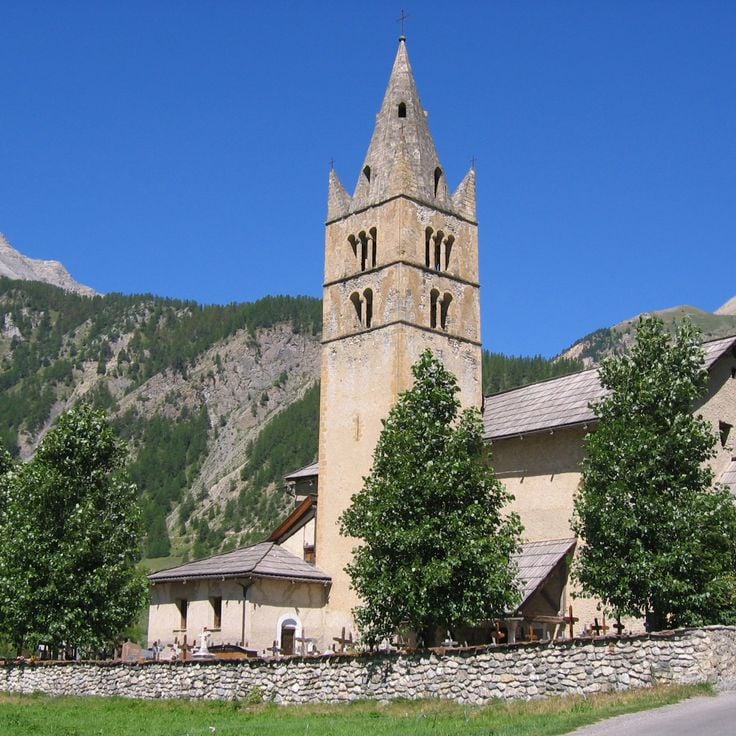
Queyras Natural Park sits in the southern French Alps and preserves a mountain landscape between 3,300 and 9,800 feet (1,000 and 3,000 meters) in elevation. The area encompasses alpine valleys, pine forests and high-altitude meadows. Traditional villages built from stone and wood spread across the slopes, while medieval fortresses at strategic points document the region's historical importance. The park provides hiking trails through different elevation zones and allows observation of alpine flora and fauna. This protected zone belongs to the French national parks system that preserves mountain ecosystems and cultural heritage across the Alps.
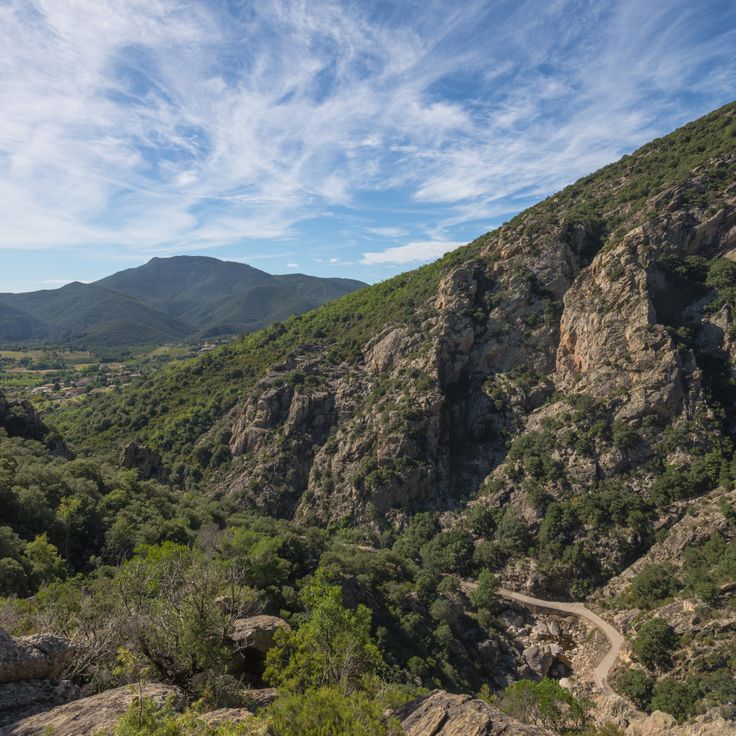
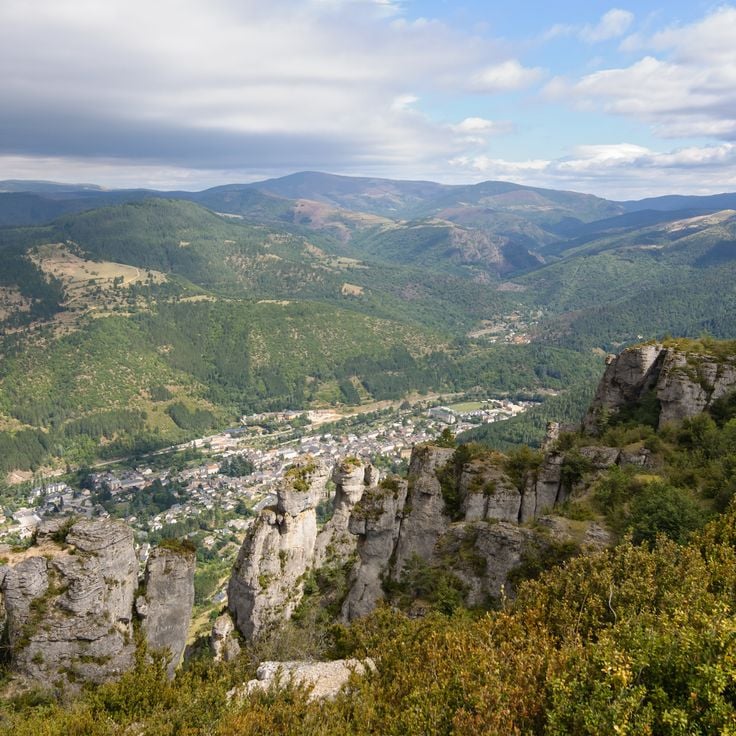
This national park extends across granite mountains, limestone plateaus and gorges with more than 250 miles (400 kilometers) of marked hiking trails. Cévennes National Park preserves Mediterranean and Atlantic ecosystems where visitors can walk through dense chestnut forests, across high plateaus and along deep valleys. The landscape shifts between wooded slopes and open highlands, cut through by rivers that have carved through limestone formations. The park supports European mouflon, golden eagles and numerous plant species adapted to the rugged climate. The extensive trail network connects traditional stone villages with remote plateaus and valleys.
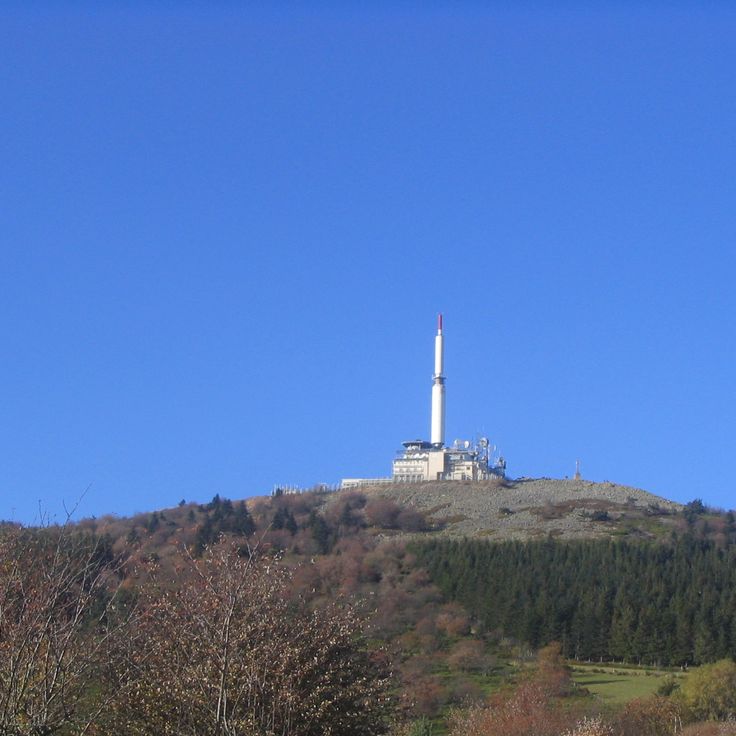
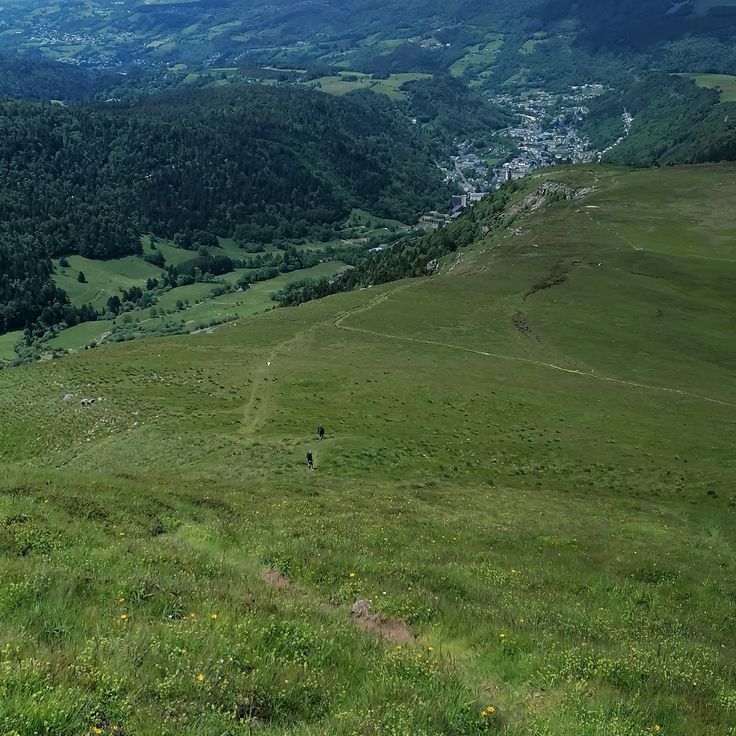
Volcans d'Auvergne Regional Nature Park protects one of Europe's largest volcanic landscapes, containing 80 extinct volcanoes across roughly 1 million acres in the Massif Central. The volcanic cones, crater lakes and thermal springs formed through volcanic activity that ceased about 7,000 years ago. Hiking trails lead to prominent peaks including Puy de Dôme and Puy de Sancy. The park preserves mountain pastures, beech forests and moorlands supporting adapted plant and animal species. Traditional farming and cheese production continue in the inhabited valleys between volcanic hills.
This wetland park protects the Rhône delta ecosystem with salt marshes, rice fields and shallow lagoons. The park hosts more than 400 bird species, including flamingos that nest in the brackish waters during spring and summer. White Camargue horses and black bulls graze in the salt meadows, managed by traditional ranchers known as manadiers. Visitors can walk marked trails through the marshes, observe migratory birds from wooden hides and explore working ranches that continue centuries-old livestock traditions.
This park sits on the boundary between Normandy and Pays de la Loire, offering a landscape of forest, moorland and river valleys. The Normandie-Maine contains more than 1,000 plant species and approximately 250 animal species across its varied habitats. Hiking trails wind through wooded hills and lead to areas where visitors can observe birds and explore the regional flora. As part of the French network of regional natural parks, this protected area preserves the natural features of a region that shifts between forests, wetlands and rural communities.
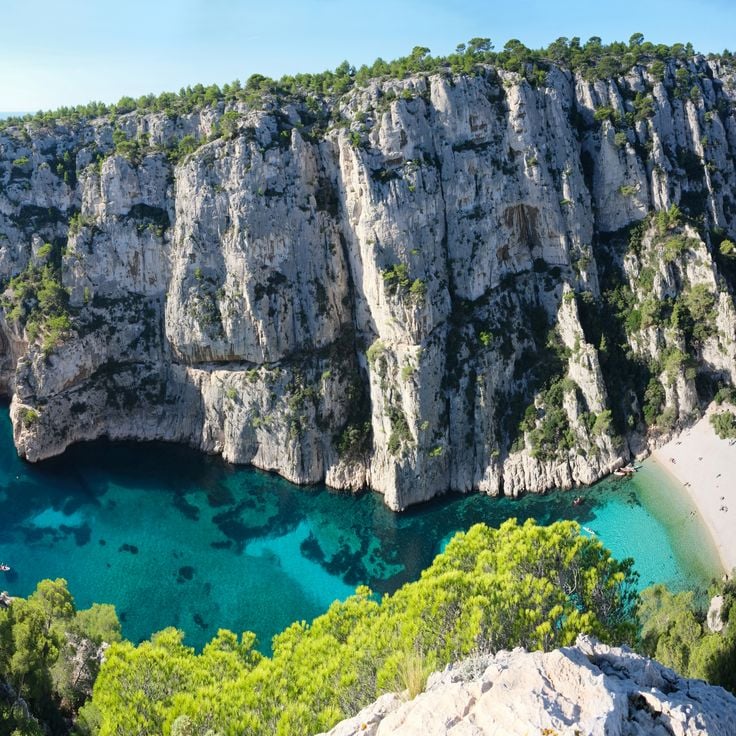
The Calanques National Park extends across 520 square miles (1,350 square kilometers) between Marseille and Cassis, protecting a Mediterranean coastal landscape of steep limestone cliffs rising up to 1,300 feet (400 meters). This park encompasses both land and sea areas, preserving Mediterranean vegetation including Aleppo pines, holm oaks and scrubland. The park maintains a network of hiking trails that lead to deep inlets carved into the rock faces. Visitors can hike, swim, climb and explore the geological formations that developed over millions of years. The park's waters support coral formations, grouper fish and various Mediterranean species.
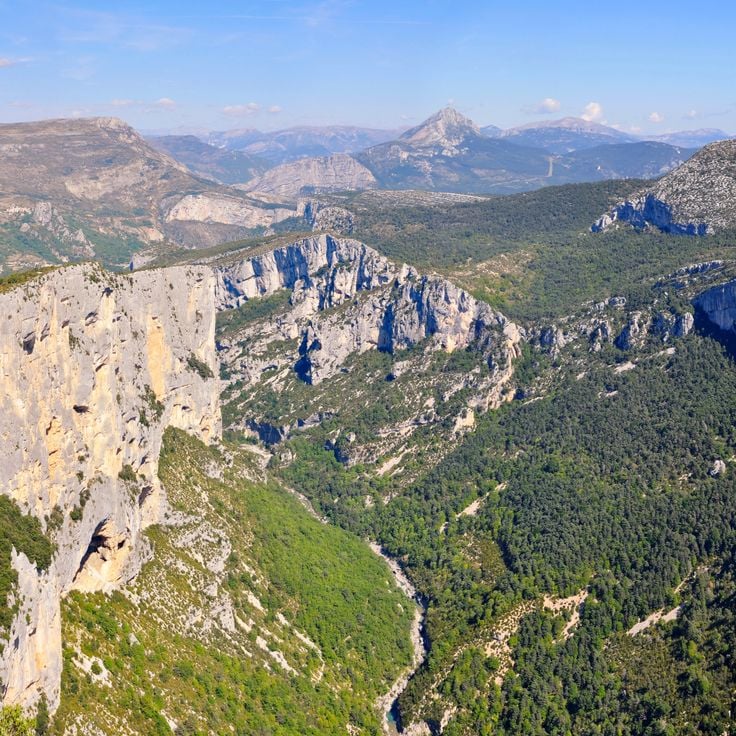
This gorge extends for 16 miles (25 kilometers) through the limestone formations of Alpes-de-Haute-Provence, carved by the Verdon River to depths reaching 2,300 feet (700 meters). The steep walls and turquoise river attract hikers, climbers and kayakers. The area forms part of the French national park system and protects Mediterranean vegetation and birds of prey. Several viewpoints along the rim provide views of the rock formations and the river course below.
Brière Regional Nature Park covers 7,000 hectares (approximately 17,300 acres) of wetlands and ranks as the second largest marsh area in France. This protected area preserves traditional reed-thatched cottages and supports populations of rare bird species. Visitors can explore the marsh by boat and observe waterfowl and other protected wildlife. The vegetation includes reed beds, wet meadows and riparian woodlands. Located near the Atlantic coast, this park complements the network of French national parks and protected natural areas.
This regional nature park in west-central France covers forested hills, meadows and waterways across the historic regions of Périgord and Limousin. The Périgord-Limousin Regional Nature Park protects approximately 180,000 acres (73,000 hectares) of countryside shaped by oak and chestnut forests, river valleys and centuries of agricultural practice. Medieval castles and traditional stone buildings constructed from granite and limestone stand among the woods and meadows, reflecting the region's architectural heritage.
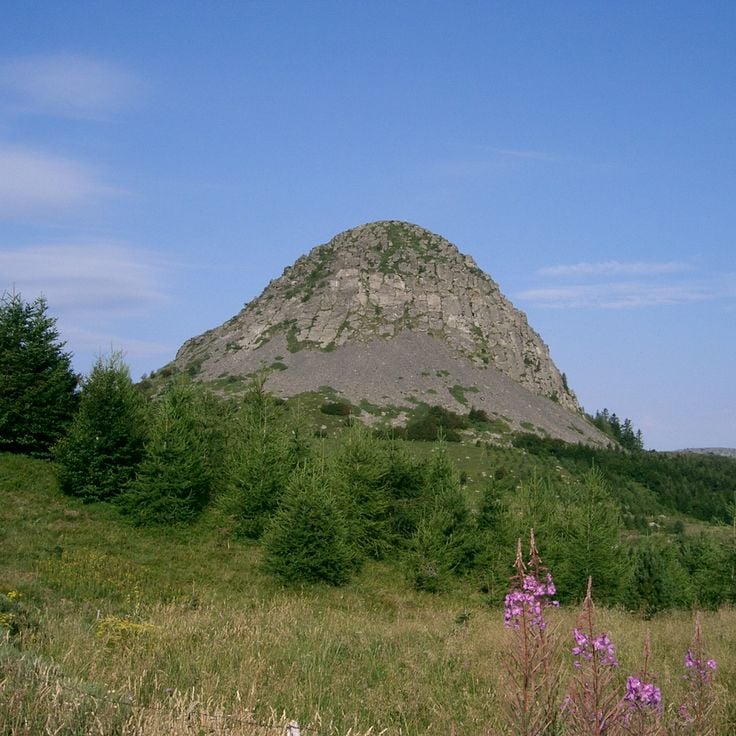
This regional park covers volcanic peaks, granite formations, chestnut forests and terraced slopes with Mediterranean vegetation in the southern reaches of the Massif Central. The landscape combines continental and Mediterranean influences, supporting diverse plant and animal species. Visitors can explore the geological variety on hiking trails, visit historic villages and observe traditional agricultural practices. The Monts d'Ardèche Regional Nature Park protects this distinctive cultural landscape between highland and Mediterranean environments, offering opportunities to understand the relationship between natural features and human settlement patterns in this transitional zone.
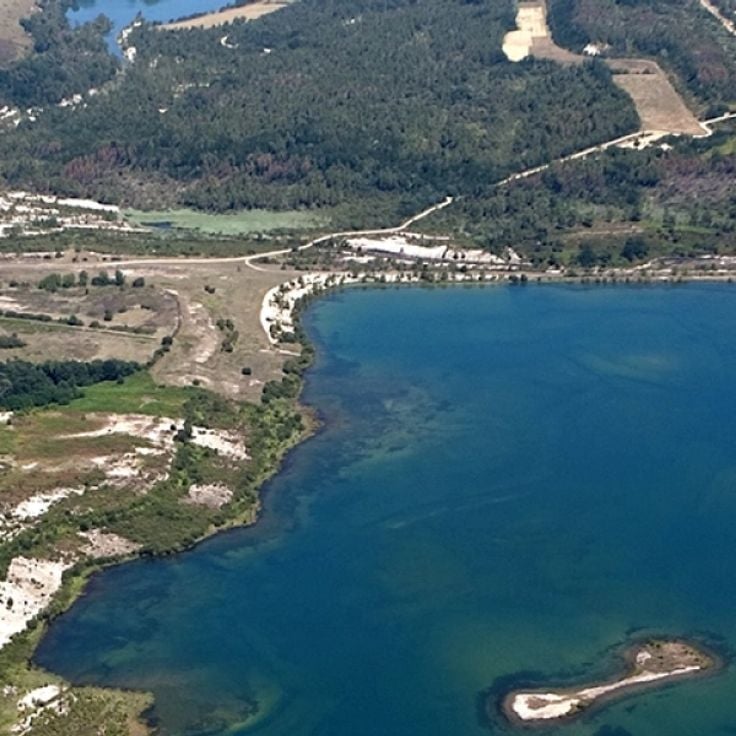
This nature reserve in the Landes protects a lake and wetlands that serve as a wintering ground for cranes and other migratory birds. As part of the French national park system, Arjuzanx preserves an important stopover for numerous bird species that arrive each year from northern Europe. Visitors can observe the migratory birds from October to March, when thousands of cranes rest on the waters and grasslands. The reserve was created on a former open-pit lignite mine that has been restored to nature. Several observation posts allow visitors to see the birds up close without disturbing them.
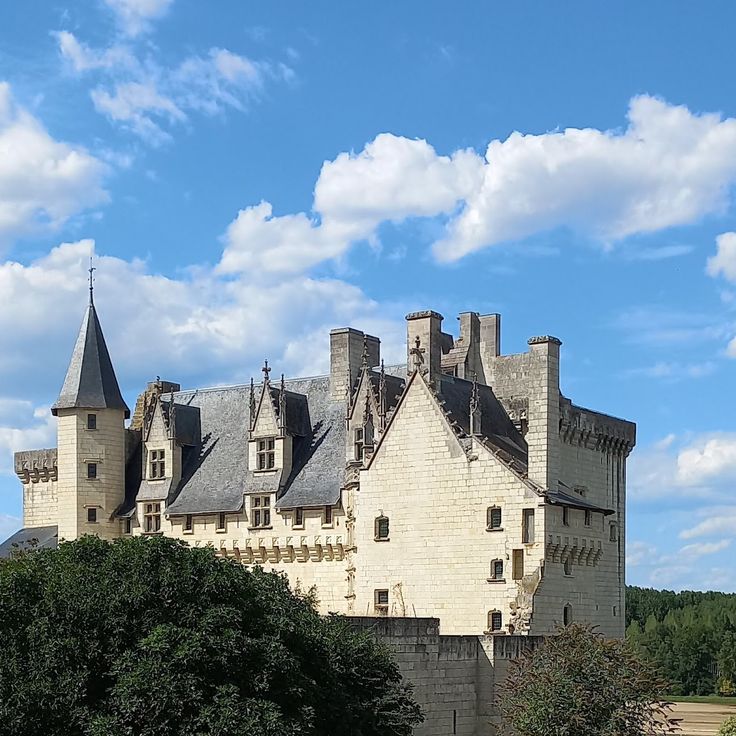
This regional park stretches along the Loire valley, linking centuries-old vineyards with historic châteaux and medieval towns. The landscapes of Loire-Anjou-Touraine Regional Nature Park reflect the connection between nature and cultural history that has shaped this region since the Middle Ages. Visitors can walk along the river, explore traditional villages and discover the architecture typical of the Loire valley, while vineyards and wooded hills form the backdrop.
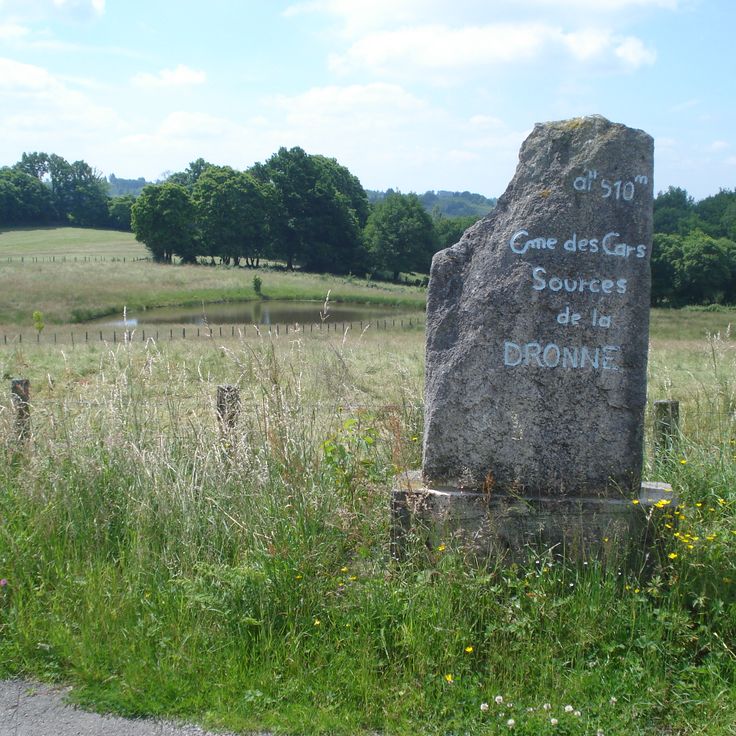
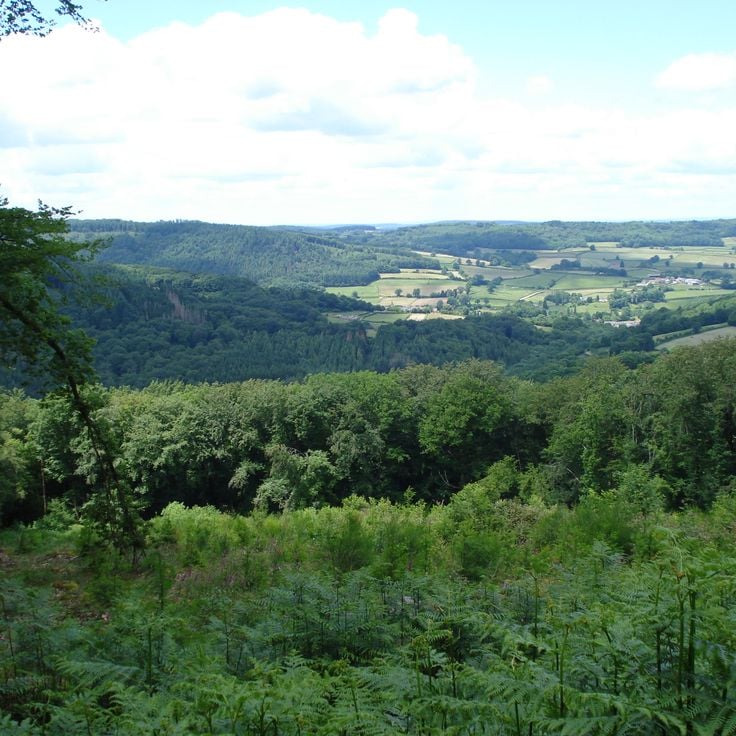
This regional park covers 2,800 square kilometers (1,100 square miles) across parts of Burgundy, encompassing forested granite mountains, lakes and river systems. The landscape supports populations of red deer and other wildlife species. Hiking trails traverse mixed forests and follow waterways through the terrain. The park sits between the foothills of the Massif Central and the Burgundian plains, connecting different ecosystems of the region with characteristic mid-mountain vegetation and traditional land use patterns.
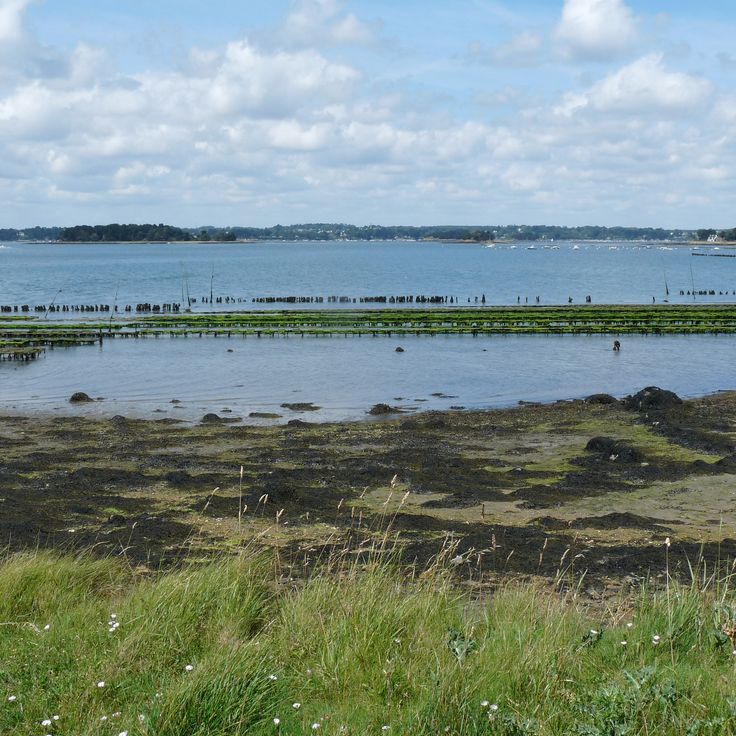
The Golfe du Morbihan Regional Natural Park protects a coastal region with 42 islands and serves as a stopover for migratory birds along the French Atlantic coast. The area spans 93 miles (150 kilometers) of shoreline where oyster farming has been practiced for generations. Visitors can explore the islands by boat, observe birds and learn about traditional oyster cultivation. This park preserves maritime ecosystems and contributes to the conservation of Brittany's coastal landscape.
This regional park extends across limestone plateaus in Quercy and protects underground rivers, caves and sinkholes. The area lies within a designated dark sky reserve that enables clear viewing of the night sky. Hiking trails cross dry grasslands and forests, passing traditional stone structures and abandoned shepherd shelters. The geological formations developed over millions of years through karst water systems. Visitors can explore cave networks and observe various bird species that nest on the plateaus.
The Jura Mountains Regional Natural Park extends across forested mountain ranges reaching up to 5,640 feet (1,720 meters) and contains 32 waterfalls along with numerous alpine lakes. This protected area spans the geological transition zone between Burgundy and the French Jura highlands. Hiking trails access valleys with deciduous forests, while high plateaus provide views across mountain ridges. The landscape features limestone formations shaped by glacial processes that now support populations of chamois and golden eagles.
This regional park occupies a limestone plateau 40 miles (64 kilometers) northwest of Paris and contains open agricultural landscapes, wheat fields and traditional villages with churches dating from the 12th and 13th centuries. The French Vexin Regional Nature Park protects a historic farming region where stone buildings characterize the settlements and expansive fields dominate the topography. Visitors can walk 930 miles (1,500 kilometers) of marked trails through valleys and along riverbanks while discovering Romanesque architecture in over 100 villages. The park serves as an example of sustainable agriculture and preserves the architectural heritage of the Île-de-France region.
This regional park covers more than 300,000 hectares of limestone plateaus ranging from 2,300 to 3,900 feet (700 to 1,200 meters) in elevation and deep river valleys carved by the Tarn and Dourbie rivers. The area is part of France's network of protected natural spaces and preserves the characteristic mid-mountain landscape of the southern Massif Central. Visitors find extensive hiking trails across open high plateaus and through gorges where vultures and other raptors nest. Traditional sheep farming continues to shape the landscape and supplies the milk for the region's Roquefort cheese production.
The Pyrénées Ariégeoises Regional Nature Park sits in the heart of the central Pyrenees and protects alpine landscapes with peaks rising above 9,800 feet (3,000 meters). Mountain forests cover large sections of this park, while valleys between ridges hold villages where traditional mountain architecture remains intact. Prehistoric caves document early human settlement in the region. Hiking trails access different elevations within the park and allow observation of local flora and fauna, including ibex and chamois at higher altitudes.
Mercantour National Park spans the Maritime Alps between alpine valleys and Mediterranean landscapes in the southeastern French Alps. This park supports populations of wolves, ibex and marmots along with over 2,000 plant species. Elevations range from 1,600 feet (490 meters) to 10,300 feet (3,143 meters) at Mont Gélas. Hikers can access prehistoric rock carvings in the Vallée des Merveilles, where more than 40,000 petroglyphs have been documented. The terrain of Mercantour National Park combines alpine peaks with Mediterranean vegetation, offering access to mountain lakes and glacial formations.
Parc National des Écrins protects an alpine high mountain environment in the French Alps with over one hundred peaks exceeding 10,000 feet (3,000 meters). This park covers approximately 285 square miles (740 square kilometers) and preserves glaciers, mountain lakes and alpine meadows as part of the French national park system. The park maintains an extensive network of hiking trails across different elevations and supports observations of ibex, chamois and marmots in their natural habitat. The landscape ranges from forested valleys to rocky high mountain zones.
This national park protects seagrass meadows, coral reefs and Mediterranean fish species across 2000 hectares (roughly 4940 acres) as Europe's first marine national park. Port-Cros belongs to the French national park collection, which preserves natural landscapes from the Alps to the Mediterranean coast. The protected area sits off the Var coast and includes both marine and terrestrial zones. Visitors can explore underwater trails, snorkel and observe the protected marine life. The waters host barracudas, groupers and dolphins.
This park was France's first national park when established in 1963 and now protects over 500 Alpine ibex in the Savoie Alps. Vanoise National Park covers 107 peaks exceeding 10,000 feet (3,000 meters), including the Grande Casse at 12,640 feet (3,855 meters). Hikers follow more than 300 miles (500 kilometers) of marked trails through valleys with larch forests, alpine meadows and glacier zones. The park borders Italy's Gran Paradiso National Park, forming a cross-border protected area.
The Marais Poitevin encompasses 8,000 kilometers (5,000 miles) of waterways threading through grass meadows and poplar groves in western France. This wetland network forms part of a protected landscape where visitors navigate by traditional flat-bottomed boats called barques. The park supports various bird species and amphibians across this floodplain between Vendée and Deux-Sèvres departments. Visitors can paddle through the Green Venice section, observing aquatic vegetation and wildlife along narrow channels. The system connects working farmland with natural habitats managed under regional protection.
This coastal park extends from the Atlantic Ocean to the Monts d'Arrée, offering rocky cliffs, islands and protected areas for various bird species. Armorique Regional Natural Park connects marine and terrestrial ecosystems in Brittany. The landscape includes heathlands, forests and tidal zones. Visitors can hike along coastal trails, observe bird populations and explore geological formations. The park protects approximately 309,000 acres (125,000 hectares) of natural habitats and combines traditional Breton culture with conservation efforts.
Ballons des Vosges Nature Park covers the rounded summits of the Vosges Mountains and offers more than 3100 miles (5000 kilometers) of marked hiking trails through extensive conifer forests. The high elevations reach up to 4675 feet (1424 meters) and contain over 20 glacial lakes formed during the last ice age. The park protects deciduous forests, peat bogs and alpine meadows that provide habitat for chamois, capercaillie and various birds of prey. Visitors can explore the traditional high pastures where Munster cheese has been produced for centuries. This park connects the natural landscapes of French national parks with the cultural heritage of the region and sits roughly 62 miles (100 kilometers) west of Strasbourg.
This regional natural park spans the hills of Provence and includes extensive lavender fields, stone villages and Mediterranean forests in the valleys. As part of the French national parks system, Luberon protects a characteristic cultural landscape where traditional villages like Gordes and Roussillon sit among vineyards and olive groves. Visitors can hike marked trails through oak forests, experience the lavender bloom in summer and explore the Provençal architecture. The park supports various bird species and Mediterranean plant communities adapted to the dry climate.
This regional park combines Mediterranean and Atlantic influences across 260,000 acres (105,000 hectares) of varied terrain in the Massif Central. The landscape includes vineyards on southern slopes, granite outcrops shaped by erosion over millions of years, and extensive chestnut forests that once formed the economic backbone of local communities. Wildlife includes mouflon sheep, raptors and several species of woodpeckers. Visitors can explore the park through hiking trails that cross high plateaus and forested valleys, offering access to traditional villages and natural features that reflect the transition between different climate zones.
Pilat Natural Regional Park covers mountain meadows, pine forests and moorlands across the Rhône-Alpes region. This protected area is home to 1200 plant species and 150 bird species. Visitors can explore marked hiking trails through different vegetation zones and observe wildlife throughout the seasons. The park sits between the Rhône Valley and the Massif Central, offering views across surrounding mountain ranges. Elevations range from roughly 1300 feet to 4600 feet (400 to 1400 meters), creating varied habitats. Park rangers lead guided tours that provide insight into local flora and fauna.
The coastal area of Narbonne within the Mediterranean Regional Natural Park includes lagoons and salt meadows that provide habitat for flamingos, herons and terns. This zone lies between the foothills of the Corbières and the Mediterranean Sea, forming an important part of France's national parks and protected areas. Visitors can watch birds, hike marked trails through the wetlands and study how flora and fauna adapt to saline soils. The Bages-Sigean lagoon and neighboring water bodies attract migratory birds year-round and serve as nesting grounds for several species.
Queyras Natural Park sits in the southern French Alps and preserves a mountain landscape between 3,300 and 9,800 feet (1,000 and 3,000 meters) in elevation. The area encompasses alpine valleys, pine forests and high-altitude meadows. Traditional villages built from stone and wood spread across the slopes, while medieval fortresses at strategic points document the region's historical importance. The park provides hiking trails through different elevation zones and allows observation of alpine flora and fauna. This protected zone belongs to the French national parks system that preserves mountain ecosystems and cultural heritage across the Alps.
This national park extends across granite mountains, limestone plateaus and gorges with more than 250 miles (400 kilometers) of marked hiking trails. Cévennes National Park preserves Mediterranean and Atlantic ecosystems where visitors can walk through dense chestnut forests, across high plateaus and along deep valleys. The landscape shifts between wooded slopes and open highlands, cut through by rivers that have carved through limestone formations. The park supports European mouflon, golden eagles and numerous plant species adapted to the rugged climate. The extensive trail network connects traditional stone villages with remote plateaus and valleys.
Volcans d'Auvergne Regional Nature Park protects one of Europe's largest volcanic landscapes, containing 80 extinct volcanoes across roughly 1 million acres in the Massif Central. The volcanic cones, crater lakes and thermal springs formed through volcanic activity that ceased about 7,000 years ago. Hiking trails lead to prominent peaks including Puy de Dôme and Puy de Sancy. The park preserves mountain pastures, beech forests and moorlands supporting adapted plant and animal species. Traditional farming and cheese production continue in the inhabited valleys between volcanic hills.
This wetland park protects the Rhône delta ecosystem with salt marshes, rice fields and shallow lagoons. The park hosts more than 400 bird species, including flamingos that nest in the brackish waters during spring and summer. White Camargue horses and black bulls graze in the salt meadows, managed by traditional ranchers known as manadiers. Visitors can walk marked trails through the marshes, observe migratory birds from wooden hides and explore working ranches that continue centuries-old livestock traditions.
This park sits on the boundary between Normandy and Pays de la Loire, offering a landscape of forest, moorland and river valleys. The Normandie-Maine contains more than 1,000 plant species and approximately 250 animal species across its varied habitats. Hiking trails wind through wooded hills and lead to areas where visitors can observe birds and explore the regional flora. As part of the French network of regional natural parks, this protected area preserves the natural features of a region that shifts between forests, wetlands and rural communities.
The Calanques National Park extends across 520 square miles (1,350 square kilometers) between Marseille and Cassis, protecting a Mediterranean coastal landscape of steep limestone cliffs rising up to 1,300 feet (400 meters). This park encompasses both land and sea areas, preserving Mediterranean vegetation including Aleppo pines, holm oaks and scrubland. The park maintains a network of hiking trails that lead to deep inlets carved into the rock faces. Visitors can hike, swim, climb and explore the geological formations that developed over millions of years. The park's waters support coral formations, grouper fish and various Mediterranean species.
This gorge extends for 16 miles (25 kilometers) through the limestone formations of Alpes-de-Haute-Provence, carved by the Verdon River to depths reaching 2,300 feet (700 meters). The steep walls and turquoise river attract hikers, climbers and kayakers. The area forms part of the French national park system and protects Mediterranean vegetation and birds of prey. Several viewpoints along the rim provide views of the rock formations and the river course below.
Brière Regional Nature Park covers 7,000 hectares (approximately 17,300 acres) of wetlands and ranks as the second largest marsh area in France. This protected area preserves traditional reed-thatched cottages and supports populations of rare bird species. Visitors can explore the marsh by boat and observe waterfowl and other protected wildlife. The vegetation includes reed beds, wet meadows and riparian woodlands. Located near the Atlantic coast, this park complements the network of French national parks and protected natural areas.
This regional nature park in west-central France covers forested hills, meadows and waterways across the historic regions of Périgord and Limousin. The Périgord-Limousin Regional Nature Park protects approximately 180,000 acres (73,000 hectares) of countryside shaped by oak and chestnut forests, river valleys and centuries of agricultural practice. Medieval castles and traditional stone buildings constructed from granite and limestone stand among the woods and meadows, reflecting the region's architectural heritage.
This regional park covers volcanic peaks, granite formations, chestnut forests and terraced slopes with Mediterranean vegetation in the southern reaches of the Massif Central. The landscape combines continental and Mediterranean influences, supporting diverse plant and animal species. Visitors can explore the geological variety on hiking trails, visit historic villages and observe traditional agricultural practices. The Monts d'Ardèche Regional Nature Park protects this distinctive cultural landscape between highland and Mediterranean environments, offering opportunities to understand the relationship between natural features and human settlement patterns in this transitional zone.
This nature reserve in the Landes protects a lake and wetlands that serve as a wintering ground for cranes and other migratory birds. As part of the French national park system, Arjuzanx preserves an important stopover for numerous bird species that arrive each year from northern Europe. Visitors can observe the migratory birds from October to March, when thousands of cranes rest on the waters and grasslands. The reserve was created on a former open-pit lignite mine that has been restored to nature. Several observation posts allow visitors to see the birds up close without disturbing them.
This regional park stretches along the Loire valley, linking centuries-old vineyards with historic châteaux and medieval towns. The landscapes of Loire-Anjou-Touraine Regional Nature Park reflect the connection between nature and cultural history that has shaped this region since the Middle Ages. Visitors can walk along the river, explore traditional villages and discover the architecture typical of the Loire valley, while vineyards and wooded hills form the backdrop.
This regional park covers 2,800 square kilometers (1,100 square miles) across parts of Burgundy, encompassing forested granite mountains, lakes and river systems. The landscape supports populations of red deer and other wildlife species. Hiking trails traverse mixed forests and follow waterways through the terrain. The park sits between the foothills of the Massif Central and the Burgundian plains, connecting different ecosystems of the region with characteristic mid-mountain vegetation and traditional land use patterns.
The Golfe du Morbihan Regional Natural Park protects a coastal region with 42 islands and serves as a stopover for migratory birds along the French Atlantic coast. The area spans 93 miles (150 kilometers) of shoreline where oyster farming has been practiced for generations. Visitors can explore the islands by boat, observe birds and learn about traditional oyster cultivation. This park preserves maritime ecosystems and contributes to the conservation of Brittany's coastal landscape.
This regional park extends across limestone plateaus in Quercy and protects underground rivers, caves and sinkholes. The area lies within a designated dark sky reserve that enables clear viewing of the night sky. Hiking trails cross dry grasslands and forests, passing traditional stone structures and abandoned shepherd shelters. The geological formations developed over millions of years through karst water systems. Visitors can explore cave networks and observe various bird species that nest on the plateaus.
The Jura Mountains Regional Natural Park extends across forested mountain ranges reaching up to 5,640 feet (1,720 meters) and contains 32 waterfalls along with numerous alpine lakes. This protected area spans the geological transition zone between Burgundy and the French Jura highlands. Hiking trails access valleys with deciduous forests, while high plateaus provide views across mountain ridges. The landscape features limestone formations shaped by glacial processes that now support populations of chamois and golden eagles.
This regional park occupies a limestone plateau 40 miles (64 kilometers) northwest of Paris and contains open agricultural landscapes, wheat fields and traditional villages with churches dating from the 12th and 13th centuries. The French Vexin Regional Nature Park protects a historic farming region where stone buildings characterize the settlements and expansive fields dominate the topography. Visitors can walk 930 miles (1,500 kilometers) of marked trails through valleys and along riverbanks while discovering Romanesque architecture in over 100 villages. The park serves as an example of sustainable agriculture and preserves the architectural heritage of the Île-de-France region.
This regional park covers more than 300,000 hectares of limestone plateaus ranging from 2,300 to 3,900 feet (700 to 1,200 meters) in elevation and deep river valleys carved by the Tarn and Dourbie rivers. The area is part of France's network of protected natural spaces and preserves the characteristic mid-mountain landscape of the southern Massif Central. Visitors find extensive hiking trails across open high plateaus and through gorges where vultures and other raptors nest. Traditional sheep farming continues to shape the landscape and supplies the milk for the region's Roquefort cheese production.
The Pyrénées Ariégeoises Regional Nature Park sits in the heart of the central Pyrenees and protects alpine landscapes with peaks rising above 9,800 feet (3,000 meters). Mountain forests cover large sections of this park, while valleys between ridges hold villages where traditional mountain architecture remains intact. Prehistoric caves document early human settlement in the region. Hiking trails access different elevations within the park and allow observation of local flora and fauna, including ibex and chamois at higher altitudes.
Mercantour National Park spans the Maritime Alps between alpine valleys and Mediterranean landscapes in the southeastern French Alps. This park supports populations of wolves, ibex and marmots along with over 2,000 plant species. Elevations range from 1,600 feet (490 meters) to 10,300 feet (3,143 meters) at Mont Gélas. Hikers can access prehistoric rock carvings in the Vallée des Merveilles, where more than 40,000 petroglyphs have been documented. The terrain of Mercantour National Park combines alpine peaks with Mediterranean vegetation, offering access to mountain lakes and glacial formations.
Parc National des Écrins protects an alpine high mountain environment in the French Alps with over one hundred peaks exceeding 10,000 feet (3,000 meters). This park covers approximately 285 square miles (740 square kilometers) and preserves glaciers, mountain lakes and alpine meadows as part of the French national park system. The park maintains an extensive network of hiking trails across different elevations and supports observations of ibex, chamois and marmots in their natural habitat. The landscape ranges from forested valleys to rocky high mountain zones.
This national park protects seagrass meadows, coral reefs and Mediterranean fish species across 2000 hectares (roughly 4940 acres) as Europe's first marine national park. Port-Cros belongs to the French national park collection, which preserves natural landscapes from the Alps to the Mediterranean coast. The protected area sits off the Var coast and includes both marine and terrestrial zones. Visitors can explore underwater trails, snorkel and observe the protected marine life. The waters host barracudas, groupers and dolphins.
This park was France's first national park when established in 1963 and now protects over 500 Alpine ibex in the Savoie Alps. Vanoise National Park covers 107 peaks exceeding 10,000 feet (3,000 meters), including the Grande Casse at 12,640 feet (3,855 meters). Hikers follow more than 300 miles (500 kilometers) of marked trails through valleys with larch forests, alpine meadows and glacier zones. The park borders Italy's Gran Paradiso National Park, forming a cross-border protected area.
The Marais Poitevin encompasses 8,000 kilometers (5,000 miles) of waterways threading through grass meadows and poplar groves in western France. This wetland network forms part of a protected landscape where visitors navigate by traditional flat-bottomed boats called barques. The park supports various bird species and amphibians across this floodplain between Vendée and Deux-Sèvres departments. Visitors can paddle through the Green Venice section, observing aquatic vegetation and wildlife along narrow channels. The system connects working farmland with natural habitats managed under regional protection.
This coastal park extends from the Atlantic Ocean to the Monts d'Arrée, offering rocky cliffs, islands and protected areas for various bird species. Armorique Regional Natural Park connects marine and terrestrial ecosystems in Brittany. The landscape includes heathlands, forests and tidal zones. Visitors can hike along coastal trails, observe bird populations and explore geological formations. The park protects approximately 309,000 acres (125,000 hectares) of natural habitats and combines traditional Breton culture with conservation efforts.
Ballons des Vosges Nature Park covers the rounded summits of the Vosges Mountains and offers more than 3100 miles (5000 kilometers) of marked hiking trails through extensive conifer forests. The high elevations reach up to 4675 feet (1424 meters) and contain over 20 glacial lakes formed during the last ice age. The park protects deciduous forests, peat bogs and alpine meadows that provide habitat for chamois, capercaillie and various birds of prey. Visitors can explore the traditional high pastures where Munster cheese has been produced for centuries. This park connects the natural landscapes of French national parks with the cultural heritage of the region and sits roughly 62 miles (100 kilometers) west of Strasbourg.
This regional natural park spans the hills of Provence and includes extensive lavender fields, stone villages and Mediterranean forests in the valleys. As part of the French national parks system, Luberon protects a characteristic cultural landscape where traditional villages like Gordes and Roussillon sit among vineyards and olive groves. Visitors can hike marked trails through oak forests, experience the lavender bloom in summer and explore the Provençal architecture. The park supports various bird species and Mediterranean plant communities adapted to the dry climate.
This regional park combines Mediterranean and Atlantic influences across 260,000 acres (105,000 hectares) of varied terrain in the Massif Central. The landscape includes vineyards on southern slopes, granite outcrops shaped by erosion over millions of years, and extensive chestnut forests that once formed the economic backbone of local communities. Wildlife includes mouflon sheep, raptors and several species of woodpeckers. Visitors can explore the park through hiking trails that cross high plateaus and forested valleys, offering access to traditional villages and natural features that reflect the transition between different climate zones.
Pilat Natural Regional Park covers mountain meadows, pine forests and moorlands across the Rhône-Alpes region. This protected area is home to 1200 plant species and 150 bird species. Visitors can explore marked hiking trails through different vegetation zones and observe wildlife throughout the seasons. The park sits between the Rhône Valley and the Massif Central, offering views across surrounding mountain ranges. Elevations range from roughly 1300 feet to 4600 feet (400 to 1400 meters), creating varied habitats. Park rangers lead guided tours that provide insight into local flora and fauna.
The coastal area of Narbonne within the Mediterranean Regional Natural Park includes lagoons and salt meadows that provide habitat for flamingos, herons and terns. This zone lies between the foothills of the Corbières and the Mediterranean Sea, forming an important part of France's national parks and protected areas. Visitors can watch birds, hike marked trails through the wetlands and study how flora and fauna adapt to saline soils. The Bages-Sigean lagoon and neighboring water bodies attract migratory birds year-round and serve as nesting grounds for several species.
Queyras Natural Park sits in the southern French Alps and preserves a mountain landscape between 3,300 and 9,800 feet (1,000 and 3,000 meters) in elevation. The area encompasses alpine valleys, pine forests and high-altitude meadows. Traditional villages built from stone and wood spread across the slopes, while medieval fortresses at strategic points document the region's historical importance. The park provides hiking trails through different elevation zones and allows observation of alpine flora and fauna. This protected zone belongs to the French national parks system that preserves mountain ecosystems and cultural heritage across the Alps.
This national park extends across granite mountains, limestone plateaus and gorges with more than 250 miles (400 kilometers) of marked hiking trails. Cévennes National Park preserves Mediterranean and Atlantic ecosystems where visitors can walk through dense chestnut forests, across high plateaus and along deep valleys. The landscape shifts between wooded slopes and open highlands, cut through by rivers that have carved through limestone formations. The park supports European mouflon, golden eagles and numerous plant species adapted to the rugged climate. The extensive trail network connects traditional stone villages with remote plateaus and valleys.
Volcans d'Auvergne Regional Nature Park protects one of Europe's largest volcanic landscapes, containing 80 extinct volcanoes across roughly 1 million acres in the Massif Central. The volcanic cones, crater lakes and thermal springs formed through volcanic activity that ceased about 7,000 years ago. Hiking trails lead to prominent peaks including Puy de Dôme and Puy de Sancy. The park preserves mountain pastures, beech forests and moorlands supporting adapted plant and animal species. Traditional farming and cheese production continue in the inhabited valleys between volcanic hills.
This wetland park protects the Rhône delta ecosystem with salt marshes, rice fields and shallow lagoons. The park hosts more than 400 bird species, including flamingos that nest in the brackish waters during spring and summer. White Camargue horses and black bulls graze in the salt meadows, managed by traditional ranchers known as manadiers. Visitors can walk marked trails through the marshes, observe migratory birds from wooden hides and explore working ranches that continue centuries-old livestock traditions.
This park sits on the boundary between Normandy and Pays de la Loire, offering a landscape of forest, moorland and river valleys. The Normandie-Maine contains more than 1,000 plant species and approximately 250 animal species across its varied habitats. Hiking trails wind through wooded hills and lead to areas where visitors can observe birds and explore the regional flora. As part of the French network of regional natural parks, this protected area preserves the natural features of a region that shifts between forests, wetlands and rural communities.
The Calanques National Park extends across 520 square miles (1,350 square kilometers) between Marseille and Cassis, protecting a Mediterranean coastal landscape of steep limestone cliffs rising up to 1,300 feet (400 meters). This park encompasses both land and sea areas, preserving Mediterranean vegetation including Aleppo pines, holm oaks and scrubland. The park maintains a network of hiking trails that lead to deep inlets carved into the rock faces. Visitors can hike, swim, climb and explore the geological formations that developed over millions of years. The park's waters support coral formations, grouper fish and various Mediterranean species.
This gorge extends for 16 miles (25 kilometers) through the limestone formations of Alpes-de-Haute-Provence, carved by the Verdon River to depths reaching 2,300 feet (700 meters). The steep walls and turquoise river attract hikers, climbers and kayakers. The area forms part of the French national park system and protects Mediterranean vegetation and birds of prey. Several viewpoints along the rim provide views of the rock formations and the river course below.
Brière Regional Nature Park covers 7,000 hectares (approximately 17,300 acres) of wetlands and ranks as the second largest marsh area in France. This protected area preserves traditional reed-thatched cottages and supports populations of rare bird species. Visitors can explore the marsh by boat and observe waterfowl and other protected wildlife. The vegetation includes reed beds, wet meadows and riparian woodlands. Located near the Atlantic coast, this park complements the network of French national parks and protected natural areas.
This regional nature park in west-central France covers forested hills, meadows and waterways across the historic regions of Périgord and Limousin. The Périgord-Limousin Regional Nature Park protects approximately 180,000 acres (73,000 hectares) of countryside shaped by oak and chestnut forests, river valleys and centuries of agricultural practice. Medieval castles and traditional stone buildings constructed from granite and limestone stand among the woods and meadows, reflecting the region's architectural heritage.
This regional park covers volcanic peaks, granite formations, chestnut forests and terraced slopes with Mediterranean vegetation in the southern reaches of the Massif Central. The landscape combines continental and Mediterranean influences, supporting diverse plant and animal species. Visitors can explore the geological variety on hiking trails, visit historic villages and observe traditional agricultural practices. The Monts d'Ardèche Regional Nature Park protects this distinctive cultural landscape between highland and Mediterranean environments, offering opportunities to understand the relationship between natural features and human settlement patterns in this transitional zone.
This nature reserve in the Landes protects a lake and wetlands that serve as a wintering ground for cranes and other migratory birds. As part of the French national park system, Arjuzanx preserves an important stopover for numerous bird species that arrive each year from northern Europe. Visitors can observe the migratory birds from October to March, when thousands of cranes rest on the waters and grasslands. The reserve was created on a former open-pit lignite mine that has been restored to nature. Several observation posts allow visitors to see the birds up close without disturbing them.
This regional park stretches along the Loire valley, linking centuries-old vineyards with historic châteaux and medieval towns. The landscapes of Loire-Anjou-Touraine Regional Nature Park reflect the connection between nature and cultural history that has shaped this region since the Middle Ages. Visitors can walk along the river, explore traditional villages and discover the architecture typical of the Loire valley, while vineyards and wooded hills form the backdrop.
This regional park covers 2,800 square kilometers (1,100 square miles) across parts of Burgundy, encompassing forested granite mountains, lakes and river systems. The landscape supports populations of red deer and other wildlife species. Hiking trails traverse mixed forests and follow waterways through the terrain. The park sits between the foothills of the Massif Central and the Burgundian plains, connecting different ecosystems of the region with characteristic mid-mountain vegetation and traditional land use patterns.
The Golfe du Morbihan Regional Natural Park protects a coastal region with 42 islands and serves as a stopover for migratory birds along the French Atlantic coast. The area spans 93 miles (150 kilometers) of shoreline where oyster farming has been practiced for generations. Visitors can explore the islands by boat, observe birds and learn about traditional oyster cultivation. This park preserves maritime ecosystems and contributes to the conservation of Brittany's coastal landscape.
This regional park extends across limestone plateaus in Quercy and protects underground rivers, caves and sinkholes. The area lies within a designated dark sky reserve that enables clear viewing of the night sky. Hiking trails cross dry grasslands and forests, passing traditional stone structures and abandoned shepherd shelters. The geological formations developed over millions of years through karst water systems. Visitors can explore cave networks and observe various bird species that nest on the plateaus.
The Jura Mountains Regional Natural Park extends across forested mountain ranges reaching up to 5,640 feet (1,720 meters) and contains 32 waterfalls along with numerous alpine lakes. This protected area spans the geological transition zone between Burgundy and the French Jura highlands. Hiking trails access valleys with deciduous forests, while high plateaus provide views across mountain ridges. The landscape features limestone formations shaped by glacial processes that now support populations of chamois and golden eagles.
This regional park occupies a limestone plateau 40 miles (64 kilometers) northwest of Paris and contains open agricultural landscapes, wheat fields and traditional villages with churches dating from the 12th and 13th centuries. The French Vexin Regional Nature Park protects a historic farming region where stone buildings characterize the settlements and expansive fields dominate the topography. Visitors can walk 930 miles (1,500 kilometers) of marked trails through valleys and along riverbanks while discovering Romanesque architecture in over 100 villages. The park serves as an example of sustainable agriculture and preserves the architectural heritage of the Île-de-France region.
This regional park covers more than 300,000 hectares of limestone plateaus ranging from 2,300 to 3,900 feet (700 to 1,200 meters) in elevation and deep river valleys carved by the Tarn and Dourbie rivers. The area is part of France's network of protected natural spaces and preserves the characteristic mid-mountain landscape of the southern Massif Central. Visitors find extensive hiking trails across open high plateaus and through gorges where vultures and other raptors nest. Traditional sheep farming continues to shape the landscape and supplies the milk for the region's Roquefort cheese production.
The Pyrénées Ariégeoises Regional Nature Park sits in the heart of the central Pyrenees and protects alpine landscapes with peaks rising above 9,800 feet (3,000 meters). Mountain forests cover large sections of this park, while valleys between ridges hold villages where traditional mountain architecture remains intact. Prehistoric caves document early human settlement in the region. Hiking trails access different elevations within the park and allow observation of local flora and fauna, including ibex and chamois at higher altitudes.
Follow the rules in each park: do not pick plants, make noise, or walk off the paths. These limits protect the animals and plants you came to see.