Brière Regional Natural Park, Regional natural park in Loire-Atlantique, France.
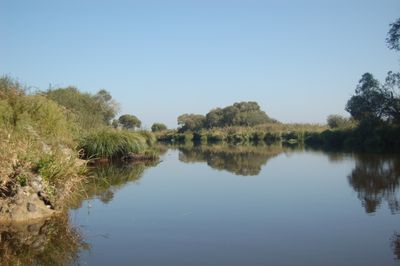
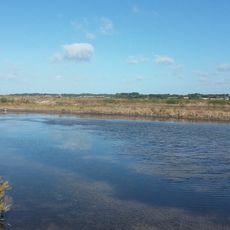
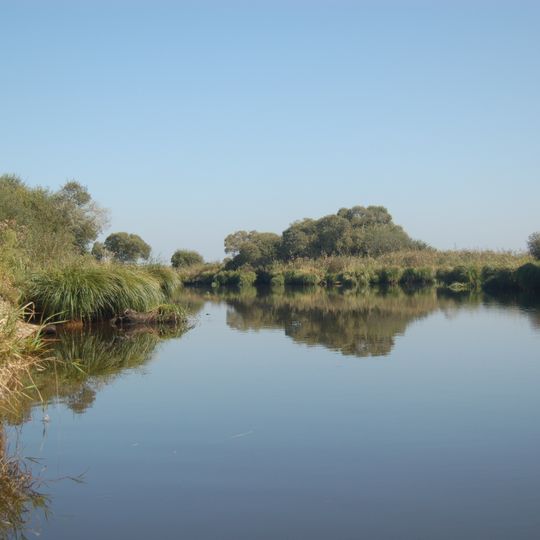
Brière Regional Natural Park is a large wetland area in Loire-Atlantique characterized by a network of interconnected channels and peaty soils, dotted with seven islands. These islands and surrounding areas contain traditional houses with thatched roofs that define the visual character of the place.
The park was created on 16 October 1970, making it one of the smaller French regional natural parks at 54,800 hectares. Its core, the Grande Brière, was recognised as a Ramsar wetland on 1 February 1995. In 2025 UNESCO designated the wider marsh area between the Loire and the Vilaine as a biosphere reserve.
Local residents practice traditional ways of life tied to the water, such as steering flat-bottomed boats through channels and gathering reeds for roofing material. These customs remain visible in daily life and shape the character of the settlements, where people continue working by ancestral methods.
Visitors can best explore the area by boat, with trips departing from Rozé Port, and an observation tower offers sweeping views across the wetlands. The flat terrain and water network allow different routes depending on your interests and available time to discover the landscape.
The park's 3,000 thatched roofs make Brière the part of France with the highest density of chaumières, reed-roofed cottages. Reeds cut in the marshes are still used to cover them, a craft tied to the wetland itself.
The community of curious travelers
AroundUs brings together thousands of curated places, local tips, and hidden gems, enriched daily by 93,377 contributors worldwide.