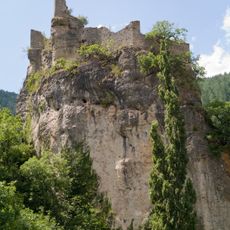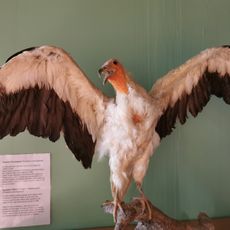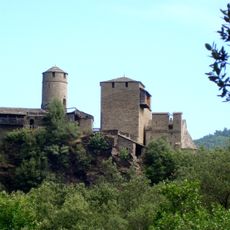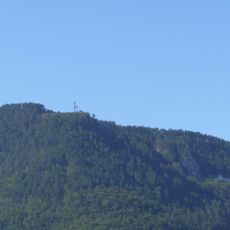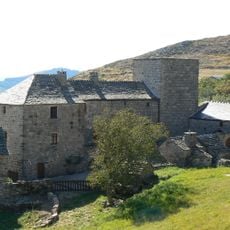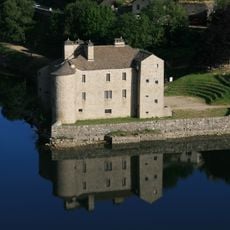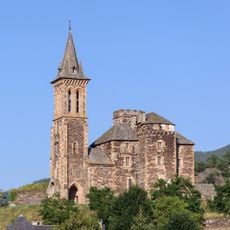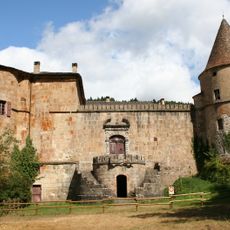
Cévennes National Park, National park in Southern France
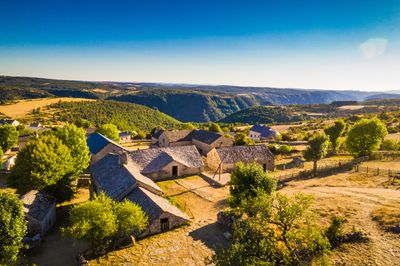
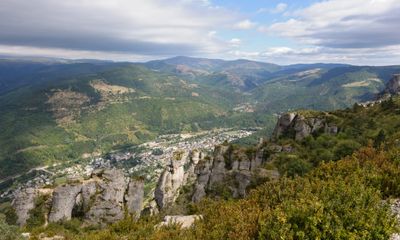
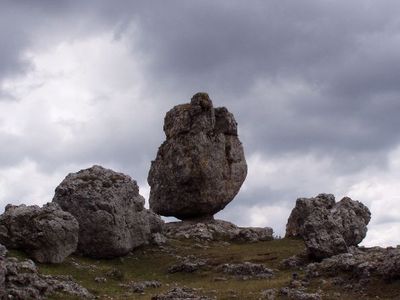
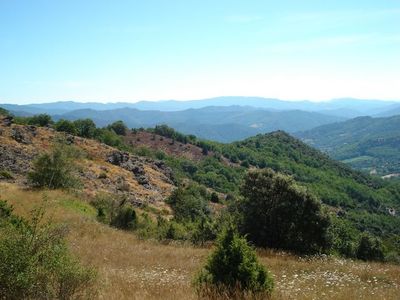
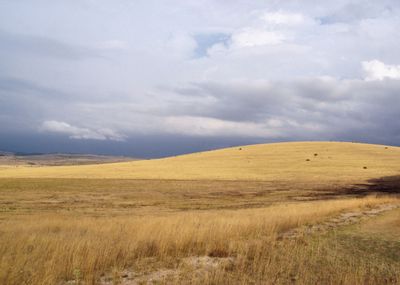
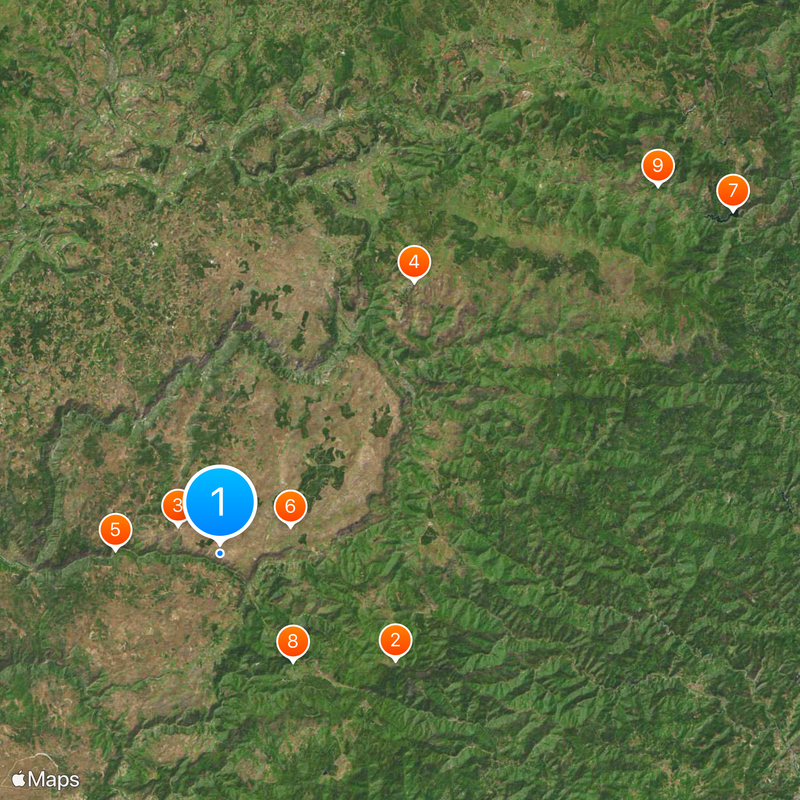
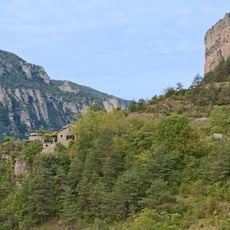
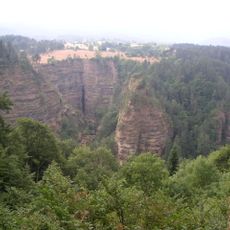
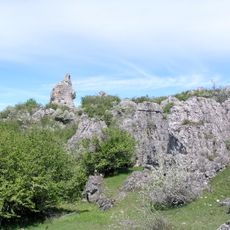
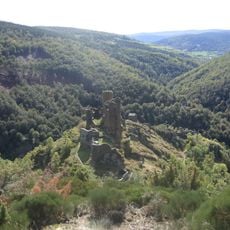
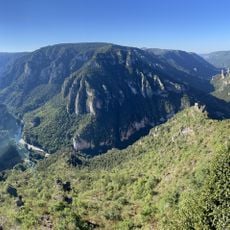
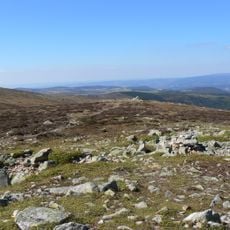
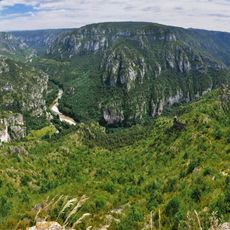
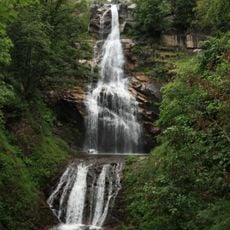
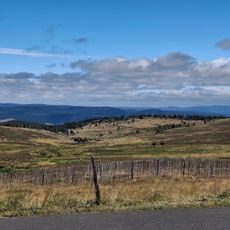
Cévennes National Park is a protected area in southern France covering forested mountains, limestone plateaus, and deep valleys carved by rivers. The terrain shifts between dense chestnut forests, open grazing lands, and rocky ridges crossed by streams.
This protected area was founded on September 2, 1970, with its headquarters placed inside Florac Castle. In 2011, UNESCO recognized the region as a World Heritage site for preserving traditional farming methods.
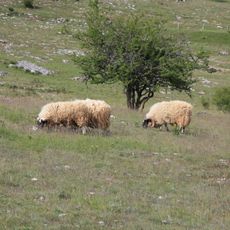
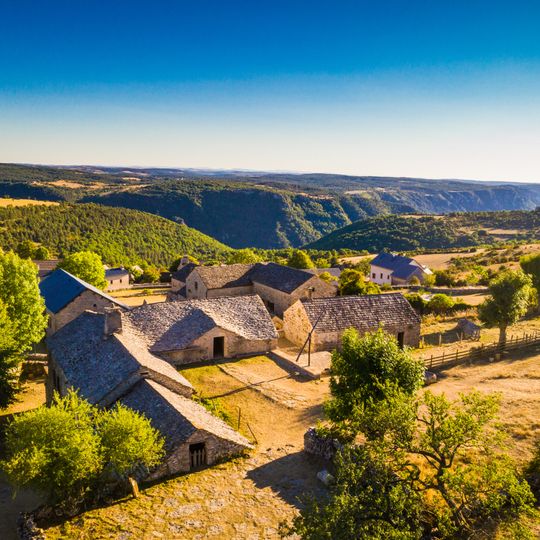
The region lives through the work of shepherds and farmers, whose daily rhythms follow the seasons and the movement of livestock. The stone walls and dry paths show how people shaped the land across generations without machines.
The information center in Florac offers maps and advice on trails that vary depending on the season and weather conditions. The southern paths are most comfortable in spring and autumn, while the higher elevations open up better in summer.
Mont Lozère reaches 1,699 meters (5,574 feet) and serves as the highest point in the reserve, offering views toward both the Mediterranean Sea and the mountains of central France on clear days. The area is also one of the few officially recognized dark sky reserves in Europe, where the night sky remains visible without artificial interference.
Location: Florac-Trois-Rivières
Inception: September 2, 1970
Capital city: Château de Florac
Part of: The Causses and the Cévennes, Mediterranean agro-pastoral Cultural Landscape
Website: https://cevennes-parcnational.fr
GPS coordinates: 44.20000,3.40000
Latest update: December 5, 2025 22:25
Photo license: CC BY-SA 4.0
France features a notable variety of protected natural areas, showcasing the country’s geological and ecological richness. From Lake Allos in the Alpes-de-Haute-Provence to the underground rivers of Padirac in Dordogne, from the mountain ranges of Savoy to the limestone formations of the Ardèche gorges, each region displays landscapes shaped over millennia of natural evolution. This collection gathers sites where nature is expressed freely: primary forests, karst systems, high-altitude lakes, moving dunes of the Atlantic coast, and rock formations carved by erosion. These areas provide diverse ecosystems, home to species adapted to different environments, from Alpine flora and fauna to dune communities and underground cave biodiversity. Each natural site in this selection serves as an open-air laboratory where geological processes, ecosystem dynamics, and living adaptation to local conditions can be observed. These sites invite discovery of authentic landscapes, removed from human impact, where geological time is evident in every rock formation and glacier valley.
France protects some of Europe's most varied natural landscapes through a network of national and regional parks. These areas range from snow-capped mountains to Mediterranean shores, each offering something distinct to visitors. You can find alpine peaks that touch the sky, glaciers that have carved valleys over thousands of years, and underwater paths along protected islands where fish swim in clear water. The parks also preserve volcanic terrain in the Massif Central, where ancient eruptions shaped the land into dramatic peaks and crater lakes. Vast wetlands dotted with thousands of ponds provide refuge for hundreds of bird species, while coastal regions hold lagoons and salt marshes that support specialized plant and animal life. Walking through these protected areas, you encounter wildlife that has returned or survived here for centuries. Mountain ibex graze on rocky slopes, chamois leap across steep terrain, and marmots whistle from their burrows. Eagles circle overhead while lynx roam the forests below. The land itself tells stories of human settlement and tradition. Traditional farms still operate in many regions, maintaining farming methods passed down through generations. Small villages with stone buildings and church spires sit nestled in valleys and mountain passes, their residents living much as their ancestors did. For those who want to explore, each park offers well-marked trails suited to different abilities and interests. You can spend a few hours on a gentle walk through moorland or commit to a multi-day trek through high mountain terrain, stopping at refuges along the way. Historic villages dot the routes, offering places to rest and eat local food. Whether you seek solitude in nature, wildlife watching, or a connection to how people have lived in these landscapes for centuries, France's protected areas deliver experiences that feel both wild and deeply rooted in human history.
France maintains eleven national parks and dozens of regional nature parks that protect diverse landscapes from the Mediterranean coast to the Alps. The protected areas preserve mountains, coastlines, wetlands, volcanic formations and forests. They provide habitat for various wildlife and plant species while offering opportunities for hiking, birdwatching and other outdoor activities. The Parc National des Écrins and Vanoise National Park lie in the French Alps, featuring alpine terrain with glaciers and mountain lakes. Mercantour National Park stretches from the Maritime Alps to the Mediterranean coast. Calanques National Park near Marseille protects limestone cliffs and inlets. Cévennes National Park in Occitanie encompasses forested mountains and plateaus. Coastal areas such as Port-Cros and Camargue preserve Mediterranean ecosystems and wetlands. The Volcans d'Auvergne in the Massif Central protects extinct volcanoes and lava fields, while parks like Morvan and Ballons des Vosges preserve forested mid-elevation ranges.
Mont Aigoual
16.9 km
Aven Armand
4.1 km
Cham des Bondons
27.4 km
Gorges de la Jonte
8.5 km
The Causses and the Cévennes, Mediterranean agro-pastoral Cultural Landscape
6.3 km
Lac de Villefort
50.6 km
Abîme de Bramabiau
10.7 km
Château du Champ
46.9 km
Mausolée de Lanuéjols
36.1 km
Nîmes-le-Vieux
11 km
Château du Tournel
41.4 km
Cave of Dargilan
1.8 km
Château de Castelbouc
16.4 km
Château de Ressouches
31.8 km
Château de Calberte
33.4 km
Mont Mimat
35.4 km
Château de Florac
20.6 km
Château de Grizac
28.5 km
Château de Castanet
48.5 km
Château du Boy
35 km
Château de La Caze
15.4 km
Collégiale de Bédouès
22.9 km
Château de Roquedols
5.3 km
Sommet de Finiels
36.9 km
Views from Point Sublime
17.7 km
Observatoire météorologique du Mont Aigoual
16.9 km
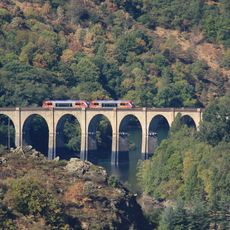
Altier viaduct
49.5 km
Truc de Balduc
31.2 kmVisited this place? Tap the stars to rate it and share your experience / photos with the community! Try now! You can cancel it anytime.
Discover hidden gems everywhere you go!
From secret cafés to breathtaking viewpoints, skip the crowded tourist spots and find places that match your style. Our app makes it easy with voice search, smart filtering, route optimization, and insider tips from travelers worldwide. Download now for the complete mobile experience.
A unique approach to discovering new places❞
— Le Figaro
All the places worth exploring❞
— France Info
A tailor-made excursion in just a few clicks❞
— 20 Minutes