Vanoise National Park
Vanoise National Park, National park in Savoie, France
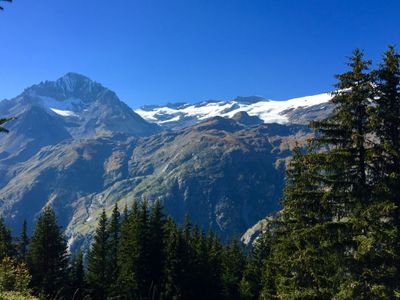
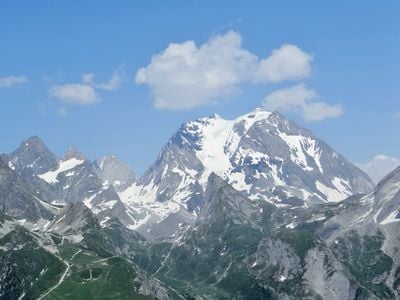
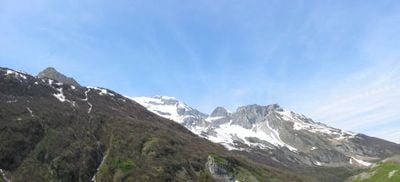
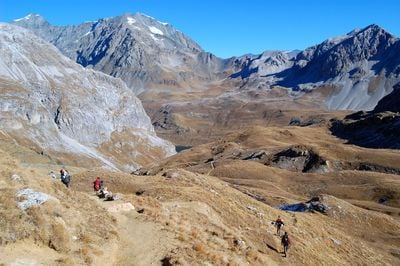
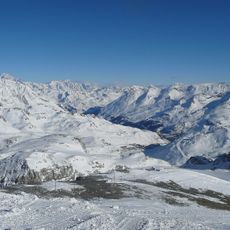
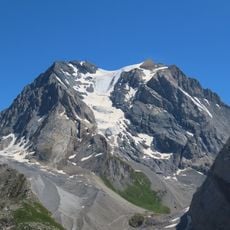
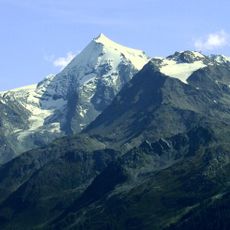
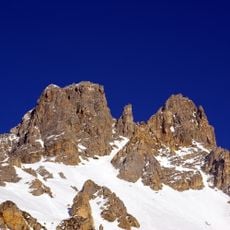
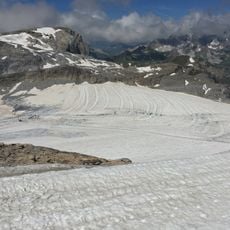
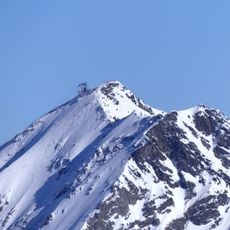
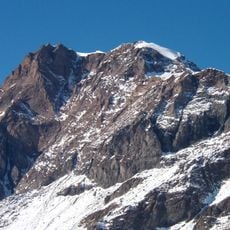
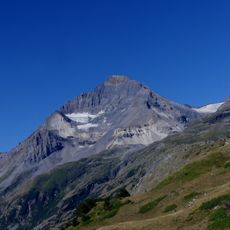
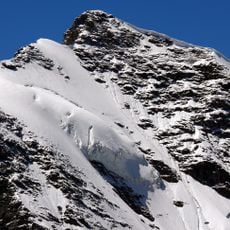
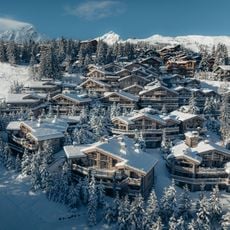
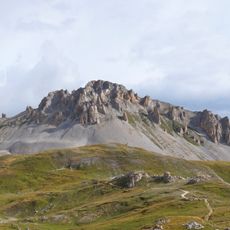
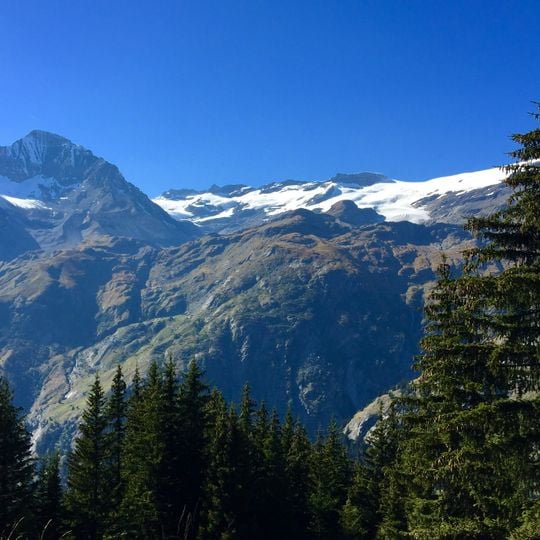
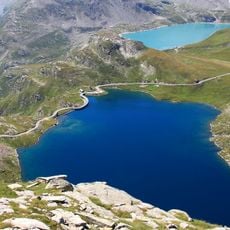
Vanoise National Park sits within the mountain range of the same name, lying between the Tarentaise and Maurienne valleys across 534 square kilometers. The terrain rises from coniferous forests at 1,280 meters (4,200 feet) to the glaciers of Grande Casse at 3,855 meters (12,648 feet), covering a wide range of alpine habitats.
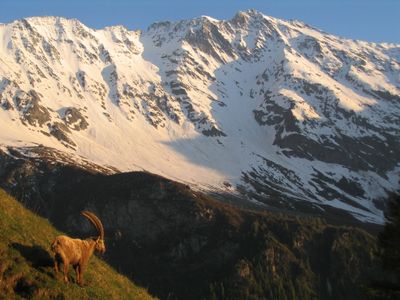
Established on July 6, 1963, the reserve was created to protect the last ibex colonies that were close to extinction in the mountains. This decision became the starting point for six more mountain reserves across France and helped shield the territory from heavy tourism development plans of that era.
The stone-built shepherd huts scattered across the summer pastures still serve as working dairies where visitors can watch cheesemakers craft Beaufort by hand. Walkers often encounter herders guiding their herds across the alpine meadows, a way of life that has shaped the landscape for centuries.
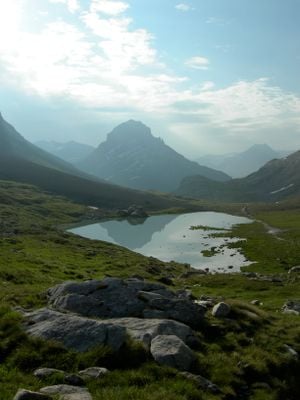
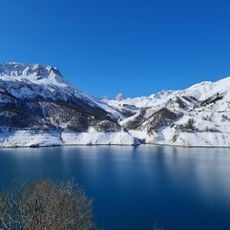
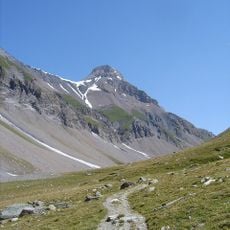
Around 500 kilometers (310 miles) of marked trails link 28 mountain huts throughout the protected area. The loop around Lac de la Plagne offers chances to spot ibex and bearded vultures, and most main routes require between 5 and 7 hours of walking.
Since the partnership with the Gran Paradiso National Park in Italy began in 1972, ibex and chamois move freely across the border through a shared protected zone of 1,250 square kilometers (483 square miles). This cross-border cooperation was one of the first of its kind in the Alps and allows the animals to follow natural migration routes.
Location: Savoie
Inception: July 6, 1963
Website: http://vanoise-parcnational.fr/fr
GPS coordinates: 45.33330,6.83333
Latest update: December 5, 2025 22:25
Photo license: CC BY-SA 4.0
France features a notable variety of protected natural areas, showcasing the country’s geological and ecological richness. From Lake Allos in the Alpes-de-Haute-Provence to the underground rivers of Padirac in Dordogne, from the mountain ranges of Savoy to the limestone formations of the Ardèche gorges, each region displays landscapes shaped over millennia of natural evolution. This collection gathers sites where nature is expressed freely: primary forests, karst systems, high-altitude lakes, moving dunes of the Atlantic coast, and rock formations carved by erosion. These areas provide diverse ecosystems, home to species adapted to different environments, from Alpine flora and fauna to dune communities and underground cave biodiversity. Each natural site in this selection serves as an open-air laboratory where geological processes, ecosystem dynamics, and living adaptation to local conditions can be observed. These sites invite discovery of authentic landscapes, removed from human impact, where geological time is evident in every rock formation and glacier valley.
France contains protected areas with diverse landscapes and ecosystems. The national parks include alpine regions with peaks exceeding 3000 meters, glaciers and mountain lakes, Mediterranean coastlines with limestone cliffs and marine reserves, and island zones with underwater trails. Regional nature parks feature volcanic areas with 80 extinct volcanoes, extensive wetlands with thousands of ponds hosting over 200 bird species, moorland landscapes in the Ardennes, and coastal zones with lagoons and salt marshes. These protected areas shelter ibex, chamois, marmots, lynx and birds of prey. Visitors find marked hiking trails, historic villages and traditional farming operations.
France maintains eleven national parks and dozens of regional nature parks that protect diverse landscapes from the Mediterranean coast to the Alps. The protected areas preserve mountains, coastlines, wetlands, volcanic formations and forests. They provide habitat for various wildlife and plant species while offering opportunities for hiking, birdwatching and other outdoor activities. The Parc National des Écrins and Vanoise National Park lie in the French Alps, featuring alpine terrain with glaciers and mountain lakes. Mercantour National Park stretches from the Maritime Alps to the Mediterranean coast. Calanques National Park near Marseille protects limestone cliffs and inlets. Cévennes National Park in Occitanie encompasses forested mountains and plateaus. Coastal areas such as Port-Cros and Camargue preserve Mediterranean ecosystems and wetlands. The Volcans d'Auvergne in the Massif Central protects extinct volcanoes and lava fields, while parks like Morvan and Ballons des Vosges preserve forested mid-elevation ranges.
Col de l'Iseran
18 km
Tarentaise Valley
28.1 km
Tignes Dam
19.6 km
Mont Cenis Lake
13.2 km
Paradiski
24.4 km
Tignes - Val d'Isère
17.3 km
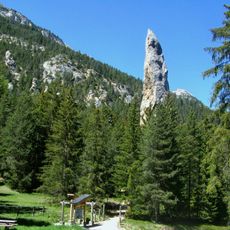
Le Monolithe de Sardières
10.8 km
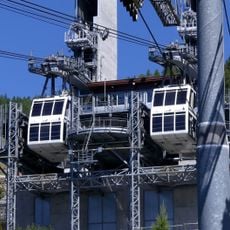
Vanoise Express
25.1 km
Grande Casse
8 km
Mont Pourri
21.8 km
Les Airelles
17.8 km
Dent de Burgin
18.8 km
Funiculaire Perce-Neige
12.6 km
Glacier de la Grande Motte
10.2 km
Aiguille Rouge
24.4 km
Grande Motte
9.1 km
Uia di Ciamarella
24.4 km
Dent Parrachée
8 km
Mont Cenis dam
15.3 km
Funival
17.4 km
Aiguille de la Grande Sassière
23.1 km
K2
17.6 km
Lago Agnel
28.3 km
Notre-Dame des Vernettes
23.4 km
Forte Varisello
14.7 km
La Folie Douce Val d'Isère - Tignes
16.2 km
Forte Roncia
14 km
Bessanèse
22.7 kmReviews
Visited this place? Tap the stars to rate it and share your experience / photos with the community! Try now! You can cancel it anytime.
Discover hidden gems everywhere you go!
From secret cafés to breathtaking viewpoints, skip the crowded tourist spots and find places that match your style. Our app makes it easy with voice search, smart filtering, route optimization, and insider tips from travelers worldwide. Download now for the complete mobile experience.
A unique approach to discovering new places❞
— Le Figaro
All the places worth exploring❞
— France Info
A tailor-made excursion in just a few clicks❞
— 20 Minutes