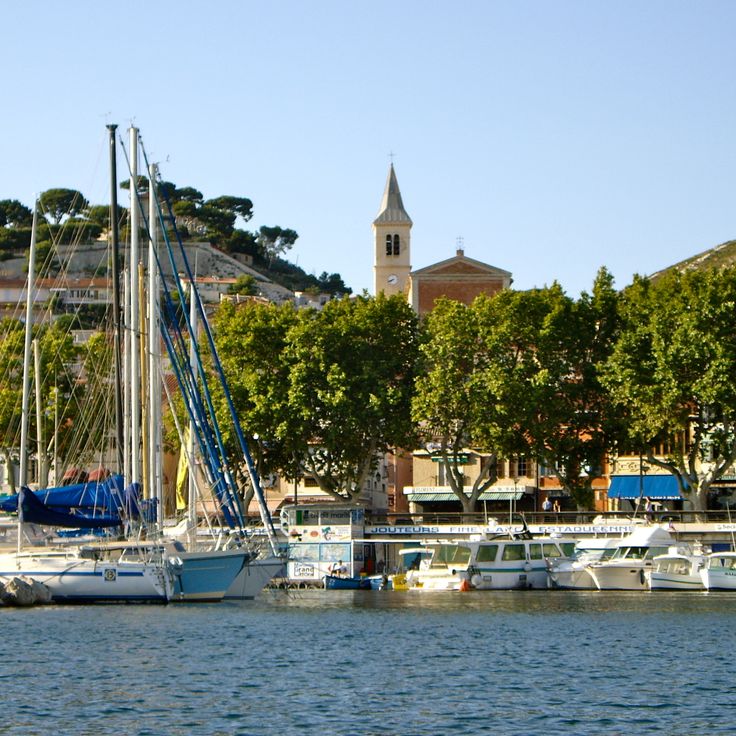
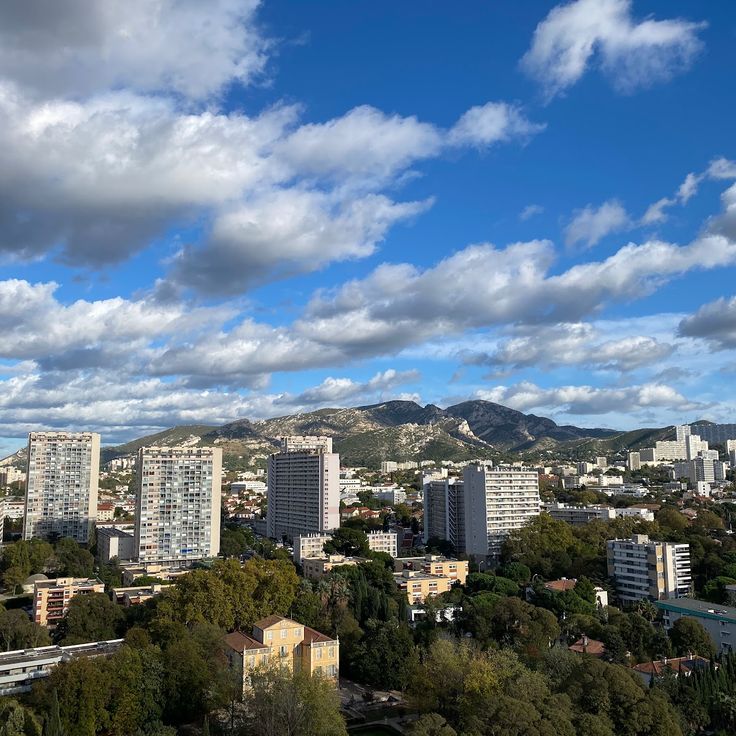
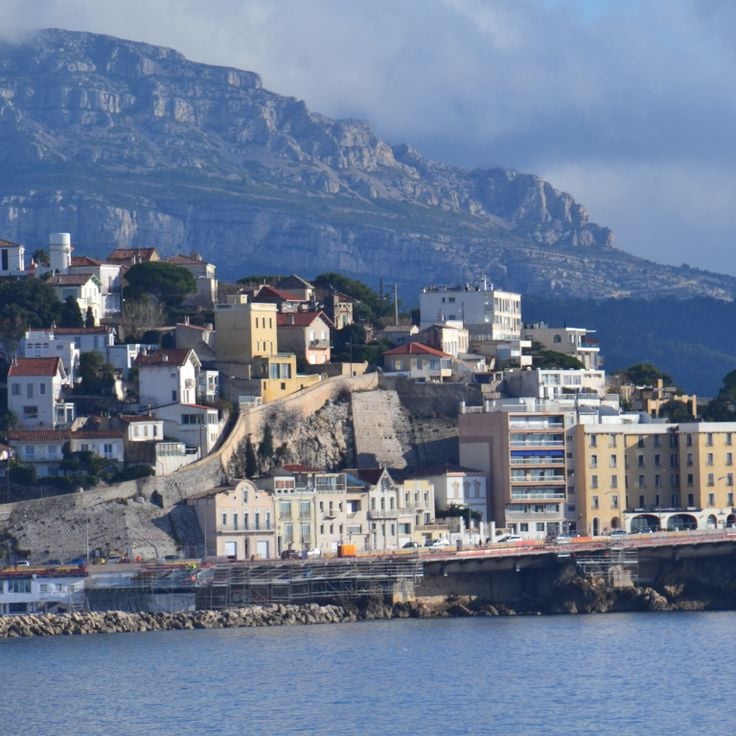
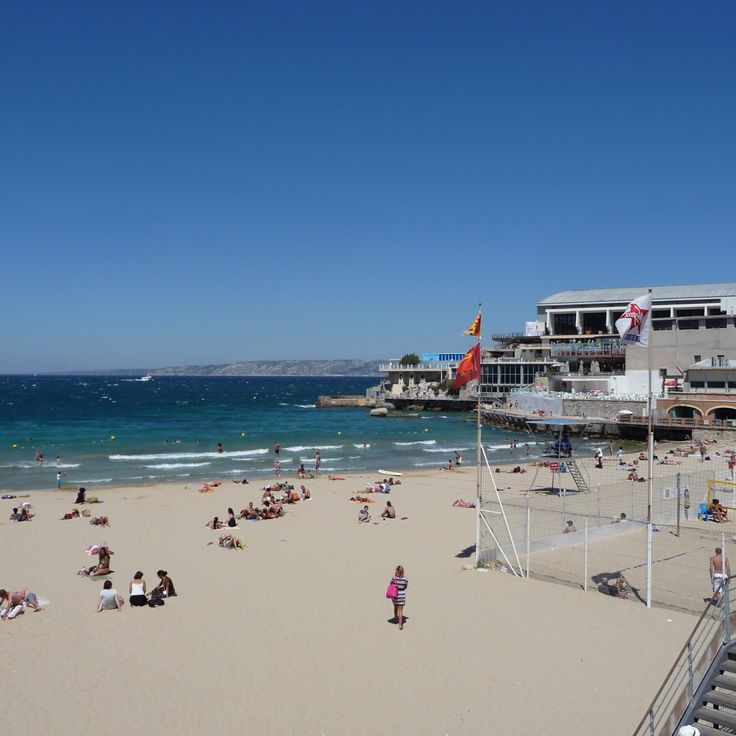
Between old buildings and coastal views, Marseille shows a story written in its stones.
Marseille brings together ancient history and modern city life. This route reveals the many faces of the city through its most important places: the Notre-Dame de la Garde Basilica overlooks the entire city, while the Vieux-Port serves as the beating heart of urban activity. The harbor has been a gateway to the world for centuries, and its maritime past remains visible along the waterfront today.
The collection connects impressive architecture with coastal landscapes. Historical buildings like the Palais Longchamp, the Cathédrale La Major, and Fort Saint-Jean tell stories of Marseille's political and military importance. Contemporary museums and artistic spaces show how the city has evolved. The Château d'If, a former fortress on an offshore island, comes alive through literature and history.
Calanques National Park offers dramatic limestone cliffs and hidden coves that stretch along the coastline. Traditional fishing neighborhoods like the Vallon des Auffes and Malmousque preserve daily Marseille life. From street art districts like Cours Julien to quieter spots like the Goudes, the city reveals many sides and invites visitors to explore.
Between old buildings and coastal views, Marseille shows a story written in its stones.
Marseille brings together ancient history and modern city life. This route reveals the many faces of the city through its most important places: the Notre-Dame de la Garde Basilica overlooks the entire city, while the Vieux-Port serves as the beating heart of urban activity. The harbor has been a gateway to the world for centuries, and its maritime past remains visible along the waterfront today.
The collection connects impressive architecture with coastal landscapes. Historical buildings like the Palais Longchamp, the Cathédrale La Major, and Fort Saint-Jean tell stories of Marseille's political and military importance. Contemporary museums and artistic spaces show how the city has evolved. The Château d'If, a former fortress on an offshore island, comes alive through literature and history.
Calanques National Park offers dramatic limestone cliffs and hidden coves that stretch along the coastline. Traditional fishing neighborhoods like the Vallon des Auffes and Malmousque preserve daily Marseille life. From street art districts like Cours Julien to quieter spots like the Goudes, the city reveals many sides and invites visitors to explore.
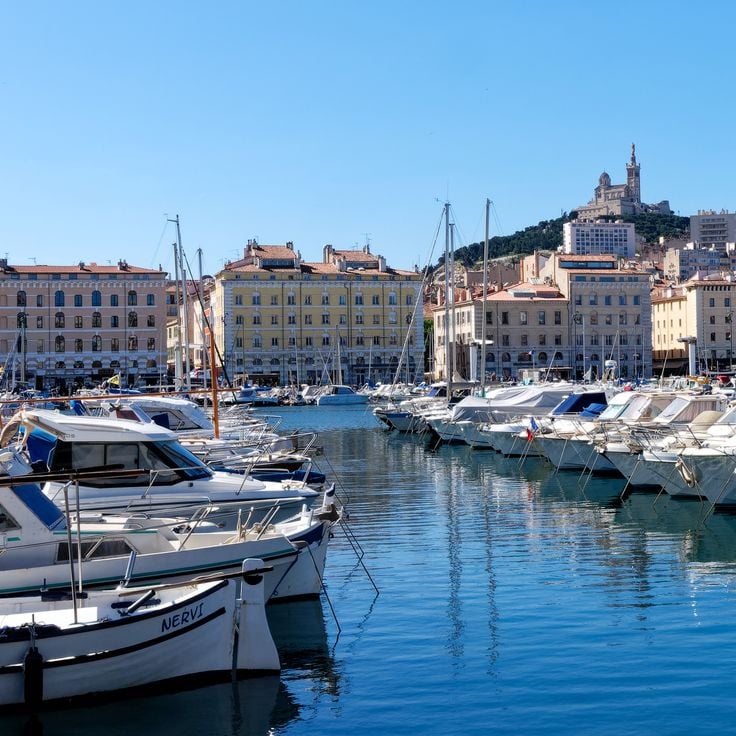
The old port is a central point on the route through Marseille and shows the city's long maritime history. Here fishermen sell their fresh catch, restaurants serve seafood and yachts are moored in the marina. The port connects the different locations on the route - the Notre-Dame de la Garde Basilica, the historical buildings and Calanques National Park - and tells the story of Marseille's relationship with the sea.
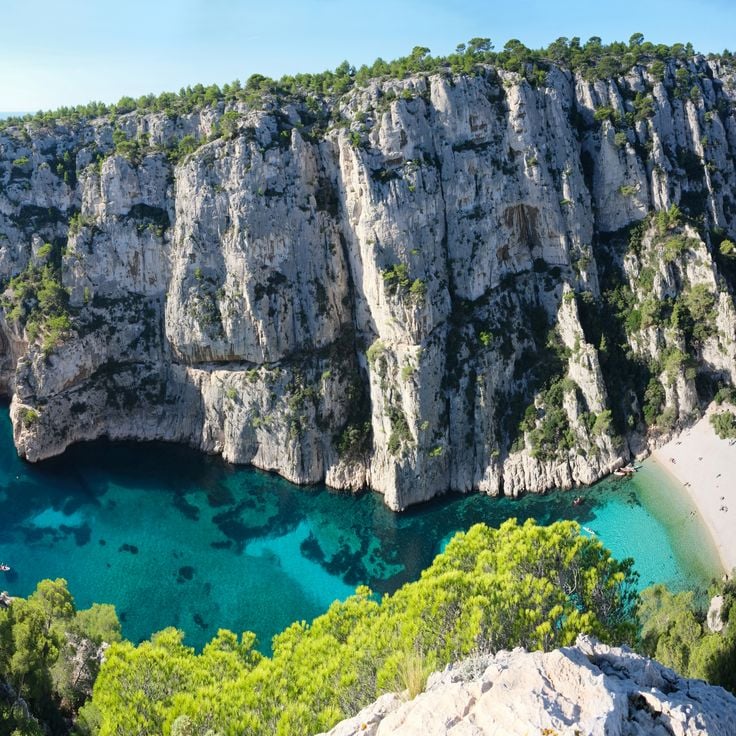
Calanques National Park is part of a route connecting Marseille's major destinations. This park covers 20 kilometers of coastline between Marseille and Cassis with limestone cliffs, inlets and underground caves along the Mediterranean Sea. The landscape reveals the rugged side of the coast and forms part of the maritime history and coastal scenery that define this route through the city.
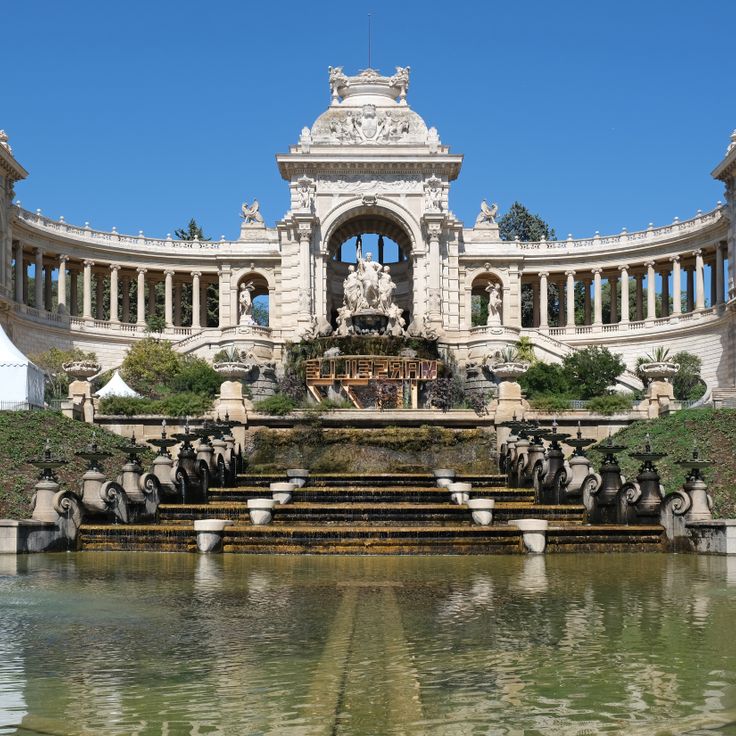
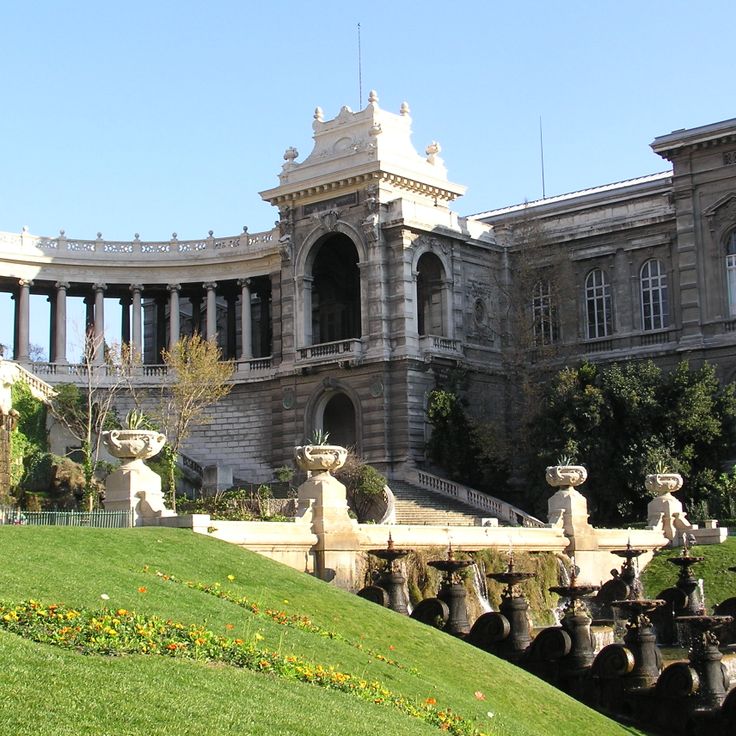
The Palais Longchamp is a monument from 1869 that houses two museum wings dedicated to art and natural history. The building stands as an important part of Marseille's urban landscape and architectural heritage. The gardens contain native and exotic plants that invite visitors to explore.
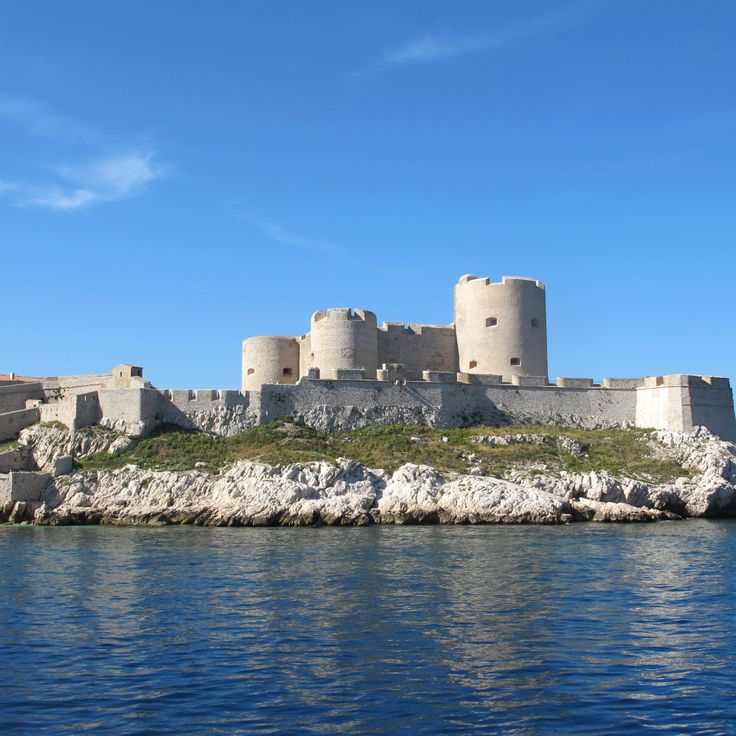
Château d'If sits on an island off Marseille and connects to a route linking historical buildings, the old port, and coastal landscapes. Built in 1524 to defend the coast, this fortress later served as a state prison. Today visitors can explore its walls and learn about Marseille's maritime history and the stories of those held within.
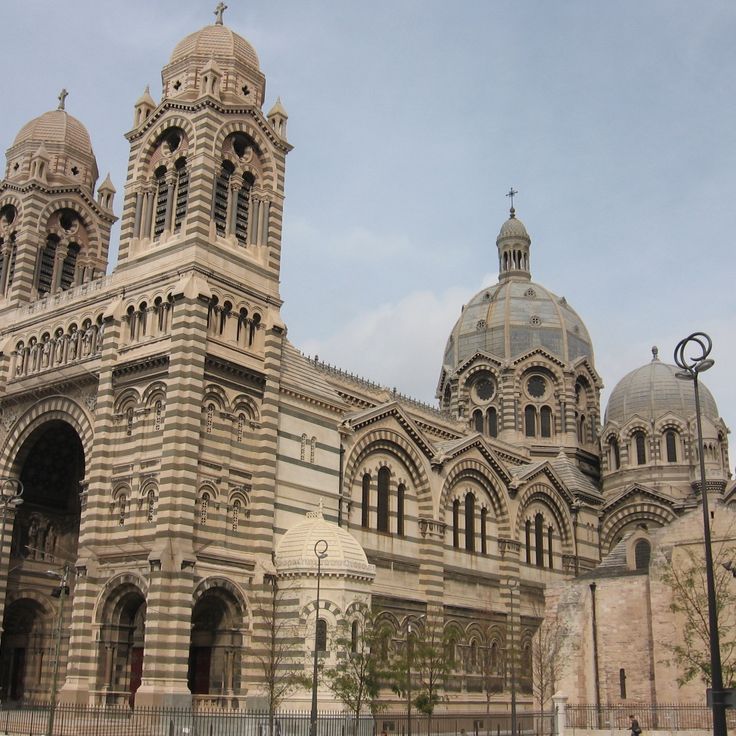
This cathedral in Roman-Byzantine style shapes the harbor district of Marseille. Built between 1852 and 1896 from green and white limestone, it reflects the maritime heritage of the city. You can admire the detailed architecture from the outside and understand how religious buildings have defined the urban landscape. The cathedral stands near the old port and shows the historical importance of Marseille.
The Musée d'Art Contemporain de Marseille displays rotating exhibitions featuring paintings, sculptures and installations by international artists from 1960 onward. This museum connects to the route linking Notre-Dame de la Garde Basilica, the old port and Calanques National Park with historical buildings, showcasing Marseille's maritime history, urban architecture and coastal landscape.
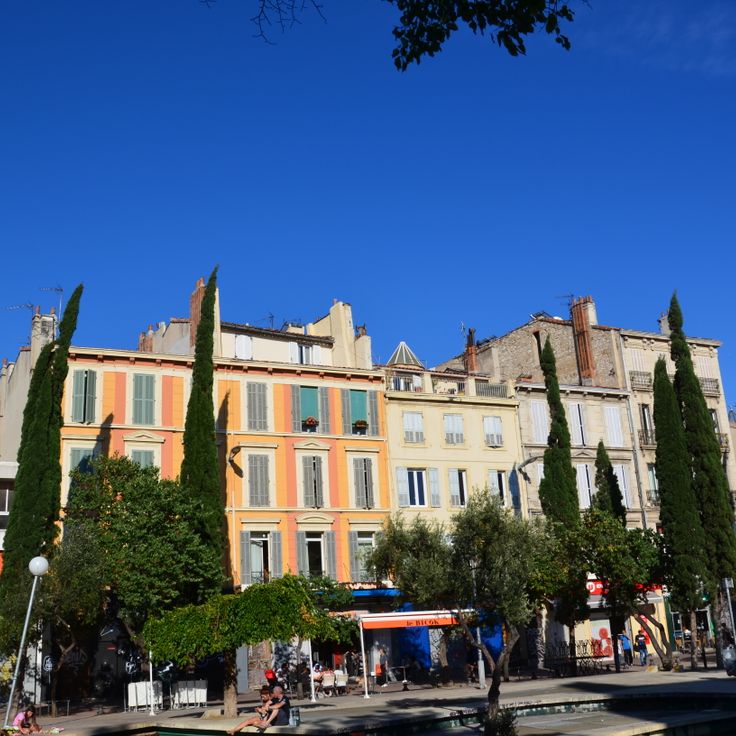
Le Cours Julien is a neighborhood on this route through Marseille that connects maritime history, urban architecture and coastal landscape. The area displays many murals, small craft shops, cafes and a weekly market with regional products that reflect local life.
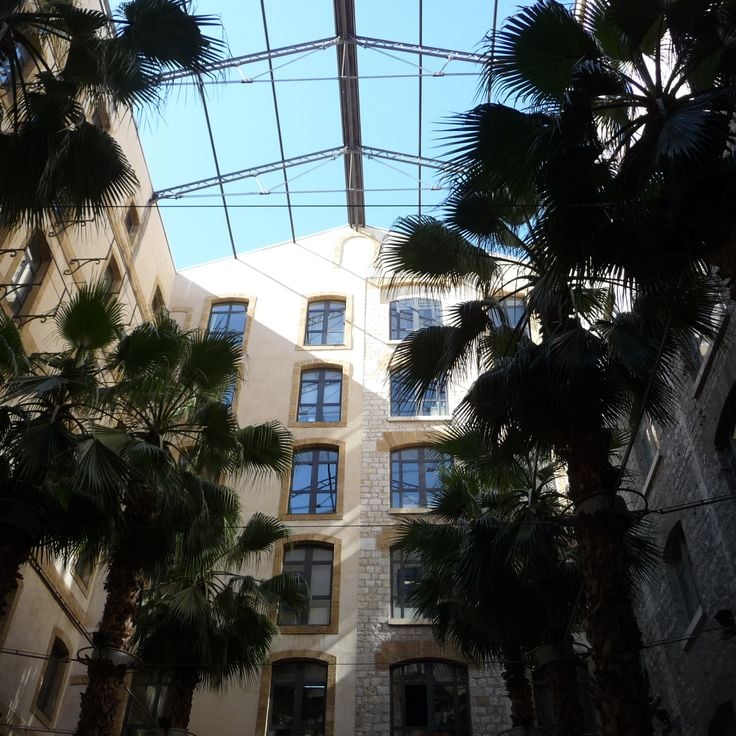
Les Docks Village shows the maritime history of Marseille. The 19th century waterfront warehouses have been converted into a retail center with restaurants, shops and office spaces. The place connects the city's industrial past with modern urban life and fits perfectly into the route that links historical buildings, the old port and the coastal landscape of Marseille.
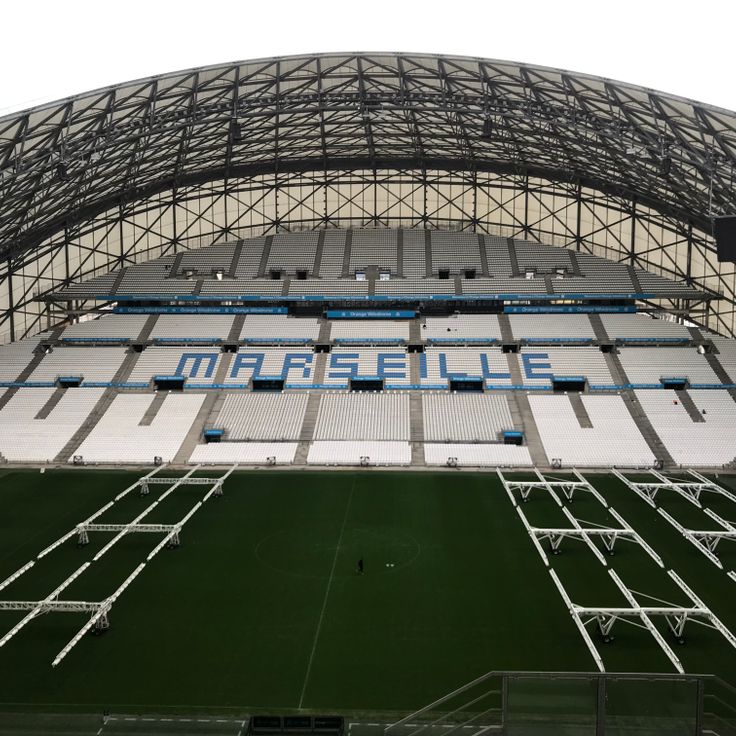
Within this route through Marseille, the Stade Vélodrome shows the city's modern sports history. Built in 1937, this stadium holds 67000 spectators and is France's largest football stadium. It hosts international sporting events regularly and stands as a landmark that shaped how the city developed as a sports destination.
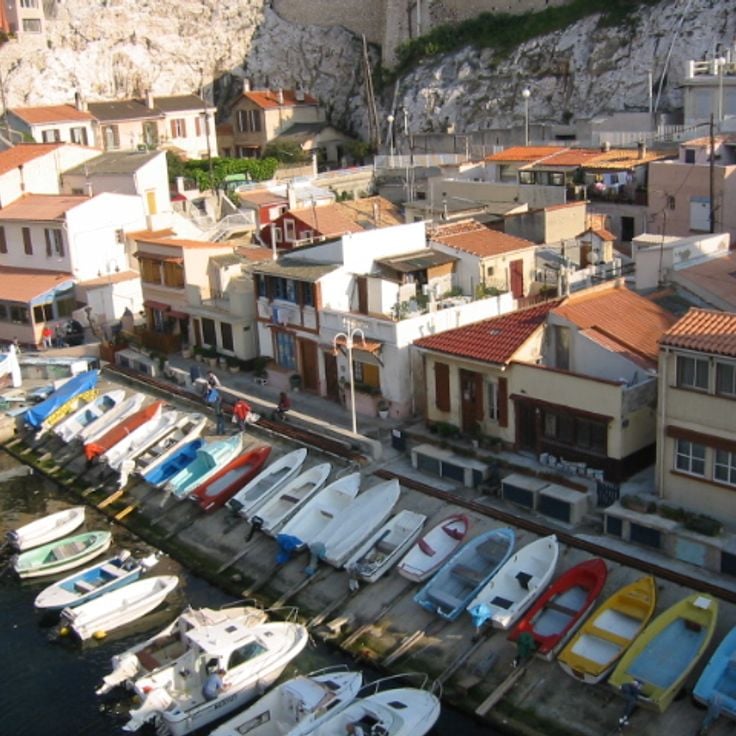
The Vallon des Auffes is a small fishing port in Marseille that shows the maritime history of the city. Colored boats sit in the water, and restaurants along the harbor serve fresh fish and traditional Provençal dishes. This place is part of the route connecting Notre-Dame de la Garde Basilica, the old port and Calanques National Park, all reflecting the coastal character of Marseille.
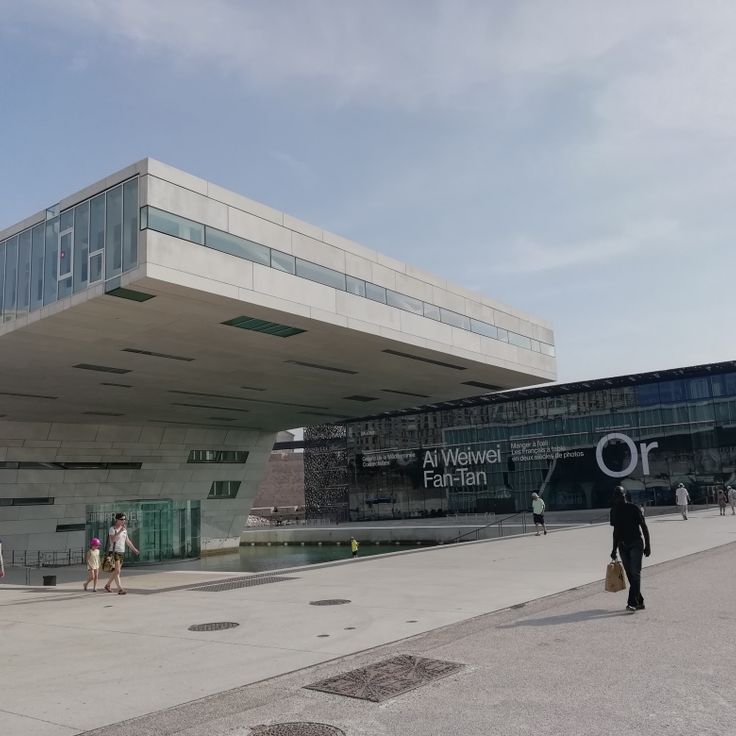
The Museum of European and Mediterranean Civilisations displays historical artifacts and contemporary art from the Mediterranean region in a modern building by the harbor. This museum connects with the other locations on this route - the Notre-Dame de la Garde Basilica, the old port and Calanques National Park - to show Marseille's maritime history, urban architecture and coastal landscape.
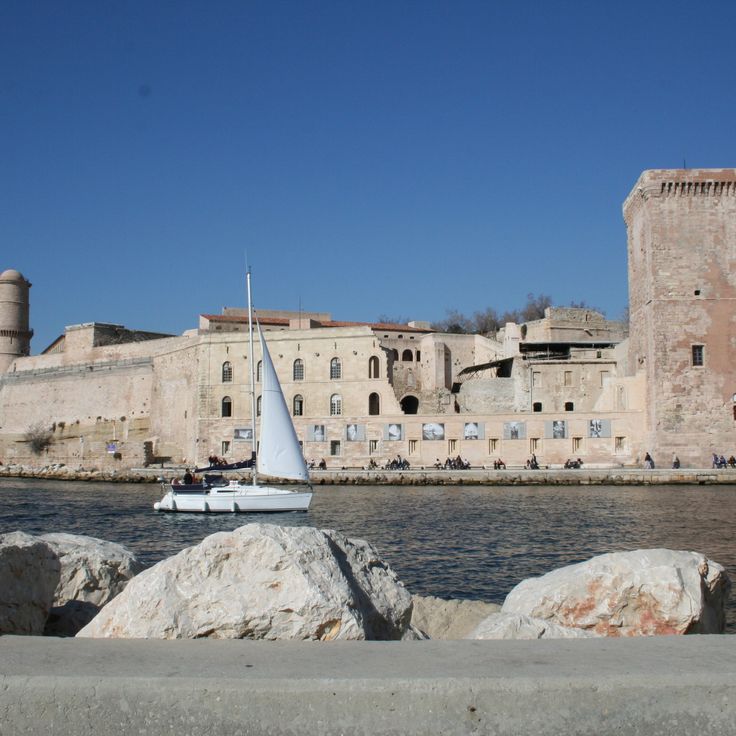
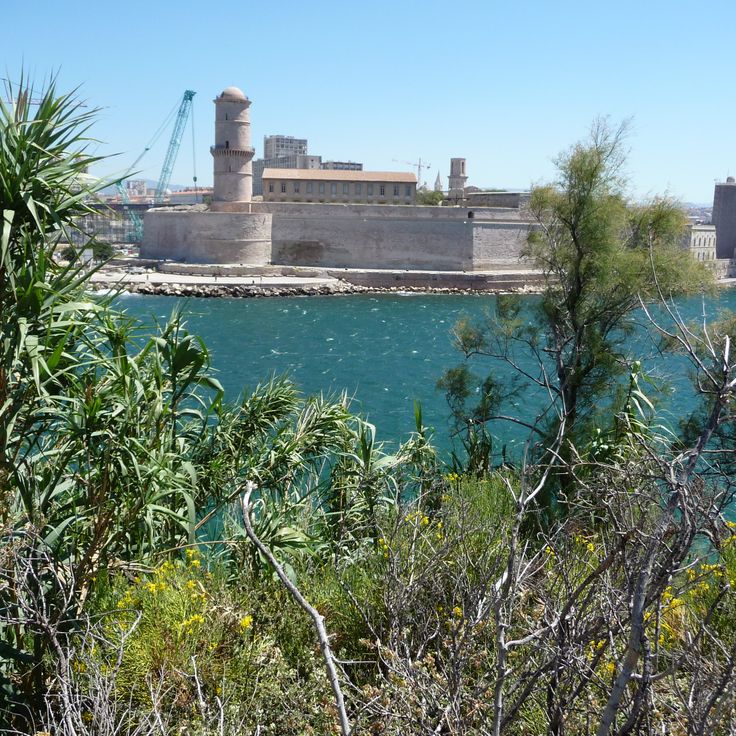
Fort Saint-Jean was built in 1660 and is part of the route connecting Notre-Dame de la Garde Basilica, the old port and Calanques National Park with historical buildings. The fortress displays the maritime history of Marseille. It contains a garden with local vegetation and allows observation of the commercial harbor.
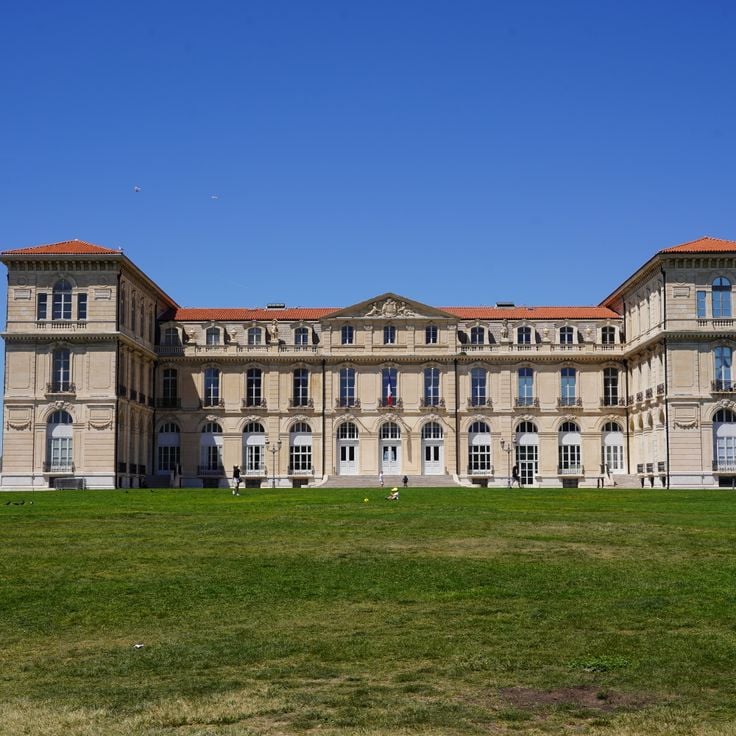
This imperial palace was built in 1858 and now houses conference rooms, an exhibition area and a medical institute. The Palais du Pharo connects Marseille's history with its maritime past and contributes to the urban architecture along the route that links the Notre-Dame de la Garde Basilica, the old port and Calanques National Park.
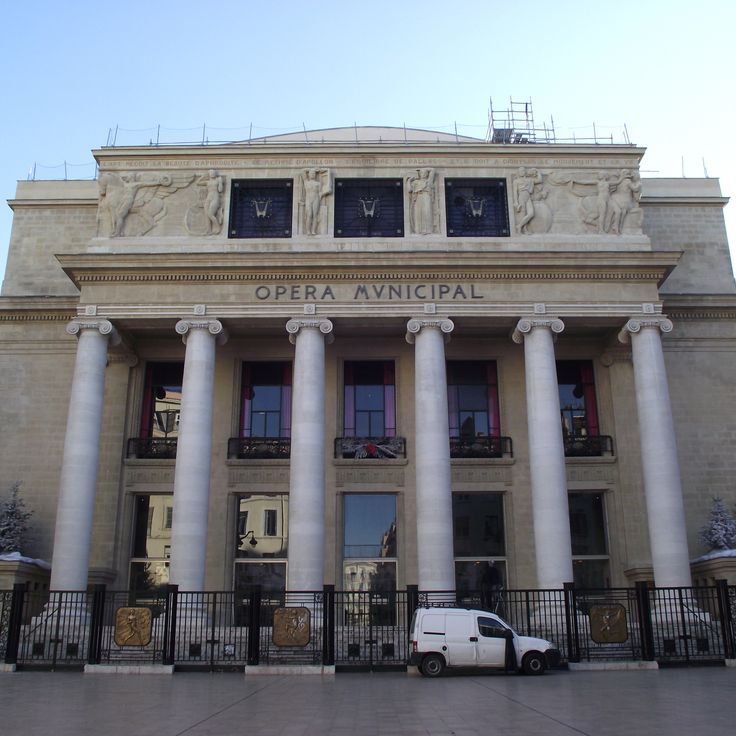
The Opera Municipal de Marseille is a theater that plays an important role in the cultural life of the city. The building was renovated in 1924 and shows the architectural development of Marseille. With its main hall seating about 1800 spectators, the theater offers classical music, dance and singing performances. It sits near the old port and connects with other historical buildings that display the maritime history and urban architecture of Marseille.
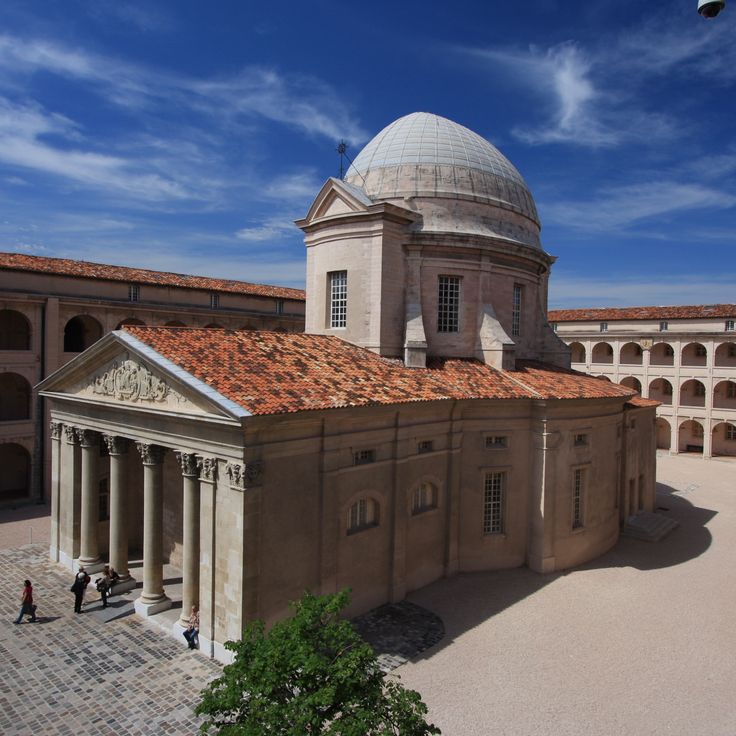
La Vieille Charité is a 17th-century baroque building with a chapel and four wings located in Marseille. Inside, you find exhibitions focused on archaeology and art. This building is part of a route that connects Notre-Dame de la Garde Basilica, the old port and Calanques National Park, showcasing Marseille's maritime history, urban architecture and coastal landscape.
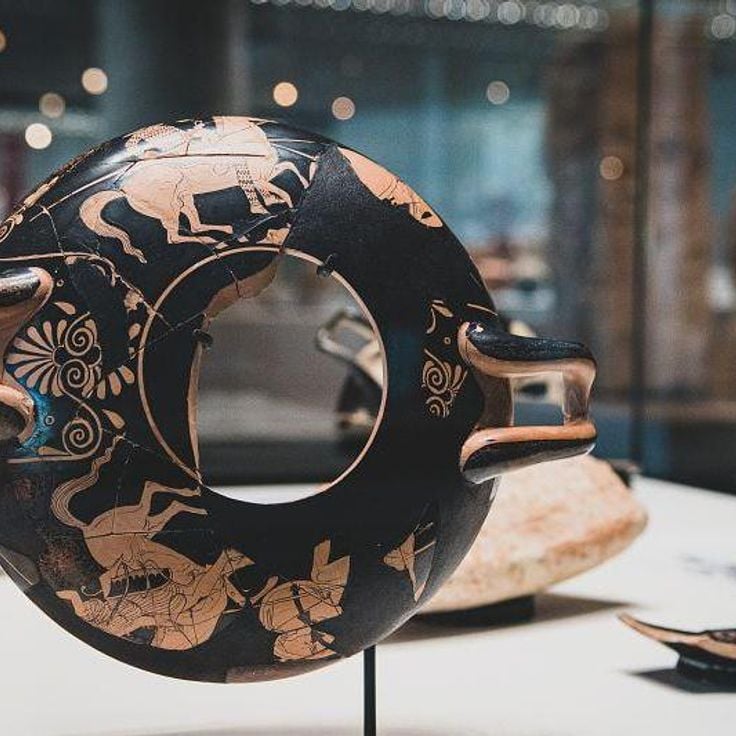
The Marseille History Museum documents the city's history from ancient times to the present day. It features ship models and Roman artifacts that reveal the maritime past and cultural development of Marseille. The museum connects with other stops on this route to provide a complete picture of the city, from its ancient settlements through port development to its modern urban landscape.
This waterfront path in Marseille traces the city's connection to the sea and its maritime past. The Estaque Promenade features restaurants and a marina that pulse with local activity, offering views across Marseille bay and the industrial structures that shaped the city's economy. As part of this route, it reveals how the city has woven together its history of trade, architecture and coastal life.
Le Corbusier's Housing Complex is a concrete structure containing 337 apartments across 18 floors, with shops, a rooftop garden and childcare facilities. This building demonstrates the modern architecture of Marseille and connects with the route that links Notre-Dame de la Garde Basilica, the old port and Calanques National Park with historical buildings.
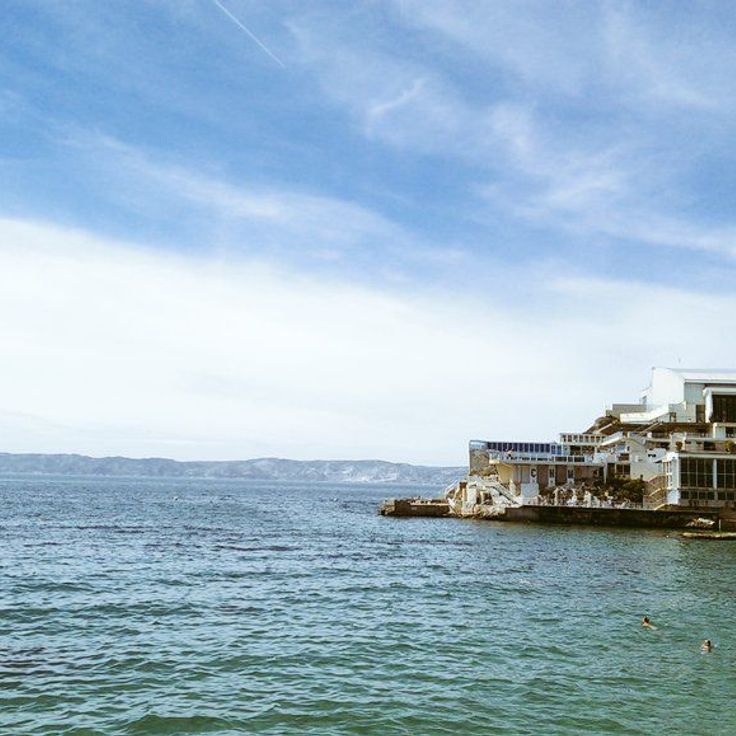
The Malmousque District is a former fishing village with stone houses, natural seawater pools and narrow streets from the 19th century. It connects with other destinations on this route and shows Marseille's maritime traditions through its architecture and coastal location. The houses stand close together, creating a maze of pathways that tell the story of fishing and daily life in this neighborhood.
Catalans Beach is a public beach about 300 meters long located at the edge of the city. It is part of the route connecting Notre-Dame de la Garde Basilica, the old port and Calanques National Park. The beach shows Marseille's deep connection to the sea, with sports facilities and bathing structures from the 1920s that still define its character. Visitors find changing rooms, showers and spaces to relax by the water.
The Kennedy Waterfront is a 19th century coastal path that runs along the Mediterranean shore with viewing areas overlooking the sea. Within this route through Marseille, it serves as a key connection between historic buildings, the old port and the Calanques landscape. From here, visitors can experience the maritime story of the city and understand the coastline that has shaped Marseille.
The Museum of Natural History is a key location for understanding Marseille's story. The building dates from 1869 and houses over 80,000 natural science specimens. Visitors encounter mineral and fossil displays that reveal the Earth's history. This museum connects with the other sites on this route, which together show how Marseille developed - from its old port through its city buildings to the coastal cliffs beyond.
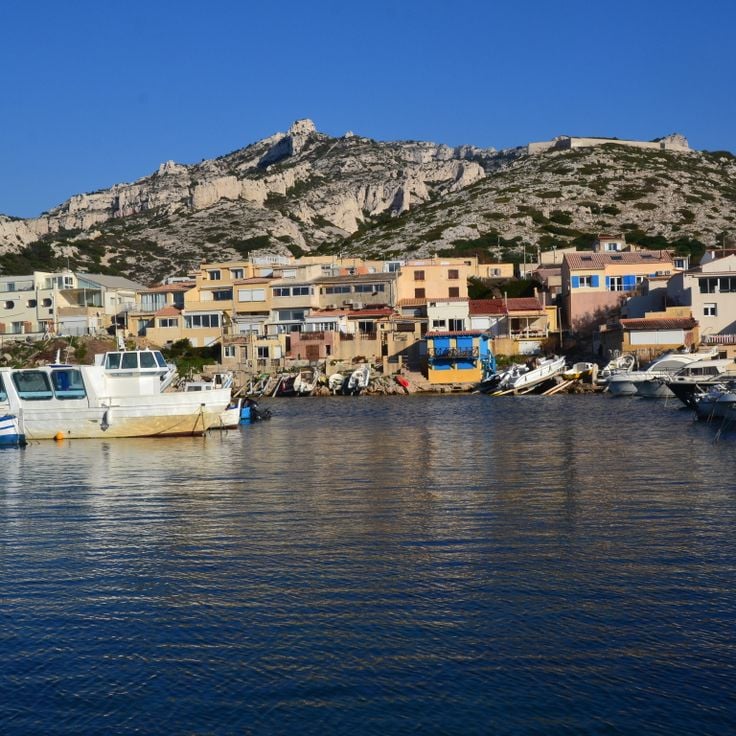
Les Goudes is a fishing village at the southern edge of Marseille. The village shows how local fishermen live, with colorful boats filling the harbor and simple houses built in Mediterranean style. Stone paths wind along limestone cliffs that drop to the sea. This destination fits the collection of local Marseille sites, connecting maritime history with the coastal landscape. Visitors can walk the clifftop paths and see how the fishing tradition continues here.
The Jardin du Pharo is a municipal garden set on a hill in Marseille. From this location, visitors see the harbor, the Mediterranean Sea and the islands offshore. The garden connects the city's history with its coastal landscape and displays the maritime character of Marseille as part of the route linking Notre-Dame de la Garde Basilica, the old port and Calanques National Park with historical buildings.
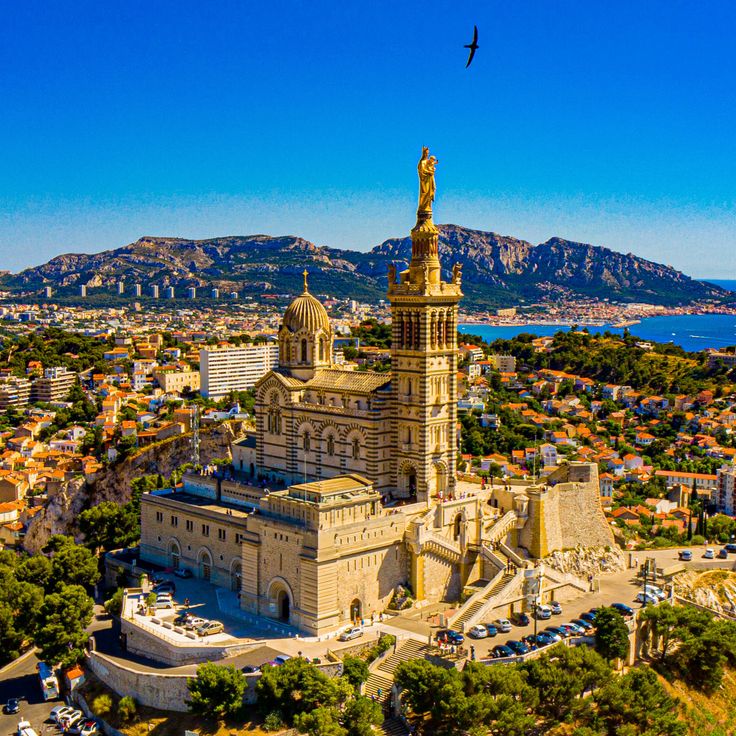
The Basilica Notre-Dame de la Garde sits atop a 149 meter limestone hill and forms a key stop on the route through Marseille. From the observation deck, visitors can see across the entire city and harbor. This building connects maritime history with religious tradition, offering a singular vantage point over Marseille's urban landscape and coastal setting.
The old port is a central point on the route through Marseille and shows the city's long maritime history. Here fishermen sell their fresh catch, restaurants serve seafood and yachts are moored in the marina. The port connects the different locations on the route - the Notre-Dame de la Garde Basilica, the historical buildings and Calanques National Park - and tells the story of Marseille's relationship with the sea.
Calanques National Park is part of a route connecting Marseille's major destinations. This park covers 20 kilometers of coastline between Marseille and Cassis with limestone cliffs, inlets and underground caves along the Mediterranean Sea. The landscape reveals the rugged side of the coast and forms part of the maritime history and coastal scenery that define this route through the city.
The Palais Longchamp is a monument from 1869 that houses two museum wings dedicated to art and natural history. The building stands as an important part of Marseille's urban landscape and architectural heritage. The gardens contain native and exotic plants that invite visitors to explore.
Château d'If sits on an island off Marseille and connects to a route linking historical buildings, the old port, and coastal landscapes. Built in 1524 to defend the coast, this fortress later served as a state prison. Today visitors can explore its walls and learn about Marseille's maritime history and the stories of those held within.
This cathedral in Roman-Byzantine style shapes the harbor district of Marseille. Built between 1852 and 1896 from green and white limestone, it reflects the maritime heritage of the city. You can admire the detailed architecture from the outside and understand how religious buildings have defined the urban landscape. The cathedral stands near the old port and shows the historical importance of Marseille.
The Musée d'Art Contemporain de Marseille displays rotating exhibitions featuring paintings, sculptures and installations by international artists from 1960 onward. This museum connects to the route linking Notre-Dame de la Garde Basilica, the old port and Calanques National Park with historical buildings, showcasing Marseille's maritime history, urban architecture and coastal landscape.
Le Cours Julien is a neighborhood on this route through Marseille that connects maritime history, urban architecture and coastal landscape. The area displays many murals, small craft shops, cafes and a weekly market with regional products that reflect local life.
Les Docks Village shows the maritime history of Marseille. The 19th century waterfront warehouses have been converted into a retail center with restaurants, shops and office spaces. The place connects the city's industrial past with modern urban life and fits perfectly into the route that links historical buildings, the old port and the coastal landscape of Marseille.
Within this route through Marseille, the Stade Vélodrome shows the city's modern sports history. Built in 1937, this stadium holds 67000 spectators and is France's largest football stadium. It hosts international sporting events regularly and stands as a landmark that shaped how the city developed as a sports destination.
The Vallon des Auffes is a small fishing port in Marseille that shows the maritime history of the city. Colored boats sit in the water, and restaurants along the harbor serve fresh fish and traditional Provençal dishes. This place is part of the route connecting Notre-Dame de la Garde Basilica, the old port and Calanques National Park, all reflecting the coastal character of Marseille.
The Museum of European and Mediterranean Civilisations displays historical artifacts and contemporary art from the Mediterranean region in a modern building by the harbor. This museum connects with the other locations on this route - the Notre-Dame de la Garde Basilica, the old port and Calanques National Park - to show Marseille's maritime history, urban architecture and coastal landscape.
Fort Saint-Jean was built in 1660 and is part of the route connecting Notre-Dame de la Garde Basilica, the old port and Calanques National Park with historical buildings. The fortress displays the maritime history of Marseille. It contains a garden with local vegetation and allows observation of the commercial harbor.
This imperial palace was built in 1858 and now houses conference rooms, an exhibition area and a medical institute. The Palais du Pharo connects Marseille's history with its maritime past and contributes to the urban architecture along the route that links the Notre-Dame de la Garde Basilica, the old port and Calanques National Park.
The Opera Municipal de Marseille is a theater that plays an important role in the cultural life of the city. The building was renovated in 1924 and shows the architectural development of Marseille. With its main hall seating about 1800 spectators, the theater offers classical music, dance and singing performances. It sits near the old port and connects with other historical buildings that display the maritime history and urban architecture of Marseille.
La Vieille Charité is a 17th-century baroque building with a chapel and four wings located in Marseille. Inside, you find exhibitions focused on archaeology and art. This building is part of a route that connects Notre-Dame de la Garde Basilica, the old port and Calanques National Park, showcasing Marseille's maritime history, urban architecture and coastal landscape.
The Marseille History Museum documents the city's history from ancient times to the present day. It features ship models and Roman artifacts that reveal the maritime past and cultural development of Marseille. The museum connects with other stops on this route to provide a complete picture of the city, from its ancient settlements through port development to its modern urban landscape.
This waterfront path in Marseille traces the city's connection to the sea and its maritime past. The Estaque Promenade features restaurants and a marina that pulse with local activity, offering views across Marseille bay and the industrial structures that shaped the city's economy. As part of this route, it reveals how the city has woven together its history of trade, architecture and coastal life.
Le Corbusier's Housing Complex is a concrete structure containing 337 apartments across 18 floors, with shops, a rooftop garden and childcare facilities. This building demonstrates the modern architecture of Marseille and connects with the route that links Notre-Dame de la Garde Basilica, the old port and Calanques National Park with historical buildings.
The Malmousque District is a former fishing village with stone houses, natural seawater pools and narrow streets from the 19th century. It connects with other destinations on this route and shows Marseille's maritime traditions through its architecture and coastal location. The houses stand close together, creating a maze of pathways that tell the story of fishing and daily life in this neighborhood.
Catalans Beach is a public beach about 300 meters long located at the edge of the city. It is part of the route connecting Notre-Dame de la Garde Basilica, the old port and Calanques National Park. The beach shows Marseille's deep connection to the sea, with sports facilities and bathing structures from the 1920s that still define its character. Visitors find changing rooms, showers and spaces to relax by the water.
The Kennedy Waterfront is a 19th century coastal path that runs along the Mediterranean shore with viewing areas overlooking the sea. Within this route through Marseille, it serves as a key connection between historic buildings, the old port and the Calanques landscape. From here, visitors can experience the maritime story of the city and understand the coastline that has shaped Marseille.
The Museum of Natural History is a key location for understanding Marseille's story. The building dates from 1869 and houses over 80,000 natural science specimens. Visitors encounter mineral and fossil displays that reveal the Earth's history. This museum connects with the other sites on this route, which together show how Marseille developed - from its old port through its city buildings to the coastal cliffs beyond.
Les Goudes is a fishing village at the southern edge of Marseille. The village shows how local fishermen live, with colorful boats filling the harbor and simple houses built in Mediterranean style. Stone paths wind along limestone cliffs that drop to the sea. This destination fits the collection of local Marseille sites, connecting maritime history with the coastal landscape. Visitors can walk the clifftop paths and see how the fishing tradition continues here.
The Jardin du Pharo is a municipal garden set on a hill in Marseille. From this location, visitors see the harbor, the Mediterranean Sea and the islands offshore. The garden connects the city's history with its coastal landscape and displays the maritime character of Marseille as part of the route linking Notre-Dame de la Garde Basilica, the old port and Calanques National Park with historical buildings.
The Basilica Notre-Dame de la Garde sits atop a 149 meter limestone hill and forms a key stop on the route through Marseille. From the observation deck, visitors can see across the entire city and harbor. This building connects maritime history with religious tradition, offering a singular vantage point over Marseille's urban landscape and coastal setting.
The old port is a central point on the route through Marseille and shows the city's long maritime history. Here fishermen sell their fresh catch, restaurants serve seafood and yachts are moored in the marina. The port connects the different locations on the route - the Notre-Dame de la Garde Basilica, the historical buildings and Calanques National Park - and tells the story of Marseille's relationship with the sea.
Calanques National Park is part of a route connecting Marseille's major destinations. This park covers 20 kilometers of coastline between Marseille and Cassis with limestone cliffs, inlets and underground caves along the Mediterranean Sea. The landscape reveals the rugged side of the coast and forms part of the maritime history and coastal scenery that define this route through the city.
The Palais Longchamp is a monument from 1869 that houses two museum wings dedicated to art and natural history. The building stands as an important part of Marseille's urban landscape and architectural heritage. The gardens contain native and exotic plants that invite visitors to explore.
Château d'If sits on an island off Marseille and connects to a route linking historical buildings, the old port, and coastal landscapes. Built in 1524 to defend the coast, this fortress later served as a state prison. Today visitors can explore its walls and learn about Marseille's maritime history and the stories of those held within.
This cathedral in Roman-Byzantine style shapes the harbor district of Marseille. Built between 1852 and 1896 from green and white limestone, it reflects the maritime heritage of the city. You can admire the detailed architecture from the outside and understand how religious buildings have defined the urban landscape. The cathedral stands near the old port and shows the historical importance of Marseille.
The Musée d'Art Contemporain de Marseille displays rotating exhibitions featuring paintings, sculptures and installations by international artists from 1960 onward. This museum connects to the route linking Notre-Dame de la Garde Basilica, the old port and Calanques National Park with historical buildings, showcasing Marseille's maritime history, urban architecture and coastal landscape.
Le Cours Julien is a neighborhood on this route through Marseille that connects maritime history, urban architecture and coastal landscape. The area displays many murals, small craft shops, cafes and a weekly market with regional products that reflect local life.
Les Docks Village shows the maritime history of Marseille. The 19th century waterfront warehouses have been converted into a retail center with restaurants, shops and office spaces. The place connects the city's industrial past with modern urban life and fits perfectly into the route that links historical buildings, the old port and the coastal landscape of Marseille.
Within this route through Marseille, the Stade Vélodrome shows the city's modern sports history. Built in 1937, this stadium holds 67000 spectators and is France's largest football stadium. It hosts international sporting events regularly and stands as a landmark that shaped how the city developed as a sports destination.
The Vallon des Auffes is a small fishing port in Marseille that shows the maritime history of the city. Colored boats sit in the water, and restaurants along the harbor serve fresh fish and traditional Provençal dishes. This place is part of the route connecting Notre-Dame de la Garde Basilica, the old port and Calanques National Park, all reflecting the coastal character of Marseille.
The Museum of European and Mediterranean Civilisations displays historical artifacts and contemporary art from the Mediterranean region in a modern building by the harbor. This museum connects with the other locations on this route - the Notre-Dame de la Garde Basilica, the old port and Calanques National Park - to show Marseille's maritime history, urban architecture and coastal landscape.
Fort Saint-Jean was built in 1660 and is part of the route connecting Notre-Dame de la Garde Basilica, the old port and Calanques National Park with historical buildings. The fortress displays the maritime history of Marseille. It contains a garden with local vegetation and allows observation of the commercial harbor.
This imperial palace was built in 1858 and now houses conference rooms, an exhibition area and a medical institute. The Palais du Pharo connects Marseille's history with its maritime past and contributes to the urban architecture along the route that links the Notre-Dame de la Garde Basilica, the old port and Calanques National Park.
The Opera Municipal de Marseille is a theater that plays an important role in the cultural life of the city. The building was renovated in 1924 and shows the architectural development of Marseille. With its main hall seating about 1800 spectators, the theater offers classical music, dance and singing performances. It sits near the old port and connects with other historical buildings that display the maritime history and urban architecture of Marseille.
La Vieille Charité is a 17th-century baroque building with a chapel and four wings located in Marseille. Inside, you find exhibitions focused on archaeology and art. This building is part of a route that connects Notre-Dame de la Garde Basilica, the old port and Calanques National Park, showcasing Marseille's maritime history, urban architecture and coastal landscape.
The Marseille History Museum documents the city's history from ancient times to the present day. It features ship models and Roman artifacts that reveal the maritime past and cultural development of Marseille. The museum connects with other stops on this route to provide a complete picture of the city, from its ancient settlements through port development to its modern urban landscape.
This waterfront path in Marseille traces the city's connection to the sea and its maritime past. The Estaque Promenade features restaurants and a marina that pulse with local activity, offering views across Marseille bay and the industrial structures that shaped the city's economy. As part of this route, it reveals how the city has woven together its history of trade, architecture and coastal life.
Le Corbusier's Housing Complex is a concrete structure containing 337 apartments across 18 floors, with shops, a rooftop garden and childcare facilities. This building demonstrates the modern architecture of Marseille and connects with the route that links Notre-Dame de la Garde Basilica, the old port and Calanques National Park with historical buildings.
The Malmousque District is a former fishing village with stone houses, natural seawater pools and narrow streets from the 19th century. It connects with other destinations on this route and shows Marseille's maritime traditions through its architecture and coastal location. The houses stand close together, creating a maze of pathways that tell the story of fishing and daily life in this neighborhood.
Catalans Beach is a public beach about 300 meters long located at the edge of the city. It is part of the route connecting Notre-Dame de la Garde Basilica, the old port and Calanques National Park. The beach shows Marseille's deep connection to the sea, with sports facilities and bathing structures from the 1920s that still define its character. Visitors find changing rooms, showers and spaces to relax by the water.
The Kennedy Waterfront is a 19th century coastal path that runs along the Mediterranean shore with viewing areas overlooking the sea. Within this route through Marseille, it serves as a key connection between historic buildings, the old port and the Calanques landscape. From here, visitors can experience the maritime story of the city and understand the coastline that has shaped Marseille.
The Museum of Natural History is a key location for understanding Marseille's story. The building dates from 1869 and houses over 80,000 natural science specimens. Visitors encounter mineral and fossil displays that reveal the Earth's history. This museum connects with the other sites on this route, which together show how Marseille developed - from its old port through its city buildings to the coastal cliffs beyond.
Les Goudes is a fishing village at the southern edge of Marseille. The village shows how local fishermen live, with colorful boats filling the harbor and simple houses built in Mediterranean style. Stone paths wind along limestone cliffs that drop to the sea. This destination fits the collection of local Marseille sites, connecting maritime history with the coastal landscape. Visitors can walk the clifftop paths and see how the fishing tradition continues here.
The Jardin du Pharo is a municipal garden set on a hill in Marseille. From this location, visitors see the harbor, the Mediterranean Sea and the islands offshore. The garden connects the city's history with its coastal landscape and displays the maritime character of Marseille as part of the route linking Notre-Dame de la Garde Basilica, the old port and Calanques National Park with historical buildings.
The Basilica Notre-Dame de la Garde sits atop a 149 meter limestone hill and forms a key stop on the route through Marseille. From the observation deck, visitors can see across the entire city and harbor. This building connects maritime history with religious tradition, offering a singular vantage point over Marseille's urban landscape and coastal setting.
Marseille invites to explore. Every part of the city tells a different story, whether it is written in the stones of the monuments or in the daily life of its people. Walk through its streets, breathe the sea air, and feel the energy that has driven this city for thousands of years.