Museum of European and Mediterranean Civilisations, Mediterranean civilization museum in Old Port area, Marseille, France
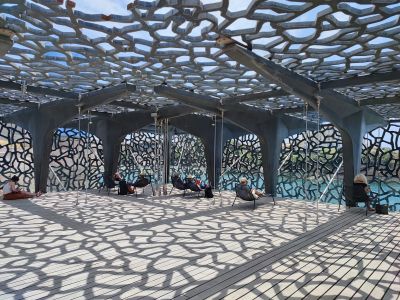
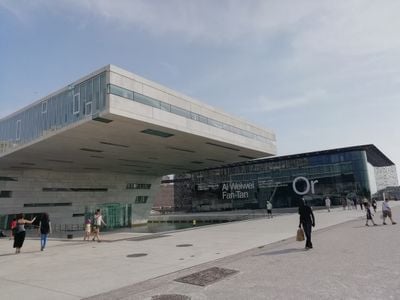
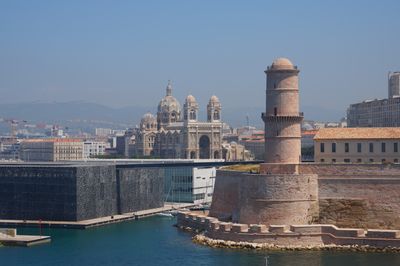
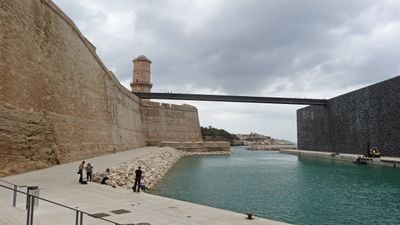
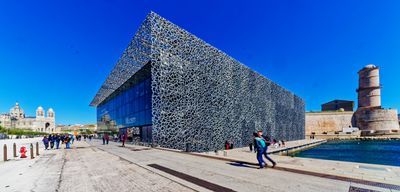
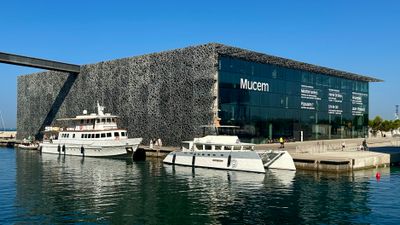
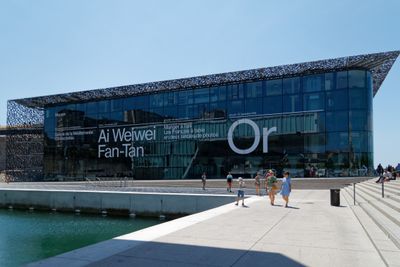
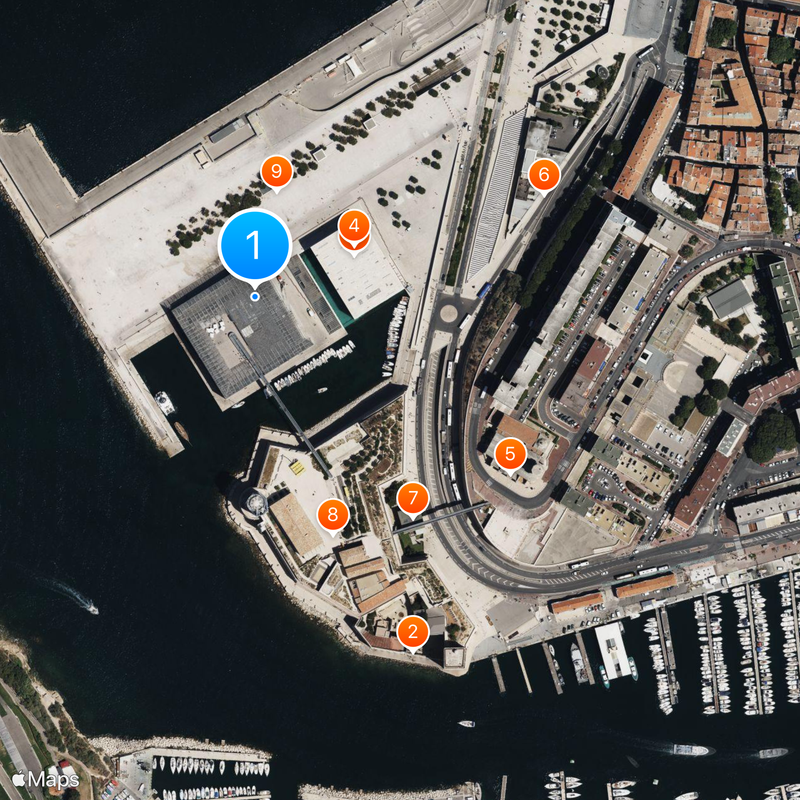
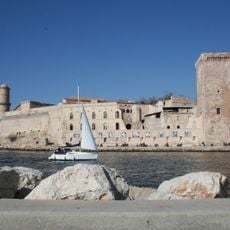
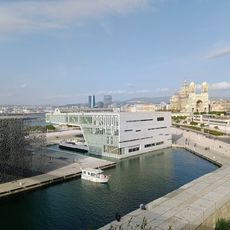
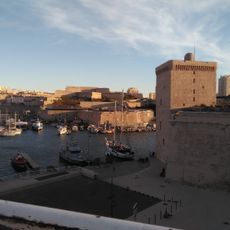
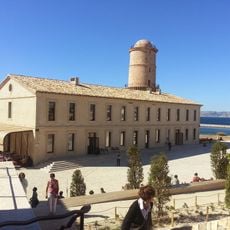
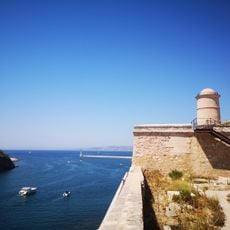
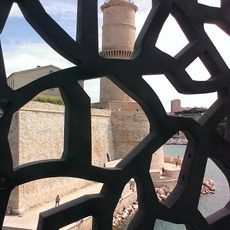
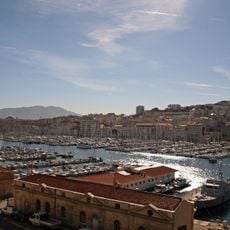
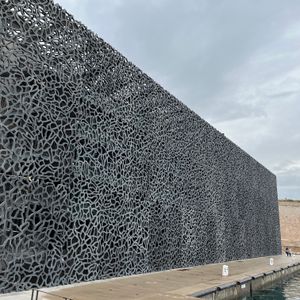
The Museum of European and Mediterranean Civilisations is a museum in the harbor district of Marseille with terraces, exhibition halls, and a distinctive lattice façade of dark concrete. The main building rises directly at the waterfront and connects via two bridges to the historic Fort Saint-Jean, which houses gardens and additional spaces.
The institution was created for 2013, when Marseille became European Capital of Culture, and replaced an older collection that had been kept in Paris until then. The architect Rudy Ricciotti designed the new building on a former harbor site that had remained undeveloped until that point.
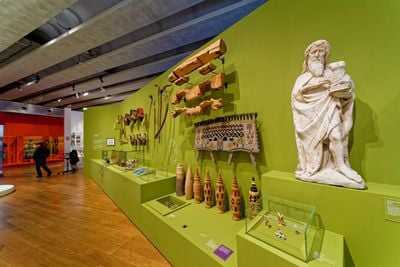
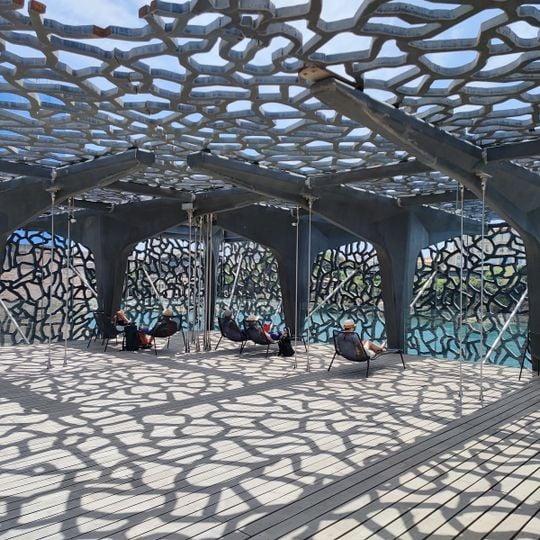
The location at the old harbor basin makes the building a meeting point between city and sea, where visitors cross elevated walkways between two separate areas. The interior displays collections on agriculture, crafts, and religion around the Mediterranean, with objects from different periods placed side by side.
The entrance is located at the Esplanade du J4, from where visitors can reach the galleries and then the bridges to the fort. The stairs and ramps are well signposted, although some outdoor areas may be closed depending on weather conditions.
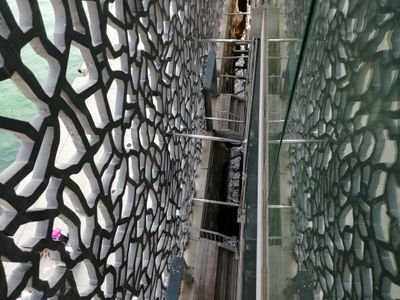
The lattice shell was cast from fiber concrete, a material that allows paper-thin panels while resisting salt air and sun exposure. This technique makes it possible to combine openings and solid surfaces in a single cast piece, so that light falls on floors and walls inside in changing patterns.
Location: Marseille
Inception: June 1, 2013
Architects: Rudy Ricciotti
Official opening: June 7, 2013
Accessibility: Wheelchair accessible
Fee: Yes
Made from material: béton brut
Address: Promenade Robert Laffont
Opening Hours: May-June Monday-Sunday 10:00-19:00; November-April Monday-Sunday 10:00-18:00; July-August 10:00-20:00; Tuesday off;
Phone: +33484351300
Email: reservation@mucem.org
Website: https://mucem.org
GPS coordinates: 43.29694,5.36114
Latest update: December 5, 2025 22:23
The Provence-Alpes-Côte d'Azur region depicts a land where architecture narrates a thousand years of history between sea and mountains. From the 12th-century Cistercian abbeys to the brutalist experiments of Le Corbusier, this area features an exceptional built heritage shaped by Mediterranean light. You can find fortresses perched on rocky promontories, Romanesque monasteries where Van Gogh depicted his struggles, and contemporary museums that interact with the blue of the Mediterranean. Vineyards contain large-scale sculptures, the perched villages of Luberon display their medieval architecture in light stone, and Belle Époque villas in Cap d'Antibes mark the golden age of the Riviera. Between the limestone cliffs of the Calanques and the alpine valleys carved with prehistoric signs, Provençal architecture follows the contours of the land, capturing shadow and warmth, blending tradition and modernity. From the port of Marseille to the hanging gardens of Èze, each building bears the mark of a region where Cistercian builders, military engineers, visionary artists, and contemporary architects have inscribed their visions in stone, concrete, and landscape.
This collection gathers examples of architectural rehabilitation where former industrial sites have been transformed into new spaces for living, culture, and gatherings. These projects illustrate how contemporary architecture can give a second life to structures that marked European and North American industrial history, while maintaining their original identity. Included are the Oberhausen Gasometer, a 117-meter gas holder converted into exhibition space, the Van Nelle Factory in Rotterdam, an old coffee and tobacco factory turned cultural venue, and the High Line in New York, a 1930s elevated railway converted into a 2.3-kilometer urban park. The Zeche Zollverein complex in Essen showcases Bauhaus-style industrial architecture from the 1930s, while Strijp-S in Eindhoven, a former Philips production site, now hosts creative and technological studios. These sites demonstrate the possibilities offered by repurposing industrial heritage into accessible public spaces.
Marseille Cathedral
403 m
CMA CGM Tower
2.1 km
Palais du Pharo
396 m
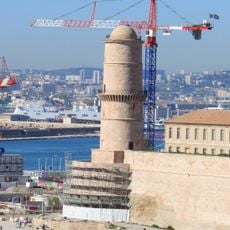
Fort Saint-Jean
270 m
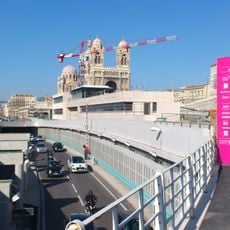
Cathédrale de la Major
446 m
Villa Méditerranée
75 m
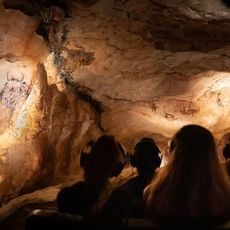
Grotte Cosquer
78 m
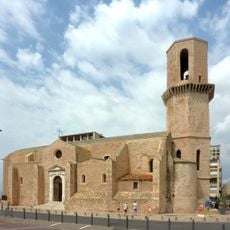
Eglise Saint-Laurent
216 m
Vieille Major
433 m
Musée de l'illusion Marseille
305 m
Hôtel de police de Marseille
426 m
Musée Regards de Provence
213 m
Théâtre antique de Marseille
300 m
Phare de Sainte Marie
352 m
Monument aux héros et victimes de la mer
339 m
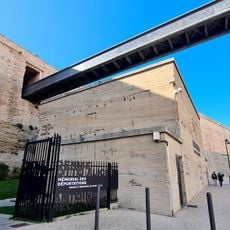
Mémorial des déportations
189 m
Fort Saint-Jean
174 m
Consigne sanitaire de Marseille
293 m
Théâtre de Lenche
394 m
Bâtiment de l'ancien observatoire de Marseille
476 m
Préau des Accoules
456 m
Bench
127 m
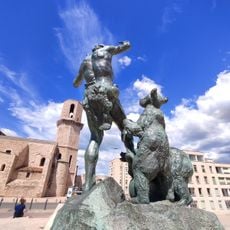
Tour du Fanal
139 m
Mémorial des Déportations de la Ville de Marseille
185 m
Jardin Émile Duclaux
424 m
Scenic viewpoint
248 m
Jardin Missak Manouchian
501 m
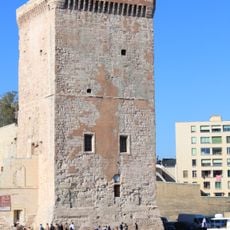
Tour du roi René
286 mReviews
Real people, real opinions — but not verified.
Visited this place? Tap the stars to rate it and share your experience / photos with the community! Try now! You can cancel it anytime.
Discover hidden gems everywhere you go!
From secret cafés to breathtaking viewpoints, skip the crowded tourist spots and find places that match your style. Our app makes it easy with voice search, smart filtering, route optimization, and insider tips from travelers worldwide. Download now for the complete mobile experience.

A unique approach to discovering new places❞
— Le Figaro
All the places worth exploring❞
— France Info
A tailor-made excursion in just a few clicks❞
— 20 Minutes