Corsica, Mediterranean island region in France
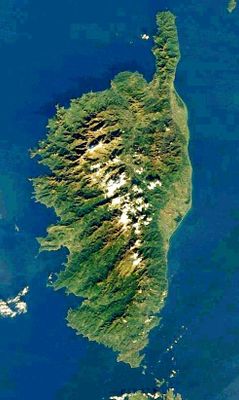
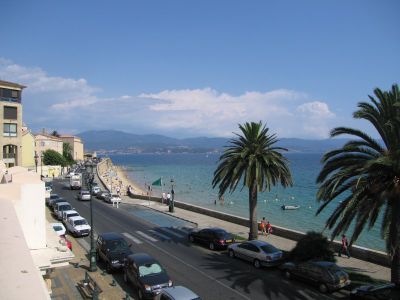
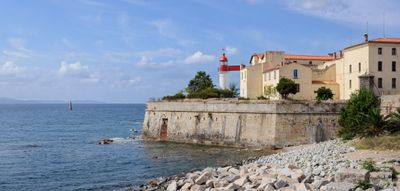
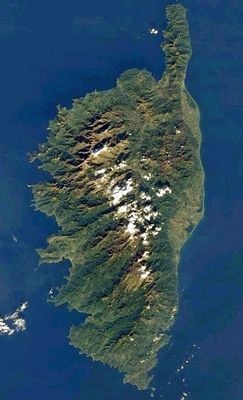
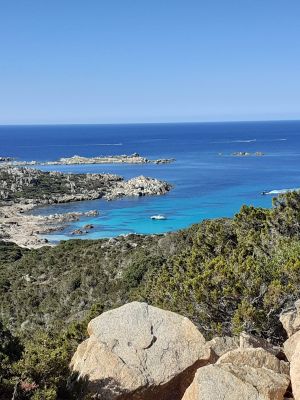
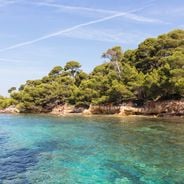
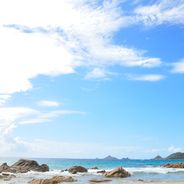
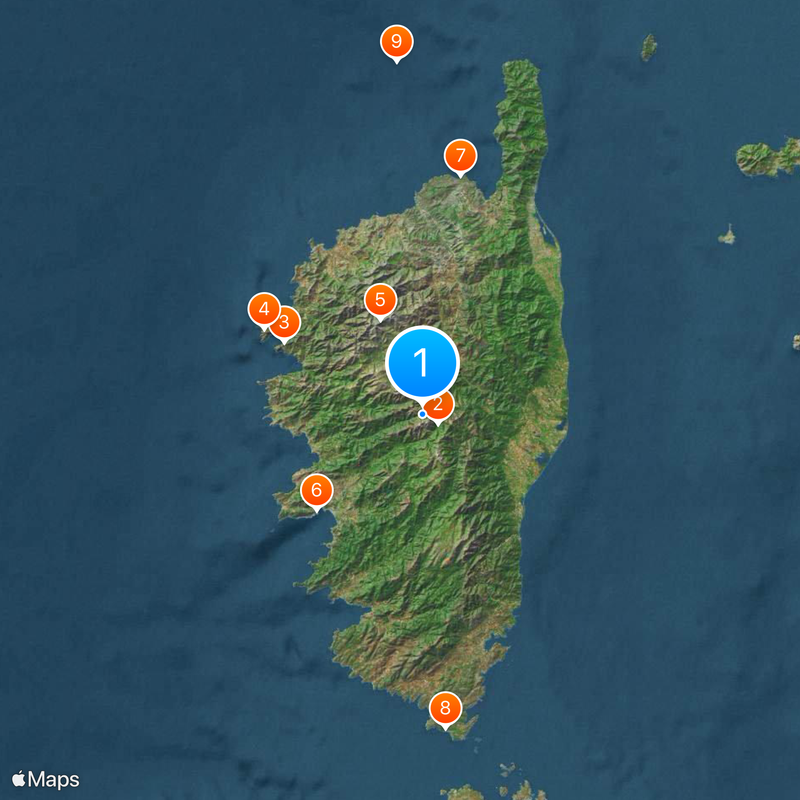
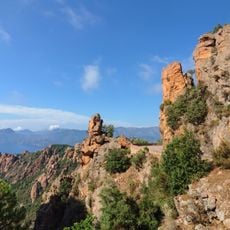
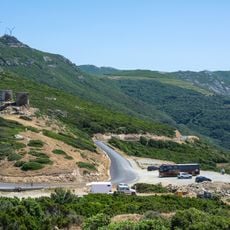
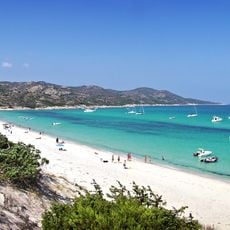
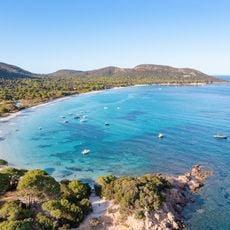
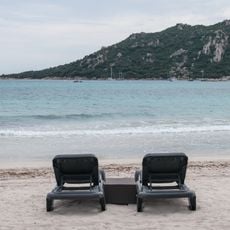
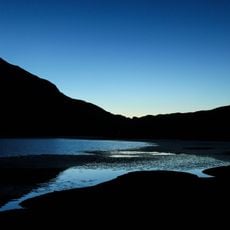
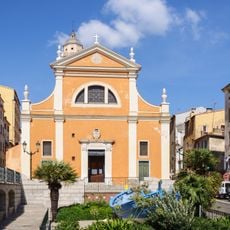
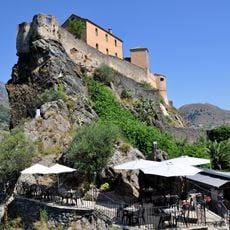
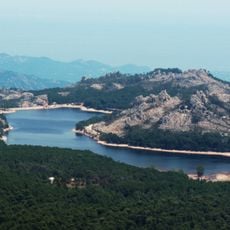
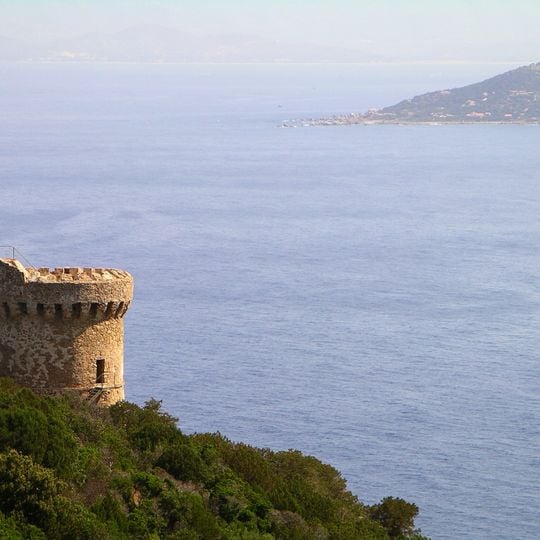
This island is a French region in the Mediterranean that reaches roughly 180 kilometers from north to south, with a central mountain range and coastal towns such as Bastia and Ajaccio. The landscape shifts from rocky summits inland to sandy coves and scrubland slopes along the shoreline.
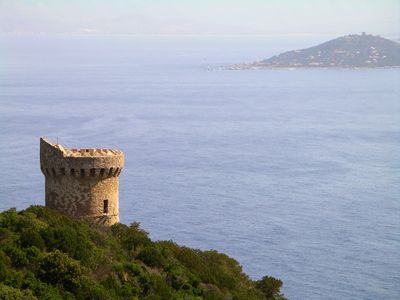
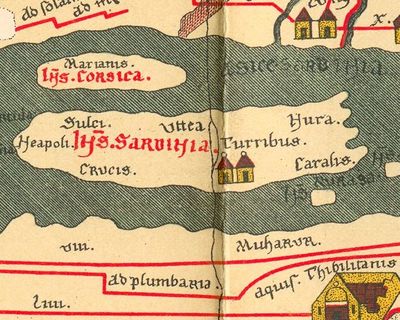
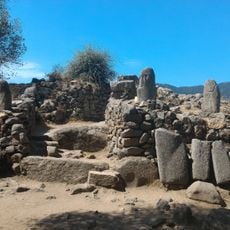
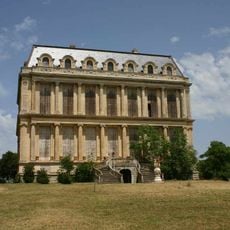
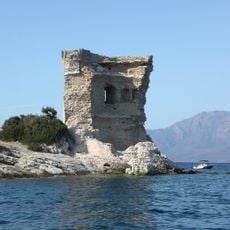
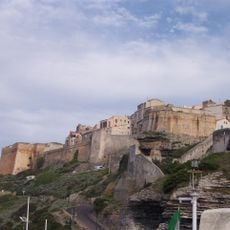
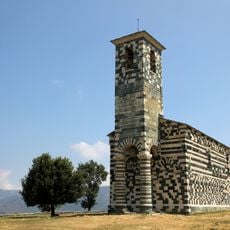
The island changed hands between Roman, Pisan, and Genoese rulers before joining France in 1768, after a brief period of self-rule led by Pascal Paoli. These shifts left traces in architecture, language, and place names still visible across the land.
Families gather in village squares on weekends, and local markets sell chestnut flour, cured meats, and cheeses shaped by generations of island farming. Polyphonic singing groups perform at festivals and church gatherings, keeping alive vocal traditions that visitors can hear throughout the year.
The weather here is typically mild in winter and warm in summer, with coastal areas reaching around 8 degrees Celsius (46 degrees Fahrenheit) in January and 28 degrees Celsius (82 degrees Fahrenheit) in August. Mountain roads inland may close during winter months, while coastal routes remain open year-round.
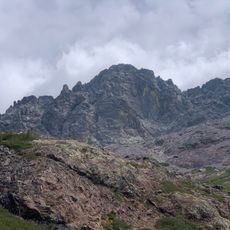
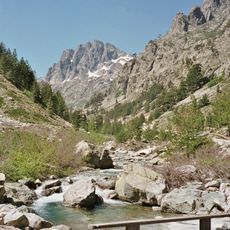
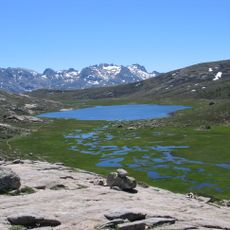
Monte Cinto rises to 2706 meters (8878 feet), the tallest summit here, surrounded by forests that cover more than 4000 square kilometers (1544 square miles). Trails wind through pine and oak groves where wild boar and rare bird species make their homes.
The community of curious travelers
AroundUs brings together thousands of curated places, local tips, and hidden gems, enriched daily by 90,756 contributors worldwide.