Île-de-France, Administrative region in Metropolitan France, France
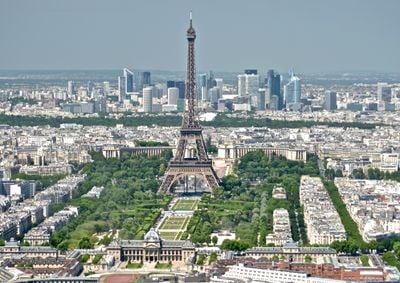
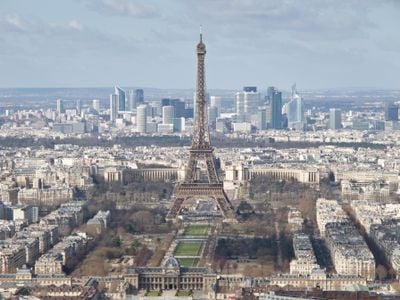
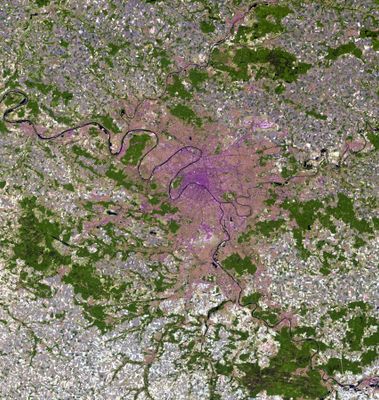
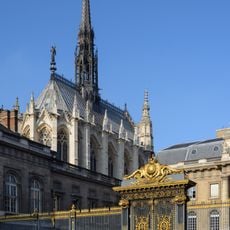
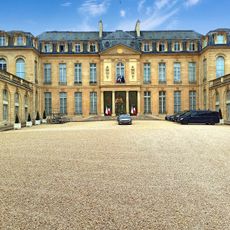
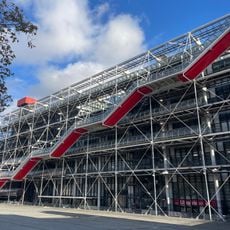
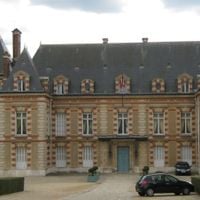
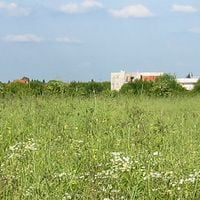
This administrative region includes Paris and seven surrounding departments covering around 12,000 square kilometers of territory in northern France. The landscape shifts from dense urban neighborhoods to forests, farmland, and small towns connected by rivers and roads.
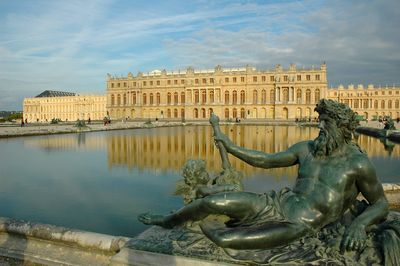
The territory became the heartland of the French kingdom in the 10th century when the Capetian kings established their seat in Paris. Over the following centuries it grew steadily, drawing people from across France and beyond its borders.
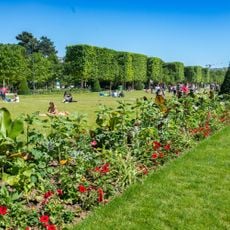
People gather in markets for cheese, wine, and fresh bread, while neighbors meet in cafés and parks across all districts, from the smallest village to the central arrondissements. Theaters and concert halls welcome audiences nightly, offering performances ranging from classical drama to modern music throughout the eight departments.
Trains, metro lines, and buses cover all departments, making it easy to move between cities, towns, and villages across the territory. Cycling paths follow canals and green spaces, offering another way to explore neighborhoods and surrounding countryside.
Roughly one third of the national economy originates here, making it the largest economic engine in the country. Despite this density forests around the metropolis shelter deer and wild boar only a short distance from crowded city centers.
The community of curious travelers
AroundUs brings together thousands of curated places, local tips, and hidden gems, enriched daily by 60,000 contributors worldwide.