See the monuments around you in AROpen chests in the app
Around Us is built for your phone — point your camera at the streets and discover the monuments and places around you in augmented reality.Around Us is built for your phone — chests unlock when you walk, explore and capture nearby places.
Île-de-France offers numerous historic sites beyond Paris, including medieval fortresses, artist residences, botanical gardens and art museums. The Château de Blandy-les-Tours preserves 13th-century military architecture, while the Albert Kahn Museum & Gardens contains a collection of historic photographs and themed gardens representing different continents. The Château d'Écouen houses the Musée National de la Renaissance, featuring significant holdings of 16th-century furniture, tapestries and ceramics. The Domaine de Sceaux encompasses a park designed by André Le Nôtre with formal parterres and a 19th-century château. The Roseraie du Val-de-Marne displays more than 3,000 rose varieties across a 3.7-acre (1.5-hectare) garden.
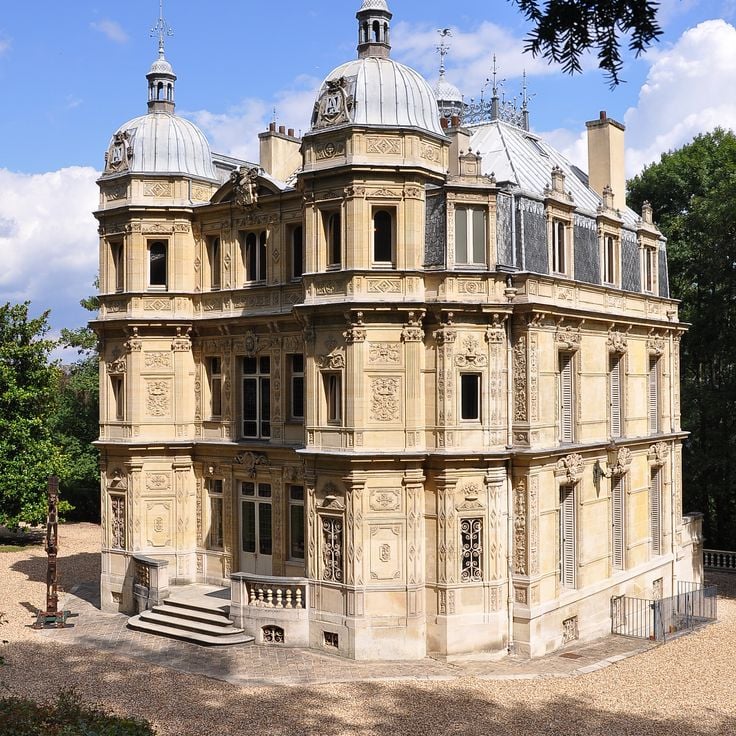
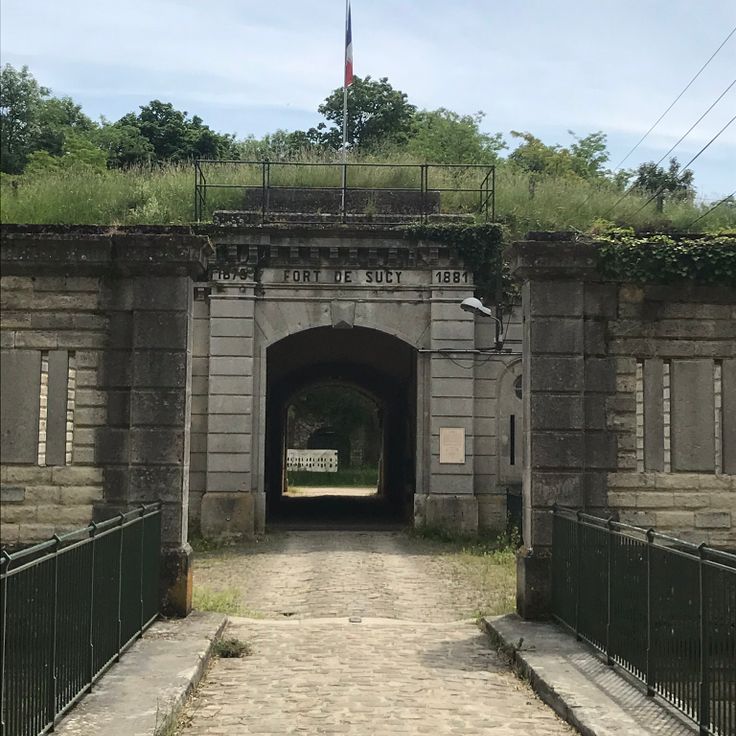
The region preserves literary sites including the Maison Littéraire de Victor Hugo in Bièvres, where the writer spent his final years, and the Maison Fournaise in Chatou, which served as a subject in Renoir's paintings. The Musée de la Toile de Jouy documents the history of regional textile production. Architectural features range from the medieval Donjon de Houdan to the Château de Monte-Cristo, Alexandre Dumas' neo-Gothic residence. Fort de Sucy represents late 19th-century military architecture, while Le Cyclop stands as a monumental metal sculpture by Jean Tinguely. These locations demonstrate the historical and cultural development of the region from medieval times through the modern era.
Île-de-France offers numerous historic sites beyond Paris, including medieval fortresses, artist residences, botanical gardens and art museums. The Château de Blandy-les-Tours preserves 13th-century military architecture, while the Albert Kahn Museum & Gardens contains a collection of historic photographs and themed gardens representing different continents. The Château d'Écouen houses the Musée National de la Renaissance, featuring significant holdings of 16th-century furniture, tapestries and ceramics. The Domaine de Sceaux encompasses a park designed by André Le Nôtre with formal parterres and a 19th-century château. The Roseraie du Val-de-Marne displays more than 3,000 rose varieties across a 3.7-acre (1.5-hectare) garden.
The region preserves literary sites including the Maison Littéraire de Victor Hugo in Bièvres, where the writer spent his final years, and the Maison Fournaise in Chatou, which served as a subject in Renoir's paintings. The Musée de la Toile de Jouy documents the history of regional textile production. Architectural features range from the medieval Donjon de Houdan to the Château de Monte-Cristo, Alexandre Dumas' neo-Gothic residence. Fort de Sucy represents late 19th-century military architecture, while Le Cyclop stands as a monumental metal sculpture by Jean Tinguely. These locations demonstrate the historical and cultural development of the region from medieval times through the modern era.
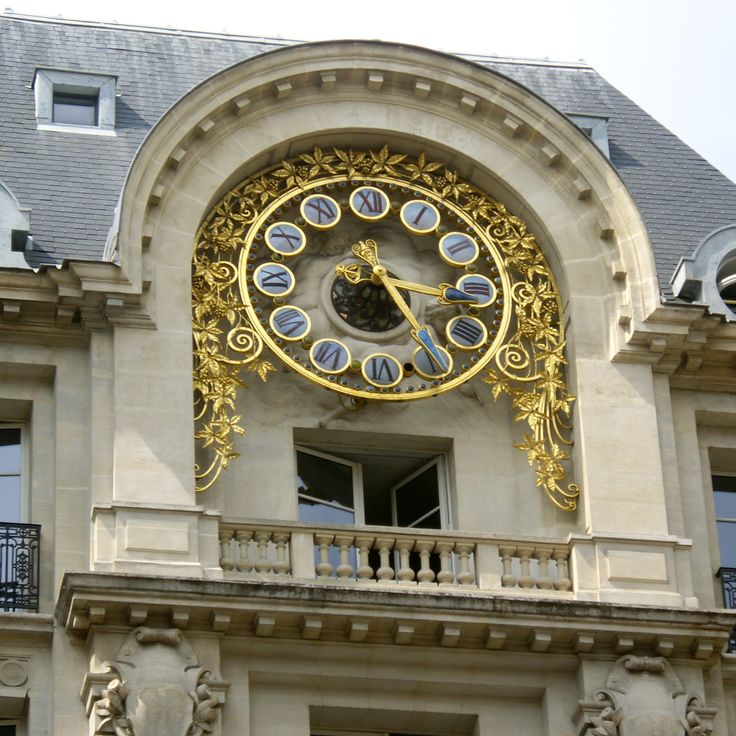
This 19th-century mechanical clock installation represents the technical craftsmanship of its era and forms part of the alternative destinations collection across the Ile-de-France region. The Horloge du Temps displays time through a complex system of gears and mechanisms that remain visible to visitors. The construction documents the evolution of timekeeping during a period when public clocks played an essential role in urban life. The clockwork demonstrates the precision and ingenuity of 19th-century horology.
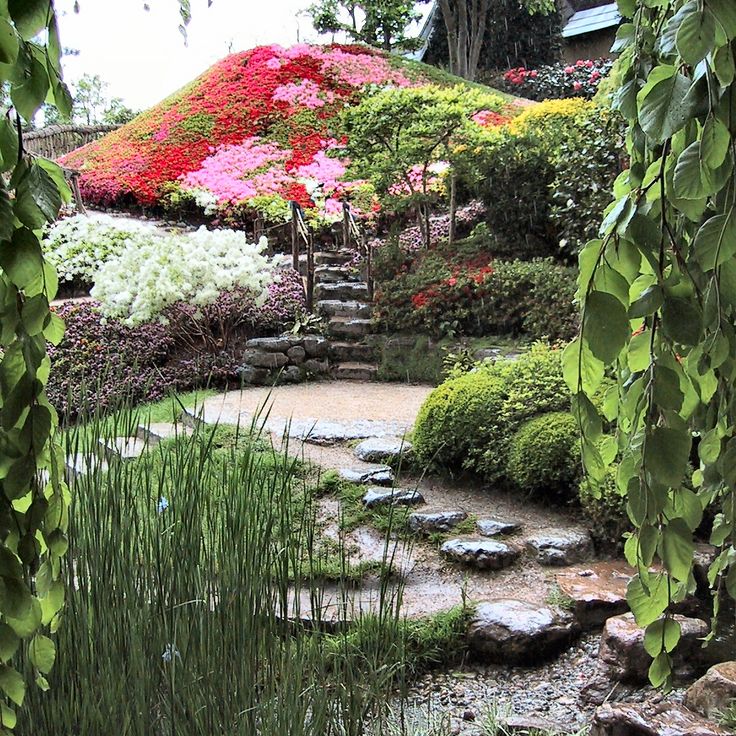
This museum preserves one of the world's most extensive collections of early color photography, with 72,000 images from 50 countries taken between 1909 and 1931. Banker Albert Kahn commissioned photographers to document the world before World War I reshaped it. The museum, rebuilt and reopened in 2022, combines the historical archives with four hectares (10 acres) of gardens representing Japanese, English and French landscape traditions. The architecture by Japanese firm Kengo Kuma integrates exhibition spaces into the garden landscape on the edge of Paris.
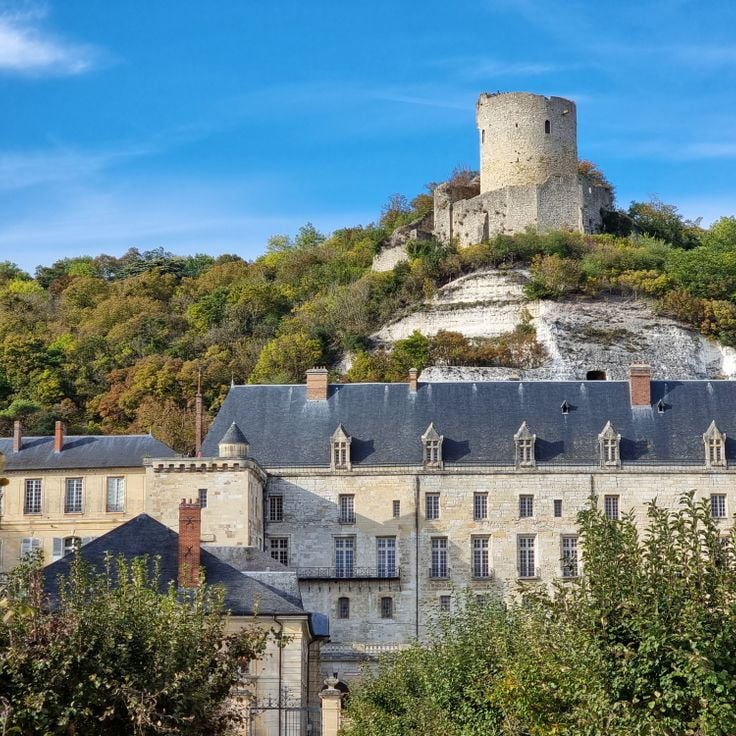
This medieval fortress built into the chalk cliffs above the Seine Valley combines military architecture with French garden design. The complex includes a 12th-century donjon carved into the rock face, underground passages connecting the upper and lower sections of the castle, and an 18th-century terraced vegetable garden. The castle served as a strategic defensive position for centuries before being converted into a manor residence. The interior rooms display furnishings and decorations from various periods, while the gardens have been restored according to historical plans. The clifftop location provides expansive views over the river valley and surrounding countryside.
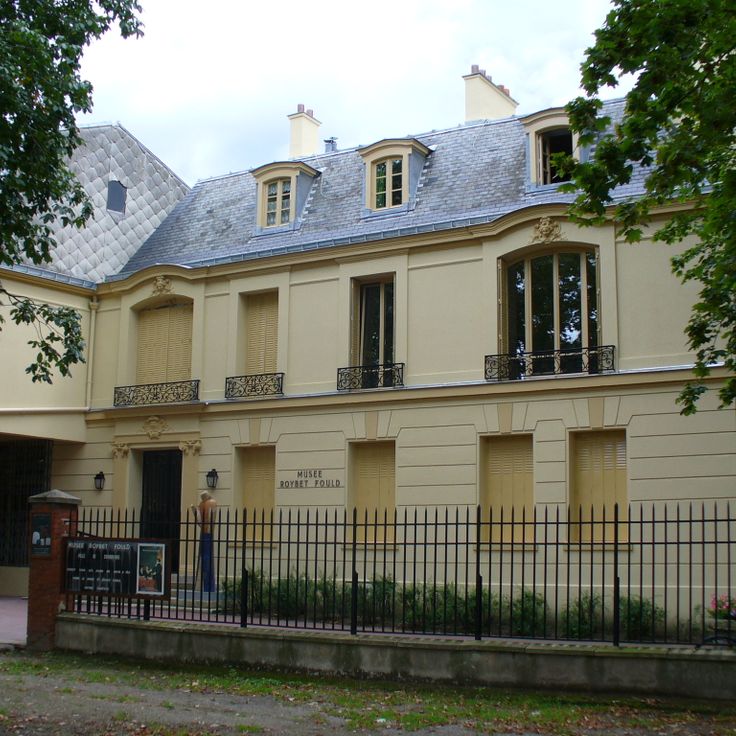
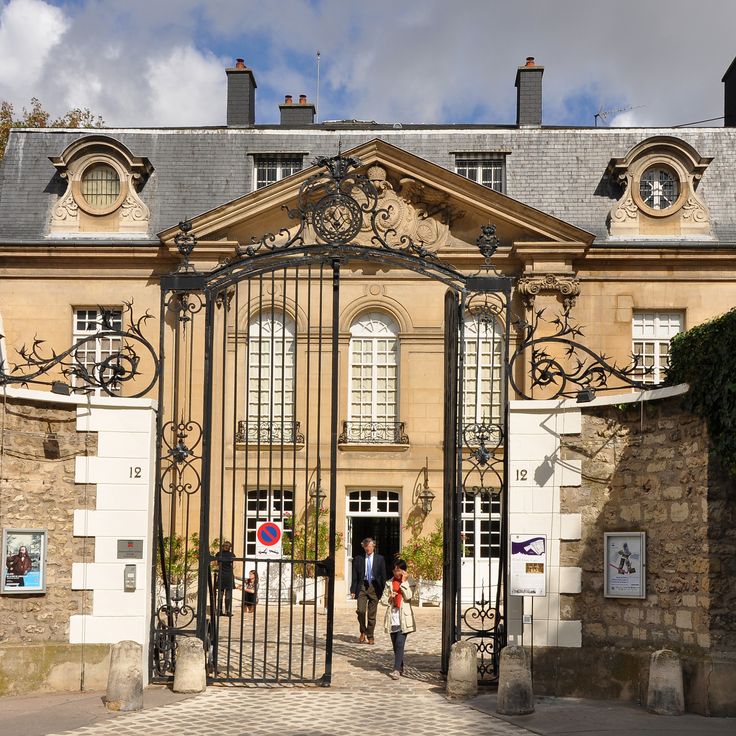
This museum displays paintings from the 19th century in an 1860 mansion surrounded by a garden with mature trees. The Roybet Fould Museum in Courbevoie extends the cultural offerings of the Ile-de-France region beyond Paris. The collection focuses on works by painter Consuelo Fould and her contemporaries. The building itself represents the bourgeois architecture of the second half of the 19th century. Exhibition rooms present portraits, genre scenes and landscapes from this period. The grounds provide outdoor space for visitors exploring alternative destinations in the region.
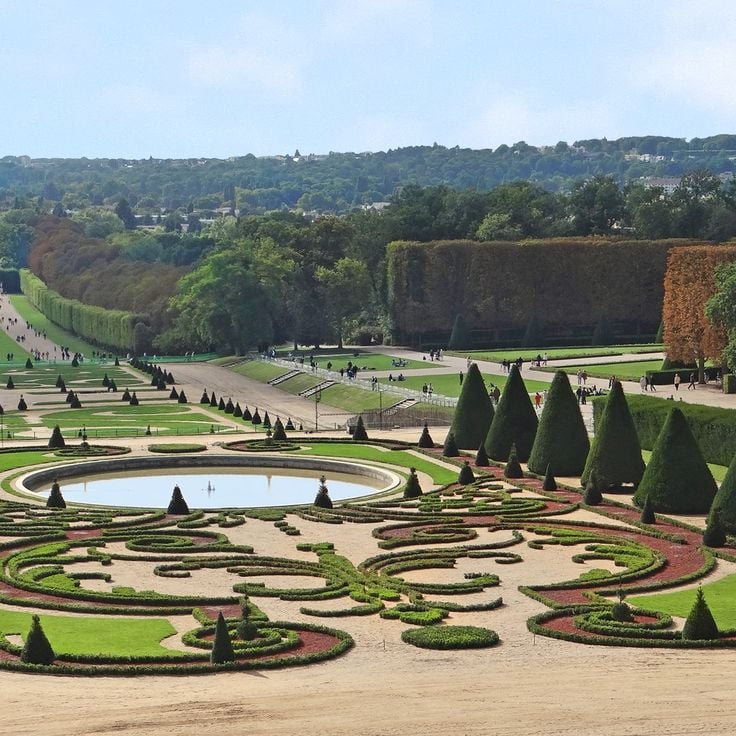
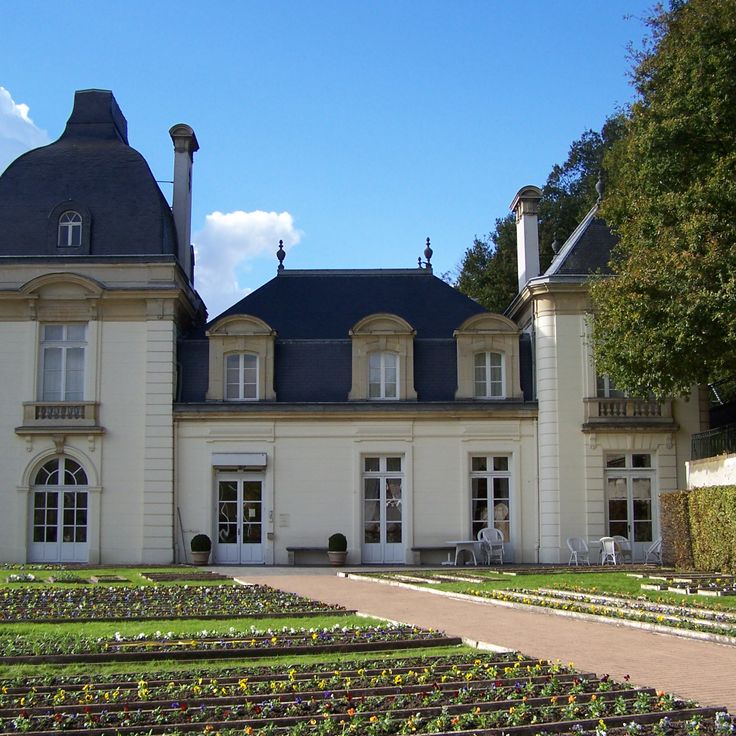
The Domaine de Sceaux contains a French garden created by André Le Nôtre in the 17th century. This estate covers several hundred acres and displays symmetrical pathways, fountains and large water basins characteristic of formal French garden design. The property lies south of Paris and originally served as the residence of the Colbert family. The château was rebuilt in the 19th century after the original structure was destroyed during the Revolution. The gardens provide walking paths through lawns and tree-lined alleys, while the museum inside the main building exhibits regional art and historical objects. This park attracts visitors seeking to explore historical garden design outside the capital.
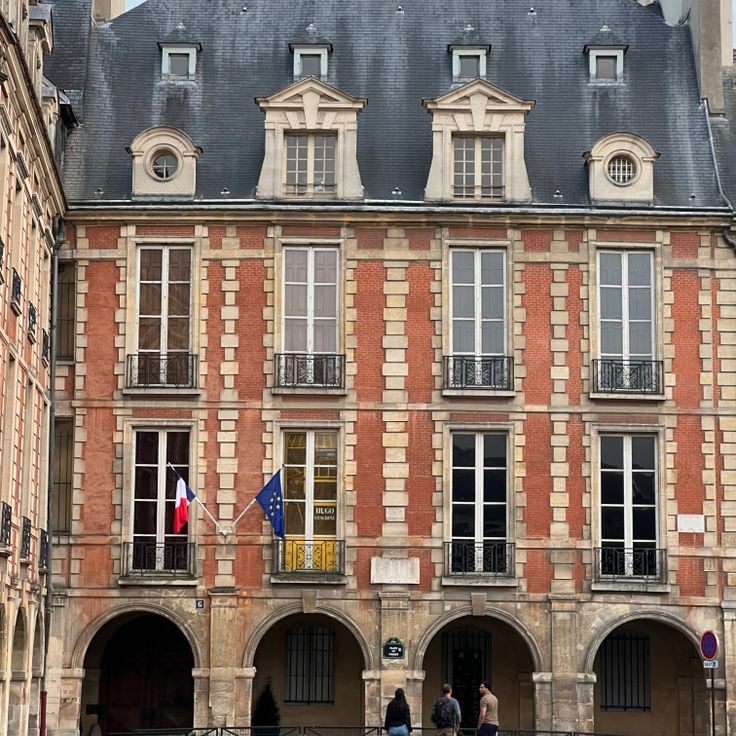
This building contains manuscripts, first editions and personal items from Victor Hugo's time when he wrote sections of Les Misérables here. The collection documents the creative period of the French author during his residence in Bièvres in the 19th century. Beyond literary documents, the house displays furniture and everyday objects from Hugo's working environment. The institution complements the better known literary sites in the Ile-de-France region and provides insight into the creation of one of French literature's most important novels.
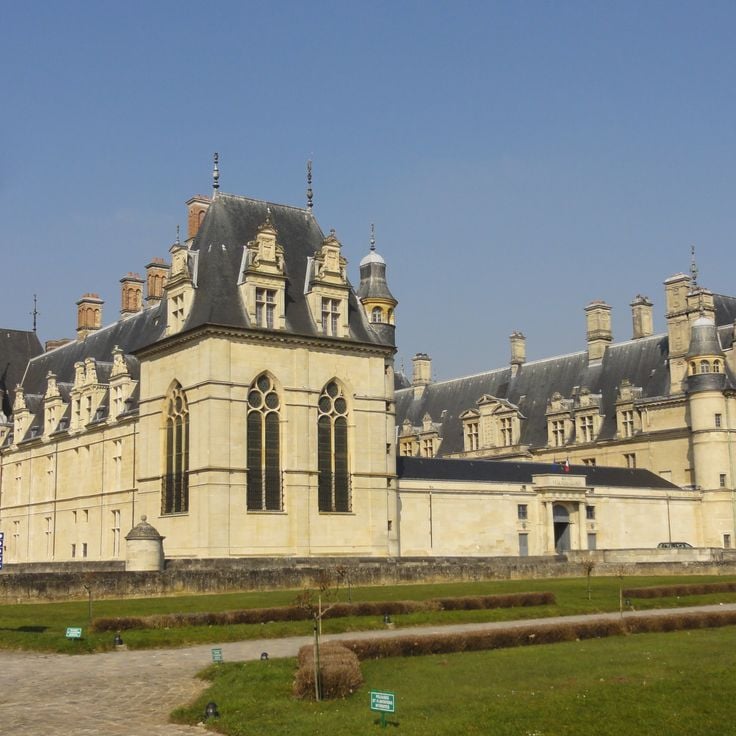
This château has housed the National Renaissance Museum since 1977 and presents a comprehensive collection of art objects, furniture, tapestries and ceramics from the 16th century. The structure was built between 1538 and 1555 for Anne de Montmorency, Constable of France, and displays French Renaissance architecture with courtyards, galleries and decorated halls. The collection includes painted enamels from Limoges, Italian maiolica, carved wooden furniture and textile works. The museum stands about 12 miles (20 kilometers) north of Paris and provides insight into artistic production of the Renaissance period in France and Europe.
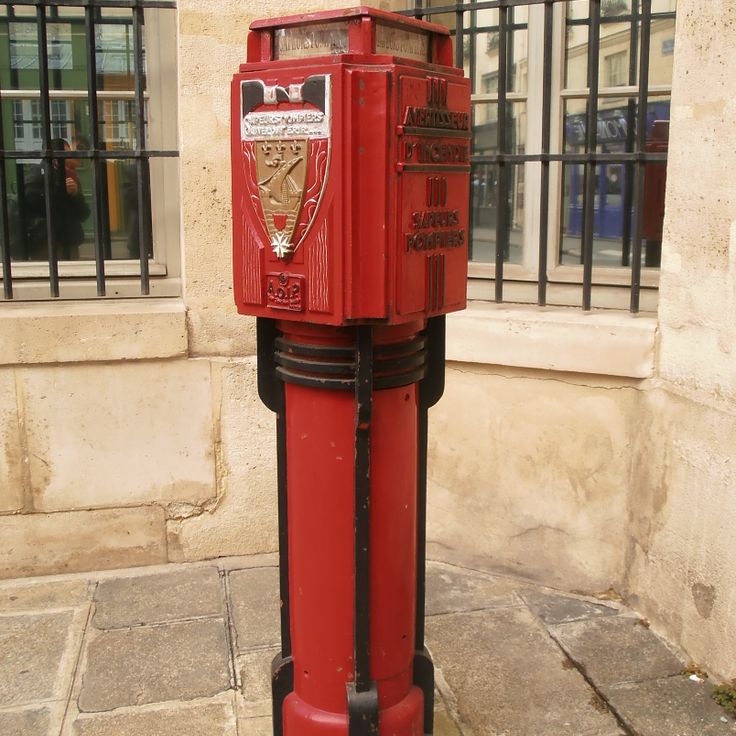
This 19th-century alert system once served to signal fires across Paris. The device was later transformed through colored paint into a street art installation. The Avertisseur d'incendie de la rue Sévigné represents the evolution of urban fire safety infrastructure in the Île-de-France region, connecting historical emergency systems with contemporary artistic expression. The object documents the transition from mechanical alert mechanisms to modern communication methods while preserving evidence of public safety measures in historic Parisian neighborhoods.
This botanical garden in L'Haÿ-les-Roses preserves over 3,000 rose varieties from five continents, tracing the flower's development from medieval medicinal plants to contemporary hybrids. The Roseraie du Val-de-Marne was established in 1894 as a municipal garden and expanded into a scientific collection in 1910. Themed sections document historical, botanical and geographical aspects of rose cultivation. Located 5 miles (8 kilometers) south of Paris, this garden represents one of the regional destinations in Île-de-France that showcase horticultural heritage and botanical research beyond the capital's central attractions.
This medieval tower from the 11th century rises 66 feet (20 meters) above Montfort-l'Amaury and offers insight into the regional past of Île-de-France. The Tour Anne-de-Bretagne contains four floors displaying exhibits on local history. The tower structure belongs to the preserved fortifications of the region and documents medieval defensive architecture. Visitors can explore the historical rooms and learn about the developments in this area.
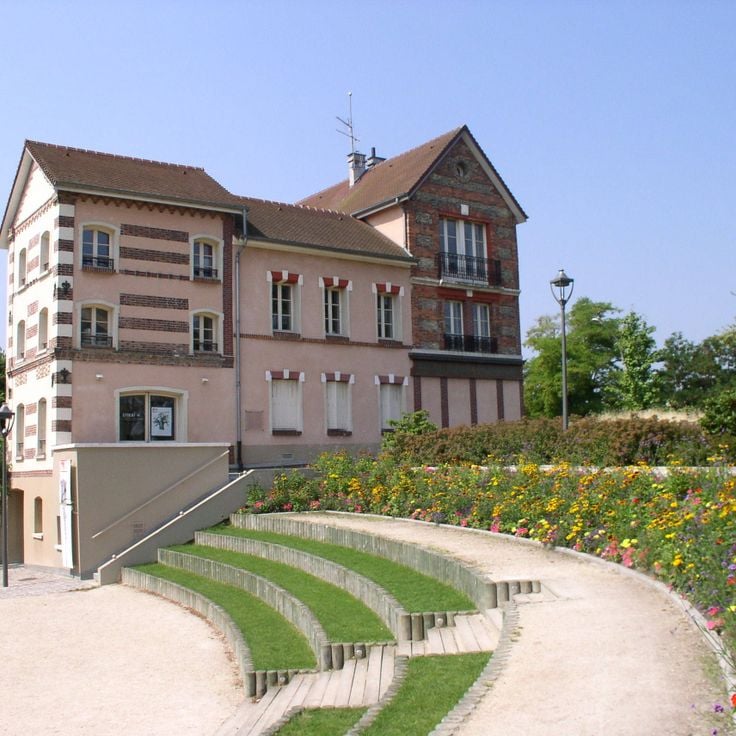
This former restaurant on the banks of the Seine in Chatou served as a gathering place for Impressionist painters in the late 19th century, most notably Renoir, who created his celebrated painting 'Luncheon of the Boating Party' here. The Maison Fournaise reopened as a museum in 1990, displaying paintings, photographs and documents related to the rowing and artistic culture along the Seine during the Belle Époque period. The building itself dates from the 18th century and retains its historic architecture overlooking the river. This cultural site illustrates the social importance of the Seine as a recreational and inspirational setting for the Parisian art world and complements the Ile-de-France regional collections by documenting local river culture.
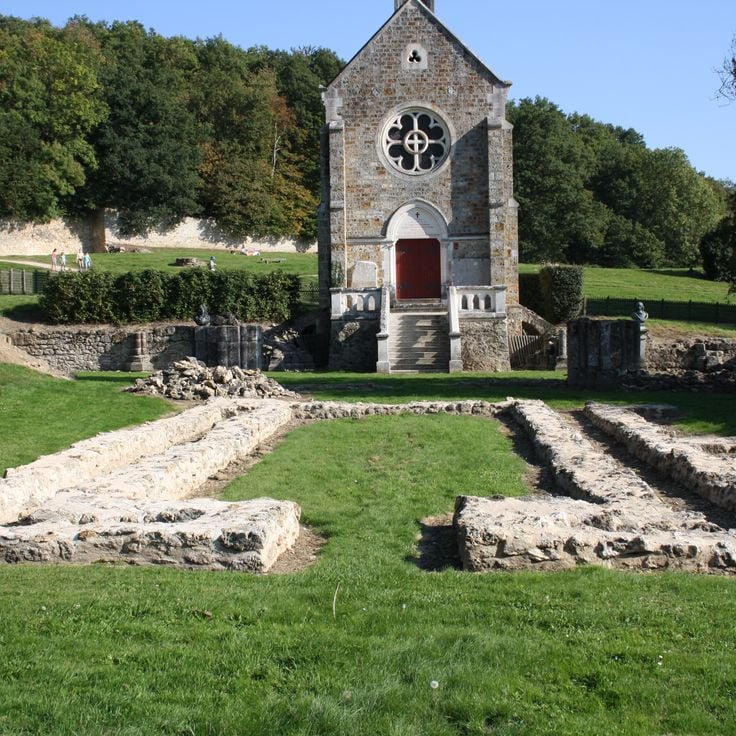
This 13th century Cistercian abbey represents one of the Ile-de-France religious and philosophical sites that shaped regional history. Port Royal des Champs served as a center of Jansenism during the 17th century and housed an influential theological community. The remaining stone walls and foundations reveal the original monastery layout, while the museum documents the history of Jansenism and its key figures. The abbey's medicinal gardens follow medieval cultivation practices and complement the historical site with practical insights into monastic agriculture.
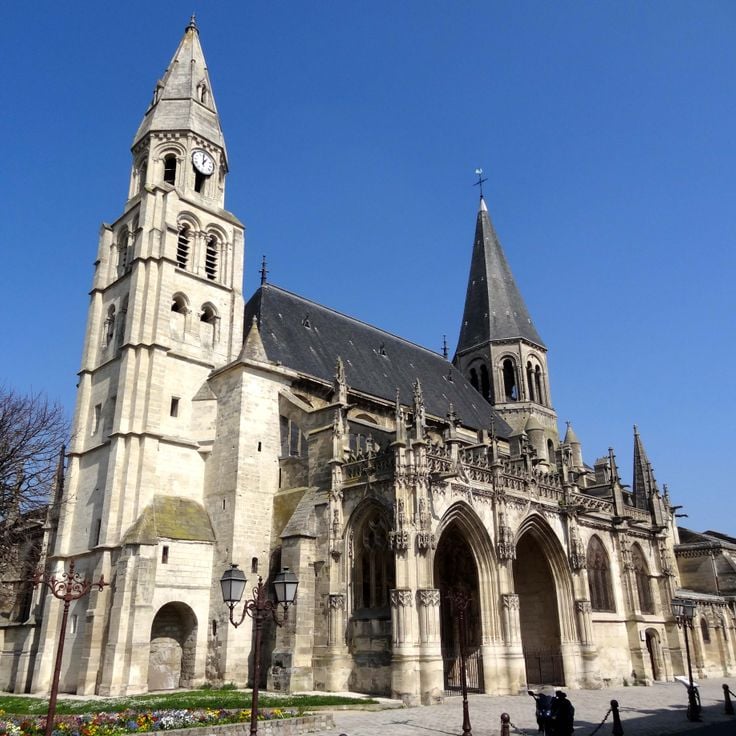
This collegiate church stands in Poissy and adds to the selection of medieval structures in Ile-de-France beyond Paris. The Collégiale Notre-Dame was built in the 12th century and displays Gothic architectural elements including pointed arches, ribbed vaults and large windows fitted with colored glass. The stonework on capitals and portals documents the craft techniques of the period. The building served as a collegiate church and held both religious and administrative functions in the medieval town.
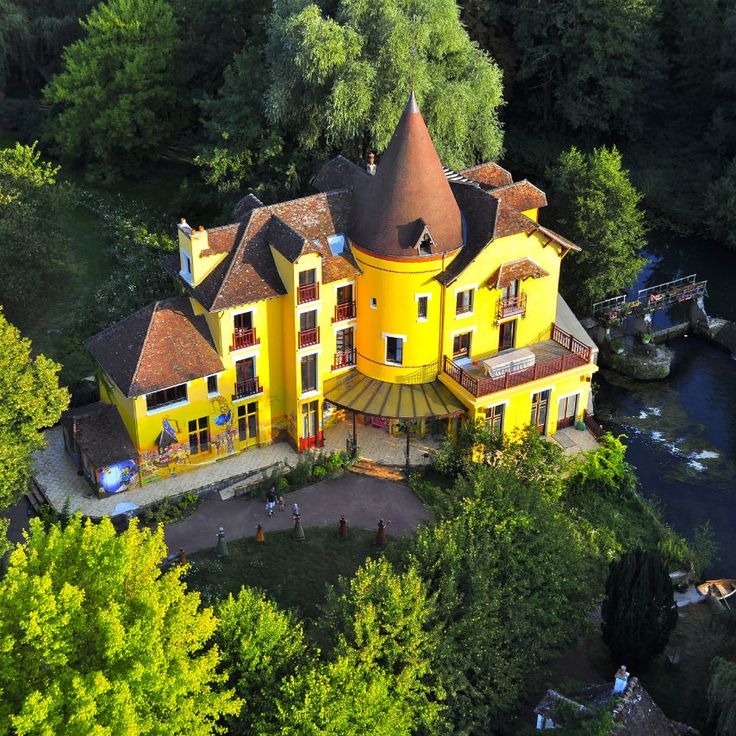
This renovated mill in Crécy-la-Chapelle serves as an artistic center created by Russian clown and theater director Slava Polunin. The property features outdoor sculptures, garden areas and a theater space, with different sections marked by distinct color schemes. The Moulin Jaune originated from a historic water mill transformed into an experimental art and living space. The installation combines visual art, performance and architecture in a rural setting approximately 31 miles (50 kilometers) east of Paris.
This park extends across 54 hectares (133 acres) around a historic estate in eastern Ile-de-France. The grounds combine contemporary art exhibitions in the main buildings with geometrically designed garden sections, wooded paths and open lawn areas. As a regional cultural venue, Parc du Château de Rentilly presents rotating installations and sculptures while the outdoor spaces offer walking trails. The combination of art presentation and parkland makes this site an example of the diverse cultural facilities available outside Paris.
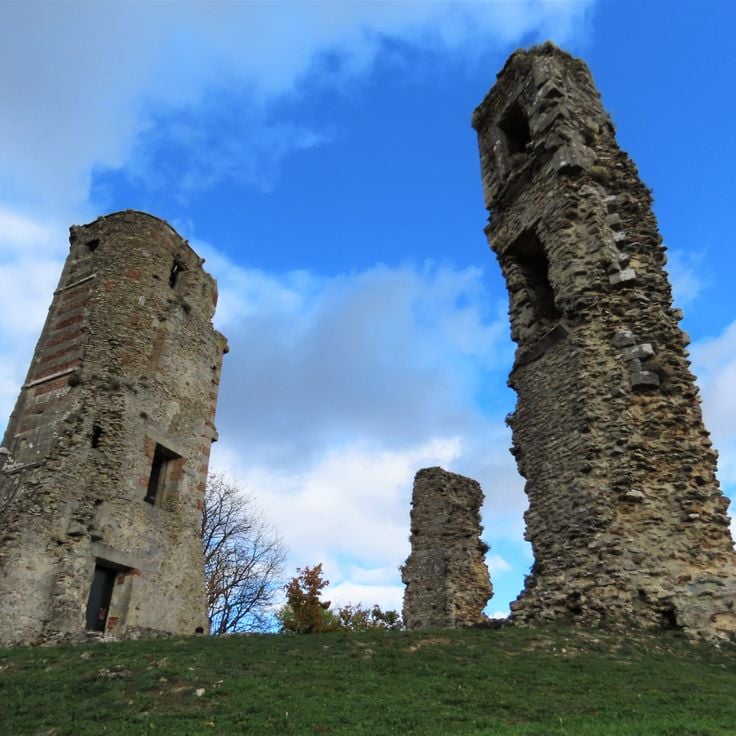
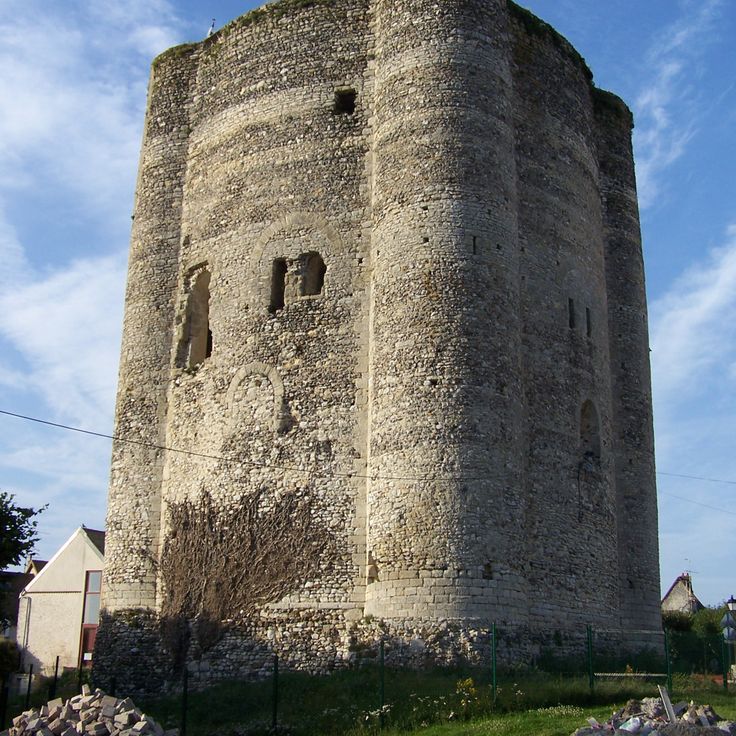
This medieval keep rises 82 feet (25 meters) in the center of Houdan and represents 12th-century military architecture in the Ile-de-France region. The stone fortification features four cylindrical corner towers surrounding a square base. Inside, a collection of regional historical objects documents the history of medieval defenses and local life. The structure stands among the few preserved Romanesque keeps in the region and illustrates fortification techniques of the period. The site provides insight into the strategic importance of Houdan during the Middle Ages.
This estate was built in 1846 by writer Alexandre Dumas in Le Port-Marly and serves as an example of the historic residences found outside Paris. The Château de Monte-Cristo includes a main house in Renaissance Revival style, a separate writing pavilion named Château d'If, and a garden with neo-Gothic elements. The property reflects the architectural tastes of the mid-19th century and documents the life of the author who wrote The Three Musketeers and other works here. The interiors contain furniture and objects from the period, while the garden presents sculptures and decorative features.
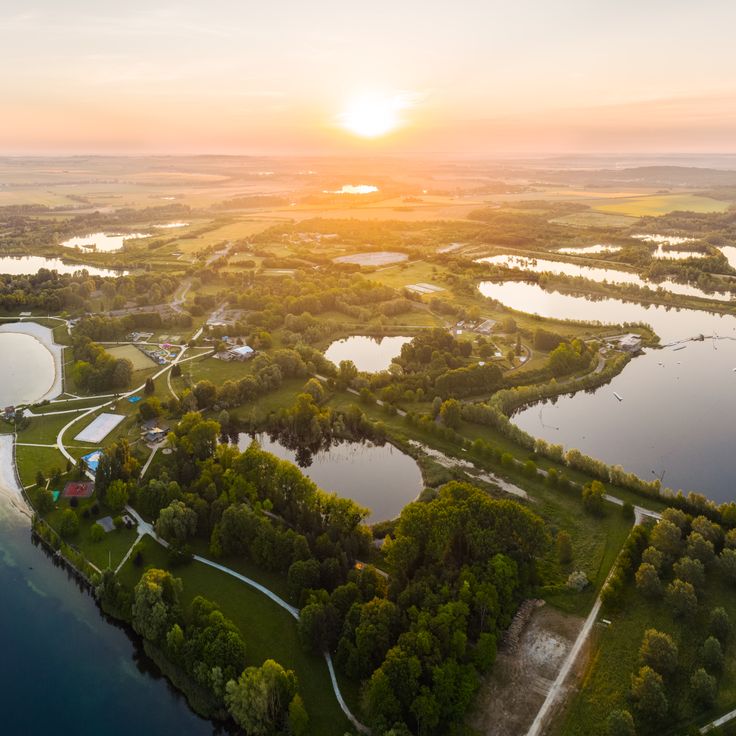
This leisure area sits about 25 miles (40 kilometers) east of Paris and covers 1,200 acres (500 hectares) around a natural lake. L'Île de Loisirs de Jablines-Annet ranks among the larger regional parks in Île-de-France and provides swimming areas, water sports facilities and spaces for tennis, golf and horseback riding. The site attracts families and active visitors seeking a day outside the capital. This destination includes designated zones for different activities and lies in a rural setting between fields and woodlands.
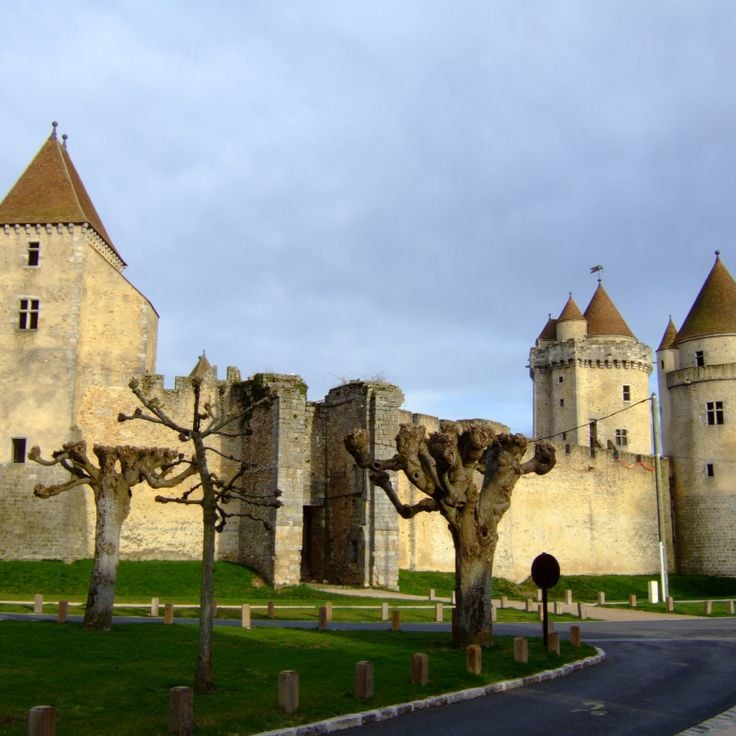
This 14th-century castle demonstrates medieval military architecture in Ile-de-France through its six preserved towers, walkable ramparts and central courtyard. The fortress served as a strategic stronghold for centuries and underwent extensive restoration. The Château de Blandy-les-Tours now hosts cultural programs and exhibitions within its historical chambers. Located approximately 37 miles (60 kilometers) southeast of Paris, this castle complements the region's fortified heritage with well-preserved defensive structures. Visitors can walk the rampart passages and trace the evolution of fortress design from the 13th through the 17th century.
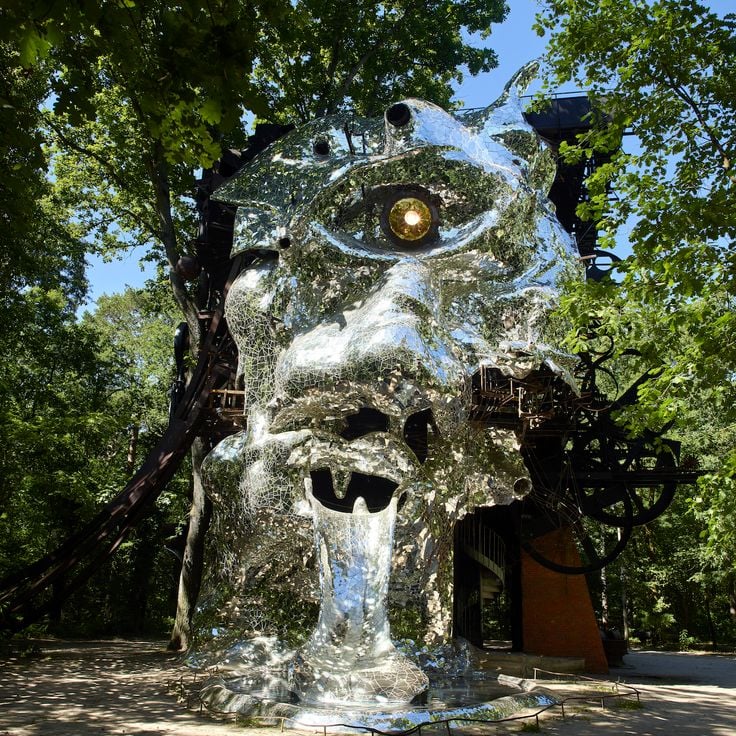
Le Cyclop is a 72-foot (22-meter) steel sculpture standing in the forest near Milly-la-Forêt, built over two decades beginning in 1969. This monumental art installation contains mechanical elements, mirrors and a water-powered wheel. The structure combines architecture and sculpture into a walk-through artwork set in the woods, representing the experimental art scene of the second half of the 20th century in Ile-de-France, away from the traditional Parisian museums and castles.
This fort forms part of the Paris defense ring built during the 19th century and documents the military architecture of the Third Republic. The compound in Sucy-en-Brie displays characteristic elements of French fortification design, including bastions, casemates and powder magazines. The fort belonged to a system of defenses erected to protect the French capital following the Franco-Prussian War. The military architecture reflects strategic concepts from the second half of the 19th century and demonstrates technical developments in fortress construction.
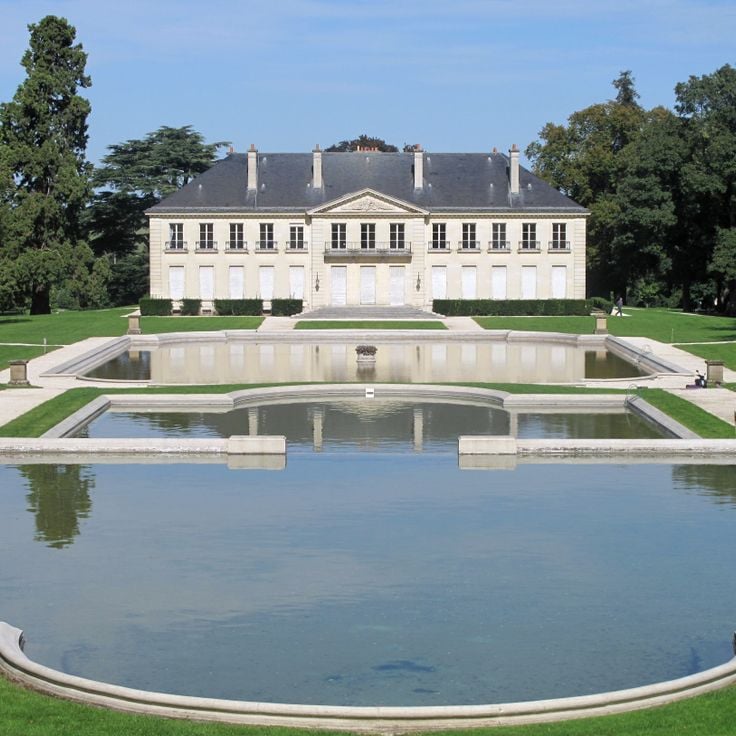
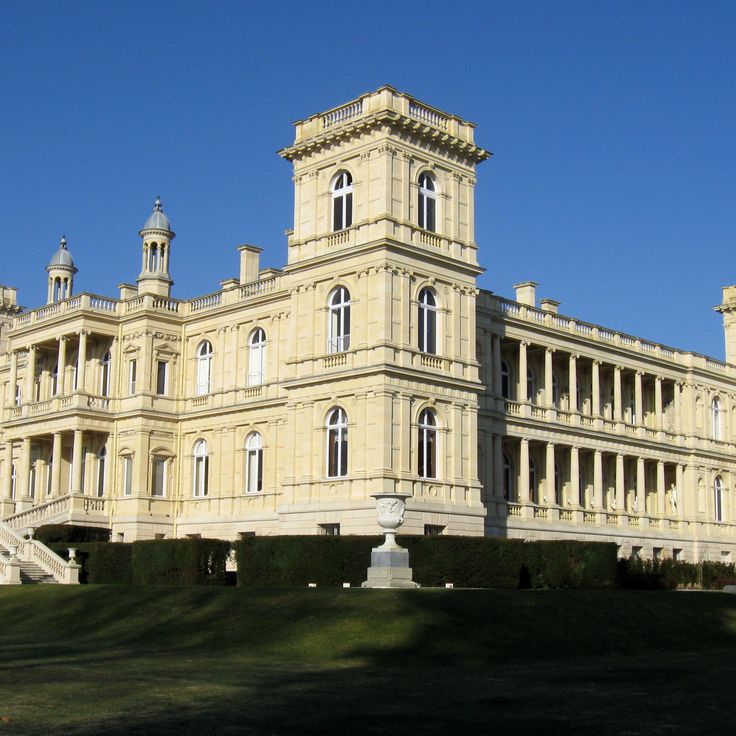
This château forms part of the Rothschild family estate built in 1855 and demonstrates Second Empire architecture through its central tower and symmetrical wings. The interiors contain collections of 19th-century furniture, paintings and decorative objects. The 135-hectare (335-acre) park combines French formal gardens with English landscape gardens, offering visitors insight into aristocratic estate design of the period across the Île-de-France region.
This museum focuses on the Oberkampf manufactory, which produced printed cotton fabrics in Jouy-en-Josas between 1760 and 1843. The Musée de la Toile de Jouy displays more than 6,000 textile samples, including the characteristic toile de Jouy patterns featuring rural scenes, mythological subjects and floral motifs. The exhibition documents 18th-century printing techniques, from wooden blocks through copper plates to mechanical rollers. Period tools, dye recipes and pattern books complement the fabric collection. As an alternative to major Parisian museums, this institution presents the industrial and artistic development of a textile tradition that gained recognition across Europe.
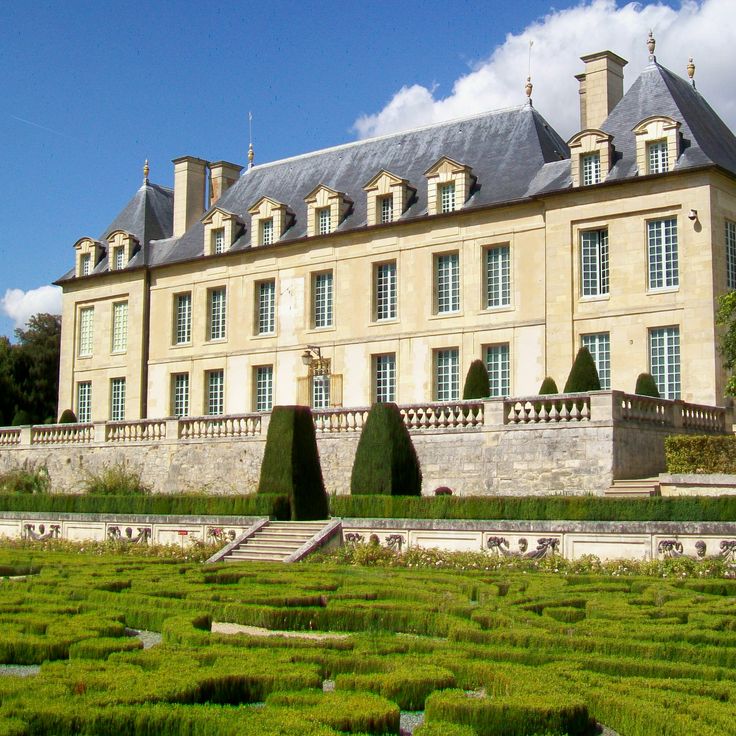
This 17th century castle presents the history of Impressionist painters and their connection to the Auvers-sur-Oise region. The Château d'Auvers-sur-Oise uses modern exhibition techniques to transport visitors into the era when these artists worked. The rooms show how painters including Vincent van Gogh, Paul Cézanne and Camille Pissarro lived and created their work in this area. The museum offers audiovisual installations and thematic routes through the period from 1850 to 1914. The building itself represents French Baroque architecture with later renovations that preserve its original character while accommodating contemporary museum functions.
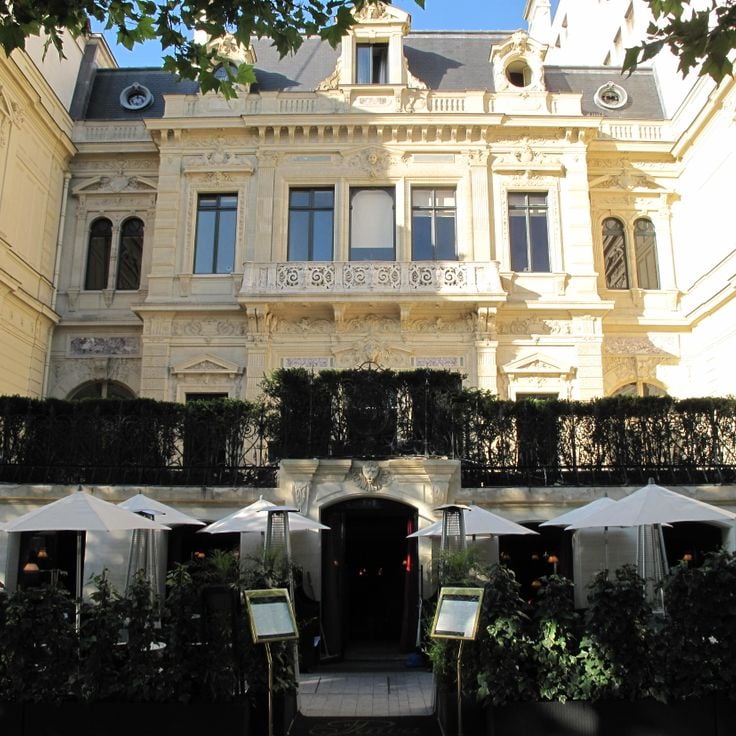
This 19th-century private mansion on Avenue des Champs-Élysées represents Second Empire architecture within the Ile-de-France collection of alternative destinations. The building features marble staircases, gilded ornamentation and painted ceilings that document the design principles of the Napoleonic era. The interior preserves period details from the mid-1800s, including stuccowork and parquet flooring that illustrate the residential style of upper-class Parisian society during this period. The mansion demonstrates the architectural preferences of French aristocracy in the decades following the establishment of the Second Empire in 1852.
This museum displays mechanical figures and dolls from the 19th and 20th centuries, documenting technical developments in the Paris suburbs. The collection includes automata, animated dolls and mechanical toys that illustrate historical manufacturing methods. The museum presents exhibits that offer insights into the history of mechanical craftsmanship in the Ile-de-France region. The displayed objects show the connection between engineering and decorative arts across two centuries. The museum complements the regional cultural offerings through its focus on technical and artistic workmanship.
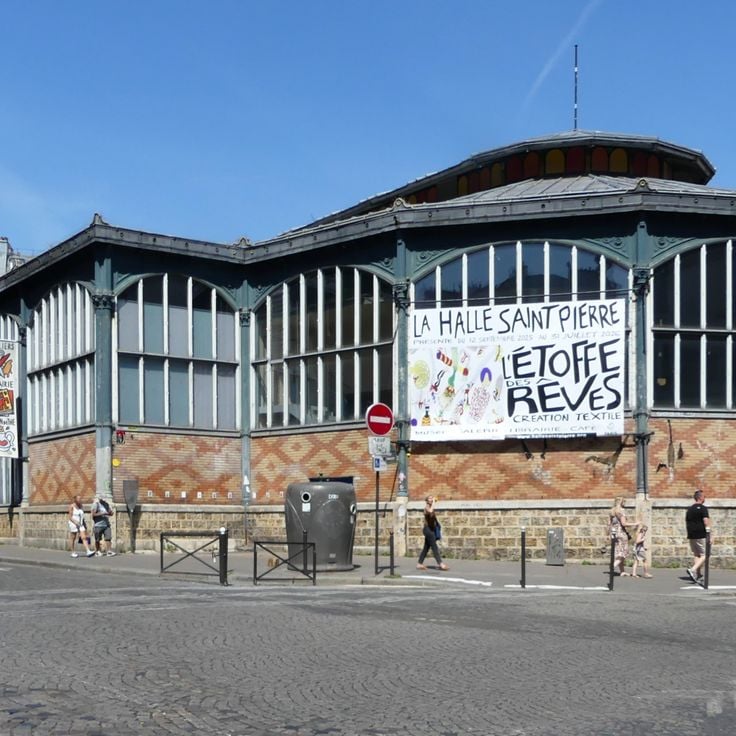
This gallery in a former market hall in Paris presents contemporary art, folk art and art brut through rotating exhibitions. The converted 19th century building provides space for works by established and emerging artists from various creative movements. The gallery adds to the cultural offerings of the Île-de-France region through its focus on artistic expressions that often stand outside mainstream art history. Visitors find regularly changing thematic focuses that cover the broad spectrum of modern and contemporary art forms, offering insights into unconventional artistic practices and works created beyond traditional academic frameworks.
This Buddhist temple was built in 1977 in traditional Asian style with red and gold facade and houses a 30-foot (9-meter) Buddha statue. The facility serves as a center for Buddhist teachings and meditation and provides visitors insight into Buddhist practices of Asian communities in the capital region. The temple ranks among the religious sites beyond the standard tourist circuit in Ile-de-France and conveys aspects of Asian culture and spirituality within an urban French context.
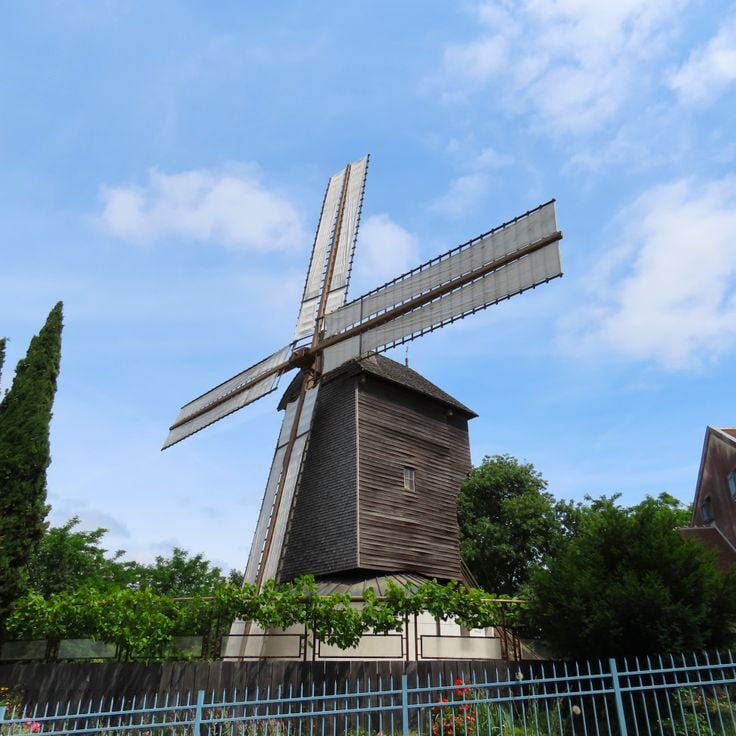
This 18th-century windmill stands on a hilltop in Sannois and serves as testimony to the industrial heritage of the Ile-de-France region. The Moulin de Sannois contains preserved historical equipment for grain processing that operates during demonstrations. The structure represents the agricultural past of the region and displays the technical developments in milling technology. Visitors can examine the mechanical components and learn about the role these mills played in the local economy. The elevated position provides views across the surrounding landscape.
The Musée de Préhistoire d'Île-de-France preserves artifacts spanning 600,000 years of human settlement. Collections include flint tools, ceramic vessels and ornamental objects from the Paleolithic through the Merovingian period. Archaeological excavations throughout the southern Seine basin provided most exhibits. This museum documents the evolution of prehistoric communities in present-day Ile-de-France through Stone Age weapons, Bronze Age implements and early medieval grave goods. Educational reconstructions demonstrate manufacturing techniques and burial practices from successive eras.
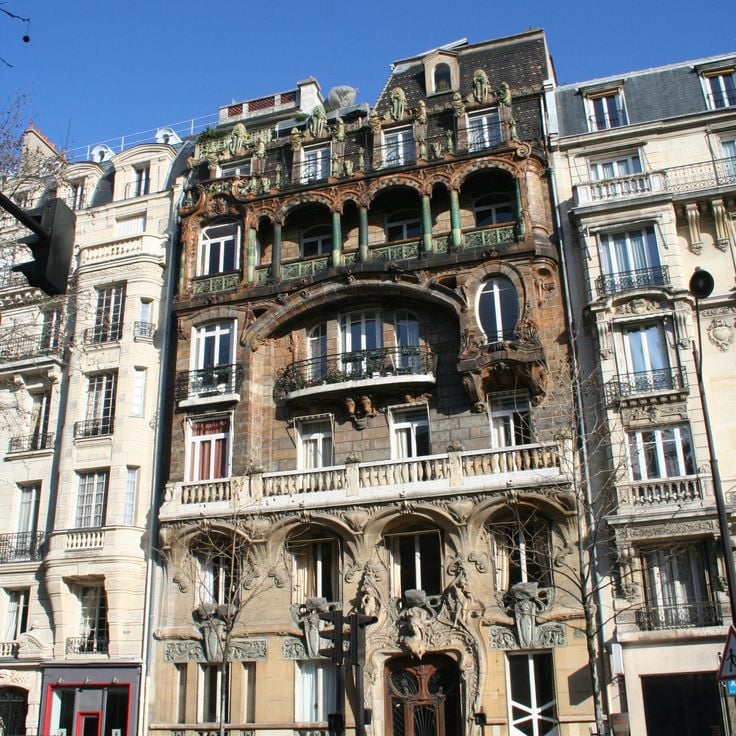
This residential building from 1901 stands on a quiet street in the 7th arrondissement and represents one of the finest examples of Art Nouveau architecture in Paris. The facade displays intricate ceramic tiles featuring floral and female motifs created by sculptor Alexandre Bigot. The large bronze entrance door presents organic forms and curved lines characteristic of the period. Architect Jules Lavirotte received the first prize in the 1901 competition for the most beautiful facade in the city. The building represents the decorative architecture found beyond the well-known Parisian landmarks throughout the Ile-de-France region.
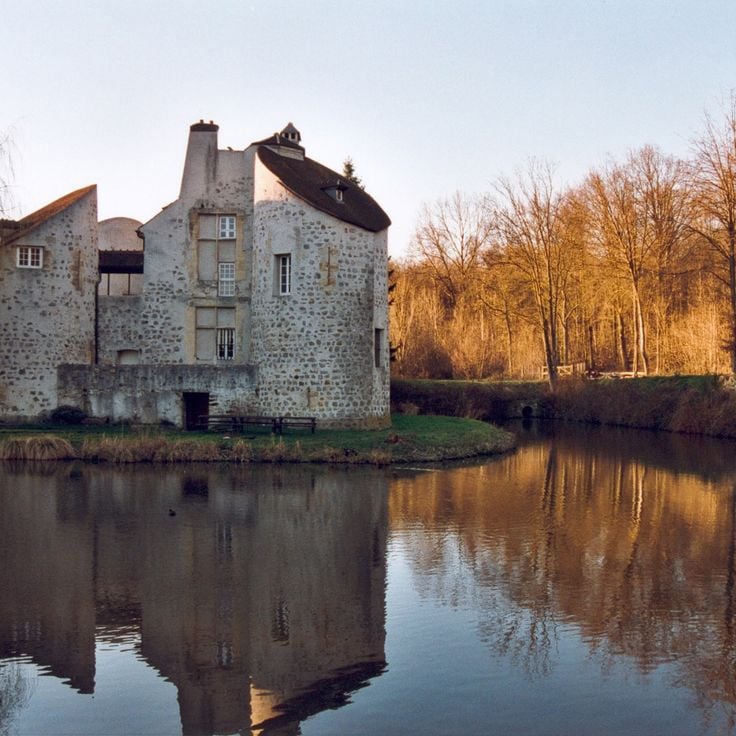
This castle is a 14th-century medieval complex in Saint-Prix that contributes to the regional fortification architecture of Ile-de-France. The construction includes two circular towers and a central keep surrounded by water defenses. The stone structures document late medieval defensive techniques. Château de la Chasse adds to the collection of historic castles outside Paris with an example of regional military architecture. The water defenses and preserved construction provide insight into 14th-century fortification methods in the northern Parisian countryside.
This 19th-century mechanical clock installation represents the technical craftsmanship of its era and forms part of the alternative destinations collection across the Ile-de-France region. The Horloge du Temps displays time through a complex system of gears and mechanisms that remain visible to visitors. The construction documents the evolution of timekeeping during a period when public clocks played an essential role in urban life. The clockwork demonstrates the precision and ingenuity of 19th-century horology.
This museum preserves one of the world's most extensive collections of early color photography, with 72,000 images from 50 countries taken between 1909 and 1931. Banker Albert Kahn commissioned photographers to document the world before World War I reshaped it. The museum, rebuilt and reopened in 2022, combines the historical archives with four hectares (10 acres) of gardens representing Japanese, English and French landscape traditions. The architecture by Japanese firm Kengo Kuma integrates exhibition spaces into the garden landscape on the edge of Paris.
This medieval fortress built into the chalk cliffs above the Seine Valley combines military architecture with French garden design. The complex includes a 12th-century donjon carved into the rock face, underground passages connecting the upper and lower sections of the castle, and an 18th-century terraced vegetable garden. The castle served as a strategic defensive position for centuries before being converted into a manor residence. The interior rooms display furnishings and decorations from various periods, while the gardens have been restored according to historical plans. The clifftop location provides expansive views over the river valley and surrounding countryside.
This museum displays paintings from the 19th century in an 1860 mansion surrounded by a garden with mature trees. The Roybet Fould Museum in Courbevoie extends the cultural offerings of the Ile-de-France region beyond Paris. The collection focuses on works by painter Consuelo Fould and her contemporaries. The building itself represents the bourgeois architecture of the second half of the 19th century. Exhibition rooms present portraits, genre scenes and landscapes from this period. The grounds provide outdoor space for visitors exploring alternative destinations in the region.
The Domaine de Sceaux contains a French garden created by André Le Nôtre in the 17th century. This estate covers several hundred acres and displays symmetrical pathways, fountains and large water basins characteristic of formal French garden design. The property lies south of Paris and originally served as the residence of the Colbert family. The château was rebuilt in the 19th century after the original structure was destroyed during the Revolution. The gardens provide walking paths through lawns and tree-lined alleys, while the museum inside the main building exhibits regional art and historical objects. This park attracts visitors seeking to explore historical garden design outside the capital.
This building contains manuscripts, first editions and personal items from Victor Hugo's time when he wrote sections of Les Misérables here. The collection documents the creative period of the French author during his residence in Bièvres in the 19th century. Beyond literary documents, the house displays furniture and everyday objects from Hugo's working environment. The institution complements the better known literary sites in the Ile-de-France region and provides insight into the creation of one of French literature's most important novels.
This château has housed the National Renaissance Museum since 1977 and presents a comprehensive collection of art objects, furniture, tapestries and ceramics from the 16th century. The structure was built between 1538 and 1555 for Anne de Montmorency, Constable of France, and displays French Renaissance architecture with courtyards, galleries and decorated halls. The collection includes painted enamels from Limoges, Italian maiolica, carved wooden furniture and textile works. The museum stands about 12 miles (20 kilometers) north of Paris and provides insight into artistic production of the Renaissance period in France and Europe.
This 19th-century alert system once served to signal fires across Paris. The device was later transformed through colored paint into a street art installation. The Avertisseur d'incendie de la rue Sévigné represents the evolution of urban fire safety infrastructure in the Île-de-France region, connecting historical emergency systems with contemporary artistic expression. The object documents the transition from mechanical alert mechanisms to modern communication methods while preserving evidence of public safety measures in historic Parisian neighborhoods.
This botanical garden in L'Haÿ-les-Roses preserves over 3,000 rose varieties from five continents, tracing the flower's development from medieval medicinal plants to contemporary hybrids. The Roseraie du Val-de-Marne was established in 1894 as a municipal garden and expanded into a scientific collection in 1910. Themed sections document historical, botanical and geographical aspects of rose cultivation. Located 5 miles (8 kilometers) south of Paris, this garden represents one of the regional destinations in Île-de-France that showcase horticultural heritage and botanical research beyond the capital's central attractions.
This medieval tower from the 11th century rises 66 feet (20 meters) above Montfort-l'Amaury and offers insight into the regional past of Île-de-France. The Tour Anne-de-Bretagne contains four floors displaying exhibits on local history. The tower structure belongs to the preserved fortifications of the region and documents medieval defensive architecture. Visitors can explore the historical rooms and learn about the developments in this area.
This former restaurant on the banks of the Seine in Chatou served as a gathering place for Impressionist painters in the late 19th century, most notably Renoir, who created his celebrated painting 'Luncheon of the Boating Party' here. The Maison Fournaise reopened as a museum in 1990, displaying paintings, photographs and documents related to the rowing and artistic culture along the Seine during the Belle Époque period. The building itself dates from the 18th century and retains its historic architecture overlooking the river. This cultural site illustrates the social importance of the Seine as a recreational and inspirational setting for the Parisian art world and complements the Ile-de-France regional collections by documenting local river culture.
This 13th century Cistercian abbey represents one of the Ile-de-France religious and philosophical sites that shaped regional history. Port Royal des Champs served as a center of Jansenism during the 17th century and housed an influential theological community. The remaining stone walls and foundations reveal the original monastery layout, while the museum documents the history of Jansenism and its key figures. The abbey's medicinal gardens follow medieval cultivation practices and complement the historical site with practical insights into monastic agriculture.
This collegiate church stands in Poissy and adds to the selection of medieval structures in Ile-de-France beyond Paris. The Collégiale Notre-Dame was built in the 12th century and displays Gothic architectural elements including pointed arches, ribbed vaults and large windows fitted with colored glass. The stonework on capitals and portals documents the craft techniques of the period. The building served as a collegiate church and held both religious and administrative functions in the medieval town.
This renovated mill in Crécy-la-Chapelle serves as an artistic center created by Russian clown and theater director Slava Polunin. The property features outdoor sculptures, garden areas and a theater space, with different sections marked by distinct color schemes. The Moulin Jaune originated from a historic water mill transformed into an experimental art and living space. The installation combines visual art, performance and architecture in a rural setting approximately 31 miles (50 kilometers) east of Paris.
This park extends across 54 hectares (133 acres) around a historic estate in eastern Ile-de-France. The grounds combine contemporary art exhibitions in the main buildings with geometrically designed garden sections, wooded paths and open lawn areas. As a regional cultural venue, Parc du Château de Rentilly presents rotating installations and sculptures while the outdoor spaces offer walking trails. The combination of art presentation and parkland makes this site an example of the diverse cultural facilities available outside Paris.
This medieval keep rises 82 feet (25 meters) in the center of Houdan and represents 12th-century military architecture in the Ile-de-France region. The stone fortification features four cylindrical corner towers surrounding a square base. Inside, a collection of regional historical objects documents the history of medieval defenses and local life. The structure stands among the few preserved Romanesque keeps in the region and illustrates fortification techniques of the period. The site provides insight into the strategic importance of Houdan during the Middle Ages.
This estate was built in 1846 by writer Alexandre Dumas in Le Port-Marly and serves as an example of the historic residences found outside Paris. The Château de Monte-Cristo includes a main house in Renaissance Revival style, a separate writing pavilion named Château d'If, and a garden with neo-Gothic elements. The property reflects the architectural tastes of the mid-19th century and documents the life of the author who wrote The Three Musketeers and other works here. The interiors contain furniture and objects from the period, while the garden presents sculptures and decorative features.
This leisure area sits about 25 miles (40 kilometers) east of Paris and covers 1,200 acres (500 hectares) around a natural lake. L'Île de Loisirs de Jablines-Annet ranks among the larger regional parks in Île-de-France and provides swimming areas, water sports facilities and spaces for tennis, golf and horseback riding. The site attracts families and active visitors seeking a day outside the capital. This destination includes designated zones for different activities and lies in a rural setting between fields and woodlands.
This 14th-century castle demonstrates medieval military architecture in Ile-de-France through its six preserved towers, walkable ramparts and central courtyard. The fortress served as a strategic stronghold for centuries and underwent extensive restoration. The Château de Blandy-les-Tours now hosts cultural programs and exhibitions within its historical chambers. Located approximately 37 miles (60 kilometers) southeast of Paris, this castle complements the region's fortified heritage with well-preserved defensive structures. Visitors can walk the rampart passages and trace the evolution of fortress design from the 13th through the 17th century.
Le Cyclop is a 72-foot (22-meter) steel sculpture standing in the forest near Milly-la-Forêt, built over two decades beginning in 1969. This monumental art installation contains mechanical elements, mirrors and a water-powered wheel. The structure combines architecture and sculpture into a walk-through artwork set in the woods, representing the experimental art scene of the second half of the 20th century in Ile-de-France, away from the traditional Parisian museums and castles.
This fort forms part of the Paris defense ring built during the 19th century and documents the military architecture of the Third Republic. The compound in Sucy-en-Brie displays characteristic elements of French fortification design, including bastions, casemates and powder magazines. The fort belonged to a system of defenses erected to protect the French capital following the Franco-Prussian War. The military architecture reflects strategic concepts from the second half of the 19th century and demonstrates technical developments in fortress construction.
This château forms part of the Rothschild family estate built in 1855 and demonstrates Second Empire architecture through its central tower and symmetrical wings. The interiors contain collections of 19th-century furniture, paintings and decorative objects. The 135-hectare (335-acre) park combines French formal gardens with English landscape gardens, offering visitors insight into aristocratic estate design of the period across the Île-de-France region.
This museum focuses on the Oberkampf manufactory, which produced printed cotton fabrics in Jouy-en-Josas between 1760 and 1843. The Musée de la Toile de Jouy displays more than 6,000 textile samples, including the characteristic toile de Jouy patterns featuring rural scenes, mythological subjects and floral motifs. The exhibition documents 18th-century printing techniques, from wooden blocks through copper plates to mechanical rollers. Period tools, dye recipes and pattern books complement the fabric collection. As an alternative to major Parisian museums, this institution presents the industrial and artistic development of a textile tradition that gained recognition across Europe.
This 17th century castle presents the history of Impressionist painters and their connection to the Auvers-sur-Oise region. The Château d'Auvers-sur-Oise uses modern exhibition techniques to transport visitors into the era when these artists worked. The rooms show how painters including Vincent van Gogh, Paul Cézanne and Camille Pissarro lived and created their work in this area. The museum offers audiovisual installations and thematic routes through the period from 1850 to 1914. The building itself represents French Baroque architecture with later renovations that preserve its original character while accommodating contemporary museum functions.
This 19th-century private mansion on Avenue des Champs-Élysées represents Second Empire architecture within the Ile-de-France collection of alternative destinations. The building features marble staircases, gilded ornamentation and painted ceilings that document the design principles of the Napoleonic era. The interior preserves period details from the mid-1800s, including stuccowork and parquet flooring that illustrate the residential style of upper-class Parisian society during this period. The mansion demonstrates the architectural preferences of French aristocracy in the decades following the establishment of the Second Empire in 1852.
This museum displays mechanical figures and dolls from the 19th and 20th centuries, documenting technical developments in the Paris suburbs. The collection includes automata, animated dolls and mechanical toys that illustrate historical manufacturing methods. The museum presents exhibits that offer insights into the history of mechanical craftsmanship in the Ile-de-France region. The displayed objects show the connection between engineering and decorative arts across two centuries. The museum complements the regional cultural offerings through its focus on technical and artistic workmanship.
This gallery in a former market hall in Paris presents contemporary art, folk art and art brut through rotating exhibitions. The converted 19th century building provides space for works by established and emerging artists from various creative movements. The gallery adds to the cultural offerings of the Île-de-France region through its focus on artistic expressions that often stand outside mainstream art history. Visitors find regularly changing thematic focuses that cover the broad spectrum of modern and contemporary art forms, offering insights into unconventional artistic practices and works created beyond traditional academic frameworks.
This Buddhist temple was built in 1977 in traditional Asian style with red and gold facade and houses a 30-foot (9-meter) Buddha statue. The facility serves as a center for Buddhist teachings and meditation and provides visitors insight into Buddhist practices of Asian communities in the capital region. The temple ranks among the religious sites beyond the standard tourist circuit in Ile-de-France and conveys aspects of Asian culture and spirituality within an urban French context.
This 18th-century windmill stands on a hilltop in Sannois and serves as testimony to the industrial heritage of the Ile-de-France region. The Moulin de Sannois contains preserved historical equipment for grain processing that operates during demonstrations. The structure represents the agricultural past of the region and displays the technical developments in milling technology. Visitors can examine the mechanical components and learn about the role these mills played in the local economy. The elevated position provides views across the surrounding landscape.
The Musée de Préhistoire d'Île-de-France preserves artifacts spanning 600,000 years of human settlement. Collections include flint tools, ceramic vessels and ornamental objects from the Paleolithic through the Merovingian period. Archaeological excavations throughout the southern Seine basin provided most exhibits. This museum documents the evolution of prehistoric communities in present-day Ile-de-France through Stone Age weapons, Bronze Age implements and early medieval grave goods. Educational reconstructions demonstrate manufacturing techniques and burial practices from successive eras.
This residential building from 1901 stands on a quiet street in the 7th arrondissement and represents one of the finest examples of Art Nouveau architecture in Paris. The facade displays intricate ceramic tiles featuring floral and female motifs created by sculptor Alexandre Bigot. The large bronze entrance door presents organic forms and curved lines characteristic of the period. Architect Jules Lavirotte received the first prize in the 1901 competition for the most beautiful facade in the city. The building represents the decorative architecture found beyond the well-known Parisian landmarks throughout the Ile-de-France region.
This castle is a 14th-century medieval complex in Saint-Prix that contributes to the regional fortification architecture of Ile-de-France. The construction includes two circular towers and a central keep surrounded by water defenses. The stone structures document late medieval defensive techniques. Château de la Chasse adds to the collection of historic castles outside Paris with an example of regional military architecture. The water defenses and preserved construction provide insight into 14th-century fortification methods in the northern Parisian countryside.
This 19th-century mechanical clock installation represents the technical craftsmanship of its era and forms part of the alternative destinations collection across the Ile-de-France region. The Horloge du Temps displays time through a complex system of gears and mechanisms that remain visible to visitors. The construction documents the evolution of timekeeping during a period when public clocks played an essential role in urban life. The clockwork demonstrates the precision and ingenuity of 19th-century horology.
This museum preserves one of the world's most extensive collections of early color photography, with 72,000 images from 50 countries taken between 1909 and 1931. Banker Albert Kahn commissioned photographers to document the world before World War I reshaped it. The museum, rebuilt and reopened in 2022, combines the historical archives with four hectares (10 acres) of gardens representing Japanese, English and French landscape traditions. The architecture by Japanese firm Kengo Kuma integrates exhibition spaces into the garden landscape on the edge of Paris.
This medieval fortress built into the chalk cliffs above the Seine Valley combines military architecture with French garden design. The complex includes a 12th-century donjon carved into the rock face, underground passages connecting the upper and lower sections of the castle, and an 18th-century terraced vegetable garden. The castle served as a strategic defensive position for centuries before being converted into a manor residence. The interior rooms display furnishings and decorations from various periods, while the gardens have been restored according to historical plans. The clifftop location provides expansive views over the river valley and surrounding countryside.
This museum displays paintings from the 19th century in an 1860 mansion surrounded by a garden with mature trees. The Roybet Fould Museum in Courbevoie extends the cultural offerings of the Ile-de-France region beyond Paris. The collection focuses on works by painter Consuelo Fould and her contemporaries. The building itself represents the bourgeois architecture of the second half of the 19th century. Exhibition rooms present portraits, genre scenes and landscapes from this period. The grounds provide outdoor space for visitors exploring alternative destinations in the region.
The Domaine de Sceaux contains a French garden created by André Le Nôtre in the 17th century. This estate covers several hundred acres and displays symmetrical pathways, fountains and large water basins characteristic of formal French garden design. The property lies south of Paris and originally served as the residence of the Colbert family. The château was rebuilt in the 19th century after the original structure was destroyed during the Revolution. The gardens provide walking paths through lawns and tree-lined alleys, while the museum inside the main building exhibits regional art and historical objects. This park attracts visitors seeking to explore historical garden design outside the capital.
This building contains manuscripts, first editions and personal items from Victor Hugo's time when he wrote sections of Les Misérables here. The collection documents the creative period of the French author during his residence in Bièvres in the 19th century. Beyond literary documents, the house displays furniture and everyday objects from Hugo's working environment. The institution complements the better known literary sites in the Ile-de-France region and provides insight into the creation of one of French literature's most important novels.
This château has housed the National Renaissance Museum since 1977 and presents a comprehensive collection of art objects, furniture, tapestries and ceramics from the 16th century. The structure was built between 1538 and 1555 for Anne de Montmorency, Constable of France, and displays French Renaissance architecture with courtyards, galleries and decorated halls. The collection includes painted enamels from Limoges, Italian maiolica, carved wooden furniture and textile works. The museum stands about 12 miles (20 kilometers) north of Paris and provides insight into artistic production of the Renaissance period in France and Europe.
This 19th-century alert system once served to signal fires across Paris. The device was later transformed through colored paint into a street art installation. The Avertisseur d'incendie de la rue Sévigné represents the evolution of urban fire safety infrastructure in the Île-de-France region, connecting historical emergency systems with contemporary artistic expression. The object documents the transition from mechanical alert mechanisms to modern communication methods while preserving evidence of public safety measures in historic Parisian neighborhoods.
This botanical garden in L'Haÿ-les-Roses preserves over 3,000 rose varieties from five continents, tracing the flower's development from medieval medicinal plants to contemporary hybrids. The Roseraie du Val-de-Marne was established in 1894 as a municipal garden and expanded into a scientific collection in 1910. Themed sections document historical, botanical and geographical aspects of rose cultivation. Located 5 miles (8 kilometers) south of Paris, this garden represents one of the regional destinations in Île-de-France that showcase horticultural heritage and botanical research beyond the capital's central attractions.
This medieval tower from the 11th century rises 66 feet (20 meters) above Montfort-l'Amaury and offers insight into the regional past of Île-de-France. The Tour Anne-de-Bretagne contains four floors displaying exhibits on local history. The tower structure belongs to the preserved fortifications of the region and documents medieval defensive architecture. Visitors can explore the historical rooms and learn about the developments in this area.
This former restaurant on the banks of the Seine in Chatou served as a gathering place for Impressionist painters in the late 19th century, most notably Renoir, who created his celebrated painting 'Luncheon of the Boating Party' here. The Maison Fournaise reopened as a museum in 1990, displaying paintings, photographs and documents related to the rowing and artistic culture along the Seine during the Belle Époque period. The building itself dates from the 18th century and retains its historic architecture overlooking the river. This cultural site illustrates the social importance of the Seine as a recreational and inspirational setting for the Parisian art world and complements the Ile-de-France regional collections by documenting local river culture.
This 13th century Cistercian abbey represents one of the Ile-de-France religious and philosophical sites that shaped regional history. Port Royal des Champs served as a center of Jansenism during the 17th century and housed an influential theological community. The remaining stone walls and foundations reveal the original monastery layout, while the museum documents the history of Jansenism and its key figures. The abbey's medicinal gardens follow medieval cultivation practices and complement the historical site with practical insights into monastic agriculture.
This collegiate church stands in Poissy and adds to the selection of medieval structures in Ile-de-France beyond Paris. The Collégiale Notre-Dame was built in the 12th century and displays Gothic architectural elements including pointed arches, ribbed vaults and large windows fitted with colored glass. The stonework on capitals and portals documents the craft techniques of the period. The building served as a collegiate church and held both religious and administrative functions in the medieval town.
This renovated mill in Crécy-la-Chapelle serves as an artistic center created by Russian clown and theater director Slava Polunin. The property features outdoor sculptures, garden areas and a theater space, with different sections marked by distinct color schemes. The Moulin Jaune originated from a historic water mill transformed into an experimental art and living space. The installation combines visual art, performance and architecture in a rural setting approximately 31 miles (50 kilometers) east of Paris.
This park extends across 54 hectares (133 acres) around a historic estate in eastern Ile-de-France. The grounds combine contemporary art exhibitions in the main buildings with geometrically designed garden sections, wooded paths and open lawn areas. As a regional cultural venue, Parc du Château de Rentilly presents rotating installations and sculptures while the outdoor spaces offer walking trails. The combination of art presentation and parkland makes this site an example of the diverse cultural facilities available outside Paris.
This medieval keep rises 82 feet (25 meters) in the center of Houdan and represents 12th-century military architecture in the Ile-de-France region. The stone fortification features four cylindrical corner towers surrounding a square base. Inside, a collection of regional historical objects documents the history of medieval defenses and local life. The structure stands among the few preserved Romanesque keeps in the region and illustrates fortification techniques of the period. The site provides insight into the strategic importance of Houdan during the Middle Ages.
This estate was built in 1846 by writer Alexandre Dumas in Le Port-Marly and serves as an example of the historic residences found outside Paris. The Château de Monte-Cristo includes a main house in Renaissance Revival style, a separate writing pavilion named Château d'If, and a garden with neo-Gothic elements. The property reflects the architectural tastes of the mid-19th century and documents the life of the author who wrote The Three Musketeers and other works here. The interiors contain furniture and objects from the period, while the garden presents sculptures and decorative features.
This leisure area sits about 25 miles (40 kilometers) east of Paris and covers 1,200 acres (500 hectares) around a natural lake. L'Île de Loisirs de Jablines-Annet ranks among the larger regional parks in Île-de-France and provides swimming areas, water sports facilities and spaces for tennis, golf and horseback riding. The site attracts families and active visitors seeking a day outside the capital. This destination includes designated zones for different activities and lies in a rural setting between fields and woodlands.
This 14th-century castle demonstrates medieval military architecture in Ile-de-France through its six preserved towers, walkable ramparts and central courtyard. The fortress served as a strategic stronghold for centuries and underwent extensive restoration. The Château de Blandy-les-Tours now hosts cultural programs and exhibitions within its historical chambers. Located approximately 37 miles (60 kilometers) southeast of Paris, this castle complements the region's fortified heritage with well-preserved defensive structures. Visitors can walk the rampart passages and trace the evolution of fortress design from the 13th through the 17th century.
Le Cyclop is a 72-foot (22-meter) steel sculpture standing in the forest near Milly-la-Forêt, built over two decades beginning in 1969. This monumental art installation contains mechanical elements, mirrors and a water-powered wheel. The structure combines architecture and sculpture into a walk-through artwork set in the woods, representing the experimental art scene of the second half of the 20th century in Ile-de-France, away from the traditional Parisian museums and castles.
This fort forms part of the Paris defense ring built during the 19th century and documents the military architecture of the Third Republic. The compound in Sucy-en-Brie displays characteristic elements of French fortification design, including bastions, casemates and powder magazines. The fort belonged to a system of defenses erected to protect the French capital following the Franco-Prussian War. The military architecture reflects strategic concepts from the second half of the 19th century and demonstrates technical developments in fortress construction.
This château forms part of the Rothschild family estate built in 1855 and demonstrates Second Empire architecture through its central tower and symmetrical wings. The interiors contain collections of 19th-century furniture, paintings and decorative objects. The 135-hectare (335-acre) park combines French formal gardens with English landscape gardens, offering visitors insight into aristocratic estate design of the period across the Île-de-France region.
This museum focuses on the Oberkampf manufactory, which produced printed cotton fabrics in Jouy-en-Josas between 1760 and 1843. The Musée de la Toile de Jouy displays more than 6,000 textile samples, including the characteristic toile de Jouy patterns featuring rural scenes, mythological subjects and floral motifs. The exhibition documents 18th-century printing techniques, from wooden blocks through copper plates to mechanical rollers. Period tools, dye recipes and pattern books complement the fabric collection. As an alternative to major Parisian museums, this institution presents the industrial and artistic development of a textile tradition that gained recognition across Europe.
This 17th century castle presents the history of Impressionist painters and their connection to the Auvers-sur-Oise region. The Château d'Auvers-sur-Oise uses modern exhibition techniques to transport visitors into the era when these artists worked. The rooms show how painters including Vincent van Gogh, Paul Cézanne and Camille Pissarro lived and created their work in this area. The museum offers audiovisual installations and thematic routes through the period from 1850 to 1914. The building itself represents French Baroque architecture with later renovations that preserve its original character while accommodating contemporary museum functions.
This 19th-century private mansion on Avenue des Champs-Élysées represents Second Empire architecture within the Ile-de-France collection of alternative destinations. The building features marble staircases, gilded ornamentation and painted ceilings that document the design principles of the Napoleonic era. The interior preserves period details from the mid-1800s, including stuccowork and parquet flooring that illustrate the residential style of upper-class Parisian society during this period. The mansion demonstrates the architectural preferences of French aristocracy in the decades following the establishment of the Second Empire in 1852.
This museum displays mechanical figures and dolls from the 19th and 20th centuries, documenting technical developments in the Paris suburbs. The collection includes automata, animated dolls and mechanical toys that illustrate historical manufacturing methods. The museum presents exhibits that offer insights into the history of mechanical craftsmanship in the Ile-de-France region. The displayed objects show the connection between engineering and decorative arts across two centuries. The museum complements the regional cultural offerings through its focus on technical and artistic workmanship.
This gallery in a former market hall in Paris presents contemporary art, folk art and art brut through rotating exhibitions. The converted 19th century building provides space for works by established and emerging artists from various creative movements. The gallery adds to the cultural offerings of the Île-de-France region through its focus on artistic expressions that often stand outside mainstream art history. Visitors find regularly changing thematic focuses that cover the broad spectrum of modern and contemporary art forms, offering insights into unconventional artistic practices and works created beyond traditional academic frameworks.
This Buddhist temple was built in 1977 in traditional Asian style with red and gold facade and houses a 30-foot (9-meter) Buddha statue. The facility serves as a center for Buddhist teachings and meditation and provides visitors insight into Buddhist practices of Asian communities in the capital region. The temple ranks among the religious sites beyond the standard tourist circuit in Ile-de-France and conveys aspects of Asian culture and spirituality within an urban French context.
This 18th-century windmill stands on a hilltop in Sannois and serves as testimony to the industrial heritage of the Ile-de-France region. The Moulin de Sannois contains preserved historical equipment for grain processing that operates during demonstrations. The structure represents the agricultural past of the region and displays the technical developments in milling technology. Visitors can examine the mechanical components and learn about the role these mills played in the local economy. The elevated position provides views across the surrounding landscape.
The Musée de Préhistoire d'Île-de-France preserves artifacts spanning 600,000 years of human settlement. Collections include flint tools, ceramic vessels and ornamental objects from the Paleolithic through the Merovingian period. Archaeological excavations throughout the southern Seine basin provided most exhibits. This museum documents the evolution of prehistoric communities in present-day Ile-de-France through Stone Age weapons, Bronze Age implements and early medieval grave goods. Educational reconstructions demonstrate manufacturing techniques and burial practices from successive eras.
This residential building from 1901 stands on a quiet street in the 7th arrondissement and represents one of the finest examples of Art Nouveau architecture in Paris. The facade displays intricate ceramic tiles featuring floral and female motifs created by sculptor Alexandre Bigot. The large bronze entrance door presents organic forms and curved lines characteristic of the period. Architect Jules Lavirotte received the first prize in the 1901 competition for the most beautiful facade in the city. The building represents the decorative architecture found beyond the well-known Parisian landmarks throughout the Ile-de-France region.
This castle is a 14th-century medieval complex in Saint-Prix that contributes to the regional fortification architecture of Ile-de-France. The construction includes two circular towers and a central keep surrounded by water defenses. The stone structures document late medieval defensive techniques. Château de la Chasse adds to the collection of historic castles outside Paris with an example of regional military architecture. The water defenses and preserved construction provide insight into 14th-century fortification methods in the northern Parisian countryside.