See the monuments around you in AROpen chests in the app
Around Us is built for your phone — point your camera at the streets and discover the monuments and places around you in augmented reality.Around Us is built for your phone — chests unlock when you walk, explore and capture nearby places.
Unusual monuments in France: alternative architecture, unique museums, and lesser-known sites
France hosts monuments that go beyond common tourist routes. Individual creations like Ferdinand Cheval's Palais Idéal in Hauterives, built stone by stone over 33 years, sit alongside architectural reconversions like the Molitor Pool in Paris or the Contemporary Art Museum set in a 17th-century manor in Saint-Romain-au-Mont-d'Or. These sites reflect unique stories and urban transformations worth exploring.
This selection includes themed museums dedicated to magic in Blois, mechanical instruments at La Borde, fairground arts in Paris, and firefighters in Montville. It also features total art works like the Maison Picassiette in Chartres, entirely decorated with ceramic mosaics, and the Robert Tatin Museum in Cossé-le-Vivien. From Montmartre cemetery where Degas and Zola are buried to works by self-taught artists, these monuments offer different perspectives on French heritage and deserve a visit to explore lesser-known facets of the territory.
Unusual monuments in France: alternative architecture, unique museums, and lesser-known sites
France hosts monuments that go beyond common tourist routes. Individual creations like Ferdinand Cheval's Palais Idéal in Hauterives, built stone by stone over 33 years, sit alongside architectural reconversions like the Molitor Pool in Paris or the Contemporary Art Museum set in a 17th-century manor in Saint-Romain-au-Mont-d'Or. These sites reflect unique stories and urban transformations worth exploring.
This selection includes themed museums dedicated to magic in Blois, mechanical instruments at La Borde, fairground arts in Paris, and firefighters in Montville. It also features total art works like the Maison Picassiette in Chartres, entirely decorated with ceramic mosaics, and the Robert Tatin Museum in Cossé-le-Vivien. From Montmartre cemetery where Degas and Zola are buried to works by self-taught artists, these monuments offer different perspectives on French heritage and deserve a visit to explore lesser-known facets of the territory.
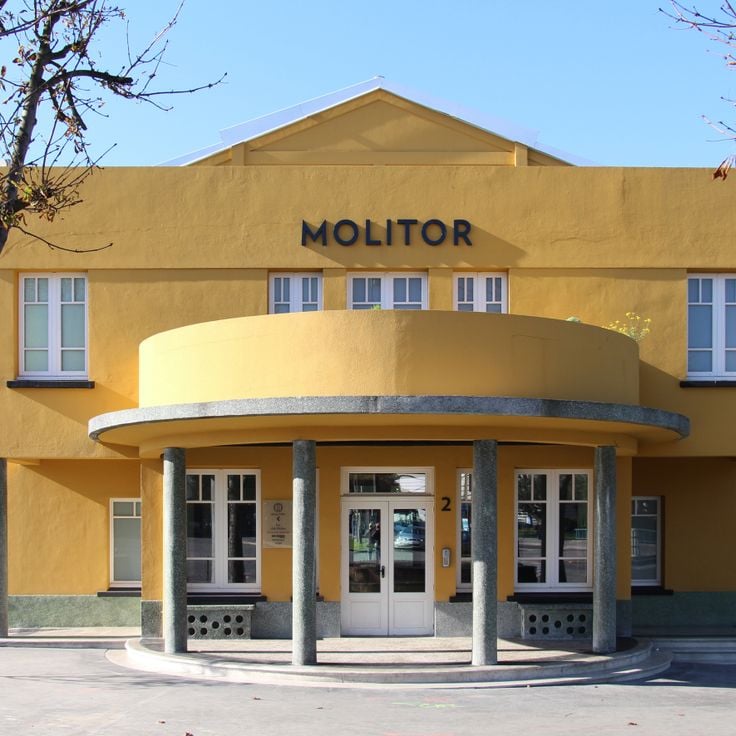
The Molitor swimming pool in Paris is a 1920s facility that houses two Art Deco-style pools, a hotel, and spaces for artistic and cultural events after its renovation. This place shows how a historic building found new purpose, now drawing artists and visitors seeking out-of-the-ordinary experiences away from typical tourist routes.
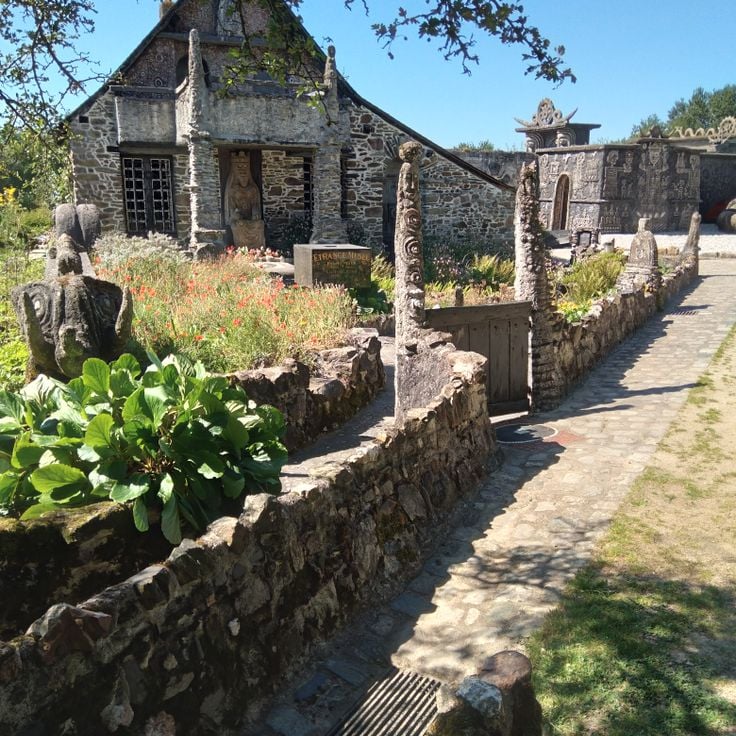
The Robert Tatin Museum in Cossé-le-Vivien displays the work of an artist who designed and built his own architectural complex. The structure is decorated with monumental sculptures, painted walls, and inventive building forms. The artist spent decades creating this project, turning his entire vision into a unified artistic space. Visitors discover a total work of art where architecture, painting, and sculpture come together.
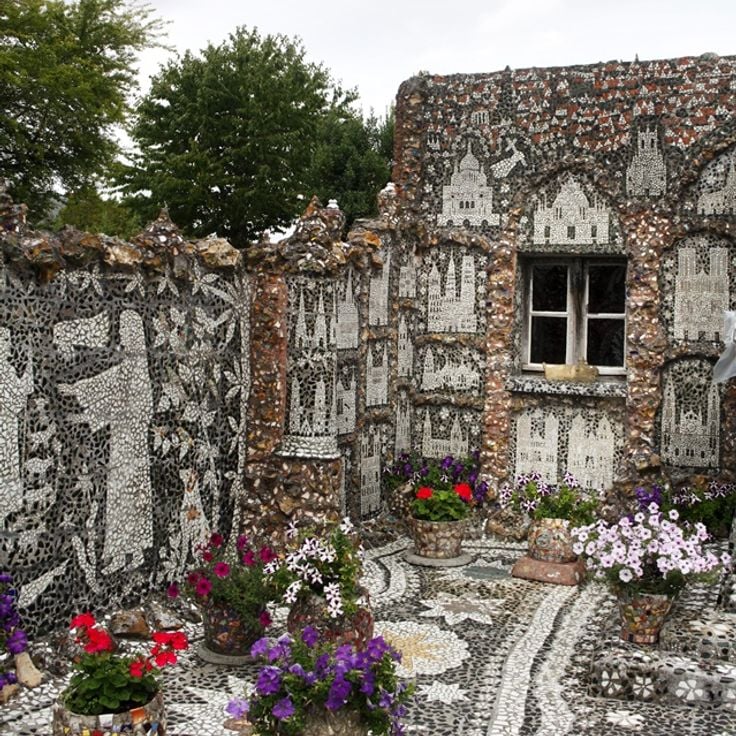
This house was completely covered by Raymond Isidore between 1938 and 1964 with ceramic shards, porcelain fragments, and pieces of glass. The cemetery worker collected broken plates and bottles to cover walls, floors, ceilings, and furniture. The result is a total work of art made from recycled materials, showing the creativity of a self-taught artist and offering a glimpse into one person's personal vision.
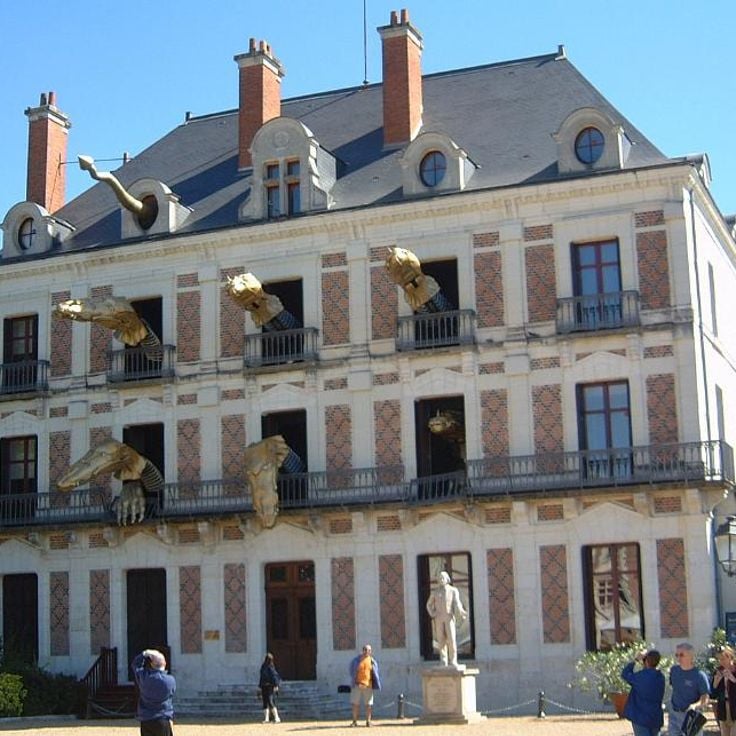
The House of Magic in Blois preserves the history of magic through mechanical automata, historical objects, and daily illusion performances. It honors the legacy of the famous 19th-century magician Robert-Houdin and shows how the art of illusion has captivated audiences for generations.
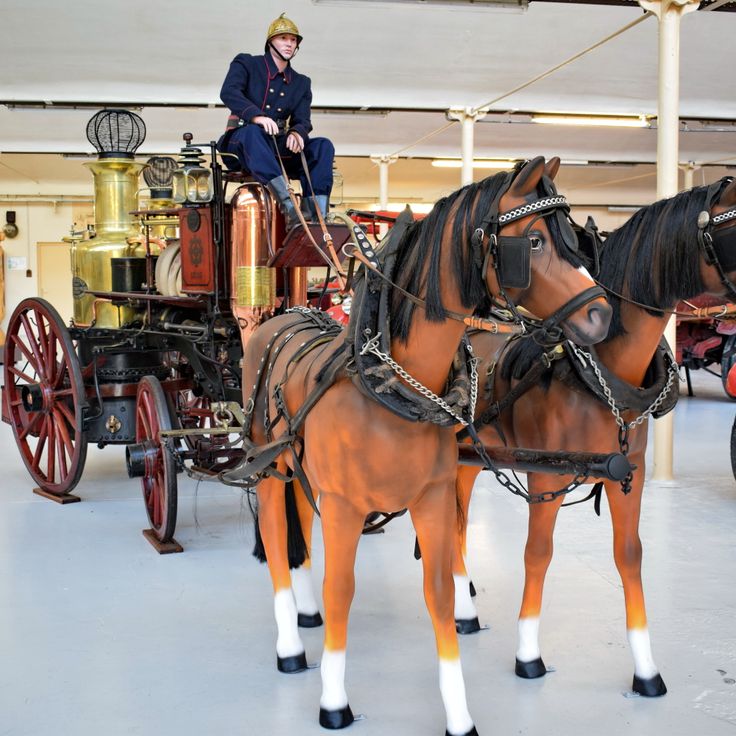
This firefighter museum in Montville traces the history of French firefighters through uniforms, equipment, and vehicles from the 19th and 20th centuries. The exhibition shows the technical advances and how fire services evolved in France. It is part of a collection of unusual places across France that features alternative architecture and original museums away from the usual tourist routes.
This museum displays over 5500 artworks in a converted 17th-century manor house. The interior spaces feature black walls and numerous metal sculptures. The place shows how historical buildings can serve new purposes while showcasing contemporary art in an unexpected setting.
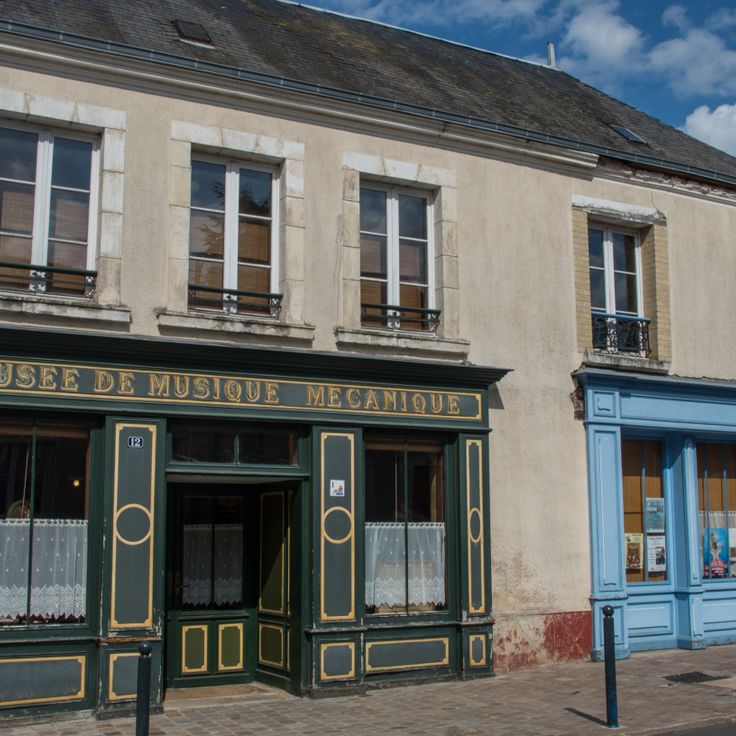
The museum in La Borde houses a collection of around 500 mechanical music instruments and automata from the 19th and 20th centuries. Visitors can attend regular demonstrations where working devices are presented in action. This place is part of a selection of French museums with original collections that exist outside the usual tourist circuits.
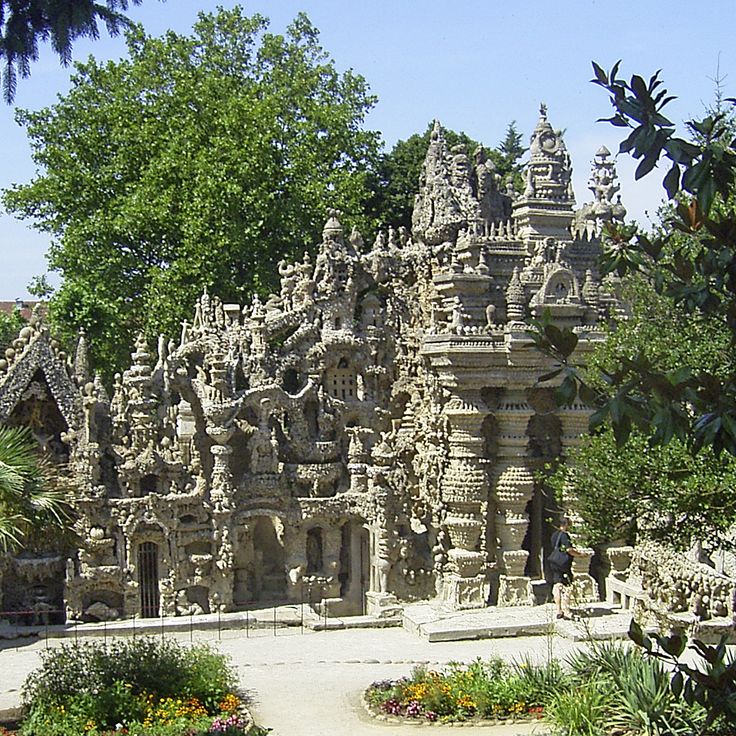
The Palais Idéal is a monument that postal worker Ferdinand Cheval built between 1879 and 1912 from stones he collected. This building brings together different architectural styles and imaginative elements into a singular work of art. Cheval gathered rocks during his daily postal rounds and systematically incorporated them into the structure. The result is a construction that defies conventional architecture, instead emerging from personal dreams and visions. The Palais Idéal demonstrates how one person's dedication and creativity can produce something truly individual. The monument stands as a testament to artistic independence and skilled craftsmanship.
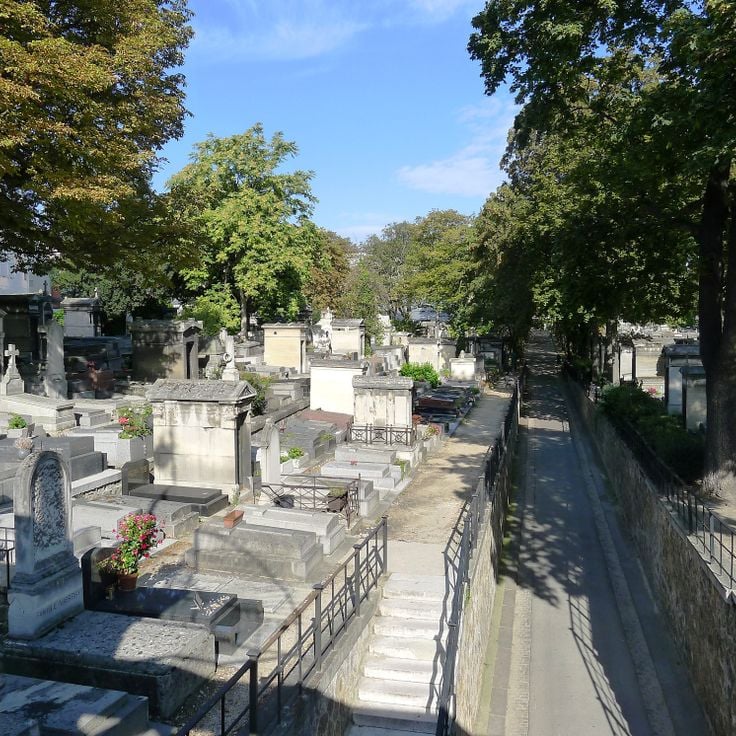
Montmartre Cemetery was founded in 1825 and holds the graves of Edgar Degas, Heinrich Heine, and Émile Zola, along with many artists and writers of the 19th and 20th centuries. This cemetery is part of a collection of places in France that lie outside the usual tourist routes. It tells the story of people whose lives shaped French culture and offers a view into lesser-known aspects of French heritage.
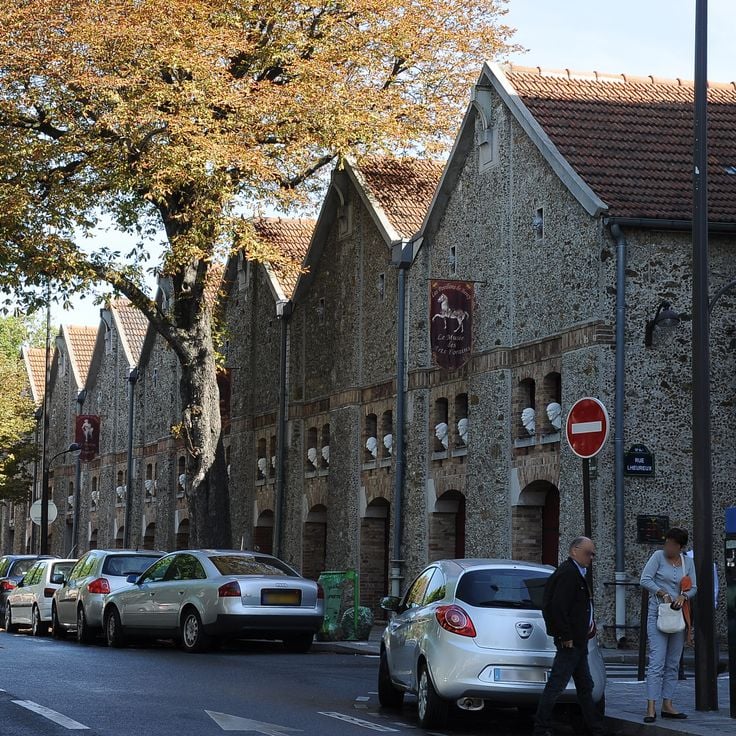
The Musée des Arts Forains in Paris houses a private collection of historic carousels, carnival games, and fairground equipment from the 19th and early 20th centuries. This museum documents the history of traveling entertainment and carnival culture through objects that show the craftsmanship and visual worlds of fairground life. The collection preserves memories of a past form of public entertainment and stands among France's unusual museums that offer different ways of understanding cultural heritage.
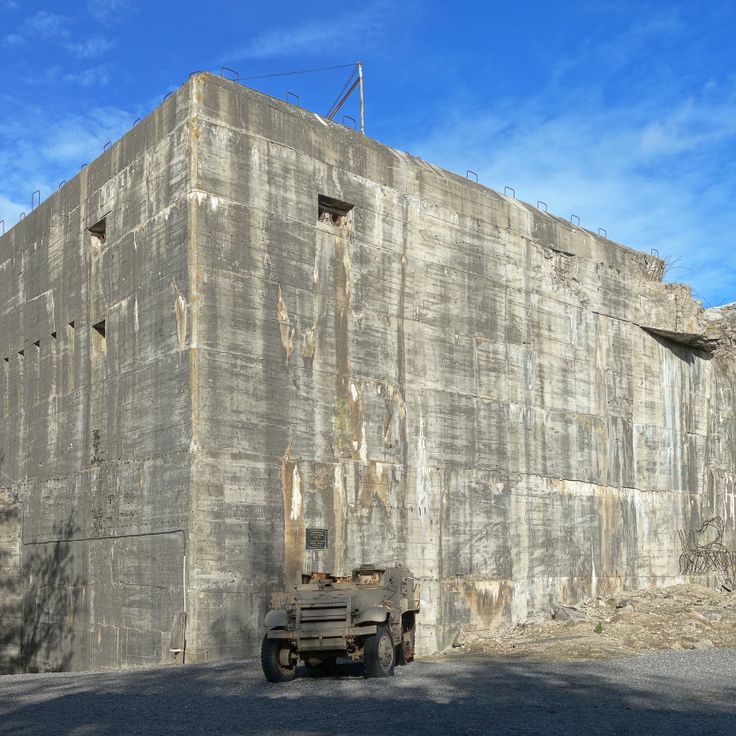
This Blockhaus at Éperlecques is a massive German military structure built in 1943 to launch V2 rockets. Today it functions as a historical museum where visitors can explore the concrete bunker system and understand the military engineering of World War II. Walking through its underground passages gives a direct sense of how soldiers and engineers worked in these fortified spaces during the war.
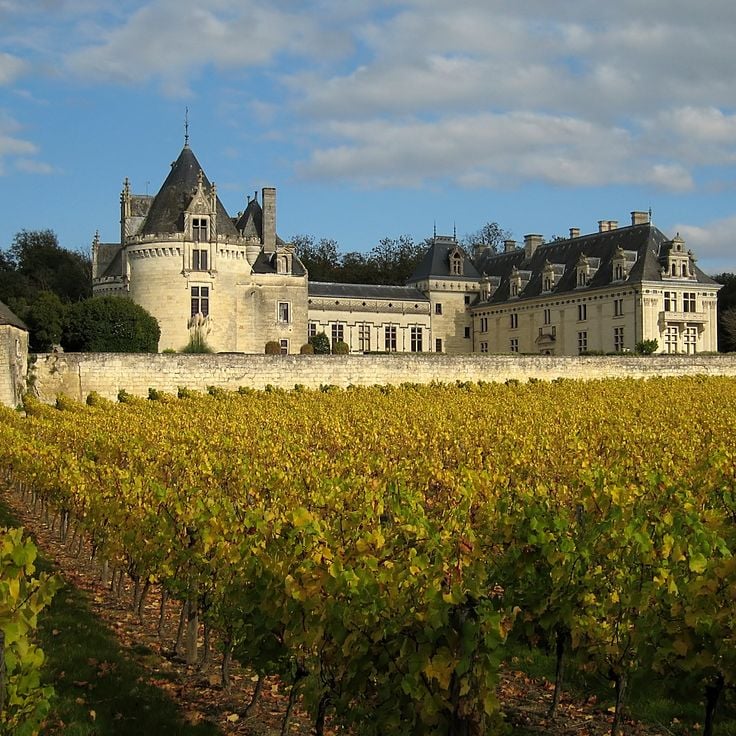
This château from the 16th century features an extensive network of tunnels and underground rooms carved directly into the limestone. The underground passages are rare and reveal a different perspective on French heritage, moving beyond typical castle visits. The Château de Brézé fits naturally into this collection of unusual French monuments that showcase hidden stories and alternative architectures.
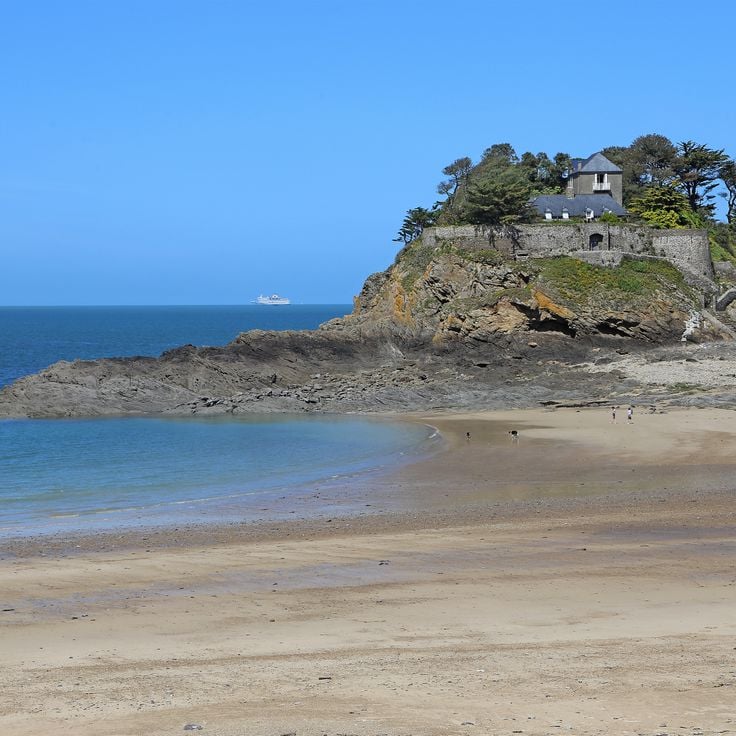
Fort du Guesclin stands on a rocky island and tells the story of centuries of military history. Built in the 13th century, this fortress endured multiple sieges before undergoing major renovations in the 17th and 19th centuries. The stone structure rises dramatically from the water, offering visitors a glimpse into Brittany's turbulent past. This site represents the kind of overlooked French heritage that rewards those who venture beyond typical tourist routes.
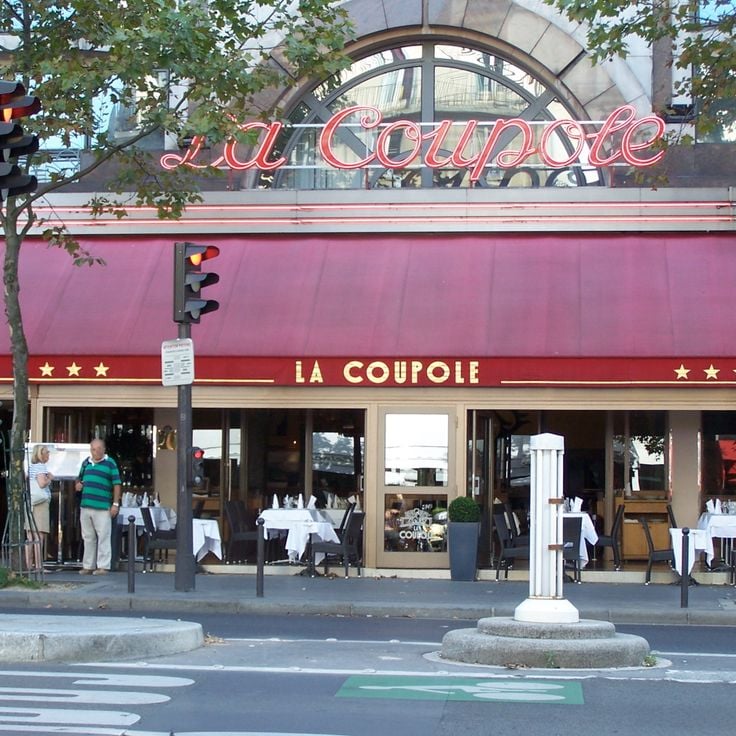
La Coupole is an underground bunker built during World War II as a launch base for weapons of retaliation. Today it houses exhibitions about the occupation period, rocket technology, and space exploration. Visitors walk through underground corridors and see how this place functioned during wartime and how it has since become a memorial and science center.
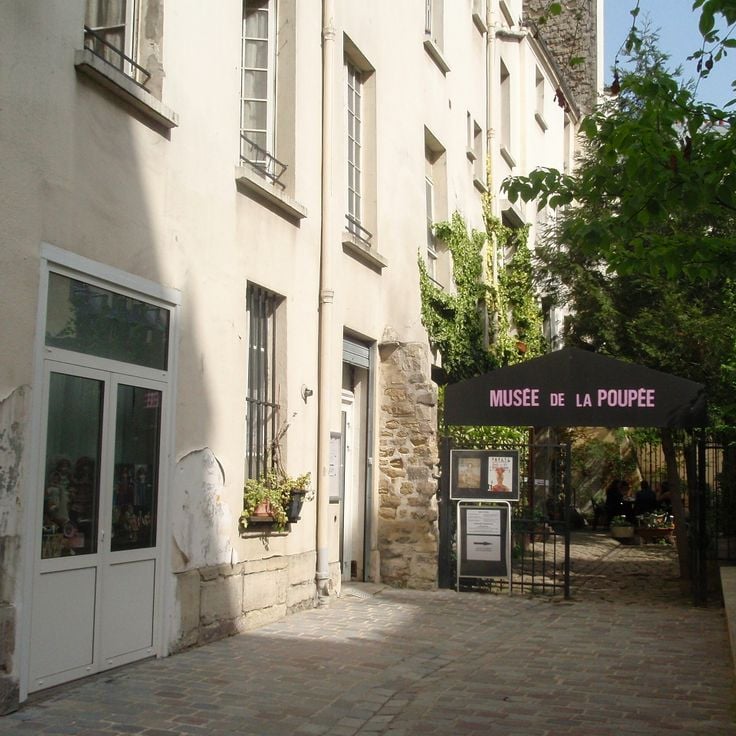
The Musée de la Poupée in Paris displays around 500 French dolls made between 1800 and 1959, each shown with its original clothing and accessories from its era. This museum fits well within the collection of unusual French monuments, as it offers a window into a forgotten chapter of French craftsmanship and childhood memories.
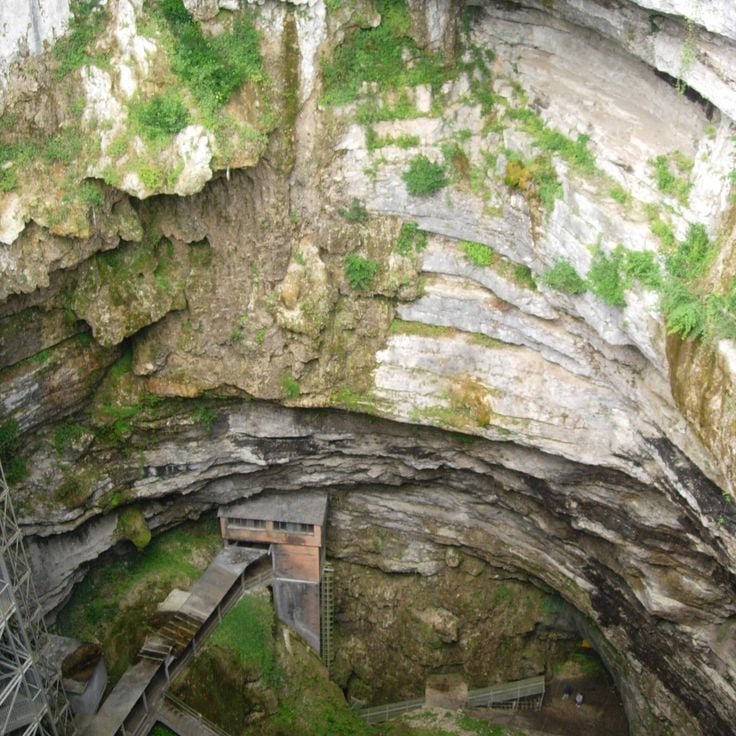
The Gouffre de Padirac is an enormous sinkhole measuring 33 meters across that descends 103 meters below the surface. An underground river flows through its vast network of galleries, creating one of France's most remarkable natural caverns. Visitors can explore this hidden underworld and witness the striking geological formations shaped over countless millennia.
Sainte-Savine is a village near Troyes with historic streets lined by timber-framed houses from different periods. Local artisans work in workshops throughout the town, continuing traditional crafts and trades. This place reveals how vernacular architecture developed over time and demonstrates the ongoing practice of regional handicrafts.
The Museum of Automata in Lyon houses mechanical dolls and automata from different eras. The oldest pieces date from the 19th century and showcase the craftsmanship of early mechanical devices. This museum fits within the collection of alternative sites and unconventional museums across France, where individual creative projects are preserved. It offers a different perspective on French cultural heritage and the history of mechanics.
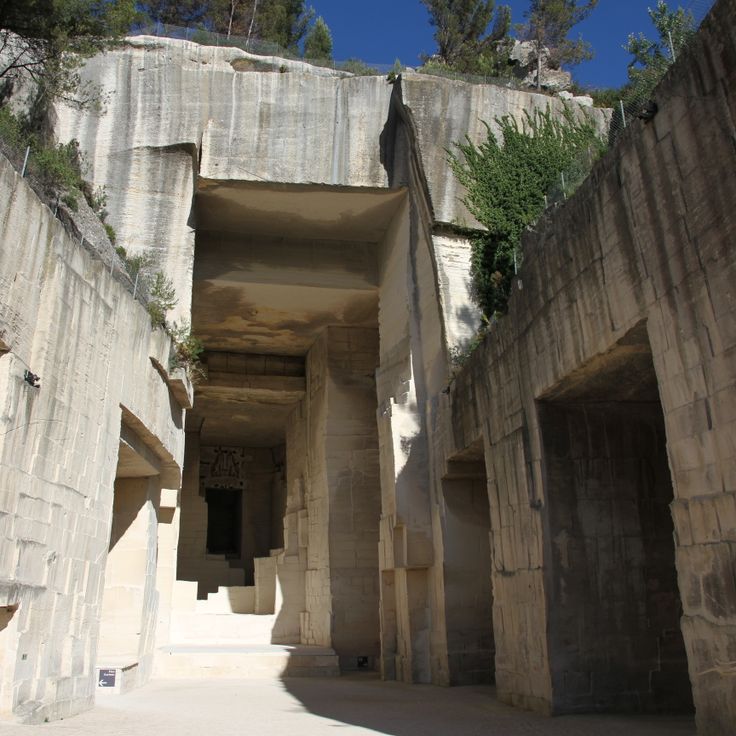
The Carrières de Lumières is a former limestone quarry in Les Baux-de-Provence. Inside its underground chambers, large-scale digital art projections are cast onto the rocky walls, accompanied by musical compositions. Visitors walk through caverns where artwork unfolds across the raw stone surfaces. The projections typically showcase works by major artists or explore historical themes. The site brings together the raw character of the old quarry spaces with modern technology, creating an unexpected experience deep beneath the ground.
The Chemin des Dames is a ridge road in Picardy that bears witness to the First World War. Along this route lie battlefields, military cemeteries, and memorial sites from 1914 to 1918. Underground galleries run beneath the landscape, preserved from the war years. Walking here, you encounter the physical marks of conflict and the places where soldiers were commemorated. This road connects you to the region's turbulent past.
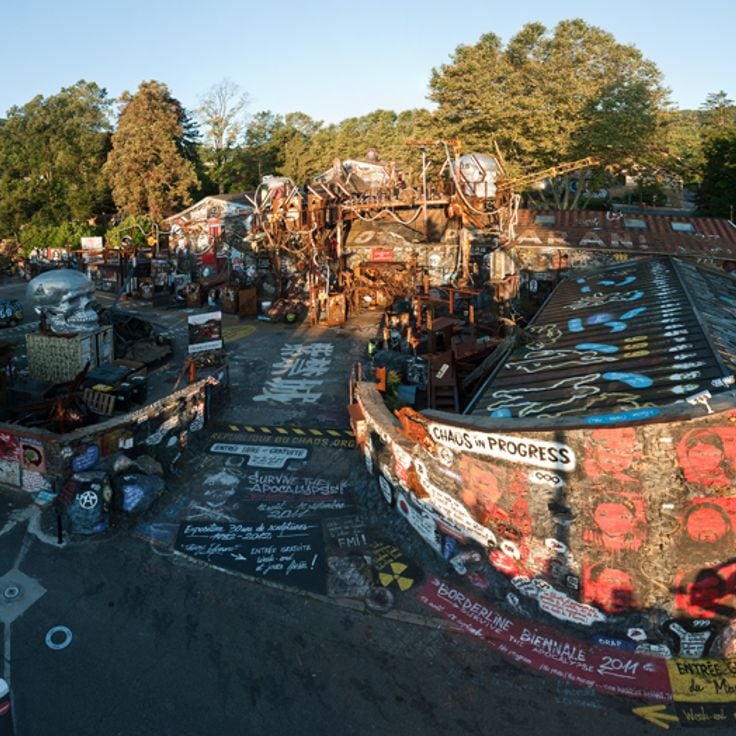
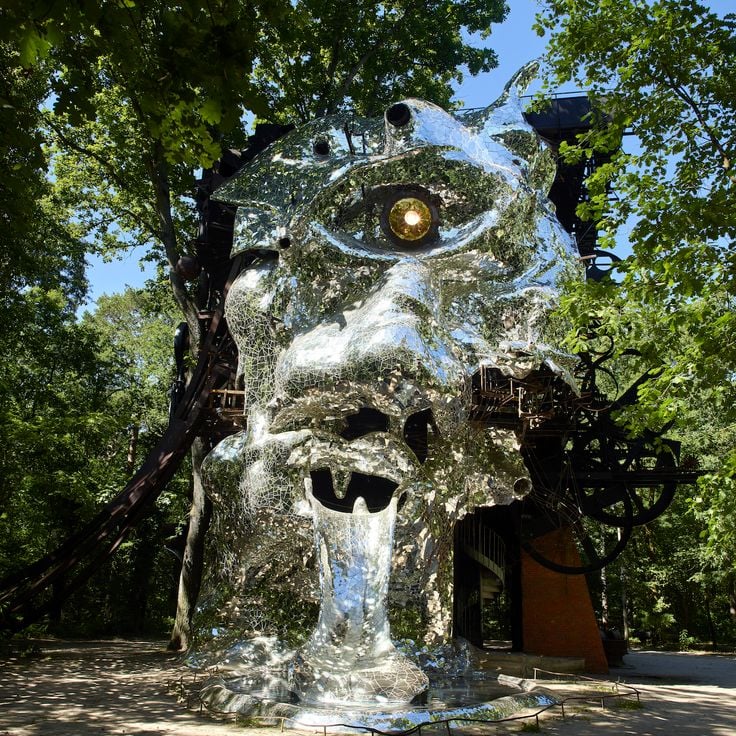
The Cyclops in Milly-la-Forêt is a metal sculpture rising approximately 22 meters high in the Fontainebleau forest landscape. Jean Tinguely and many other artists created this work over 25 years using recycled materials and mechanical objects. The sculpture represents a form of art that sits outside conventional artistic practice and shows how creators can build something significant from salvaged items and repurposed elements. It draws people interested in unconventional forms of artistic expression.
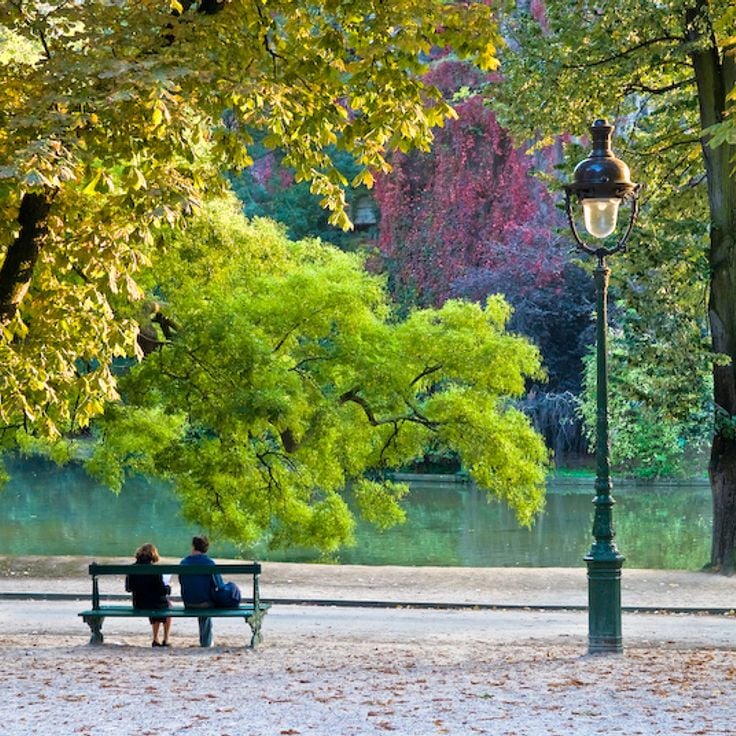
This public garden was built in 1867 on the site of former gypsum quarries. Rocky outcrops rise sharply throughout the park, and several waterfalls cascade down the slopes. A bridge 63 meters high spans the artificial lake. The Parc des Buttes-Chaumont stands apart from typical French gardens because of its rugged terrain and visible traces of its industrial past. Visitors can see how the landscape has been transformed from a working quarry into a place where people gather.
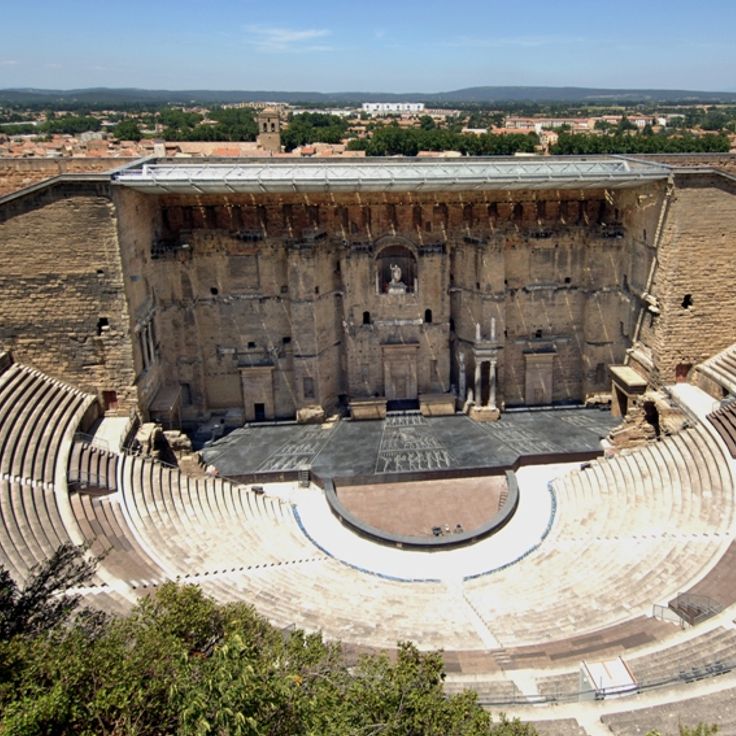
The Antique Theater of Orange is a Roman structure from the 1st century AD. The stage wall of this theater is remarkably well preserved, measuring 103 meters wide and 37 meters high. The building demonstrates Roman architectural skill and stands as part of the French collection of alternative monuments that lie beyond typical tourist routes. This theater was once a gathering place for entertainment and continues to define Orange's character today.
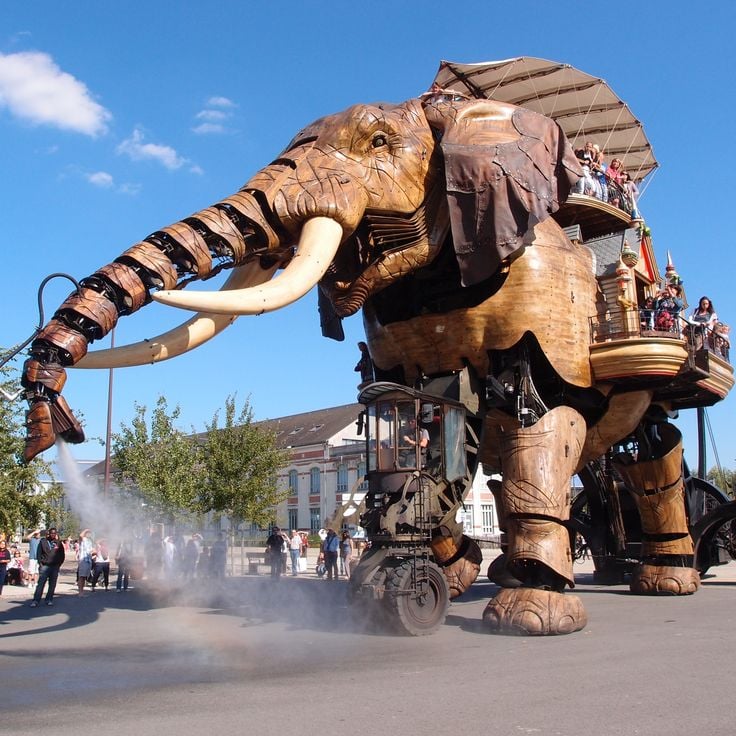
Les Machines de l'île occupies the grounds of former shipyards in Nantes and displays large mechanical structures. The site came into being as a way to revive this industrial space and introduce it to new audiences. The machines are handcrafted and blend traditional craftsmanship with contemporary design. The most famous visitor attraction is a massive mechanical elephant that carries passengers. These creations grew from the imagination of artist François Delarozière and reference Nantes' maritime history. The location lets visitors experience working artworks while discovering the industrial past of the city.
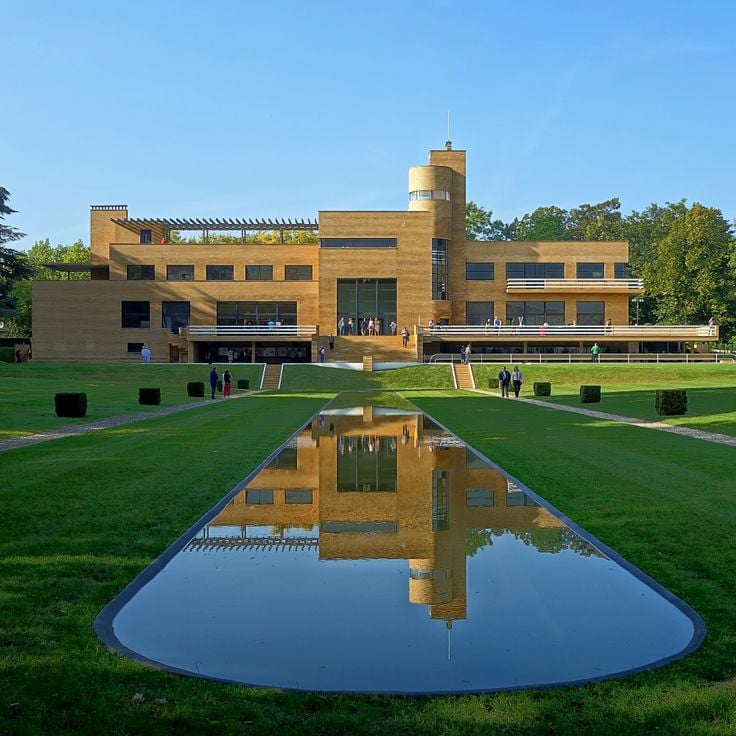
Villa Cavrois in Croix is a 1932 residence designed by architect Robert Mallet-Stevens using concrete and steel with geometric forms and advanced technical features for its time. The house shows how progressive architecture looked during this period, with its clean lines and modern materials setting it apart from traditional homes. It represents an approach to residential design that introduced new possibilities for how people could live.
The Chapelle Notre-Dame-du-Haut is a concrete building completed in 1955 by Le Corbusier. The chapel stands out for its curved walls and irregular windows that create different patterns of light throughout the day. This structure represents an alternative approach to religious architecture and shows how modern design can shape a sacred space.
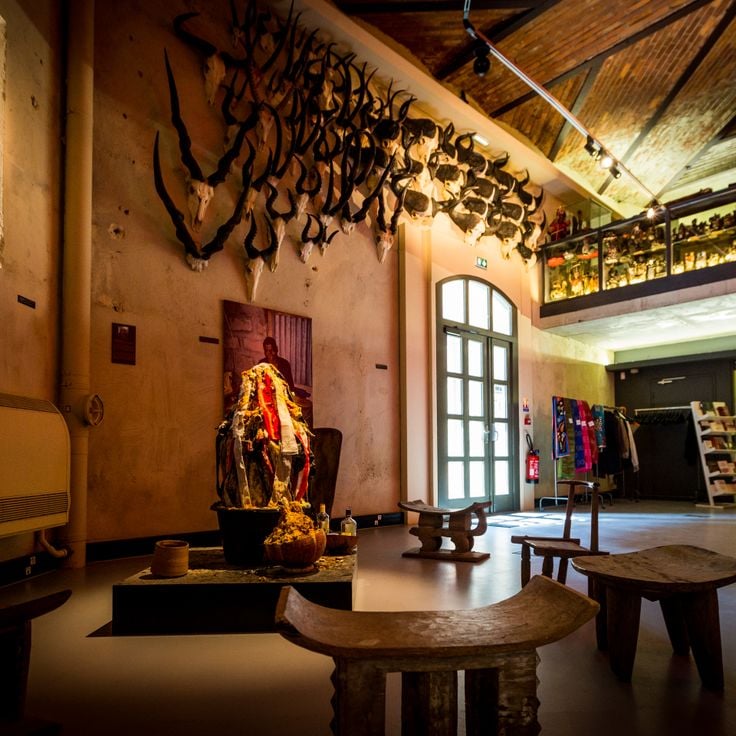
Housed in a water distribution tower from 1878, the Vodou Museum displays over 1,000 religious objects from West Africa. The collections document ceremonies, rituals, and spiritual practices. The museum offers insight into traditions and beliefs that are often misunderstood. Visitors learn about the roots of these religions and their importance in community life.
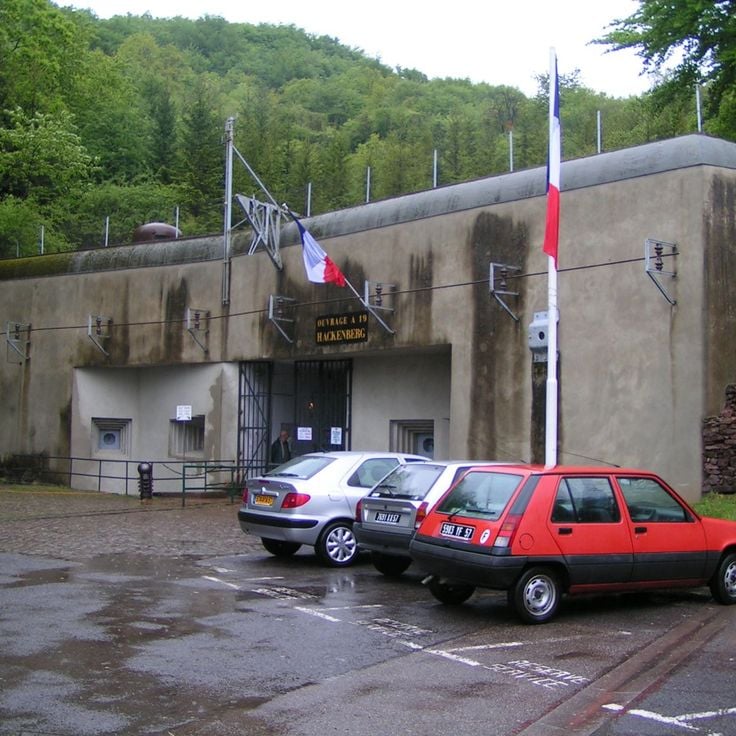
The Hackenberg Fort is an underground fortress complex built as part of France's Maginot Line defense system. This 20th-century military installation extends deep beneath the surface and features combat blocks, barracks, ammunition storage, a power plant, and a narrow-gauge railway system. Visitors can explore the tunnels and chambers to see how soldiers lived and worked in this subterranean network, which represents a unique chapter in military engineering history.
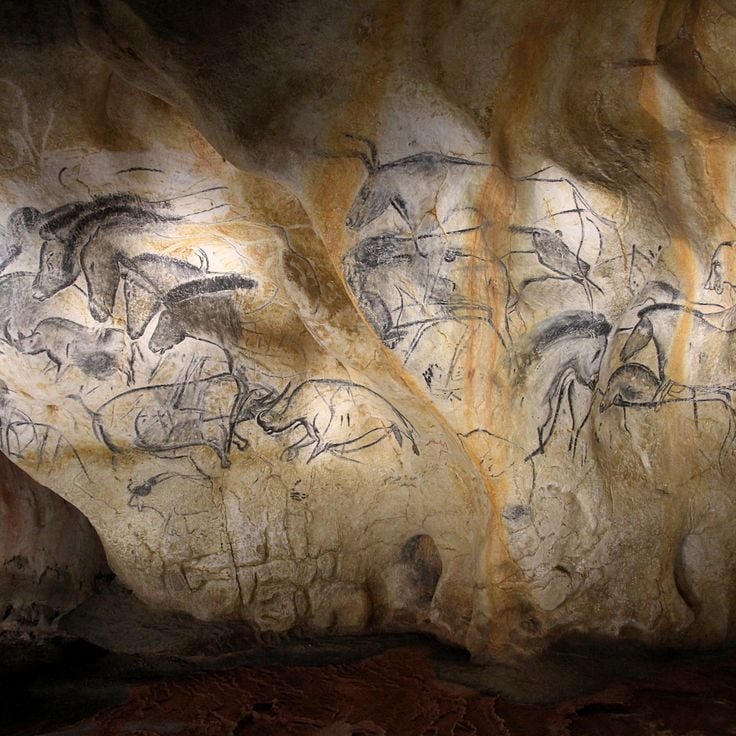
The Chauvet-Pont d'Arc cave holds over 1,000 animal drawings created approximately 32,000 years ago during the Paleolithic period. The original cave remains closed to protect its preservation, but a faithful reproduction allows visitors to see these prehistoric artworks. This site reveals the artistic skills of our ancestors and offers a window into the early origins of human creativity.
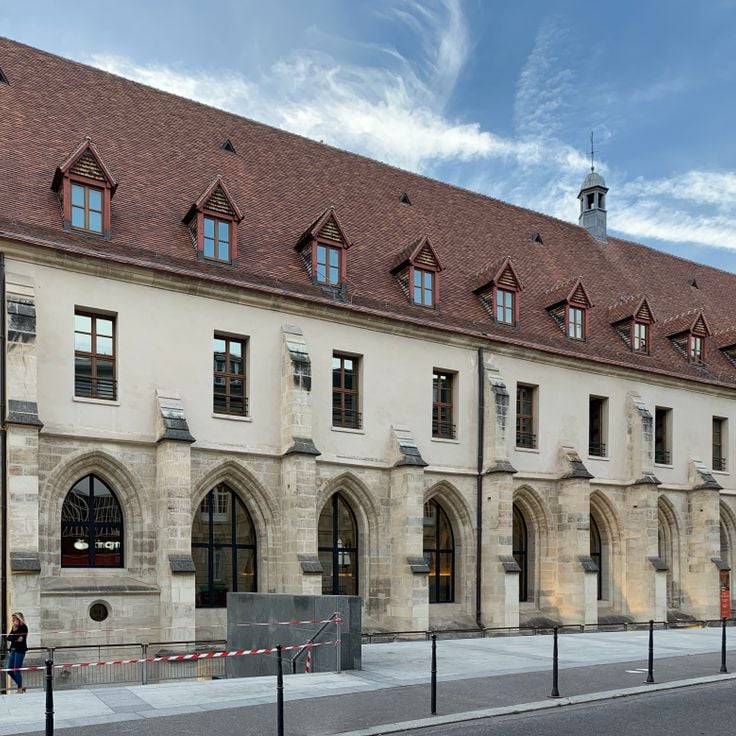
The Collège des Bernardins in Paris is a former seminary building from the 13th century that originally served as a training center for the Cistercian order. The restored structure features vaulted rooms with limestone pillars and now functions as a venue for conferences and exhibitions. This site represents the transformation of a historical religious space into a living cultural hub and merits a visit as an example of alternative use and preservation of French heritage.
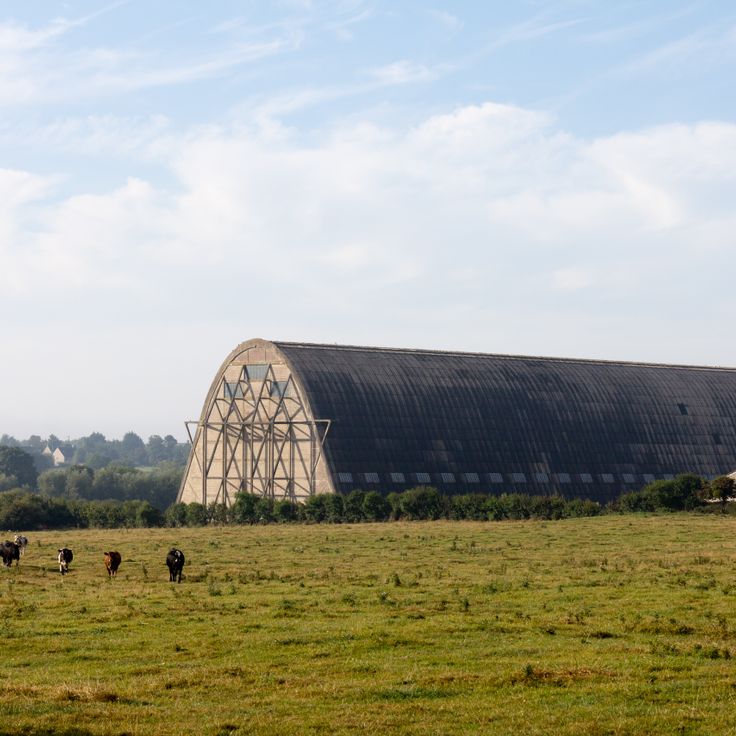
This concrete hangar was built in 1917 to shelter French military airships for the Navy. Standing 40 meters (131 feet) tall with original mechanical equipment still in place, it tells a story of early 20th-century French aviation history that few tourists discover. The hangar represents a chapter of French engineering and architecture found outside the usual circuits.
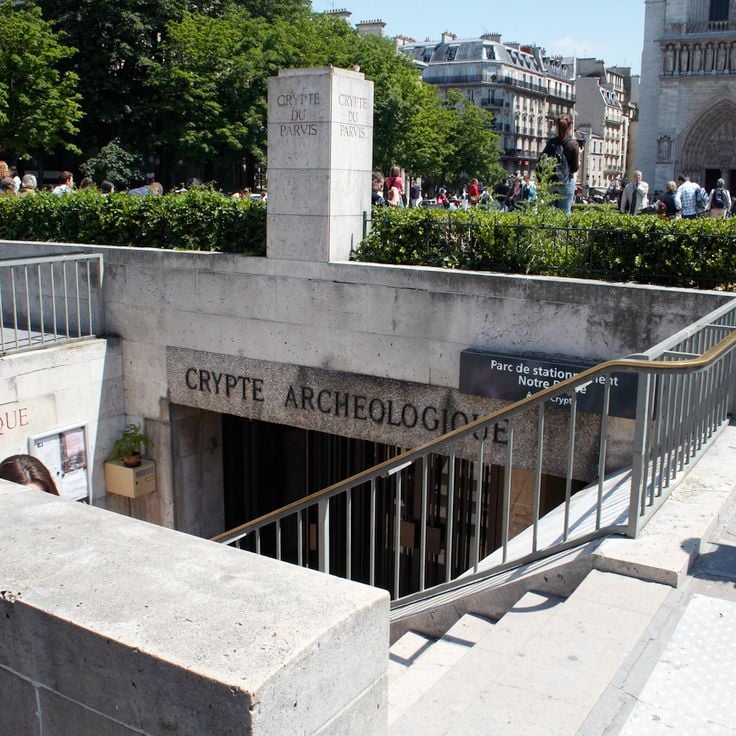
This archaeological site beneath the Île de la Cité preserves ruins from Roman and medieval Paris. The excavation extends below the square in front of the Notre-Dame Cathedral and reveals the layers of history hidden beneath the modern city. Visitors can see the foundations of ancient buildings and streets that lay buried underground for centuries.
The Molitor swimming pool in Paris is a 1920s facility that houses two Art Deco-style pools, a hotel, and spaces for artistic and cultural events after its renovation. This place shows how a historic building found new purpose, now drawing artists and visitors seeking out-of-the-ordinary experiences away from typical tourist routes.
The Robert Tatin Museum in Cossé-le-Vivien displays the work of an artist who designed and built his own architectural complex. The structure is decorated with monumental sculptures, painted walls, and inventive building forms. The artist spent decades creating this project, turning his entire vision into a unified artistic space. Visitors discover a total work of art where architecture, painting, and sculpture come together.
This house was completely covered by Raymond Isidore between 1938 and 1964 with ceramic shards, porcelain fragments, and pieces of glass. The cemetery worker collected broken plates and bottles to cover walls, floors, ceilings, and furniture. The result is a total work of art made from recycled materials, showing the creativity of a self-taught artist and offering a glimpse into one person's personal vision.
The House of Magic in Blois preserves the history of magic through mechanical automata, historical objects, and daily illusion performances. It honors the legacy of the famous 19th-century magician Robert-Houdin and shows how the art of illusion has captivated audiences for generations.
This firefighter museum in Montville traces the history of French firefighters through uniforms, equipment, and vehicles from the 19th and 20th centuries. The exhibition shows the technical advances and how fire services evolved in France. It is part of a collection of unusual places across France that features alternative architecture and original museums away from the usual tourist routes.
This museum displays over 5500 artworks in a converted 17th-century manor house. The interior spaces feature black walls and numerous metal sculptures. The place shows how historical buildings can serve new purposes while showcasing contemporary art in an unexpected setting.
The museum in La Borde houses a collection of around 500 mechanical music instruments and automata from the 19th and 20th centuries. Visitors can attend regular demonstrations where working devices are presented in action. This place is part of a selection of French museums with original collections that exist outside the usual tourist circuits.
The Palais Idéal is a monument that postal worker Ferdinand Cheval built between 1879 and 1912 from stones he collected. This building brings together different architectural styles and imaginative elements into a singular work of art. Cheval gathered rocks during his daily postal rounds and systematically incorporated them into the structure. The result is a construction that defies conventional architecture, instead emerging from personal dreams and visions. The Palais Idéal demonstrates how one person's dedication and creativity can produce something truly individual. The monument stands as a testament to artistic independence and skilled craftsmanship.
Montmartre Cemetery was founded in 1825 and holds the graves of Edgar Degas, Heinrich Heine, and Émile Zola, along with many artists and writers of the 19th and 20th centuries. This cemetery is part of a collection of places in France that lie outside the usual tourist routes. It tells the story of people whose lives shaped French culture and offers a view into lesser-known aspects of French heritage.
The Musée des Arts Forains in Paris houses a private collection of historic carousels, carnival games, and fairground equipment from the 19th and early 20th centuries. This museum documents the history of traveling entertainment and carnival culture through objects that show the craftsmanship and visual worlds of fairground life. The collection preserves memories of a past form of public entertainment and stands among France's unusual museums that offer different ways of understanding cultural heritage.
This Blockhaus at Éperlecques is a massive German military structure built in 1943 to launch V2 rockets. Today it functions as a historical museum where visitors can explore the concrete bunker system and understand the military engineering of World War II. Walking through its underground passages gives a direct sense of how soldiers and engineers worked in these fortified spaces during the war.
This château from the 16th century features an extensive network of tunnels and underground rooms carved directly into the limestone. The underground passages are rare and reveal a different perspective on French heritage, moving beyond typical castle visits. The Château de Brézé fits naturally into this collection of unusual French monuments that showcase hidden stories and alternative architectures.
Fort du Guesclin stands on a rocky island and tells the story of centuries of military history. Built in the 13th century, this fortress endured multiple sieges before undergoing major renovations in the 17th and 19th centuries. The stone structure rises dramatically from the water, offering visitors a glimpse into Brittany's turbulent past. This site represents the kind of overlooked French heritage that rewards those who venture beyond typical tourist routes.
La Coupole is an underground bunker built during World War II as a launch base for weapons of retaliation. Today it houses exhibitions about the occupation period, rocket technology, and space exploration. Visitors walk through underground corridors and see how this place functioned during wartime and how it has since become a memorial and science center.
The Musée de la Poupée in Paris displays around 500 French dolls made between 1800 and 1959, each shown with its original clothing and accessories from its era. This museum fits well within the collection of unusual French monuments, as it offers a window into a forgotten chapter of French craftsmanship and childhood memories.
The Gouffre de Padirac is an enormous sinkhole measuring 33 meters across that descends 103 meters below the surface. An underground river flows through its vast network of galleries, creating one of France's most remarkable natural caverns. Visitors can explore this hidden underworld and witness the striking geological formations shaped over countless millennia.
Sainte-Savine is a village near Troyes with historic streets lined by timber-framed houses from different periods. Local artisans work in workshops throughout the town, continuing traditional crafts and trades. This place reveals how vernacular architecture developed over time and demonstrates the ongoing practice of regional handicrafts.
The Museum of Automata in Lyon houses mechanical dolls and automata from different eras. The oldest pieces date from the 19th century and showcase the craftsmanship of early mechanical devices. This museum fits within the collection of alternative sites and unconventional museums across France, where individual creative projects are preserved. It offers a different perspective on French cultural heritage and the history of mechanics.
The Carrières de Lumières is a former limestone quarry in Les Baux-de-Provence. Inside its underground chambers, large-scale digital art projections are cast onto the rocky walls, accompanied by musical compositions. Visitors walk through caverns where artwork unfolds across the raw stone surfaces. The projections typically showcase works by major artists or explore historical themes. The site brings together the raw character of the old quarry spaces with modern technology, creating an unexpected experience deep beneath the ground.
The Chemin des Dames is a ridge road in Picardy that bears witness to the First World War. Along this route lie battlefields, military cemeteries, and memorial sites from 1914 to 1918. Underground galleries run beneath the landscape, preserved from the war years. Walking here, you encounter the physical marks of conflict and the places where soldiers were commemorated. This road connects you to the region's turbulent past.
The Cyclops in Milly-la-Forêt is a metal sculpture rising approximately 22 meters high in the Fontainebleau forest landscape. Jean Tinguely and many other artists created this work over 25 years using recycled materials and mechanical objects. The sculpture represents a form of art that sits outside conventional artistic practice and shows how creators can build something significant from salvaged items and repurposed elements. It draws people interested in unconventional forms of artistic expression.
This public garden was built in 1867 on the site of former gypsum quarries. Rocky outcrops rise sharply throughout the park, and several waterfalls cascade down the slopes. A bridge 63 meters high spans the artificial lake. The Parc des Buttes-Chaumont stands apart from typical French gardens because of its rugged terrain and visible traces of its industrial past. Visitors can see how the landscape has been transformed from a working quarry into a place where people gather.
The Antique Theater of Orange is a Roman structure from the 1st century AD. The stage wall of this theater is remarkably well preserved, measuring 103 meters wide and 37 meters high. The building demonstrates Roman architectural skill and stands as part of the French collection of alternative monuments that lie beyond typical tourist routes. This theater was once a gathering place for entertainment and continues to define Orange's character today.
Les Machines de l'île occupies the grounds of former shipyards in Nantes and displays large mechanical structures. The site came into being as a way to revive this industrial space and introduce it to new audiences. The machines are handcrafted and blend traditional craftsmanship with contemporary design. The most famous visitor attraction is a massive mechanical elephant that carries passengers. These creations grew from the imagination of artist François Delarozière and reference Nantes' maritime history. The location lets visitors experience working artworks while discovering the industrial past of the city.
Villa Cavrois in Croix is a 1932 residence designed by architect Robert Mallet-Stevens using concrete and steel with geometric forms and advanced technical features for its time. The house shows how progressive architecture looked during this period, with its clean lines and modern materials setting it apart from traditional homes. It represents an approach to residential design that introduced new possibilities for how people could live.
The Chapelle Notre-Dame-du-Haut is a concrete building completed in 1955 by Le Corbusier. The chapel stands out for its curved walls and irregular windows that create different patterns of light throughout the day. This structure represents an alternative approach to religious architecture and shows how modern design can shape a sacred space.
Housed in a water distribution tower from 1878, the Vodou Museum displays over 1,000 religious objects from West Africa. The collections document ceremonies, rituals, and spiritual practices. The museum offers insight into traditions and beliefs that are often misunderstood. Visitors learn about the roots of these religions and their importance in community life.
The Hackenberg Fort is an underground fortress complex built as part of France's Maginot Line defense system. This 20th-century military installation extends deep beneath the surface and features combat blocks, barracks, ammunition storage, a power plant, and a narrow-gauge railway system. Visitors can explore the tunnels and chambers to see how soldiers lived and worked in this subterranean network, which represents a unique chapter in military engineering history.
The Chauvet-Pont d'Arc cave holds over 1,000 animal drawings created approximately 32,000 years ago during the Paleolithic period. The original cave remains closed to protect its preservation, but a faithful reproduction allows visitors to see these prehistoric artworks. This site reveals the artistic skills of our ancestors and offers a window into the early origins of human creativity.
The Collège des Bernardins in Paris is a former seminary building from the 13th century that originally served as a training center for the Cistercian order. The restored structure features vaulted rooms with limestone pillars and now functions as a venue for conferences and exhibitions. This site represents the transformation of a historical religious space into a living cultural hub and merits a visit as an example of alternative use and preservation of French heritage.
This concrete hangar was built in 1917 to shelter French military airships for the Navy. Standing 40 meters (131 feet) tall with original mechanical equipment still in place, it tells a story of early 20th-century French aviation history that few tourists discover. The hangar represents a chapter of French engineering and architecture found outside the usual circuits.
This archaeological site beneath the Île de la Cité preserves ruins from Roman and medieval Paris. The excavation extends below the square in front of the Notre-Dame Cathedral and reveals the layers of history hidden beneath the modern city. Visitors can see the foundations of ancient buildings and streets that lay buried underground for centuries.
The Molitor swimming pool in Paris is a 1920s facility that houses two Art Deco-style pools, a hotel, and spaces for artistic and cultural events after its renovation. This place shows how a historic building found new purpose, now drawing artists and visitors seeking out-of-the-ordinary experiences away from typical tourist routes.
The Robert Tatin Museum in Cossé-le-Vivien displays the work of an artist who designed and built his own architectural complex. The structure is decorated with monumental sculptures, painted walls, and inventive building forms. The artist spent decades creating this project, turning his entire vision into a unified artistic space. Visitors discover a total work of art where architecture, painting, and sculpture come together.
This house was completely covered by Raymond Isidore between 1938 and 1964 with ceramic shards, porcelain fragments, and pieces of glass. The cemetery worker collected broken plates and bottles to cover walls, floors, ceilings, and furniture. The result is a total work of art made from recycled materials, showing the creativity of a self-taught artist and offering a glimpse into one person's personal vision.
The House of Magic in Blois preserves the history of magic through mechanical automata, historical objects, and daily illusion performances. It honors the legacy of the famous 19th-century magician Robert-Houdin and shows how the art of illusion has captivated audiences for generations.
This firefighter museum in Montville traces the history of French firefighters through uniforms, equipment, and vehicles from the 19th and 20th centuries. The exhibition shows the technical advances and how fire services evolved in France. It is part of a collection of unusual places across France that features alternative architecture and original museums away from the usual tourist routes.
This museum displays over 5500 artworks in a converted 17th-century manor house. The interior spaces feature black walls and numerous metal sculptures. The place shows how historical buildings can serve new purposes while showcasing contemporary art in an unexpected setting.
The museum in La Borde houses a collection of around 500 mechanical music instruments and automata from the 19th and 20th centuries. Visitors can attend regular demonstrations where working devices are presented in action. This place is part of a selection of French museums with original collections that exist outside the usual tourist circuits.
The Palais Idéal is a monument that postal worker Ferdinand Cheval built between 1879 and 1912 from stones he collected. This building brings together different architectural styles and imaginative elements into a singular work of art. Cheval gathered rocks during his daily postal rounds and systematically incorporated them into the structure. The result is a construction that defies conventional architecture, instead emerging from personal dreams and visions. The Palais Idéal demonstrates how one person's dedication and creativity can produce something truly individual. The monument stands as a testament to artistic independence and skilled craftsmanship.
Montmartre Cemetery was founded in 1825 and holds the graves of Edgar Degas, Heinrich Heine, and Émile Zola, along with many artists and writers of the 19th and 20th centuries. This cemetery is part of a collection of places in France that lie outside the usual tourist routes. It tells the story of people whose lives shaped French culture and offers a view into lesser-known aspects of French heritage.
The Musée des Arts Forains in Paris houses a private collection of historic carousels, carnival games, and fairground equipment from the 19th and early 20th centuries. This museum documents the history of traveling entertainment and carnival culture through objects that show the craftsmanship and visual worlds of fairground life. The collection preserves memories of a past form of public entertainment and stands among France's unusual museums that offer different ways of understanding cultural heritage.
This Blockhaus at Éperlecques is a massive German military structure built in 1943 to launch V2 rockets. Today it functions as a historical museum where visitors can explore the concrete bunker system and understand the military engineering of World War II. Walking through its underground passages gives a direct sense of how soldiers and engineers worked in these fortified spaces during the war.
This château from the 16th century features an extensive network of tunnels and underground rooms carved directly into the limestone. The underground passages are rare and reveal a different perspective on French heritage, moving beyond typical castle visits. The Château de Brézé fits naturally into this collection of unusual French monuments that showcase hidden stories and alternative architectures.
Fort du Guesclin stands on a rocky island and tells the story of centuries of military history. Built in the 13th century, this fortress endured multiple sieges before undergoing major renovations in the 17th and 19th centuries. The stone structure rises dramatically from the water, offering visitors a glimpse into Brittany's turbulent past. This site represents the kind of overlooked French heritage that rewards those who venture beyond typical tourist routes.
La Coupole is an underground bunker built during World War II as a launch base for weapons of retaliation. Today it houses exhibitions about the occupation period, rocket technology, and space exploration. Visitors walk through underground corridors and see how this place functioned during wartime and how it has since become a memorial and science center.
The Musée de la Poupée in Paris displays around 500 French dolls made between 1800 and 1959, each shown with its original clothing and accessories from its era. This museum fits well within the collection of unusual French monuments, as it offers a window into a forgotten chapter of French craftsmanship and childhood memories.
The Gouffre de Padirac is an enormous sinkhole measuring 33 meters across that descends 103 meters below the surface. An underground river flows through its vast network of galleries, creating one of France's most remarkable natural caverns. Visitors can explore this hidden underworld and witness the striking geological formations shaped over countless millennia.
Sainte-Savine is a village near Troyes with historic streets lined by timber-framed houses from different periods. Local artisans work in workshops throughout the town, continuing traditional crafts and trades. This place reveals how vernacular architecture developed over time and demonstrates the ongoing practice of regional handicrafts.
The Museum of Automata in Lyon houses mechanical dolls and automata from different eras. The oldest pieces date from the 19th century and showcase the craftsmanship of early mechanical devices. This museum fits within the collection of alternative sites and unconventional museums across France, where individual creative projects are preserved. It offers a different perspective on French cultural heritage and the history of mechanics.
The Carrières de Lumières is a former limestone quarry in Les Baux-de-Provence. Inside its underground chambers, large-scale digital art projections are cast onto the rocky walls, accompanied by musical compositions. Visitors walk through caverns where artwork unfolds across the raw stone surfaces. The projections typically showcase works by major artists or explore historical themes. The site brings together the raw character of the old quarry spaces with modern technology, creating an unexpected experience deep beneath the ground.
The Chemin des Dames is a ridge road in Picardy that bears witness to the First World War. Along this route lie battlefields, military cemeteries, and memorial sites from 1914 to 1918. Underground galleries run beneath the landscape, preserved from the war years. Walking here, you encounter the physical marks of conflict and the places where soldiers were commemorated. This road connects you to the region's turbulent past.
The Cyclops in Milly-la-Forêt is a metal sculpture rising approximately 22 meters high in the Fontainebleau forest landscape. Jean Tinguely and many other artists created this work over 25 years using recycled materials and mechanical objects. The sculpture represents a form of art that sits outside conventional artistic practice and shows how creators can build something significant from salvaged items and repurposed elements. It draws people interested in unconventional forms of artistic expression.
This public garden was built in 1867 on the site of former gypsum quarries. Rocky outcrops rise sharply throughout the park, and several waterfalls cascade down the slopes. A bridge 63 meters high spans the artificial lake. The Parc des Buttes-Chaumont stands apart from typical French gardens because of its rugged terrain and visible traces of its industrial past. Visitors can see how the landscape has been transformed from a working quarry into a place where people gather.
The Antique Theater of Orange is a Roman structure from the 1st century AD. The stage wall of this theater is remarkably well preserved, measuring 103 meters wide and 37 meters high. The building demonstrates Roman architectural skill and stands as part of the French collection of alternative monuments that lie beyond typical tourist routes. This theater was once a gathering place for entertainment and continues to define Orange's character today.
Les Machines de l'île occupies the grounds of former shipyards in Nantes and displays large mechanical structures. The site came into being as a way to revive this industrial space and introduce it to new audiences. The machines are handcrafted and blend traditional craftsmanship with contemporary design. The most famous visitor attraction is a massive mechanical elephant that carries passengers. These creations grew from the imagination of artist François Delarozière and reference Nantes' maritime history. The location lets visitors experience working artworks while discovering the industrial past of the city.
Villa Cavrois in Croix is a 1932 residence designed by architect Robert Mallet-Stevens using concrete and steel with geometric forms and advanced technical features for its time. The house shows how progressive architecture looked during this period, with its clean lines and modern materials setting it apart from traditional homes. It represents an approach to residential design that introduced new possibilities for how people could live.
The Chapelle Notre-Dame-du-Haut is a concrete building completed in 1955 by Le Corbusier. The chapel stands out for its curved walls and irregular windows that create different patterns of light throughout the day. This structure represents an alternative approach to religious architecture and shows how modern design can shape a sacred space.
Housed in a water distribution tower from 1878, the Vodou Museum displays over 1,000 religious objects from West Africa. The collections document ceremonies, rituals, and spiritual practices. The museum offers insight into traditions and beliefs that are often misunderstood. Visitors learn about the roots of these religions and their importance in community life.
The Hackenberg Fort is an underground fortress complex built as part of France's Maginot Line defense system. This 20th-century military installation extends deep beneath the surface and features combat blocks, barracks, ammunition storage, a power plant, and a narrow-gauge railway system. Visitors can explore the tunnels and chambers to see how soldiers lived and worked in this subterranean network, which represents a unique chapter in military engineering history.
The Chauvet-Pont d'Arc cave holds over 1,000 animal drawings created approximately 32,000 years ago during the Paleolithic period. The original cave remains closed to protect its preservation, but a faithful reproduction allows visitors to see these prehistoric artworks. This site reveals the artistic skills of our ancestors and offers a window into the early origins of human creativity.
The Collège des Bernardins in Paris is a former seminary building from the 13th century that originally served as a training center for the Cistercian order. The restored structure features vaulted rooms with limestone pillars and now functions as a venue for conferences and exhibitions. This site represents the transformation of a historical religious space into a living cultural hub and merits a visit as an example of alternative use and preservation of French heritage.
This concrete hangar was built in 1917 to shelter French military airships for the Navy. Standing 40 meters (131 feet) tall with original mechanical equipment still in place, it tells a story of early 20th-century French aviation history that few tourists discover. The hangar represents a chapter of French engineering and architecture found outside the usual circuits.
This archaeological site beneath the Île de la Cité preserves ruins from Roman and medieval Paris. The excavation extends below the square in front of the Notre-Dame Cathedral and reveals the layers of history hidden beneath the modern city. Visitors can see the foundations of ancient buildings and streets that lay buried underground for centuries.