
Voodoo Castle, African religious artifacts museum in Strasbourg, France.
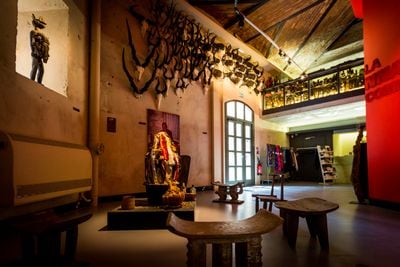
Voodoo Castle is a museum housed in a converted 19th-century water tower in Strasbourg where visitors encounter ritual objects, masks, statues, and ceremonial items arranged in rooms that explain their purpose and meaning. The collection spans hundreds of pieces gathered to illustrate the full scope of West African religious practices and their material expressions.
Marc and Marie Luce Arbogast spent decades gathering objects before opening this space to the public in 2014. Their work preserved an important collection that might otherwise have been lost or remained unknown outside West Africa.
The exhibits feature ritual objects and sacred items that reveal how West African spiritual beliefs shape daily practices and ceremonies in their communities. Visitors gain insight into religions often misrepresented in popular culture by seeing authentic examples and understanding their genuine meaning.
The museum is open from Tuesday through Sunday and provides audio guides in multiple languages to enhance your visit. Plan to spend an hour or two exploring the rooms at your own pace and reading the explanations accompanying each piece.
This is the largest private collection of West African religious objects outside their origin countries, offering a scope rarely found elsewhere. The historic water tower structure that houses the museum adds another layer of interest to what visitors come to see.
Location: Strasbourg
Website: https://chateau-vodou.com
GPS coordinates: 48.58040,7.72864
Latest update: December 6, 2025 17:42
France hosts monuments that go beyond common tourist routes. Individual creations like Ferdinand Cheval's Palais Idéal in Hauterives, built stone by stone over 33 years, sit alongside architectural reconversions like the Molitor Pool in Paris or the Contemporary Art Museum set in a 17th-century...
In Strasbourg, each step crosses several centuries of history. You walk from medieval alleys lined with half-timbered houses to glass buildings housing European institutions. The cathedral, 142 meters high, has dominated the city since the Middle Ages, while modern structures along the Rhine reflect...
Strasbourg offers numerous photographic opportunities beyond its main attractions. The city presents a collection of historic timber-framed houses, medieval bridges, hidden courtyards and notable architectural monuments from various periods. From the hieroglyph-adorned Maison Égyptienne to the...
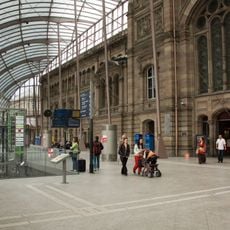
Strasbourg-Ville station
671 m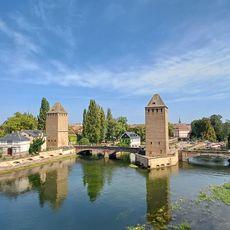
Vauban Dam
695 m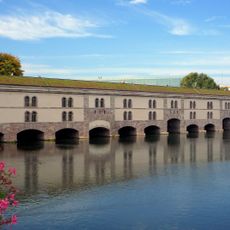
Barrage Vauban
702 m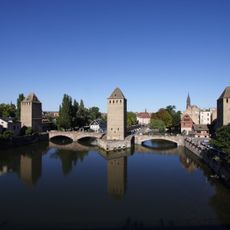
Ponts Couverts, Strasbourg
804 m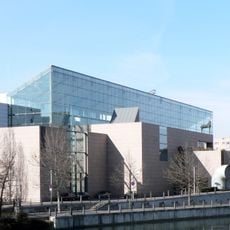
Strasbourg Museum of Modern and Contemporary Art
560 m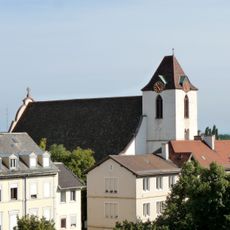
Saint Aurelia’s Church, Strasbourg
363 m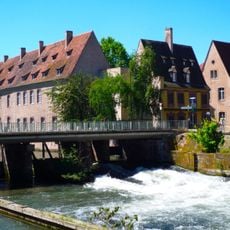
Commanderie Saint-Jean
693 m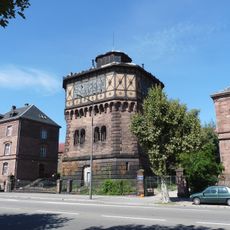
Château d'eau, Strasbourg
0 m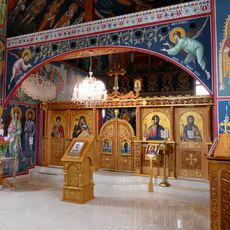
Église orthodoxe serbe Saint-Georges de Strasbourg
737 m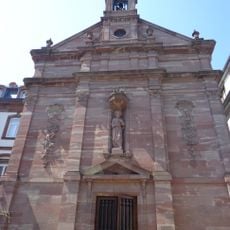
Chapelle Sainte-Barbe
495 m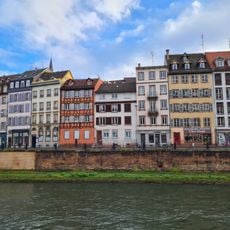
Quai Turckheim
757 m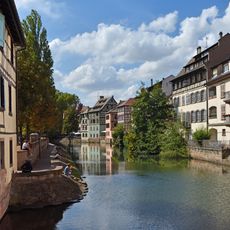
Quai de la Petite-France
856 m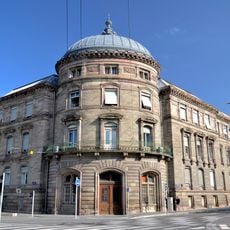
Direction régionale de la SNCF de Strasbourg
867 m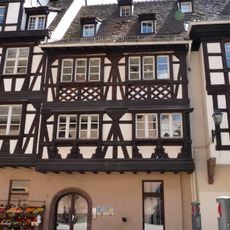
Maison au 6, Grand-Rue à Strasbourg
829 m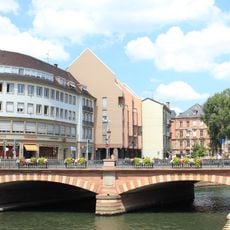
Pont National
767 m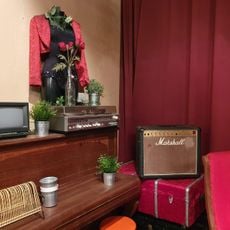
Espace K, Humour et autres curiosités
432 m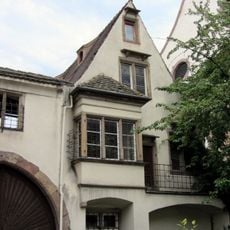
Ancienne ferme, 13 rue Martin Bucer, Strasbourg
387 m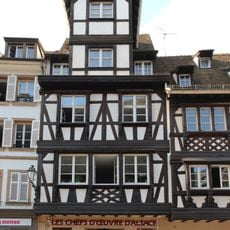
Maison, 8 Grand'Rue, Strasbourg
834 m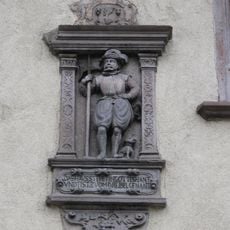
Maison au 4, quai de la Bruche à Strasbourg
779 m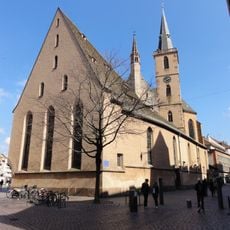
Église Saint-Pierre-le-Vieux de Strasbourg
850 m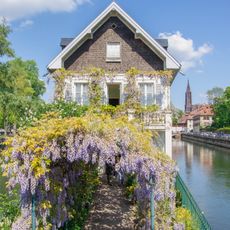
Maison des Ponts Couverts
821 m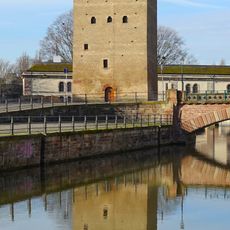
Hans von Altheimturm
790 m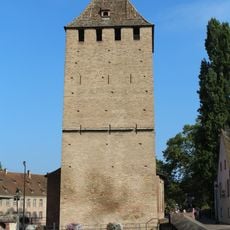
Heinrichsturm
766 m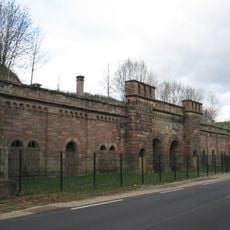
Rue du Rempart
811 m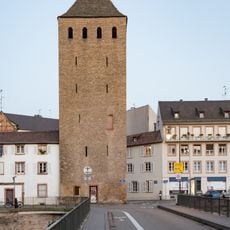
Henkersturm
753 m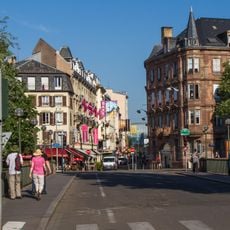
Pont du Maire Kuss
828 m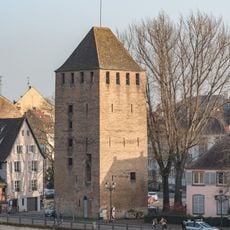
Französische Turm
819 m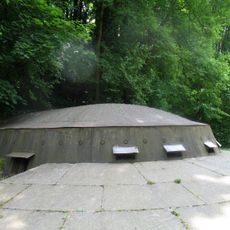
Caponnière
688 mVisited this place? Tap the stars to rate it and share your experience / photos with the community! Try now! You can cancel it anytime.
Discover hidden gems everywhere you go!
From secret cafés to breathtaking viewpoints, skip the crowded tourist spots and find places that match your style. Our app makes it easy with voice search, smart filtering, route optimization, and insider tips from travelers worldwide. Download now for the complete mobile experience.

A unique approach to discovering new places❞
— Le Figaro
All the places worth exploring❞
— France Info
A tailor-made excursion in just a few clicks❞
— 20 Minutes