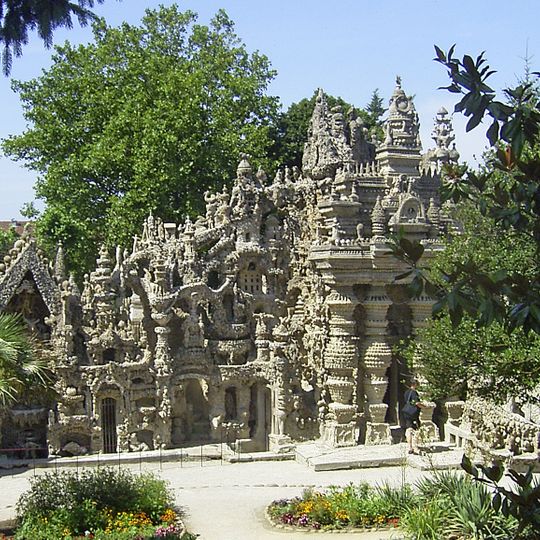
Palais Idéal, Folk art palace in Hauterives, France
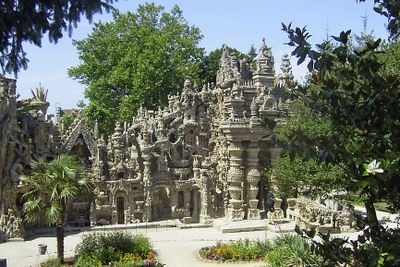
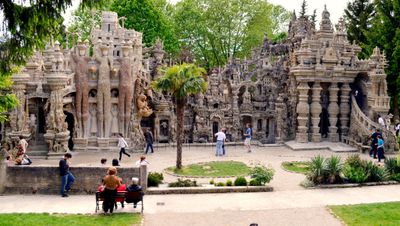
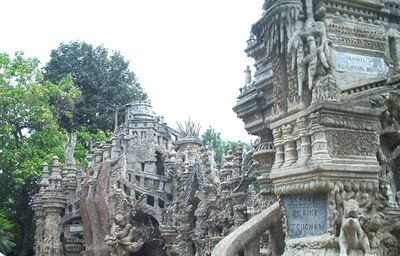
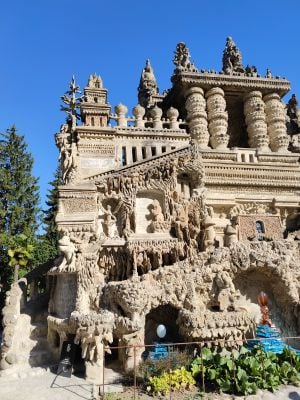
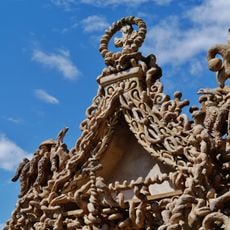
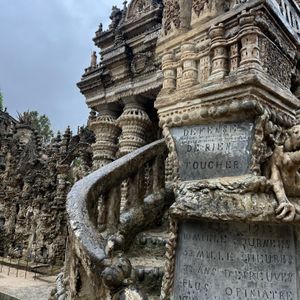
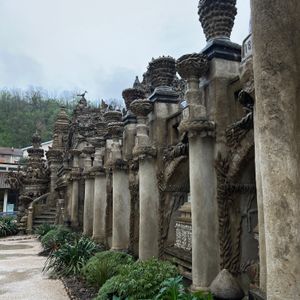
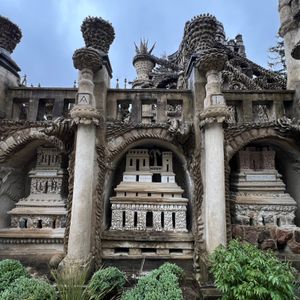
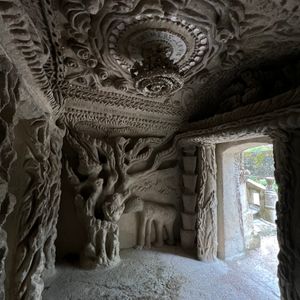
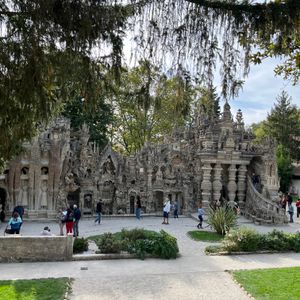
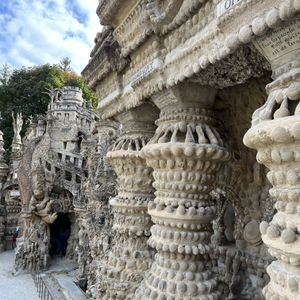
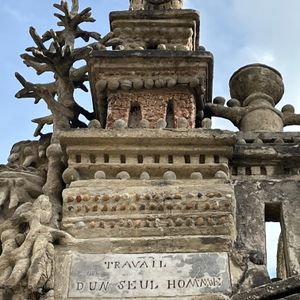
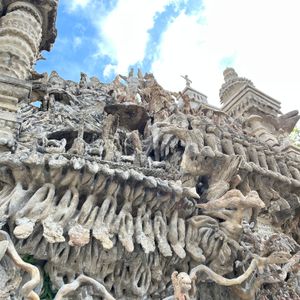
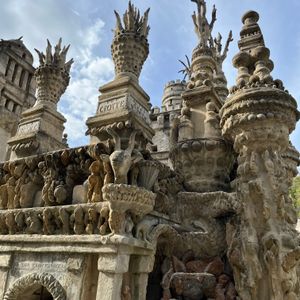
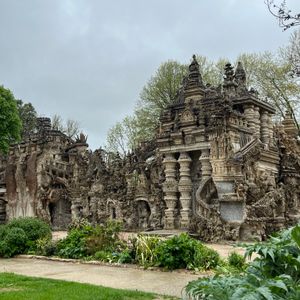
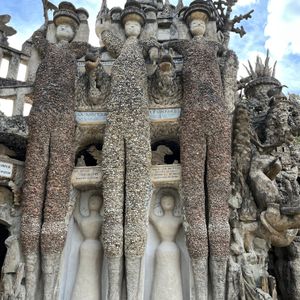
An imaginative construction of limestone, shells and pebbles forms walls with mythological scenes, exotic animals and miniature buildings. The facades combine elements from different traditions, including Hindu temples, North African mosques and medieval castles, into a three-dimensional collage of natural materials.
Postman Ferdinand Cheval began construction in 1879 after finding an unusual stone and collected materials during his daily mail routes. The monument was classified as a historic landmark in 1969 and now attracts over 150,000 visitors annually.
The structure inspired Surrealists including André Breton and Pablo Picasso, who recognized it as an authentic example of art brut. As a self-taught work created without formal architectural training, it embodies the dream of an ordinary person who realized beauty and imagination outside artistic conventions.
The structure stands 30 miles (50 kilometers) south of Lyon at the junction of roads D51 and D538. Guided tours operate throughout the year, and admission includes access to exterior grounds and inscribed interior spaces. A small museum adjacent to the building provides additional context about its creation.
Cheval originally planned to be buried inside his creation, but local regulations prohibited this. He spent another eight years building a separate mausoleum in the Hauterives cemetery, where he now rests. Inscriptions on the walls feature philosophical reflections and personal maxims in his own handwriting.
Location: Hauterives
Inception: January 1, 1879
Architects: Ferdinand Cheval
Accessibility: Wheelchair accessible
Address: rue du Palais-Idéal
Opening Hours: Monday-Sunday 09:30-16:30
Phone: +33475688119
Website: http://facteurcheval.com
GPS coordinates: 45.25627,5.02851
Latest update: December 1, 2025 11:45
France hosts monuments that go beyond common tourist routes. Individual creations like Ferdinand Cheval's Palais Idéal in Hauterives, built stone by stone over 33 years, sit alongside architectural reconversions like the Molitor Pool in Paris or the Contemporary Art Museum set in a 17th-century manor in Saint-Romain-au-Mont-d'Or. These sites reflect unique stories and urban transformations worth exploring. This selection includes themed museums dedicated to magic in Blois, mechanical instruments at La Borde, fairground arts in Paris, and firefighters in Montville. It also features total art works like the Maison Picassiette in Chartres, entirely decorated with ceramic mosaics, and the Robert Tatin Museum in Cossé-le-Vivien. From Montmartre cemetery where Degas and Zola are buried to works by self-taught artists, these monuments offer different perspectives on French heritage and deserve a visit to explore lesser-known facets of the territory.
Architecture does not have to follow straight lines and right angles. This collection presents buildings that stand out through their form: domes, spirals, tilted facades or organic structures that recall animals or plants. From Gaudí's mosaic covered works in Barcelona to the stacked concrete cubes of Habitat 67 in Montreal or the conical trulli of Alberobello, these structures demonstrate alternative approaches to construction. Some emerged from technical necessity, such as the temporary cardboard cathedral in Christchurch after the 2011 earthquake. Others are artistic statements: the Guggenheim Museum in Bilbao with its titanium plates, the Dancing House in Prague or the cubist houses in Rotterdam. In Đà Lạt, the Crazy House transforms tree trunks and caves into habitable spaces, while the Atomium in Brussels represents a magnified iron crystal. These structures attract visitors but also raise questions about function and livability. The Longaberger Basket Building in Ohio takes the form of a seven story basket. The Lotus Temple in New Delhi uses concrete shells to form 27 petals. The Aldar headquarters in Abu Dhabi resembles a circular coin. These buildings expand the definition of what architecture can be.
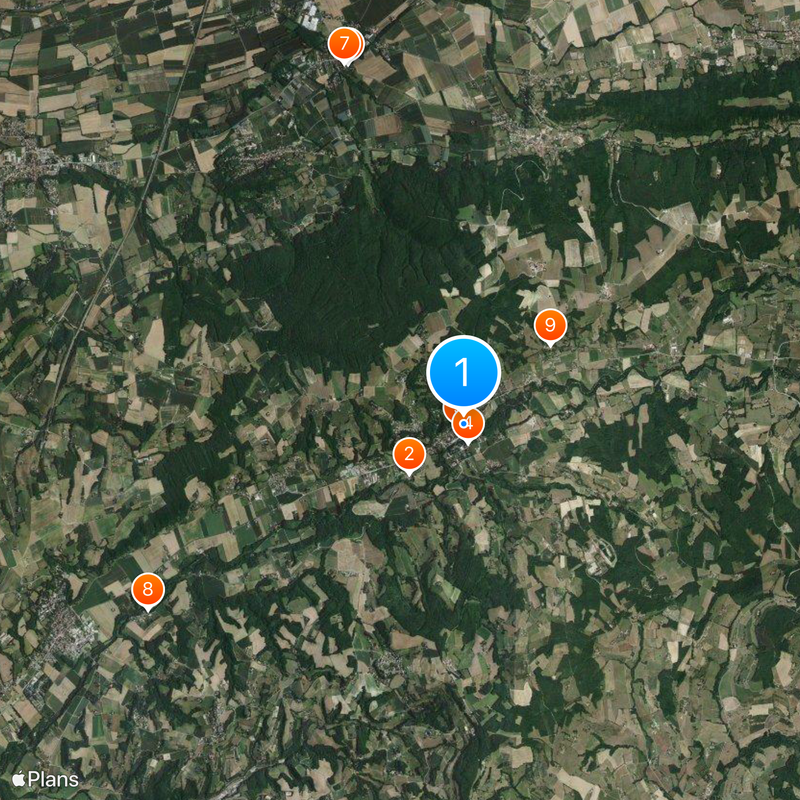
Tomb of Ferdinand Cheval
1 km
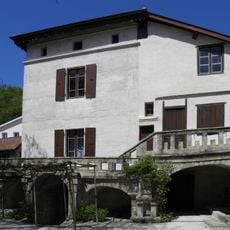
Villa Alicius
69 m
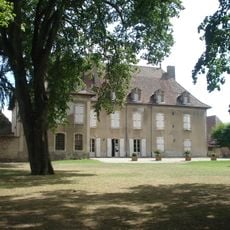
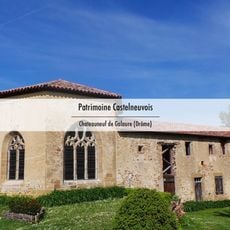
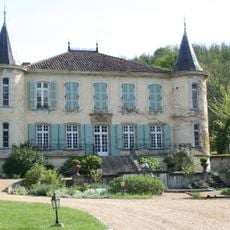
Château d'Hauterives
271 m
Prieuré de Manthes
5.3 km
Prieuré de Charrière de Châteauneuf-de-Galaure
5.1 km
Église Saint-Étienne de Bathernay
8.9 km
Église Saint-Mamert du Grand-Serre
6.1 km
Prieuré de Charrière
5.1 km
Lamas des plaines
8 km
Église Saint-Henri de Lapeyrouse-Mornay
7.9 km
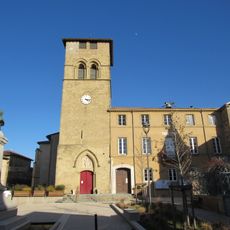
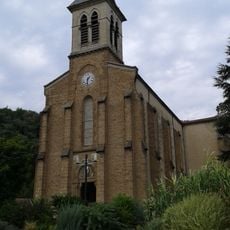
Église Saint-Martin d'Hauterives
1.6 km
Église Saint-Christophe de Saint-Christophe-et-le-Laris
6.2 km
Église Saint-Saturnin de Saint-Sorlin-en-Valloire
7.1 km
Église Saint-Jacques-le-Majeur de Lentiol
8.2 km
Église Sainte-Agathe de Mantaille
8.3 km
Église Saint-Jean-Baptiste de Lens-Lestang
4.1 km
Église Saint-Martin de Saint-Martin-d'Août
5.5 km
Église Saint-Jean de Châteauneuf-de-Galaure
6.2 km
Chapelle Notre-Dame de Châtenay
4.8 km
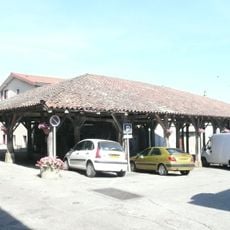
Halles du Grand-Serre
6.1 km
Église Notre-Dame-de-l'Assomption de Moras-en-Valloire
4.6 km
Église Saint-Michel de Montchenu
6.7 km
Église Saint-Bonnet de Saint-Bonnet-de-Galaure
8.2 km
Sanctuaire Sainte-Marie-Mère-de-Dieu de Châteauneuf-de-Galaure
6.4 km
Presbytère de Bathernay
8.9 km
Château du Double
3.7 km
Chapelle Notre-Dame de Bonne-Combe
3.2 km
Chapelle Notre-Dame du Foyer de Châteauneuf-de-Galaure
6.3 kmReal people, real opinions — but not verified.
Visited this place? Tap the stars to rate it and share your experience / photos with the community! Try now! You can cancel it anytime.
extraordinary place, 30 years of hard work for a result that is worth it!
33 years of work and the result is worth it! Very beautiful monument and a very beautiful story.
a raw art monument created by a single man! Must see.
Discover hidden gems everywhere you go!
From secret cafés to breathtaking viewpoints, skip the crowded tourist spots and find places that match your style. Our app makes it easy with voice search, smart filtering, route optimization, and insider tips from travelers worldwide. Download now for the complete mobile experience.
A unique approach to discovering new places❞
— Le Figaro
All the places worth exploring❞
— France Info
A tailor-made excursion in just a few clicks❞
— 20 Minutes