See the monuments around you in AROpen chests in the app
Around Us is built for your phone — point your camera at the streets and discover the monuments and places around you in augmented reality.Around Us is built for your phone — chests unlock when you walk, explore and capture nearby places.
Natural and cultural spots in Auvergne-Rhône-Alpes
The Auvergne-Rhône-Alpes region offers a mix of nature and history. Walking paths lead through valleys and past waterfalls, while medieval castles stand on hilltops and ridges. Volcanic peaks rise from the landscape, and caves open into the earth below. You will find the Massif Central, alpine plateaus, and gothic churches built centuries ago. From the Ray-Pic Waterfall in the Ardèche to the Postman Cheval Palace in Hauterives, from Mount Puy de Sancy to the Emparis Plateau, each place tells its own story. Medieval strongholds like the Château de Val sit beside charming villages such as Yvoire. Monasteries and cathedrals mark the spiritual life of generations past.
Natural and cultural spots in Auvergne-Rhône-Alpes
The Auvergne-Rhône-Alpes region offers a mix of nature and history. Walking paths lead through valleys and past waterfalls, while medieval castles stand on hilltops and ridges. Volcanic peaks rise from the landscape, and caves open into the earth below. You will find the Massif Central, alpine plateaus, and gothic churches built centuries ago. From the Ray-Pic Waterfall in the Ardèche to the Postman Cheval Palace in Hauterives, from Mount Puy de Sancy to the Emparis Plateau, each place tells its own story. Medieval strongholds like the Château de Val sit beside charming villages such as Yvoire. Monasteries and cathedrals mark the spiritual life of generations past.
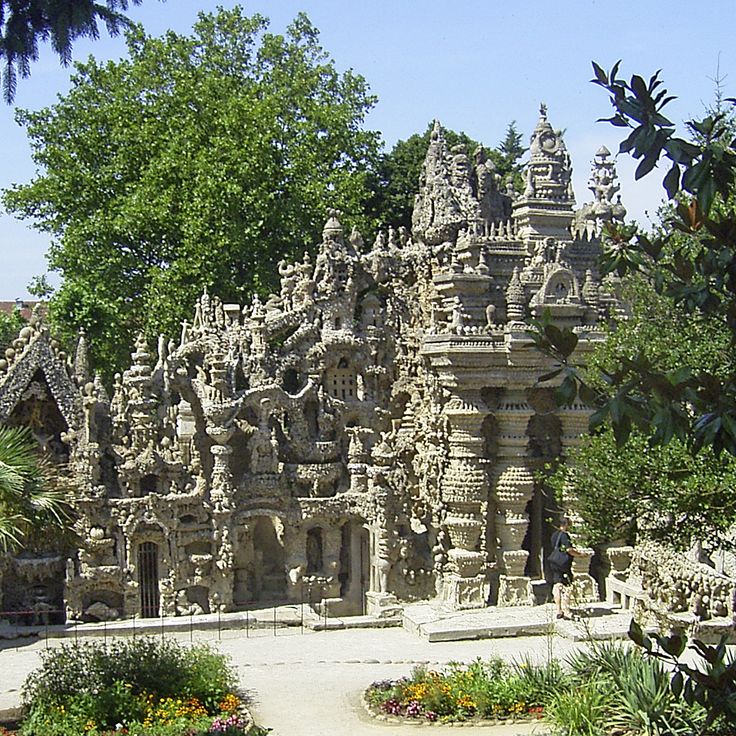
The Palais du Facteur Cheval was built by a postman between 1879 and 1912 using stones and materials he collected during his daily mail routes. The builder gathered each piece bit by bit along his path, transforming them into a remarkable structure. The palace shows what one person can create through patience and vision over many years.
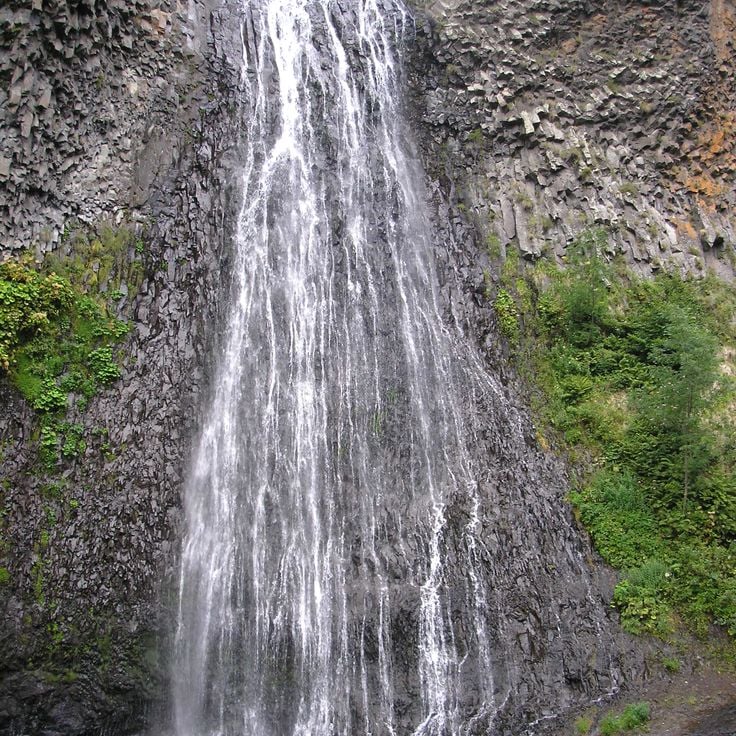
Ray-Pic Waterfall plunges over columns of black basalt formed by volcanic rock. The water falls about 60 meters from the Ardeche plateau and shapes the landscape of this region. This waterfall is one of the natural sites found in the Auvergne-Rhône-Alpes region, where nature and history meet.
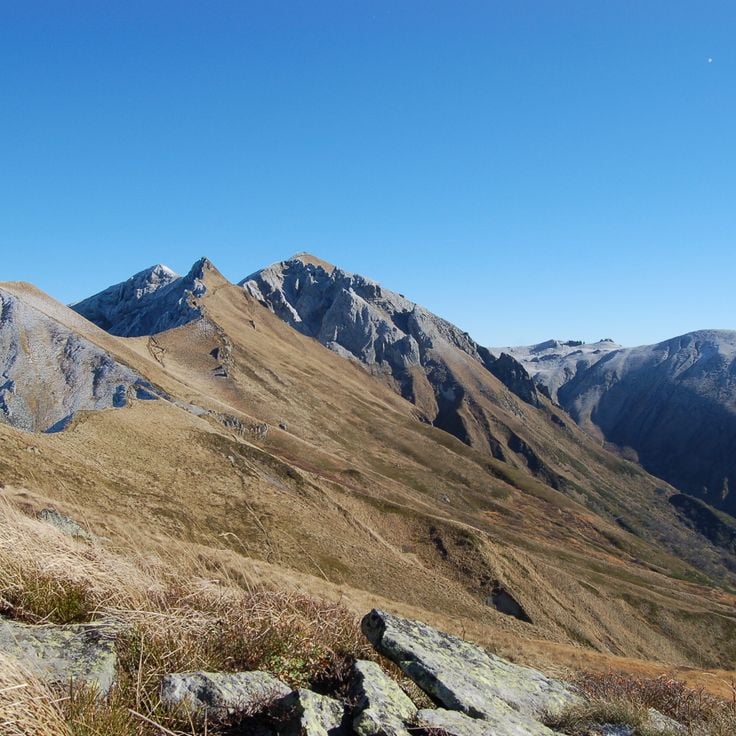
Mont Puy de Sancy rises to 1885 meters (6184 feet) as the highest peak of the Massif Central. From its summit, views stretch across the Auvergne region in all directions. The mountain draws hikers who seek steep paths and alpine landscapes. Wildflowers bloom on the slopes during summer. Snow can cover the upper areas in winter. Climbing requires endurance but rewards visitors with wide views of valleys and distant mountains. This place connects the volcanic history of the landscape with modern outdoor recreation.
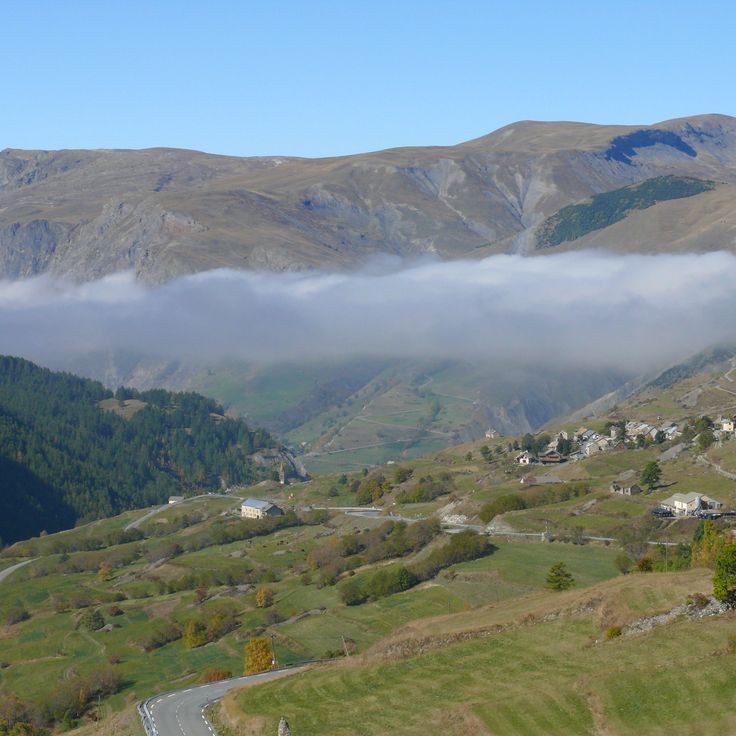
The Plateau d'Emparis is an alpine plateau in the Hautes-Alpes region, sitting at 2000 meters (6500 feet) in elevation. This high meadow is home to various plant and animal species and offers views across the glacial massifs of the Écrins. The place reflects the natural variety that defines the Auvergne-Rhône-Alpes region, where mountain peaks, valleys, and plateaus come together.
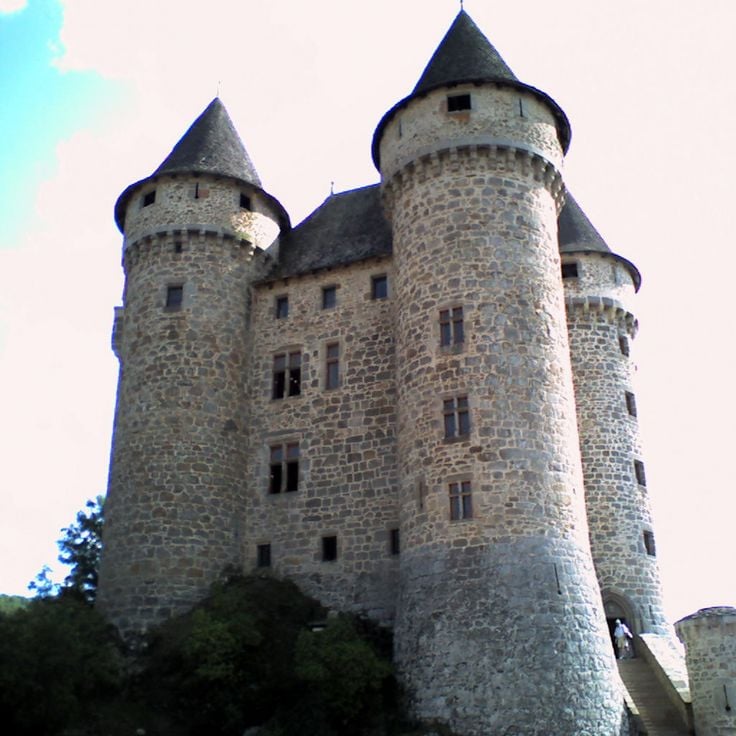
Château de Val is a medieval castle from the 13th century that sits on a peninsula in the Bort-les-Orgues reservoir. Within the natural and cultural spots of the Auvergne-Rhône-Alpes region, this castle represents the area's rich historical past, with architectural details that reflect the period when castles protected these lands between volcanic peaks and dense forests.
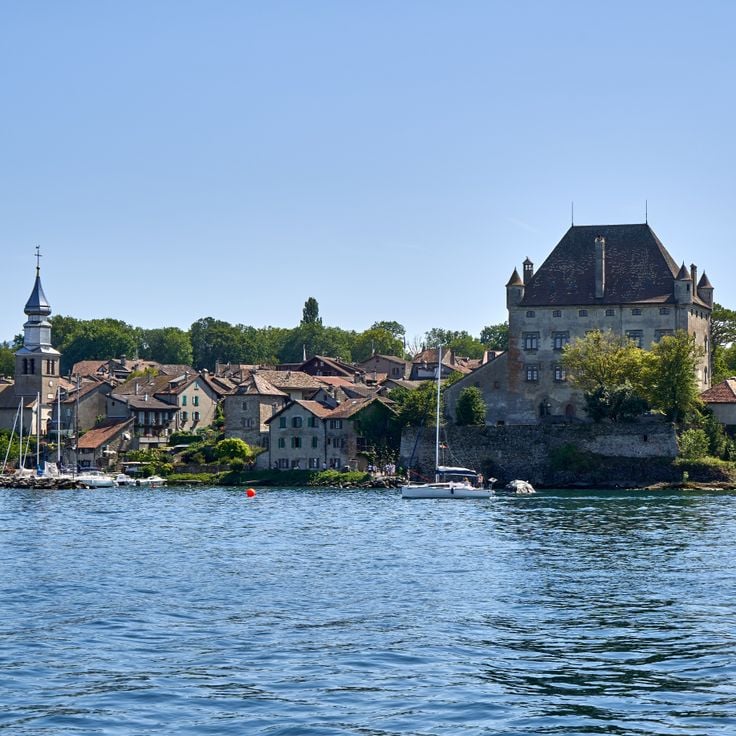
Yvoire is a medieval town from the 14th century on the southern shore of Lake Geneva. Stone buildings with narrow lanes and flower gardens characterize this place. The town keeps its historical feel with timber frames and fieldstone facades. Colorful flowers hang from windows and fill small courtyards. Walking through the streets, you pass old gates and intimate squares. The lake nearby brings a peaceful quality to the town, where people sit outdoors in cafes enjoying views of the water.
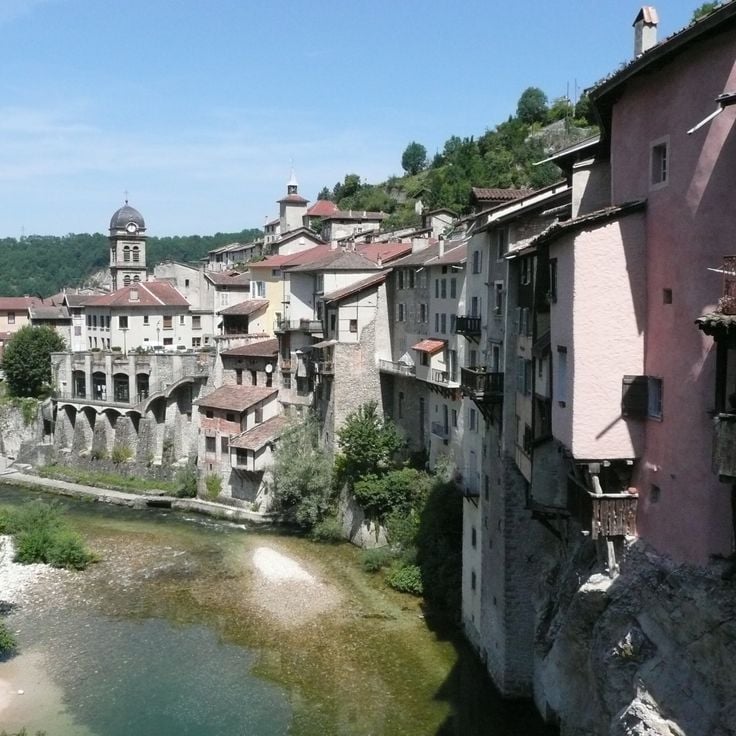
Pont-en-Royans in Isère is a 16th century town marked by colorful houses built on rocks above the Bourne river. This town is part of the Auvergne-Rhône-Alpes region, where history and nature meet. Hiking trails wind through valleys past waterfalls and medieval castles perched on hillsides and ridges. Volcanic peaks rise from the landscape, caves open into the earth, and Gothic churches stand as reminders of the spiritual lives of past generations. The region around Pont-en-Royans holds the Massif Central mountains, alpine plateaus, and centuries of stories written into its foundations.
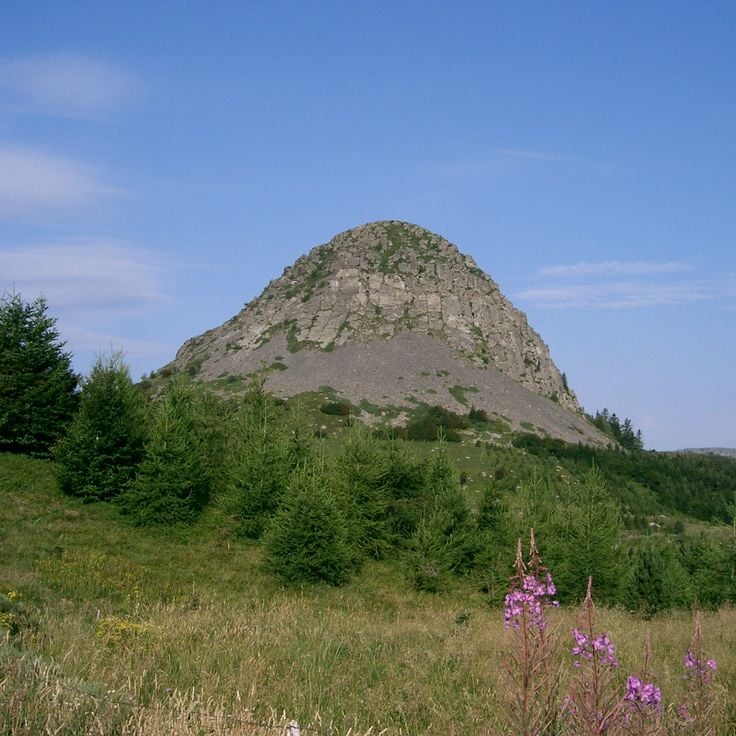
Mont Gerbier de Jonc is a volcanic mountain in the Ardèche that stands out with its distinctive pointed shape rising from the landscape. This mountain marks the source of the Loire River and serves as a starting point for hikers exploring the varied nature of the region. From its summit, visitors can see the surrounding valleys and plateaus and understand why this area has drawn people for centuries.
The Grottes de Choranche are a natural wonder in the Auvergne-Rhône-Alpes region, where nature tells stories through stone and water. Long white stalactites hang from the ceiling while an underground river winds about 600 meters through the cave system. This site showcases the geological formations that define the region, sitting alongside volcanic peaks and historic settlements that make this area worth exploring.
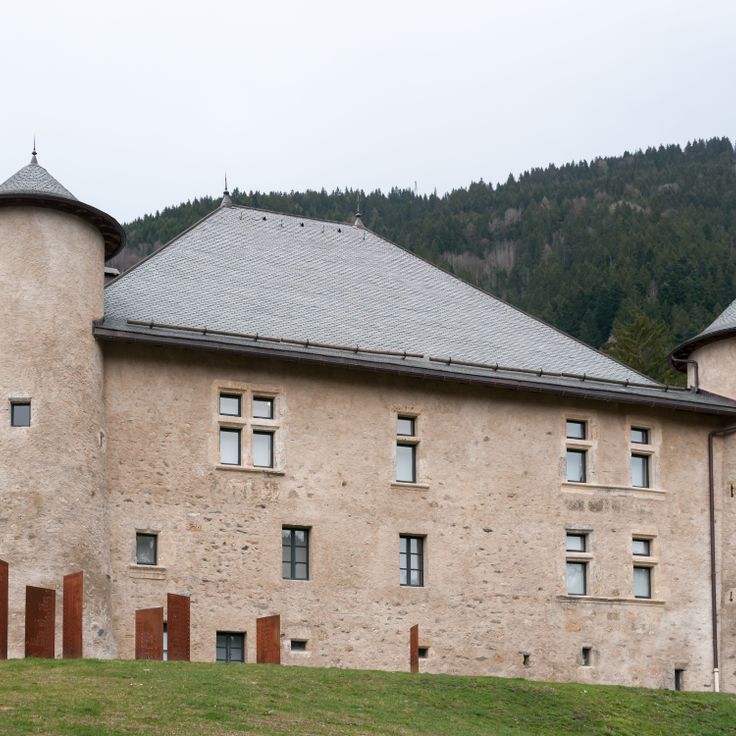
The Maison Forte de Hautetour is a medieval stone building in Haute-Savoie that houses exhibitions about mountaineering and the history of the Saint-Gervais region. Within the landscape of Auvergne-Rhône-Alpes, this structure represents the historical architecture and cultural heritage found alongside natural paths, waterfalls, volcanic peaks and caves across the region.
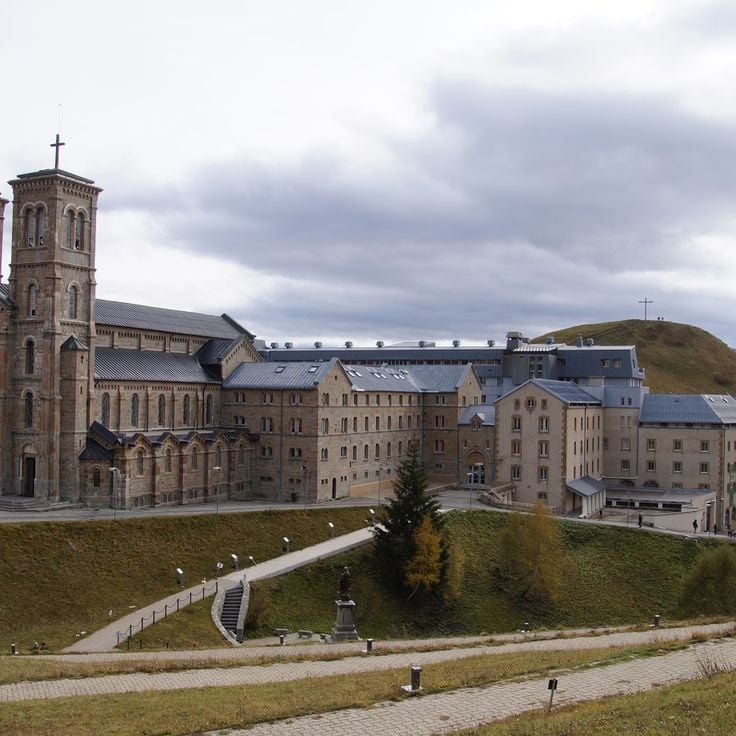
Notre-Dame de la Salette is a basilica in this region situated at 1800 meters in elevation. It was built following a Marian apparition in 1846. This sanctuary draws pilgrims and fits into the alpine landscape that defines Auvergne-Rhône-Alpes. The place brings together faith and nature in a striking mountain setting.
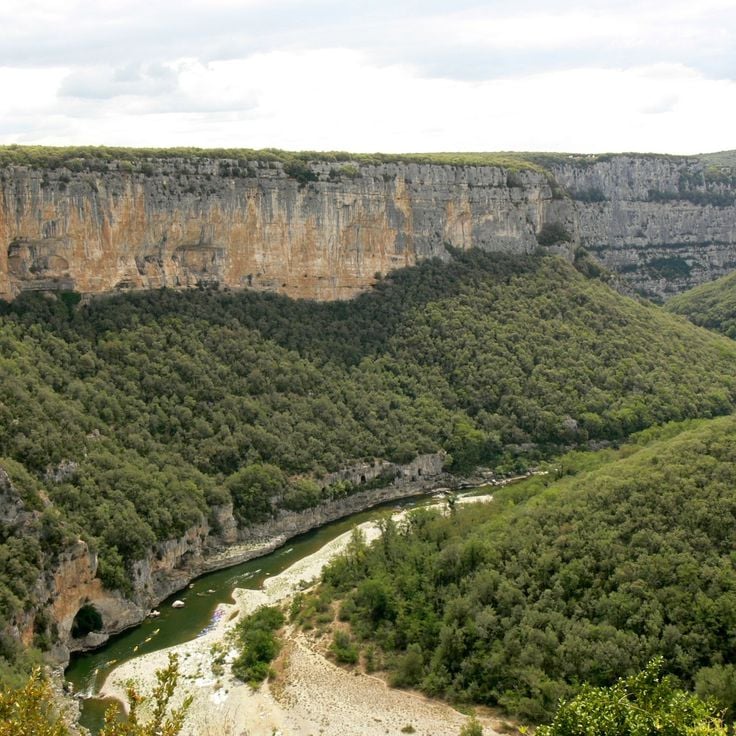
The Gorges de l'Ardèche are a canyon carved by the Ardèche River through limestone cliffs. The river flows through narrow passages, creating tall rock walls that rise dramatically in many places. This natural formation fits into the broader landscape of the Auvergne-Rhône-Alpes region, where volcanic peaks, caves, and medieval castles shape the terrain. The winding river creates passages that draw visitors interested in experiencing nature and understanding how water and stone interact over time.
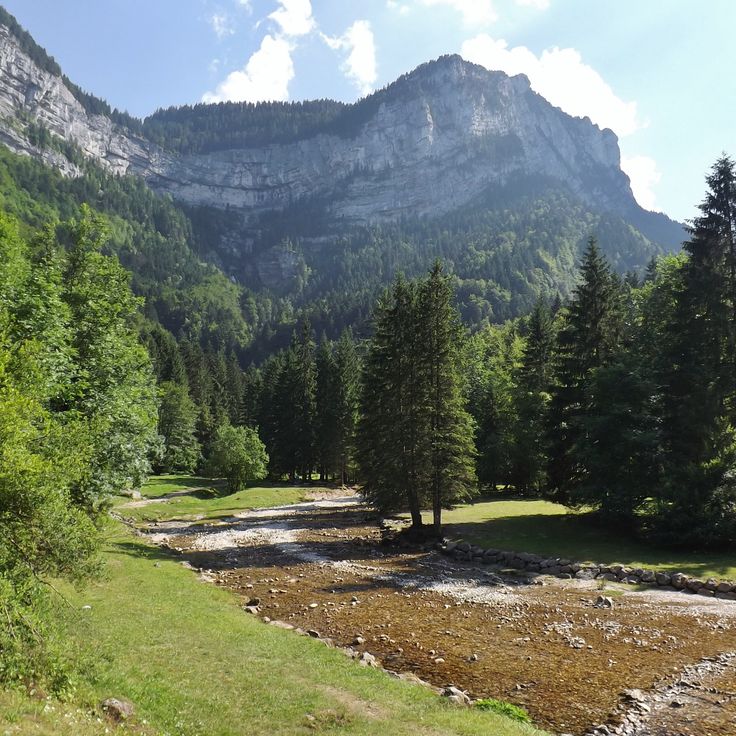
The Cirque of Saint-Même is a circular rock wall in the Chartreuse Massif. Four waterfalls plunge here from a height of 200 meters (656 feet). This site shows the natural wonders of the Auvergne-Rhône-Alpes region, where waterfalls and caves are carved into ancient mountains. The cirque demonstrates how water has shaped the landscape over time.
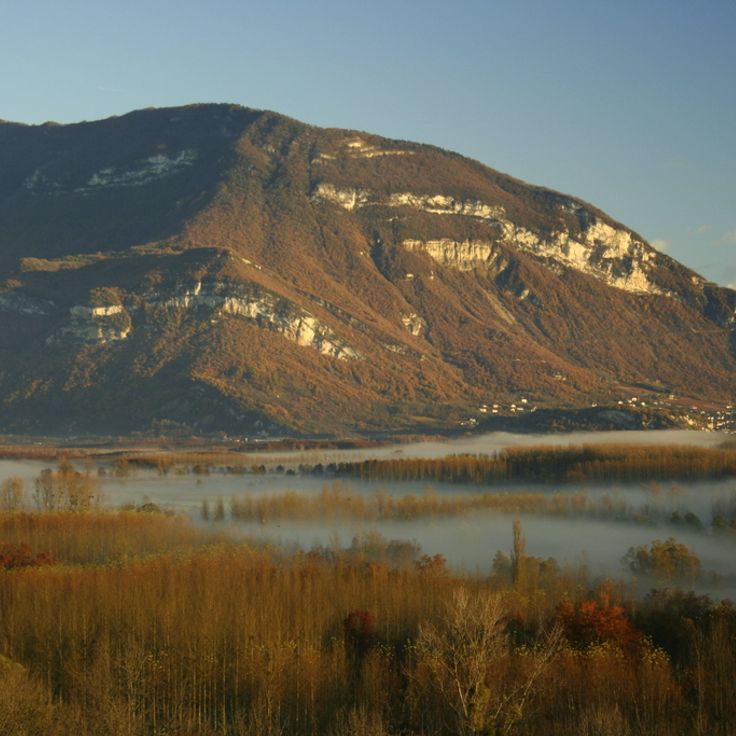
Lavours Marsh is a nature reserve in the Auvergne-Rhone-Alps region that demonstrates the natural diversity of this area. Visitors can observe more than 200 bird species and numerous plant species here. The marsh sits within hiking trails and geological features that shape the landscape. Those who visit this place gain a deeper understanding of the importance of such habitats for nature.
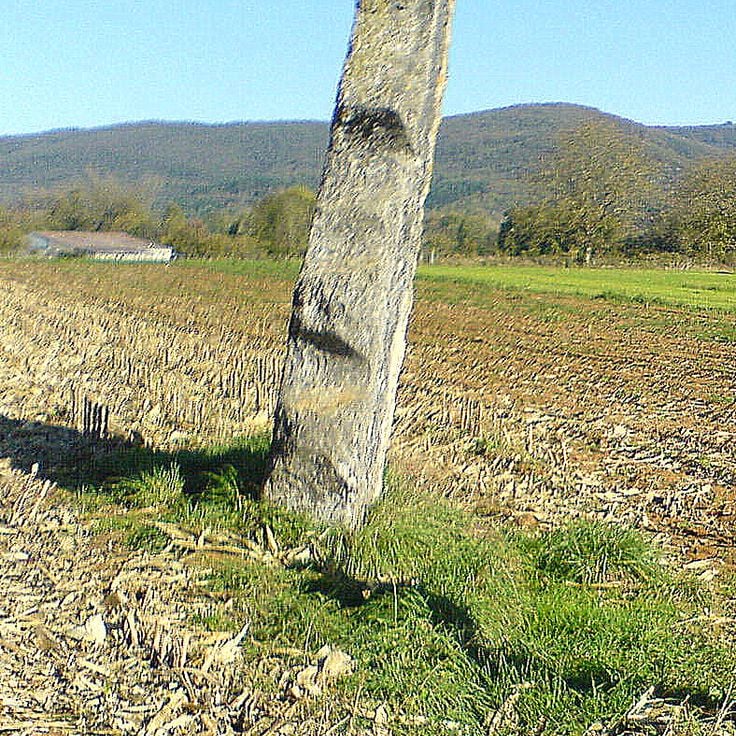
The Menhir of Pierre Fiche is an upright stone from the Neolithic period, about 4 meters tall, standing on a granite base in the forest of Haut-Vivarais. This monument is among the historical sites of the Auvergne-Rhône-Alpes region, a territory known for its medieval castles, volcanic peaks, and natural caves. The stone bears witness to a distant past and connects nature and human history at this location.
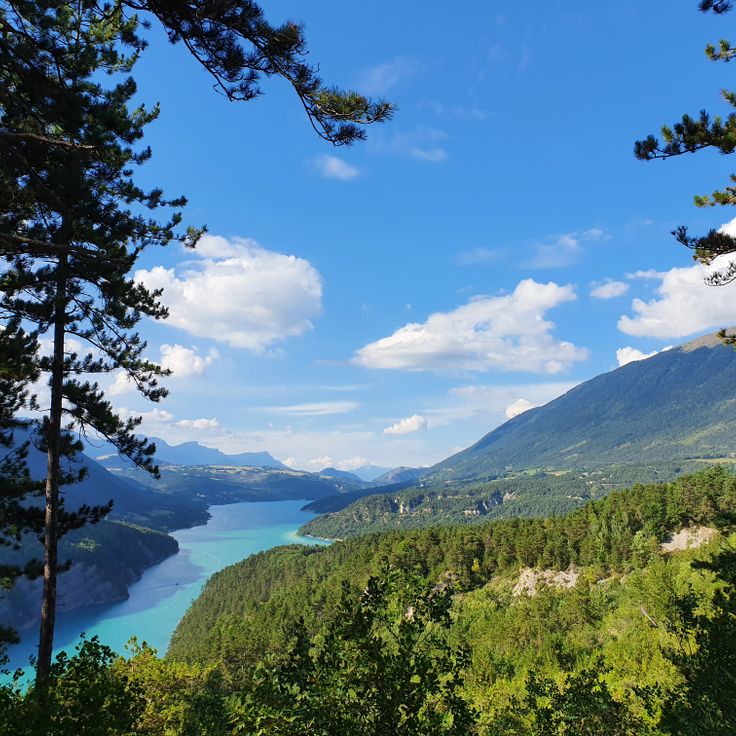
La Corniche du Drac follows a route along cliffs with views of deep gorges and a reservoir lake. This scenic drive reveals the dramatic landscape of the region, where water flows through steep valleys and rock faces rise impressively. The route connects villages and allows travelers to discover the natural beauty and history of this area.
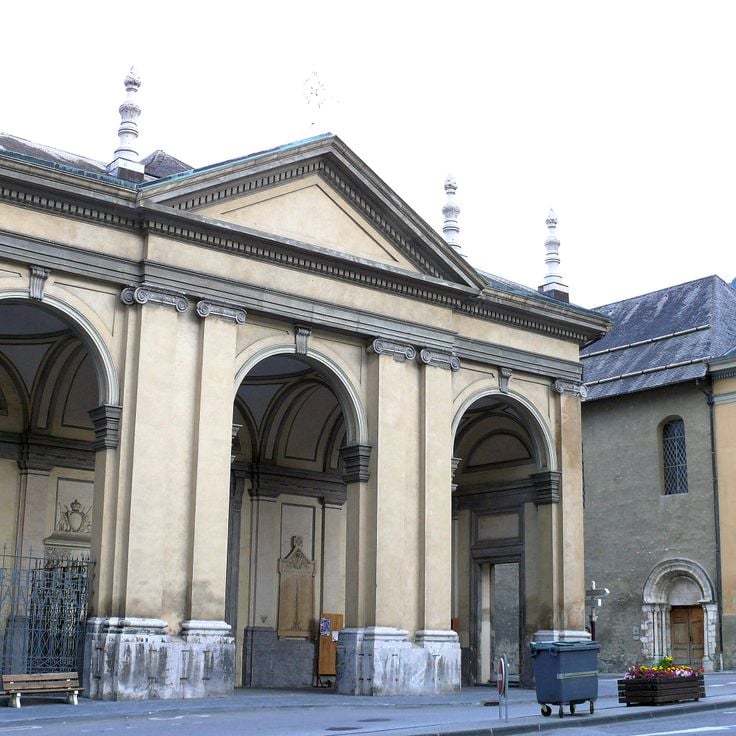
The Cathedral of Saint-Jean de Maurienne is a Romanesque church built in the 11th century in a region known for medieval castles, volcanic peaks, and hiking trails. The building features a Gothic cloister, carved choir stalls, and a museum displaying liturgical objects. Visitors can observe the stonework and spend time in quiet reflection within the walls.
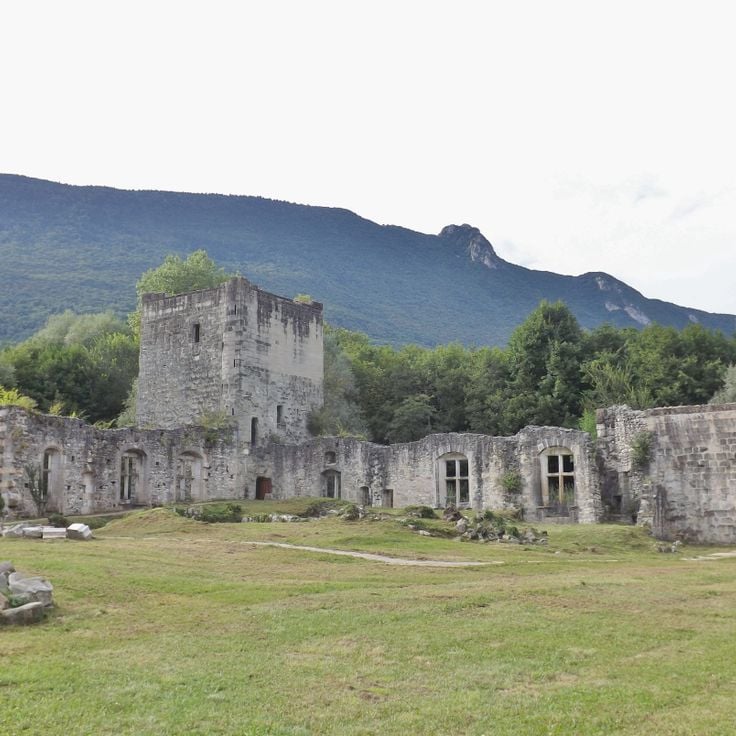
The Château de Thomas II is a 13th-century fortress that rises high on a hillside above the lake. Its most striking feature is the solid square keep, surrounded by protective walls that define the castle's outline. Standing here, you look out over the water and rolling landscape. This castle tells the story of how medieval rulers built their strongholds across the Auvergne-Rhône-Alpes region, placing them on hilltops and ridges to watch over the land.
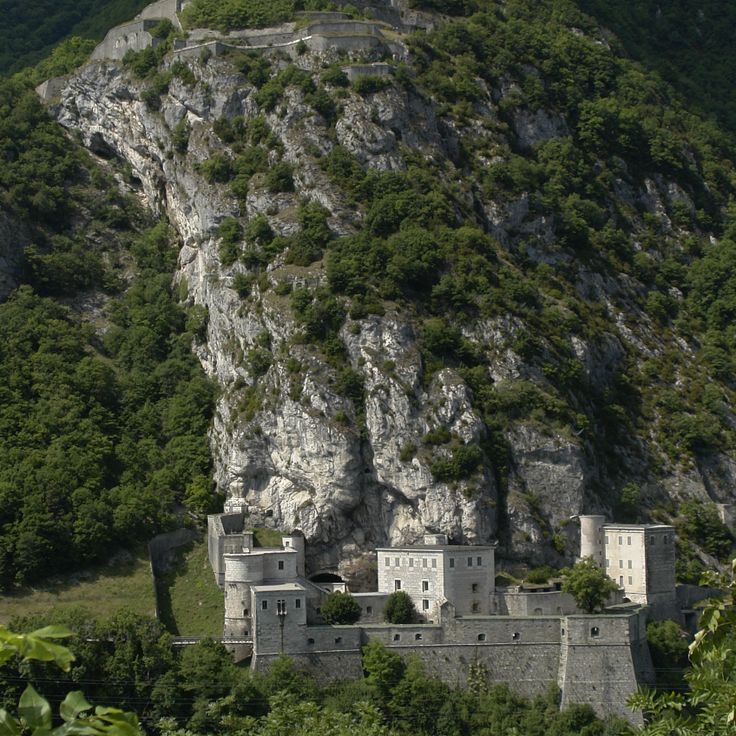
Fort l'Écluse is a 16th-century fortification built into the gorges of the Rhone River. This fortress reveals the defensive strategies of an earlier era, with underground passages and defensive systems cleverly integrated into the rock walls. The site sits in a dramatic landscape where steep cliffs rise up and the river has carved its path through stone. The fort speaks to the military history of this region and how people used this challenging location to protect their territory.
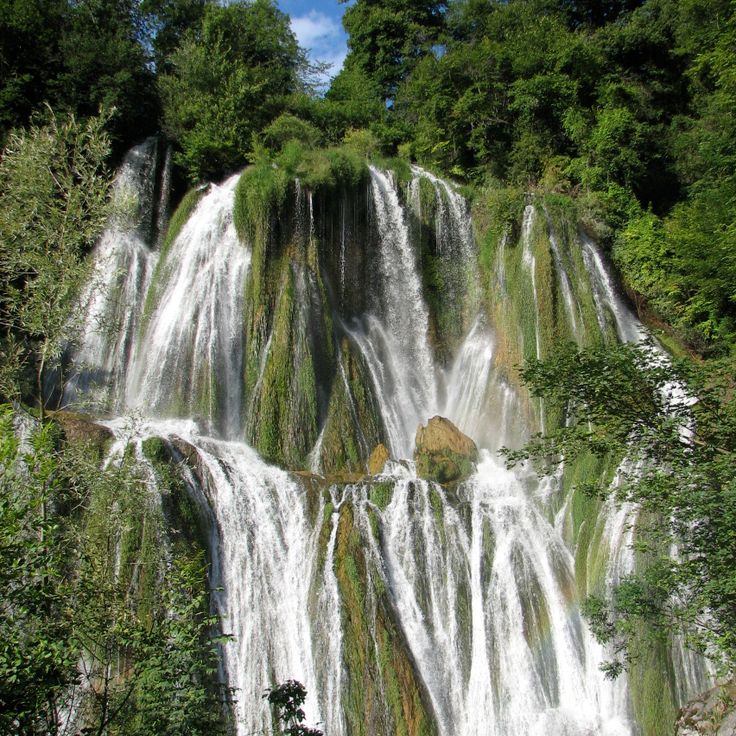
The Glandieu waterfalls are a natural spectacle in the heart of the Ain Department. Water plunges 60 meters down, creating a striking sight between steep limestone cliffs. At this location, you can experience the power of water up close. The surroundings are green and full of life, with rock faces that are thousands of years old. People come here to enjoy nature, hike, and take photographs. These waterfalls fit perfectly into the Auvergne-Rhône-Alpes region, where water and stone shape the landscape.
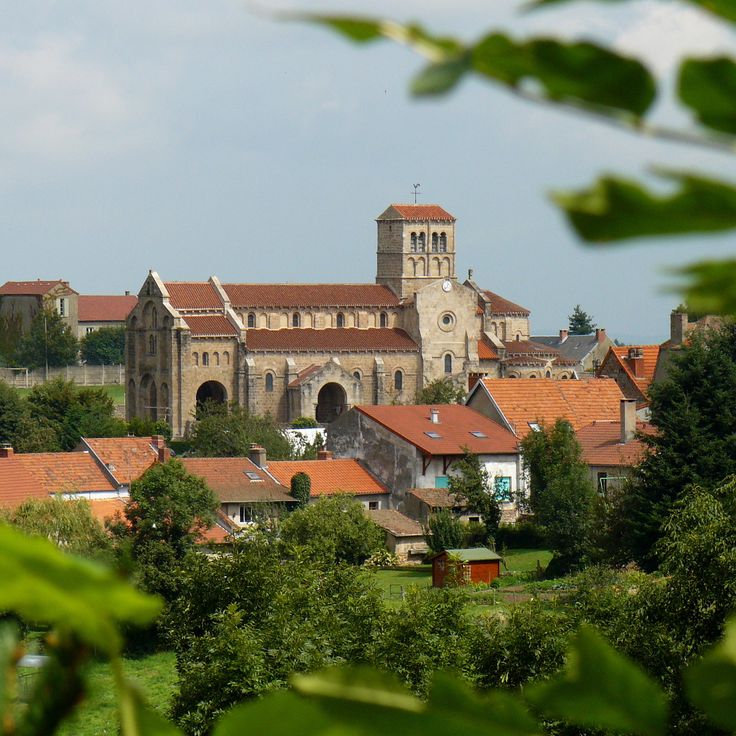
The village of Châtel-Montagne contains a Romanesque church from the 12th century with a stone facade and vaulted ceilings. This church exemplifies the medieval religious architecture found throughout the Auvergne-Rhône-Alpes region. The building displays typical features of the Romanesque period with its thick walls and carefully crafted stone details. This location connects the settlement to the rich history of the region, where medieval buildings, natural wonders, and historic sites come together.
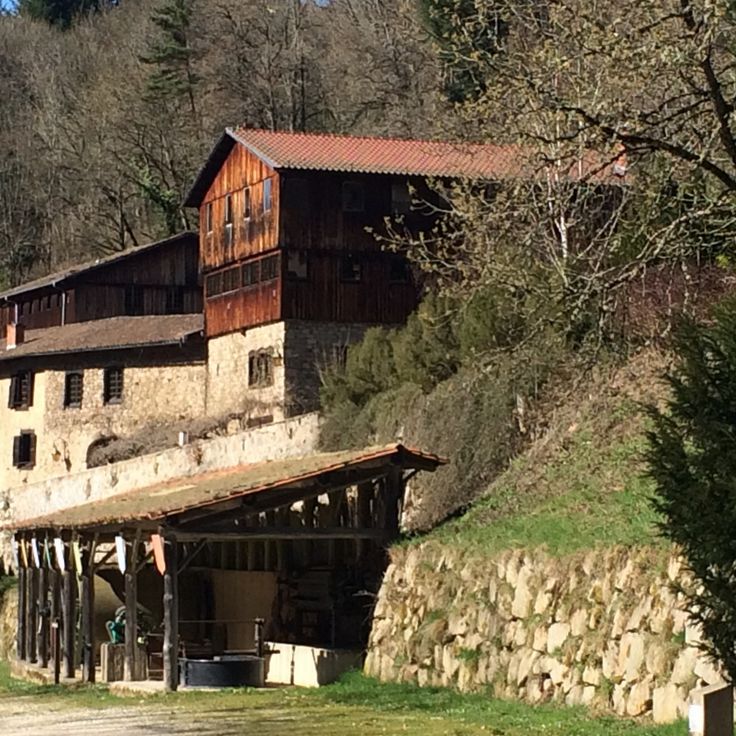
This mill in Puy-de-Dôme has been making paper by hand since the 15th century and continues to use traditional craftsmanship. The Moulin Richard de Bas preserves techniques passed down through generations of workers who understand every step of the process. Visitors can watch as artisans dip screens into vats, lift wet sheets of fiber, and hang them to dry. The workshop feels timeless, powered by water that still turns the old wheels and sets the pace of daily work.
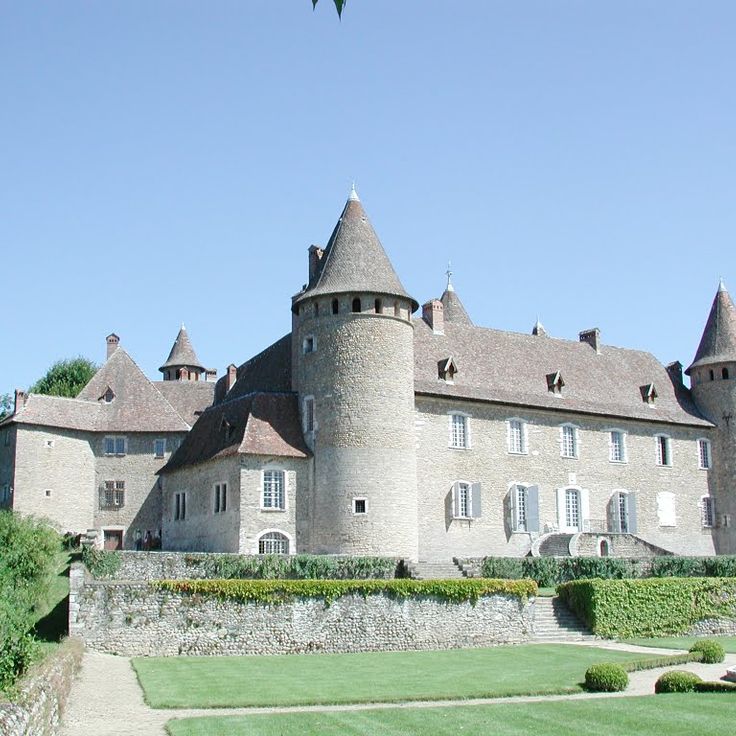
The Château de Virieu is an 11th-century fortress in the Isère that reflects the medieval heritage of the Auvergne-Rhône-Alpes region. This castle features defensive walls, gardens, and interior rooms that speak to centuries past. Visitors can explore the old ramparts and discover how people once lived here, controlling the landscape from these heights.
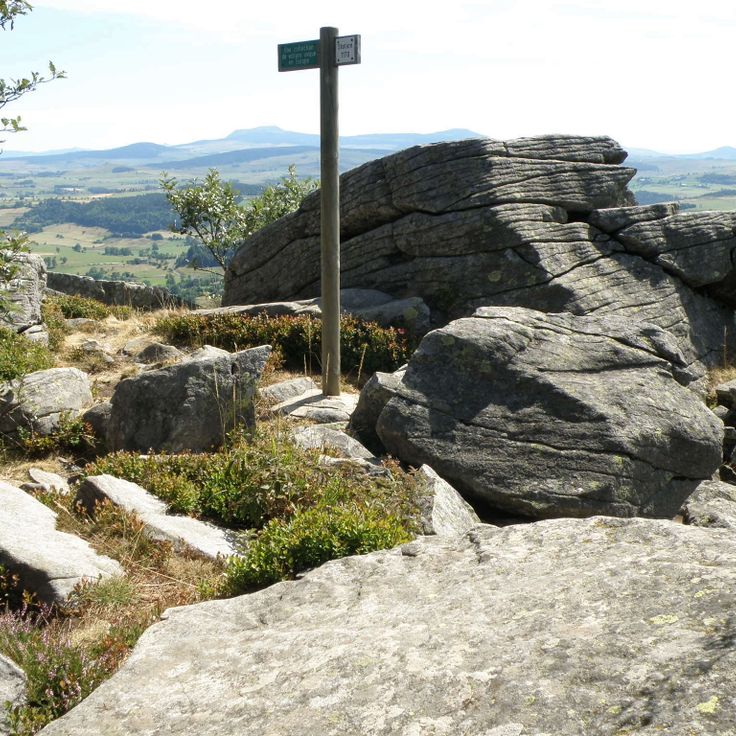
Mont Mézenc is a mountain in Haute-Loire that rises to 1,753 meters (5,751 feet). Marked trails cross through basalt rock formations and alpine vegetation as you climb higher. The summit offers views across the surrounding valleys and peaks of the region. The landscape reveals the volcanic origins that shaped this area. On clear days, you can see far across the landscape from the top. This mountain is part of the Massif Central and has different routes suitable for various abilities.
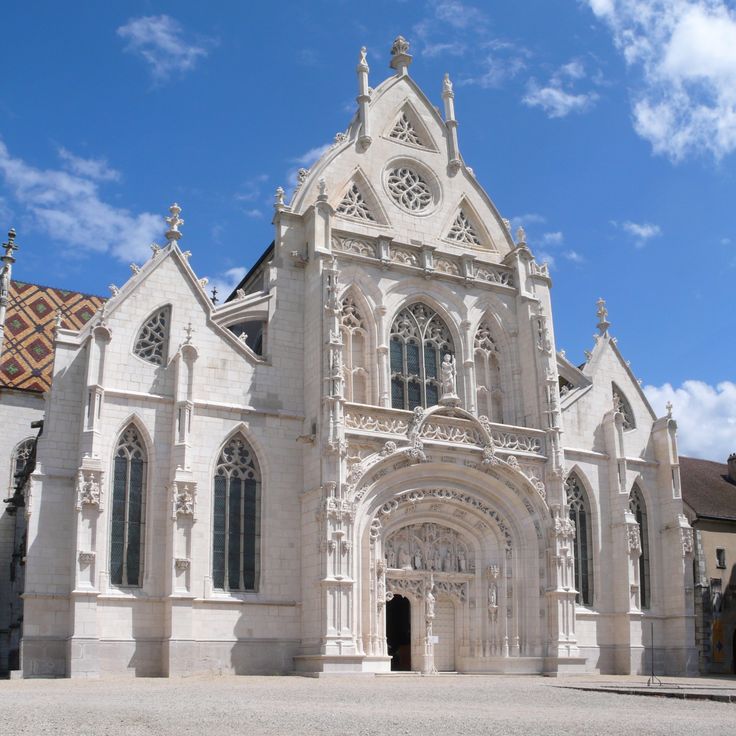
The Royal Monastery of Brou in Bourg-en-Bresse is a Gothic church built in the 16th century. Inside, you will find ornately decorated marble tombs and stained glass windows made in the late French style. The monastery sits in the Auvergne-Rhône-Alpes region, where medieval castles, waterfalls, and caves shape the landscape. This church reflects the spiritual life of people who lived here in past centuries.
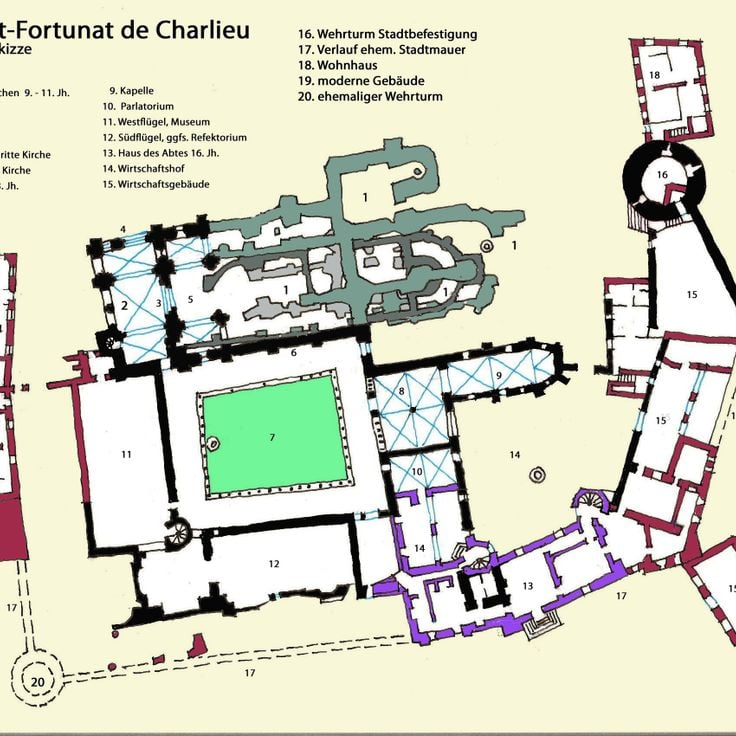
The Abbey of Charlieu is a religious building from the 9th century located in the Auvergne-Rhône-Alpes region. It features Romanesque architecture with a remarkable portal and a chapter hall decorated with medieval stone sculptures. This monastery stands as a testament to the spiritual life of past generations and fits perfectly within the collection of places that combine history and nature in the region.
Le Pic de Lizieux is a volcanic mountain in Saint-Maurice-de-Lignon that rises to 1388 meters. Marked trails lead up to the summit, offering views of the surrounding landscape along the way. This mountain is part of the volcanic formations that shape the Auvergne-Rhône-Alpes region, where nature and history come together. The hike allows visitors to discover the geological story of the area and enjoy the perspective from above.
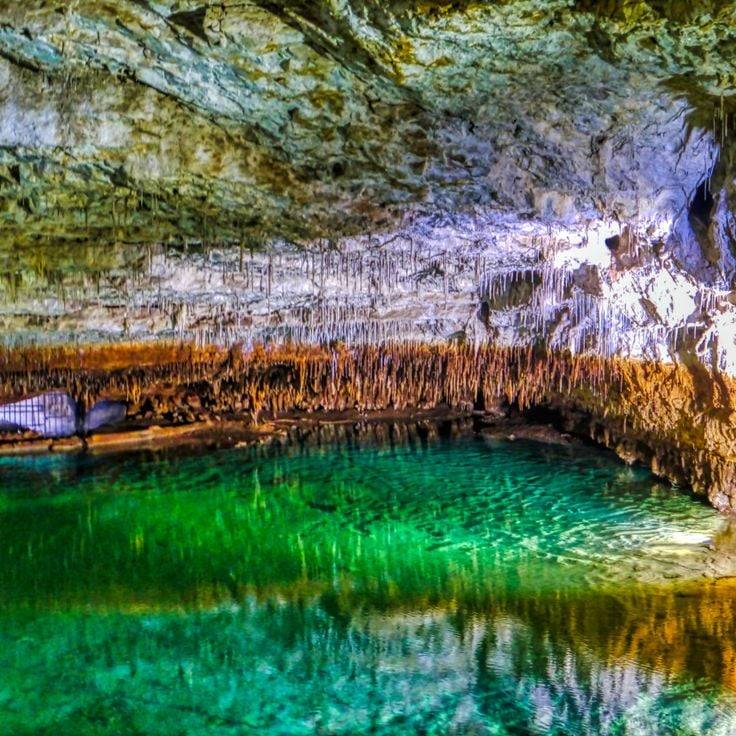
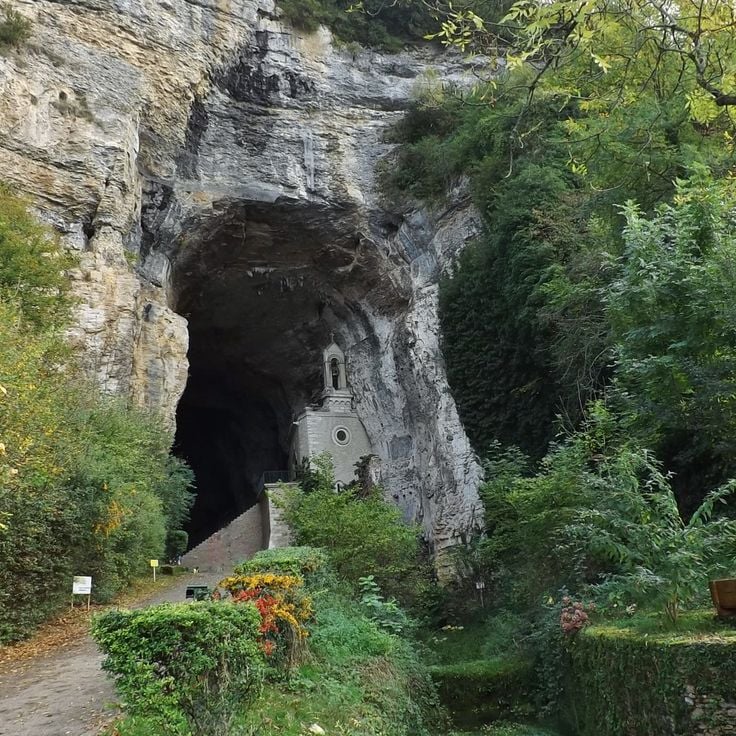
The Grotte de la Balme is a natural cave featuring an underground lake and remarkable limestone formations. Stalactites and stalagmites create patterns throughout the cavern, with mineral deposits shaped by water over countless ages. Located in the Auvergne-Rhône-Alpes region, this cave sits among volcanic peaks, rushing waterfalls, and medieval castles that dot the landscape. Visitors who enter this cave descend into a hidden world where geology reveals itself in layers of stone and crystal-like formations, telling the story of how water shaped the earth beneath the surface.
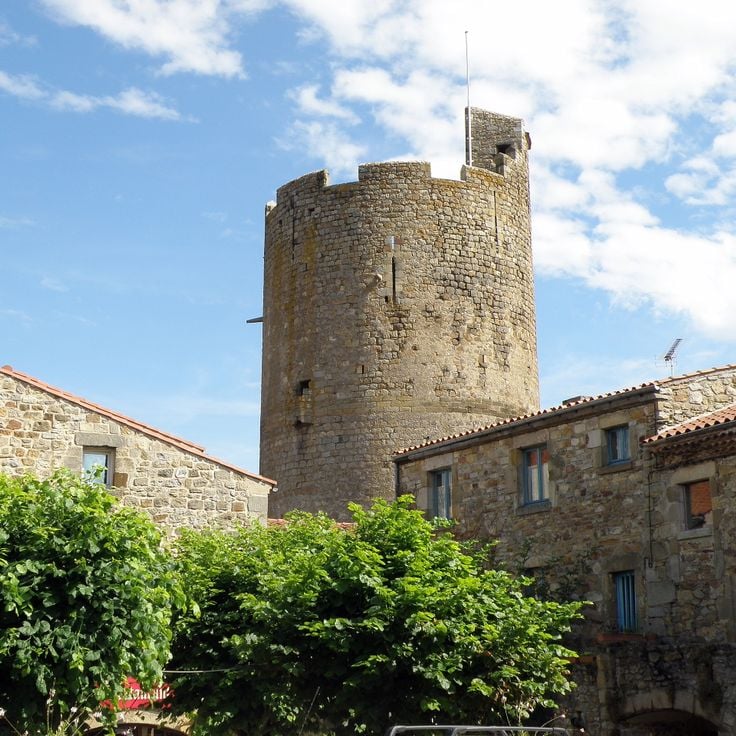
The Donjon of Montpeyroux is a stone tower built in the 13th century that rises 30 meters above the landscape of Puy-de-Dôme. This medieval structure stands near the Allier River and offers views across the surrounding valleys from its top. The donjon is a witness to the medieval history of the Auvergne-Rhône-Alpes region, where history and nature come together. From this vantage point, visitors can look out over a landscape shaped by hiking trails, waterfalls, and other historical buildings.
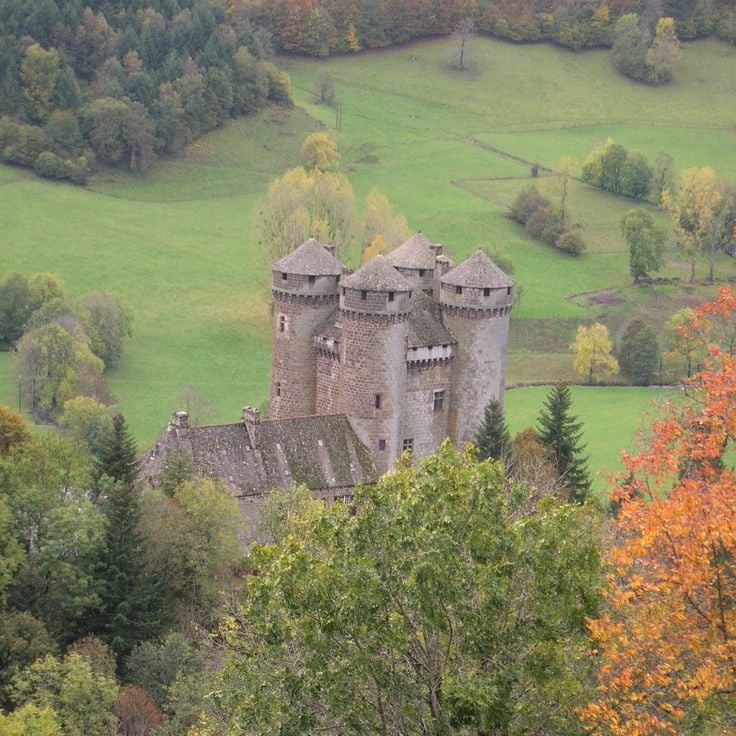
The Château d'Anjony is a 15th century military fortress with four round towers and stone walls. Inside, you'll find period furniture and wall paintings. This castle shows the medieval architecture and history of the Auvergne-Rhône-Alpes region, where castles stand on hills and ridges, each telling stories of the past.
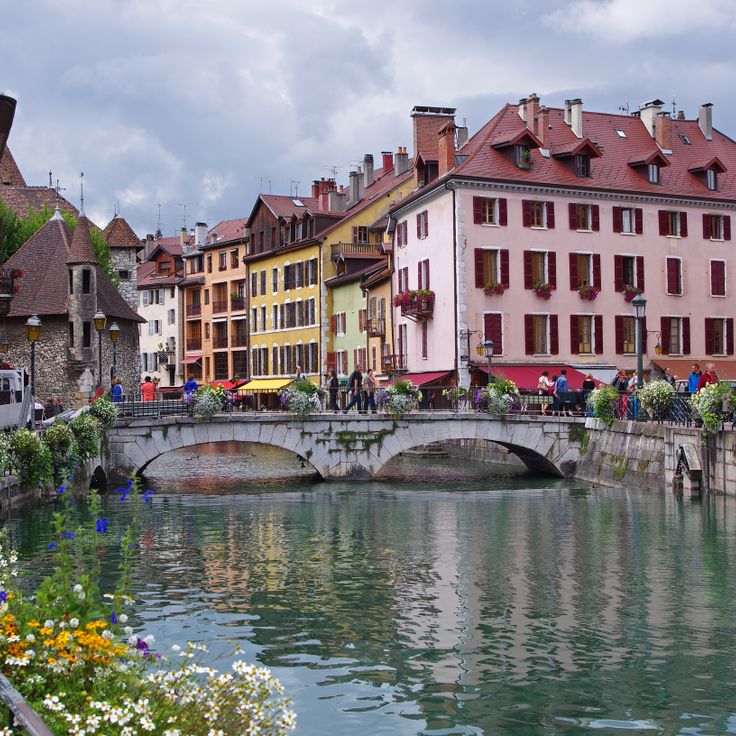
The Pont Perrière is a stone bridge from the 16th century that crosses the Thiou canal in central Annecy and connects two neighborhoods. This bridge is part of the rich history of the Auvergne-Rhône-Alpes region, where architecture from past centuries sits alongside nature and mountain landscapes. In Annecy itself, you will find canals, old streets, and historic buildings that have shaped life for hundreds of years. The Pont Perrière shows how people once crossed waterways and how important such connections were to daily life.
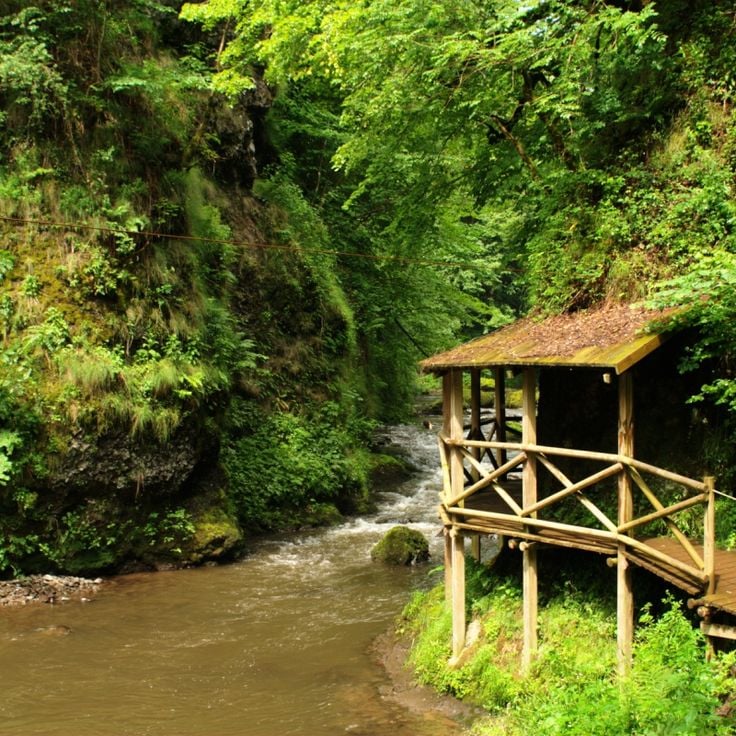
The Gorges de la Jordanne are a natural formation in the Auvergne-Rhône-Alpes region where the Jordanne River has carved a deep canyon with sheer rock walls over time. A marked trail runs through the gorge and allows visitors to explore this landscape up close and understand how water has shaped the earth.
The Palais du Facteur Cheval was built by a postman between 1879 and 1912 using stones and materials he collected during his daily mail routes. The builder gathered each piece bit by bit along his path, transforming them into a remarkable structure. The palace shows what one person can create through patience and vision over many years.
Ray-Pic Waterfall plunges over columns of black basalt formed by volcanic rock. The water falls about 60 meters from the Ardeche plateau and shapes the landscape of this region. This waterfall is one of the natural sites found in the Auvergne-Rhône-Alpes region, where nature and history meet.
Mont Puy de Sancy rises to 1885 meters (6184 feet) as the highest peak of the Massif Central. From its summit, views stretch across the Auvergne region in all directions. The mountain draws hikers who seek steep paths and alpine landscapes. Wildflowers bloom on the slopes during summer. Snow can cover the upper areas in winter. Climbing requires endurance but rewards visitors with wide views of valleys and distant mountains. This place connects the volcanic history of the landscape with modern outdoor recreation.
The Plateau d'Emparis is an alpine plateau in the Hautes-Alpes region, sitting at 2000 meters (6500 feet) in elevation. This high meadow is home to various plant and animal species and offers views across the glacial massifs of the Écrins. The place reflects the natural variety that defines the Auvergne-Rhône-Alpes region, where mountain peaks, valleys, and plateaus come together.
Château de Val is a medieval castle from the 13th century that sits on a peninsula in the Bort-les-Orgues reservoir. Within the natural and cultural spots of the Auvergne-Rhône-Alpes region, this castle represents the area's rich historical past, with architectural details that reflect the period when castles protected these lands between volcanic peaks and dense forests.
Yvoire is a medieval town from the 14th century on the southern shore of Lake Geneva. Stone buildings with narrow lanes and flower gardens characterize this place. The town keeps its historical feel with timber frames and fieldstone facades. Colorful flowers hang from windows and fill small courtyards. Walking through the streets, you pass old gates and intimate squares. The lake nearby brings a peaceful quality to the town, where people sit outdoors in cafes enjoying views of the water.
Pont-en-Royans in Isère is a 16th century town marked by colorful houses built on rocks above the Bourne river. This town is part of the Auvergne-Rhône-Alpes region, where history and nature meet. Hiking trails wind through valleys past waterfalls and medieval castles perched on hillsides and ridges. Volcanic peaks rise from the landscape, caves open into the earth, and Gothic churches stand as reminders of the spiritual lives of past generations. The region around Pont-en-Royans holds the Massif Central mountains, alpine plateaus, and centuries of stories written into its foundations.
Mont Gerbier de Jonc is a volcanic mountain in the Ardèche that stands out with its distinctive pointed shape rising from the landscape. This mountain marks the source of the Loire River and serves as a starting point for hikers exploring the varied nature of the region. From its summit, visitors can see the surrounding valleys and plateaus and understand why this area has drawn people for centuries.
The Grottes de Choranche are a natural wonder in the Auvergne-Rhône-Alpes region, where nature tells stories through stone and water. Long white stalactites hang from the ceiling while an underground river winds about 600 meters through the cave system. This site showcases the geological formations that define the region, sitting alongside volcanic peaks and historic settlements that make this area worth exploring.
The Maison Forte de Hautetour is a medieval stone building in Haute-Savoie that houses exhibitions about mountaineering and the history of the Saint-Gervais region. Within the landscape of Auvergne-Rhône-Alpes, this structure represents the historical architecture and cultural heritage found alongside natural paths, waterfalls, volcanic peaks and caves across the region.
Notre-Dame de la Salette is a basilica in this region situated at 1800 meters in elevation. It was built following a Marian apparition in 1846. This sanctuary draws pilgrims and fits into the alpine landscape that defines Auvergne-Rhône-Alpes. The place brings together faith and nature in a striking mountain setting.
The Gorges de l'Ardèche are a canyon carved by the Ardèche River through limestone cliffs. The river flows through narrow passages, creating tall rock walls that rise dramatically in many places. This natural formation fits into the broader landscape of the Auvergne-Rhône-Alpes region, where volcanic peaks, caves, and medieval castles shape the terrain. The winding river creates passages that draw visitors interested in experiencing nature and understanding how water and stone interact over time.
The Cirque of Saint-Même is a circular rock wall in the Chartreuse Massif. Four waterfalls plunge here from a height of 200 meters (656 feet). This site shows the natural wonders of the Auvergne-Rhône-Alpes region, where waterfalls and caves are carved into ancient mountains. The cirque demonstrates how water has shaped the landscape over time.
Lavours Marsh is a nature reserve in the Auvergne-Rhone-Alps region that demonstrates the natural diversity of this area. Visitors can observe more than 200 bird species and numerous plant species here. The marsh sits within hiking trails and geological features that shape the landscape. Those who visit this place gain a deeper understanding of the importance of such habitats for nature.
The Menhir of Pierre Fiche is an upright stone from the Neolithic period, about 4 meters tall, standing on a granite base in the forest of Haut-Vivarais. This monument is among the historical sites of the Auvergne-Rhône-Alpes region, a territory known for its medieval castles, volcanic peaks, and natural caves. The stone bears witness to a distant past and connects nature and human history at this location.
La Corniche du Drac follows a route along cliffs with views of deep gorges and a reservoir lake. This scenic drive reveals the dramatic landscape of the region, where water flows through steep valleys and rock faces rise impressively. The route connects villages and allows travelers to discover the natural beauty and history of this area.
The Cathedral of Saint-Jean de Maurienne is a Romanesque church built in the 11th century in a region known for medieval castles, volcanic peaks, and hiking trails. The building features a Gothic cloister, carved choir stalls, and a museum displaying liturgical objects. Visitors can observe the stonework and spend time in quiet reflection within the walls.
The Château de Thomas II is a 13th-century fortress that rises high on a hillside above the lake. Its most striking feature is the solid square keep, surrounded by protective walls that define the castle's outline. Standing here, you look out over the water and rolling landscape. This castle tells the story of how medieval rulers built their strongholds across the Auvergne-Rhône-Alpes region, placing them on hilltops and ridges to watch over the land.
Fort l'Écluse is a 16th-century fortification built into the gorges of the Rhone River. This fortress reveals the defensive strategies of an earlier era, with underground passages and defensive systems cleverly integrated into the rock walls. The site sits in a dramatic landscape where steep cliffs rise up and the river has carved its path through stone. The fort speaks to the military history of this region and how people used this challenging location to protect their territory.
The Glandieu waterfalls are a natural spectacle in the heart of the Ain Department. Water plunges 60 meters down, creating a striking sight between steep limestone cliffs. At this location, you can experience the power of water up close. The surroundings are green and full of life, with rock faces that are thousands of years old. People come here to enjoy nature, hike, and take photographs. These waterfalls fit perfectly into the Auvergne-Rhône-Alpes region, where water and stone shape the landscape.
The village of Châtel-Montagne contains a Romanesque church from the 12th century with a stone facade and vaulted ceilings. This church exemplifies the medieval religious architecture found throughout the Auvergne-Rhône-Alpes region. The building displays typical features of the Romanesque period with its thick walls and carefully crafted stone details. This location connects the settlement to the rich history of the region, where medieval buildings, natural wonders, and historic sites come together.
This mill in Puy-de-Dôme has been making paper by hand since the 15th century and continues to use traditional craftsmanship. The Moulin Richard de Bas preserves techniques passed down through generations of workers who understand every step of the process. Visitors can watch as artisans dip screens into vats, lift wet sheets of fiber, and hang them to dry. The workshop feels timeless, powered by water that still turns the old wheels and sets the pace of daily work.
The Château de Virieu is an 11th-century fortress in the Isère that reflects the medieval heritage of the Auvergne-Rhône-Alpes region. This castle features defensive walls, gardens, and interior rooms that speak to centuries past. Visitors can explore the old ramparts and discover how people once lived here, controlling the landscape from these heights.
Mont Mézenc is a mountain in Haute-Loire that rises to 1,753 meters (5,751 feet). Marked trails cross through basalt rock formations and alpine vegetation as you climb higher. The summit offers views across the surrounding valleys and peaks of the region. The landscape reveals the volcanic origins that shaped this area. On clear days, you can see far across the landscape from the top. This mountain is part of the Massif Central and has different routes suitable for various abilities.
The Royal Monastery of Brou in Bourg-en-Bresse is a Gothic church built in the 16th century. Inside, you will find ornately decorated marble tombs and stained glass windows made in the late French style. The monastery sits in the Auvergne-Rhône-Alpes region, where medieval castles, waterfalls, and caves shape the landscape. This church reflects the spiritual life of people who lived here in past centuries.
The Abbey of Charlieu is a religious building from the 9th century located in the Auvergne-Rhône-Alpes region. It features Romanesque architecture with a remarkable portal and a chapter hall decorated with medieval stone sculptures. This monastery stands as a testament to the spiritual life of past generations and fits perfectly within the collection of places that combine history and nature in the region.
Le Pic de Lizieux is a volcanic mountain in Saint-Maurice-de-Lignon that rises to 1388 meters. Marked trails lead up to the summit, offering views of the surrounding landscape along the way. This mountain is part of the volcanic formations that shape the Auvergne-Rhône-Alpes region, where nature and history come together. The hike allows visitors to discover the geological story of the area and enjoy the perspective from above.
The Grotte de la Balme is a natural cave featuring an underground lake and remarkable limestone formations. Stalactites and stalagmites create patterns throughout the cavern, with mineral deposits shaped by water over countless ages. Located in the Auvergne-Rhône-Alpes region, this cave sits among volcanic peaks, rushing waterfalls, and medieval castles that dot the landscape. Visitors who enter this cave descend into a hidden world where geology reveals itself in layers of stone and crystal-like formations, telling the story of how water shaped the earth beneath the surface.
The Donjon of Montpeyroux is a stone tower built in the 13th century that rises 30 meters above the landscape of Puy-de-Dôme. This medieval structure stands near the Allier River and offers views across the surrounding valleys from its top. The donjon is a witness to the medieval history of the Auvergne-Rhône-Alpes region, where history and nature come together. From this vantage point, visitors can look out over a landscape shaped by hiking trails, waterfalls, and other historical buildings.
The Château d'Anjony is a 15th century military fortress with four round towers and stone walls. Inside, you'll find period furniture and wall paintings. This castle shows the medieval architecture and history of the Auvergne-Rhône-Alpes region, where castles stand on hills and ridges, each telling stories of the past.
The Pont Perrière is a stone bridge from the 16th century that crosses the Thiou canal in central Annecy and connects two neighborhoods. This bridge is part of the rich history of the Auvergne-Rhône-Alpes region, where architecture from past centuries sits alongside nature and mountain landscapes. In Annecy itself, you will find canals, old streets, and historic buildings that have shaped life for hundreds of years. The Pont Perrière shows how people once crossed waterways and how important such connections were to daily life.
The Gorges de la Jordanne are a natural formation in the Auvergne-Rhône-Alpes region where the Jordanne River has carved a deep canyon with sheer rock walls over time. A marked trail runs through the gorge and allows visitors to explore this landscape up close and understand how water has shaped the earth.
The Palais du Facteur Cheval was built by a postman between 1879 and 1912 using stones and materials he collected during his daily mail routes. The builder gathered each piece bit by bit along his path, transforming them into a remarkable structure. The palace shows what one person can create through patience and vision over many years.
Ray-Pic Waterfall plunges over columns of black basalt formed by volcanic rock. The water falls about 60 meters from the Ardeche plateau and shapes the landscape of this region. This waterfall is one of the natural sites found in the Auvergne-Rhône-Alpes region, where nature and history meet.
Mont Puy de Sancy rises to 1885 meters (6184 feet) as the highest peak of the Massif Central. From its summit, views stretch across the Auvergne region in all directions. The mountain draws hikers who seek steep paths and alpine landscapes. Wildflowers bloom on the slopes during summer. Snow can cover the upper areas in winter. Climbing requires endurance but rewards visitors with wide views of valleys and distant mountains. This place connects the volcanic history of the landscape with modern outdoor recreation.
The Plateau d'Emparis is an alpine plateau in the Hautes-Alpes region, sitting at 2000 meters (6500 feet) in elevation. This high meadow is home to various plant and animal species and offers views across the glacial massifs of the Écrins. The place reflects the natural variety that defines the Auvergne-Rhône-Alpes region, where mountain peaks, valleys, and plateaus come together.
Château de Val is a medieval castle from the 13th century that sits on a peninsula in the Bort-les-Orgues reservoir. Within the natural and cultural spots of the Auvergne-Rhône-Alpes region, this castle represents the area's rich historical past, with architectural details that reflect the period when castles protected these lands between volcanic peaks and dense forests.
Yvoire is a medieval town from the 14th century on the southern shore of Lake Geneva. Stone buildings with narrow lanes and flower gardens characterize this place. The town keeps its historical feel with timber frames and fieldstone facades. Colorful flowers hang from windows and fill small courtyards. Walking through the streets, you pass old gates and intimate squares. The lake nearby brings a peaceful quality to the town, where people sit outdoors in cafes enjoying views of the water.
Pont-en-Royans in Isère is a 16th century town marked by colorful houses built on rocks above the Bourne river. This town is part of the Auvergne-Rhône-Alpes region, where history and nature meet. Hiking trails wind through valleys past waterfalls and medieval castles perched on hillsides and ridges. Volcanic peaks rise from the landscape, caves open into the earth, and Gothic churches stand as reminders of the spiritual lives of past generations. The region around Pont-en-Royans holds the Massif Central mountains, alpine plateaus, and centuries of stories written into its foundations.
Mont Gerbier de Jonc is a volcanic mountain in the Ardèche that stands out with its distinctive pointed shape rising from the landscape. This mountain marks the source of the Loire River and serves as a starting point for hikers exploring the varied nature of the region. From its summit, visitors can see the surrounding valleys and plateaus and understand why this area has drawn people for centuries.
The Grottes de Choranche are a natural wonder in the Auvergne-Rhône-Alpes region, where nature tells stories through stone and water. Long white stalactites hang from the ceiling while an underground river winds about 600 meters through the cave system. This site showcases the geological formations that define the region, sitting alongside volcanic peaks and historic settlements that make this area worth exploring.
The Maison Forte de Hautetour is a medieval stone building in Haute-Savoie that houses exhibitions about mountaineering and the history of the Saint-Gervais region. Within the landscape of Auvergne-Rhône-Alpes, this structure represents the historical architecture and cultural heritage found alongside natural paths, waterfalls, volcanic peaks and caves across the region.
Notre-Dame de la Salette is a basilica in this region situated at 1800 meters in elevation. It was built following a Marian apparition in 1846. This sanctuary draws pilgrims and fits into the alpine landscape that defines Auvergne-Rhône-Alpes. The place brings together faith and nature in a striking mountain setting.
The Gorges de l'Ardèche are a canyon carved by the Ardèche River through limestone cliffs. The river flows through narrow passages, creating tall rock walls that rise dramatically in many places. This natural formation fits into the broader landscape of the Auvergne-Rhône-Alpes region, where volcanic peaks, caves, and medieval castles shape the terrain. The winding river creates passages that draw visitors interested in experiencing nature and understanding how water and stone interact over time.
The Cirque of Saint-Même is a circular rock wall in the Chartreuse Massif. Four waterfalls plunge here from a height of 200 meters (656 feet). This site shows the natural wonders of the Auvergne-Rhône-Alpes region, where waterfalls and caves are carved into ancient mountains. The cirque demonstrates how water has shaped the landscape over time.
Lavours Marsh is a nature reserve in the Auvergne-Rhone-Alps region that demonstrates the natural diversity of this area. Visitors can observe more than 200 bird species and numerous plant species here. The marsh sits within hiking trails and geological features that shape the landscape. Those who visit this place gain a deeper understanding of the importance of such habitats for nature.
The Menhir of Pierre Fiche is an upright stone from the Neolithic period, about 4 meters tall, standing on a granite base in the forest of Haut-Vivarais. This monument is among the historical sites of the Auvergne-Rhône-Alpes region, a territory known for its medieval castles, volcanic peaks, and natural caves. The stone bears witness to a distant past and connects nature and human history at this location.
La Corniche du Drac follows a route along cliffs with views of deep gorges and a reservoir lake. This scenic drive reveals the dramatic landscape of the region, where water flows through steep valleys and rock faces rise impressively. The route connects villages and allows travelers to discover the natural beauty and history of this area.
The Cathedral of Saint-Jean de Maurienne is a Romanesque church built in the 11th century in a region known for medieval castles, volcanic peaks, and hiking trails. The building features a Gothic cloister, carved choir stalls, and a museum displaying liturgical objects. Visitors can observe the stonework and spend time in quiet reflection within the walls.
The Château de Thomas II is a 13th-century fortress that rises high on a hillside above the lake. Its most striking feature is the solid square keep, surrounded by protective walls that define the castle's outline. Standing here, you look out over the water and rolling landscape. This castle tells the story of how medieval rulers built their strongholds across the Auvergne-Rhône-Alpes region, placing them on hilltops and ridges to watch over the land.
Fort l'Écluse is a 16th-century fortification built into the gorges of the Rhone River. This fortress reveals the defensive strategies of an earlier era, with underground passages and defensive systems cleverly integrated into the rock walls. The site sits in a dramatic landscape where steep cliffs rise up and the river has carved its path through stone. The fort speaks to the military history of this region and how people used this challenging location to protect their territory.
The Glandieu waterfalls are a natural spectacle in the heart of the Ain Department. Water plunges 60 meters down, creating a striking sight between steep limestone cliffs. At this location, you can experience the power of water up close. The surroundings are green and full of life, with rock faces that are thousands of years old. People come here to enjoy nature, hike, and take photographs. These waterfalls fit perfectly into the Auvergne-Rhône-Alpes region, where water and stone shape the landscape.
The village of Châtel-Montagne contains a Romanesque church from the 12th century with a stone facade and vaulted ceilings. This church exemplifies the medieval religious architecture found throughout the Auvergne-Rhône-Alpes region. The building displays typical features of the Romanesque period with its thick walls and carefully crafted stone details. This location connects the settlement to the rich history of the region, where medieval buildings, natural wonders, and historic sites come together.
This mill in Puy-de-Dôme has been making paper by hand since the 15th century and continues to use traditional craftsmanship. The Moulin Richard de Bas preserves techniques passed down through generations of workers who understand every step of the process. Visitors can watch as artisans dip screens into vats, lift wet sheets of fiber, and hang them to dry. The workshop feels timeless, powered by water that still turns the old wheels and sets the pace of daily work.
The Château de Virieu is an 11th-century fortress in the Isère that reflects the medieval heritage of the Auvergne-Rhône-Alpes region. This castle features defensive walls, gardens, and interior rooms that speak to centuries past. Visitors can explore the old ramparts and discover how people once lived here, controlling the landscape from these heights.
Mont Mézenc is a mountain in Haute-Loire that rises to 1,753 meters (5,751 feet). Marked trails cross through basalt rock formations and alpine vegetation as you climb higher. The summit offers views across the surrounding valleys and peaks of the region. The landscape reveals the volcanic origins that shaped this area. On clear days, you can see far across the landscape from the top. This mountain is part of the Massif Central and has different routes suitable for various abilities.
The Royal Monastery of Brou in Bourg-en-Bresse is a Gothic church built in the 16th century. Inside, you will find ornately decorated marble tombs and stained glass windows made in the late French style. The monastery sits in the Auvergne-Rhône-Alpes region, where medieval castles, waterfalls, and caves shape the landscape. This church reflects the spiritual life of people who lived here in past centuries.
The Abbey of Charlieu is a religious building from the 9th century located in the Auvergne-Rhône-Alpes region. It features Romanesque architecture with a remarkable portal and a chapter hall decorated with medieval stone sculptures. This monastery stands as a testament to the spiritual life of past generations and fits perfectly within the collection of places that combine history and nature in the region.
Le Pic de Lizieux is a volcanic mountain in Saint-Maurice-de-Lignon that rises to 1388 meters. Marked trails lead up to the summit, offering views of the surrounding landscape along the way. This mountain is part of the volcanic formations that shape the Auvergne-Rhône-Alpes region, where nature and history come together. The hike allows visitors to discover the geological story of the area and enjoy the perspective from above.
The Grotte de la Balme is a natural cave featuring an underground lake and remarkable limestone formations. Stalactites and stalagmites create patterns throughout the cavern, with mineral deposits shaped by water over countless ages. Located in the Auvergne-Rhône-Alpes region, this cave sits among volcanic peaks, rushing waterfalls, and medieval castles that dot the landscape. Visitors who enter this cave descend into a hidden world where geology reveals itself in layers of stone and crystal-like formations, telling the story of how water shaped the earth beneath the surface.
The Donjon of Montpeyroux is a stone tower built in the 13th century that rises 30 meters above the landscape of Puy-de-Dôme. This medieval structure stands near the Allier River and offers views across the surrounding valleys from its top. The donjon is a witness to the medieval history of the Auvergne-Rhône-Alpes region, where history and nature come together. From this vantage point, visitors can look out over a landscape shaped by hiking trails, waterfalls, and other historical buildings.
The Château d'Anjony is a 15th century military fortress with four round towers and stone walls. Inside, you'll find period furniture and wall paintings. This castle shows the medieval architecture and history of the Auvergne-Rhône-Alpes region, where castles stand on hills and ridges, each telling stories of the past.
The Pont Perrière is a stone bridge from the 16th century that crosses the Thiou canal in central Annecy and connects two neighborhoods. This bridge is part of the rich history of the Auvergne-Rhône-Alpes region, where architecture from past centuries sits alongside nature and mountain landscapes. In Annecy itself, you will find canals, old streets, and historic buildings that have shaped life for hundreds of years. The Pont Perrière shows how people once crossed waterways and how important such connections were to daily life.
The Gorges de la Jordanne are a natural formation in the Auvergne-Rhône-Alpes region where the Jordanne River has carved a deep canyon with sheer rock walls over time. A marked trail runs through the gorge and allows visitors to explore this landscape up close and understand how water has shaped the earth.