Musée municipal de la toile de Jouy, Textile museum in Jouy-en-Josas, France
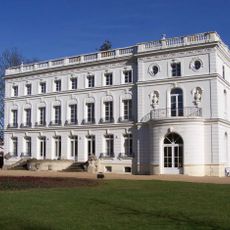
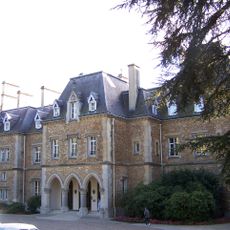
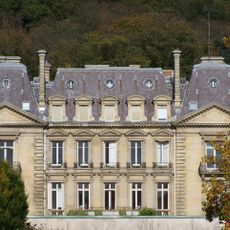
The Musée municipal de la toile de Jouy occupies the Château de l'Églantine, a pale cream building with a single-storey central section under a slate roof with three dormer windows, flanked by two taller pavilions with steep slate roofs and chimneys. Built on a U-shaped plan, it mixes styles: one pavilion is rounded, the other rectangular. Inside, the museum shows printing equipment, old designs, wooden blocks, copper plates and rollers, dye products and screen-printing frames used to print toile de Jouy from 1760 to 1843.
The printing factory was founded in 1760 and remained active under Christophe-Philippe Oberkampf's direction until 1843. The museum preserves the story of this important factory and its influence on European textile production.
The name Toile de Jouy refers to the textile factory that made this area known in the 18th century. You can see in the displayed fabrics how people of that time decorated their homes and dressed themselves.
The museum is served by the Petit Jouy - Les Loges station on Transilien line V, a former branch of RER line C. The Château de l'Églantine stands at the end of a gravel path bordered by flower beds; the entrance is on the central section, whose glass-paned doors face the path. The 1991 conversion added glass-and-metal vertical circulation, and the Orangerie glasshouse hosts temporary exhibitions.
The flower beds in front of the entrance, laid out as long rectangles, were designed by Jean-Max Albert; they mimic the printed cloths once spread out to dry in the fields around the Oberkampf factory. The museum also holds wooden printing blocks, copper plates and rollers, dyestuffs and screen-printing frames used between 1760 and 1843.
The community of curious travelers
AroundUs brings together thousands of curated places, local tips, and hidden gems, enriched daily by 93,011 contributors worldwide.