Port-Royal-des-Champs, Cistercian monastery in France
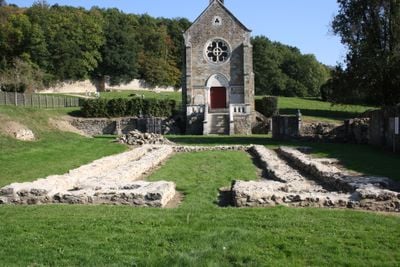
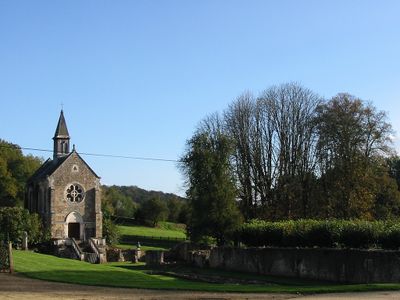
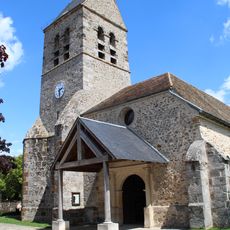
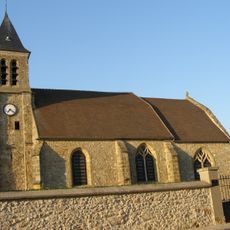
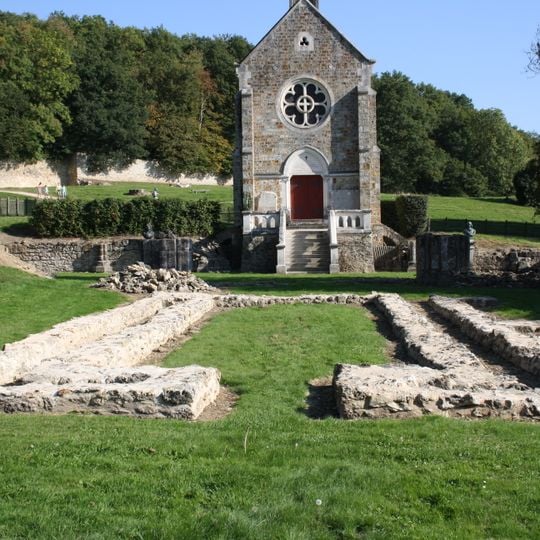
Port-Royal-des-Champs is a ruined Cistercian abbey in Magny-les-Hameaux, its church built under Robert de Luzarches with a 55-metre nave and 28-metre transept. The surviving Gothic facade shows a rose window with six lobed openings above a pointed-arch door, with low foundation walls on the lawn. A 17th-century building now houses the Musée national de Port-Royal des Champs.
The monastery was founded in the 13th century and developed into an influential religious community. In the 17th century it became associated with Jansenist theology, which eventually led to its suppression by royal authorities.
The name evolved from the Celtic "Borroy" and old French "Porrois" to the Latin Portus regius, linked to royal patronage from Philip Augustus and Louis IX. The Petites écoles de Port-Royal educated Jean Racine, and the Logique de Port-Royal, published anonymously in 1662 by Antoine Arnauld and Pierre Nicole, served as a logic textbook into the 20th century.
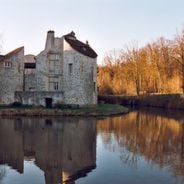
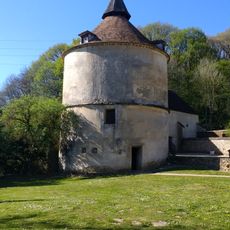
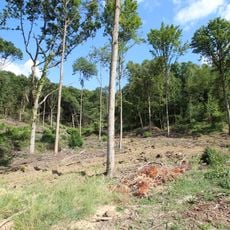
The 30-hectare estate is a national monument and operates as the Musée de Port-Royal, so the grounds and museum are open to visitors. A 17th-century building on the site houses the museum, which displays 17th- and 18th-century paintings and engravings. The ruins of the abbey and its outbuildings stand within the wooded valley.
The 1662 textbook La Logique, ou l'art de penser, known as the Logique de Port-Royal, was published anonymously by Antoine Arnauld and Pierre Nicole, with Blaise Pascal likely contributing substantial portions. Written in French rather than Latin, it remained a standard logic text into the twentieth century.
The community of curious travelers
AroundUs brings together thousands of curated places, local tips, and hidden gems, enriched daily by 93,394 contributors worldwide.