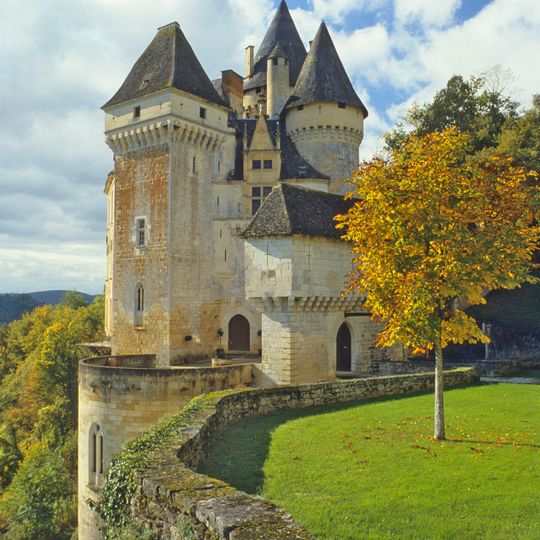
Nouvelle-Aquitaine, Administrative region in southwestern France
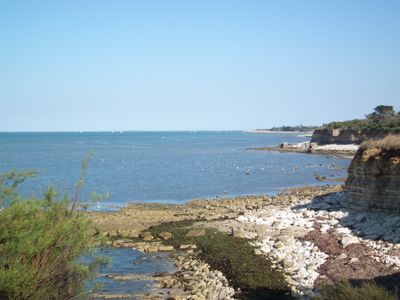
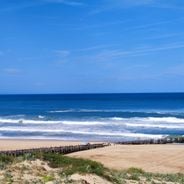
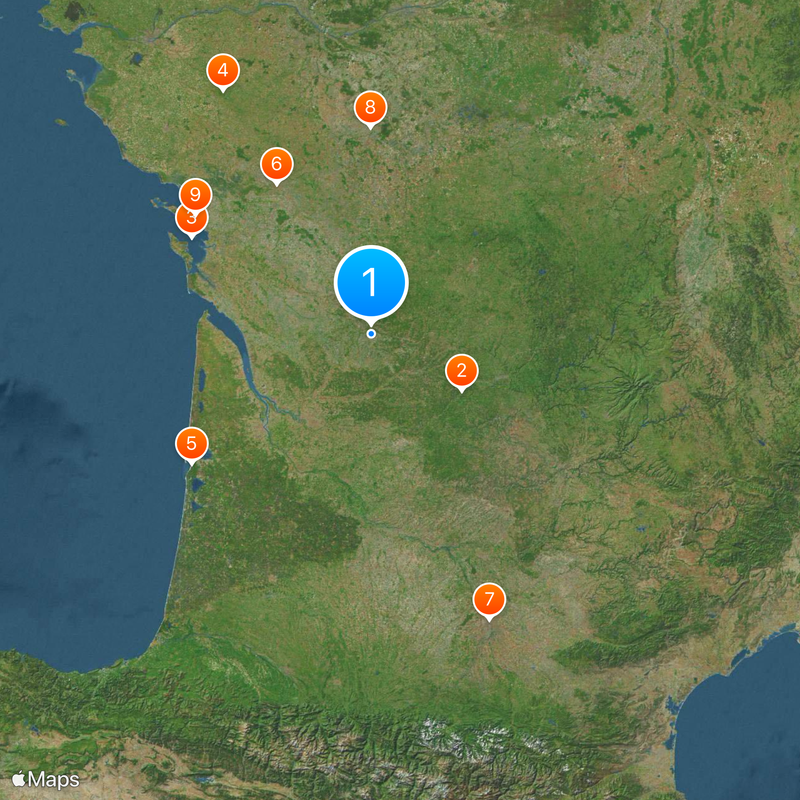
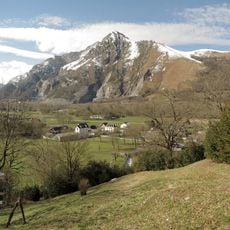
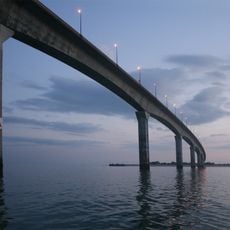
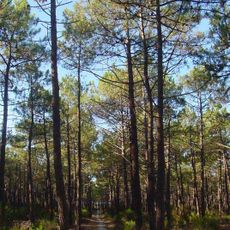
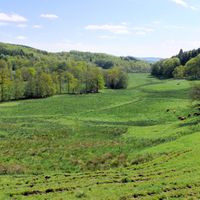
Nouvelle-Aquitaine is an administrative region in southwestern France stretching from the Spanish border to the Loire Valley and covering twelve departments with varied terrain. It runs from the Atlantic Ocean in the west to the Massif Central in the east, linking coastal strips, plains, vineyards, and mountain ranges in a single administrative area.
The region was formed on January 1, 2016, by merging three former regions: Aquitaine, Poitou-Charentes, and Limousin. This reorganization was part of a nationwide reform that aimed to create larger administrative units and streamline regional governance.
Each department keeps its own customs, from Basque festivals in the Pyrenees to oyster markets on the coast and grape harvest celebrations in wine country. Weekly markets under stone arcades, pelota courts in mountain villages, and small harbors along the Atlantic shore shape how people spend their days.
High-speed trains link Paris to Bordeaux, and from there regional trains and buses reach the remaining departments. Most larger towns sit along the Atlantic coast or near rivers, while the interior is made up of smaller communities.
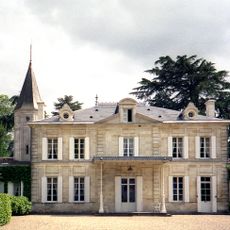
This area produces roughly one quarter of French agricultural output, including wine from the Bordeaux area, cognac from Charente, walnuts from Périgord, and oysters from Marennes-Oléron. Several products carry protected designations that have regulated growing and processing methods according to traditional practices for decades.
The community of curious travelers
AroundUs brings together thousands of curated places, local tips, and hidden gems, enriched daily by 92,526 contributors worldwide.