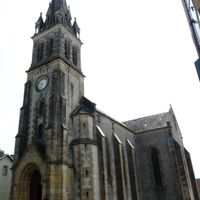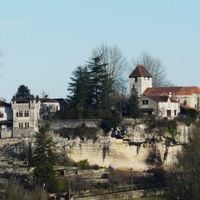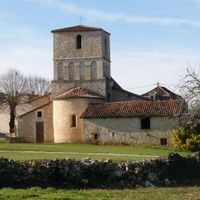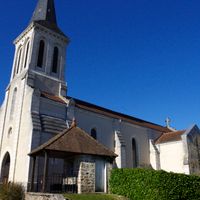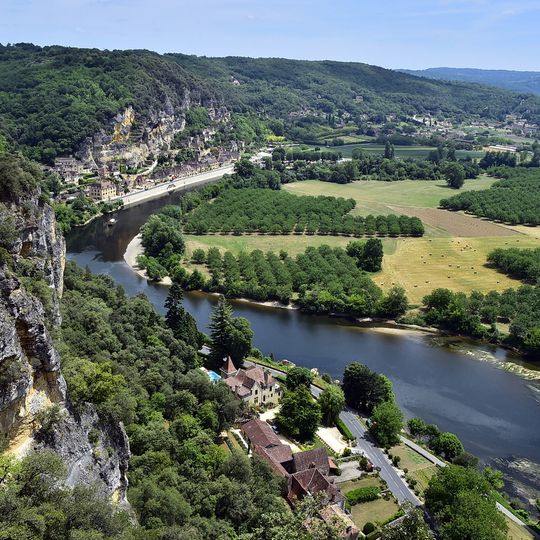
Dordogne, Department in Nouvelle-Aquitaine, France
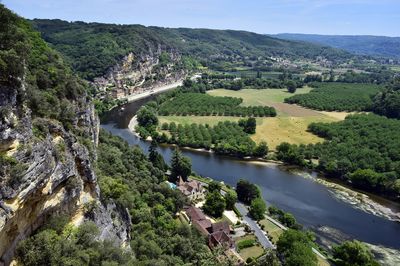
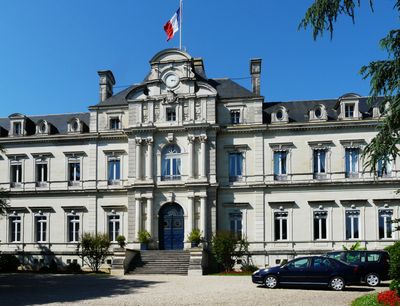
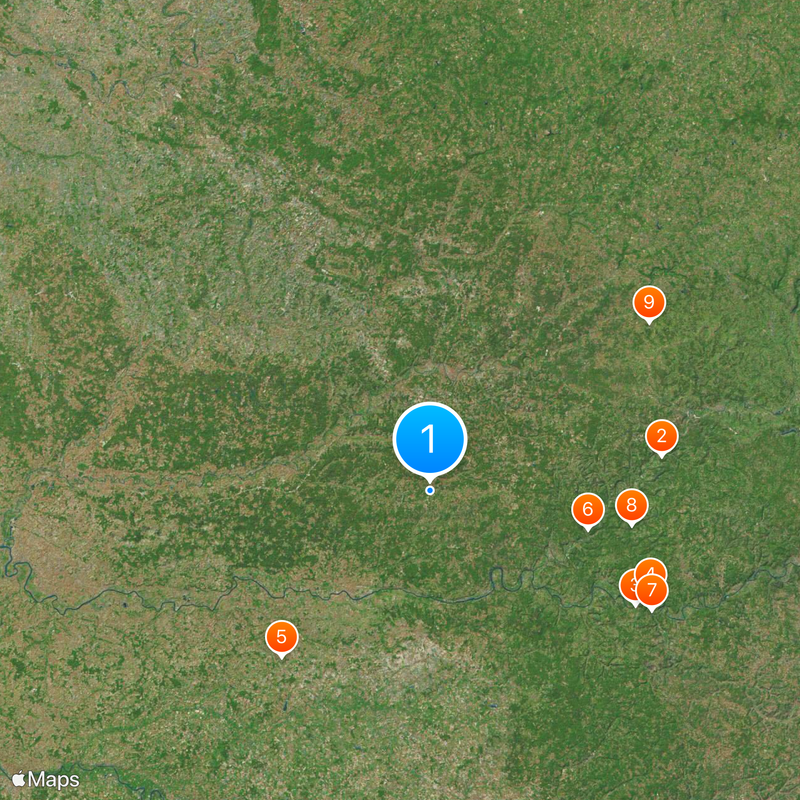
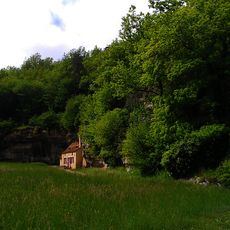
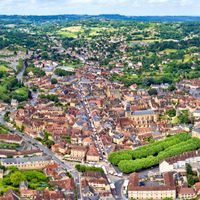
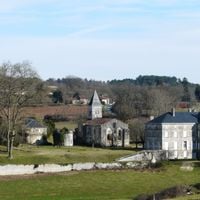
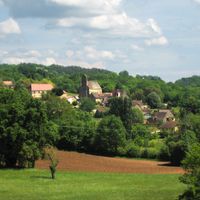
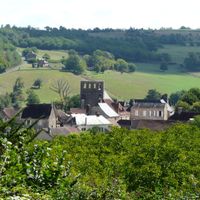
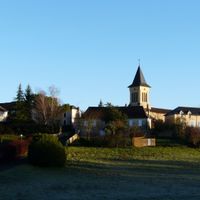
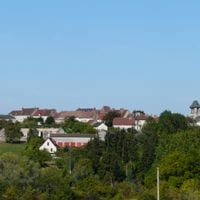
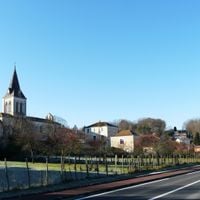
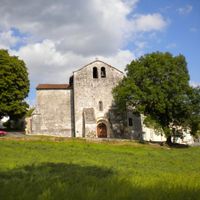
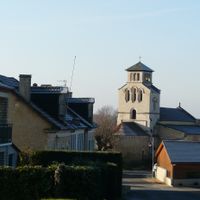
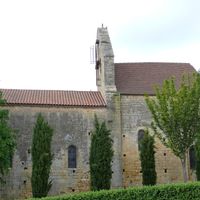
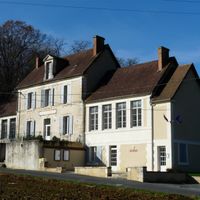
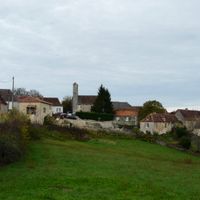
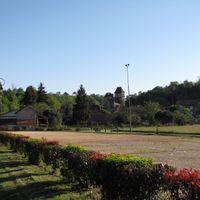
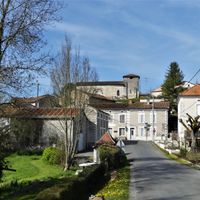
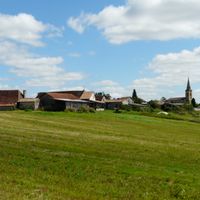
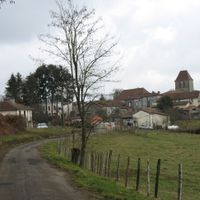
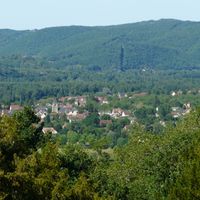
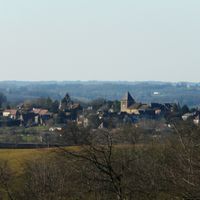
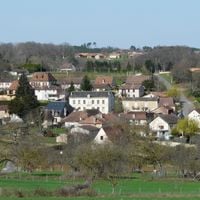
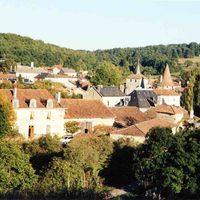
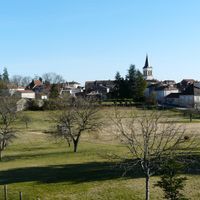
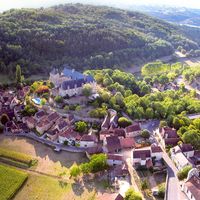
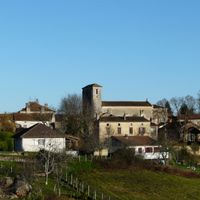
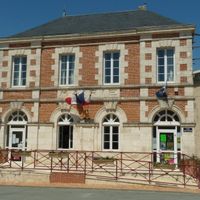
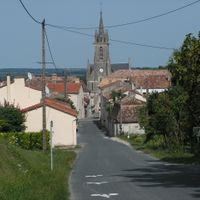
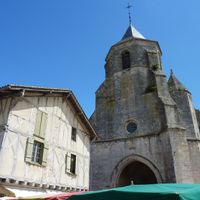
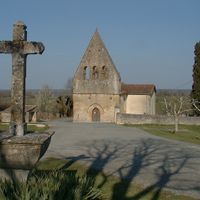
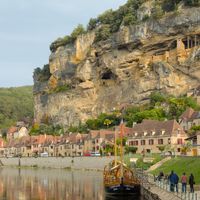
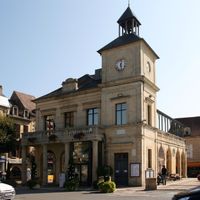
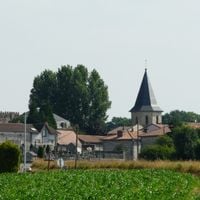
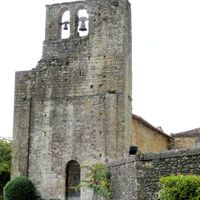
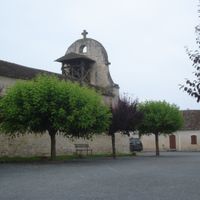
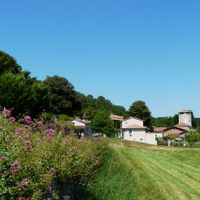
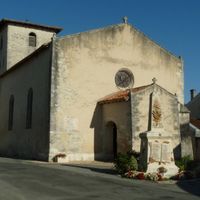
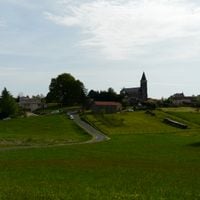
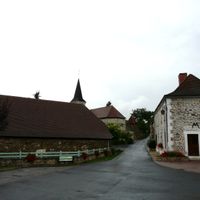
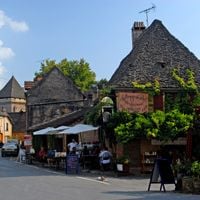
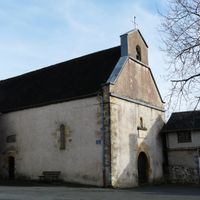
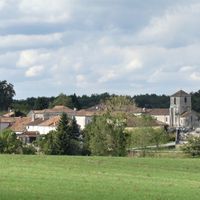
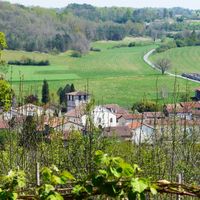
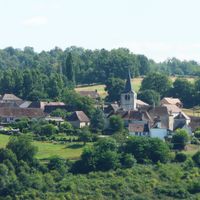
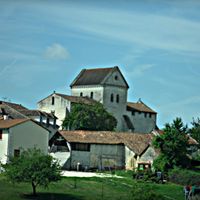
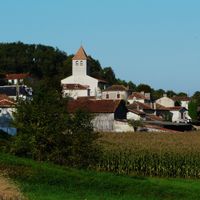
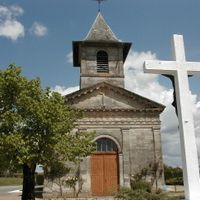
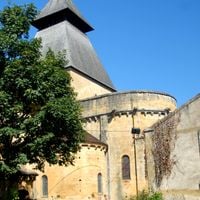
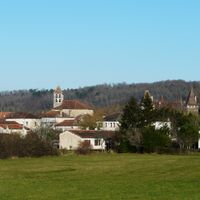
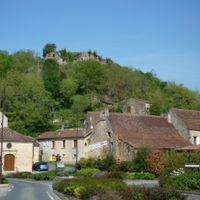
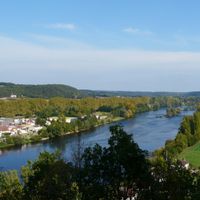
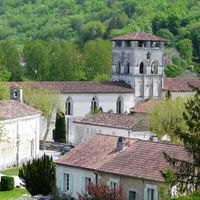
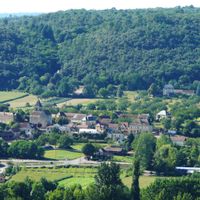
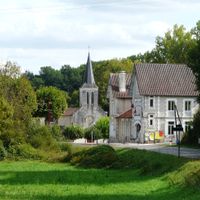
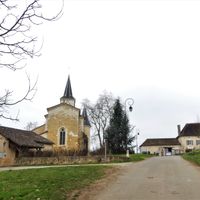
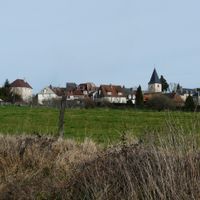
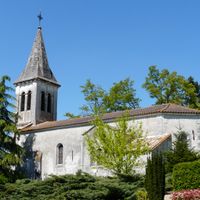
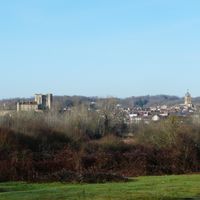
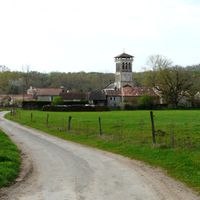
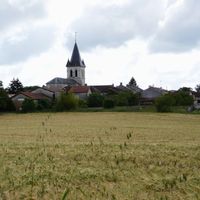
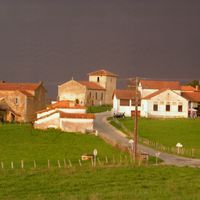
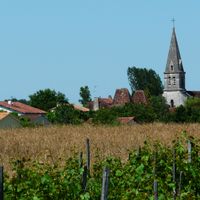
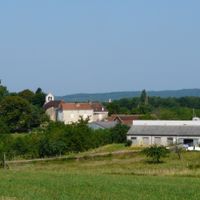
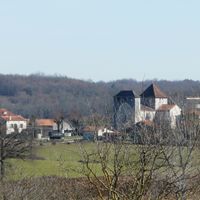
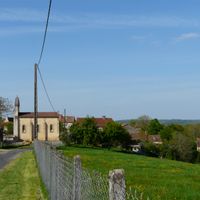
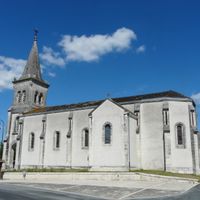
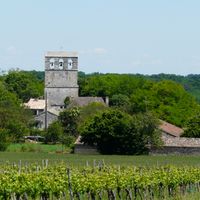
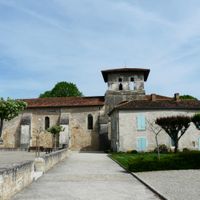
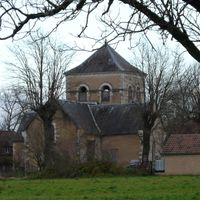
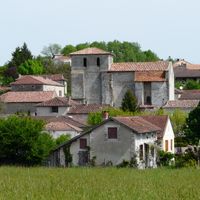
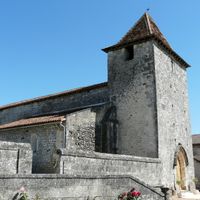
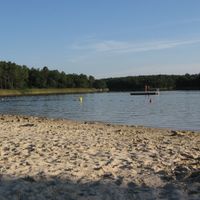
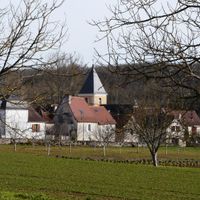
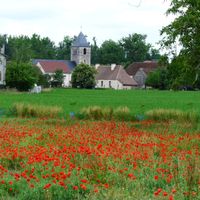
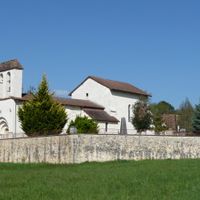
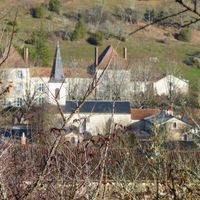
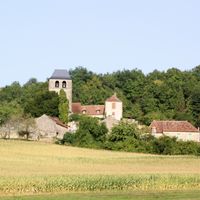
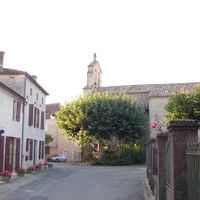
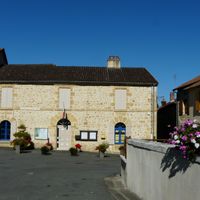
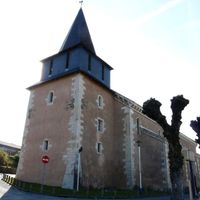
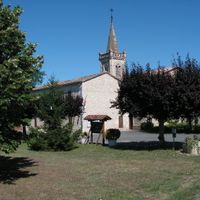
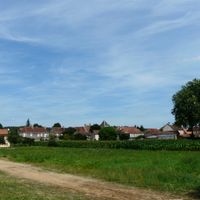
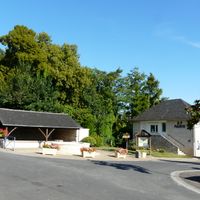
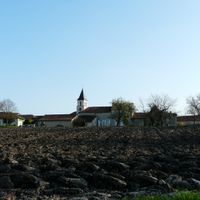
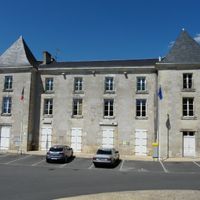
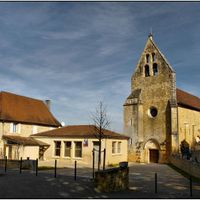
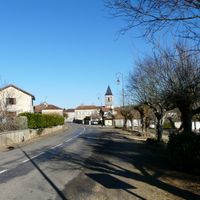
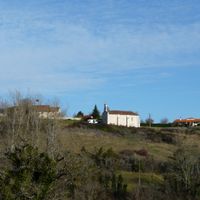
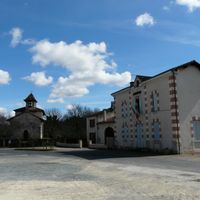
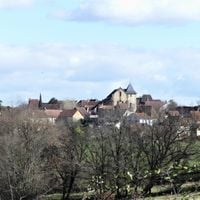
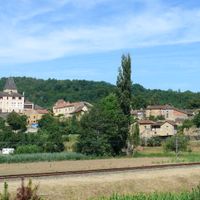
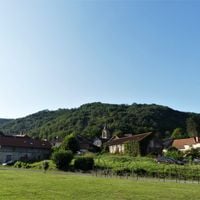
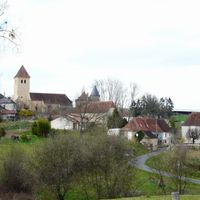
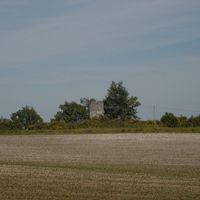
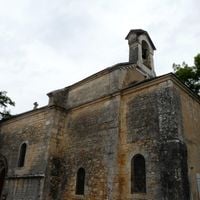
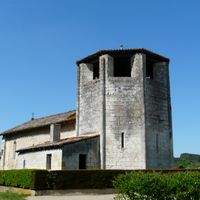
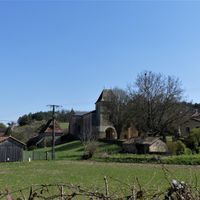
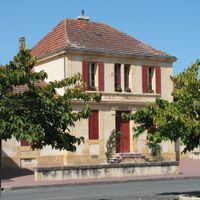
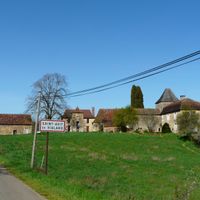
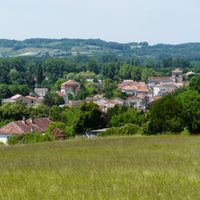
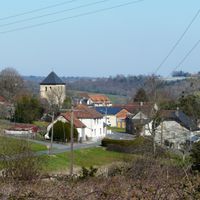
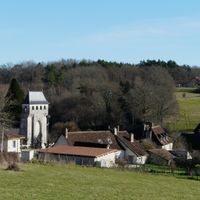
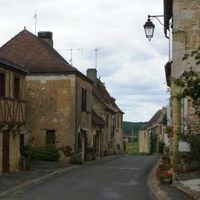
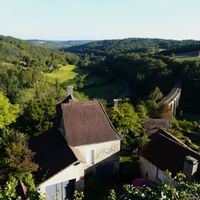
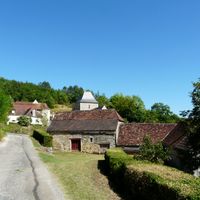
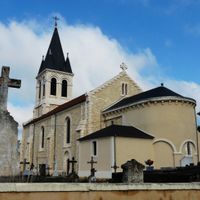
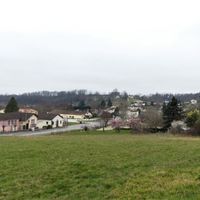
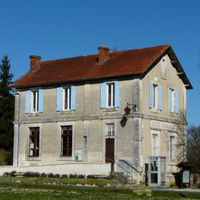
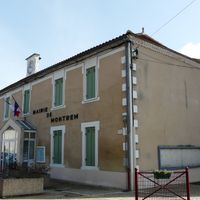
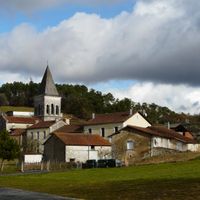
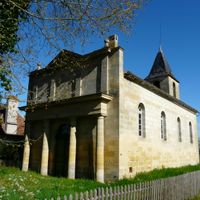
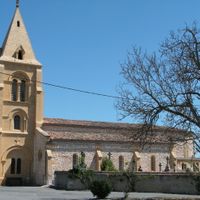
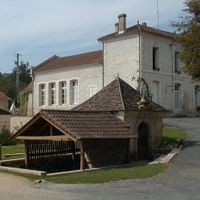
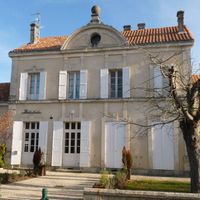
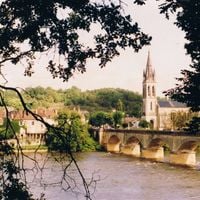
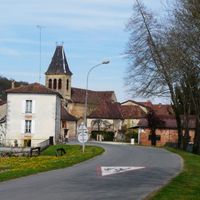
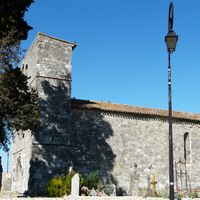
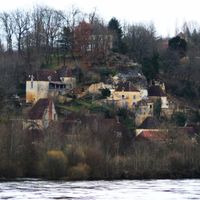
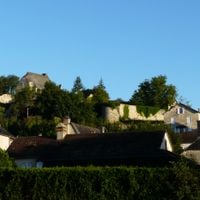
Dordogne is a department in Nouvelle-Aquitaine in southwestern France, stretching across wooded hills, deep river valleys, and limestone cliffs. The administrative capital Périgueux sits centrally, while other towns such as Bergerac, Sarlat-la-Canéda, and Nontron form their own arrondissements.
The department was created on March 4, 1790, during the French Revolution from the former province of Périgord. Périgueux was designated as the capital and has served since then as the administrative and economic center.
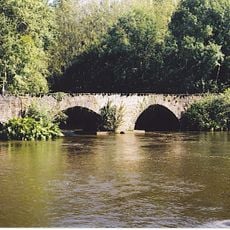
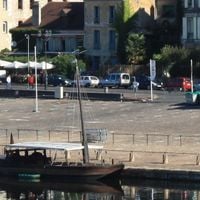
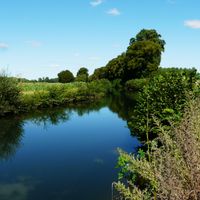
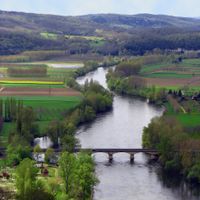
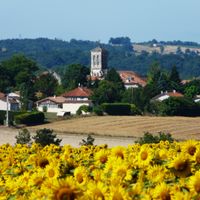
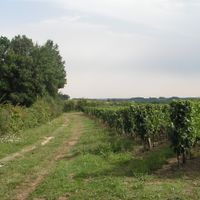
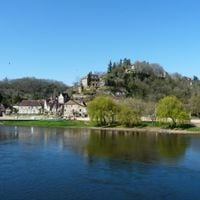
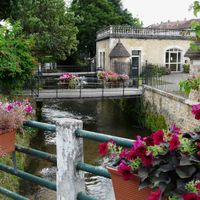
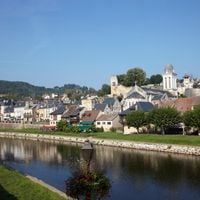
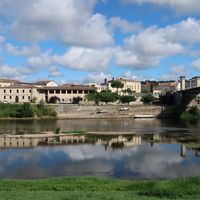
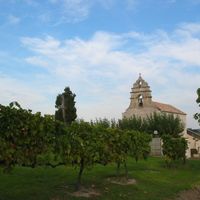
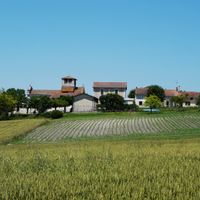
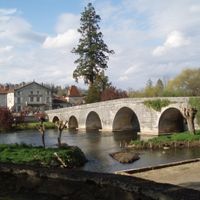
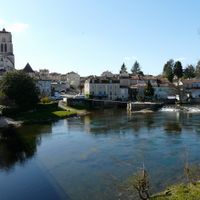
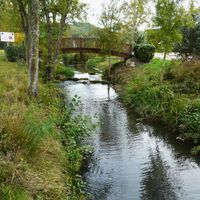
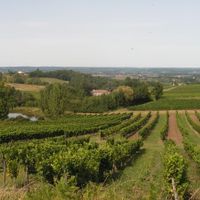
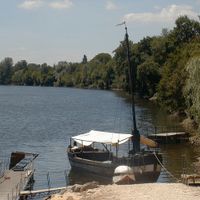
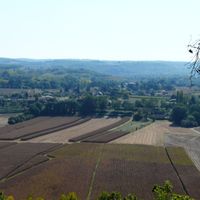
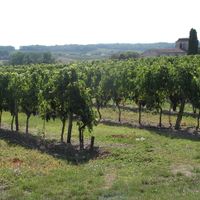
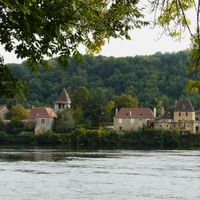
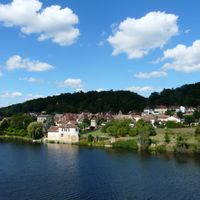
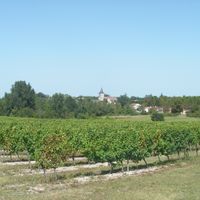
The department takes its name from the main waterway that winds through the region, shaping its identity and daily rhythms. Locals often identify with one of four color-coded subregions based on the landscape they live in, whether it is green woodlands, white limestone plateaus, purple vineyards, or dark oak forests.
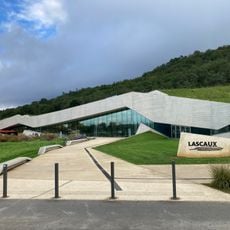
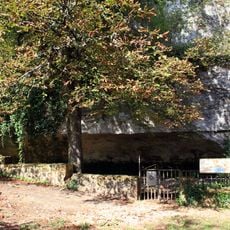
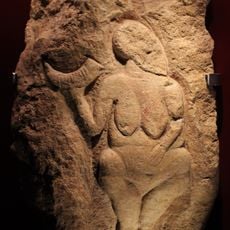
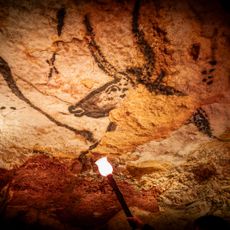
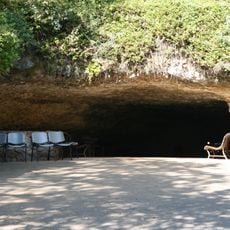
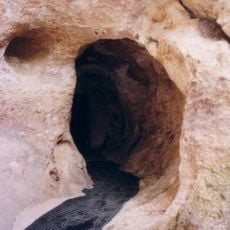
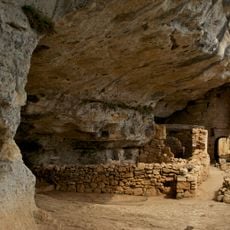
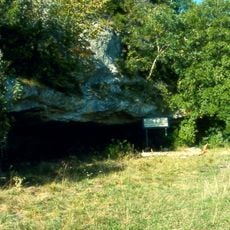
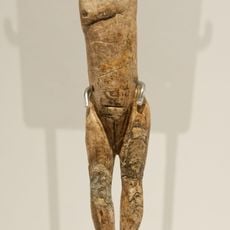
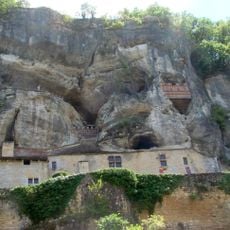
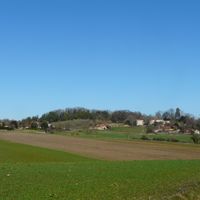
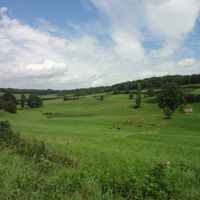
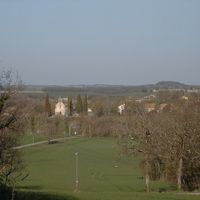
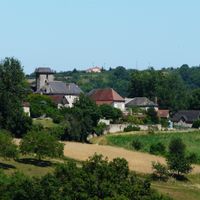
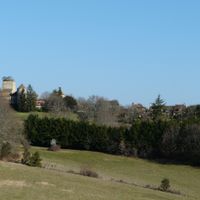
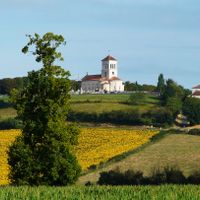
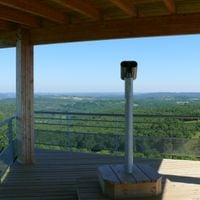
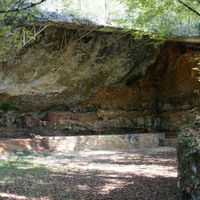
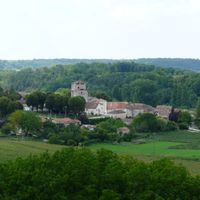
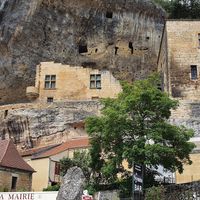
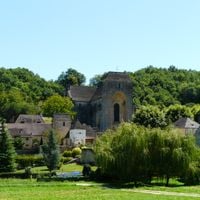
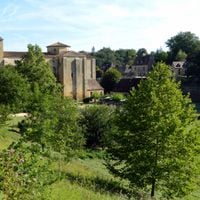
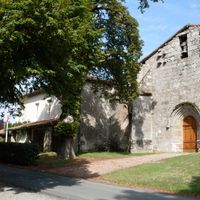
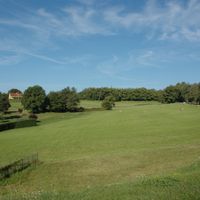
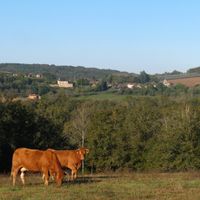
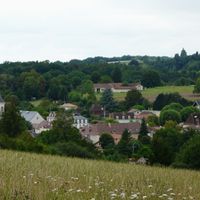
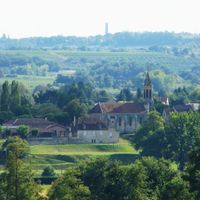
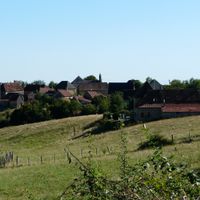
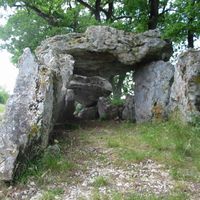
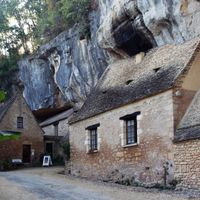
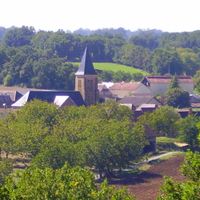
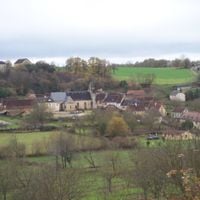
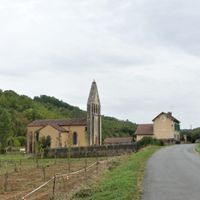
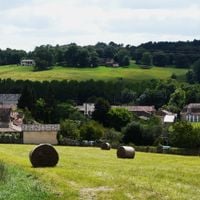
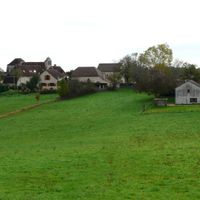
The landscape shifts between dense forests, open valleys, and steep rock formations, presenting different demands on hikers and visitors. Many prehistoric sites lie within caves with limited access, so early planning is recommended.
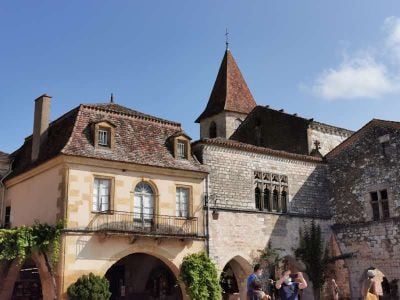
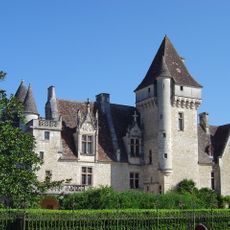
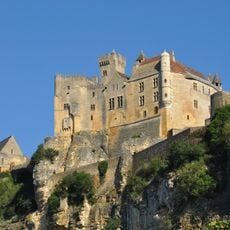
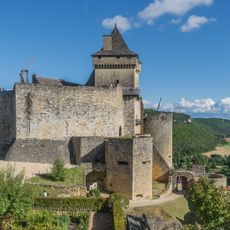
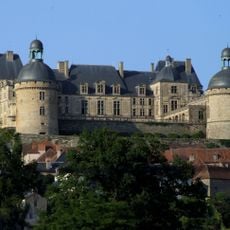
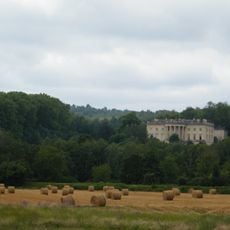
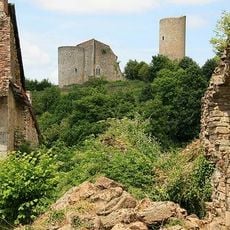
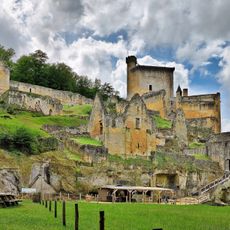
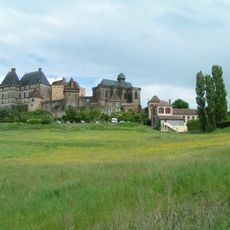
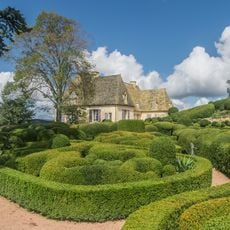
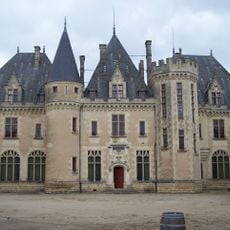
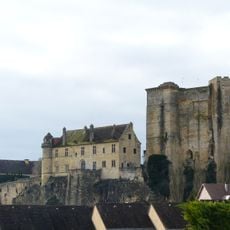
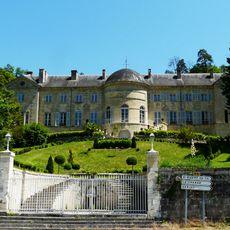
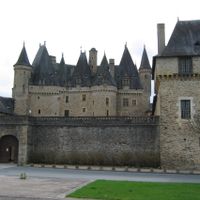
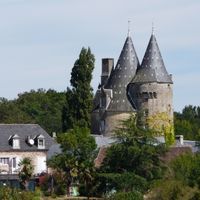
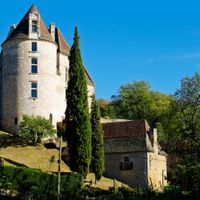
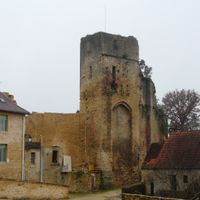
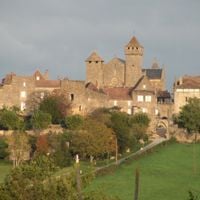
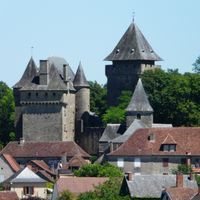
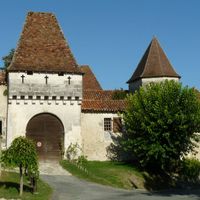
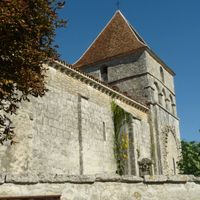
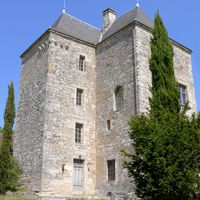
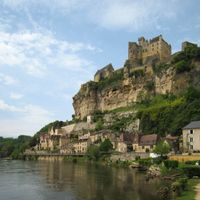
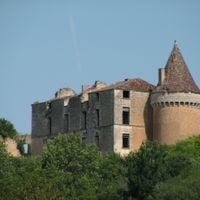
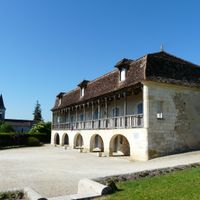
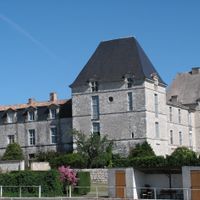
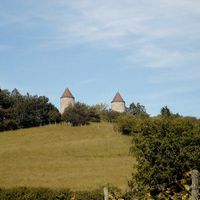
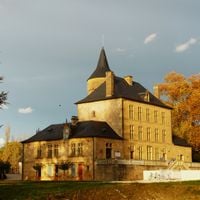
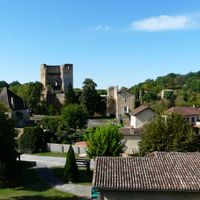
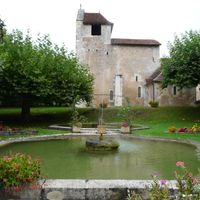
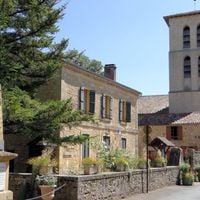
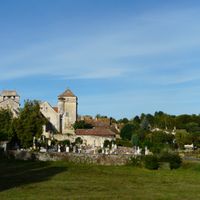
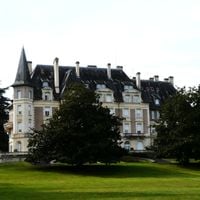
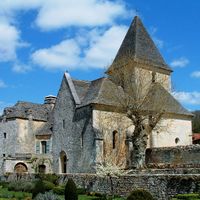
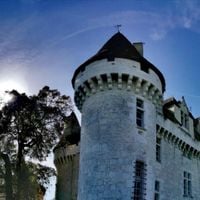
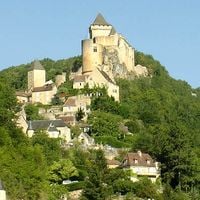
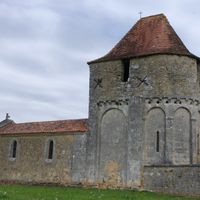
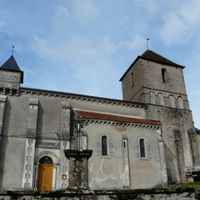
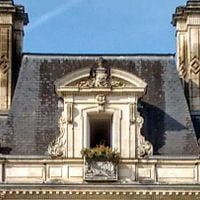
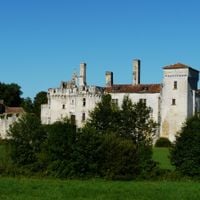
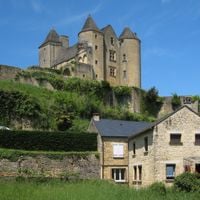
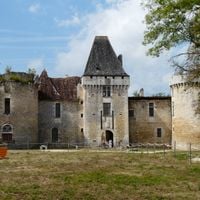
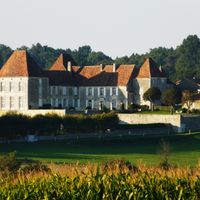
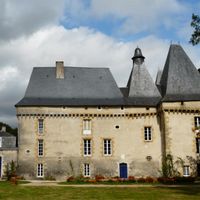
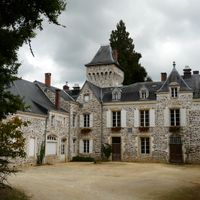
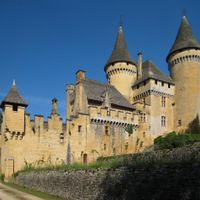
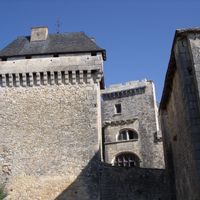
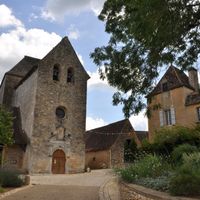
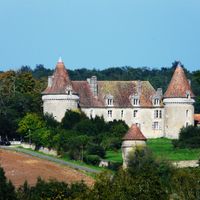
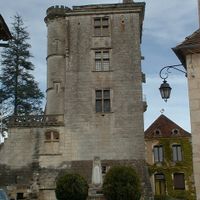
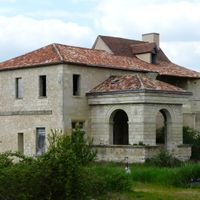
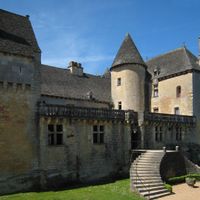
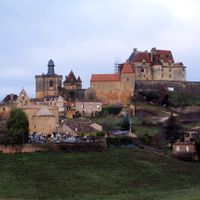
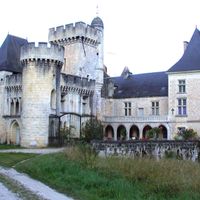
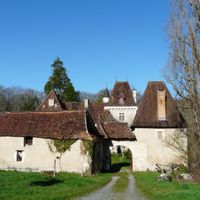
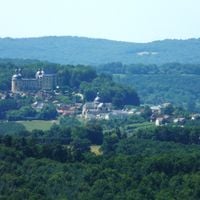
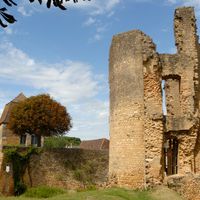
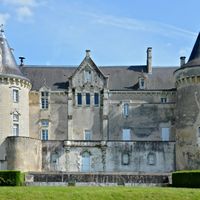
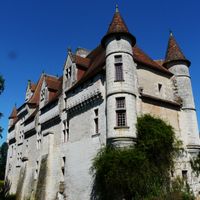
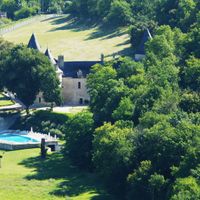
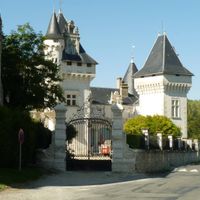
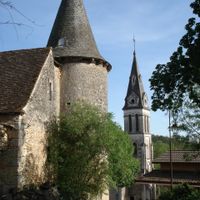
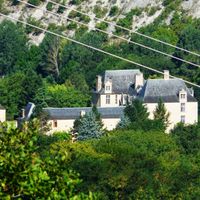
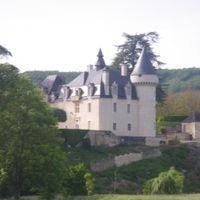
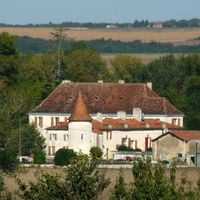
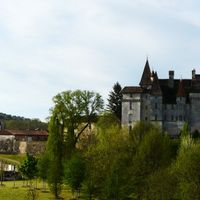
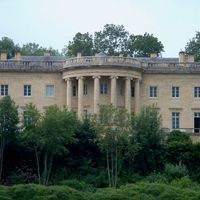
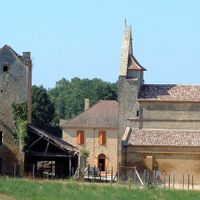
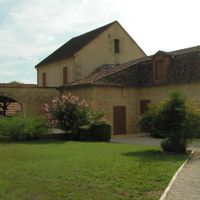
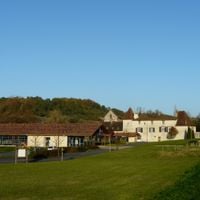
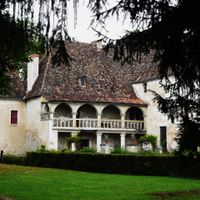
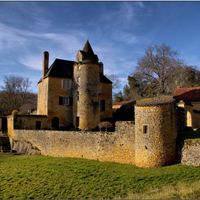
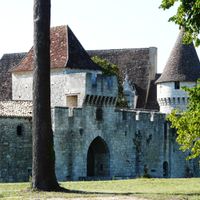
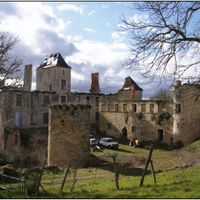
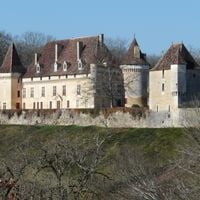
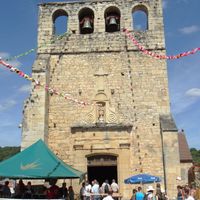
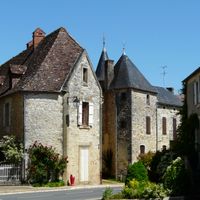
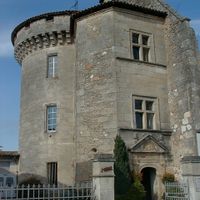
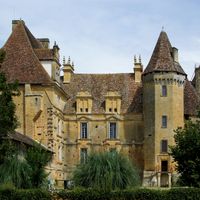
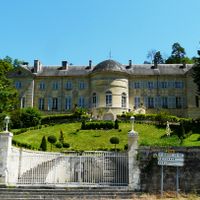
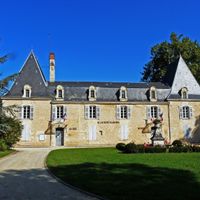
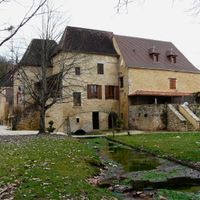
Over 1,500 castles and manor houses lie scattered across the entire territory, making this administrative unit one of the most castle-rich in Europe. Many of them are inhabited and accessible only from the outside or during special guided visits.
The community of curious travelers
AroundUs brings together thousands of curated places, local tips, and hidden gems, enriched daily by 90,798 contributors worldwide.