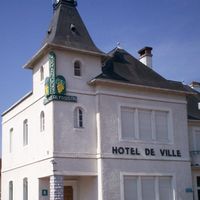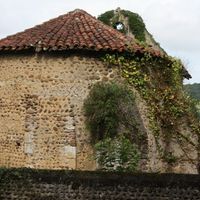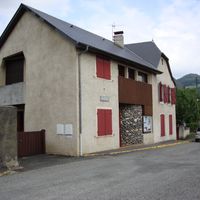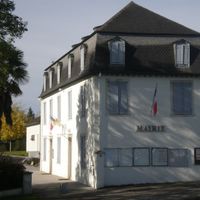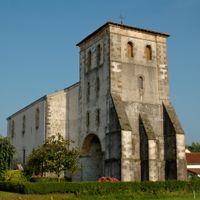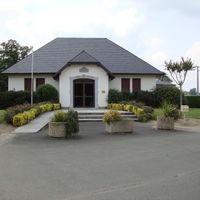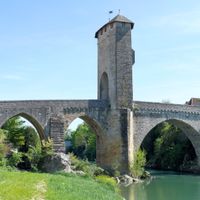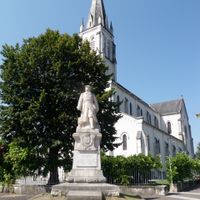
Pyrénées-Atlantiques, Department in southwestern Nouvelle-Aquitaine, France.
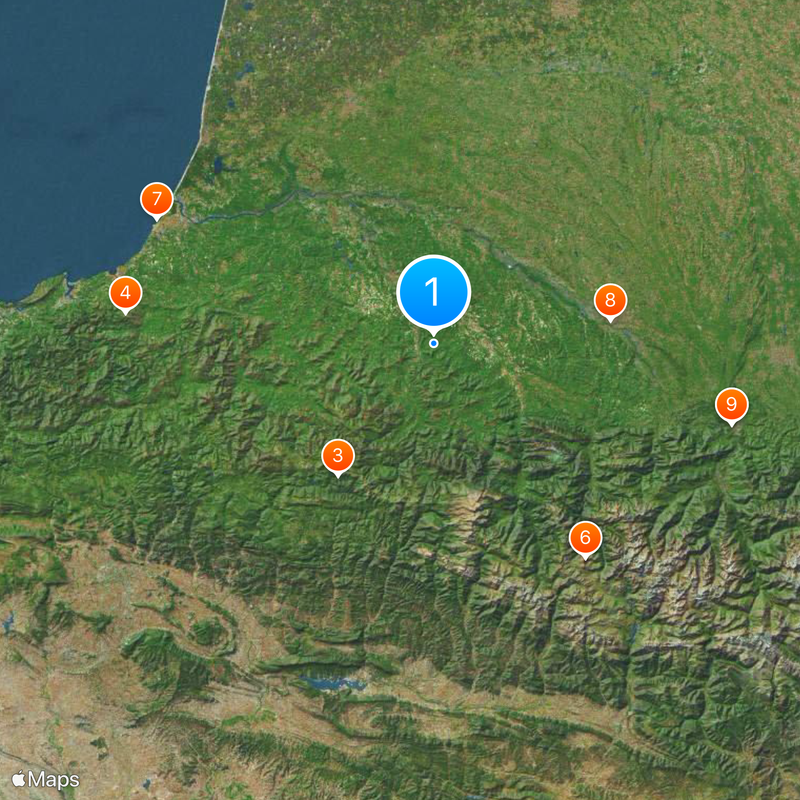
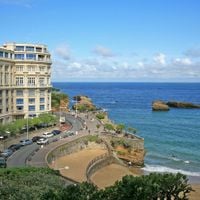
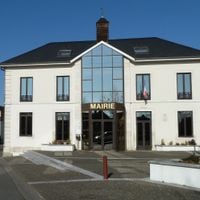
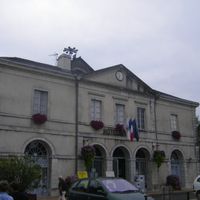
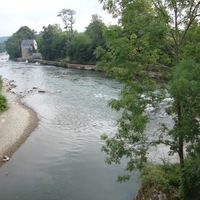
Pyrénées-Atlantiques is an administrative division in southwestern France between the Spanish border and the Bay of Biscay. The prefecture sits in Pau, while additional subprefectures operate in Bayonne and Oloron-Sainte-Marie.
The Revolution created this administrative division in March 1790 from parts of former provinces like Béarn and Guyenne under the name Basses-Pyrénées. The current name was introduced only in 1969 to emphasize the geographic position between the mountains and the sea.
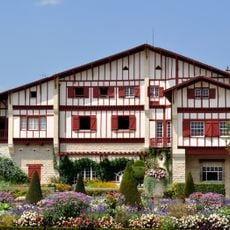
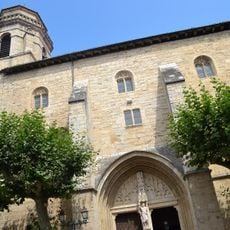
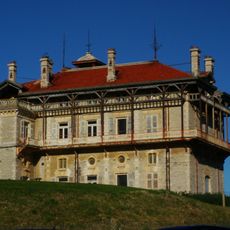
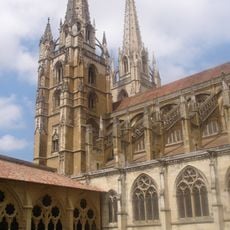
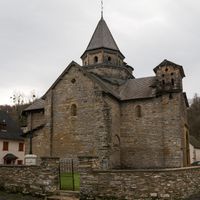
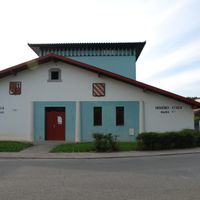
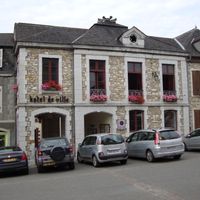
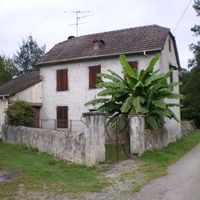
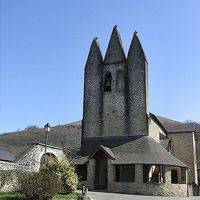
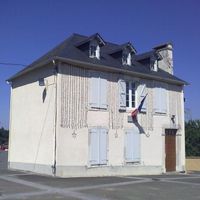
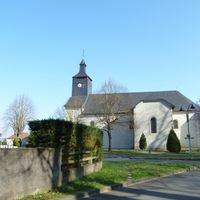
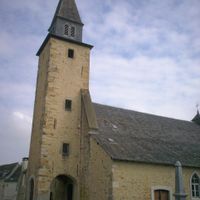
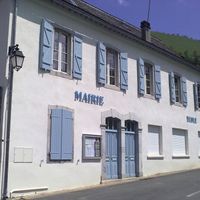
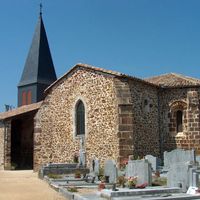
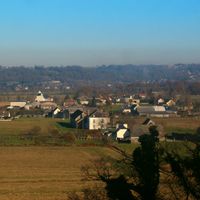
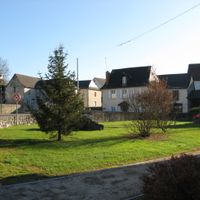
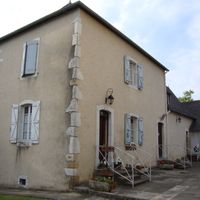
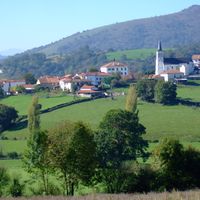
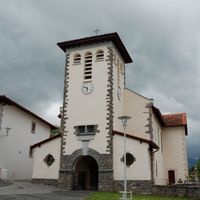
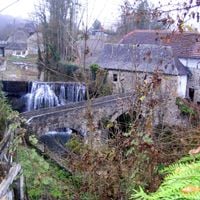
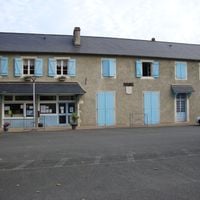
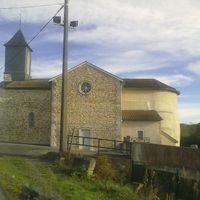
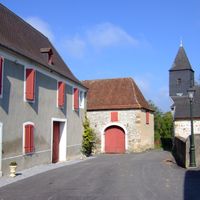
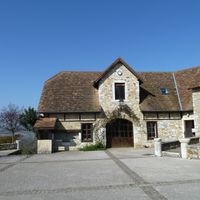
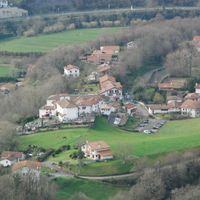
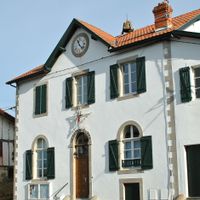
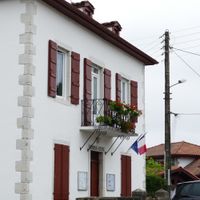
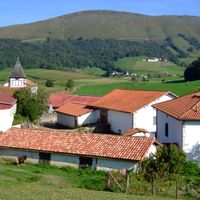
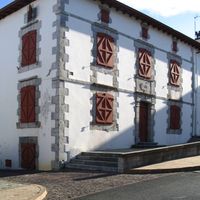
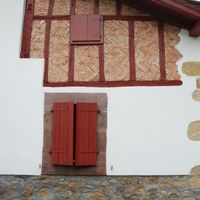
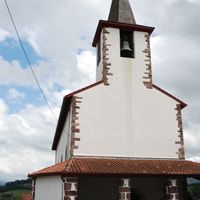
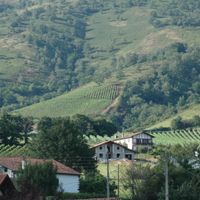
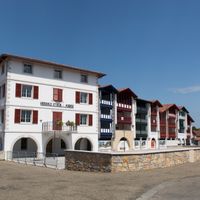
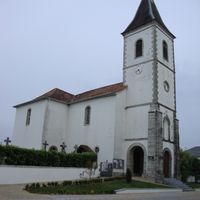
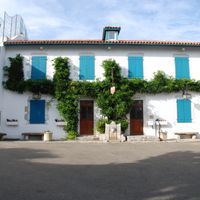
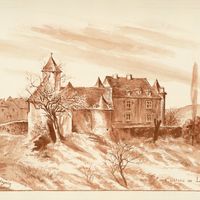
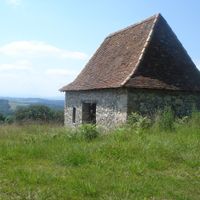
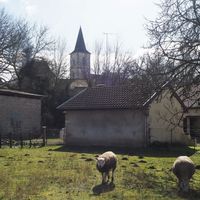
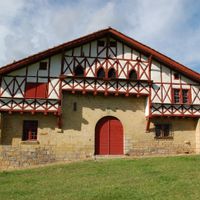
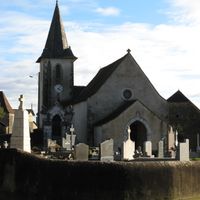
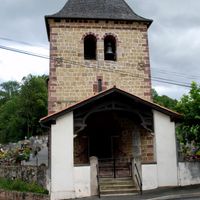
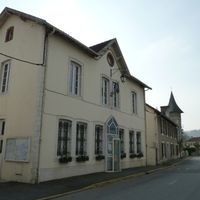
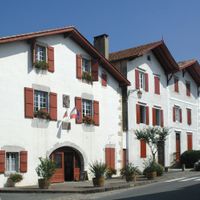
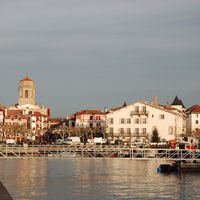
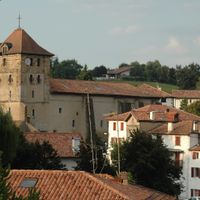
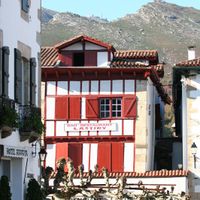
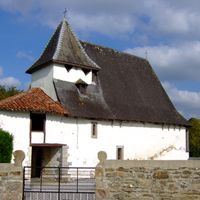
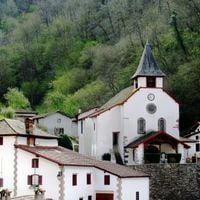
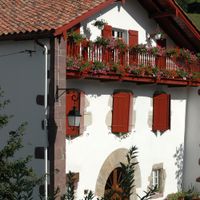
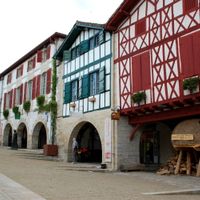
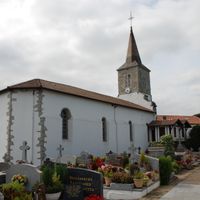
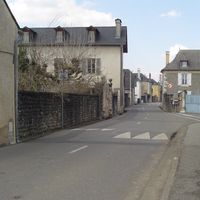
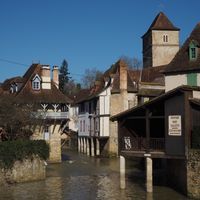
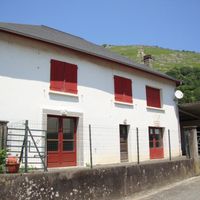
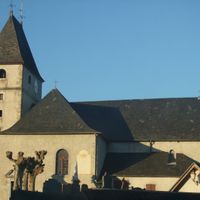
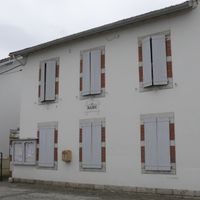
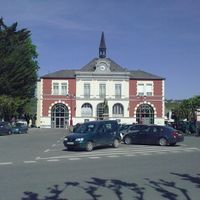
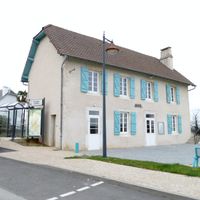
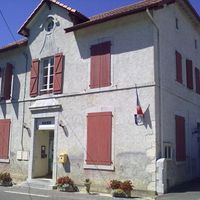
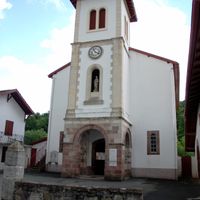
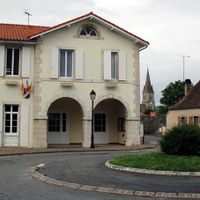
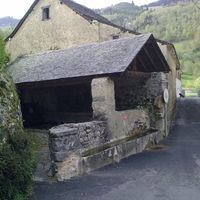
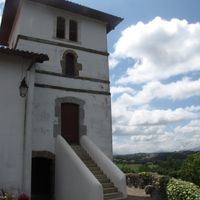
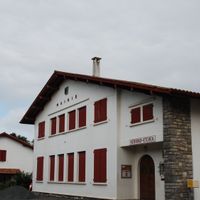
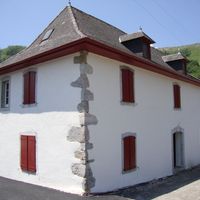
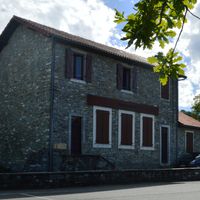
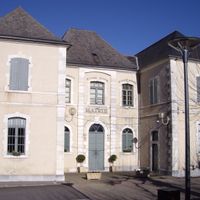
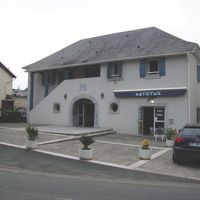
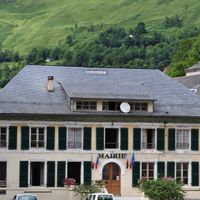
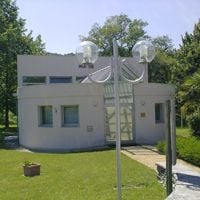
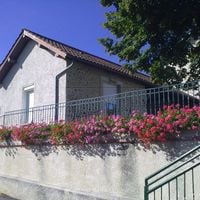
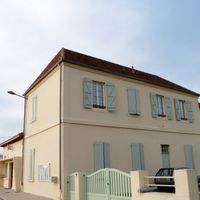
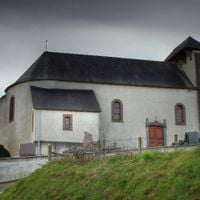
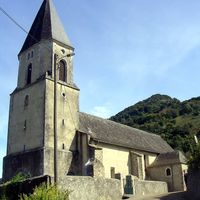
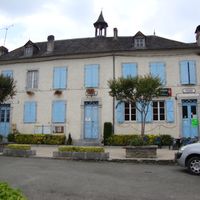
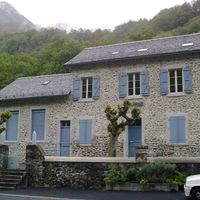
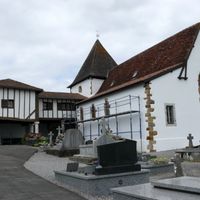
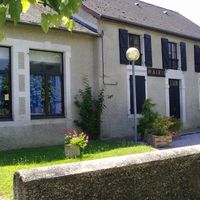
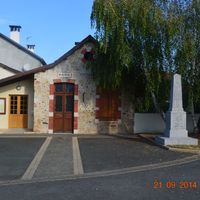
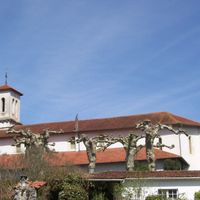
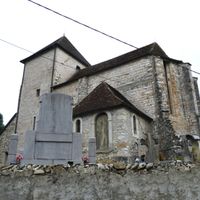
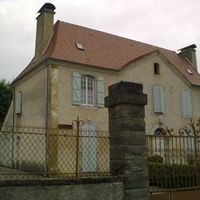
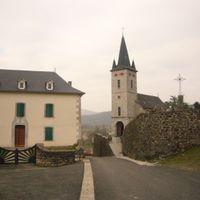
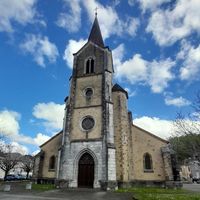
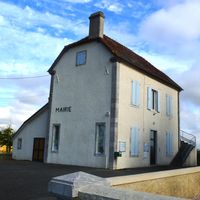
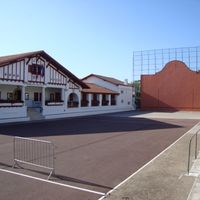
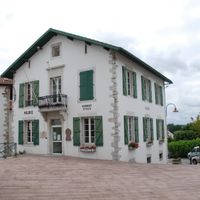
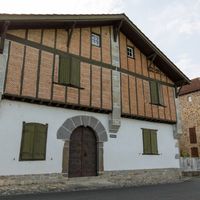
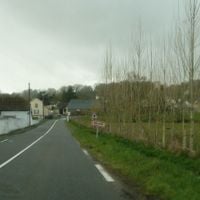
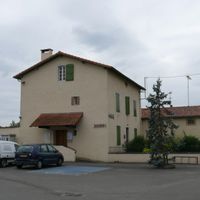
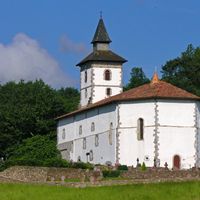
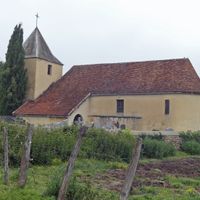
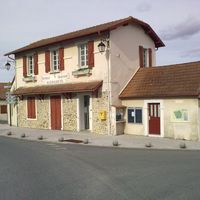
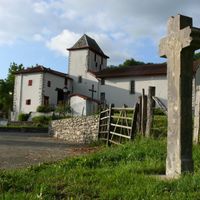
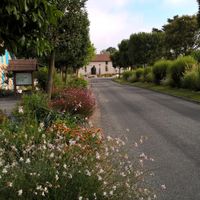
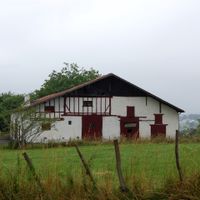
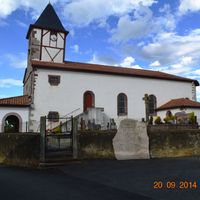
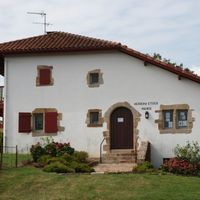
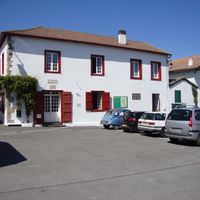
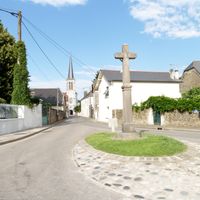
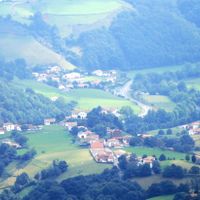
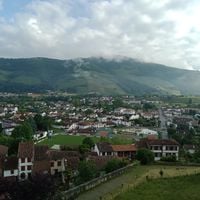
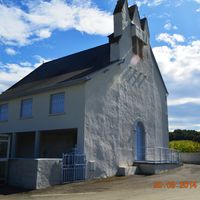
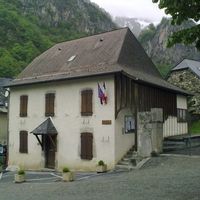
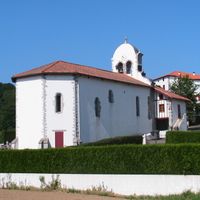
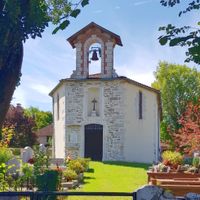
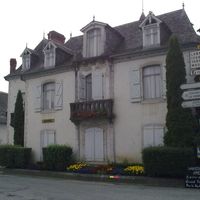
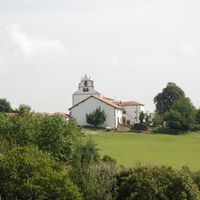
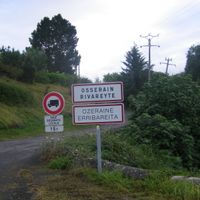
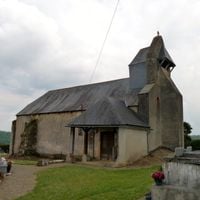
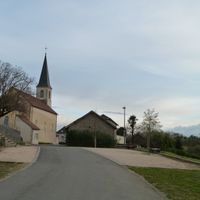
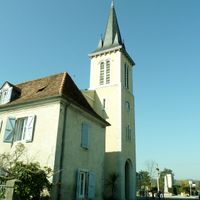
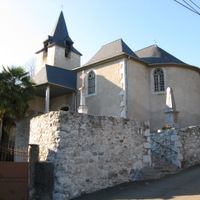
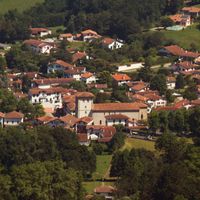
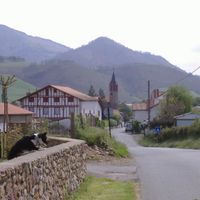
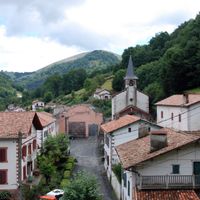
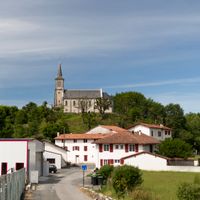
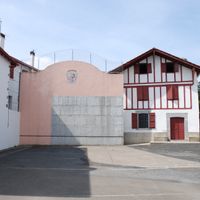
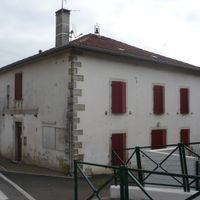
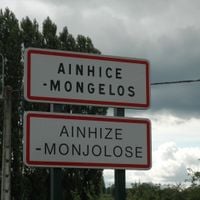
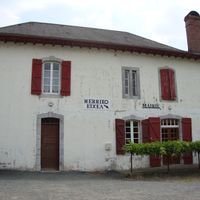
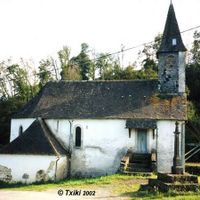
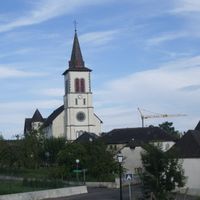
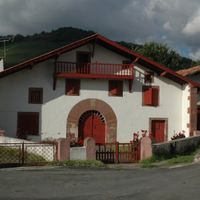
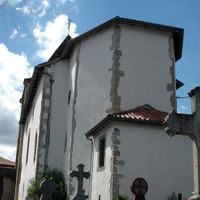
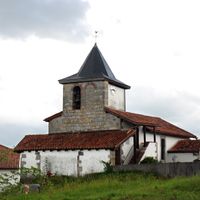
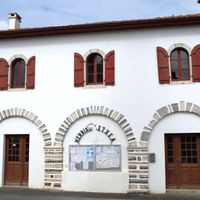
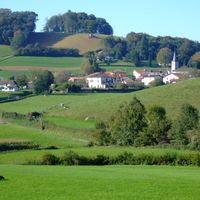
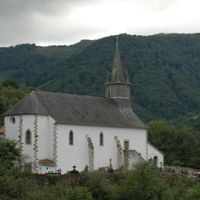
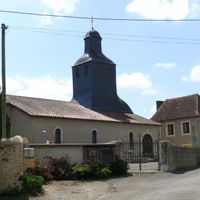
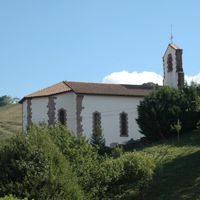
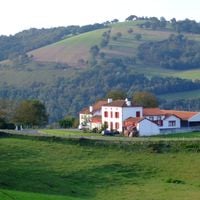
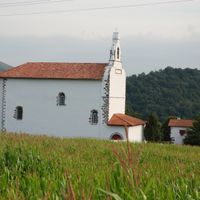
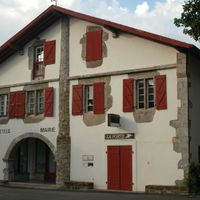
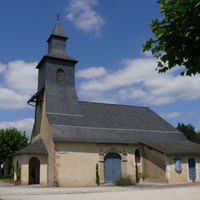
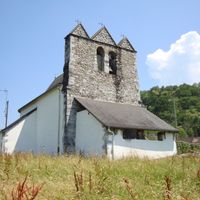
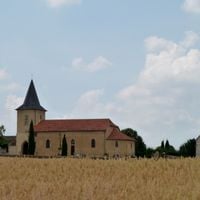
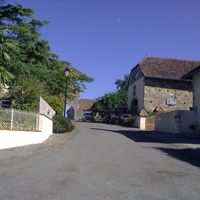
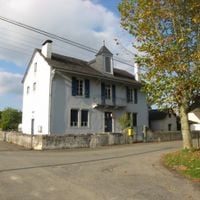
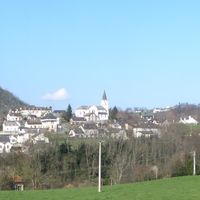
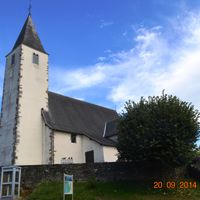
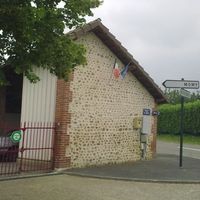
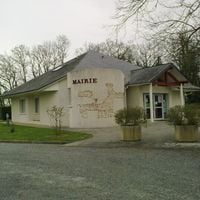
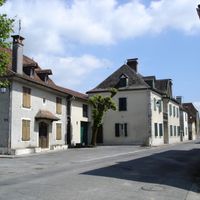
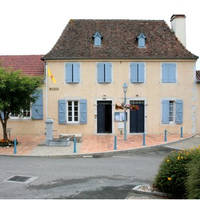
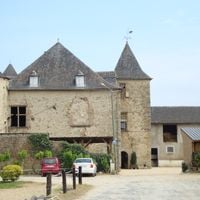
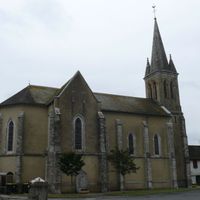
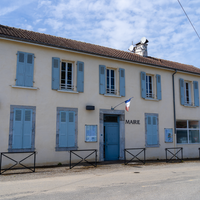
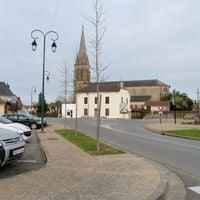
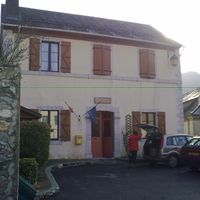
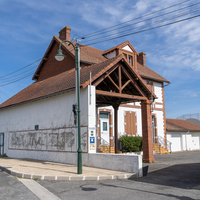
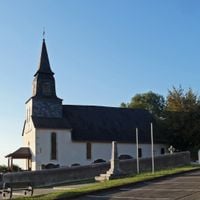
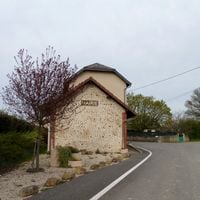
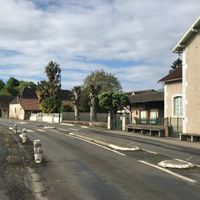
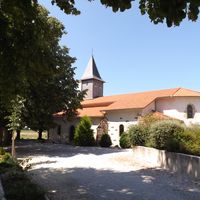
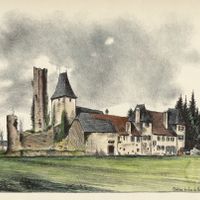
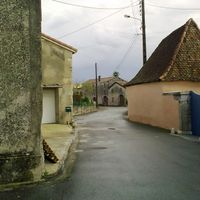
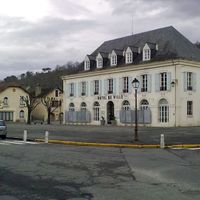
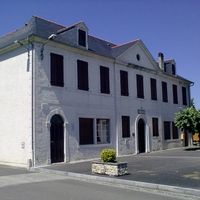
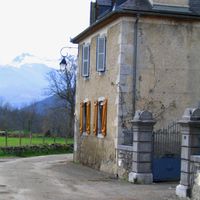
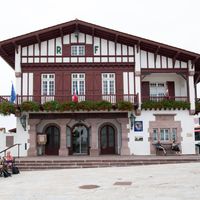
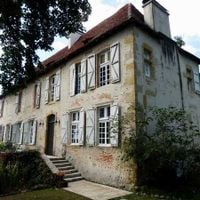
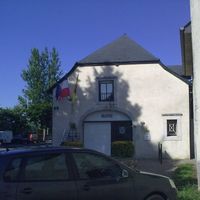
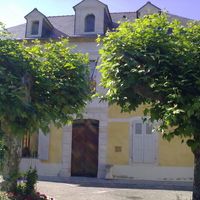
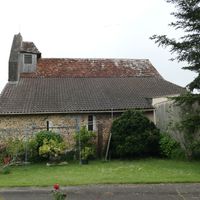
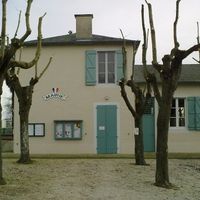
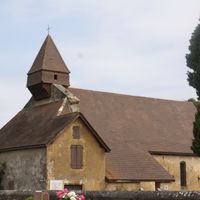
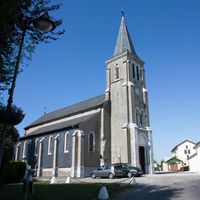
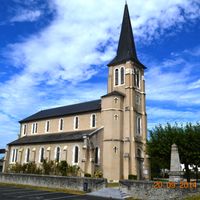
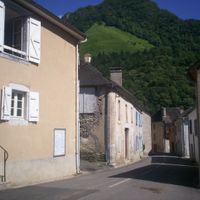
The name combines the mountain range and the ocean that mark the boundaries of this region. Basque-language signs and traditional half-timbered houses shape the architecture in the villages, while local markets offer regional products like sheep cheese and cured ham from the mountain pastures.
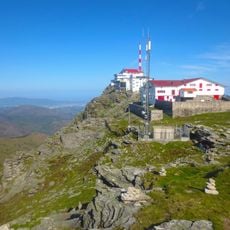
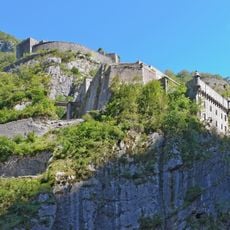
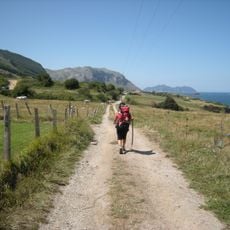
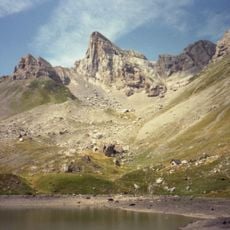
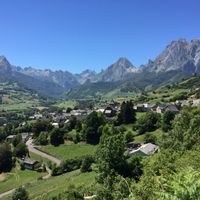
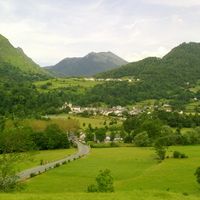
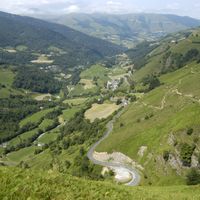
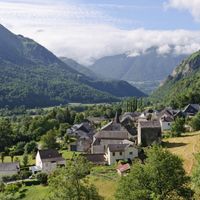
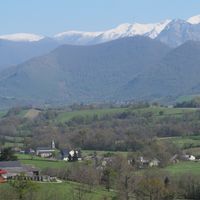
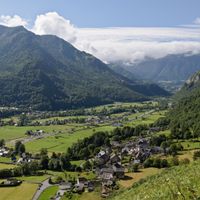
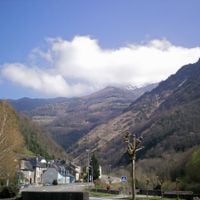
The region extends from sea level to elevations near 3,000 meters (9,800 feet), so visitors should bring different clothing depending on their planned destination. Coastal towns stay mild year-round, while mountain passes often close during winter months.
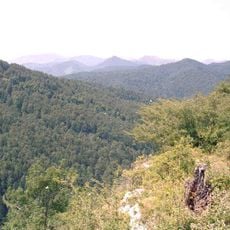
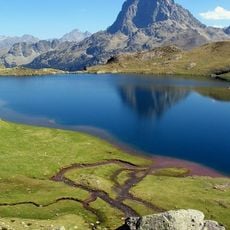
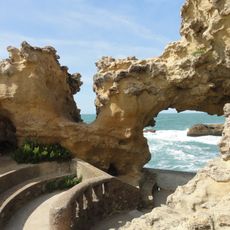
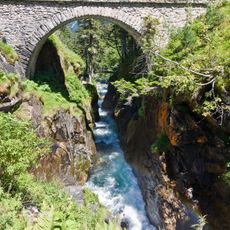
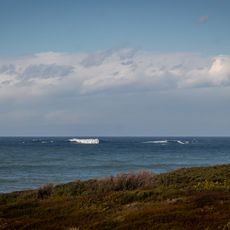
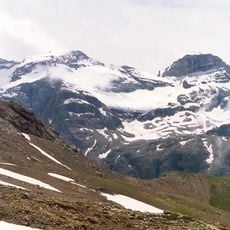
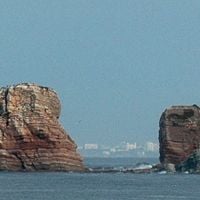
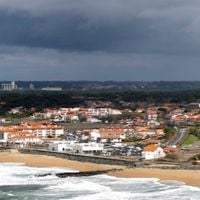
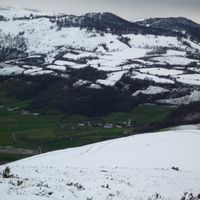
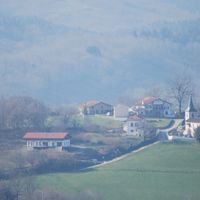
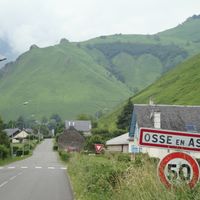
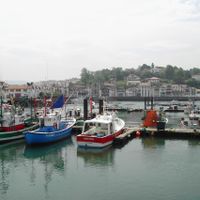
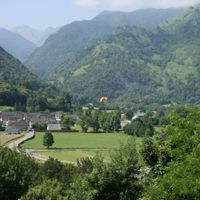
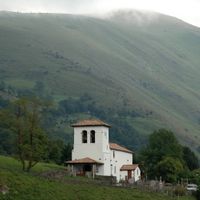
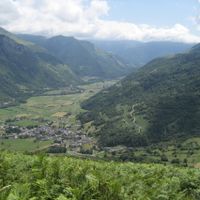
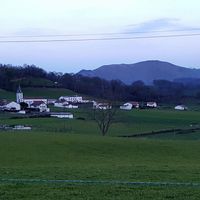
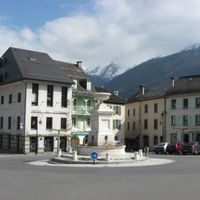
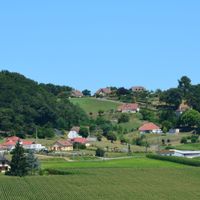
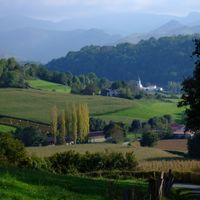
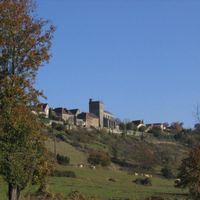
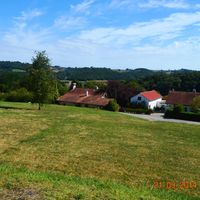
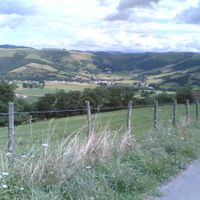
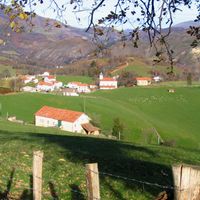
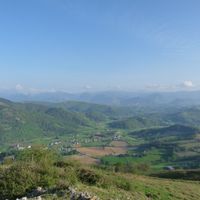
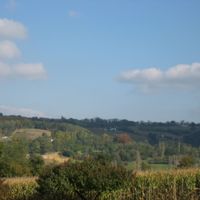
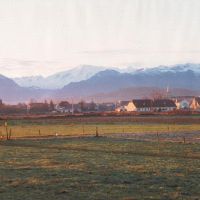
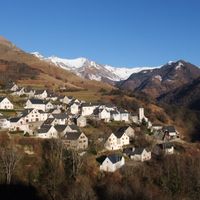
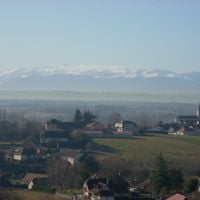
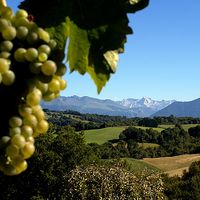
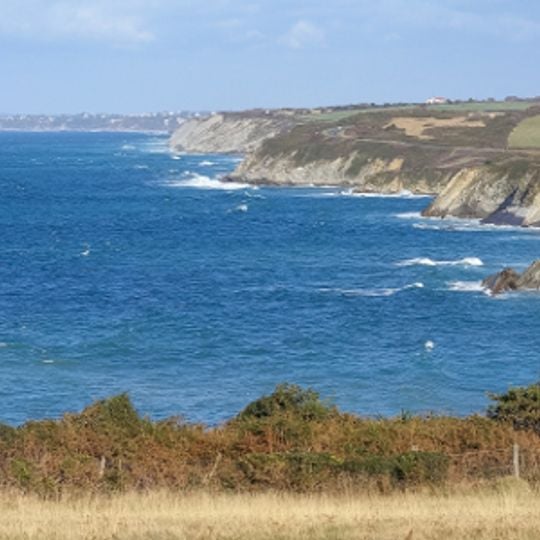
The territory includes both sandy Atlantic beaches and high mountain peaks that carry permanent snow. This elevation difference of nearly 3,000 meters (9,800 feet) across a relatively short distance shapes climate and vegetation throughout the region.
The community of curious travelers
AroundUs brings together thousands of curated places, local tips, and hidden gems, enriched daily by 91,267 contributors worldwide.