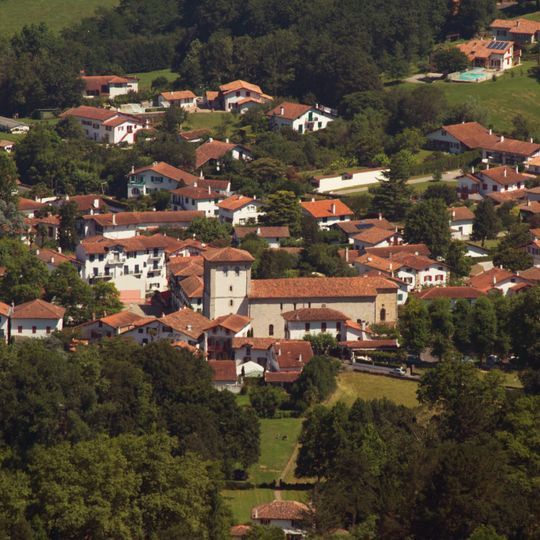
Ascain, commune in Pyrénées-Atlantiques, France
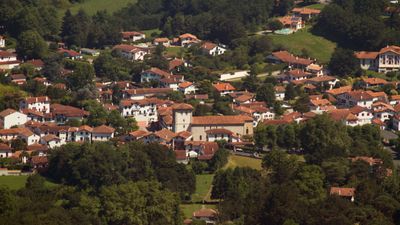
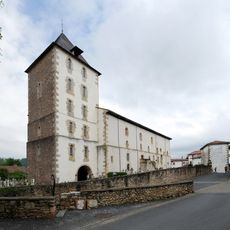
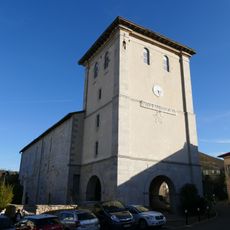
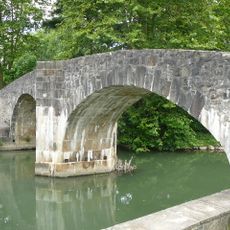
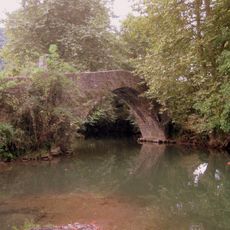
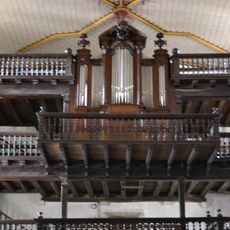
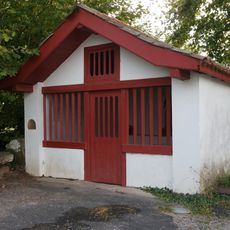
Ascain is a small French commune in the Basque region near the Spanish border, nestled along the Nivelle River below the La Rhune mountain. The village preserves old stone houses with narrow streets, a baroque-style church dating to the 1600s, a 15th-century bridge crossing the river, and several restored wash-houses that reveal how residents lived in earlier times.
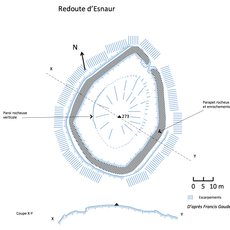
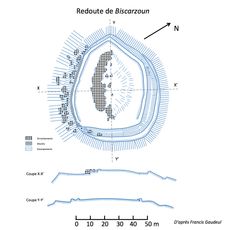
Ascain shows evidence of human habitation stretching back over 100,000 years, while shepherds around 2,500 years ago left behind megalithic burial structures as they grazed sheep on mountain slopes. The commune became officially registered in 1598, yet suffered destruction in 1636 during regional conflict, and later received visits from Napoleon III and other historical figures who helped improve local roads and buildings.
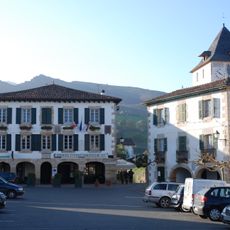
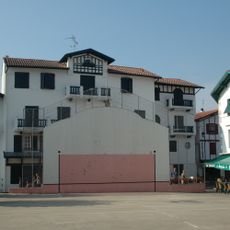
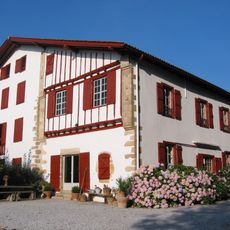
The name Ascain comes from Basque roots and refers to a high rocky place. The village is shaped by its typical Basque houses with red and white facades of stone and wood, buildings that carry family history across generations. The central fronton, a traditional ball court, remains a gathering place where pelota players practice and spectators watch, showing how this sport connects the community today.
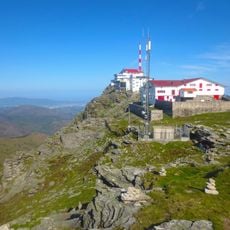
The village is easily explored on foot, with numerous walking paths and cycling routes that lead through green countryside and up toward the La Rhune mountain. A small cog train runs from the nearby Saint Ignace pass to the summit for those who prefer not to hike.
The Nivelle was once a busy river port where flat-bottomed boats called gabares carried wood and stones from nearby mountains to the coast, making Ascain an important trading center until the early 20th century. Today, traces of this former maritime activity remind visitors of the village's past significance as a commercial hub.
The community of curious travelers
AroundUs brings together thousands of curated places, local tips, and hidden gems, enriched daily by 91,378 contributors worldwide.