Caves of Zugarramurdi, Cave complex in Zugarramurdi, Spain
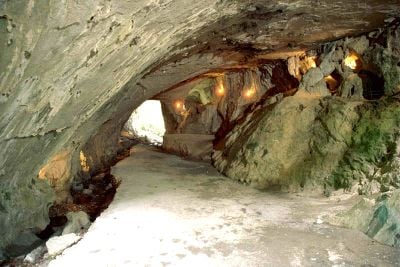
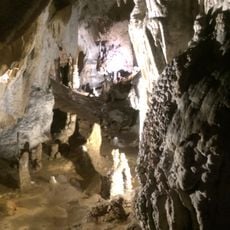
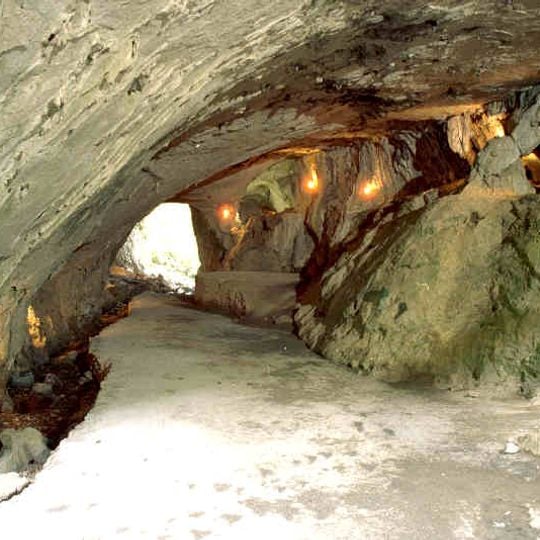
The caves of Zugarramurdi form a shallow karst complex cut by the Olabidea or Infernuko erreka stream, which runs through the main cavity. That hall measures 120 metres long, 12 metres high and 30 metres wide, with a broad flat floor and a rough arched roof. Inside it opens the Akelarre cave, and further along the stream lies the deep gorge called Sorginen lezea.
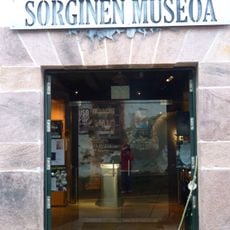
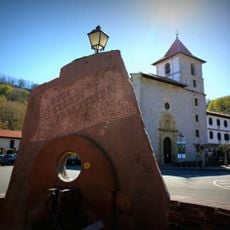
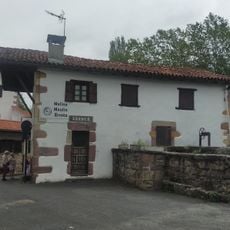
In 1610 the Logroño auto-da-fé tried 31 people from Baztan, Urdax and Zugarramurdi before the Inquisition; thirteen died under torture, and on 7 December six were burned alive and five in effigy. The charges included black masses, storms on the Cantabrian Sea and harm to fields and animals. In July 2007 the Museo de las Brujas opened in the town's former hospital, on the road out to the caves.
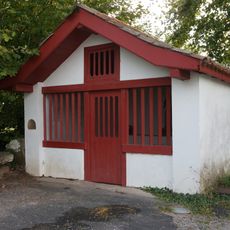
The name Akelarre, given to the cave opening inside the Great Cave, comes from the field opposite it, where a goat (akerra) grazed; witches were said to gather there. The stream crossing the cave is called Infernuko erreka, "stream of hell". Near the mouth of the Great Cave stand 18th-century lime kilns, once used by local farmers to burn limestone for their fields.
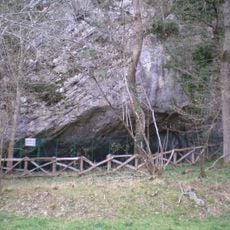
The cave entrance is less than 500 metres from Zugarramurdi village on the old road to Sara. The Olabidea stream runs through the main chamber, so the floor can be damp; wear shoes with grip. From above, coloured lights illuminate the rock. The 18th-century lime kiln stands at the mouth of the Great Cave.
At the mouth of the main cave, an 18th-century lime kiln still stands; farmers used it to burn limestone so their fields would yield more in lean years. Inside the Great Cave a second cavity opens, the Akelarre cave, named after the field opposite where a goat grazed — the meeting place of the witches in local accounts.
The community of curious travelers
AroundUs brings together thousands of curated places, local tips, and hidden gems, enriched daily by 94,744 contributors worldwide.