See the monuments around you in AROpen chests in the app
Around Us is built for your phone — point your camera at the streets and discover the monuments and places around you in augmented reality.Around Us is built for your phone — chests unlock when you walk, explore and capture nearby places.
Navarre in Spain: historical sites, Pyrenees nature and the Way of Saint James
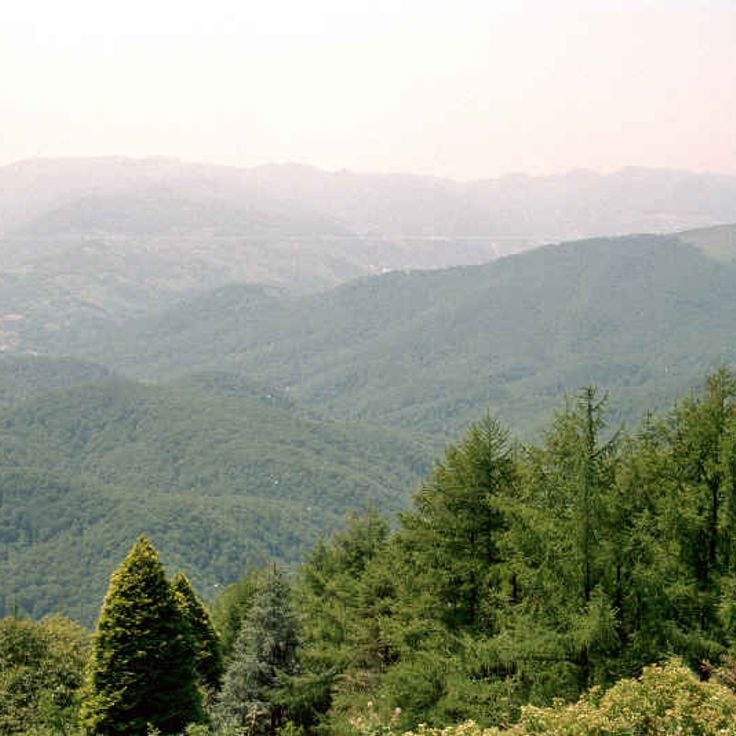
Navarre covers very different landscapes and sites, from north to south. In the Pyrenees, valleys are filled with forests and grasslands, while the Bardenas Reales in the south provide a rocky desert shaped by the wind. Between these, Pamplona keeps its walls and old town, with the cathedral and the fortress. The Way of Saint James goes through the region and connects several important stops, from mountain villages to medieval towns.
The collection includes about forty places that show what Navarre offers to visitors. You see castles like the one in Olite, old monasteries, caves, and natural canyons. The southern towns keep traces of their past, with ancient neighborhoods and churches from different times. Each place tells part of the history and land of this region, and it is easy to walk through.
Navarre in Spain: historical sites, Pyrenees nature and the Way of Saint James
Navarre covers very different landscapes and sites, from north to south. In the Pyrenees, valleys are filled with forests and grasslands, while the Bardenas Reales in the south provide a rocky desert shaped by the wind. Between these, Pamplona keeps its walls and old town, with the cathedral and the fortress. The Way of Saint James goes through the region and connects several important stops, from mountain villages to medieval towns.
The collection includes about forty places that show what Navarre offers to visitors. You see castles like the one in Olite, old monasteries, caves, and natural canyons. The southern towns keep traces of their past, with ancient neighborhoods and churches from different times. Each place tells part of the history and land of this region, and it is easy to walk through.
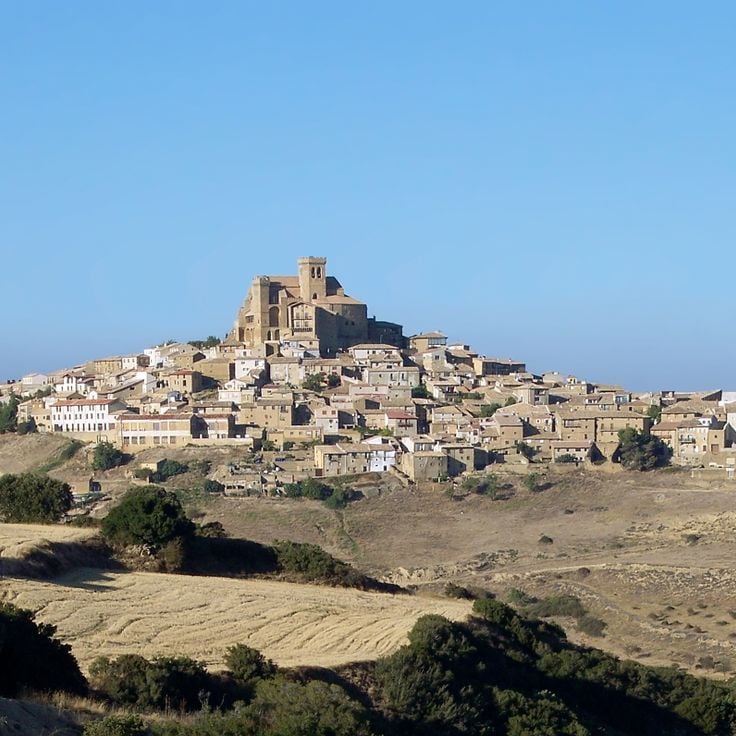
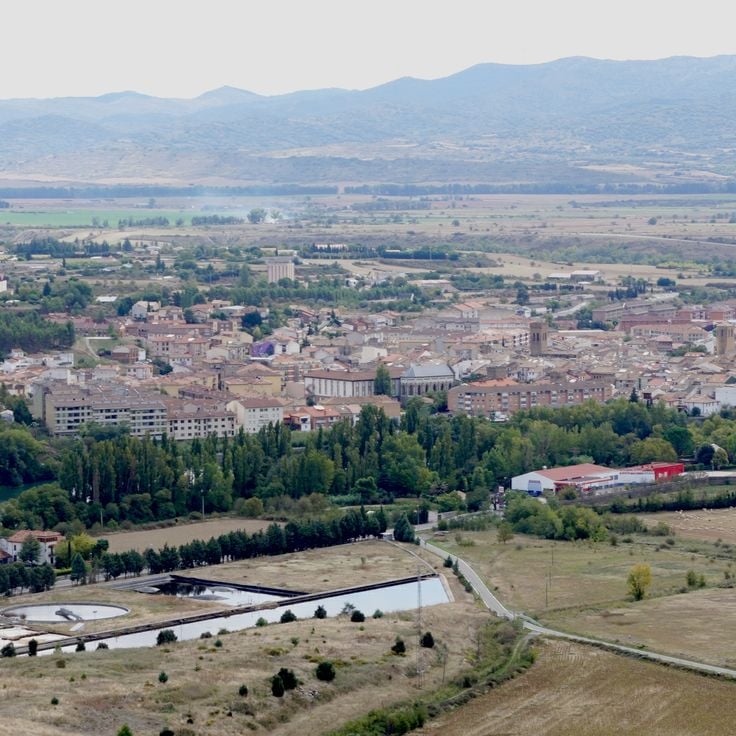
Ujue is a village built on high ground that overlooks the surrounding landscape of Navarre. The Gothic church stands at the heart of the settlement and reflects the religious importance this place has held for centuries. From its position, views extend across the valleys and fields below. Ujue sits along the path of the Camino de Santiago, linking the Pyrenean foothills to the plains beyond.
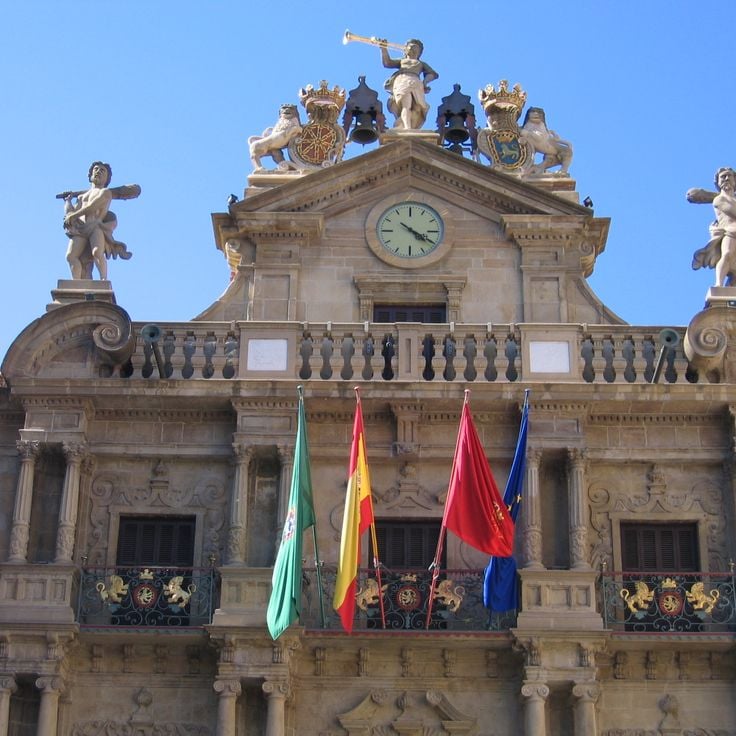
The old town of Pamplona is the historical heart of the city, shaped by medieval streets and characteristic squares. Walking through this area, you encounter narrow lanes that open onto plazas where people gather and spend time together. The cathedral stands here, and the city's ancient walls still surround this core today. Every corner shows traces of the past, from the building styles to the way the streets are laid out. The Camino de Santiago passes through these old lanes, connecting pilgrims to centuries of spiritual history.
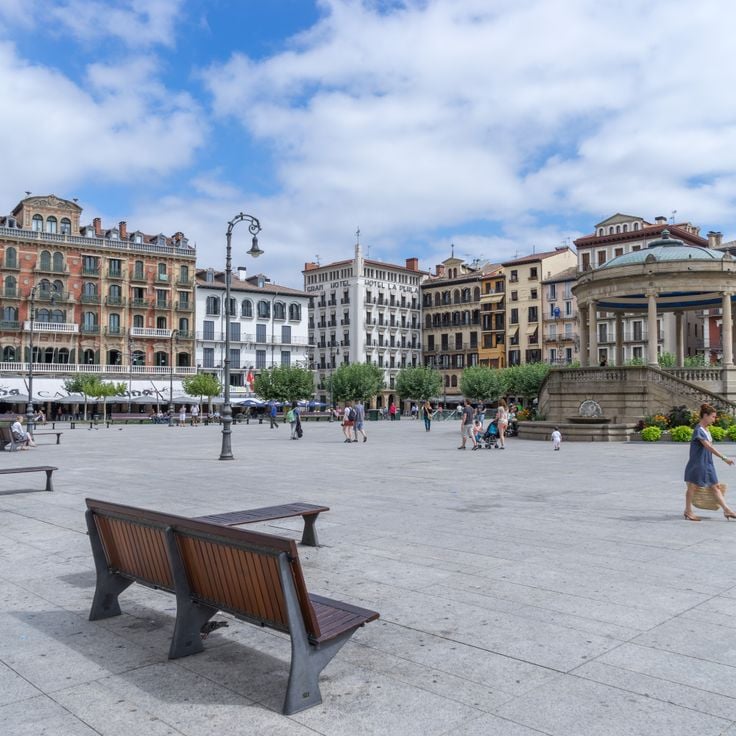
The Plaza del Castillo is the main square of Pamplona and serves as the political and social heart of the city. Locals and visitors gather here to stroll, sit, and watch daily life unfold. The buildings surrounding the square display architectural styles from different periods. Restaurants and cafes line the square, offering views of the bustling city center. The square sits within the old city and connects different neighborhoods together.
The historic heart of Olite features narrow streets and medieval buildings that show how the town looked in the Middle Ages. Stone walls and wooden beams line the houses along the streets. You find traces of different periods in the buildings and squares. This location is part of a collection of places across Navarre that tell the story of the region's history and geography.
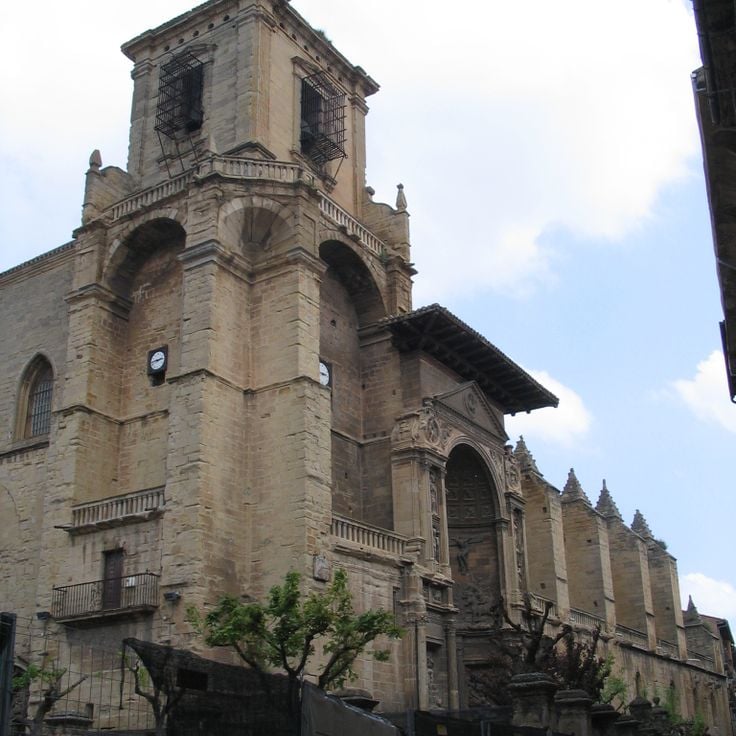
The Cathedral of Santa Maria la Real stands at the heart of Pamplona with its soaring Gothic towers. Built in the 14th century, it reflects the architectural style of its time through pointed arches and ribbed vaults. Inside, you find chapels, altars, and artworks that span different periods. The cathedral has long served as the spiritual center of the city. It connects to the broader story of Navarre and marks an important point along the Way of Saint James that crosses the region.
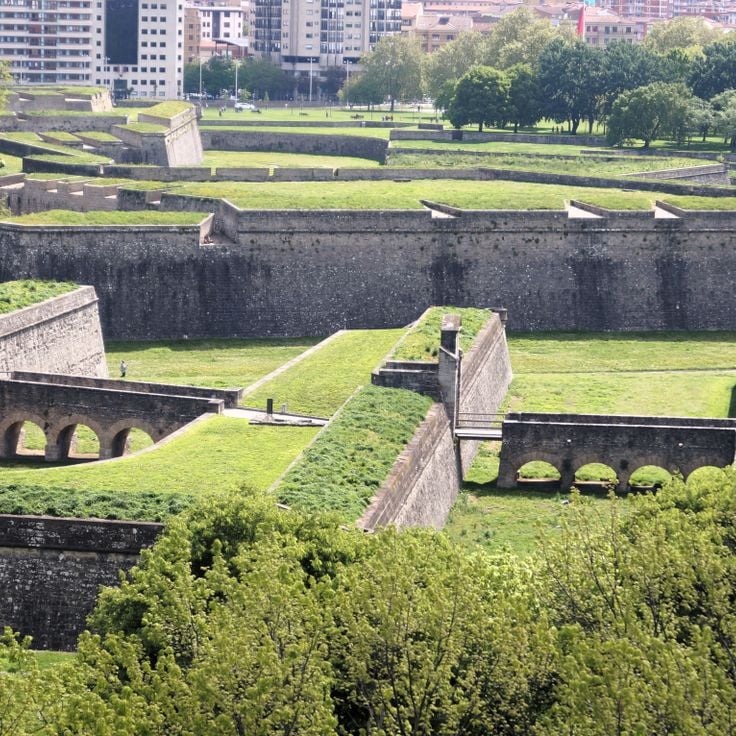
The Pamplona Citadel is a five-sided fortress built in the 16th century that still dominates the city landscape. It was constructed as a military stronghold to protect and control the region. Visitors can walk along the ramparts, climb the bastions, and enjoy views of Pamplona from above. Inside, green spaces and pathways make for pleasant walks among the defensive structures. The fortress shows the military architecture of its era, with five corners designed to defend every approach. It was an important landmark on the Way of Saint James and remains central to understanding Pamplona's past.
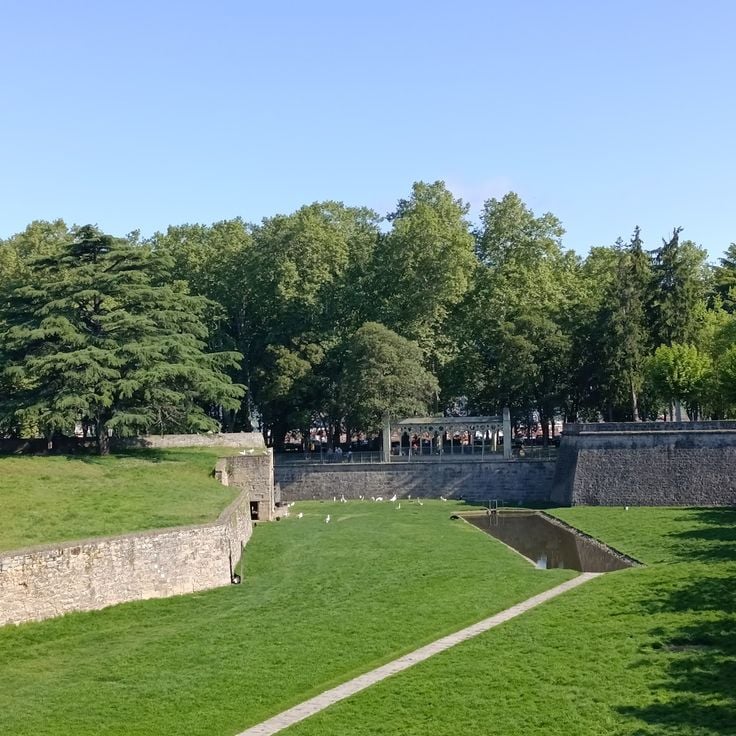
The Parque de la Taconera is a historic garden in Pamplona with old trees, walking paths and monuments. Located near the old town and city walls of Pamplona, this park offers residents and visitors a place to stroll and rest. The grounds show how the medieval city connected with its green spaces.
The Museo de Navarra in Pamplona presents the history and heritage of the Navarre region. It houses works by local artists, archaeological findings from different periods, and objects documenting life in the region from prehistory to the present day. The museum helps visitors understand the development of Navarre and its diverse cultures. The collections include paintings, sculptures, and traditional crafts that reveal the local identity and way of life.
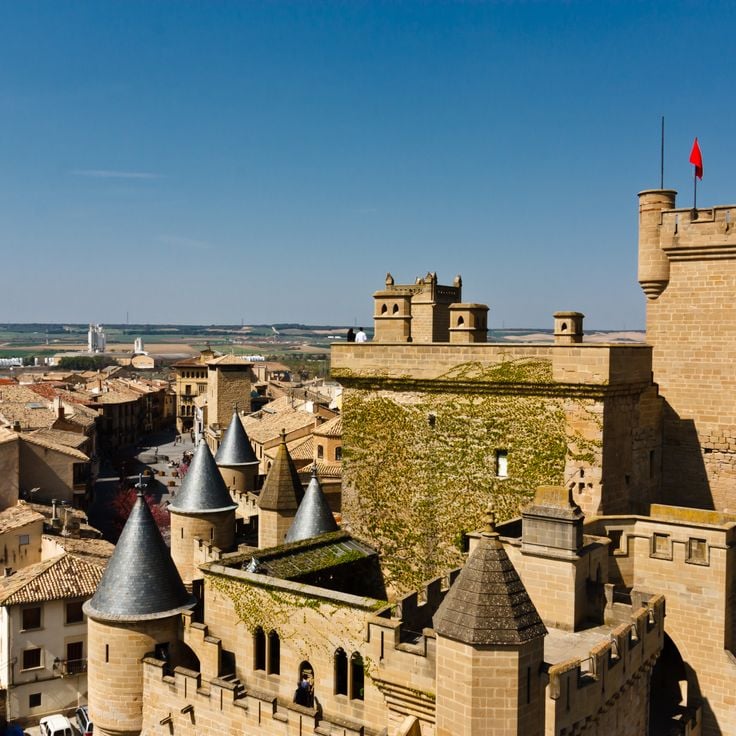
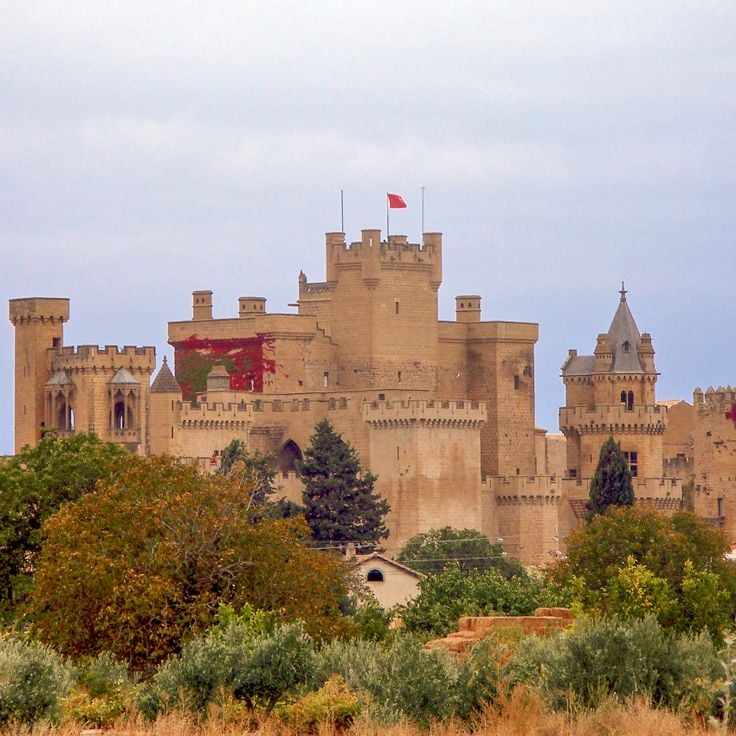
The Royal Palace of Olite is a medieval castle from the 15th century with tall towers and strong walls that have survived through time. This palace shows how the kings of Navarre lived and ruled their kingdom. Inside and around the walls, you can still see the rooms and structures that reveal the power and wealth of that era. The palace stands in the town of Olite and is one of the most important buildings in the Navarre region.
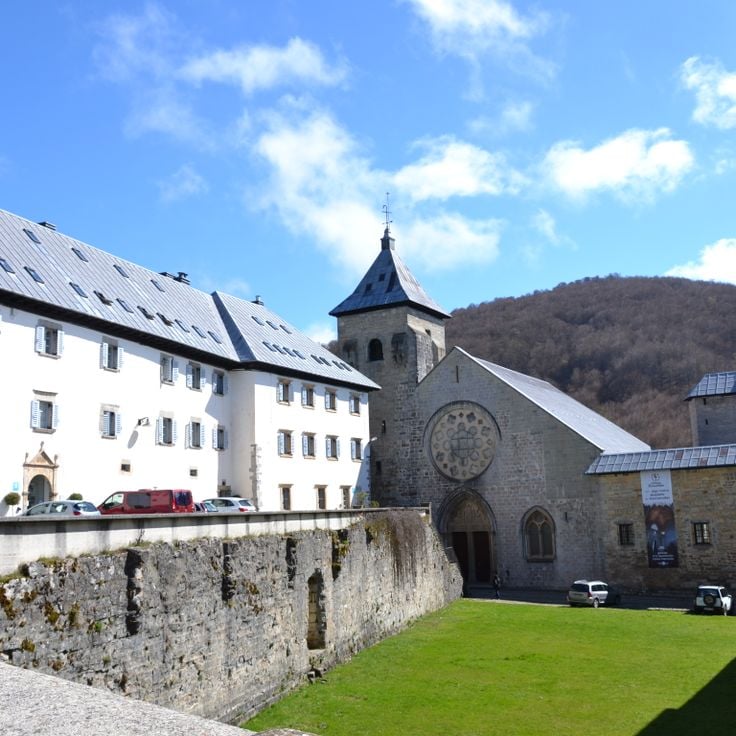
The Royal Collegiate Church of Roncevaux sits at a key point on the Way of Saint James in the Pyrenees. This historic sanctuary welcomes pilgrims arriving over the mountains and marks the start or end of their journey through Navarre. The church and its buildings stand in a landscape of forests and mountain meadows. They serve as an important stop on the route, where pilgrims have rested and prayed for centuries.
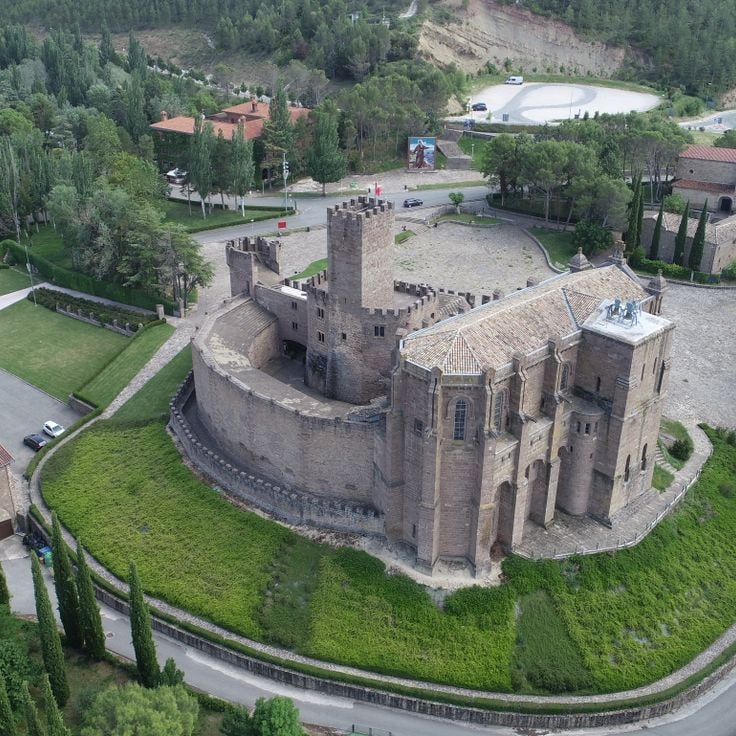
Javier Castle is a fortress built in the 12th century, sitting on a hill in Navarre. This castle was a center of power in the region and played an important role in the area's history. The walls and towers show how people lived and defended themselves in medieval times. Today visitors can explore the castle and walk through its rooms and courtyards. It stands as a physical reminder of Navarre's past and the life of those who lived within its walls.
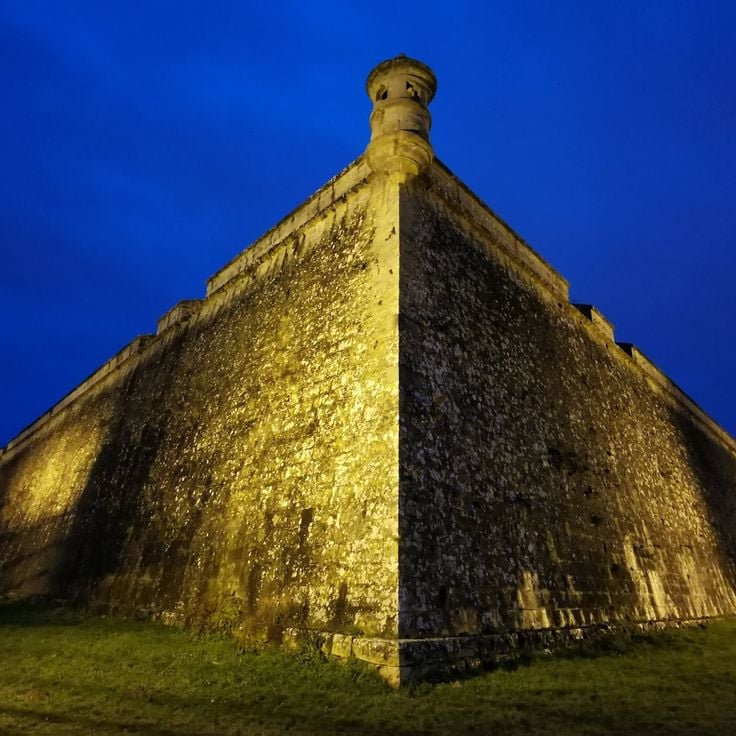
The walls of Pamplona were built in the 16th and 17th centuries and surround the city with their bastions. Walking along these fortifications reveals the history of medieval defense architecture and offers views across the city and surrounding landscape. These walls form a core part of Pamplona's historical structure and connect the past with the city's life today.
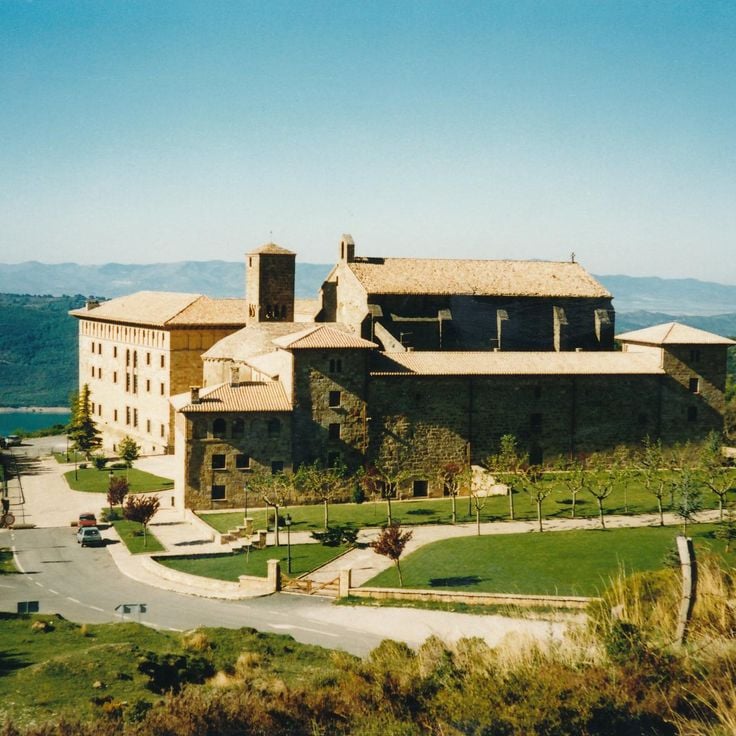
The Monasterio de Leyre is an ancient Benedictine monastery near Yesa, set in the hills of Navarre. The church combines Romanesque and Gothic architectural styles. A notable crypt with thick columns dates from the monastery's earliest periods. The location near the Yesa reservoir shapes the surrounding landscape. The monastery served as an important place of faith in the region for centuries.
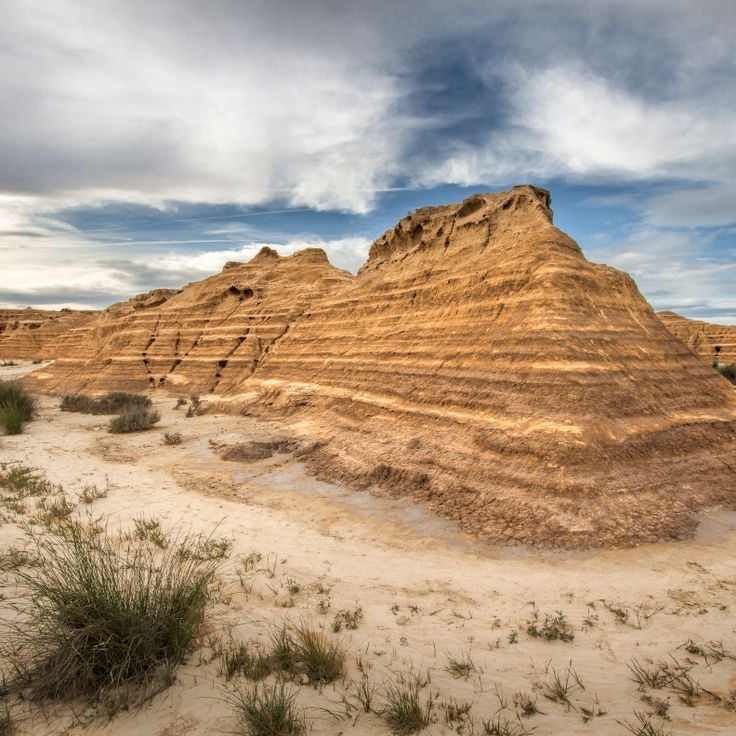
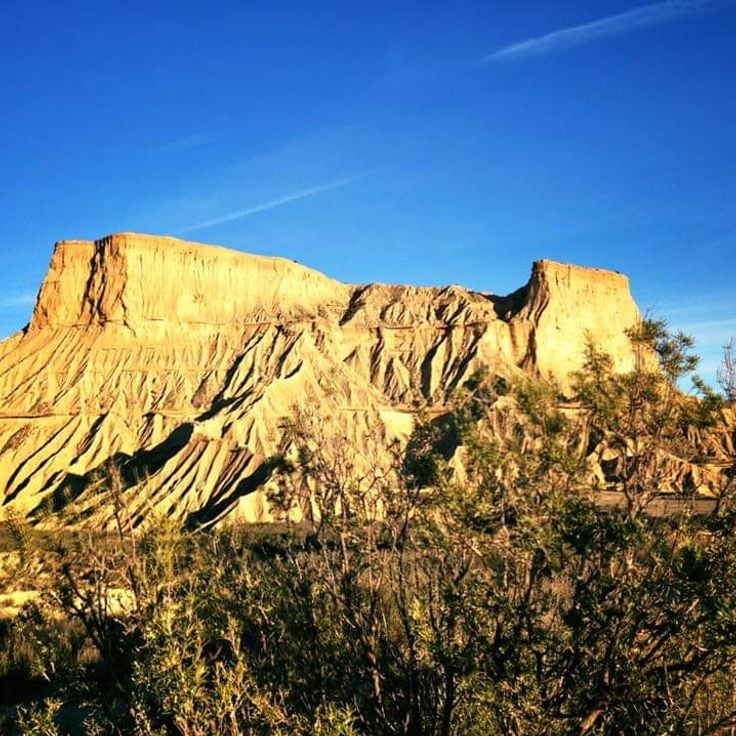
The Bardenas Reales Natural Park shows another side of Navarre. Here you will find a landscape of dry grasslands and bare hills, where wind has carved red rocks into unusual shapes. Vegetation is sparse, but those who look closely discover animals and plants adapted to this harsh terrain. The park feels like another world, just a few kilometers from the green mountain region to the north.
Sangüesa is a medieval town with the notable church of Santa Maria la Real. The town center preserves features from different periods and shows how settlements in this region developed. The town sits at an important point along the Way of Saint James and was a significant center for pilgrims and merchants. Walking through the old streets, you can still see the structure of the medieval town today.
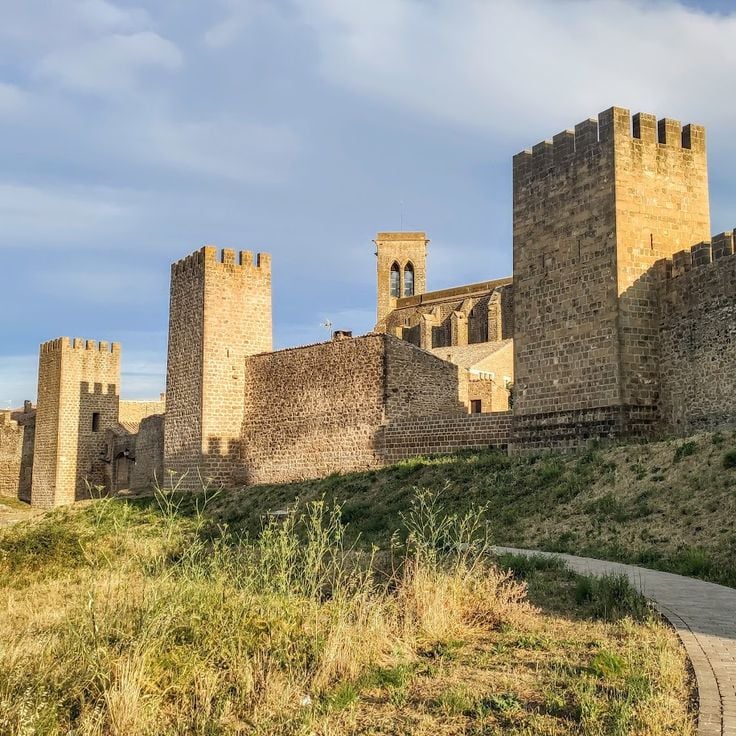
Artajona is a village in central Navarre surrounded by a distinctive circular fortified wall. At its center stands a church that has anchored the community for centuries. The village shows how people in the Middle Ages built and protected their settlements. The walls and church building reflect the strategic importance of this location in the region's past. Artajona sits at a key point between the Pyrenees mountains and the southern plains of Navarre.
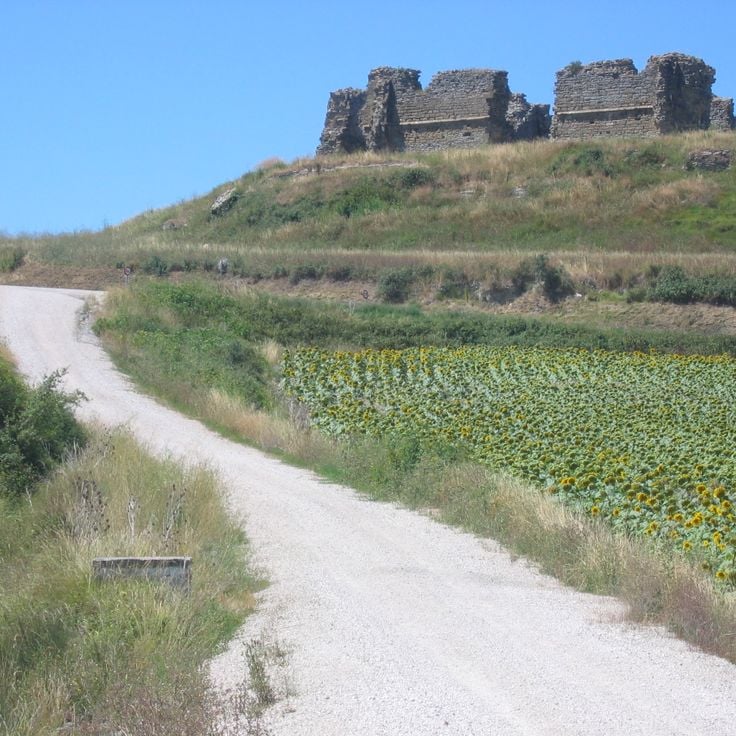
Castillo de Tiebas is a ruin of an old royal palace with towers and architectural remains. It stands in Navarre between mountains and flat lands, telling of a time when this area was an important center of power. The stone walls and towers still show how grand the structure once was. Visitors can read the history of the region in its walls and understand the role this palace played in the past.
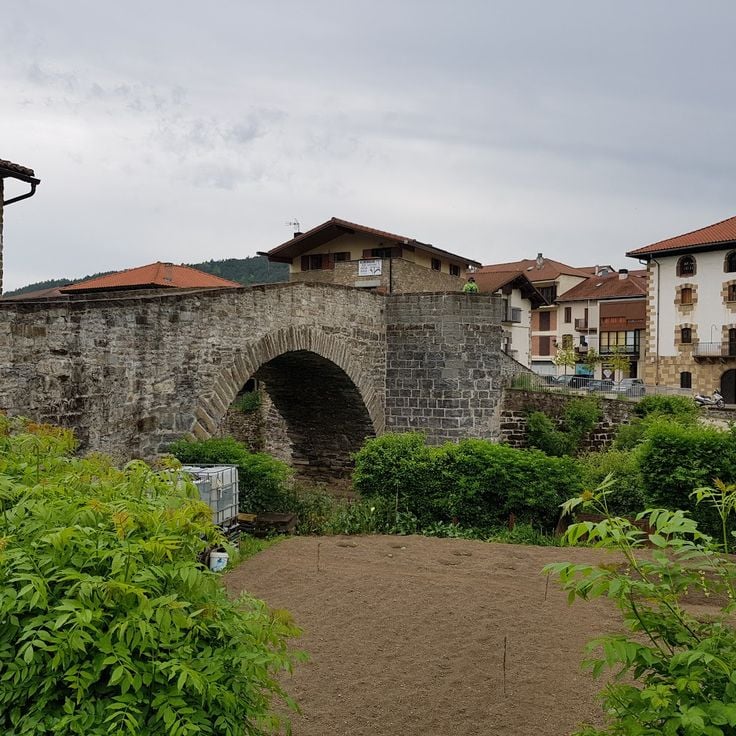
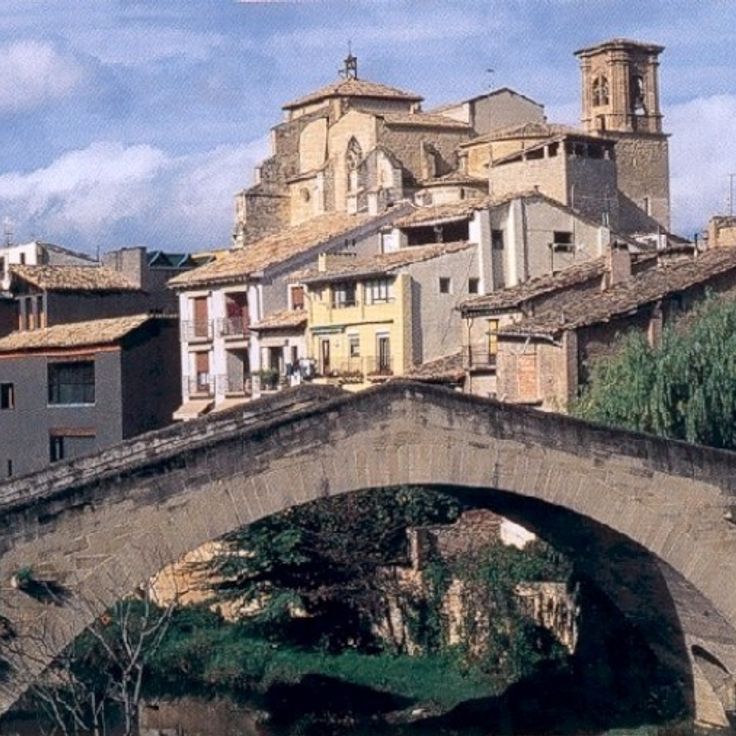
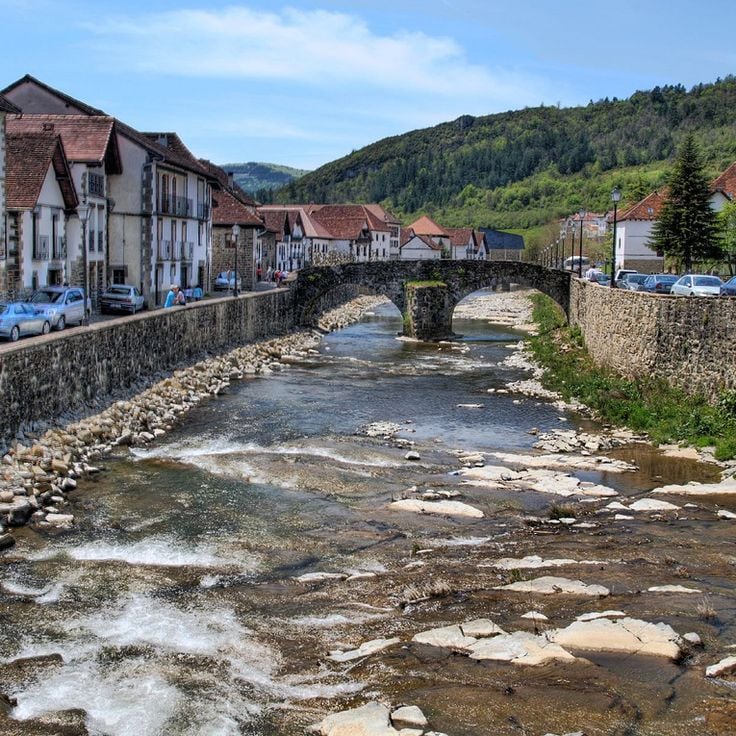
Zubiri is a stop along the Way of Saint James with a medieval bridge spanning a river. Located in the Pyrenees, this village connects mountain settlements with the medieval towns scattered throughout the region. The bridge serves as an important crossing point for pilgrims traveling through Navarre.
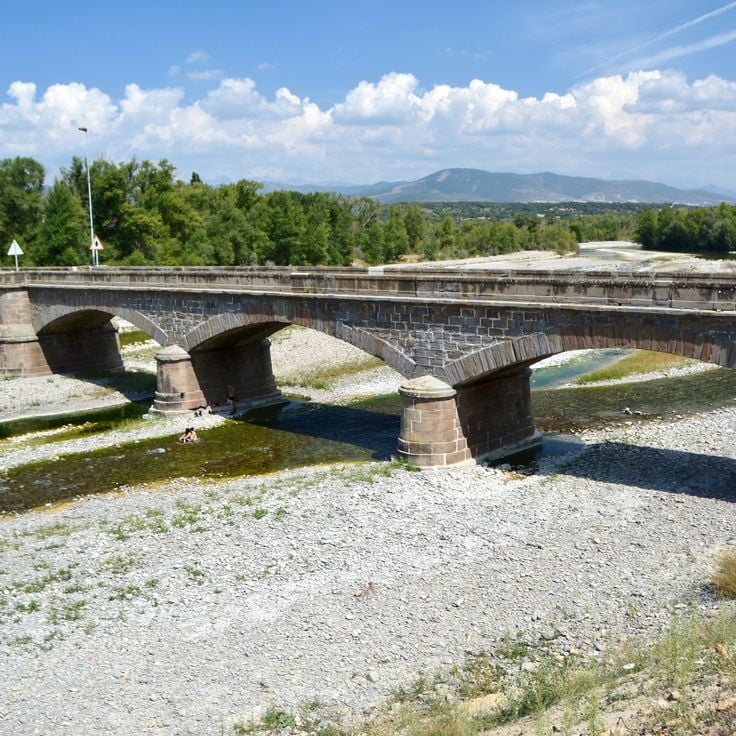
Puente la Reina is a bridge that has crossed the Arga river since the 11th century. It was built to help pilgrims traveling to Santiago de Compostela. The bridge has a gentle arch and reflects a time when this place was a key stopping point for travelers. The structure shows how people engineered river crossings and how the settlement developed around it. Today you can walk across the same route that thousands of pilgrims before you have taken.
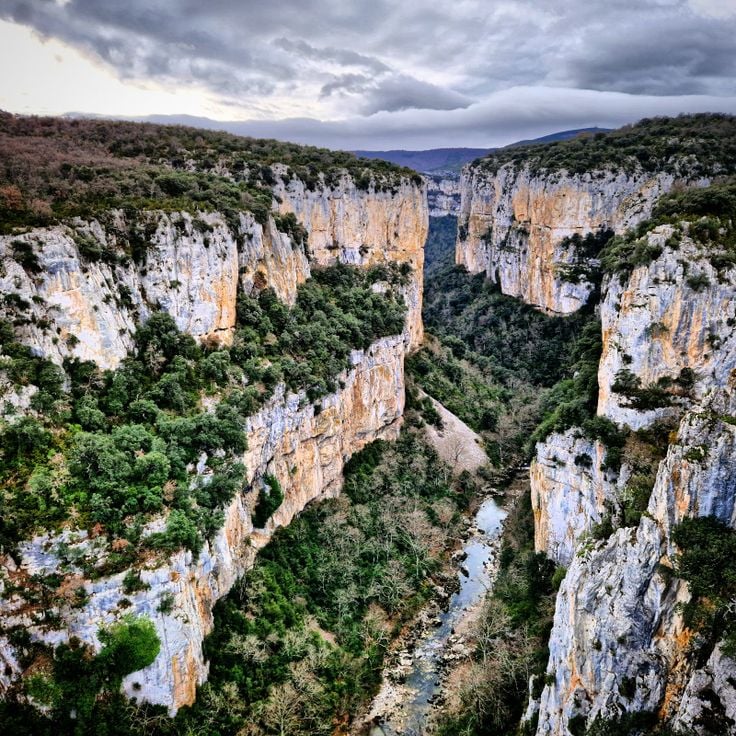
The Foz de Arbaiun is a canyon in Navarre with steep rock walls that rise dramatically on both sides. Several viewpoints along the route allow visitors to take in the landscape. The walk through the canyon passes rock formations shaped by water over time. This natural site is part of Navarre's varied geography, situated between the Pyrenees and the southern plains.
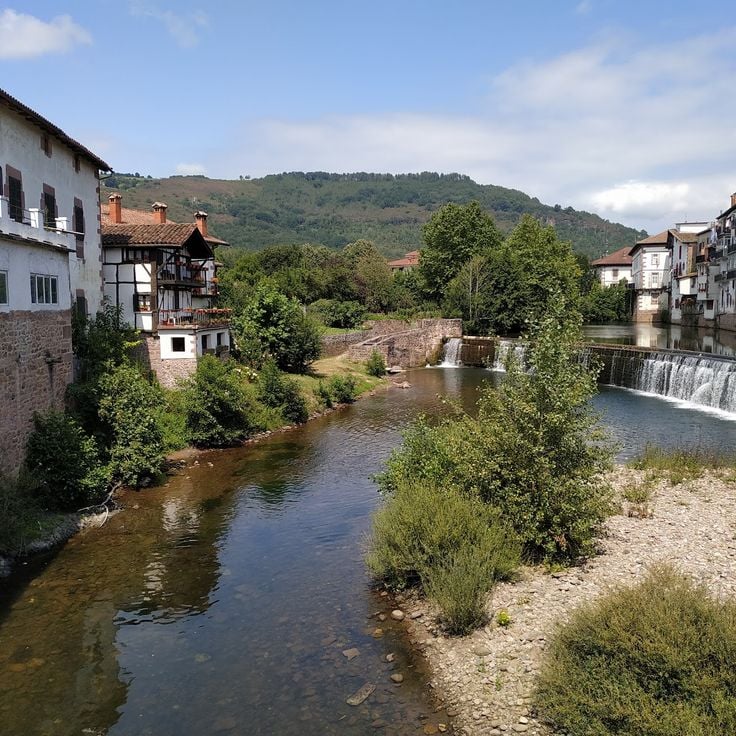
Estella Lizarra is a historic town center in Navarre that serves as an important stop on the Way of Saint James. The town displays Romanesque architecture throughout its old quarters and churches. The buildings and squares tell the story of its importance for pilgrims and merchants during the Middle Ages. Visitors can walk through old streets where daily life unfolded across centuries.
Viana is an old town in Navarre that lies on the Road to Santiago. The town has medieval architecture and buildings from different periods. You can find narrow streets, old churches, and squares shaped by history. The town was an important stop for pilgrims traveling to Santiago de Compostela. Today you can still see the old walls and the layout of the old town, which shows how people lived and worshipped here in the past.
Arguedas serves as the gateway to the Bardenas Reales, a mineral desert in southern Navarre sculpted by wind and time. The town offers an information center where visitors learn about this unique landscape before venturing into the arid terrain. From here, trails lead into sandy and rocky formations that look nothing like the green forests of the Pyrenees to the north. Arguedas demonstrates how varied Navarre truly is, connecting the region's natural diversity with its history.
Sendaviva is a nature park in the Bardenas Reales offering leisure and entertainment for families. The park blends natural landscapes with attractions and sits within Navarre's southern region, where desert-like terrain and wind-sculpted formations define the area. This place demonstrates how the Bardenas Reales is not only a harsh, mineral landscape but also a destination for relaxation and exploration for people of all ages.
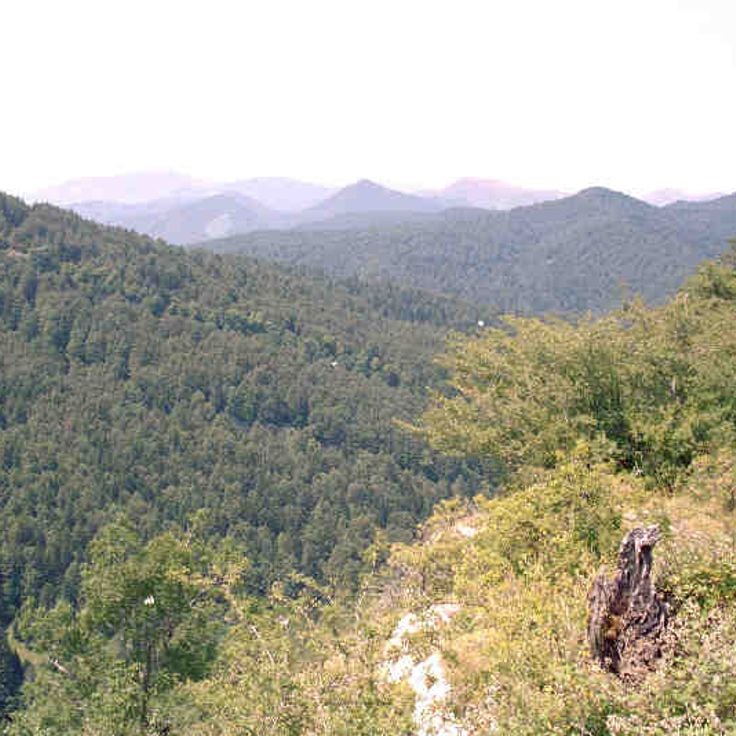
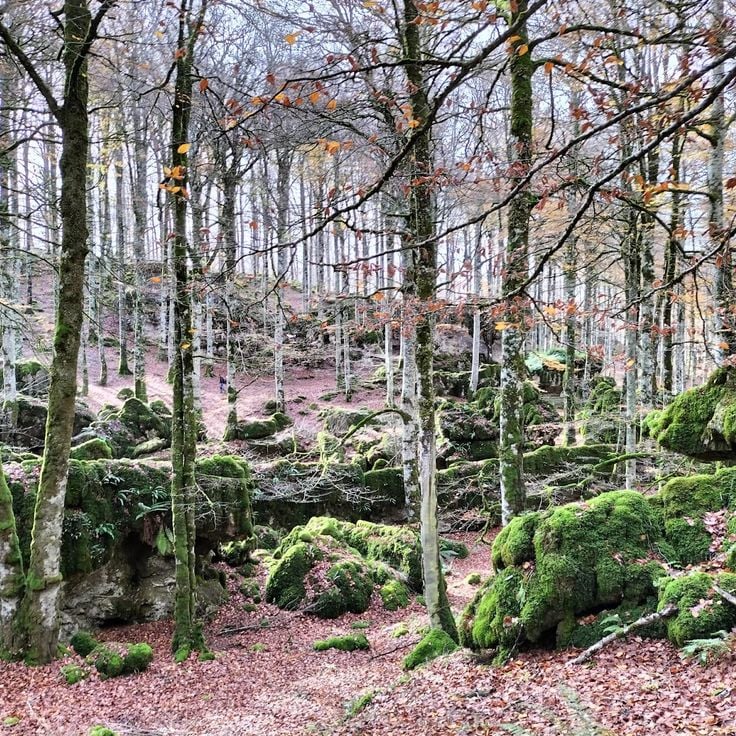
The Selva de Irati is a large forest complex in the Pyrenees of Navarre, spreading across wide expanses. This forest consists mainly of beech and spruce trees and offers numerous hiking trails through dense woodland. The trees change color with the seasons, and the forest feels particularly welcoming in autumn. Small streams flow through the valley, and you find old green mosses and ferns everywhere. This place is part of the Pyrenean landscape that shapes the northern border of Navarre.
Amaiur is a historical village in Navarre set in the Pyrenees. The village displays Basque heritage through its traditional architecture and mountain setting. From Amaiur, visitors can see views of the surrounding valleys and forests. The village sits along important walking routes and connects the history of this border region with the nature of the Pyrenees.
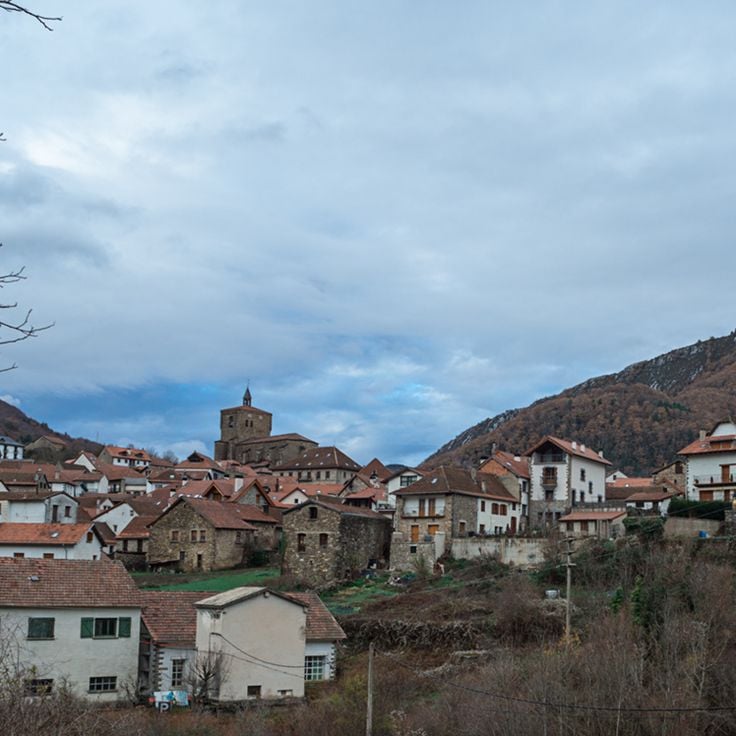
Ochagavia is a village nestled in the Pyrenees, surrounded by forests and meadows. The houses display typical Basque architecture with stone and wood details. The village sits at an important point on the Road to Santiago, serving many pilgrims as a stopping place. From here, numerous hiking trails lead into the surrounding valleys and mountains. Life here follows the rhythm of nature, with the changing seasons and the activities of local people.
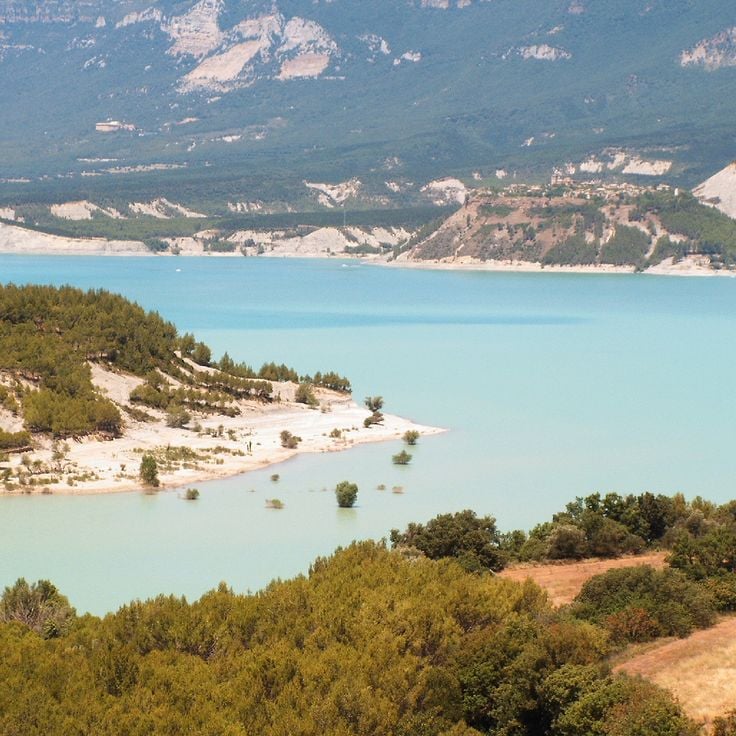
The Yesa reservoir is an artificial lake in the Pyrenees of Navarre, surrounded by mountain landscapes. The water provides views of the Leyre monastery, which sits on a height above the lake. This location shows how nature and religious heritage connect in the region. The reservoir is part of the collection of places that display Navarre's variety, between the green valleys of the mountains and the structures built by people over time.
Isaba is a mountain village in the Roncal Valley that serves as a base for hikers. The village sits in the Pyrenees and provides access to walking trails through forests and mountain paths. The houses show traditional architecture with stone and wood. The place attracts walkers who want to explore nature. Isaba is also a stop on the Way of St. James and reflects the history of Navarre's mountain communities.
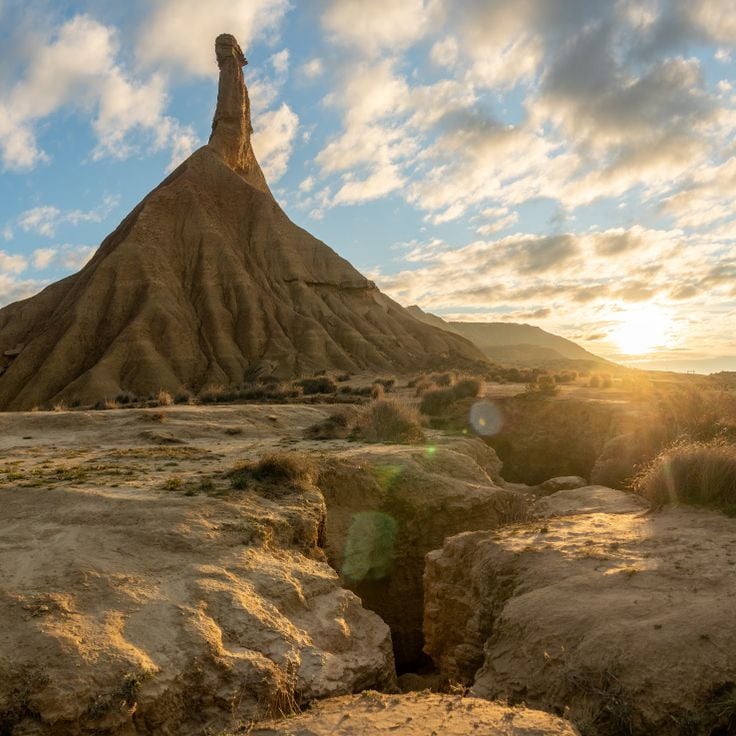
Castildetierra is a rock formation in the Bardenas Reales that stands out with its distinctive shape among the surrounding landscape. This stone structure developed over millions of years as wind and water gradually shaped the rock. The formation rises from the mineral desert of the Bardenas, where little vegetation grows and the land stretches open and wide. Visitors who hike through this otherworldly region encounter such natural sculptures that resemble ancient fortresses or castles.
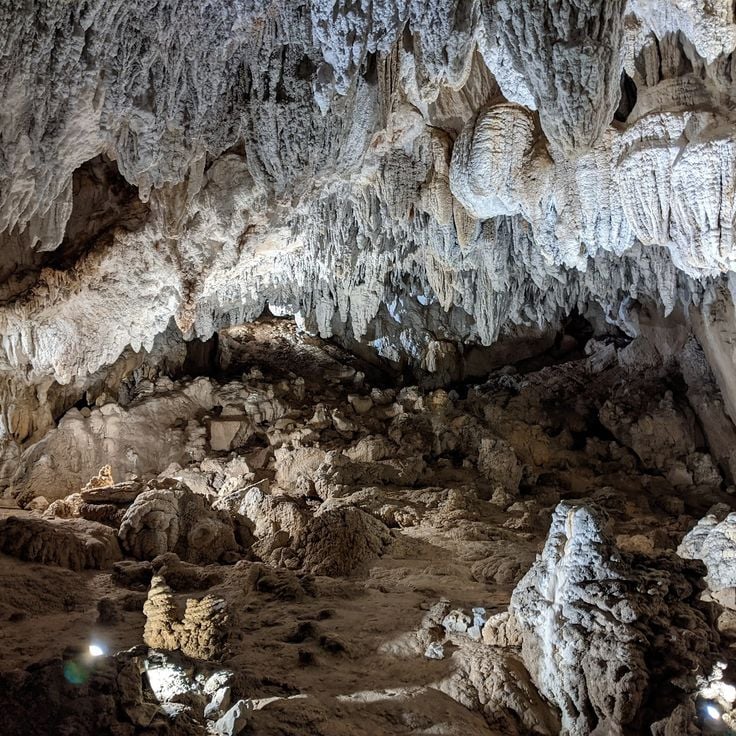
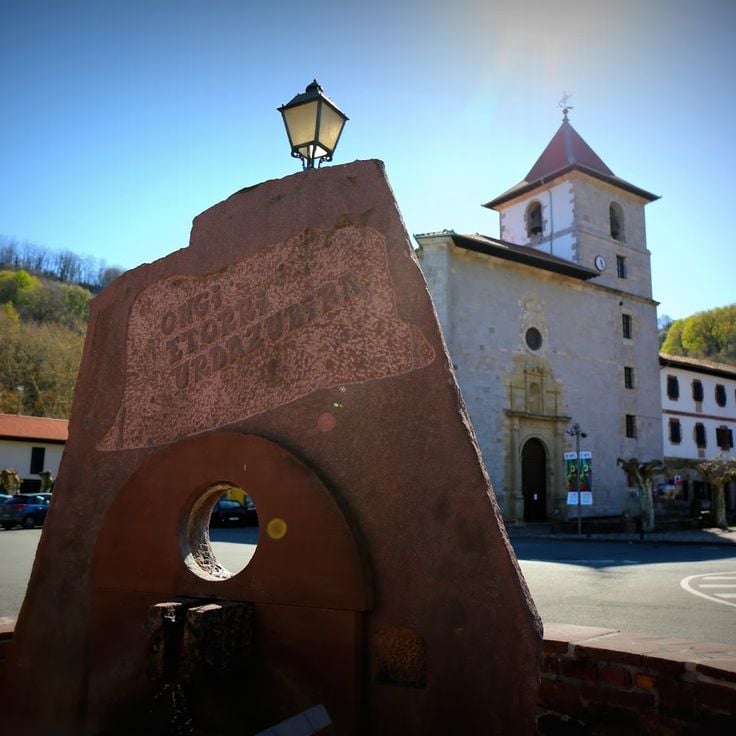
The caves at Urdax Urdazubi sit in a karst landscape that stretches between Spain and France. A historic mill building stands at the site and speaks to how people once used the water here. The caves themselves display stone formations created over time by natural processes. This place connects the geological history of the Pyrenees with human settlement and draws many walkers traveling the Saint James Way.
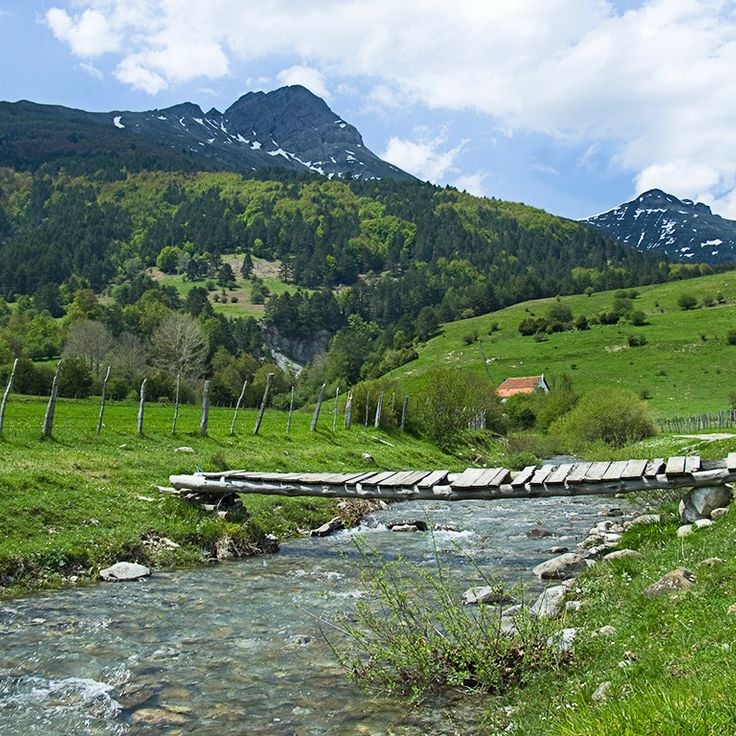
Roncal Valley is a mountain valley with steep peaks and green meadows. The villages here maintain old traditions and keep traditional crafts alive. The Ezera river runs through the valley creating small waterfalls along its path. The local people are known for their cheese making and shepherding heritage. The valley sits near the French border and is an important point along the pilgrimage route. The landscape changes with the seasons, showing different shades of green.
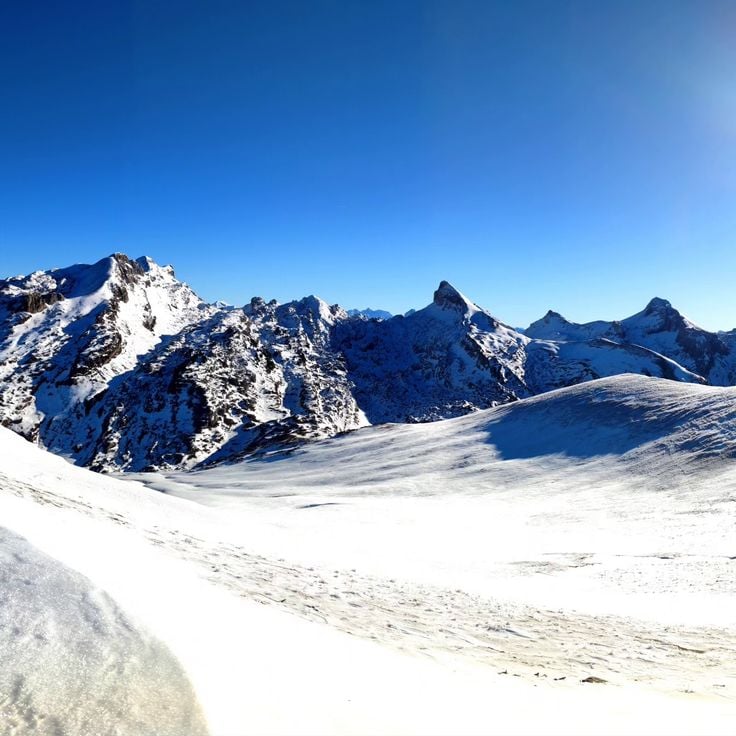
Larra Belagua is an area in the Pyrenees known for its open high-altitude landscapes. The location offers cross-country skiing in winter and hiking opportunities on mountain trails. The region features expansive terrain and mountain scenery that attracts visitors looking for outdoor activities in a natural setting.
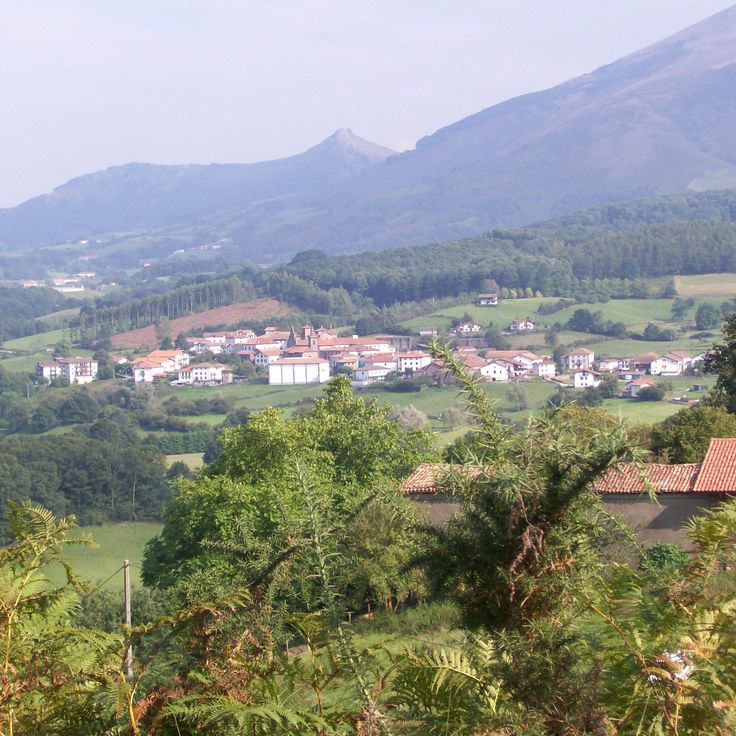
Valle de Baztan is a green valley in Navarre with hills and villages that preserve Basque traditions. It lies between the Pyrenees and the lowlands, showing how people have lived in this region for centuries. The villages have typical Basque houses with red tile roofs and wooden balconies. The valley is known for its natural beauty, its craft traditions, and how residents pass their culture through daily life. It is a place where you can understand what Navarre represents.
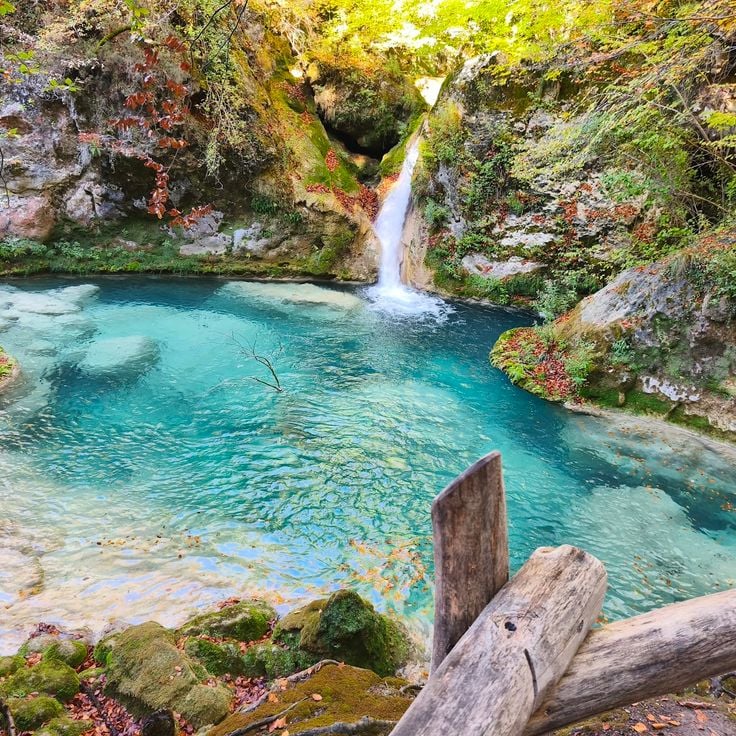
The Nacedero del Urederra is a natural spring with turquoise water in the Sierra d'Urbasa. It lies in a mountainous area of Navarre and is surrounded by forests and limestone cliffs. The site has established walking paths that run along the clear water, allowing visitors to explore the landscape. This spring represents one of the many natural treasures that Navarre offers between the Pyrenees and the southern regions.
Elizondo is the main town of the Baztan Valley and displays the traditional architecture of this Pyrenean region. The town serves as a supply center for the surrounding area and preserves the character of a typical Navarrese mountain village with its distinctive houses and streets. From here, visitors can explore the forests and meadows of the Pyrenees that define Navarra in the north.
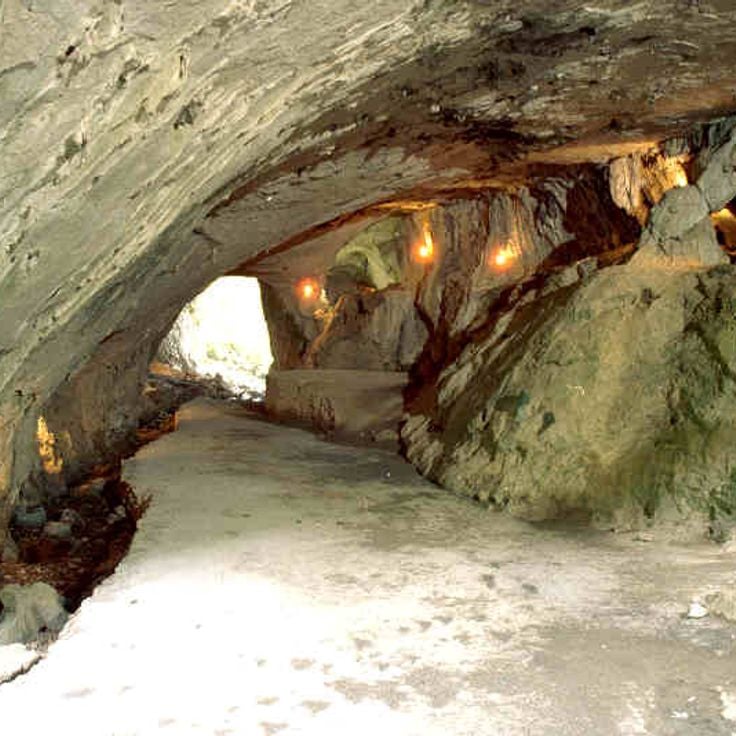
The Zugarramurdi Caves are a system of natural caverns in the Pyrenees that extend beneath the village of Zugarramurdi. These caves played an important role in local history and are connected to legends of witchcraft that have been told in this region for centuries. The cave system consists of several underground chambers with natural stone and water formations. Today the caves are open to visitors and reveal both the geological history of the area and its cultural significance to the Basque people.
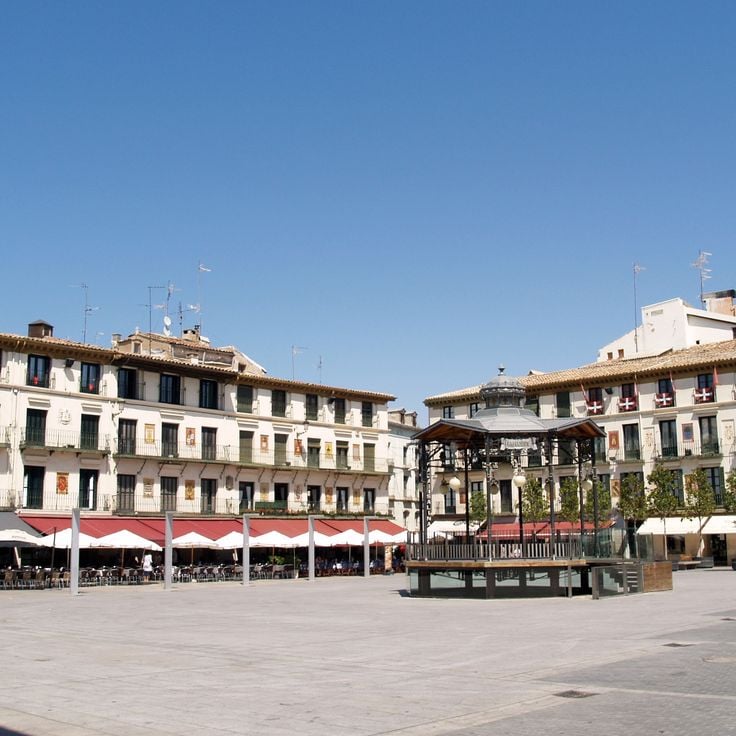
The Plaza de los Fueros is the central square of Tudela and features the arcades and architecture typical of the old city. Historically, this was where markets took place and people gathered for public events. Today visitors can walk under the arches and see the facades that reflect Tudela's medieval past. The square remains an important meeting point in the city and shows how traditional Spanish squares functioned.
The Monasterio de Urdax is a Benedictine monastery located in a distinctive setting within the Pyrenees. The monastery has developed over centuries in this valley, surrounded by caves and natural rock formations. The buildings reflect different architectural styles accumulated through various periods. The monastery's garden has been shaped by its unusual location near the caves. This site represents the type of sacred spaces that helped define Navarre's spiritual and cultural landscape.
Sierra de Urbasa Andia is a limestone plateau in Navarre with dense forests and hiking trails that wind through the mountains. The area sits between the green Pyrenees to the north and the arid Bardenas Reales to the south, connecting two very different landscapes. This plateau shows what makes Navarre so varied, with mountains, woodlands, and open spaces. Walkers have used these trails for generations to explore the region on foot.
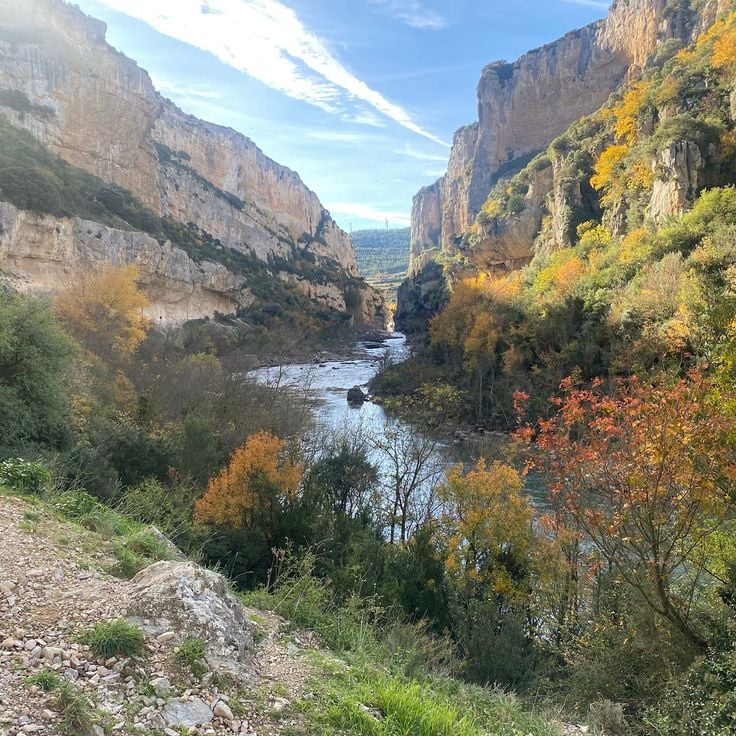
The Foz de Lumbier is a natural gorge near Lumbier that is easily accessible and very popular with visitors. A path runs directly through the canyon, allowing you to experience the high rock walls and river landscape up close. The gorge lies in an area shaped by nature and history, between the green Pyrenees to the north and the mineral Bardenas Reales to the south. It exemplifies the natural attractions that Navarre offers to travelers.
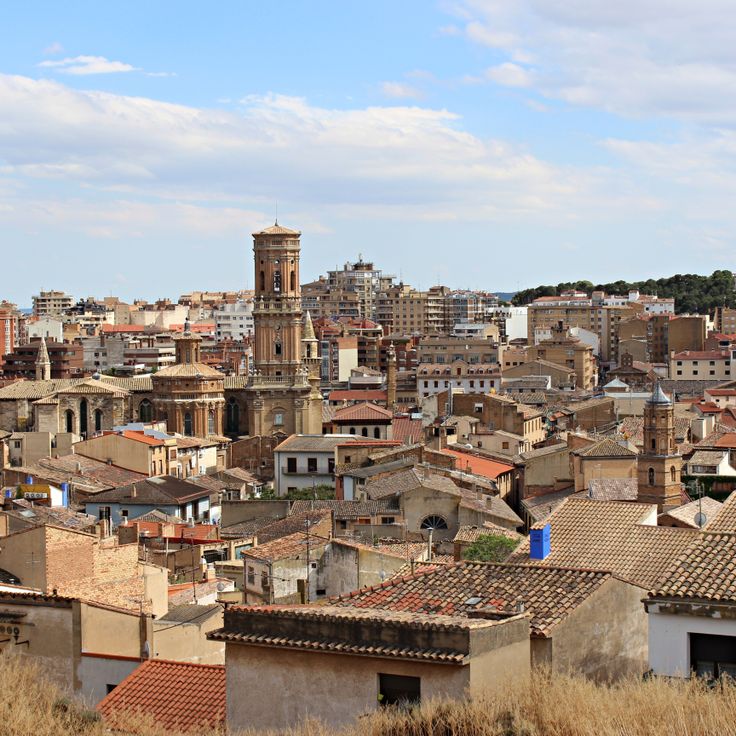
Tudela is a city in southern Navarre with a medieval old town and a gothic cathedral that defines the character of the place. The old quarter contains narrow streets and historic buildings that show how people lived here across the centuries. Tudela sits on an important stretch of the Road to Santiago, and was long a meeting point of different cultures. Walking through the city, you find churches from various periods and squares that carry their own stories. The proximity to the Ebro River and to the southern landscape of the Bardenas shapes the feeling of this place.
The Parque Natural Senorio de Bertiz sits in a Basque valley where a historic garden meets the forest surrounding it. Walking through this space, you find paths that wind between old trees and planted gardens, where different areas show how people have shaped the land over time. The park offers quiet places to walk and explore, from the manicured sections near the buildings to wilder woodland beyond. It represents the mix of human care and natural landscape that characterizes much of Navarre.
Ujue is a village built on high ground that overlooks the surrounding landscape of Navarre. The Gothic church stands at the heart of the settlement and reflects the religious importance this place has held for centuries. From its position, views extend across the valleys and fields below. Ujue sits along the path of the Camino de Santiago, linking the Pyrenean foothills to the plains beyond.
The old town of Pamplona is the historical heart of the city, shaped by medieval streets and characteristic squares. Walking through this area, you encounter narrow lanes that open onto plazas where people gather and spend time together. The cathedral stands here, and the city's ancient walls still surround this core today. Every corner shows traces of the past, from the building styles to the way the streets are laid out. The Camino de Santiago passes through these old lanes, connecting pilgrims to centuries of spiritual history.
The Plaza del Castillo is the main square of Pamplona and serves as the political and social heart of the city. Locals and visitors gather here to stroll, sit, and watch daily life unfold. The buildings surrounding the square display architectural styles from different periods. Restaurants and cafes line the square, offering views of the bustling city center. The square sits within the old city and connects different neighborhoods together.
The historic heart of Olite features narrow streets and medieval buildings that show how the town looked in the Middle Ages. Stone walls and wooden beams line the houses along the streets. You find traces of different periods in the buildings and squares. This location is part of a collection of places across Navarre that tell the story of the region's history and geography.
The Cathedral of Santa Maria la Real stands at the heart of Pamplona with its soaring Gothic towers. Built in the 14th century, it reflects the architectural style of its time through pointed arches and ribbed vaults. Inside, you find chapels, altars, and artworks that span different periods. The cathedral has long served as the spiritual center of the city. It connects to the broader story of Navarre and marks an important point along the Way of Saint James that crosses the region.
The Pamplona Citadel is a five-sided fortress built in the 16th century that still dominates the city landscape. It was constructed as a military stronghold to protect and control the region. Visitors can walk along the ramparts, climb the bastions, and enjoy views of Pamplona from above. Inside, green spaces and pathways make for pleasant walks among the defensive structures. The fortress shows the military architecture of its era, with five corners designed to defend every approach. It was an important landmark on the Way of Saint James and remains central to understanding Pamplona's past.
The Parque de la Taconera is a historic garden in Pamplona with old trees, walking paths and monuments. Located near the old town and city walls of Pamplona, this park offers residents and visitors a place to stroll and rest. The grounds show how the medieval city connected with its green spaces.
The Museo de Navarra in Pamplona presents the history and heritage of the Navarre region. It houses works by local artists, archaeological findings from different periods, and objects documenting life in the region from prehistory to the present day. The museum helps visitors understand the development of Navarre and its diverse cultures. The collections include paintings, sculptures, and traditional crafts that reveal the local identity and way of life.
The Royal Palace of Olite is a medieval castle from the 15th century with tall towers and strong walls that have survived through time. This palace shows how the kings of Navarre lived and ruled their kingdom. Inside and around the walls, you can still see the rooms and structures that reveal the power and wealth of that era. The palace stands in the town of Olite and is one of the most important buildings in the Navarre region.
The Royal Collegiate Church of Roncevaux sits at a key point on the Way of Saint James in the Pyrenees. This historic sanctuary welcomes pilgrims arriving over the mountains and marks the start or end of their journey through Navarre. The church and its buildings stand in a landscape of forests and mountain meadows. They serve as an important stop on the route, where pilgrims have rested and prayed for centuries.
Javier Castle is a fortress built in the 12th century, sitting on a hill in Navarre. This castle was a center of power in the region and played an important role in the area's history. The walls and towers show how people lived and defended themselves in medieval times. Today visitors can explore the castle and walk through its rooms and courtyards. It stands as a physical reminder of Navarre's past and the life of those who lived within its walls.
The walls of Pamplona were built in the 16th and 17th centuries and surround the city with their bastions. Walking along these fortifications reveals the history of medieval defense architecture and offers views across the city and surrounding landscape. These walls form a core part of Pamplona's historical structure and connect the past with the city's life today.
The Monasterio de Leyre is an ancient Benedictine monastery near Yesa, set in the hills of Navarre. The church combines Romanesque and Gothic architectural styles. A notable crypt with thick columns dates from the monastery's earliest periods. The location near the Yesa reservoir shapes the surrounding landscape. The monastery served as an important place of faith in the region for centuries.
The Bardenas Reales Natural Park shows another side of Navarre. Here you will find a landscape of dry grasslands and bare hills, where wind has carved red rocks into unusual shapes. Vegetation is sparse, but those who look closely discover animals and plants adapted to this harsh terrain. The park feels like another world, just a few kilometers from the green mountain region to the north.
Sangüesa is a medieval town with the notable church of Santa Maria la Real. The town center preserves features from different periods and shows how settlements in this region developed. The town sits at an important point along the Way of Saint James and was a significant center for pilgrims and merchants. Walking through the old streets, you can still see the structure of the medieval town today.
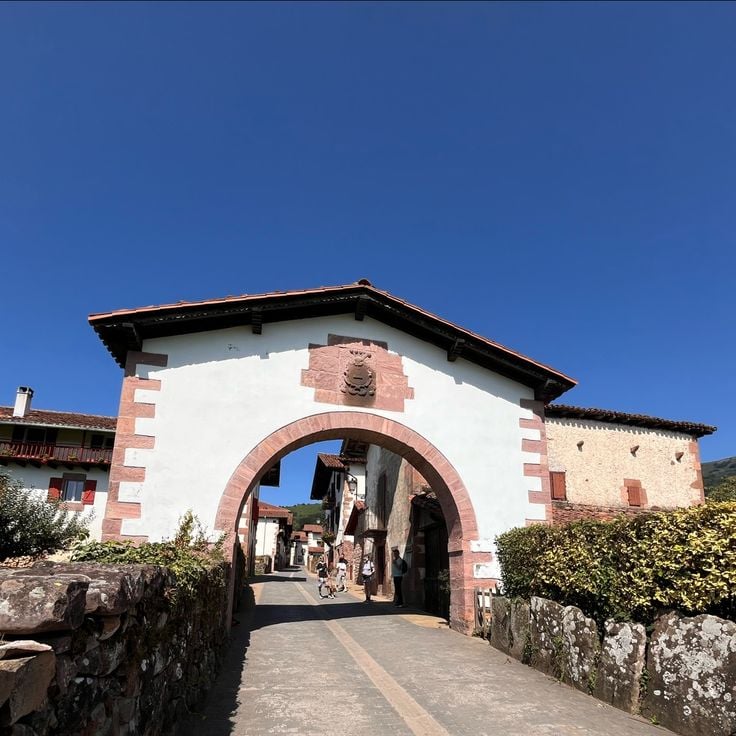
Artajona is a village in central Navarre surrounded by a distinctive circular fortified wall. At its center stands a church that has anchored the community for centuries. The village shows how people in the Middle Ages built and protected their settlements. The walls and church building reflect the strategic importance of this location in the region's past. Artajona sits at a key point between the Pyrenees mountains and the southern plains of Navarre.
Castillo de Tiebas is a ruin of an old royal palace with towers and architectural remains. It stands in Navarre between mountains and flat lands, telling of a time when this area was an important center of power. The stone walls and towers still show how grand the structure once was. Visitors can read the history of the region in its walls and understand the role this palace played in the past.
Zubiri is a stop along the Way of Saint James with a medieval bridge spanning a river. Located in the Pyrenees, this village connects mountain settlements with the medieval towns scattered throughout the region. The bridge serves as an important crossing point for pilgrims traveling through Navarre.
Puente la Reina is a bridge that has crossed the Arga river since the 11th century. It was built to help pilgrims traveling to Santiago de Compostela. The bridge has a gentle arch and reflects a time when this place was a key stopping point for travelers. The structure shows how people engineered river crossings and how the settlement developed around it. Today you can walk across the same route that thousands of pilgrims before you have taken.
The Foz de Arbaiun is a canyon in Navarre with steep rock walls that rise dramatically on both sides. Several viewpoints along the route allow visitors to take in the landscape. The walk through the canyon passes rock formations shaped by water over time. This natural site is part of Navarre's varied geography, situated between the Pyrenees and the southern plains.
Estella Lizarra is a historic town center in Navarre that serves as an important stop on the Way of Saint James. The town displays Romanesque architecture throughout its old quarters and churches. The buildings and squares tell the story of its importance for pilgrims and merchants during the Middle Ages. Visitors can walk through old streets where daily life unfolded across centuries.
Viana is an old town in Navarre that lies on the Road to Santiago. The town has medieval architecture and buildings from different periods. You can find narrow streets, old churches, and squares shaped by history. The town was an important stop for pilgrims traveling to Santiago de Compostela. Today you can still see the old walls and the layout of the old town, which shows how people lived and worshipped here in the past.
Arguedas serves as the gateway to the Bardenas Reales, a mineral desert in southern Navarre sculpted by wind and time. The town offers an information center where visitors learn about this unique landscape before venturing into the arid terrain. From here, trails lead into sandy and rocky formations that look nothing like the green forests of the Pyrenees to the north. Arguedas demonstrates how varied Navarre truly is, connecting the region's natural diversity with its history.
Sendaviva is a nature park in the Bardenas Reales offering leisure and entertainment for families. The park blends natural landscapes with attractions and sits within Navarre's southern region, where desert-like terrain and wind-sculpted formations define the area. This place demonstrates how the Bardenas Reales is not only a harsh, mineral landscape but also a destination for relaxation and exploration for people of all ages.
The Selva de Irati is a large forest complex in the Pyrenees of Navarre, spreading across wide expanses. This forest consists mainly of beech and spruce trees and offers numerous hiking trails through dense woodland. The trees change color with the seasons, and the forest feels particularly welcoming in autumn. Small streams flow through the valley, and you find old green mosses and ferns everywhere. This place is part of the Pyrenean landscape that shapes the northern border of Navarre.
Amaiur is a historical village in Navarre set in the Pyrenees. The village displays Basque heritage through its traditional architecture and mountain setting. From Amaiur, visitors can see views of the surrounding valleys and forests. The village sits along important walking routes and connects the history of this border region with the nature of the Pyrenees.
Ochagavia is a village nestled in the Pyrenees, surrounded by forests and meadows. The houses display typical Basque architecture with stone and wood details. The village sits at an important point on the Road to Santiago, serving many pilgrims as a stopping place. From here, numerous hiking trails lead into the surrounding valleys and mountains. Life here follows the rhythm of nature, with the changing seasons and the activities of local people.
The Yesa reservoir is an artificial lake in the Pyrenees of Navarre, surrounded by mountain landscapes. The water provides views of the Leyre monastery, which sits on a height above the lake. This location shows how nature and religious heritage connect in the region. The reservoir is part of the collection of places that display Navarre's variety, between the green valleys of the mountains and the structures built by people over time.
Isaba is a mountain village in the Roncal Valley that serves as a base for hikers. The village sits in the Pyrenees and provides access to walking trails through forests and mountain paths. The houses show traditional architecture with stone and wood. The place attracts walkers who want to explore nature. Isaba is also a stop on the Way of St. James and reflects the history of Navarre's mountain communities.
Castildetierra is a rock formation in the Bardenas Reales that stands out with its distinctive shape among the surrounding landscape. This stone structure developed over millions of years as wind and water gradually shaped the rock. The formation rises from the mineral desert of the Bardenas, where little vegetation grows and the land stretches open and wide. Visitors who hike through this otherworldly region encounter such natural sculptures that resemble ancient fortresses or castles.
The caves at Urdax Urdazubi sit in a karst landscape that stretches between Spain and France. A historic mill building stands at the site and speaks to how people once used the water here. The caves themselves display stone formations created over time by natural processes. This place connects the geological history of the Pyrenees with human settlement and draws many walkers traveling the Saint James Way.
Roncal Valley is a mountain valley with steep peaks and green meadows. The villages here maintain old traditions and keep traditional crafts alive. The Ezera river runs through the valley creating small waterfalls along its path. The local people are known for their cheese making and shepherding heritage. The valley sits near the French border and is an important point along the pilgrimage route. The landscape changes with the seasons, showing different shades of green.
Larra Belagua is an area in the Pyrenees known for its open high-altitude landscapes. The location offers cross-country skiing in winter and hiking opportunities on mountain trails. The region features expansive terrain and mountain scenery that attracts visitors looking for outdoor activities in a natural setting.
Valle de Baztan is a green valley in Navarre with hills and villages that preserve Basque traditions. It lies between the Pyrenees and the lowlands, showing how people have lived in this region for centuries. The villages have typical Basque houses with red tile roofs and wooden balconies. The valley is known for its natural beauty, its craft traditions, and how residents pass their culture through daily life. It is a place where you can understand what Navarre represents.
The Nacedero del Urederra is a natural spring with turquoise water in the Sierra d'Urbasa. It lies in a mountainous area of Navarre and is surrounded by forests and limestone cliffs. The site has established walking paths that run along the clear water, allowing visitors to explore the landscape. This spring represents one of the many natural treasures that Navarre offers between the Pyrenees and the southern regions.
Elizondo is the main town of the Baztan Valley and displays the traditional architecture of this Pyrenean region. The town serves as a supply center for the surrounding area and preserves the character of a typical Navarrese mountain village with its distinctive houses and streets. From here, visitors can explore the forests and meadows of the Pyrenees that define Navarra in the north.
The Zugarramurdi Caves are a system of natural caverns in the Pyrenees that extend beneath the village of Zugarramurdi. These caves played an important role in local history and are connected to legends of witchcraft that have been told in this region for centuries. The cave system consists of several underground chambers with natural stone and water formations. Today the caves are open to visitors and reveal both the geological history of the area and its cultural significance to the Basque people.
The Plaza de los Fueros is the central square of Tudela and features the arcades and architecture typical of the old city. Historically, this was where markets took place and people gathered for public events. Today visitors can walk under the arches and see the facades that reflect Tudela's medieval past. The square remains an important meeting point in the city and shows how traditional Spanish squares functioned.
The Monasterio de Urdax is a Benedictine monastery located in a distinctive setting within the Pyrenees. The monastery has developed over centuries in this valley, surrounded by caves and natural rock formations. The buildings reflect different architectural styles accumulated through various periods. The monastery's garden has been shaped by its unusual location near the caves. This site represents the type of sacred spaces that helped define Navarre's spiritual and cultural landscape.
Sierra de Urbasa Andia is a limestone plateau in Navarre with dense forests and hiking trails that wind through the mountains. The area sits between the green Pyrenees to the north and the arid Bardenas Reales to the south, connecting two very different landscapes. This plateau shows what makes Navarre so varied, with mountains, woodlands, and open spaces. Walkers have used these trails for generations to explore the region on foot.
The Foz de Lumbier is a natural gorge near Lumbier that is easily accessible and very popular with visitors. A path runs directly through the canyon, allowing you to experience the high rock walls and river landscape up close. The gorge lies in an area shaped by nature and history, between the green Pyrenees to the north and the mineral Bardenas Reales to the south. It exemplifies the natural attractions that Navarre offers to travelers.
Tudela is a city in southern Navarre with a medieval old town and a gothic cathedral that defines the character of the place. The old quarter contains narrow streets and historic buildings that show how people lived here across the centuries. Tudela sits on an important stretch of the Road to Santiago, and was long a meeting point of different cultures. Walking through the city, you find churches from various periods and squares that carry their own stories. The proximity to the Ebro River and to the southern landscape of the Bardenas shapes the feeling of this place.
The Parque Natural Senorio de Bertiz sits in a Basque valley where a historic garden meets the forest surrounding it. Walking through this space, you find paths that wind between old trees and planted gardens, where different areas show how people have shaped the land over time. The park offers quiet places to walk and explore, from the manicured sections near the buildings to wilder woodland beyond. It represents the mix of human care and natural landscape that characterizes much of Navarre.
Ujue is a village built on high ground that overlooks the surrounding landscape of Navarre. The Gothic church stands at the heart of the settlement and reflects the religious importance this place has held for centuries. From its position, views extend across the valleys and fields below. Ujue sits along the path of the Camino de Santiago, linking the Pyrenean foothills to the plains beyond.
The old town of Pamplona is the historical heart of the city, shaped by medieval streets and characteristic squares. Walking through this area, you encounter narrow lanes that open onto plazas where people gather and spend time together. The cathedral stands here, and the city's ancient walls still surround this core today. Every corner shows traces of the past, from the building styles to the way the streets are laid out. The Camino de Santiago passes through these old lanes, connecting pilgrims to centuries of spiritual history.
The Plaza del Castillo is the main square of Pamplona and serves as the political and social heart of the city. Locals and visitors gather here to stroll, sit, and watch daily life unfold. The buildings surrounding the square display architectural styles from different periods. Restaurants and cafes line the square, offering views of the bustling city center. The square sits within the old city and connects different neighborhoods together.
The historic heart of Olite features narrow streets and medieval buildings that show how the town looked in the Middle Ages. Stone walls and wooden beams line the houses along the streets. You find traces of different periods in the buildings and squares. This location is part of a collection of places across Navarre that tell the story of the region's history and geography.
The Cathedral of Santa Maria la Real stands at the heart of Pamplona with its soaring Gothic towers. Built in the 14th century, it reflects the architectural style of its time through pointed arches and ribbed vaults. Inside, you find chapels, altars, and artworks that span different periods. The cathedral has long served as the spiritual center of the city. It connects to the broader story of Navarre and marks an important point along the Way of Saint James that crosses the region.
The Pamplona Citadel is a five-sided fortress built in the 16th century that still dominates the city landscape. It was constructed as a military stronghold to protect and control the region. Visitors can walk along the ramparts, climb the bastions, and enjoy views of Pamplona from above. Inside, green spaces and pathways make for pleasant walks among the defensive structures. The fortress shows the military architecture of its era, with five corners designed to defend every approach. It was an important landmark on the Way of Saint James and remains central to understanding Pamplona's past.
The Parque de la Taconera is a historic garden in Pamplona with old trees, walking paths and monuments. Located near the old town and city walls of Pamplona, this park offers residents and visitors a place to stroll and rest. The grounds show how the medieval city connected with its green spaces.
The Museo de Navarra in Pamplona presents the history and heritage of the Navarre region. It houses works by local artists, archaeological findings from different periods, and objects documenting life in the region from prehistory to the present day. The museum helps visitors understand the development of Navarre and its diverse cultures. The collections include paintings, sculptures, and traditional crafts that reveal the local identity and way of life.
The Royal Palace of Olite is a medieval castle from the 15th century with tall towers and strong walls that have survived through time. This palace shows how the kings of Navarre lived and ruled their kingdom. Inside and around the walls, you can still see the rooms and structures that reveal the power and wealth of that era. The palace stands in the town of Olite and is one of the most important buildings in the Navarre region.
The Royal Collegiate Church of Roncevaux sits at a key point on the Way of Saint James in the Pyrenees. This historic sanctuary welcomes pilgrims arriving over the mountains and marks the start or end of their journey through Navarre. The church and its buildings stand in a landscape of forests and mountain meadows. They serve as an important stop on the route, where pilgrims have rested and prayed for centuries.
Javier Castle is a fortress built in the 12th century, sitting on a hill in Navarre. This castle was a center of power in the region and played an important role in the area's history. The walls and towers show how people lived and defended themselves in medieval times. Today visitors can explore the castle and walk through its rooms and courtyards. It stands as a physical reminder of Navarre's past and the life of those who lived within its walls.
The walls of Pamplona were built in the 16th and 17th centuries and surround the city with their bastions. Walking along these fortifications reveals the history of medieval defense architecture and offers views across the city and surrounding landscape. These walls form a core part of Pamplona's historical structure and connect the past with the city's life today.
The Monasterio de Leyre is an ancient Benedictine monastery near Yesa, set in the hills of Navarre. The church combines Romanesque and Gothic architectural styles. A notable crypt with thick columns dates from the monastery's earliest periods. The location near the Yesa reservoir shapes the surrounding landscape. The monastery served as an important place of faith in the region for centuries.
The Bardenas Reales Natural Park shows another side of Navarre. Here you will find a landscape of dry grasslands and bare hills, where wind has carved red rocks into unusual shapes. Vegetation is sparse, but those who look closely discover animals and plants adapted to this harsh terrain. The park feels like another world, just a few kilometers from the green mountain region to the north.
Sangüesa is a medieval town with the notable church of Santa Maria la Real. The town center preserves features from different periods and shows how settlements in this region developed. The town sits at an important point along the Way of Saint James and was a significant center for pilgrims and merchants. Walking through the old streets, you can still see the structure of the medieval town today.
Artajona is a village in central Navarre surrounded by a distinctive circular fortified wall. At its center stands a church that has anchored the community for centuries. The village shows how people in the Middle Ages built and protected their settlements. The walls and church building reflect the strategic importance of this location in the region's past. Artajona sits at a key point between the Pyrenees mountains and the southern plains of Navarre.
Castillo de Tiebas is a ruin of an old royal palace with towers and architectural remains. It stands in Navarre between mountains and flat lands, telling of a time when this area was an important center of power. The stone walls and towers still show how grand the structure once was. Visitors can read the history of the region in its walls and understand the role this palace played in the past.
Zubiri is a stop along the Way of Saint James with a medieval bridge spanning a river. Located in the Pyrenees, this village connects mountain settlements with the medieval towns scattered throughout the region. The bridge serves as an important crossing point for pilgrims traveling through Navarre.
Puente la Reina is a bridge that has crossed the Arga river since the 11th century. It was built to help pilgrims traveling to Santiago de Compostela. The bridge has a gentle arch and reflects a time when this place was a key stopping point for travelers. The structure shows how people engineered river crossings and how the settlement developed around it. Today you can walk across the same route that thousands of pilgrims before you have taken.
The Foz de Arbaiun is a canyon in Navarre with steep rock walls that rise dramatically on both sides. Several viewpoints along the route allow visitors to take in the landscape. The walk through the canyon passes rock formations shaped by water over time. This natural site is part of Navarre's varied geography, situated between the Pyrenees and the southern plains.
Estella Lizarra is a historic town center in Navarre that serves as an important stop on the Way of Saint James. The town displays Romanesque architecture throughout its old quarters and churches. The buildings and squares tell the story of its importance for pilgrims and merchants during the Middle Ages. Visitors can walk through old streets where daily life unfolded across centuries.
Viana is an old town in Navarre that lies on the Road to Santiago. The town has medieval architecture and buildings from different periods. You can find narrow streets, old churches, and squares shaped by history. The town was an important stop for pilgrims traveling to Santiago de Compostela. Today you can still see the old walls and the layout of the old town, which shows how people lived and worshipped here in the past.
Arguedas serves as the gateway to the Bardenas Reales, a mineral desert in southern Navarre sculpted by wind and time. The town offers an information center where visitors learn about this unique landscape before venturing into the arid terrain. From here, trails lead into sandy and rocky formations that look nothing like the green forests of the Pyrenees to the north. Arguedas demonstrates how varied Navarre truly is, connecting the region's natural diversity with its history.
Sendaviva is a nature park in the Bardenas Reales offering leisure and entertainment for families. The park blends natural landscapes with attractions and sits within Navarre's southern region, where desert-like terrain and wind-sculpted formations define the area. This place demonstrates how the Bardenas Reales is not only a harsh, mineral landscape but also a destination for relaxation and exploration for people of all ages.
The Selva de Irati is a large forest complex in the Pyrenees of Navarre, spreading across wide expanses. This forest consists mainly of beech and spruce trees and offers numerous hiking trails through dense woodland. The trees change color with the seasons, and the forest feels particularly welcoming in autumn. Small streams flow through the valley, and you find old green mosses and ferns everywhere. This place is part of the Pyrenean landscape that shapes the northern border of Navarre.
Amaiur is a historical village in Navarre set in the Pyrenees. The village displays Basque heritage through its traditional architecture and mountain setting. From Amaiur, visitors can see views of the surrounding valleys and forests. The village sits along important walking routes and connects the history of this border region with the nature of the Pyrenees.
Ochagavia is a village nestled in the Pyrenees, surrounded by forests and meadows. The houses display typical Basque architecture with stone and wood details. The village sits at an important point on the Road to Santiago, serving many pilgrims as a stopping place. From here, numerous hiking trails lead into the surrounding valleys and mountains. Life here follows the rhythm of nature, with the changing seasons and the activities of local people.
The Yesa reservoir is an artificial lake in the Pyrenees of Navarre, surrounded by mountain landscapes. The water provides views of the Leyre monastery, which sits on a height above the lake. This location shows how nature and religious heritage connect in the region. The reservoir is part of the collection of places that display Navarre's variety, between the green valleys of the mountains and the structures built by people over time.
Isaba is a mountain village in the Roncal Valley that serves as a base for hikers. The village sits in the Pyrenees and provides access to walking trails through forests and mountain paths. The houses show traditional architecture with stone and wood. The place attracts walkers who want to explore nature. Isaba is also a stop on the Way of St. James and reflects the history of Navarre's mountain communities.
Castildetierra is a rock formation in the Bardenas Reales that stands out with its distinctive shape among the surrounding landscape. This stone structure developed over millions of years as wind and water gradually shaped the rock. The formation rises from the mineral desert of the Bardenas, where little vegetation grows and the land stretches open and wide. Visitors who hike through this otherworldly region encounter such natural sculptures that resemble ancient fortresses or castles.
The caves at Urdax Urdazubi sit in a karst landscape that stretches between Spain and France. A historic mill building stands at the site and speaks to how people once used the water here. The caves themselves display stone formations created over time by natural processes. This place connects the geological history of the Pyrenees with human settlement and draws many walkers traveling the Saint James Way.
Roncal Valley is a mountain valley with steep peaks and green meadows. The villages here maintain old traditions and keep traditional crafts alive. The Ezera river runs through the valley creating small waterfalls along its path. The local people are known for their cheese making and shepherding heritage. The valley sits near the French border and is an important point along the pilgrimage route. The landscape changes with the seasons, showing different shades of green.
Larra Belagua is an area in the Pyrenees known for its open high-altitude landscapes. The location offers cross-country skiing in winter and hiking opportunities on mountain trails. The region features expansive terrain and mountain scenery that attracts visitors looking for outdoor activities in a natural setting.
Valle de Baztan is a green valley in Navarre with hills and villages that preserve Basque traditions. It lies between the Pyrenees and the lowlands, showing how people have lived in this region for centuries. The villages have typical Basque houses with red tile roofs and wooden balconies. The valley is known for its natural beauty, its craft traditions, and how residents pass their culture through daily life. It is a place where you can understand what Navarre represents.
The Nacedero del Urederra is a natural spring with turquoise water in the Sierra d'Urbasa. It lies in a mountainous area of Navarre and is surrounded by forests and limestone cliffs. The site has established walking paths that run along the clear water, allowing visitors to explore the landscape. This spring represents one of the many natural treasures that Navarre offers between the Pyrenees and the southern regions.
Elizondo is the main town of the Baztan Valley and displays the traditional architecture of this Pyrenean region. The town serves as a supply center for the surrounding area and preserves the character of a typical Navarrese mountain village with its distinctive houses and streets. From here, visitors can explore the forests and meadows of the Pyrenees that define Navarra in the north.
The Zugarramurdi Caves are a system of natural caverns in the Pyrenees that extend beneath the village of Zugarramurdi. These caves played an important role in local history and are connected to legends of witchcraft that have been told in this region for centuries. The cave system consists of several underground chambers with natural stone and water formations. Today the caves are open to visitors and reveal both the geological history of the area and its cultural significance to the Basque people.
The Plaza de los Fueros is the central square of Tudela and features the arcades and architecture typical of the old city. Historically, this was where markets took place and people gathered for public events. Today visitors can walk under the arches and see the facades that reflect Tudela's medieval past. The square remains an important meeting point in the city and shows how traditional Spanish squares functioned.
The Monasterio de Urdax is a Benedictine monastery located in a distinctive setting within the Pyrenees. The monastery has developed over centuries in this valley, surrounded by caves and natural rock formations. The buildings reflect different architectural styles accumulated through various periods. The monastery's garden has been shaped by its unusual location near the caves. This site represents the type of sacred spaces that helped define Navarre's spiritual and cultural landscape.
Sierra de Urbasa Andia is a limestone plateau in Navarre with dense forests and hiking trails that wind through the mountains. The area sits between the green Pyrenees to the north and the arid Bardenas Reales to the south, connecting two very different landscapes. This plateau shows what makes Navarre so varied, with mountains, woodlands, and open spaces. Walkers have used these trails for generations to explore the region on foot.
The Foz de Lumbier is a natural gorge near Lumbier that is easily accessible and very popular with visitors. A path runs directly through the canyon, allowing you to experience the high rock walls and river landscape up close. The gorge lies in an area shaped by nature and history, between the green Pyrenees to the north and the mineral Bardenas Reales to the south. It exemplifies the natural attractions that Navarre offers to travelers.
Tudela is a city in southern Navarre with a medieval old town and a gothic cathedral that defines the character of the place. The old quarter contains narrow streets and historic buildings that show how people lived here across the centuries. Tudela sits on an important stretch of the Road to Santiago, and was long a meeting point of different cultures. Walking through the city, you find churches from various periods and squares that carry their own stories. The proximity to the Ebro River and to the southern landscape of the Bardenas shapes the feeling of this place.
The Parque Natural Senorio de Bertiz sits in a Basque valley where a historic garden meets the forest surrounding it. Walking through this space, you find paths that wind between old trees and planted gardens, where different areas show how people have shaped the land over time. The park offers quiet places to walk and explore, from the manicured sections near the buildings to wilder woodland beyond. It represents the mix of human care and natural landscape that characterizes much of Navarre.