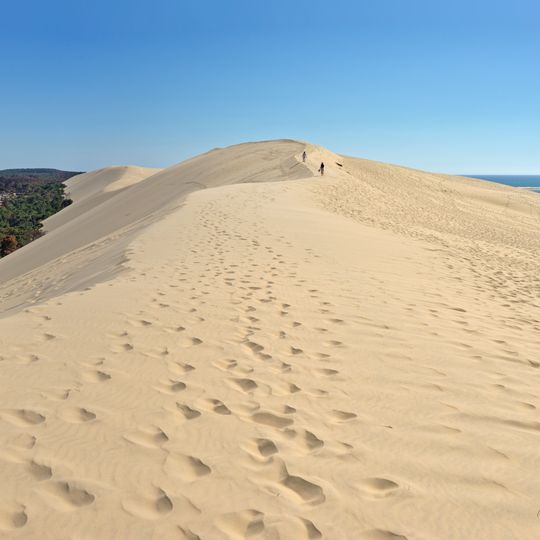
Dune of Pilat

Log in to your account

AroundUs is a community-driven map of interesting places, built by curious explorers like you. It grows with every review, story, and photo you share.
Connect to save your favorite spots, contribute locations, and create personalized routes.
By continuing, you accept our Terms and Conditions and our Privacy Policy
Add to collection
Map
Suggest a change
Share

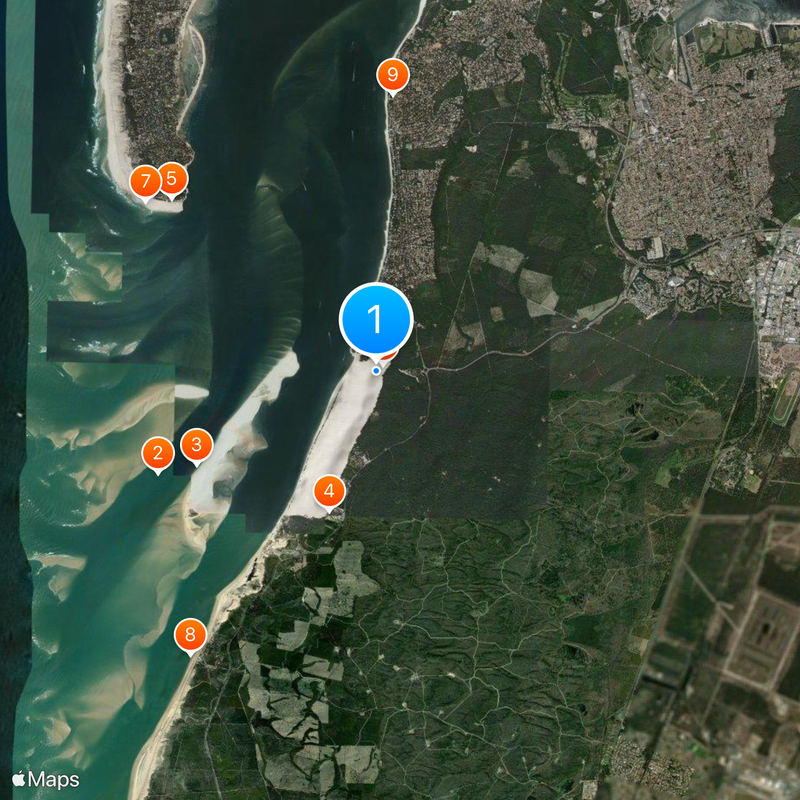
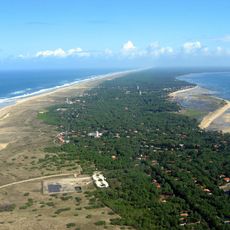
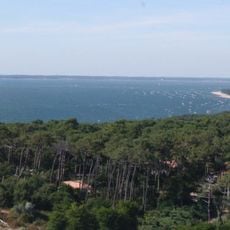
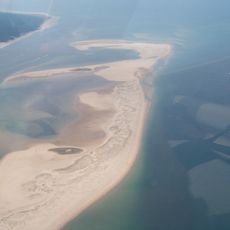
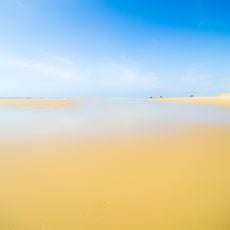
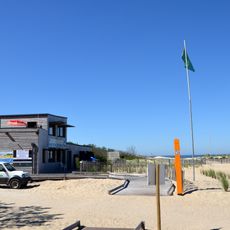
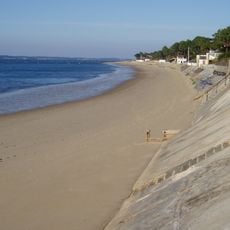
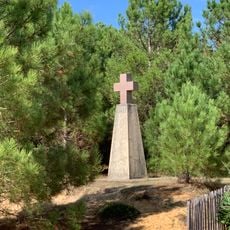
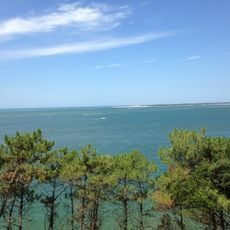
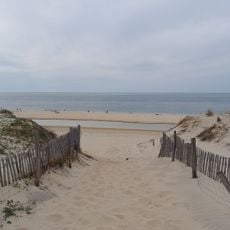
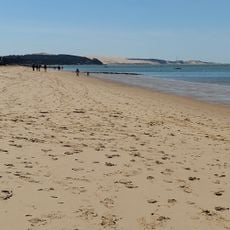
Dune of Pilat, Sand dune in La Teste-de-Buch, France

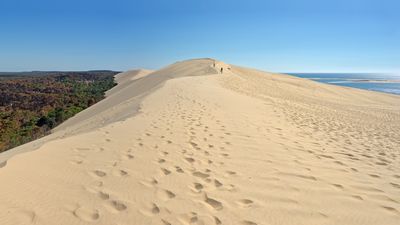
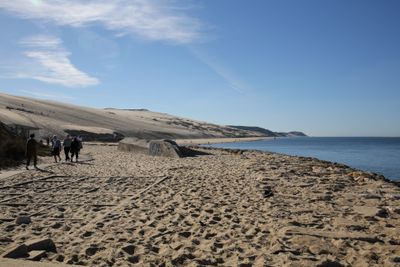
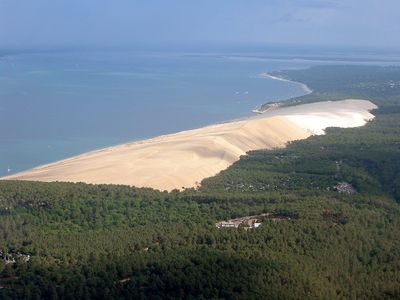
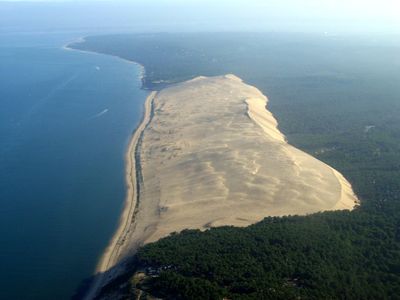
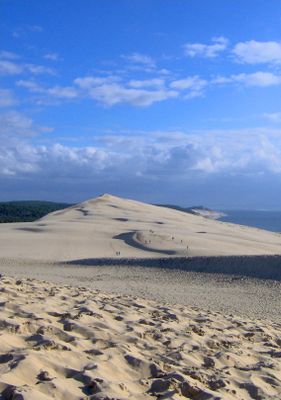
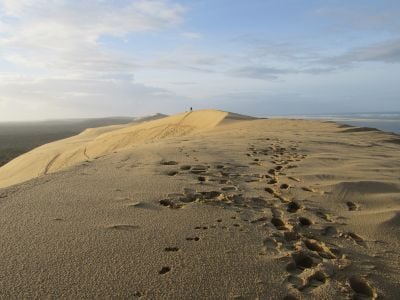
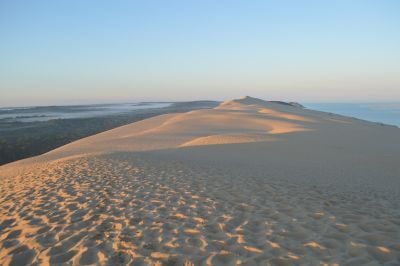
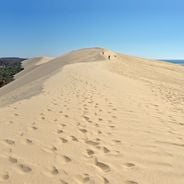
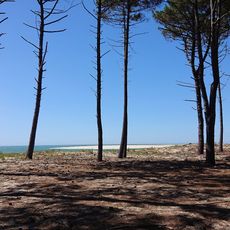
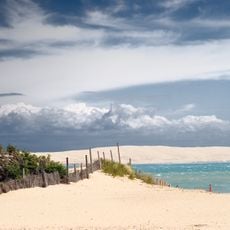
The Dune of Pilat extends 2.7 kilometers along the Atlantic coast, reaching a height of 106.6 meters and covering an area of 1.35 square kilometers.

Archaeological excavations at the dune's base in 2013 led to the discovery of burial urns and artifacts dating back to 800 BC, indicating ancient human presence.

The name Pilat derives from the Gascon word 'Pilhar', meaning heap or mound, reflecting the local linguistic heritage of the Gironde region.

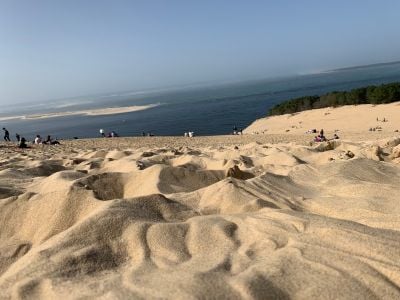
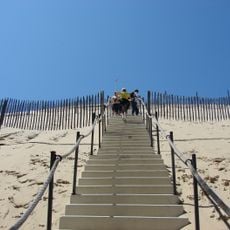
The dune welcomes over two million visitors annually, with regulations prohibiting activities such as camping, fires, and motorized vehicles to protect the natural environment.

Winter storms with winds reaching 175 kilometers per hour have caused substantial changes to the dune's structure, demonstrating its constant transformation.

Location: La Teste-de-Buch

Inception: 1998

Elevation above the sea: 106.6 m

Made from material: sand

Address: Dune of Pilat, France 33260 La Teste-de-Buch

Website: http://ladunedupilat.com

GPS coordinates: 44.59776,-1.20655

Latest update: October 24, 2025 17:38

Natural areas in France: mountain lakes, limestone gorges, and forests

France features a notable variety of protected natural areas, showcasing the country’s geological and ecological richness. From Lake Allos in the Alpes-de-Haute-Provence to the underground rivers of Padirac in Dordogne, from the mountain ranges of Savoy to the limestone formations of the Ardèche gorges, each region displays landscapes shaped over millennia of natural evolution. This collection gathers sites where nature is expressed freely: primary forests, karst systems, high-altitude lakes, moving dunes of the Atlantic coast, and rock formations carved by erosion. These areas provide diverse ecosystems, home to species adapted to different environments, from Alpine flora and fauna to dune communities and underground cave biodiversity. Each natural site in this selection serves as an open-air laboratory where geological processes, ecosystem dynamics, and living adaptation to local conditions can be observed. These sites invite discovery of authentic landscapes, removed from human impact, where geological time is evident in every rock formation and glacier valley.

Historical and natural sites in Landes

The Landes region in southwestern France extends from the foothills of the Pyrénées to the Atlantic coast, encompassing extensive pine forests, coastal lakes and protected natural areas. The Landes de Gascogne regional nature park forms the heart of this landscape, while reserves such as the Courant d'Huchet and Arjuzanx provide habitats for migratory birds and native species. The lakes of Biscarrosse, Soustons and Aureilhan lie between forest and dunes, offering opportunities for water sports and birdwatching. Along the coast, beach resorts like Mimizan Plage, Hossegor and Capbreton attract visitors, while the Dune du Pilat south of the region stands as Europe's tallest sand dune, reaching 350 feet (110 meters) in height. The open-air museum at Marquèze in Sabres recreates the traditional architecture and way of life of the Landes in the 19th century. Mont-de-Marsan, the historic capital, combines modern administration with regional heritage. Churches such as Dax Cathedral, Sainte-Eulalie in Born and the churches at Saint-Paul-lès-Dax and Onesse-et-Laharie display Romanesque and Gothic construction from the medieval period. The châteaux of Poyanne and Gaujacq date from later centuries and reflect the architecture of regional noble estates. These sites can be reached via roads and marked trails, offering insights into the nature and history of the Landes.

Photography around Bassin d'Arcachon: beaches, oyster villages, Dune du Pilat

The Bassin d'Arcachon covers 155 square kilometers along the French Atlantic coast and offers numerous subjects for photography. The Dune du Pilat rises 110 meters above sea level and forms the tallest sand dune in Europe. Oyster farming villages such as Gujan-Mestras, L'Herbe, and Le Canon display wooden huts on stilts distributed along the shores. The Cap Ferret peninsula separates the basin from the Atlantic and presents long sandy beaches on both sides. The Cap Ferret lighthouse from 1947 reaches a height of 53 meters. The Île aux Oiseaux sits in the center of the basin and hosts two traditional stilt cabins, the Cabanes Tchanquées, which are surrounded by water at high tide. The town of Arcachon displays 19th-century villas in the Ville d'Hiver, a district with over 300 buildings in Belle Époque style. The Domaine de Certes et Graveyron nature reserve includes former salt marshes and fish ponds now inhabited by herons, spoonbills, and other water birds. The beaches of Pereire and Pyla-sur-Mer provide direct views of the basin and nearby pine forests.

Reviews

Real people, real opinions — but not verified.

Visited this place? Tap the stars to rate it and share your experience / photos with the community! Try now! You can cancel it anytime.

jeff
@jeff

Mar 31, 2025 17:03

Is it a peak? Is it a rock? No, it is a dune! It is even the highest in Europe at 102 meters tall (this varies from year to year). It moves approximately 1 to 5 meters inland each year, gradually engulfing the forest behind it. Interestingly, excavations have revealed the presence of a Roman camp under the dune!

stephren
@stephren

Mar 31, 2025 16:00

It goes up, it goes up, but it's worth it!

« Dune of Pilat: Sand dune in La Teste-de-Buch, France » is provided by Around Us (aroundus.com). Images and texts are derived from Wikimedia project under a Creative Commons license. You are allowed to copy, distribute, and modify copies of this page, under the conditions set by the license, as long as this note is clearly visible.

Discover hidden gems everywhere you go!

From secret cafés to breathtaking viewpoints, skip the crowded tourist spots and find places that match your style. Our app makes it easy with voice search, smart filtering, route optimization, and insider tips from travelers worldwide. Download now for the complete mobile experience.
Around Us App Screenshot

A unique approach to discovering new places

Le Figaro

All the places worth exploring

France Info

A tailor-made excursion in just a few clicks

20 Minutes