See the monuments around you in AROpen chests in the app
Around Us is built for your phone — point your camera at the streets and discover the monuments and places around you in augmented reality.Around Us is built for your phone — chests unlock when you walk, explore and capture nearby places.
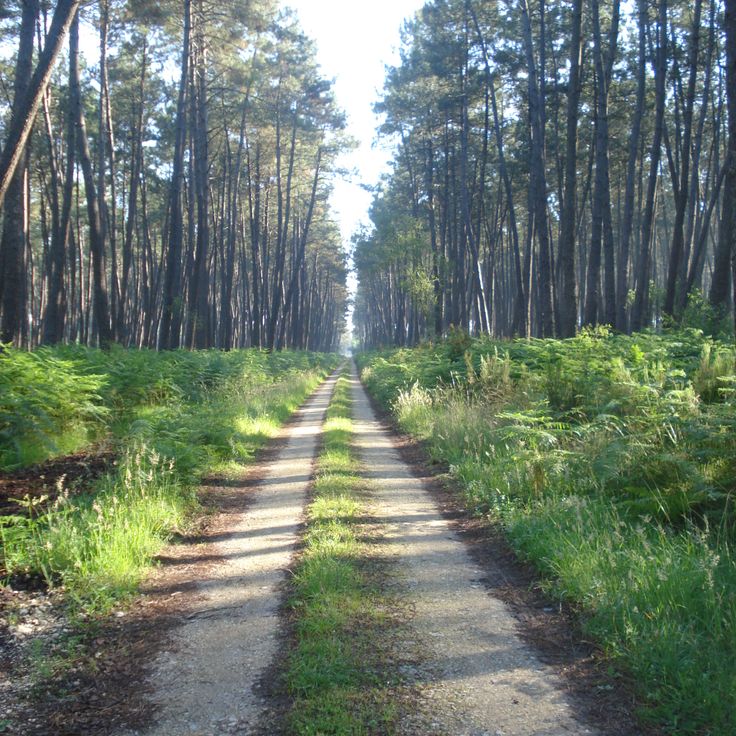
The Landes region in southwestern France extends from the foothills of the Pyrénées to the Atlantic coast, encompassing extensive pine forests, coastal lakes and protected natural areas. The Landes de Gascogne regional nature park forms the heart of this landscape, while reserves such as the Courant d'Huchet and Arjuzanx provide habitats for migratory birds and native species. The lakes of Biscarrosse, Soustons and Aureilhan lie between forest and dunes, offering opportunities for water sports and birdwatching.
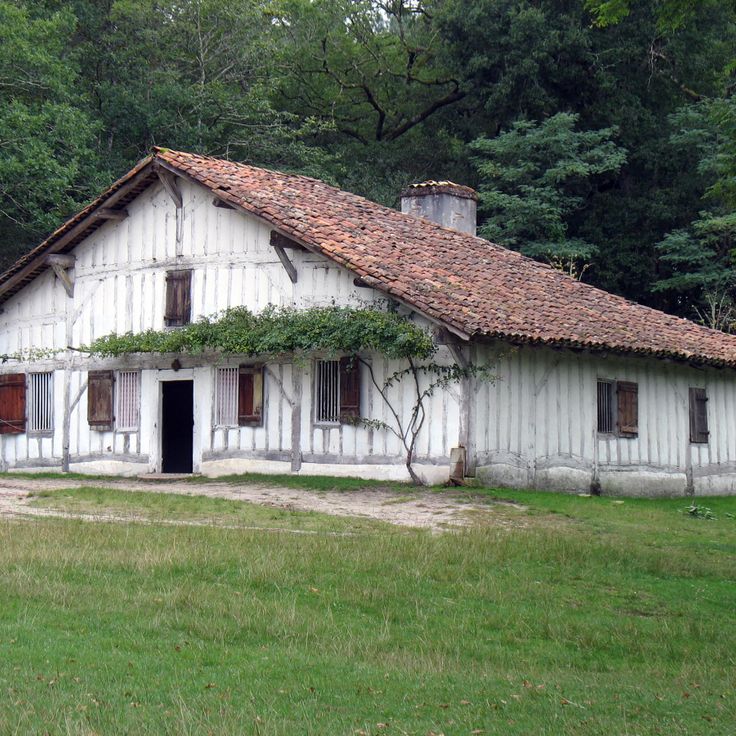
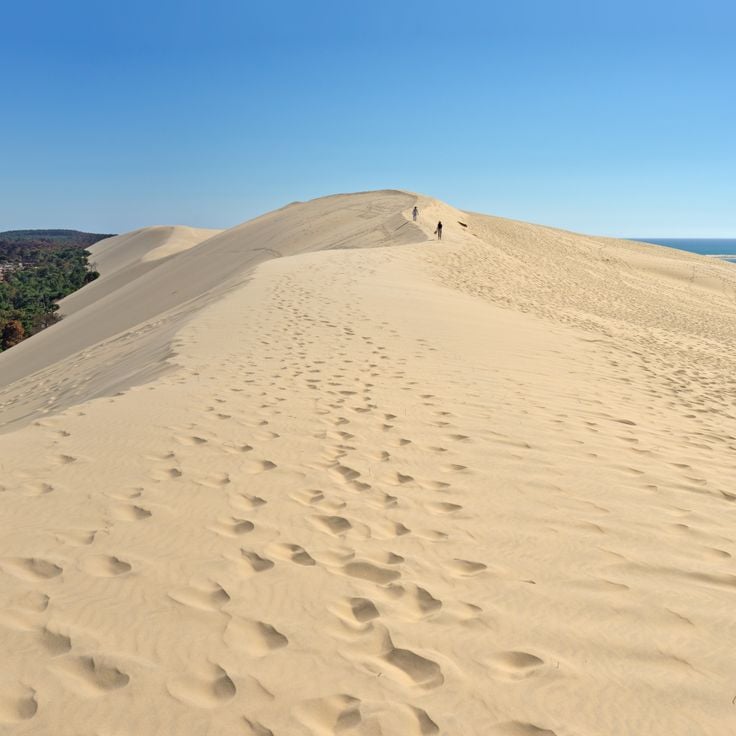
Along the coast, beach resorts like Mimizan Plage, Hossegor and Capbreton attract visitors, while the Dune du Pilat south of the region stands as Europe's tallest sand dune, reaching 350 feet (110 meters) in height. The open-air museum at Marquèze in Sabres recreates the traditional architecture and way of life of the Landes in the 19th century. Mont-de-Marsan, the historic capital, combines modern administration with regional heritage.
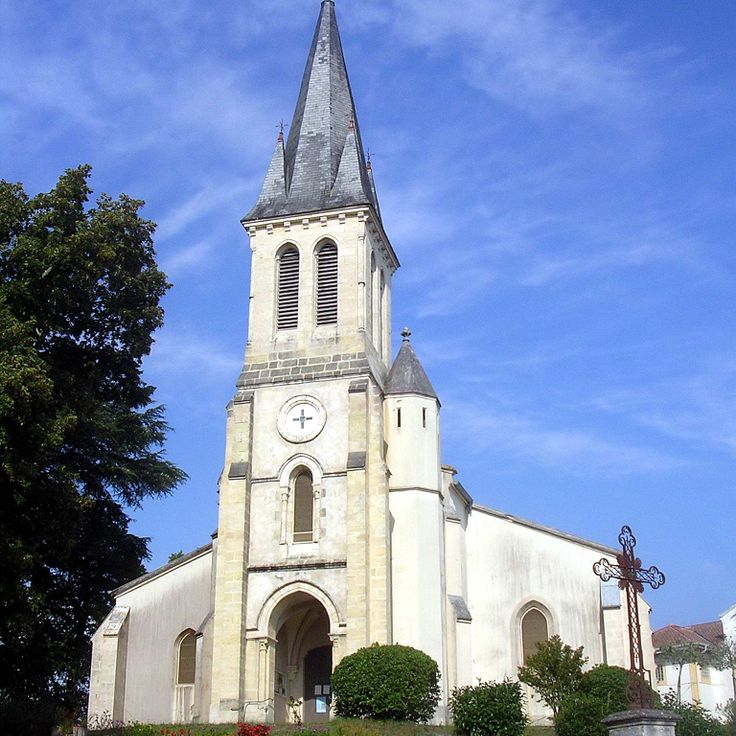
Churches such as Dax Cathedral, Sainte-Eulalie in Born and the churches at Saint-Paul-lès-Dax and Onesse-et-Laharie display Romanesque and Gothic construction from the medieval period. The châteaux of Poyanne and Gaujacq date from later centuries and reflect the architecture of regional noble estates. These sites can be reached via roads and marked trails, offering insights into the nature and history of the Landes.
The Landes region in southwestern France extends from the foothills of the Pyrénées to the Atlantic coast, encompassing extensive pine forests, coastal lakes and protected natural areas. The Landes de Gascogne regional nature park forms the heart of this landscape, while reserves such as the Courant d'Huchet and Arjuzanx provide habitats for migratory birds and native species. The lakes of Biscarrosse, Soustons and Aureilhan lie between forest and dunes, offering opportunities for water sports and birdwatching.
Along the coast, beach resorts like Mimizan Plage, Hossegor and Capbreton attract visitors, while the Dune du Pilat south of the region stands as Europe's tallest sand dune, reaching 350 feet (110 meters) in height. The open-air museum at Marquèze in Sabres recreates the traditional architecture and way of life of the Landes in the 19th century. Mont-de-Marsan, the historic capital, combines modern administration with regional heritage.
Churches such as Dax Cathedral, Sainte-Eulalie in Born and the churches at Saint-Paul-lès-Dax and Onesse-et-Laharie display Romanesque and Gothic construction from the medieval period. The châteaux of Poyanne and Gaujacq date from later centuries and reflect the architecture of regional noble estates. These sites can be reached via roads and marked trails, offering insights into the nature and history of the Landes.
This regional nature park covers 336,000 acres (830,000 acres) and encompasses extensive pine forests, sand dunes and numerous freshwater lakes. The landscape supports various wildlife species, including wild boar, roe deer and over 200 bird species. The area was designated a regional nature park in 1970 to protect the traditional Gascony heathland ecosystem and promote sustainable forestry practices.
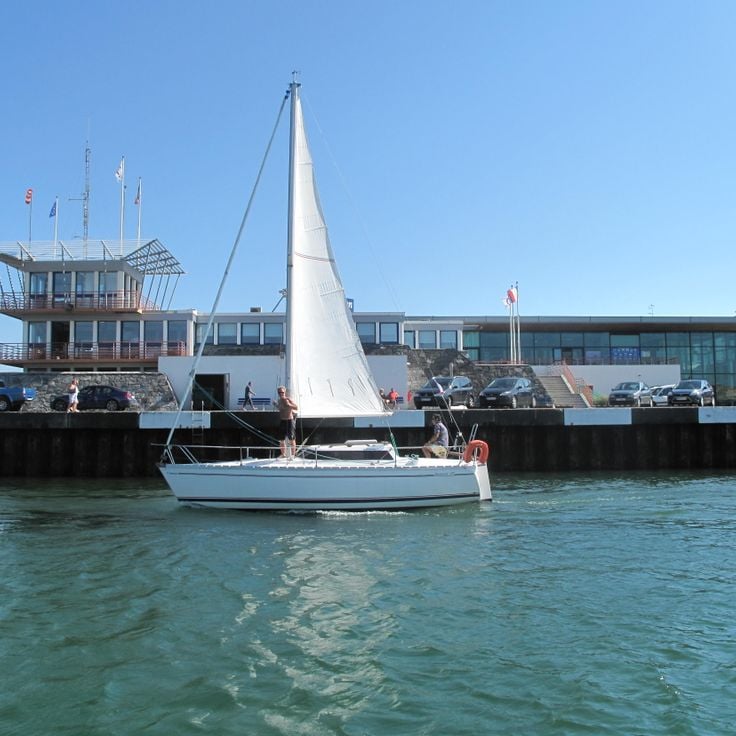
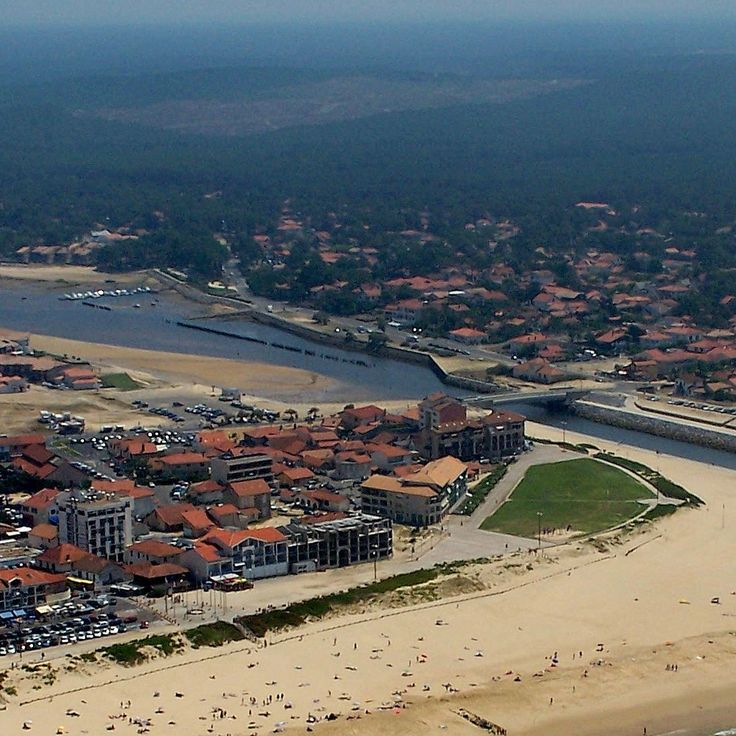
Port de Capbreton features 450 berths for recreational boats and a daily market where fishermen sell their fresh catch. The facility sits at the southern end of the Landes coast near the Basque border and serves both leisure boating and the local fishing industry. The harbor market gives visitors direct access to fishermen who dock each morning with their haul. The marina combines practical functions with access to the Atlantic coastal waters.
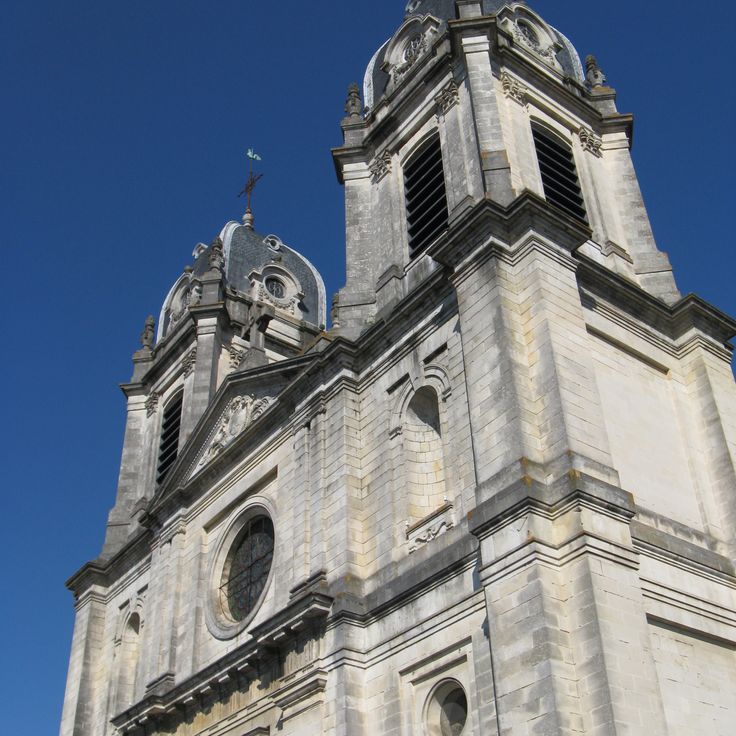
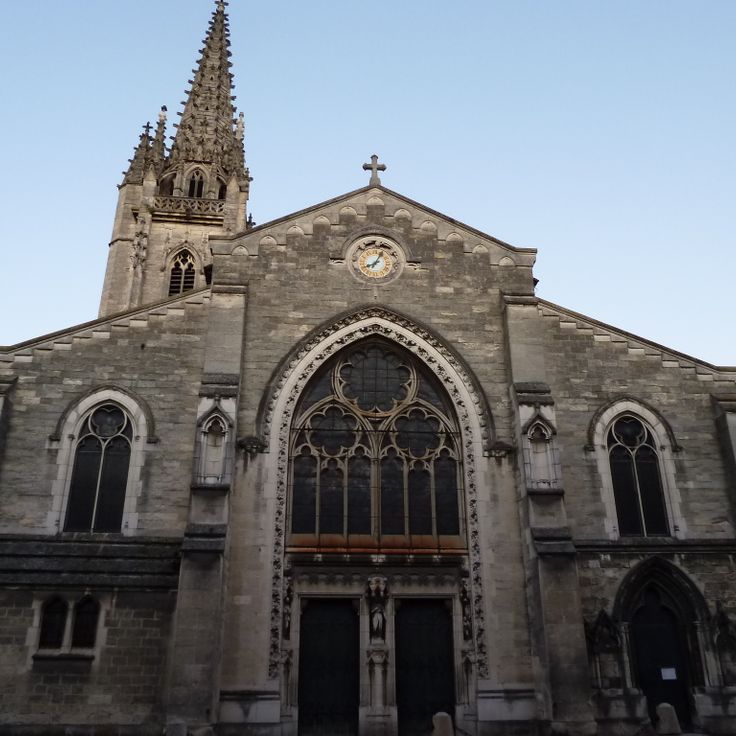
The Dax Cathedral rises in the center of the town and combines architectural elements from several periods. Built in the 17th century, the structure preserves Romanesque and Gothic components from earlier construction phases, visible in the side aisles and individual chapels. The facade features two symmetrical towers that define the building's profile. Inside, a three-aisle nave extends beneath ribbed vaults, with side chapels housing sculptures and liturgical objects from multiple centuries. The portal displays reliefs depicting biblical scenes, while stained glass windows illuminate the main nave. The cathedral continues to function as an active place of worship and remains open to visitors interested in tracing the architectural evolution of religious buildings in the region.
The Écomusée de Marquèze preserves a collection of 19th-century buildings where craftsmen demonstrate historical techniques and agricultural methods of the Landes region. Located in the heart of the Landes de Gascogne regional nature park, this museum showcases rural life through restored farmhouses, barns and workshops. Visitors reach the site aboard a historic railway and can watch artisans working with traditional tools and farming the land using period methods.
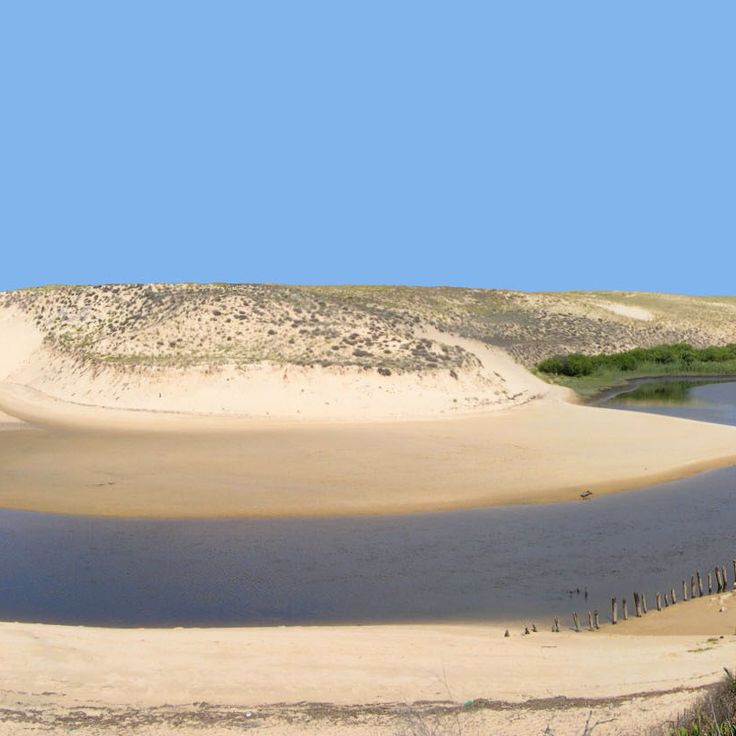
The Réserve naturelle du Courant d'Huchet covers a continuous area with sand dunes, waterways and forested zones near the Atlantic coast. Established in 1981, this protected area spans roughly 1,530 acres (620 hectares) and safeguards the Huchet River, which flows between Étang de Léon and the ocean. Vegetation ranges from marsh plants to pine forests, while fauna includes ospreys, grey herons and various amphibian species. Visitors can explore the reserve on guided boat trips departing from Léon.
Lac de Biscarrosse covers 3,500 hectares (8,650 acres) and ranks among the largest freshwater bodies in the Landes. The lake sits within extensive pine forests and provides access to several beaches along its shores. Water temperature reaches around 77°F (25°C) in summer. The lake supports swimming, sailing and windsurfing. On the western side, a canal connects the lake to nearby Lac de Parentis and Lac de Cazaux, forming an interconnected water system.
This ten-mile (10-kilometer) stretch of Atlantic-facing sand extends south from the town of Mimizan, offering consistent surf conditions for swimmers and board riders. Water temperatures range from 63 to 72 degrees Fahrenheit (17 to 22 degrees Celsius), peaking in late summer. The beach forms part of the wider Landes coastline, backed by pine forests and dune systems typical of the region. Lifeguarded sections operate during summer months, while access remains open throughout the year for those comfortable with unmonitored conditions.
This 12th-century Romanesque church preserves its original stone reliefs. The vaults display medieval frescoes on light backgrounds. The building combines elements of Romanesque architecture with historical wall paintings from different periods. The church sits in a rural commune of the Landes and has served as a place of worship for centuries. Visitors can examine the preserved architectural details and paintings during daylight hours.
The Château de Poyanne dates from the 14th century and displays both Gothic and Renaissance architectural elements. The structure features four towers surrounding a rectangular courtyard. This castle represents the evolution of feudal architecture in the Landes region and documents multiple construction phases spanning several centuries. The towers and central court illustrate the military and ceremonial functions of such estates in this area.
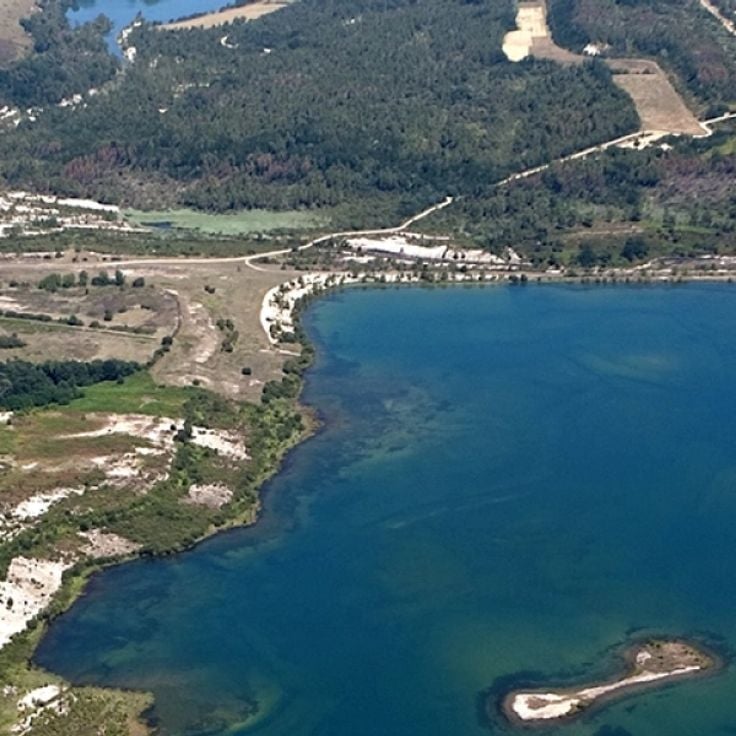
This nature reserve spans 2000 hectares (about 5000 acres) and features lakes and forests that serve as an important stopover for cranes and other migratory birds. The site developed on former lignite mining land and has been restored over recent decades. Visitors can use observation posts to study the bird populations, particularly during autumn and spring when thousands of cranes rest here. The landscape alternates between open water surfaces, wetlands and wooded sections that provide varied habitats for numerous species.
The Réserve Ornithologique du Teich covers 270 acres (110 hectares) of protected wetlands at the edge of the Arcachon Basin. This nature reserve supports approximately 300 bird species, including migratory waterfowl, waders and herons, which visitors can observe from several viewing hides positioned along established trails. The reserve sits on a major migration route between northern Europe and Africa and serves as a stopover and wintering site. Marked walking paths lead through different habitats featuring salt marshes, reed beds and freshwater ponds. Interpretation panels along the routes explain the ecology of the area and the seasonal migration patterns of the birds.
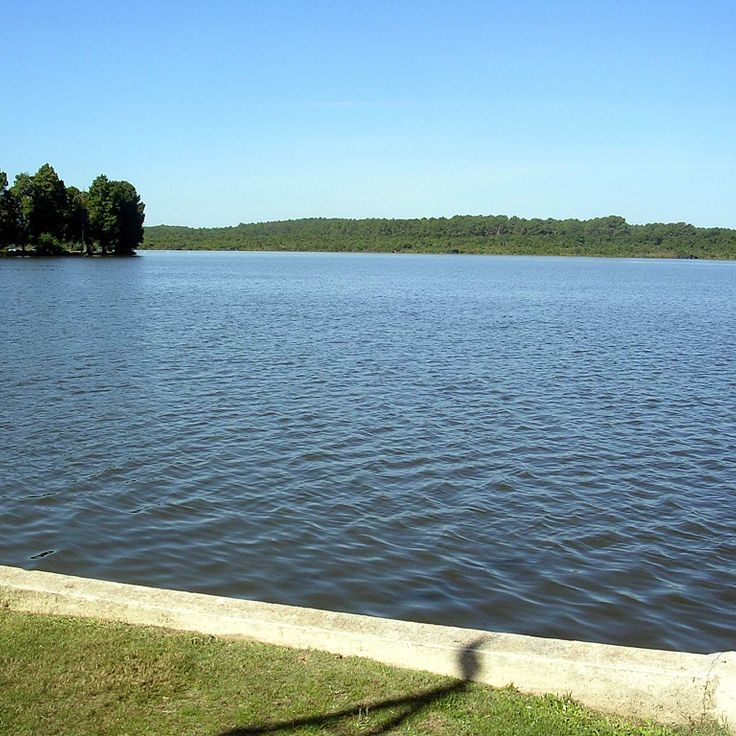
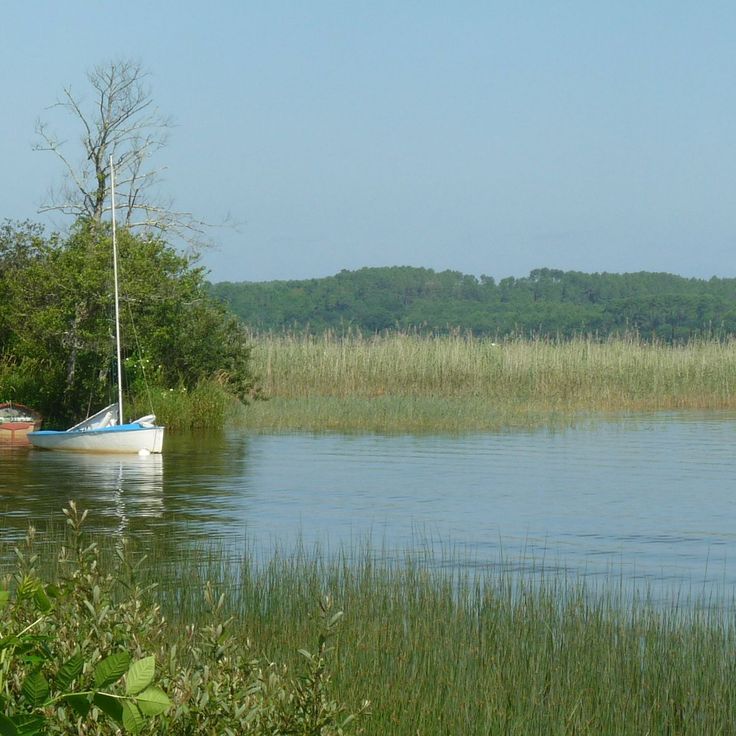
The Lac de Soustons is a 940-acre freshwater body in the Landes département, with designated fishing areas and walking trails along its wooded shoreline. The lake sits between the Atlantic Ocean and extensive pine forests characteristic of this region. Several paths wind through the pine groves bordering the water and provide access to different sections of the lake. The freshwater ecosystem supports fish species including pike, perch and carp. Surrounding vegetation consists mainly of maritime pines, undergrowth and riparian plants typical of the Landes coastal landscape.
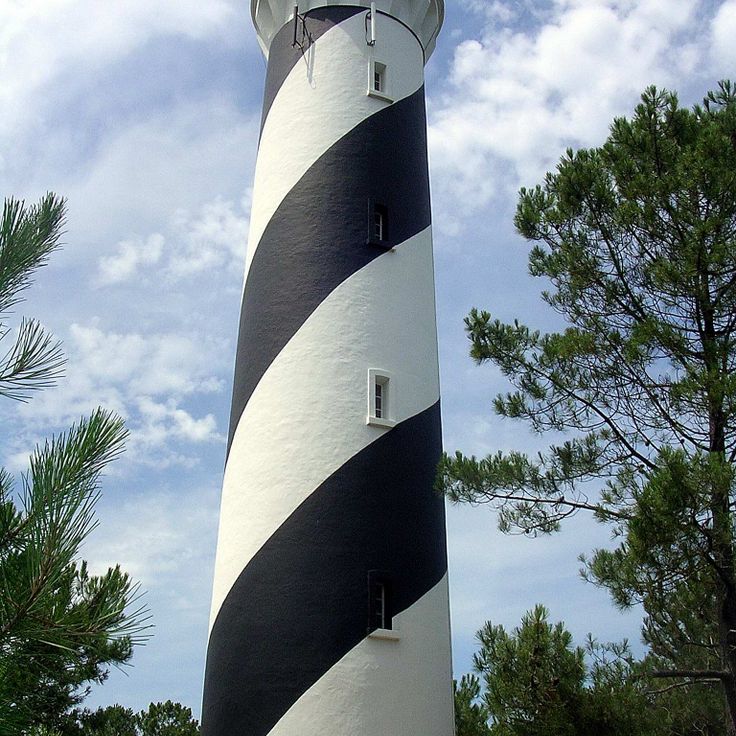
The Phare de Contis has marked the Atlantic coast at Saint-Julien-en-Born since 1863. This white stone tower reaches 125 feet (38 meters) in height and continues to emit navigation signals for maritime traffic. The structure stands in the Landes, where pine forests extend to the coastline and several historic lighthouses document the region's maritime history.
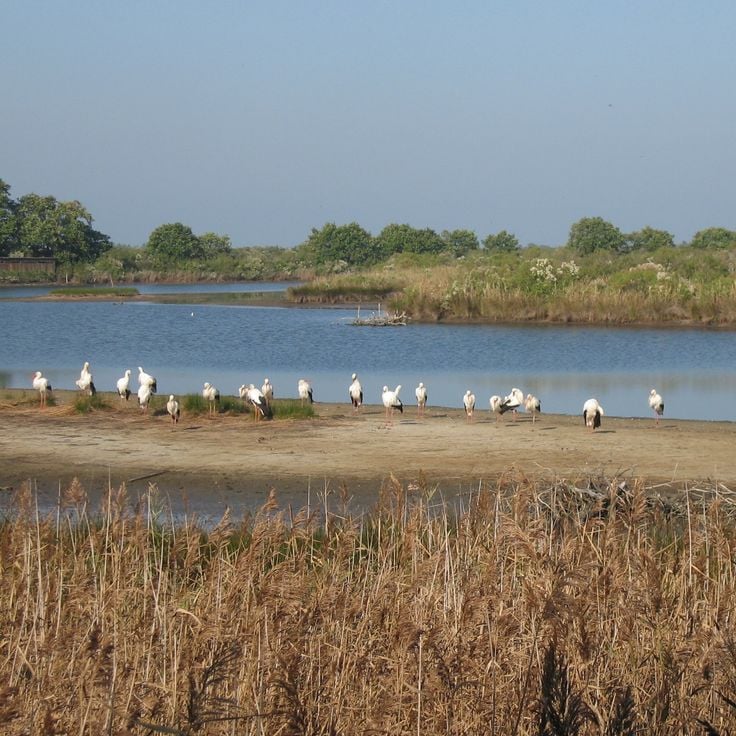
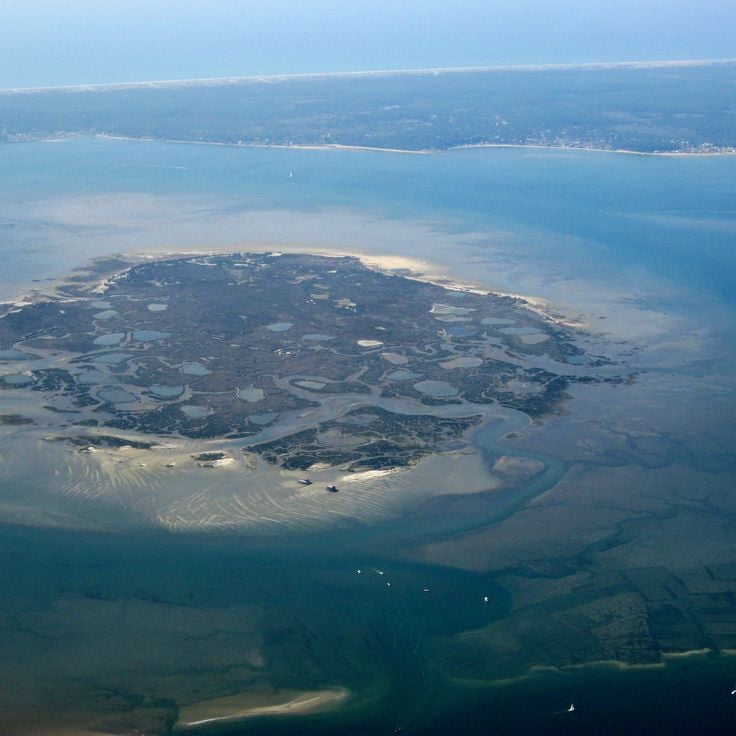
This wooded island in Lac d'Hossegor shelters a small freshwater wetland that serves as a year-round nesting area for native waterfowl. The site features extensive reed beds and tall trees that provide cover and nesting opportunities for the birds. The Île aux Oiseaux forms part of the natural buffer zone between the Atlantic coast and the inland waters of the Landes, functioning as an important habitat for local birdlife within the context of the region's extensive pine forests and coastal ecosystems.
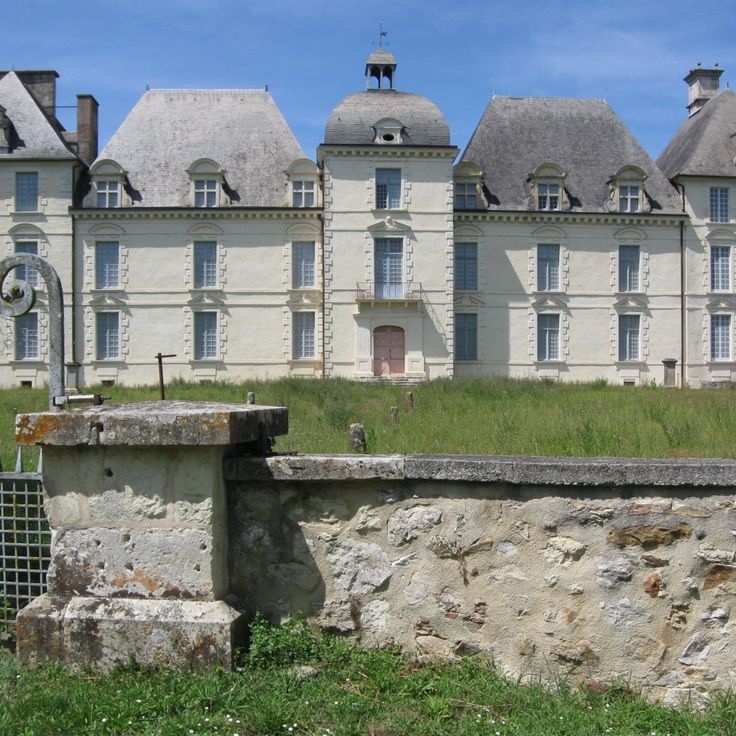
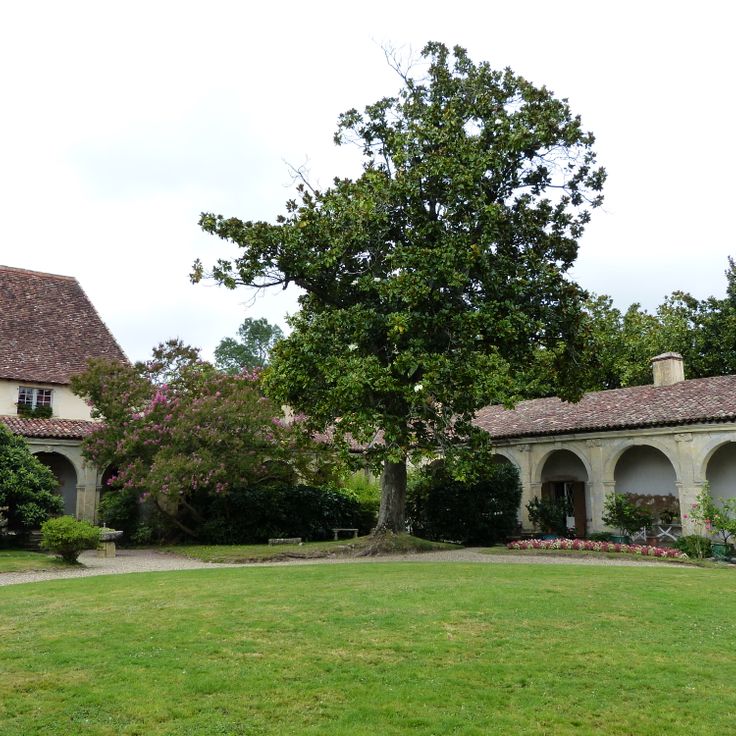
The Château de Gaujacq dates from the 17th century and features Baroque architecture organized around four wings. This structure encloses a square courtyard and includes formal French gardens. The symmetrical layout represents the architectural principles of the period and serves as an example of aristocratic building in the Landes region of southwestern France.
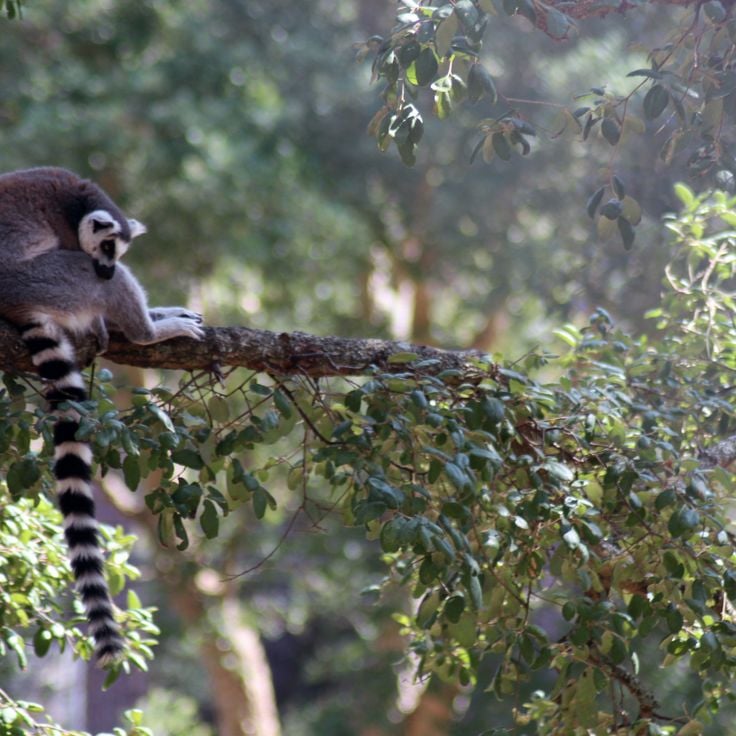
The Zoo de Labenne sits within a 12-acre (5-hectare) pine forest and houses around 200 animals representing 60 different species. The facility focuses on presenting European and exotic fauna in a wooded setting. Visitors follow a marked path through the grounds that passes the various animal enclosures. The park serves an educational purpose, introducing visitors to different species and their natural habitats.
The Dune du Pilat rises 360 feet (110 meters) above sea level and extends roughly 1,600 feet (500 meters) along the Atlantic coast. This migrating sand formation shifts several meters inland each year, reshaping the surrounding pine landscape of the Landes region. From the summit, views span the Bassin d'Arcachon to the north, the Atlantic to the west, and the expansive pine forests to the east. Wooden stairs and access paths facilitate the climb to the ridge, where visitors can observe the dune's formation and the natural processes that created it.
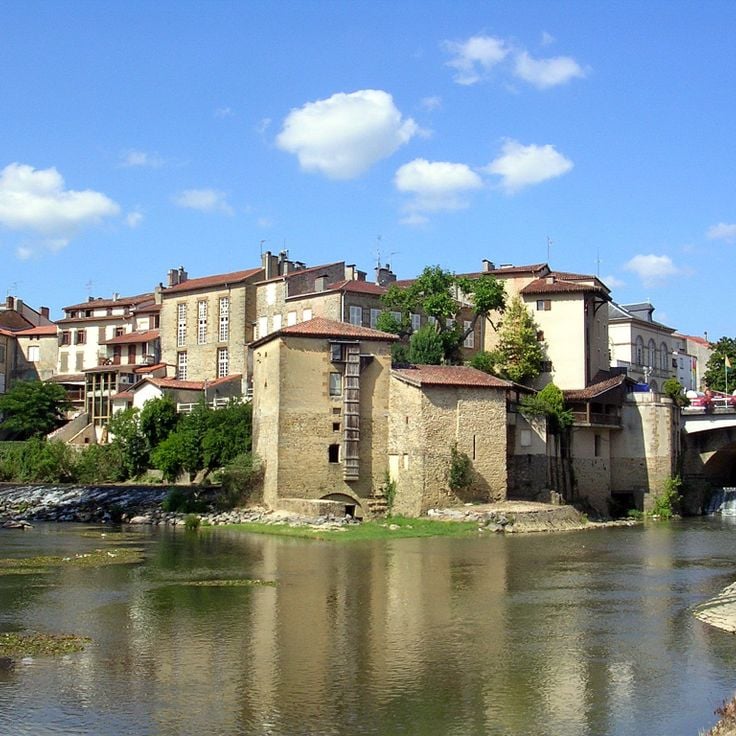
This prefecture on the banks of the Midou River presents three medieval towers and a 14th-century keep as remnants of the town's fortifications. The Musée Despiau-Wlérick displays 20th-century French sculpture in a restored 14th-century monastery. The Romanesque tower of Église Sainte-Madeleine dates to the 12th century. The municipal area covers roughly 14 square miles (36 square kilometers) where the Midou and Douze rivers merge to form the Midouze. The pedestrian zone in the historic center runs through streets lined with 18th- and 19th-century townhouses. The weekly market has operated on Place Saint-Roch for over 700 years.
The Église Saint-Paul-lès-Dax is a 12th-century religious structure that stands among the historic sites of the Landes region. This church displays typical Romanesque architectural elements including rounded arches, and features an eight-sided bell tower that defines its appearance. As an example of medieval ecclesiastical architecture in the area, this place of worship complements the collection of historic and natural sites in the Landes, which ranges from medieval churches and castles to nature reserves.
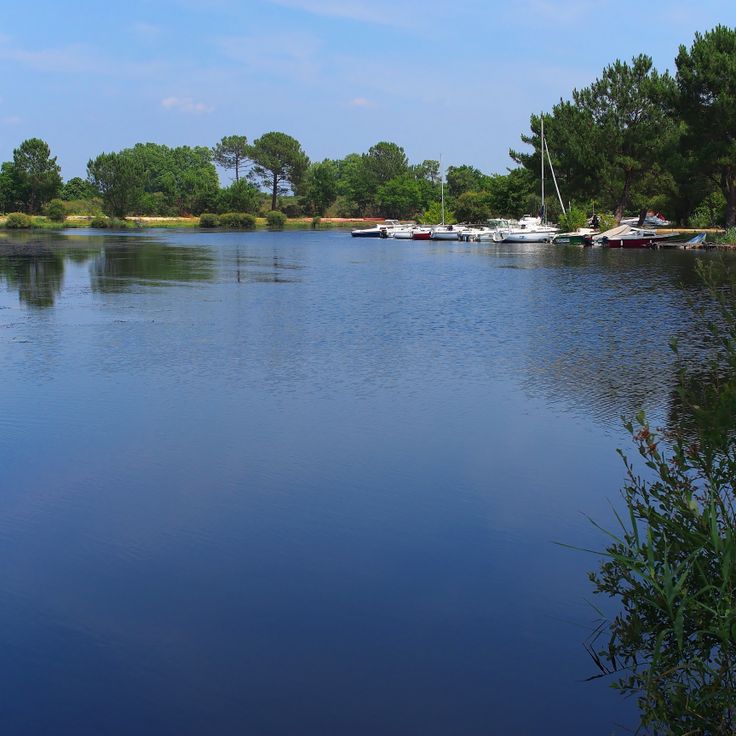
Lac d'Aureilhan is a freshwater lake covering 790 acres (320 hectares) that serves as habitat for numerous waterfowl species. A four-mile (seven-kilometer) path runs along the shoreline, providing access to different sections of the lake. The water lies within the characteristic pine forest landscape of the Landes region and forms an important part of the local ecosystem. The surrounding area offers opportunities for nature observation and walking in this southwestern French territory.
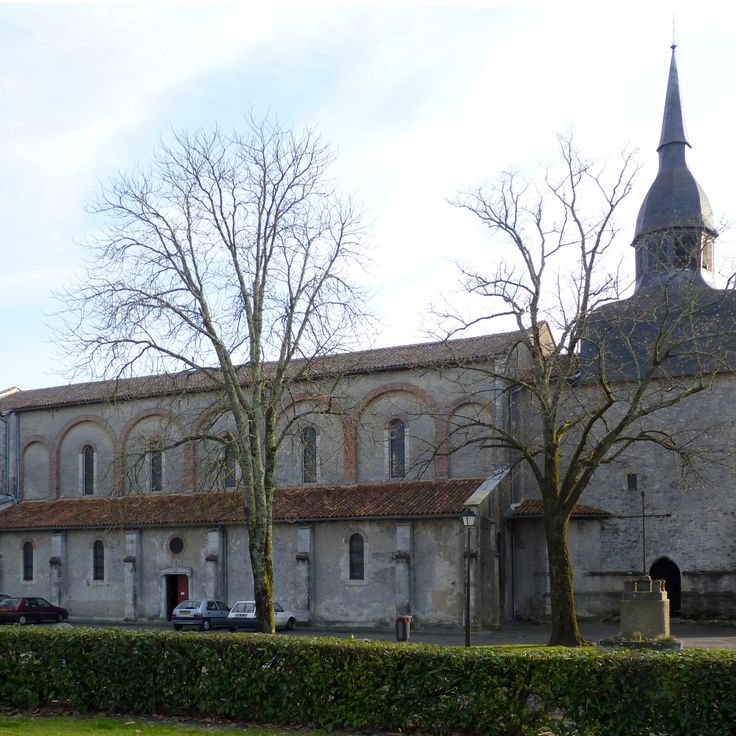
The church in Onesse-et-Laharie dates from the 12th century and displays Romanesque architecture with massive stone walls and rounded arches in the main hall vault. This place of worship belongs to the medieval religious structures of the Landes region and documents the building techniques of that era. The structure preserves its original architectural elements and fits within the tradition of Romanesque church construction that developed across this area between the 11th and 13th centuries.
This regional nature park covers 336,000 acres (830,000 acres) and encompasses extensive pine forests, sand dunes and numerous freshwater lakes. The landscape supports various wildlife species, including wild boar, roe deer and over 200 bird species. The area was designated a regional nature park in 1970 to protect the traditional Gascony heathland ecosystem and promote sustainable forestry practices.
Port de Capbreton features 450 berths for recreational boats and a daily market where fishermen sell their fresh catch. The facility sits at the southern end of the Landes coast near the Basque border and serves both leisure boating and the local fishing industry. The harbor market gives visitors direct access to fishermen who dock each morning with their haul. The marina combines practical functions with access to the Atlantic coastal waters.
The Dax Cathedral rises in the center of the town and combines architectural elements from several periods. Built in the 17th century, the structure preserves Romanesque and Gothic components from earlier construction phases, visible in the side aisles and individual chapels. The facade features two symmetrical towers that define the building's profile. Inside, a three-aisle nave extends beneath ribbed vaults, with side chapels housing sculptures and liturgical objects from multiple centuries. The portal displays reliefs depicting biblical scenes, while stained glass windows illuminate the main nave. The cathedral continues to function as an active place of worship and remains open to visitors interested in tracing the architectural evolution of religious buildings in the region.
The Écomusée de Marquèze preserves a collection of 19th-century buildings where craftsmen demonstrate historical techniques and agricultural methods of the Landes region. Located in the heart of the Landes de Gascogne regional nature park, this museum showcases rural life through restored farmhouses, barns and workshops. Visitors reach the site aboard a historic railway and can watch artisans working with traditional tools and farming the land using period methods.
The Réserve naturelle du Courant d'Huchet covers a continuous area with sand dunes, waterways and forested zones near the Atlantic coast. Established in 1981, this protected area spans roughly 1,530 acres (620 hectares) and safeguards the Huchet River, which flows between Étang de Léon and the ocean. Vegetation ranges from marsh plants to pine forests, while fauna includes ospreys, grey herons and various amphibian species. Visitors can explore the reserve on guided boat trips departing from Léon.
Lac de Biscarrosse covers 3,500 hectares (8,650 acres) and ranks among the largest freshwater bodies in the Landes. The lake sits within extensive pine forests and provides access to several beaches along its shores. Water temperature reaches around 77°F (25°C) in summer. The lake supports swimming, sailing and windsurfing. On the western side, a canal connects the lake to nearby Lac de Parentis and Lac de Cazaux, forming an interconnected water system.
This ten-mile (10-kilometer) stretch of Atlantic-facing sand extends south from the town of Mimizan, offering consistent surf conditions for swimmers and board riders. Water temperatures range from 63 to 72 degrees Fahrenheit (17 to 22 degrees Celsius), peaking in late summer. The beach forms part of the wider Landes coastline, backed by pine forests and dune systems typical of the region. Lifeguarded sections operate during summer months, while access remains open throughout the year for those comfortable with unmonitored conditions.
This 12th-century Romanesque church preserves its original stone reliefs. The vaults display medieval frescoes on light backgrounds. The building combines elements of Romanesque architecture with historical wall paintings from different periods. The church sits in a rural commune of the Landes and has served as a place of worship for centuries. Visitors can examine the preserved architectural details and paintings during daylight hours.
The Château de Poyanne dates from the 14th century and displays both Gothic and Renaissance architectural elements. The structure features four towers surrounding a rectangular courtyard. This castle represents the evolution of feudal architecture in the Landes region and documents multiple construction phases spanning several centuries. The towers and central court illustrate the military and ceremonial functions of such estates in this area.
This nature reserve spans 2000 hectares (about 5000 acres) and features lakes and forests that serve as an important stopover for cranes and other migratory birds. The site developed on former lignite mining land and has been restored over recent decades. Visitors can use observation posts to study the bird populations, particularly during autumn and spring when thousands of cranes rest here. The landscape alternates between open water surfaces, wetlands and wooded sections that provide varied habitats for numerous species.
The Réserve Ornithologique du Teich covers 270 acres (110 hectares) of protected wetlands at the edge of the Arcachon Basin. This nature reserve supports approximately 300 bird species, including migratory waterfowl, waders and herons, which visitors can observe from several viewing hides positioned along established trails. The reserve sits on a major migration route between northern Europe and Africa and serves as a stopover and wintering site. Marked walking paths lead through different habitats featuring salt marshes, reed beds and freshwater ponds. Interpretation panels along the routes explain the ecology of the area and the seasonal migration patterns of the birds.
The Lac de Soustons is a 940-acre freshwater body in the Landes département, with designated fishing areas and walking trails along its wooded shoreline. The lake sits between the Atlantic Ocean and extensive pine forests characteristic of this region. Several paths wind through the pine groves bordering the water and provide access to different sections of the lake. The freshwater ecosystem supports fish species including pike, perch and carp. Surrounding vegetation consists mainly of maritime pines, undergrowth and riparian plants typical of the Landes coastal landscape.
The Phare de Contis has marked the Atlantic coast at Saint-Julien-en-Born since 1863. This white stone tower reaches 125 feet (38 meters) in height and continues to emit navigation signals for maritime traffic. The structure stands in the Landes, where pine forests extend to the coastline and several historic lighthouses document the region's maritime history.
This wooded island in Lac d'Hossegor shelters a small freshwater wetland that serves as a year-round nesting area for native waterfowl. The site features extensive reed beds and tall trees that provide cover and nesting opportunities for the birds. The Île aux Oiseaux forms part of the natural buffer zone between the Atlantic coast and the inland waters of the Landes, functioning as an important habitat for local birdlife within the context of the region's extensive pine forests and coastal ecosystems.
The Château de Gaujacq dates from the 17th century and features Baroque architecture organized around four wings. This structure encloses a square courtyard and includes formal French gardens. The symmetrical layout represents the architectural principles of the period and serves as an example of aristocratic building in the Landes region of southwestern France.
The Zoo de Labenne sits within a 12-acre (5-hectare) pine forest and houses around 200 animals representing 60 different species. The facility focuses on presenting European and exotic fauna in a wooded setting. Visitors follow a marked path through the grounds that passes the various animal enclosures. The park serves an educational purpose, introducing visitors to different species and their natural habitats.
The Dune du Pilat rises 360 feet (110 meters) above sea level and extends roughly 1,600 feet (500 meters) along the Atlantic coast. This migrating sand formation shifts several meters inland each year, reshaping the surrounding pine landscape of the Landes region. From the summit, views span the Bassin d'Arcachon to the north, the Atlantic to the west, and the expansive pine forests to the east. Wooden stairs and access paths facilitate the climb to the ridge, where visitors can observe the dune's formation and the natural processes that created it.
This prefecture on the banks of the Midou River presents three medieval towers and a 14th-century keep as remnants of the town's fortifications. The Musée Despiau-Wlérick displays 20th-century French sculpture in a restored 14th-century monastery. The Romanesque tower of Église Sainte-Madeleine dates to the 12th century. The municipal area covers roughly 14 square miles (36 square kilometers) where the Midou and Douze rivers merge to form the Midouze. The pedestrian zone in the historic center runs through streets lined with 18th- and 19th-century townhouses. The weekly market has operated on Place Saint-Roch for over 700 years.
The Église Saint-Paul-lès-Dax is a 12th-century religious structure that stands among the historic sites of the Landes region. This church displays typical Romanesque architectural elements including rounded arches, and features an eight-sided bell tower that defines its appearance. As an example of medieval ecclesiastical architecture in the area, this place of worship complements the collection of historic and natural sites in the Landes, which ranges from medieval churches and castles to nature reserves.
Lac d'Aureilhan is a freshwater lake covering 790 acres (320 hectares) that serves as habitat for numerous waterfowl species. A four-mile (seven-kilometer) path runs along the shoreline, providing access to different sections of the lake. The water lies within the characteristic pine forest landscape of the Landes region and forms an important part of the local ecosystem. The surrounding area offers opportunities for nature observation and walking in this southwestern French territory.
The church in Onesse-et-Laharie dates from the 12th century and displays Romanesque architecture with massive stone walls and rounded arches in the main hall vault. This place of worship belongs to the medieval religious structures of the Landes region and documents the building techniques of that era. The structure preserves its original architectural elements and fits within the tradition of Romanesque church construction that developed across this area between the 11th and 13th centuries.
This regional nature park covers 336,000 acres (830,000 acres) and encompasses extensive pine forests, sand dunes and numerous freshwater lakes. The landscape supports various wildlife species, including wild boar, roe deer and over 200 bird species. The area was designated a regional nature park in 1970 to protect the traditional Gascony heathland ecosystem and promote sustainable forestry practices.
Port de Capbreton features 450 berths for recreational boats and a daily market where fishermen sell their fresh catch. The facility sits at the southern end of the Landes coast near the Basque border and serves both leisure boating and the local fishing industry. The harbor market gives visitors direct access to fishermen who dock each morning with their haul. The marina combines practical functions with access to the Atlantic coastal waters.
The Dax Cathedral rises in the center of the town and combines architectural elements from several periods. Built in the 17th century, the structure preserves Romanesque and Gothic components from earlier construction phases, visible in the side aisles and individual chapels. The facade features two symmetrical towers that define the building's profile. Inside, a three-aisle nave extends beneath ribbed vaults, with side chapels housing sculptures and liturgical objects from multiple centuries. The portal displays reliefs depicting biblical scenes, while stained glass windows illuminate the main nave. The cathedral continues to function as an active place of worship and remains open to visitors interested in tracing the architectural evolution of religious buildings in the region.
The Écomusée de Marquèze preserves a collection of 19th-century buildings where craftsmen demonstrate historical techniques and agricultural methods of the Landes region. Located in the heart of the Landes de Gascogne regional nature park, this museum showcases rural life through restored farmhouses, barns and workshops. Visitors reach the site aboard a historic railway and can watch artisans working with traditional tools and farming the land using period methods.
The Réserve naturelle du Courant d'Huchet covers a continuous area with sand dunes, waterways and forested zones near the Atlantic coast. Established in 1981, this protected area spans roughly 1,530 acres (620 hectares) and safeguards the Huchet River, which flows between Étang de Léon and the ocean. Vegetation ranges from marsh plants to pine forests, while fauna includes ospreys, grey herons and various amphibian species. Visitors can explore the reserve on guided boat trips departing from Léon.
Lac de Biscarrosse covers 3,500 hectares (8,650 acres) and ranks among the largest freshwater bodies in the Landes. The lake sits within extensive pine forests and provides access to several beaches along its shores. Water temperature reaches around 77°F (25°C) in summer. The lake supports swimming, sailing and windsurfing. On the western side, a canal connects the lake to nearby Lac de Parentis and Lac de Cazaux, forming an interconnected water system.
This ten-mile (10-kilometer) stretch of Atlantic-facing sand extends south from the town of Mimizan, offering consistent surf conditions for swimmers and board riders. Water temperatures range from 63 to 72 degrees Fahrenheit (17 to 22 degrees Celsius), peaking in late summer. The beach forms part of the wider Landes coastline, backed by pine forests and dune systems typical of the region. Lifeguarded sections operate during summer months, while access remains open throughout the year for those comfortable with unmonitored conditions.
This 12th-century Romanesque church preserves its original stone reliefs. The vaults display medieval frescoes on light backgrounds. The building combines elements of Romanesque architecture with historical wall paintings from different periods. The church sits in a rural commune of the Landes and has served as a place of worship for centuries. Visitors can examine the preserved architectural details and paintings during daylight hours.
The Château de Poyanne dates from the 14th century and displays both Gothic and Renaissance architectural elements. The structure features four towers surrounding a rectangular courtyard. This castle represents the evolution of feudal architecture in the Landes region and documents multiple construction phases spanning several centuries. The towers and central court illustrate the military and ceremonial functions of such estates in this area.
This nature reserve spans 2000 hectares (about 5000 acres) and features lakes and forests that serve as an important stopover for cranes and other migratory birds. The site developed on former lignite mining land and has been restored over recent decades. Visitors can use observation posts to study the bird populations, particularly during autumn and spring when thousands of cranes rest here. The landscape alternates between open water surfaces, wetlands and wooded sections that provide varied habitats for numerous species.
The Réserve Ornithologique du Teich covers 270 acres (110 hectares) of protected wetlands at the edge of the Arcachon Basin. This nature reserve supports approximately 300 bird species, including migratory waterfowl, waders and herons, which visitors can observe from several viewing hides positioned along established trails. The reserve sits on a major migration route between northern Europe and Africa and serves as a stopover and wintering site. Marked walking paths lead through different habitats featuring salt marshes, reed beds and freshwater ponds. Interpretation panels along the routes explain the ecology of the area and the seasonal migration patterns of the birds.
The Lac de Soustons is a 940-acre freshwater body in the Landes département, with designated fishing areas and walking trails along its wooded shoreline. The lake sits between the Atlantic Ocean and extensive pine forests characteristic of this region. Several paths wind through the pine groves bordering the water and provide access to different sections of the lake. The freshwater ecosystem supports fish species including pike, perch and carp. Surrounding vegetation consists mainly of maritime pines, undergrowth and riparian plants typical of the Landes coastal landscape.
The Phare de Contis has marked the Atlantic coast at Saint-Julien-en-Born since 1863. This white stone tower reaches 125 feet (38 meters) in height and continues to emit navigation signals for maritime traffic. The structure stands in the Landes, where pine forests extend to the coastline and several historic lighthouses document the region's maritime history.
This wooded island in Lac d'Hossegor shelters a small freshwater wetland that serves as a year-round nesting area for native waterfowl. The site features extensive reed beds and tall trees that provide cover and nesting opportunities for the birds. The Île aux Oiseaux forms part of the natural buffer zone between the Atlantic coast and the inland waters of the Landes, functioning as an important habitat for local birdlife within the context of the region's extensive pine forests and coastal ecosystems.
The Château de Gaujacq dates from the 17th century and features Baroque architecture organized around four wings. This structure encloses a square courtyard and includes formal French gardens. The symmetrical layout represents the architectural principles of the period and serves as an example of aristocratic building in the Landes region of southwestern France.
The Zoo de Labenne sits within a 12-acre (5-hectare) pine forest and houses around 200 animals representing 60 different species. The facility focuses on presenting European and exotic fauna in a wooded setting. Visitors follow a marked path through the grounds that passes the various animal enclosures. The park serves an educational purpose, introducing visitors to different species and their natural habitats.
The Dune du Pilat rises 360 feet (110 meters) above sea level and extends roughly 1,600 feet (500 meters) along the Atlantic coast. This migrating sand formation shifts several meters inland each year, reshaping the surrounding pine landscape of the Landes region. From the summit, views span the Bassin d'Arcachon to the north, the Atlantic to the west, and the expansive pine forests to the east. Wooden stairs and access paths facilitate the climb to the ridge, where visitors can observe the dune's formation and the natural processes that created it.
This prefecture on the banks of the Midou River presents three medieval towers and a 14th-century keep as remnants of the town's fortifications. The Musée Despiau-Wlérick displays 20th-century French sculpture in a restored 14th-century monastery. The Romanesque tower of Église Sainte-Madeleine dates to the 12th century. The municipal area covers roughly 14 square miles (36 square kilometers) where the Midou and Douze rivers merge to form the Midouze. The pedestrian zone in the historic center runs through streets lined with 18th- and 19th-century townhouses. The weekly market has operated on Place Saint-Roch for over 700 years.
The Église Saint-Paul-lès-Dax is a 12th-century religious structure that stands among the historic sites of the Landes region. This church displays typical Romanesque architectural elements including rounded arches, and features an eight-sided bell tower that defines its appearance. As an example of medieval ecclesiastical architecture in the area, this place of worship complements the collection of historic and natural sites in the Landes, which ranges from medieval churches and castles to nature reserves.
Lac d'Aureilhan is a freshwater lake covering 790 acres (320 hectares) that serves as habitat for numerous waterfowl species. A four-mile (seven-kilometer) path runs along the shoreline, providing access to different sections of the lake. The water lies within the characteristic pine forest landscape of the Landes region and forms an important part of the local ecosystem. The surrounding area offers opportunities for nature observation and walking in this southwestern French territory.
The church in Onesse-et-Laharie dates from the 12th century and displays Romanesque architecture with massive stone walls and rounded arches in the main hall vault. This place of worship belongs to the medieval religious structures of the Landes region and documents the building techniques of that era. The structure preserves its original architectural elements and fits within the tradition of Romanesque church construction that developed across this area between the 11th and 13th centuries.