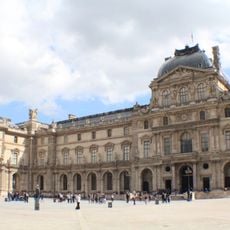
Hommes illustres, Sculpture series at Louvre Palace, France
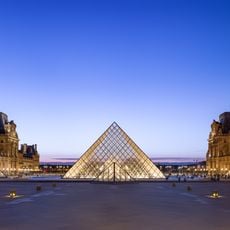
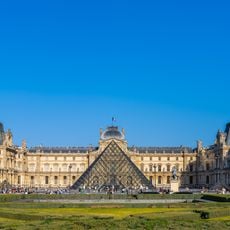
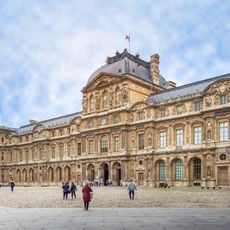
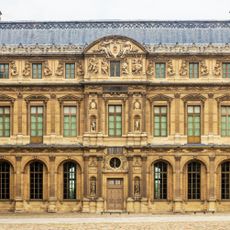
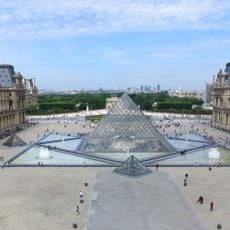
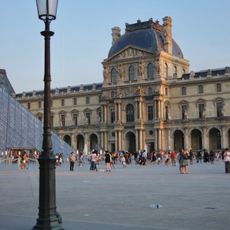
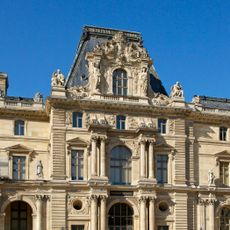
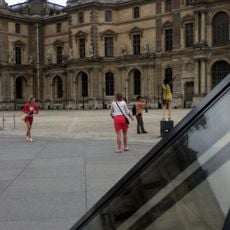
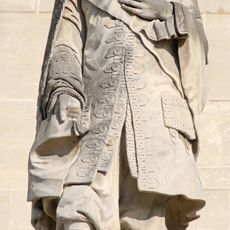
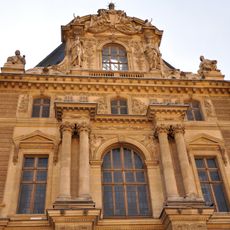
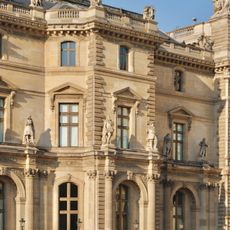
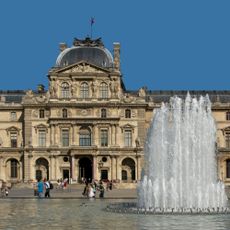
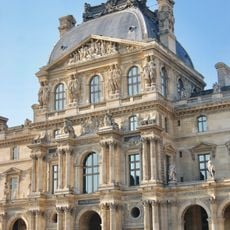
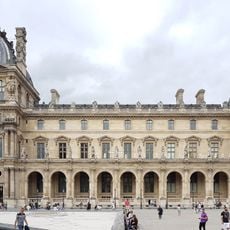
Hommes illustres is a collection of 86 stone statues positioned along the balustrades of the Napoleon Court at the Louvre. The figures overlook the open courtyard, which is framed by arcades and classical facades.
The collection was commissioned by Napoleon III and installed by architect Hector-Martin Lefuel between 1853 and 1857. This project was part of a major expansion and renovation of the Louvre during the Second Empire.
The statues represent French figures whose names are engraved on the bases, honoring their contributions to society. This stone gallery celebrates men who shaped French thought, arts, and sciences.
The statues are visible and easily accessible from within the Louvre's courtyards and galleries. Early morning or late afternoon offers better light for viewing the stone details and encountering fewer crowds.
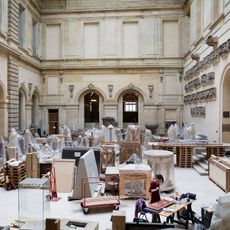
No woman appears among the 86 figures; the female statues elsewhere at the Louvre, on the Marsan, Flore and Pavillon des États wings, are allegories such as Glory, Peace or Victory, not real people. The only warrior is Vauban, usually counted as an economist. Five statues (Poussin, Houdon, Sully, Colbert, Rabelais) were replaced during the 1980s renovation, and the damaged originals entered the Louvre's sculpture department on 21 December 1994.
The community of curious travelers
AroundUs brings together thousands of curated places, local tips, and hidden gems, enriched daily by 92,784 contributors worldwide.