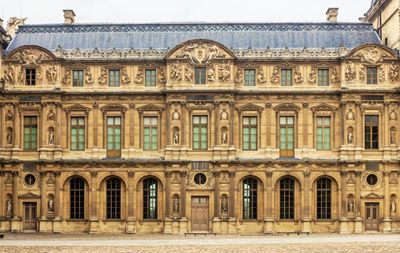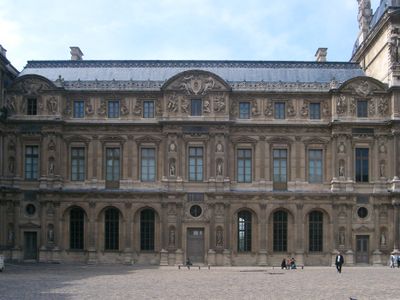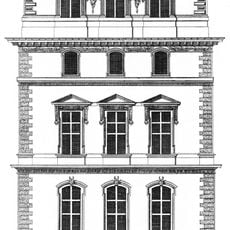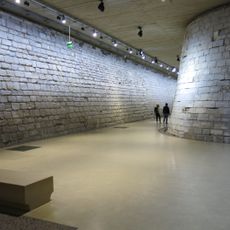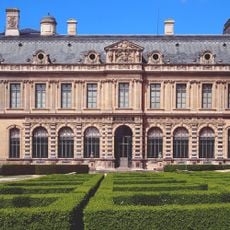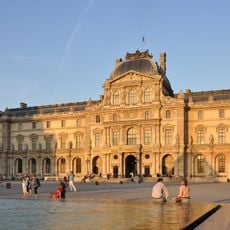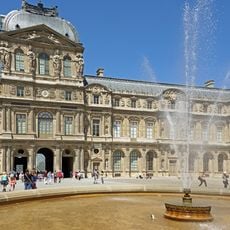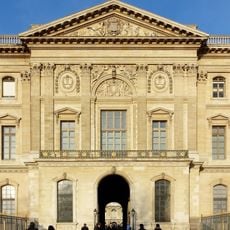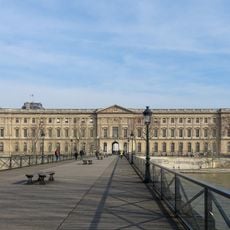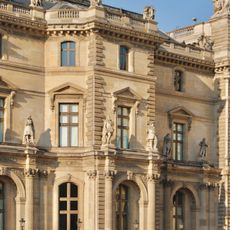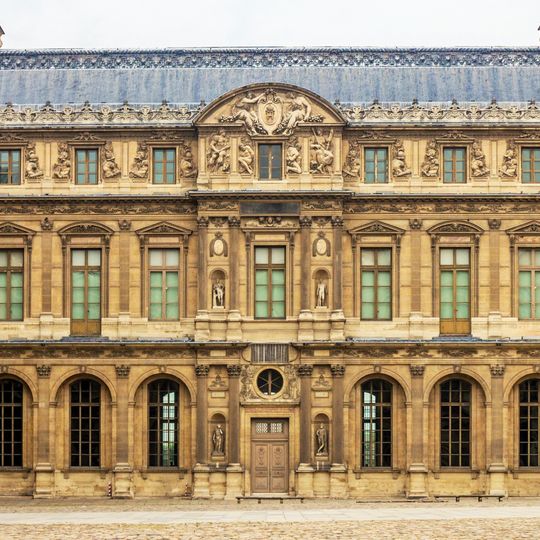
Aile Lescot, Renaissance wing at Louvre Palace, France
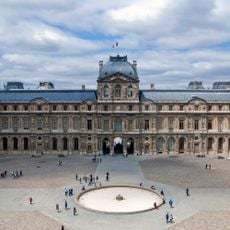
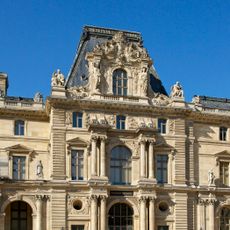
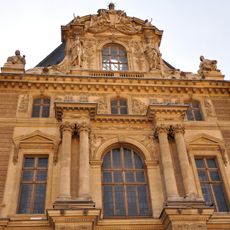
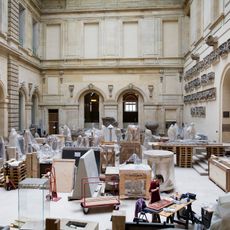
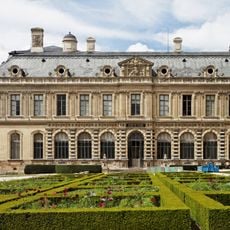
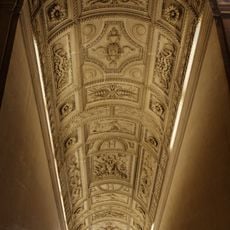
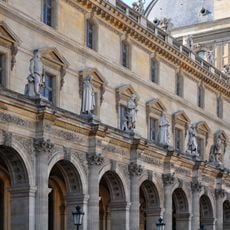
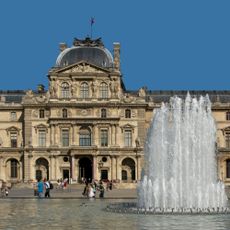
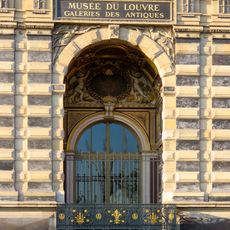
The Lescot Wing is a Renaissance section of the Louvre featuring two main stories and an attic level, with a classical stone facade adorned by detailed carved reliefs. The structure links multiple exhibition spaces, allowing visitors to move through collections of French art spanning different time periods.
Pierre Lescot designed this section between 1546 and 1551 for King Francis I, creating the first Renaissance addition that replaced the medieval fortifications of the Louvre. This transformation marked the beginning of the palace's shift from a fortress to a royal residence.
The Room of the Caryatids contains four monumental stone female figures by Jean Goujon that support a musicians' gallery, showcasing mastery of French Renaissance sculpture. These statues represent the artistic achievements that flourished during this creative period in France.
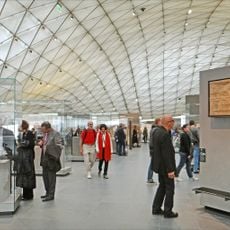
The wing is easily accessible and flows smoothly into other areas of the museum, allowing visitors to explore different collections without much backtracking. It helps to take time observing the intricate facade details from both outside and inside as you move through.
This is the oldest deliberately preserved above-ground section of the entire Louvre Palace, showcasing a fascinating blend of Italian Mannerist influences with French design traditions. The combination of imported artistic concepts and local craftsmanship makes this structure a rare testament to early cultural exchange between Italy and France.
The community of curious travelers
AroundUs brings together thousands of curated places, local tips, and hidden gems, enriched daily by 91,186 contributors worldwide.