See the monuments around you in AROpen chests in the app
Around Us is built for your phone — point your camera at the streets and discover the monuments and places around you in augmented reality.Around Us is built for your phone — chests unlock when you walk, explore and capture nearby places.
Belgian Flanders keeps the story of its merchants, craftsmen, and artists alive through cities where the past is visible at every corner.
Flanders in Belgium is a region with a rich history stretching back centuries. Visitors find medieval town centers, old castles, cathedrals, and museums that tell stories of trade, art, and craftsmanship. Cities like Bruges, Ghent, and Antwerp display the architecture and culture of earlier times, while smaller towns like Damme and Veurne preserve the character of the past.
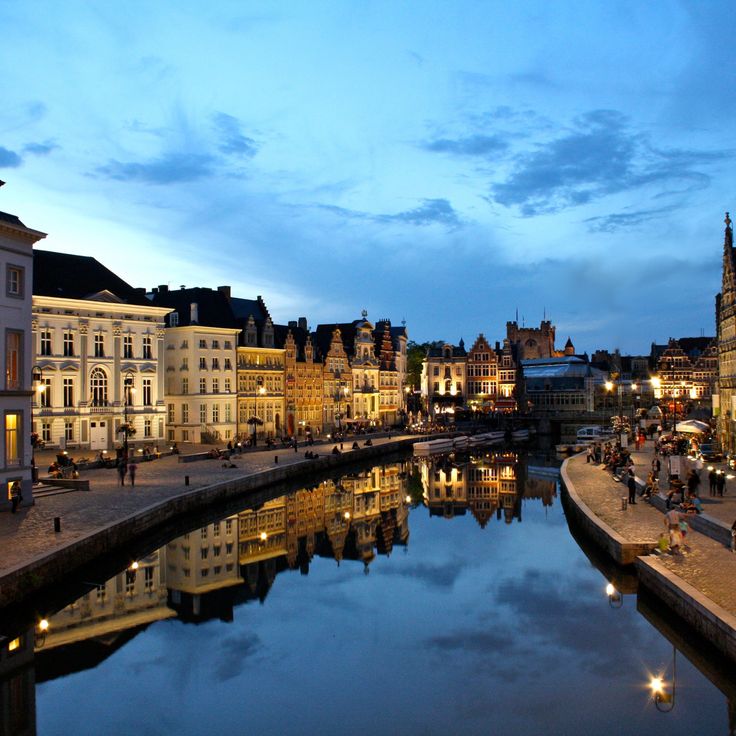
In Bruges, visitors can walk through narrow streets, relax by the canals, and taste Belgian beer in traditional breweries. Ghent stands out for its Graslei waterfront and the imposing Castle of the Counts of Flanders. Antwerp offers a town hall on the Grand-Place, a respected diamond museum, and the Rubenshuis, the home of painter Peter Paul Rubens.
Along the coast, visitors find beach towns like Blankenberge and Knokke-Heist, a nostalgic tram, and nature reserves. Inland, there are war museums in Ieper, chocolate museums in several cities, and specialized collections like the harp museum. Fishermen in Oostduinkerke preserve traditional methods, while parks and nature areas offer space to explore.
Belgian Flanders keeps the story of its merchants, craftsmen, and artists alive through cities where the past is visible at every corner.
Flanders in Belgium is a region with a rich history stretching back centuries. Visitors find medieval town centers, old castles, cathedrals, and museums that tell stories of trade, art, and craftsmanship. Cities like Bruges, Ghent, and Antwerp display the architecture and culture of earlier times, while smaller towns like Damme and Veurne preserve the character of the past.
In Bruges, visitors can walk through narrow streets, relax by the canals, and taste Belgian beer in traditional breweries. Ghent stands out for its Graslei waterfront and the imposing Castle of the Counts of Flanders. Antwerp offers a town hall on the Grand-Place, a respected diamond museum, and the Rubenshuis, the home of painter Peter Paul Rubens.
Along the coast, visitors find beach towns like Blankenberge and Knokke-Heist, a nostalgic tram, and nature reserves. Inland, there are war museums in Ieper, chocolate museums in several cities, and specialized collections like the harp museum. Fishermen in Oostduinkerke preserve traditional methods, while parks and nature areas offer space to explore.
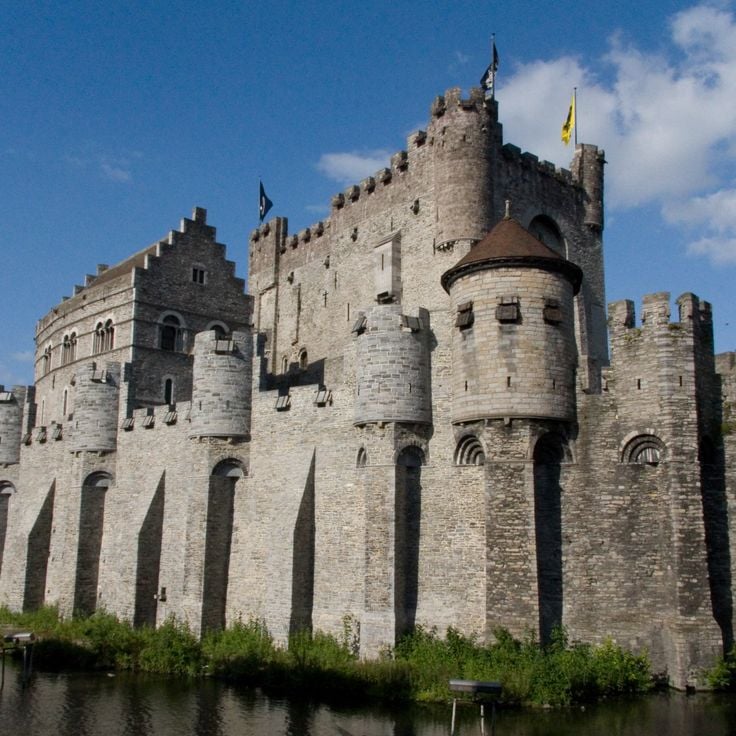
The Castle of the Counts of Flanders is a fortress built in the 12th century in Ghent. It features defensive towers, thick stone walls, and underground chambers. Visitors can explore a collection of medieval armor and climb to the towers for views across the city. This castle is one of the main historic centers in Flemish Belgium and shows how the region looked during medieval times.
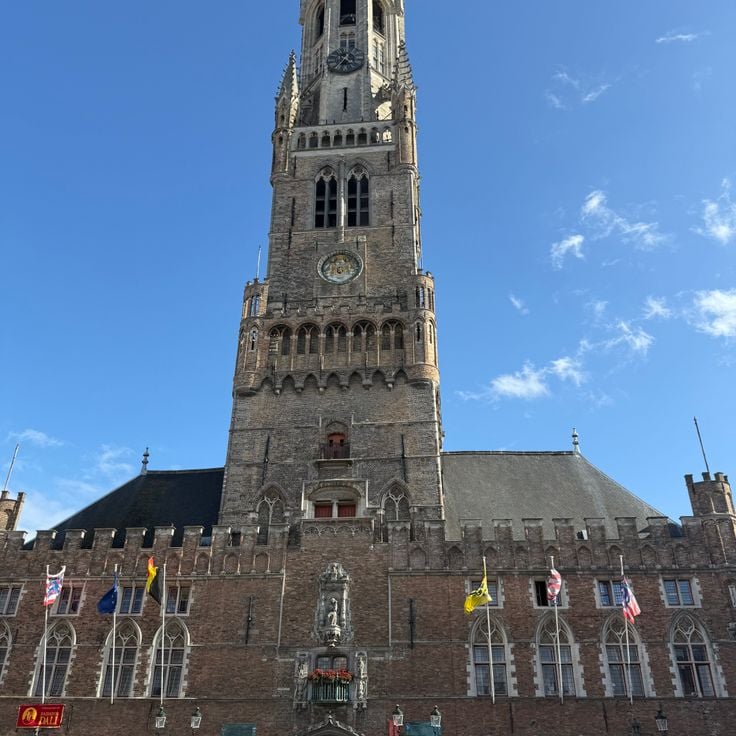
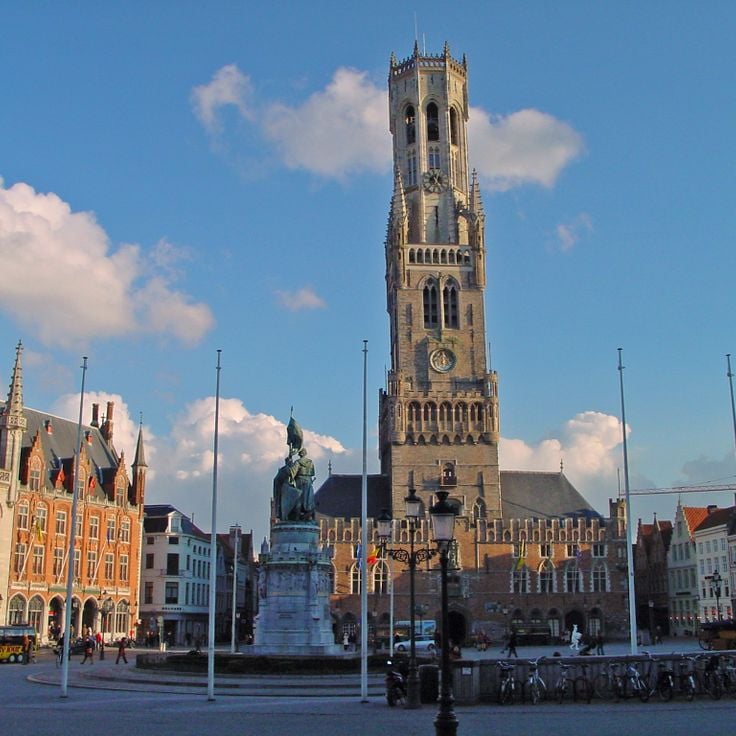
The Belfry of Bruges is a medieval tower that dominates Market Square in this historic city center. Climbing 366 steps to the top rewards visitors with views across the rooftops and access to the historic bells housed within. This structure stands as one of the main tourist attractions in Belgian Flanders, representing the region's medieval heritage.
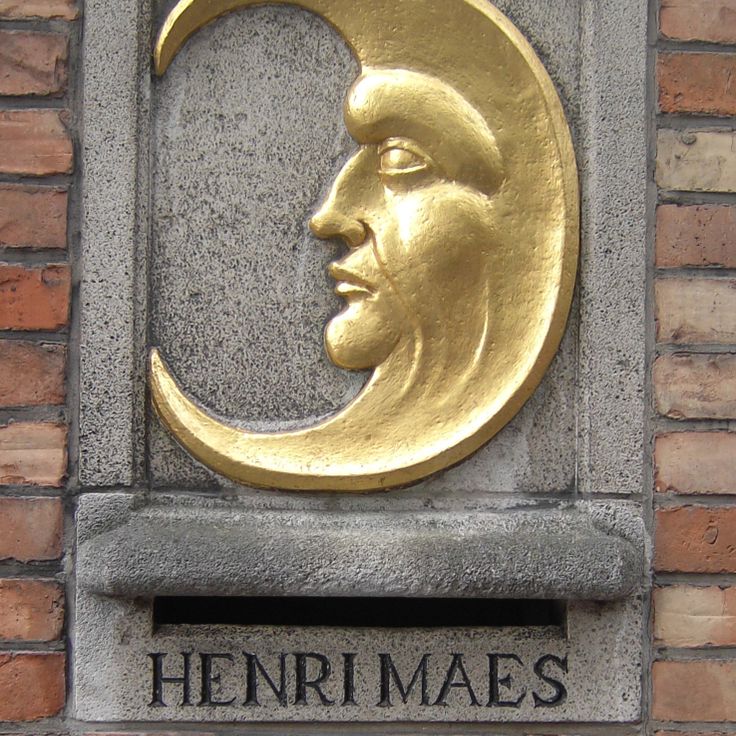
De Halve Maan Brewery is a traditional brewery in Bruges that was established in 1856 by the Maes family. It produces Brugse Zot blond beer using craft methods passed down through generations. As a working brewery, it shows how beer has been made in Flanders for more than 150 years.
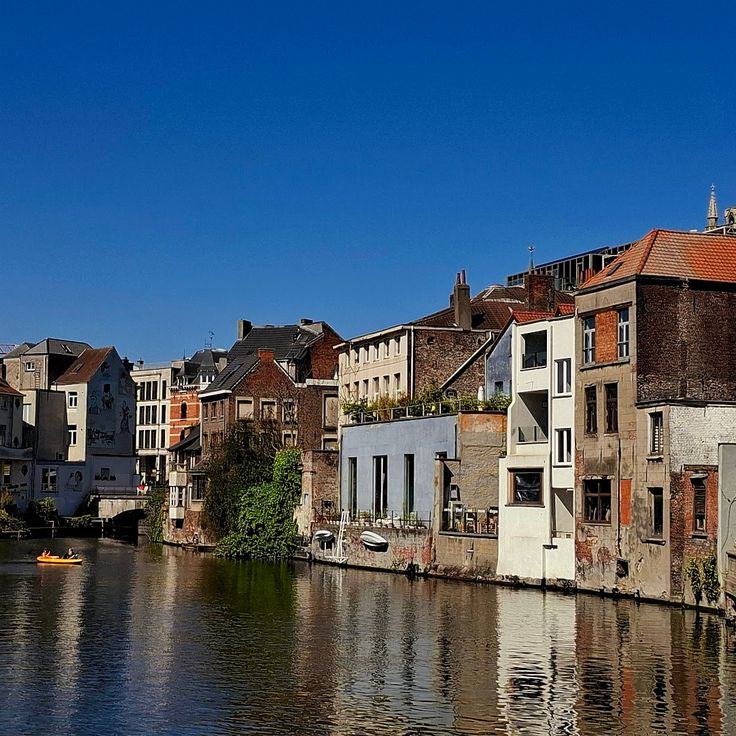
Graslei and Korenlei are two parallel quays along the Lys River in Ghent. They feature a row of guild houses and bourgeois residences from the Middle Ages and Renaissance. These buildings with their varied facades tell the story of the city during its time as an important trading center. The quays shape the character of the historic old town and give a sense of how Ghent once looked.
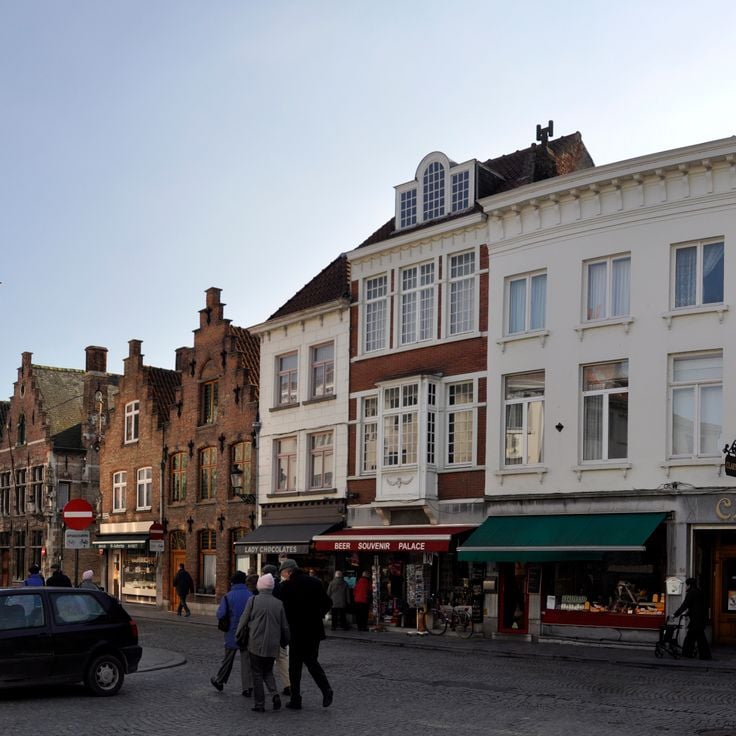
The historic center of Bruges is an old district inscribed on the UNESCO World Heritage list since 2000, showcasing medieval streets and squares that transport you back centuries. Gothic churches with soaring spires stand alongside museums displaying Flemish art, while colorful gabled houses line the cobbled streets. The district reveals how merchants and craftspeople lived during the Middle Ages and Renaissance. Canals wind through the streets, and historic buildings bear witness to Bruges' former importance as a trading hub.
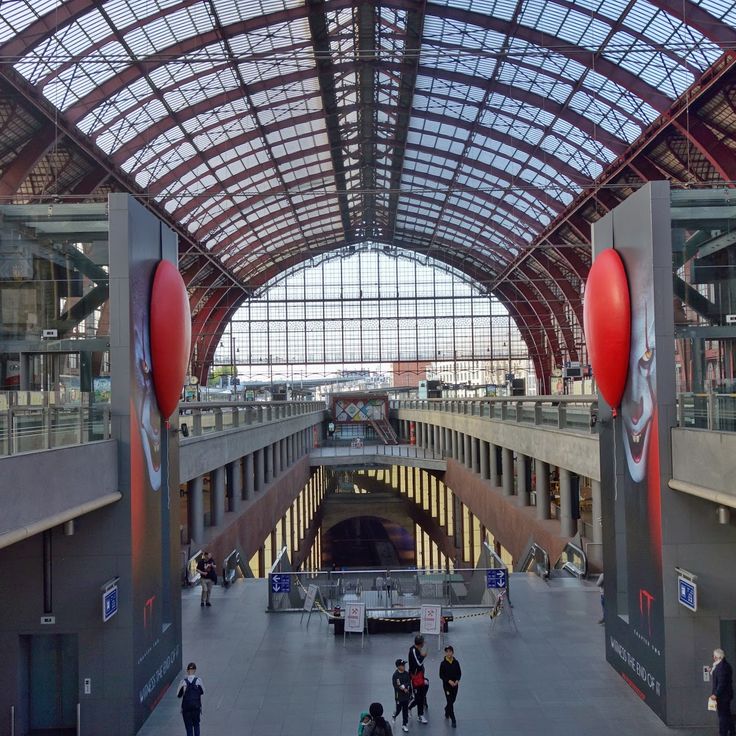
The Central Station in Antwerp is a train terminal opened in 1905 that showcases remarkable architectural features. It has a monumental dome, marble staircases, an Art Nouveau glass roof, and a main hall with gilding and ornamental sculptures. As one of the major tourist sites in Belgian Flanders, this station blends historical train operations with artistic design that draws visitors from around the world.
The Plantin-Moretus Museum is the former home and workshop of the Plantin-Moretus printing family. It houses historic printing presses, illuminated manuscripts, and a Renaissance library displayed in rooms decorated with gilded leather. The museum preserves the story of typography and bookmaking during the 16th and 17th centuries. As part of the major tourist sites of Belgian Flanders, this museum shows how the Plantin-Moretus family shaped the art of printing and left their mark on European culture.
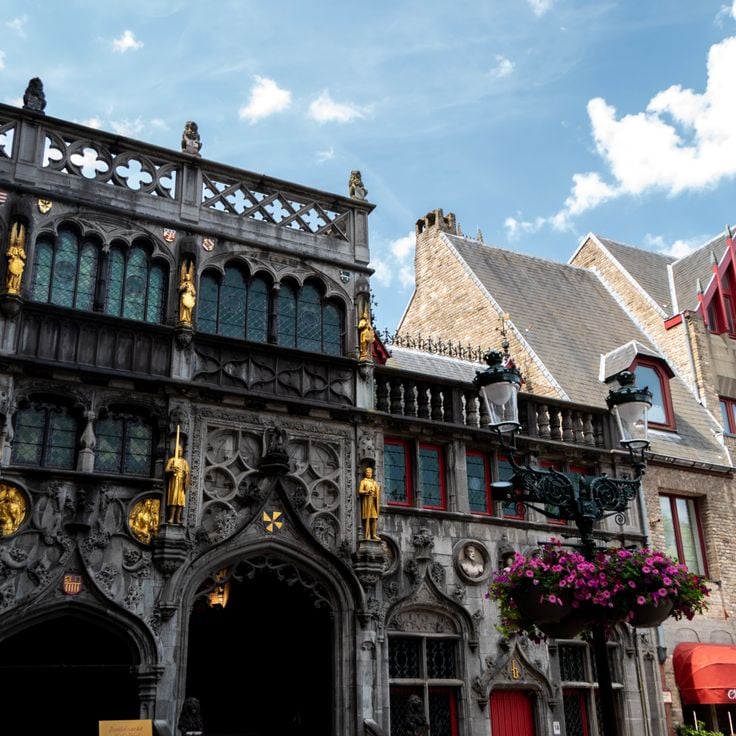
The Basilica of the Holy Blood is a religious building in Bruges dating from the 12th century and a major attraction in Belgian Flanders. It features two chapels built one above the other within its structure. The upper chapel houses a venerated relic believed to be the blood of Christ, brought back from the Crusades. This sanctuary draws pilgrims and visitors interested in medieval history and religious objects of great age and significance.
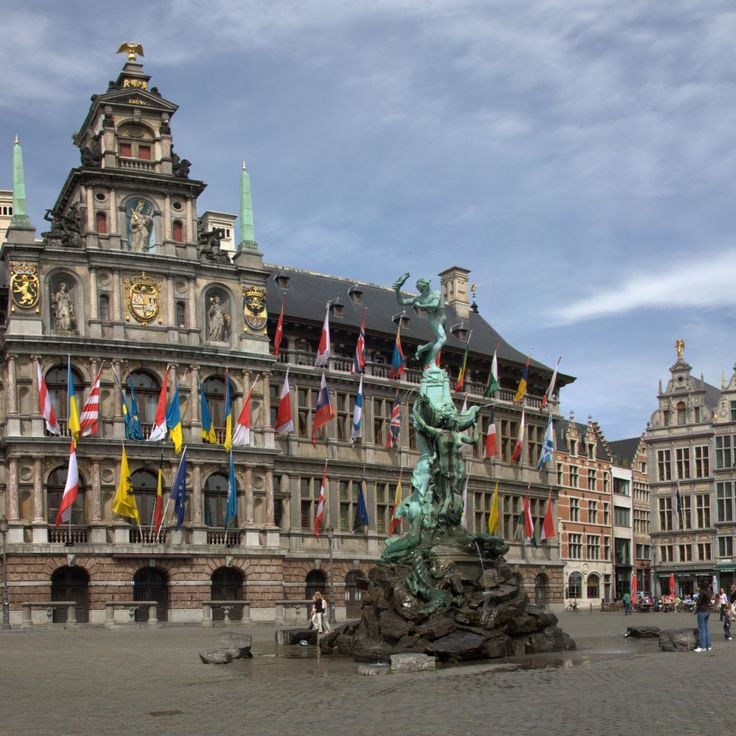
The Grand-Place of Antwerp is the central square of this Belgian port city, surrounded by 16th-century buildings that display the craftsmanship of Flemish Renaissance architecture. The Flemish Renaissance City Hall and the guildhouses feature sculpted facades that reflect the skills of artisans from centuries past. The Brabo fountain at the center tells a story connected to the city's past. This square is a key destination for travelers exploring the heritage sites and historic centers of Belgian Flanders.
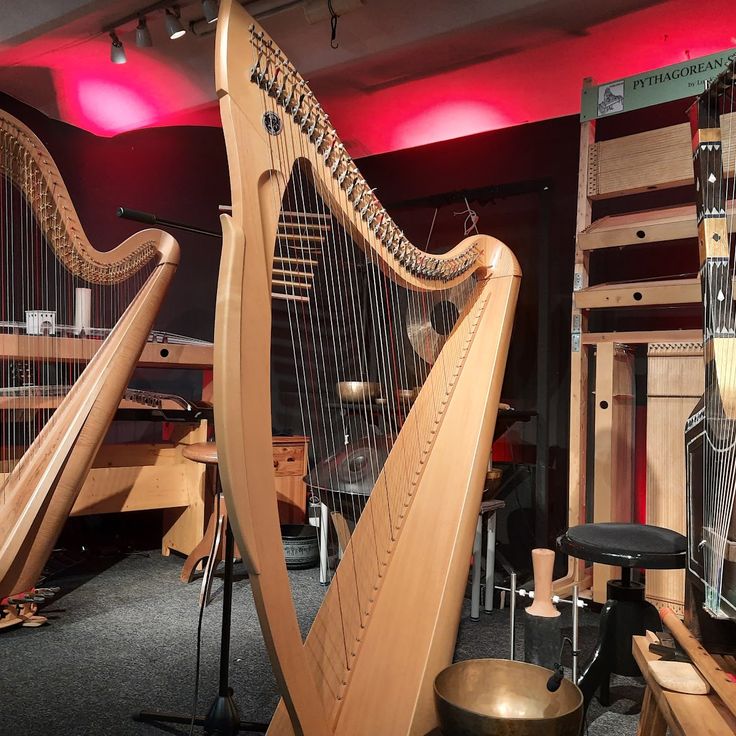
The Luc Vanlaere Harp Museum is a cultural space dedicated to the harp, displaying both historic and contemporary instruments as part of Belgium's major tourist sites. Visitors can watch musical demonstrations by professional artists and explore how this instrument has evolved over time.
Ghent city center is a historic district crossed by the Lys and Scheldt canals, grouping together Gothic churches, a 14th-century belfry, the Castle of the Counts of Flanders and rows of bourgeois houses along paved quays. This neighborhood represents the medieval heritage of Belgian Flanders and stands as one of the major tourist destinations in the region.
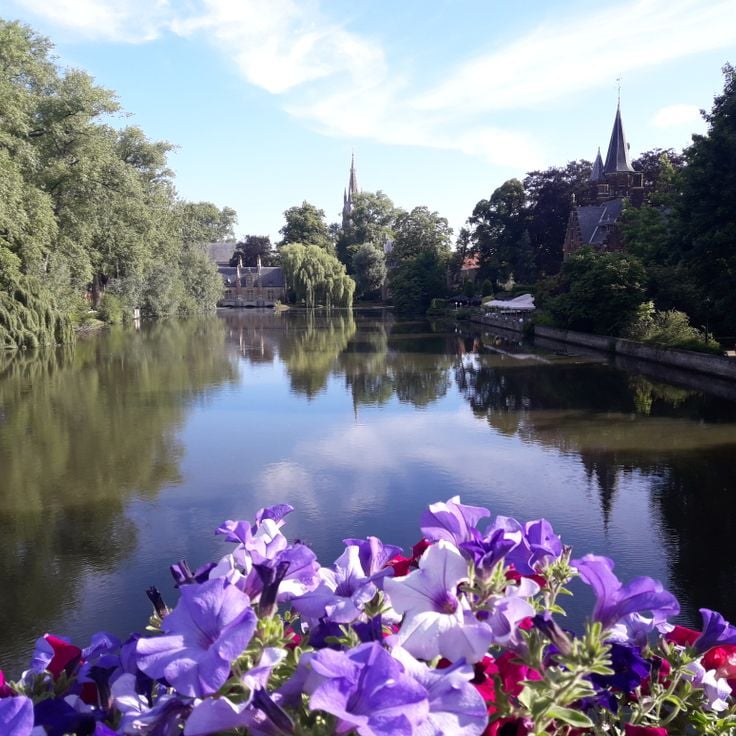
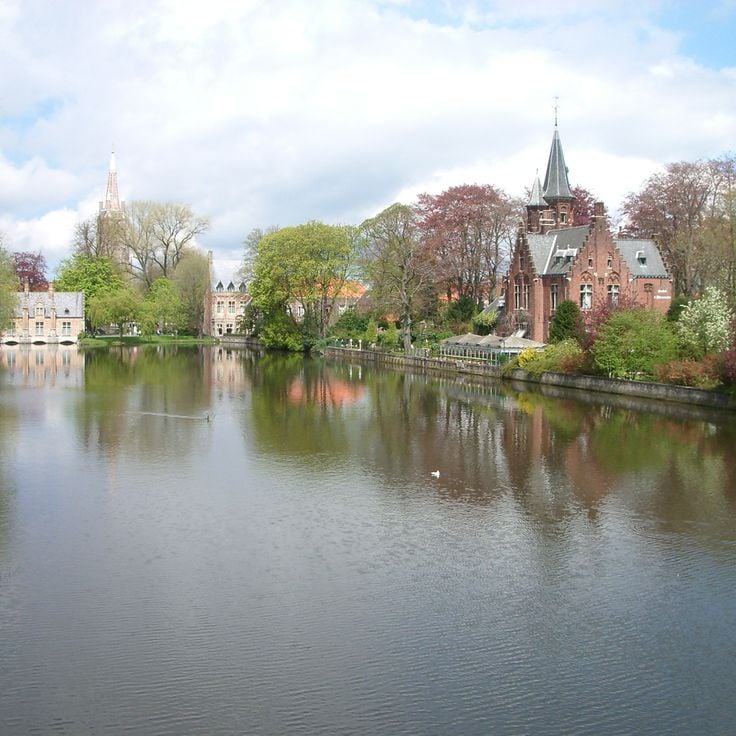
Lake Minnewater is a rectangular pond in Bruges surrounded by weeping willows and lawns where white swans swim. A stone bridge connects the lake to the historic center, and a former medieval powder tower stands at its edge. This site is one of the major tourist attractions in Bruges and demonstrates how water and history shape the character of the city.
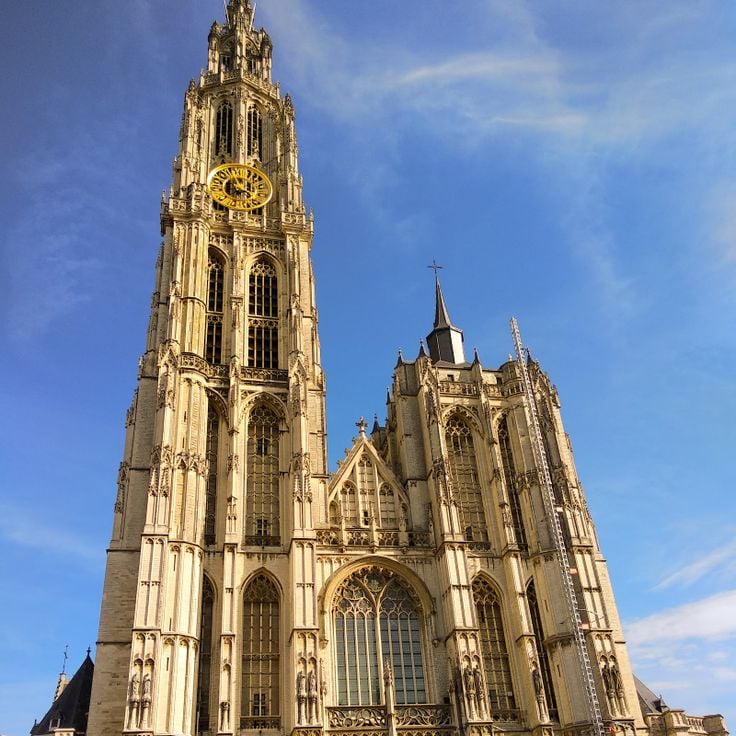
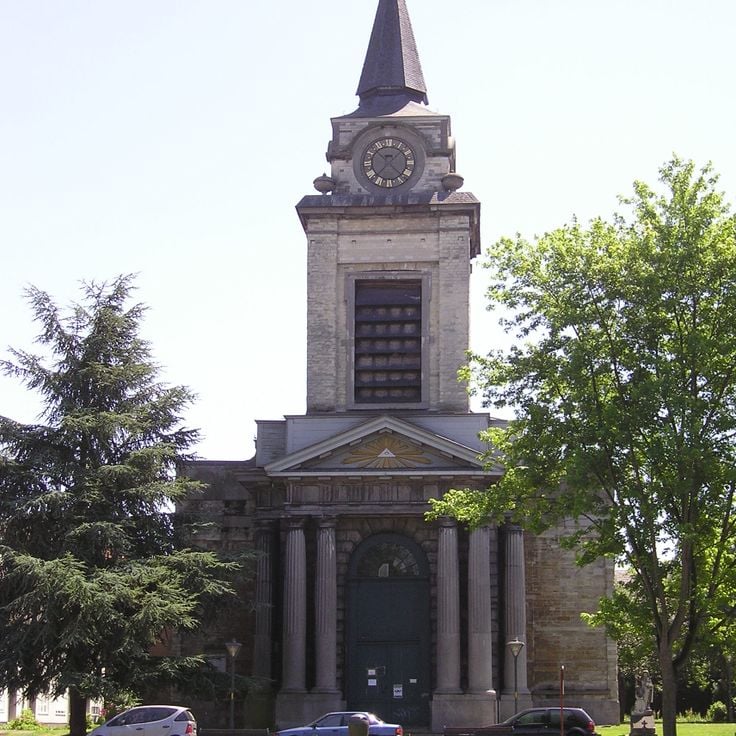
The Cathedral of Our Lady in Antwerp is a Gothic religious building from the 14th century that houses works by Rubens, stained glass windows and carved liturgical furniture in its chapels and choir. As a major historic site, this cathedral contributes to the rich heritage of Belgian Flanders.
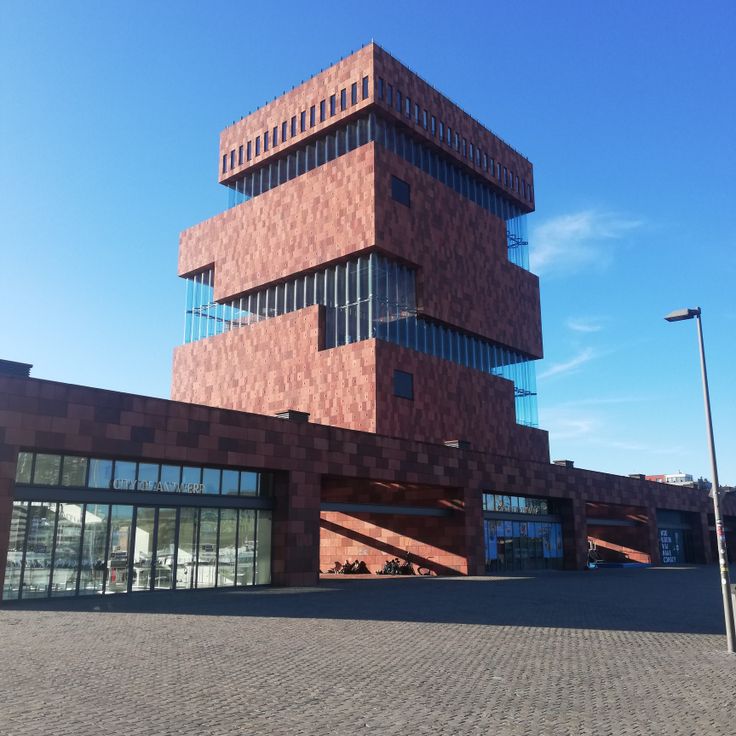
The Museum aan de Stroom in Antwerp houses ethnographic and maritime collections in a ten-storey building. Visitors can view objects and stories from different cultures and shipping history throughout its galleries. From the upper floors, the city and the Scheldt River spread out below. The museum stands as one of Antwerp's major cultural destinations.
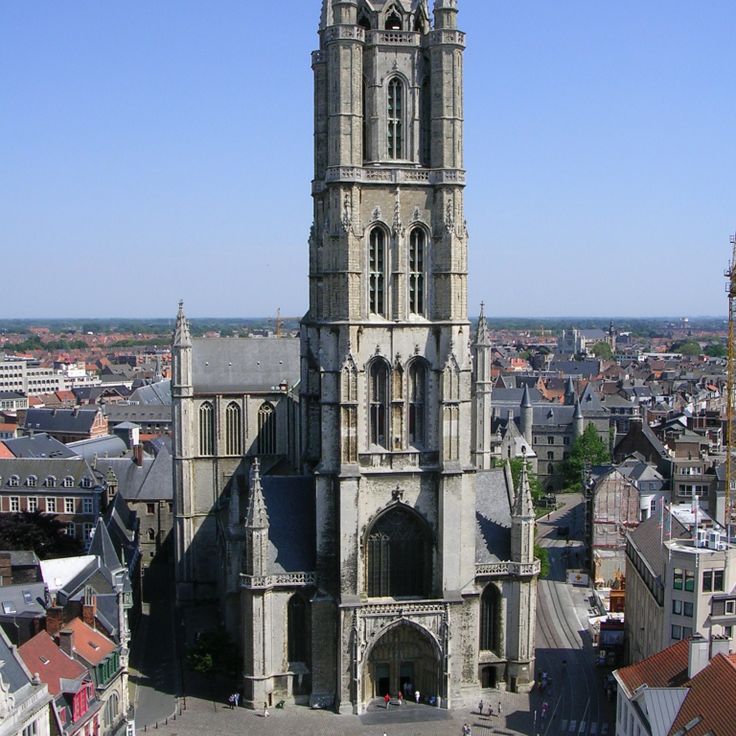
Saint Bavo Cathedral is a Gothic church from the 13th century in Ghent and ranks among the major tourist sites of Belgian Flanders. It houses the celebrated polyptych by the Van Eyck brothers, works by Rubens, and numerous sculptures. The cathedral reflects the religious and artistic importance of this Belgian city.
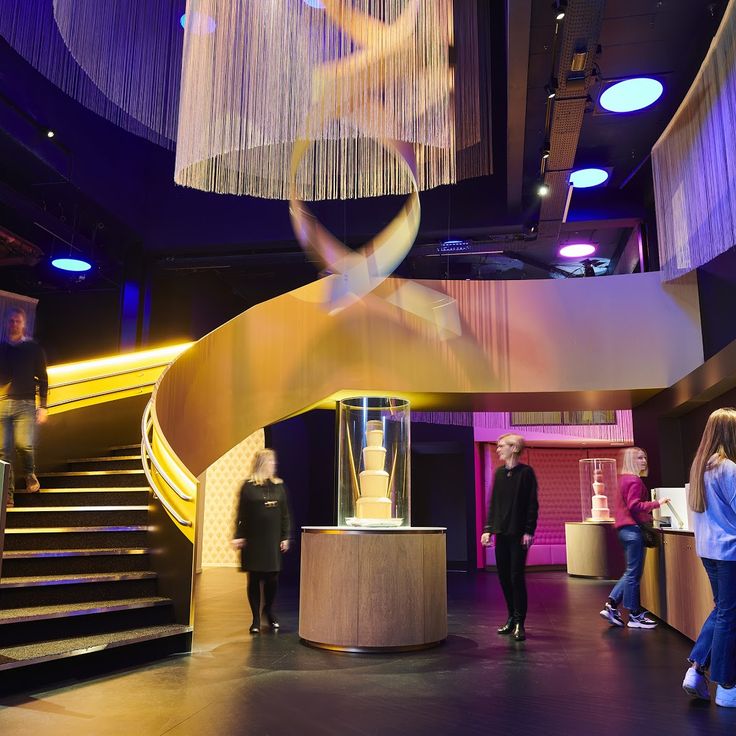
Chocolate Nation in Antwerp traces the history of Belgian chocolate from the cacao bean to creations by today's master chocolatiers. This interactive exhibition center shows how Belgians became experts in chocolate making and reveals the techniques that skilled craftspeople still use today. Visitors can follow the various steps of production and understand what makes Belgian chocolate so distinctive.
Bellewaerde Park is a leisure complex in Ieper that combines thrill rides and family carousels with a zoo. The park displays mammals, birds, and reptiles in themed enclosures, offering something for both adventure seekers and families looking for a full day of entertainment.
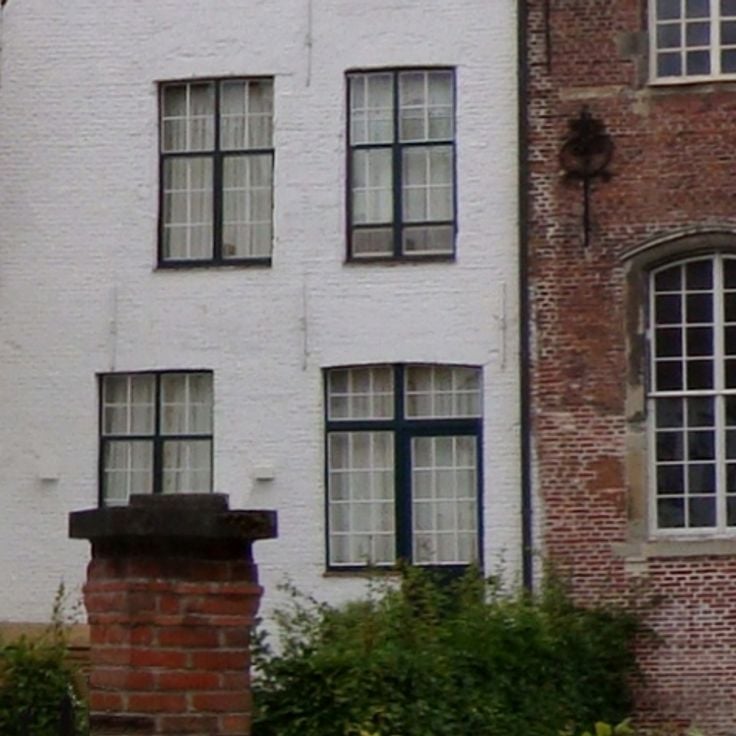
The Beguinage in Bruges is a medieval complex dating back to the 13th century and stands as one of the major tourist attractions of Belgian Flanders. White houses surround peaceful gardens, and a chapel sits at the heart of the compound. Benedictine nuns make their home here today. Walking through this site, you experience the rhythm of monastic life and see how people lived in religious community. The setting invites you to slow down and observe the daily habits of the residents.
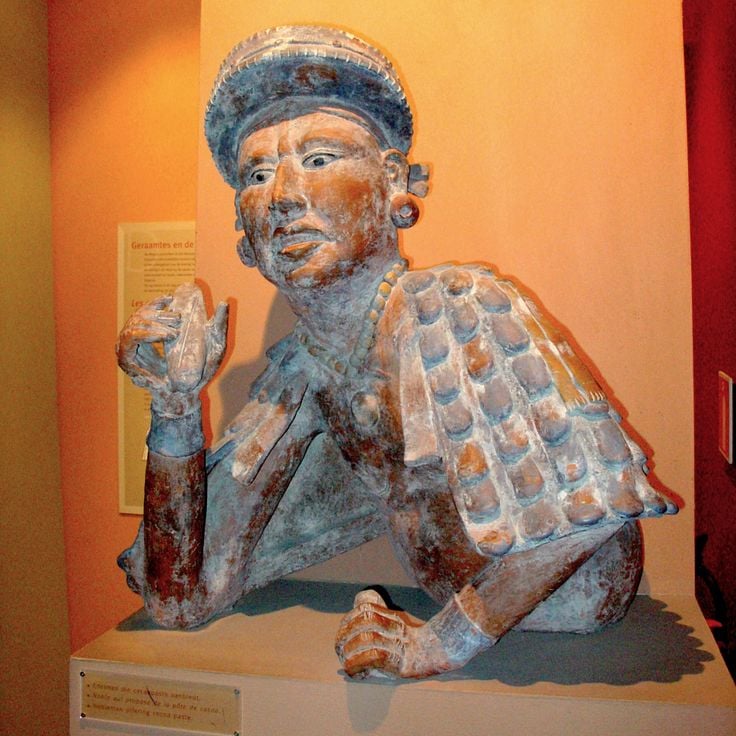
Choco-Story is a museum in Bruges that shows the history of cocoa from the Mayan and Aztec civilizations to modern Belgian chocolate production techniques. Visitors can follow the journey of this valuable material from a ritual substance to an everyday pleasure. The museum offers insight into the craft and passion behind Belgian chocolate.
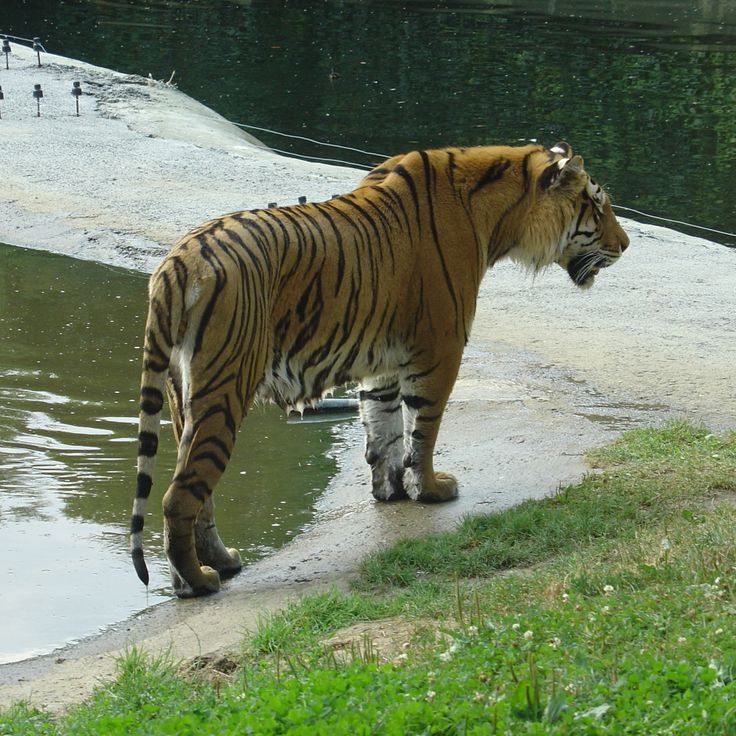
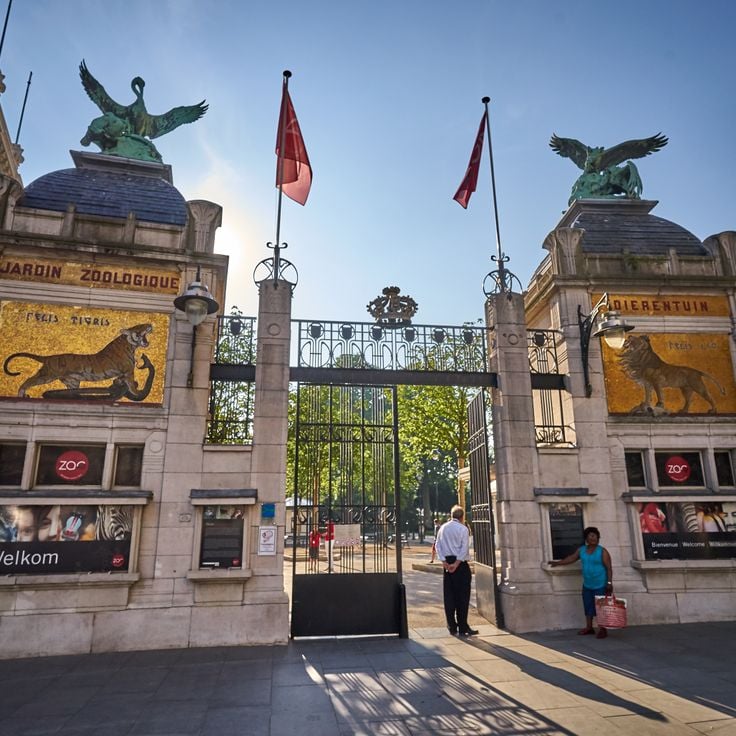
Zoo Antwerpen was founded in 1843 and is a major cultural site in Antwerp. It houses over 5000 animals within historical Art Nouveau buildings. A tropical greenhouse displays exotic butterflies and other tropical species. The zoo presents the diversity of animal life from different regions and allows visitors to learn about species from around the world. The historic structures make it architecturally interesting as well.
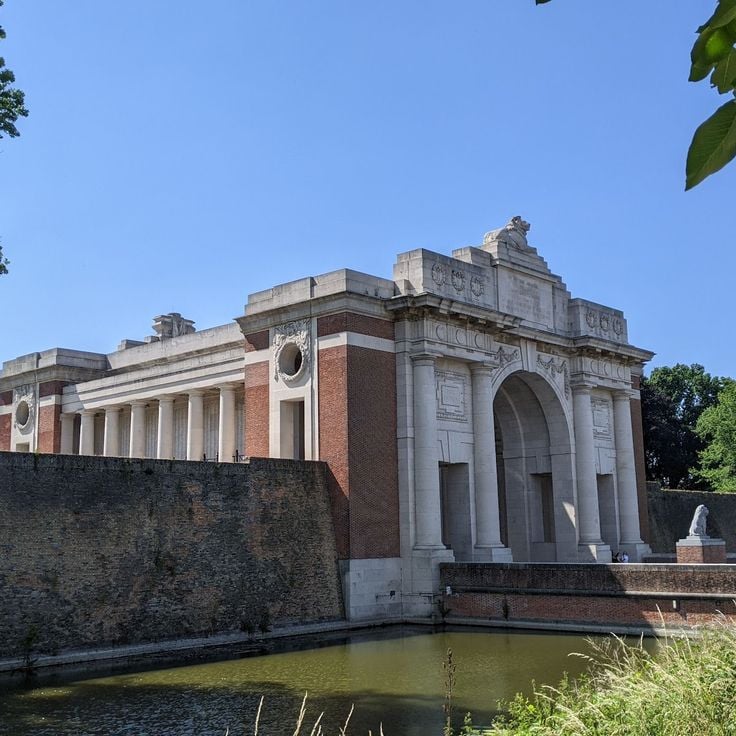
The Last Post Ceremony in Ieper is a daily military tribute honoring soldiers who died during the First World War. Every evening at eight o'clock, firefighters play the Last Post bugle call beneath the Menin Gate. This ceremony has taken place for many years and draws visitors from around the world who come to share in this moment of silence and remembrance.
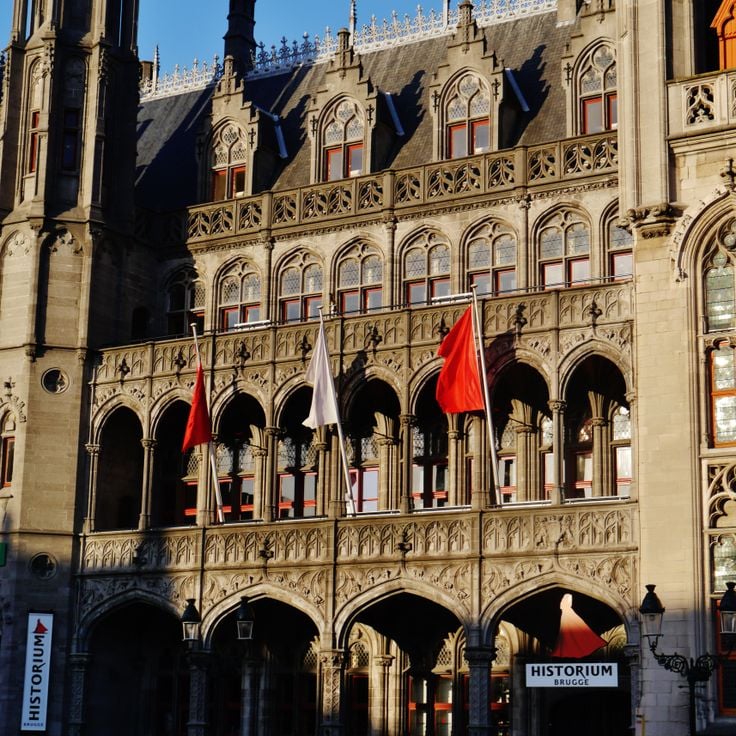
Historium Brugge is a multimedia exhibition center featured in this collection of Belgian Flanders' major attractions, dedicated to reconstructing the golden age of Bruges in the 15th century. Through immersive projections, recreated sets, and interactive technologies, visitors experience how the city looked and functioned during its period of prosperity as a trading hub. The center brings to life the daily world of medieval Bruges through modern presentation methods.
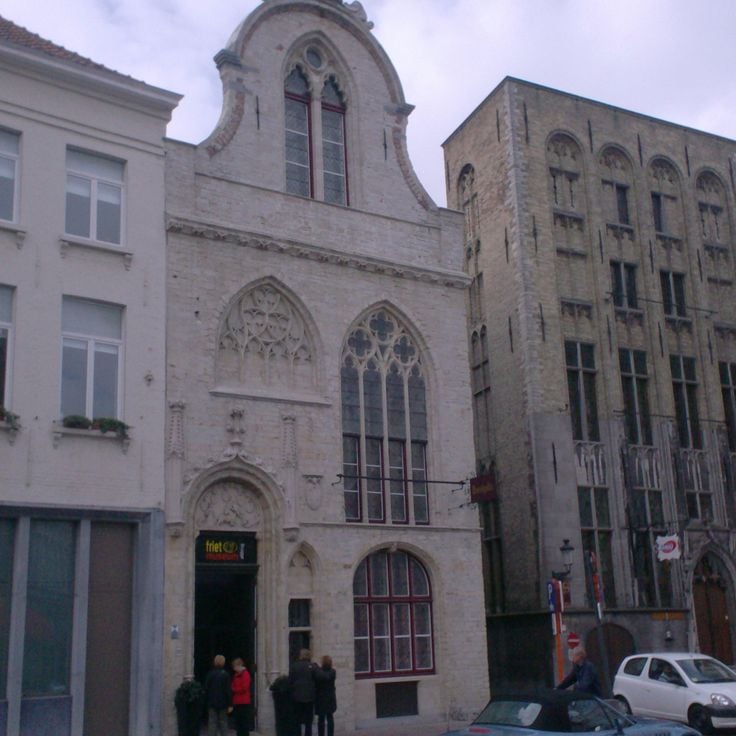
The Fries Museum in Bruges explores the history of Belgian fries and their role in the country's food culture. This collection documents how fries are prepared and the importance they hold in traditional Belgian cuisine. Visitors can learn about the origins and evolution of this beloved dish that remains central to local eating habits.
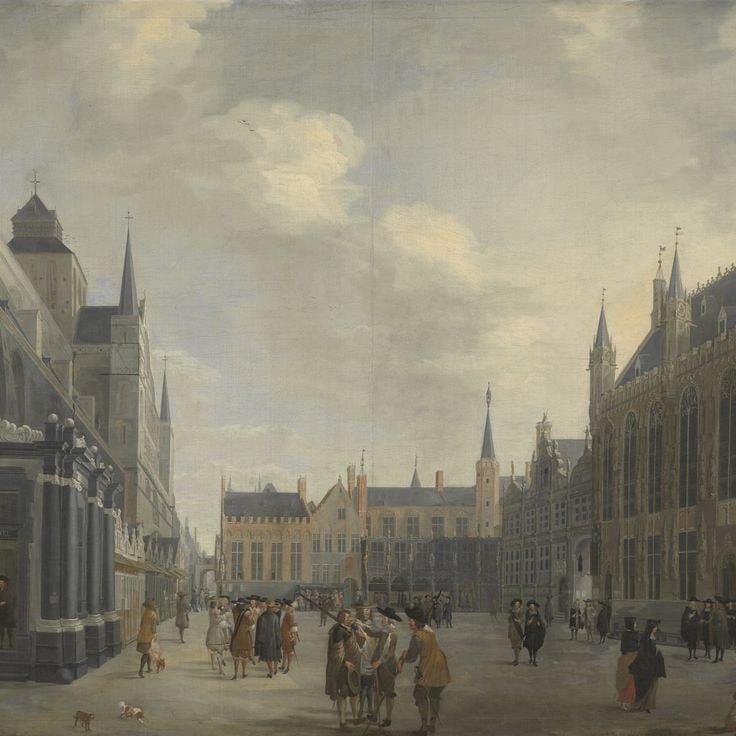
Burg Square is a historic square in the medieval center of Bruges that brings together the 14th-century Gothic Town Hall, the Basilica of the Holy Blood, and the Courthouse in an impressive architectural ensemble. This square represents one of the major tourist sites of Belgian Flanders and tells the story of the city through buildings spanning several centuries.
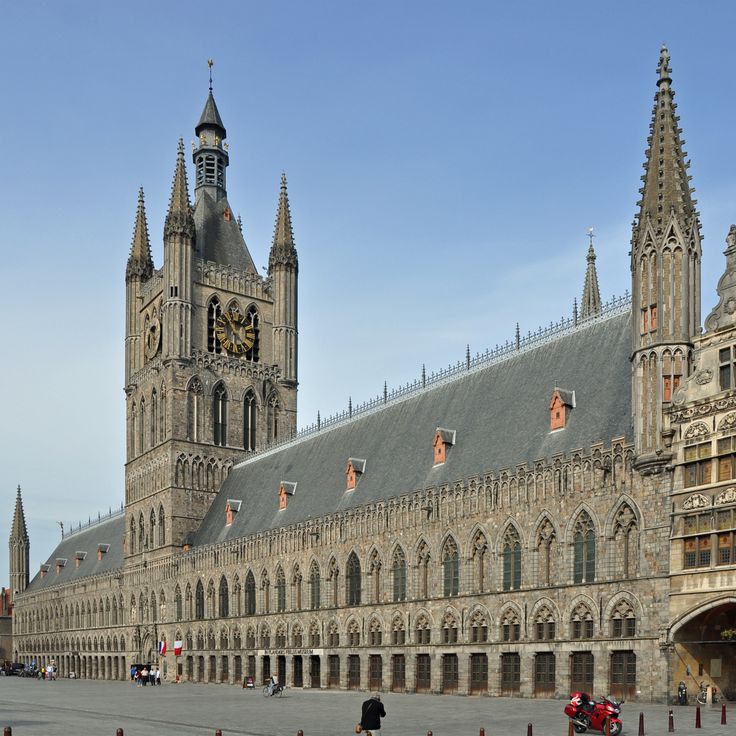
The In Flanders Fields Museum sits in the rebuilt Cloth Hall and tells the story of the battles fought in the Ypres Salient. Through personal accounts, objects that belonged to soldiers and civilians, and interactive displays, visitors can understand what people experienced during the First World War. The museum brings these stories to life in a way that connects the past to visitors today.
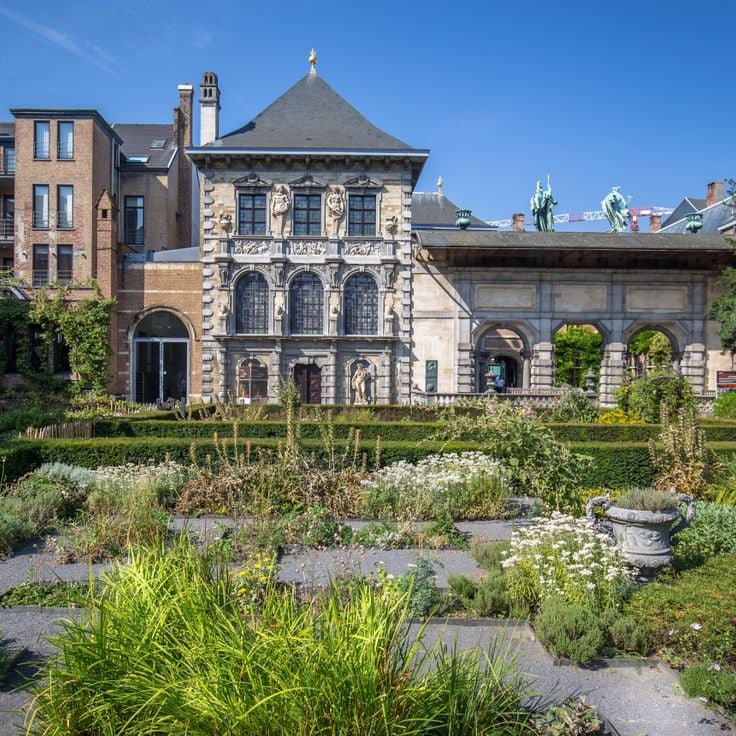
The Rubenshuis is the former home and studio of Baroque painter Peter Paul Rubens. This 17th-century house displays his paintings alongside works by artists of his time in rooms restored to reflect their original appearance. Visitors walk through the spaces where this major artist lived and worked.
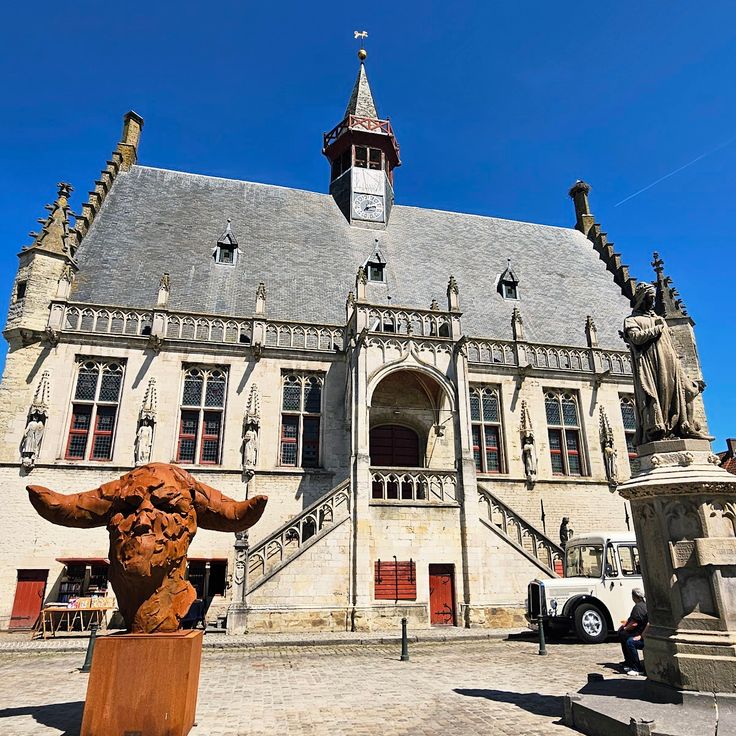
This former trading city preserves its ramparts, canals, and red brick Gothic houses from the Middle Ages, reflecting its prosperous past. As one of the major tourist sites in Belgian Flanders, Damme still displays the architecture and layout of a significant medieval settlement.
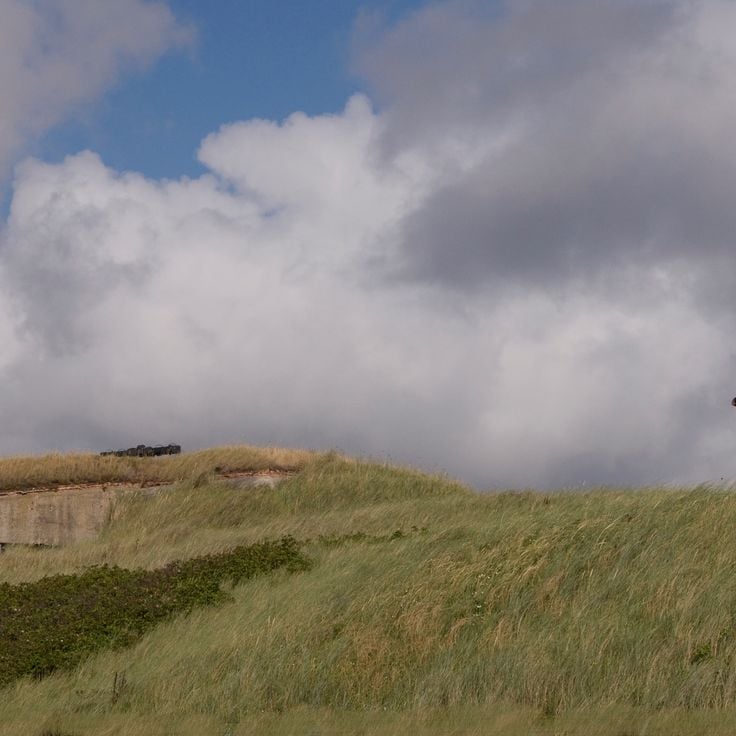
This military museum is housed in authentic bunkers built by the German army during the occupation of the Belgian coast. It displays objects, uniforms, and equipment from that period, helping visitors understand what life was like along the coast during the Second World War.
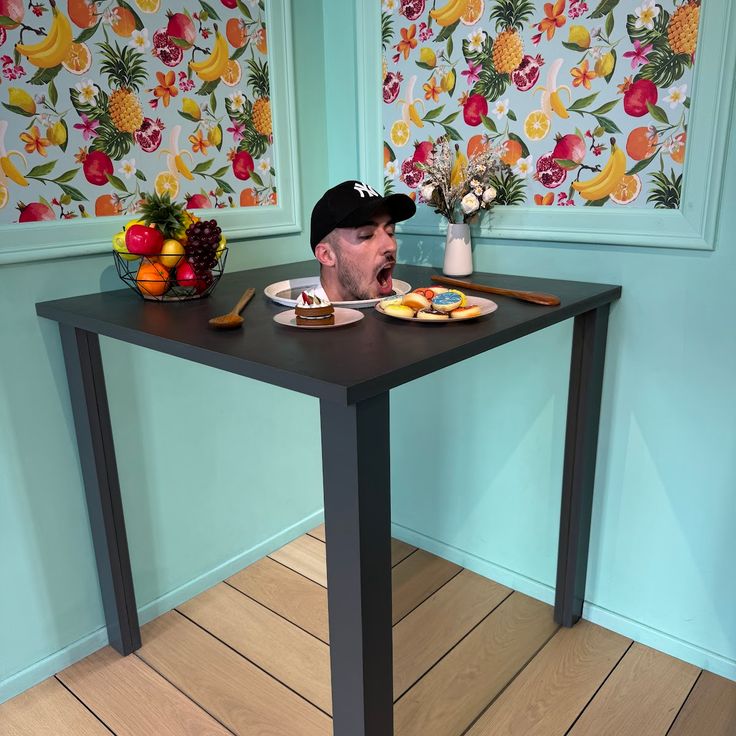
Illusion Antwerpen is a venue in Antwerp where visitors of all ages can explore deceptive sensory experiences and playful installations. The site uses optical and cognitive phenomena to challenge how people perceive the world around them. Within this collection of major tourist sites across Belgian Flanders, Illusion Antwerpen offers a modern form of interactive entertainment that blends art and scientific curiosity.
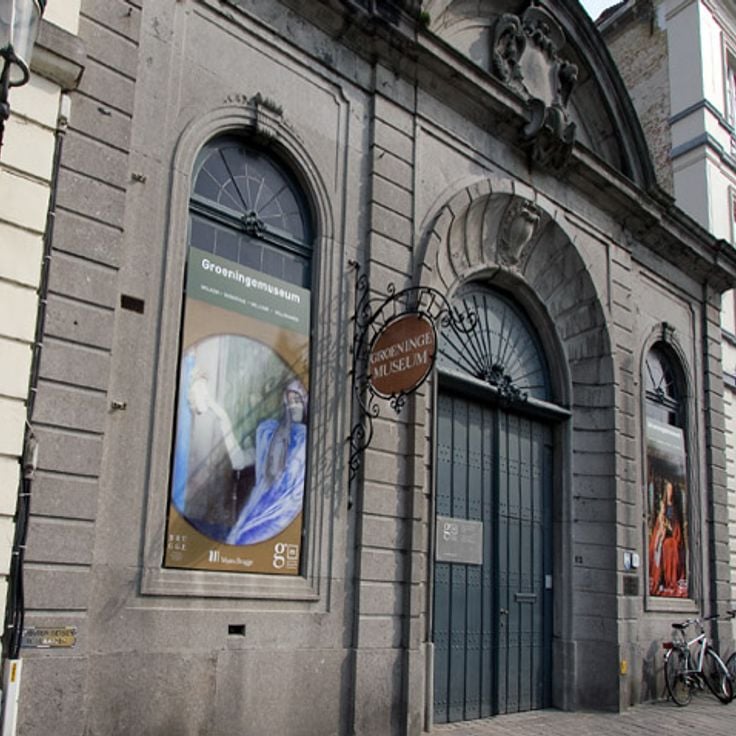
The Groeninge Museum in Bruges displays art from Flanders and Belgium spanning the Middle Ages to the Renaissance. The collection shows how artistic styles developed over centuries in this region and helps visitors understand the visual history of Belgian culture during this important period.
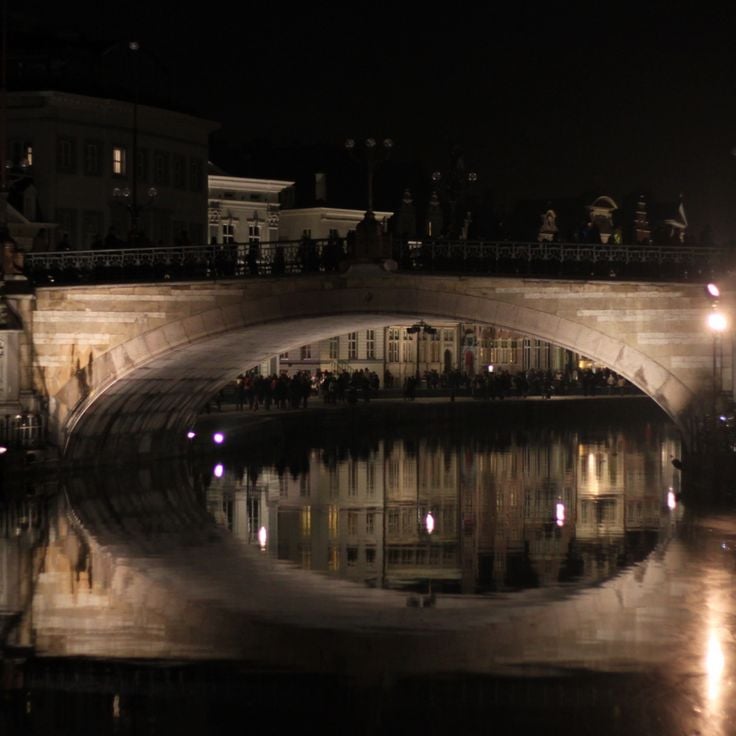
Saint Michael's Bridge is a historic stone bridge in Ghent that serves as one of the main attractions of the city. From this location, visitors can see the impressive skyline with the large churches of the old town. The bridge itself is an important landmark and offers a good place to view the architecture and waterways of the medieval city. Many travelers stop here to take photos and enjoy the views.
Blankenberge is a seaside resort on the Flemish coast and one of the main tourist destinations in Belgian Flanders. The town features a sandy beach, a historic pier, and a seafront promenade lined with restaurants and shops where visitors stroll and enjoy the coastal surroundings.
Kortrijk is a historic city in the province of West Flanders and represents one of the main tourist destinations in this collection of Belgian attractions. The city displays centuries of history through its well-maintained buildings, traditional squares, and waterways. Visitors find here a genuine piece of Flemish heritage that shaped the region.
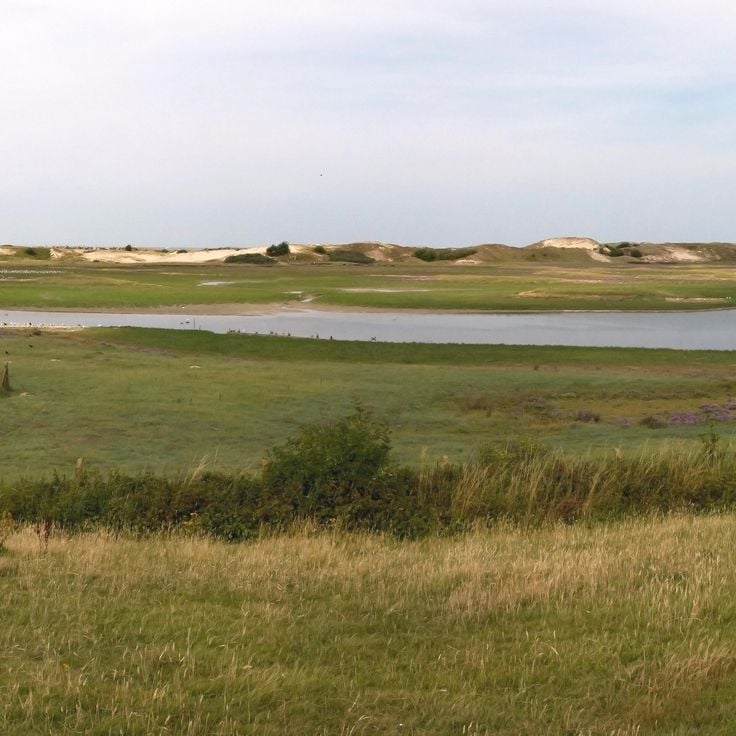
Zwin Nature Park is a coastal nature reserve located in Knokke-Heist that invites visitors to watch birds and explore salt marsh habitats. This park serves as a stopping point for migratory birds and provides walking paths through its wetland environment. The landscape changes with the seasons, offering different species and natural rhythms throughout the year. It is a place where you can observe wildlife in their natural surroundings and experience the quiet side of the Belgian coast.
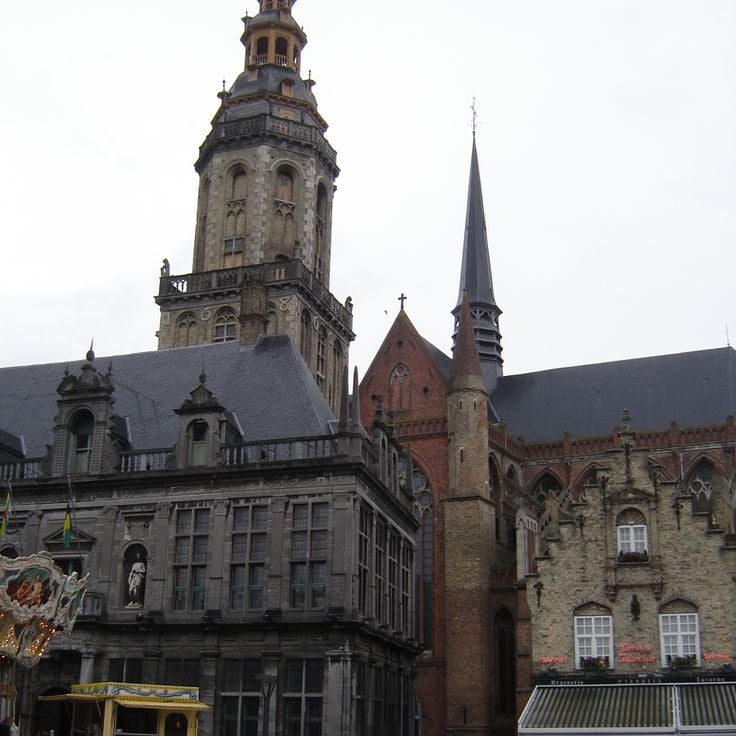
Veurne is a town whose historic center is surrounded by old fortifications. You will find a belfry, a Gothic church, and burgher houses that tell the story of the region. The town is known for its annual processions of penitents, which have been a long-standing tradition and draw many visitors.
This electrified railway line runs sixty-eight kilometers (43 mi) along the Belgian coast between De Panne and Knokke-Heist. The coastal tram serves all towns and neighborhoods along the shore, making it easy for travelers to reach the major attractions featured in this collection of Belgian destinations.
This coastal town offers a working fishing port where boats still land their daily catch. Modern marinas line the waterfront, and sandy beaches stretch along the shore. The town center was rebuilt after destruction in the First World War, creating a mix of contemporary buildings and restored structures that tell the story of recovery and renewal.
The Diamond Museum in Bruges is dedicated to the history of Antwerp's diamond industry. It displays traditional cutting and polishing techniques along with historic tools used by jewelers. The museum offers insight into a craft that shaped the region for centuries.
The Markt is the large paved public square at the heart of Bruges and ranks among the major tourist sites in Belgian Flanders. The square is lined with Gothic and Flemish gabled houses that give the city its distinctive look. Traditional markets and local cultural events happen here regularly, shaping the daily rhythm of the city.
Knokke-Heist is a coastal town on the Belgian coast featuring wide sandy beaches where visitors can swim and walk along the water. The city center contains numerous galleries displaying contemporary art, a casino, and upscale shops. It draws people seeking seaside leisure and refined shopping experiences.
De Panne is a Belgian coastal town featuring fine sandy beaches bordered by natural dunes. Visitors can explore pathways crossing the Westhoek nature reserve. The coastal tram connects this area directly to other seaside resorts of the Flemish region, making it an important destination for travelers exploring Belgium's coastline.
Minnewater Park is a green space in Bruges arranged around a former medieval harbor basin. The park features walking paths, wooded areas, a historic tower, and flower gardens. Swans and wild ducks frequent the area. It represents one of the main tourist destinations showcasing the medieval character of Belgian Flanders.
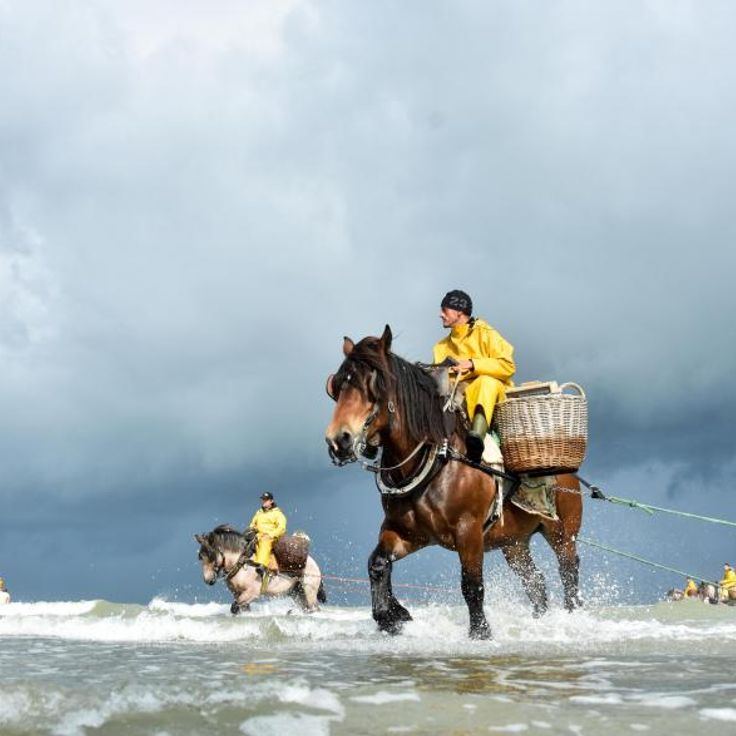
Shrimp fishing in Oostduinkerke is a traditional fishing method where fishermen ride horses into the shallow waters of the North Sea to catch shrimp. This practice has been carried out for generations by local fishermen and was recognized as UNESCO intangible cultural heritage in 2013. Visitors can watch the fishermen at work with their nets, observing a craft that remains an important part of Belgian coastal life.
The Castle of the Counts of Flanders is a fortress built in the 12th century in Ghent. It features defensive towers, thick stone walls, and underground chambers. Visitors can explore a collection of medieval armor and climb to the towers for views across the city. This castle is one of the main historic centers in Flemish Belgium and shows how the region looked during medieval times.
The Belfry of Bruges is a medieval tower that dominates Market Square in this historic city center. Climbing 366 steps to the top rewards visitors with views across the rooftops and access to the historic bells housed within. This structure stands as one of the main tourist attractions in Belgian Flanders, representing the region's medieval heritage.
De Halve Maan Brewery is a traditional brewery in Bruges that was established in 1856 by the Maes family. It produces Brugse Zot blond beer using craft methods passed down through generations. As a working brewery, it shows how beer has been made in Flanders for more than 150 years.
Graslei and Korenlei are two parallel quays along the Lys River in Ghent. They feature a row of guild houses and bourgeois residences from the Middle Ages and Renaissance. These buildings with their varied facades tell the story of the city during its time as an important trading center. The quays shape the character of the historic old town and give a sense of how Ghent once looked.
The historic center of Bruges is an old district inscribed on the UNESCO World Heritage list since 2000, showcasing medieval streets and squares that transport you back centuries. Gothic churches with soaring spires stand alongside museums displaying Flemish art, while colorful gabled houses line the cobbled streets. The district reveals how merchants and craftspeople lived during the Middle Ages and Renaissance. Canals wind through the streets, and historic buildings bear witness to Bruges' former importance as a trading hub.
The Central Station in Antwerp is a train terminal opened in 1905 that showcases remarkable architectural features. It has a monumental dome, marble staircases, an Art Nouveau glass roof, and a main hall with gilding and ornamental sculptures. As one of the major tourist sites in Belgian Flanders, this station blends historical train operations with artistic design that draws visitors from around the world.
The Plantin-Moretus Museum is the former home and workshop of the Plantin-Moretus printing family. It houses historic printing presses, illuminated manuscripts, and a Renaissance library displayed in rooms decorated with gilded leather. The museum preserves the story of typography and bookmaking during the 16th and 17th centuries. As part of the major tourist sites of Belgian Flanders, this museum shows how the Plantin-Moretus family shaped the art of printing and left their mark on European culture.
The Basilica of the Holy Blood is a religious building in Bruges dating from the 12th century and a major attraction in Belgian Flanders. It features two chapels built one above the other within its structure. The upper chapel houses a venerated relic believed to be the blood of Christ, brought back from the Crusades. This sanctuary draws pilgrims and visitors interested in medieval history and religious objects of great age and significance.
The Grand-Place of Antwerp is the central square of this Belgian port city, surrounded by 16th-century buildings that display the craftsmanship of Flemish Renaissance architecture. The Flemish Renaissance City Hall and the guildhouses feature sculpted facades that reflect the skills of artisans from centuries past. The Brabo fountain at the center tells a story connected to the city's past. This square is a key destination for travelers exploring the heritage sites and historic centers of Belgian Flanders.
The Luc Vanlaere Harp Museum is a cultural space dedicated to the harp, displaying both historic and contemporary instruments as part of Belgium's major tourist sites. Visitors can watch musical demonstrations by professional artists and explore how this instrument has evolved over time.
Ghent city center is a historic district crossed by the Lys and Scheldt canals, grouping together Gothic churches, a 14th-century belfry, the Castle of the Counts of Flanders and rows of bourgeois houses along paved quays. This neighborhood represents the medieval heritage of Belgian Flanders and stands as one of the major tourist destinations in the region.
Lake Minnewater is a rectangular pond in Bruges surrounded by weeping willows and lawns where white swans swim. A stone bridge connects the lake to the historic center, and a former medieval powder tower stands at its edge. This site is one of the major tourist attractions in Bruges and demonstrates how water and history shape the character of the city.
The Cathedral of Our Lady in Antwerp is a Gothic religious building from the 14th century that houses works by Rubens, stained glass windows and carved liturgical furniture in its chapels and choir. As a major historic site, this cathedral contributes to the rich heritage of Belgian Flanders.
The Museum aan de Stroom in Antwerp houses ethnographic and maritime collections in a ten-storey building. Visitors can view objects and stories from different cultures and shipping history throughout its galleries. From the upper floors, the city and the Scheldt River spread out below. The museum stands as one of Antwerp's major cultural destinations.
Saint Bavo Cathedral is a Gothic church from the 13th century in Ghent and ranks among the major tourist sites of Belgian Flanders. It houses the celebrated polyptych by the Van Eyck brothers, works by Rubens, and numerous sculptures. The cathedral reflects the religious and artistic importance of this Belgian city.
Chocolate Nation in Antwerp traces the history of Belgian chocolate from the cacao bean to creations by today's master chocolatiers. This interactive exhibition center shows how Belgians became experts in chocolate making and reveals the techniques that skilled craftspeople still use today. Visitors can follow the various steps of production and understand what makes Belgian chocolate so distinctive.
Bellewaerde Park is a leisure complex in Ieper that combines thrill rides and family carousels with a zoo. The park displays mammals, birds, and reptiles in themed enclosures, offering something for both adventure seekers and families looking for a full day of entertainment.
The Beguinage in Bruges is a medieval complex dating back to the 13th century and stands as one of the major tourist attractions of Belgian Flanders. White houses surround peaceful gardens, and a chapel sits at the heart of the compound. Benedictine nuns make their home here today. Walking through this site, you experience the rhythm of monastic life and see how people lived in religious community. The setting invites you to slow down and observe the daily habits of the residents.
Choco-Story is a museum in Bruges that shows the history of cocoa from the Mayan and Aztec civilizations to modern Belgian chocolate production techniques. Visitors can follow the journey of this valuable material from a ritual substance to an everyday pleasure. The museum offers insight into the craft and passion behind Belgian chocolate.
Zoo Antwerpen was founded in 1843 and is a major cultural site in Antwerp. It houses over 5000 animals within historical Art Nouveau buildings. A tropical greenhouse displays exotic butterflies and other tropical species. The zoo presents the diversity of animal life from different regions and allows visitors to learn about species from around the world. The historic structures make it architecturally interesting as well.
The Last Post Ceremony in Ieper is a daily military tribute honoring soldiers who died during the First World War. Every evening at eight o'clock, firefighters play the Last Post bugle call beneath the Menin Gate. This ceremony has taken place for many years and draws visitors from around the world who come to share in this moment of silence and remembrance.
Historium Brugge is a multimedia exhibition center featured in this collection of Belgian Flanders' major attractions, dedicated to reconstructing the golden age of Bruges in the 15th century. Through immersive projections, recreated sets, and interactive technologies, visitors experience how the city looked and functioned during its period of prosperity as a trading hub. The center brings to life the daily world of medieval Bruges through modern presentation methods.
The Fries Museum in Bruges explores the history of Belgian fries and their role in the country's food culture. This collection documents how fries are prepared and the importance they hold in traditional Belgian cuisine. Visitors can learn about the origins and evolution of this beloved dish that remains central to local eating habits.
Burg Square is a historic square in the medieval center of Bruges that brings together the 14th-century Gothic Town Hall, the Basilica of the Holy Blood, and the Courthouse in an impressive architectural ensemble. This square represents one of the major tourist sites of Belgian Flanders and tells the story of the city through buildings spanning several centuries.
The In Flanders Fields Museum sits in the rebuilt Cloth Hall and tells the story of the battles fought in the Ypres Salient. Through personal accounts, objects that belonged to soldiers and civilians, and interactive displays, visitors can understand what people experienced during the First World War. The museum brings these stories to life in a way that connects the past to visitors today.
The Rubenshuis is the former home and studio of Baroque painter Peter Paul Rubens. This 17th-century house displays his paintings alongside works by artists of his time in rooms restored to reflect their original appearance. Visitors walk through the spaces where this major artist lived and worked.
This former trading city preserves its ramparts, canals, and red brick Gothic houses from the Middle Ages, reflecting its prosperous past. As one of the major tourist sites in Belgian Flanders, Damme still displays the architecture and layout of a significant medieval settlement.
This military museum is housed in authentic bunkers built by the German army during the occupation of the Belgian coast. It displays objects, uniforms, and equipment from that period, helping visitors understand what life was like along the coast during the Second World War.
Illusion Antwerpen is a venue in Antwerp where visitors of all ages can explore deceptive sensory experiences and playful installations. The site uses optical and cognitive phenomena to challenge how people perceive the world around them. Within this collection of major tourist sites across Belgian Flanders, Illusion Antwerpen offers a modern form of interactive entertainment that blends art and scientific curiosity.
The Groeninge Museum in Bruges displays art from Flanders and Belgium spanning the Middle Ages to the Renaissance. The collection shows how artistic styles developed over centuries in this region and helps visitors understand the visual history of Belgian culture during this important period.
Saint Michael's Bridge is a historic stone bridge in Ghent that serves as one of the main attractions of the city. From this location, visitors can see the impressive skyline with the large churches of the old town. The bridge itself is an important landmark and offers a good place to view the architecture and waterways of the medieval city. Many travelers stop here to take photos and enjoy the views.
Blankenberge is a seaside resort on the Flemish coast and one of the main tourist destinations in Belgian Flanders. The town features a sandy beach, a historic pier, and a seafront promenade lined with restaurants and shops where visitors stroll and enjoy the coastal surroundings.
Kortrijk is a historic city in the province of West Flanders and represents one of the main tourist destinations in this collection of Belgian attractions. The city displays centuries of history through its well-maintained buildings, traditional squares, and waterways. Visitors find here a genuine piece of Flemish heritage that shaped the region.
Zwin Nature Park is a coastal nature reserve located in Knokke-Heist that invites visitors to watch birds and explore salt marsh habitats. This park serves as a stopping point for migratory birds and provides walking paths through its wetland environment. The landscape changes with the seasons, offering different species and natural rhythms throughout the year. It is a place where you can observe wildlife in their natural surroundings and experience the quiet side of the Belgian coast.
Veurne is a town whose historic center is surrounded by old fortifications. You will find a belfry, a Gothic church, and burgher houses that tell the story of the region. The town is known for its annual processions of penitents, which have been a long-standing tradition and draw many visitors.
This electrified railway line runs sixty-eight kilometers (43 mi) along the Belgian coast between De Panne and Knokke-Heist. The coastal tram serves all towns and neighborhoods along the shore, making it easy for travelers to reach the major attractions featured in this collection of Belgian destinations.
This coastal town offers a working fishing port where boats still land their daily catch. Modern marinas line the waterfront, and sandy beaches stretch along the shore. The town center was rebuilt after destruction in the First World War, creating a mix of contemporary buildings and restored structures that tell the story of recovery and renewal.
The Diamond Museum in Bruges is dedicated to the history of Antwerp's diamond industry. It displays traditional cutting and polishing techniques along with historic tools used by jewelers. The museum offers insight into a craft that shaped the region for centuries.
The Markt is the large paved public square at the heart of Bruges and ranks among the major tourist sites in Belgian Flanders. The square is lined with Gothic and Flemish gabled houses that give the city its distinctive look. Traditional markets and local cultural events happen here regularly, shaping the daily rhythm of the city.
Knokke-Heist is a coastal town on the Belgian coast featuring wide sandy beaches where visitors can swim and walk along the water. The city center contains numerous galleries displaying contemporary art, a casino, and upscale shops. It draws people seeking seaside leisure and refined shopping experiences.
De Panne is a Belgian coastal town featuring fine sandy beaches bordered by natural dunes. Visitors can explore pathways crossing the Westhoek nature reserve. The coastal tram connects this area directly to other seaside resorts of the Flemish region, making it an important destination for travelers exploring Belgium's coastline.
Minnewater Park is a green space in Bruges arranged around a former medieval harbor basin. The park features walking paths, wooded areas, a historic tower, and flower gardens. Swans and wild ducks frequent the area. It represents one of the main tourist destinations showcasing the medieval character of Belgian Flanders.
Shrimp fishing in Oostduinkerke is a traditional fishing method where fishermen ride horses into the shallow waters of the North Sea to catch shrimp. This practice has been carried out for generations by local fishermen and was recognized as UNESCO intangible cultural heritage in 2013. Visitors can watch the fishermen at work with their nets, observing a craft that remains an important part of Belgian coastal life.
The Castle of the Counts of Flanders is a fortress built in the 12th century in Ghent. It features defensive towers, thick stone walls, and underground chambers. Visitors can explore a collection of medieval armor and climb to the towers for views across the city. This castle is one of the main historic centers in Flemish Belgium and shows how the region looked during medieval times.
The Belfry of Bruges is a medieval tower that dominates Market Square in this historic city center. Climbing 366 steps to the top rewards visitors with views across the rooftops and access to the historic bells housed within. This structure stands as one of the main tourist attractions in Belgian Flanders, representing the region's medieval heritage.
De Halve Maan Brewery is a traditional brewery in Bruges that was established in 1856 by the Maes family. It produces Brugse Zot blond beer using craft methods passed down through generations. As a working brewery, it shows how beer has been made in Flanders for more than 150 years.
Graslei and Korenlei are two parallel quays along the Lys River in Ghent. They feature a row of guild houses and bourgeois residences from the Middle Ages and Renaissance. These buildings with their varied facades tell the story of the city during its time as an important trading center. The quays shape the character of the historic old town and give a sense of how Ghent once looked.
The historic center of Bruges is an old district inscribed on the UNESCO World Heritage list since 2000, showcasing medieval streets and squares that transport you back centuries. Gothic churches with soaring spires stand alongside museums displaying Flemish art, while colorful gabled houses line the cobbled streets. The district reveals how merchants and craftspeople lived during the Middle Ages and Renaissance. Canals wind through the streets, and historic buildings bear witness to Bruges' former importance as a trading hub.
The Central Station in Antwerp is a train terminal opened in 1905 that showcases remarkable architectural features. It has a monumental dome, marble staircases, an Art Nouveau glass roof, and a main hall with gilding and ornamental sculptures. As one of the major tourist sites in Belgian Flanders, this station blends historical train operations with artistic design that draws visitors from around the world.
The Plantin-Moretus Museum is the former home and workshop of the Plantin-Moretus printing family. It houses historic printing presses, illuminated manuscripts, and a Renaissance library displayed in rooms decorated with gilded leather. The museum preserves the story of typography and bookmaking during the 16th and 17th centuries. As part of the major tourist sites of Belgian Flanders, this museum shows how the Plantin-Moretus family shaped the art of printing and left their mark on European culture.
The Basilica of the Holy Blood is a religious building in Bruges dating from the 12th century and a major attraction in Belgian Flanders. It features two chapels built one above the other within its structure. The upper chapel houses a venerated relic believed to be the blood of Christ, brought back from the Crusades. This sanctuary draws pilgrims and visitors interested in medieval history and religious objects of great age and significance.
The Grand-Place of Antwerp is the central square of this Belgian port city, surrounded by 16th-century buildings that display the craftsmanship of Flemish Renaissance architecture. The Flemish Renaissance City Hall and the guildhouses feature sculpted facades that reflect the skills of artisans from centuries past. The Brabo fountain at the center tells a story connected to the city's past. This square is a key destination for travelers exploring the heritage sites and historic centers of Belgian Flanders.
The Luc Vanlaere Harp Museum is a cultural space dedicated to the harp, displaying both historic and contemporary instruments as part of Belgium's major tourist sites. Visitors can watch musical demonstrations by professional artists and explore how this instrument has evolved over time.
Ghent city center is a historic district crossed by the Lys and Scheldt canals, grouping together Gothic churches, a 14th-century belfry, the Castle of the Counts of Flanders and rows of bourgeois houses along paved quays. This neighborhood represents the medieval heritage of Belgian Flanders and stands as one of the major tourist destinations in the region.
Lake Minnewater is a rectangular pond in Bruges surrounded by weeping willows and lawns where white swans swim. A stone bridge connects the lake to the historic center, and a former medieval powder tower stands at its edge. This site is one of the major tourist attractions in Bruges and demonstrates how water and history shape the character of the city.
The Cathedral of Our Lady in Antwerp is a Gothic religious building from the 14th century that houses works by Rubens, stained glass windows and carved liturgical furniture in its chapels and choir. As a major historic site, this cathedral contributes to the rich heritage of Belgian Flanders.
The Museum aan de Stroom in Antwerp houses ethnographic and maritime collections in a ten-storey building. Visitors can view objects and stories from different cultures and shipping history throughout its galleries. From the upper floors, the city and the Scheldt River spread out below. The museum stands as one of Antwerp's major cultural destinations.
Saint Bavo Cathedral is a Gothic church from the 13th century in Ghent and ranks among the major tourist sites of Belgian Flanders. It houses the celebrated polyptych by the Van Eyck brothers, works by Rubens, and numerous sculptures. The cathedral reflects the religious and artistic importance of this Belgian city.
Chocolate Nation in Antwerp traces the history of Belgian chocolate from the cacao bean to creations by today's master chocolatiers. This interactive exhibition center shows how Belgians became experts in chocolate making and reveals the techniques that skilled craftspeople still use today. Visitors can follow the various steps of production and understand what makes Belgian chocolate so distinctive.
Bellewaerde Park is a leisure complex in Ieper that combines thrill rides and family carousels with a zoo. The park displays mammals, birds, and reptiles in themed enclosures, offering something for both adventure seekers and families looking for a full day of entertainment.
The Beguinage in Bruges is a medieval complex dating back to the 13th century and stands as one of the major tourist attractions of Belgian Flanders. White houses surround peaceful gardens, and a chapel sits at the heart of the compound. Benedictine nuns make their home here today. Walking through this site, you experience the rhythm of monastic life and see how people lived in religious community. The setting invites you to slow down and observe the daily habits of the residents.
Choco-Story is a museum in Bruges that shows the history of cocoa from the Mayan and Aztec civilizations to modern Belgian chocolate production techniques. Visitors can follow the journey of this valuable material from a ritual substance to an everyday pleasure. The museum offers insight into the craft and passion behind Belgian chocolate.
Zoo Antwerpen was founded in 1843 and is a major cultural site in Antwerp. It houses over 5000 animals within historical Art Nouveau buildings. A tropical greenhouse displays exotic butterflies and other tropical species. The zoo presents the diversity of animal life from different regions and allows visitors to learn about species from around the world. The historic structures make it architecturally interesting as well.
The Last Post Ceremony in Ieper is a daily military tribute honoring soldiers who died during the First World War. Every evening at eight o'clock, firefighters play the Last Post bugle call beneath the Menin Gate. This ceremony has taken place for many years and draws visitors from around the world who come to share in this moment of silence and remembrance.
Historium Brugge is a multimedia exhibition center featured in this collection of Belgian Flanders' major attractions, dedicated to reconstructing the golden age of Bruges in the 15th century. Through immersive projections, recreated sets, and interactive technologies, visitors experience how the city looked and functioned during its period of prosperity as a trading hub. The center brings to life the daily world of medieval Bruges through modern presentation methods.
The Fries Museum in Bruges explores the history of Belgian fries and their role in the country's food culture. This collection documents how fries are prepared and the importance they hold in traditional Belgian cuisine. Visitors can learn about the origins and evolution of this beloved dish that remains central to local eating habits.
Burg Square is a historic square in the medieval center of Bruges that brings together the 14th-century Gothic Town Hall, the Basilica of the Holy Blood, and the Courthouse in an impressive architectural ensemble. This square represents one of the major tourist sites of Belgian Flanders and tells the story of the city through buildings spanning several centuries.
The In Flanders Fields Museum sits in the rebuilt Cloth Hall and tells the story of the battles fought in the Ypres Salient. Through personal accounts, objects that belonged to soldiers and civilians, and interactive displays, visitors can understand what people experienced during the First World War. The museum brings these stories to life in a way that connects the past to visitors today.
The Rubenshuis is the former home and studio of Baroque painter Peter Paul Rubens. This 17th-century house displays his paintings alongside works by artists of his time in rooms restored to reflect their original appearance. Visitors walk through the spaces where this major artist lived and worked.
This former trading city preserves its ramparts, canals, and red brick Gothic houses from the Middle Ages, reflecting its prosperous past. As one of the major tourist sites in Belgian Flanders, Damme still displays the architecture and layout of a significant medieval settlement.
This military museum is housed in authentic bunkers built by the German army during the occupation of the Belgian coast. It displays objects, uniforms, and equipment from that period, helping visitors understand what life was like along the coast during the Second World War.
Illusion Antwerpen is a venue in Antwerp where visitors of all ages can explore deceptive sensory experiences and playful installations. The site uses optical and cognitive phenomena to challenge how people perceive the world around them. Within this collection of major tourist sites across Belgian Flanders, Illusion Antwerpen offers a modern form of interactive entertainment that blends art and scientific curiosity.
The Groeninge Museum in Bruges displays art from Flanders and Belgium spanning the Middle Ages to the Renaissance. The collection shows how artistic styles developed over centuries in this region and helps visitors understand the visual history of Belgian culture during this important period.
Saint Michael's Bridge is a historic stone bridge in Ghent that serves as one of the main attractions of the city. From this location, visitors can see the impressive skyline with the large churches of the old town. The bridge itself is an important landmark and offers a good place to view the architecture and waterways of the medieval city. Many travelers stop here to take photos and enjoy the views.
Blankenberge is a seaside resort on the Flemish coast and one of the main tourist destinations in Belgian Flanders. The town features a sandy beach, a historic pier, and a seafront promenade lined with restaurants and shops where visitors stroll and enjoy the coastal surroundings.
Kortrijk is a historic city in the province of West Flanders and represents one of the main tourist destinations in this collection of Belgian attractions. The city displays centuries of history through its well-maintained buildings, traditional squares, and waterways. Visitors find here a genuine piece of Flemish heritage that shaped the region.
Zwin Nature Park is a coastal nature reserve located in Knokke-Heist that invites visitors to watch birds and explore salt marsh habitats. This park serves as a stopping point for migratory birds and provides walking paths through its wetland environment. The landscape changes with the seasons, offering different species and natural rhythms throughout the year. It is a place where you can observe wildlife in their natural surroundings and experience the quiet side of the Belgian coast.
Veurne is a town whose historic center is surrounded by old fortifications. You will find a belfry, a Gothic church, and burgher houses that tell the story of the region. The town is known for its annual processions of penitents, which have been a long-standing tradition and draw many visitors.
This electrified railway line runs sixty-eight kilometers (43 mi) along the Belgian coast between De Panne and Knokke-Heist. The coastal tram serves all towns and neighborhoods along the shore, making it easy for travelers to reach the major attractions featured in this collection of Belgian destinations.
This coastal town offers a working fishing port where boats still land their daily catch. Modern marinas line the waterfront, and sandy beaches stretch along the shore. The town center was rebuilt after destruction in the First World War, creating a mix of contemporary buildings and restored structures that tell the story of recovery and renewal.
The Diamond Museum in Bruges is dedicated to the history of Antwerp's diamond industry. It displays traditional cutting and polishing techniques along with historic tools used by jewelers. The museum offers insight into a craft that shaped the region for centuries.
The Markt is the large paved public square at the heart of Bruges and ranks among the major tourist sites in Belgian Flanders. The square is lined with Gothic and Flemish gabled houses that give the city its distinctive look. Traditional markets and local cultural events happen here regularly, shaping the daily rhythm of the city.
Knokke-Heist is a coastal town on the Belgian coast featuring wide sandy beaches where visitors can swim and walk along the water. The city center contains numerous galleries displaying contemporary art, a casino, and upscale shops. It draws people seeking seaside leisure and refined shopping experiences.
De Panne is a Belgian coastal town featuring fine sandy beaches bordered by natural dunes. Visitors can explore pathways crossing the Westhoek nature reserve. The coastal tram connects this area directly to other seaside resorts of the Flemish region, making it an important destination for travelers exploring Belgium's coastline.
Minnewater Park is a green space in Bruges arranged around a former medieval harbor basin. The park features walking paths, wooded areas, a historic tower, and flower gardens. Swans and wild ducks frequent the area. It represents one of the main tourist destinations showcasing the medieval character of Belgian Flanders.
Shrimp fishing in Oostduinkerke is a traditional fishing method where fishermen ride horses into the shallow waters of the North Sea to catch shrimp. This practice has been carried out for generations by local fishermen and was recognized as UNESCO intangible cultural heritage in 2013. Visitors can watch the fishermen at work with their nets, observing a craft that remains an important part of Belgian coastal life.
Flanders is best discovered by taking your time to walk around. Stop in small museums and watch how people live in these cities where the past and present coexist naturally. Each place has its own feel, and walking slowly helps you understand why this region stays in the memories of visitors.