See the monuments around you in AROpen chests in the app
Around Us is built for your phone — point your camera at the streets and discover the monuments and places around you in augmented reality.Around Us is built for your phone — chests unlock when you walk, explore and capture nearby places.
Christmas markets in Europe: winter traditions, old towns, regional specialties, local crafts
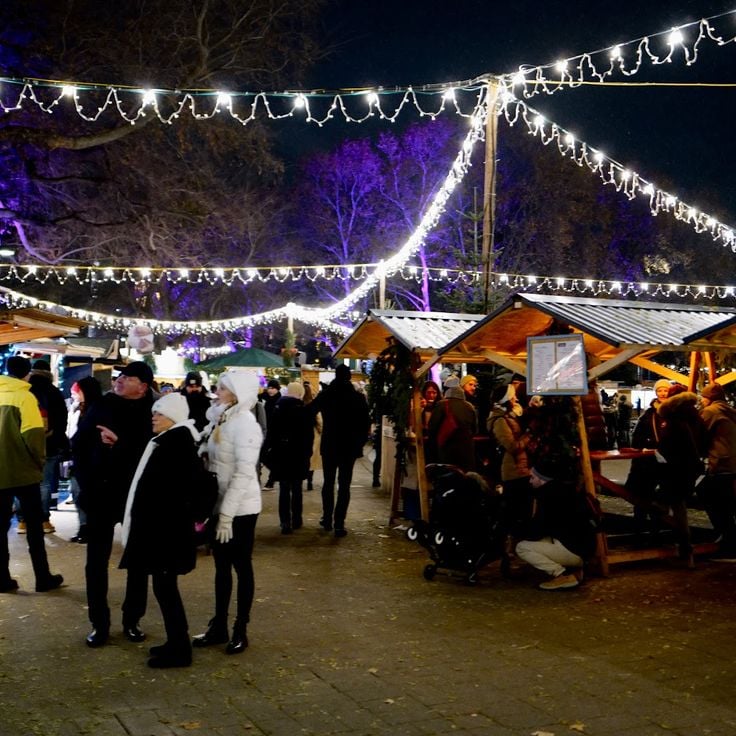
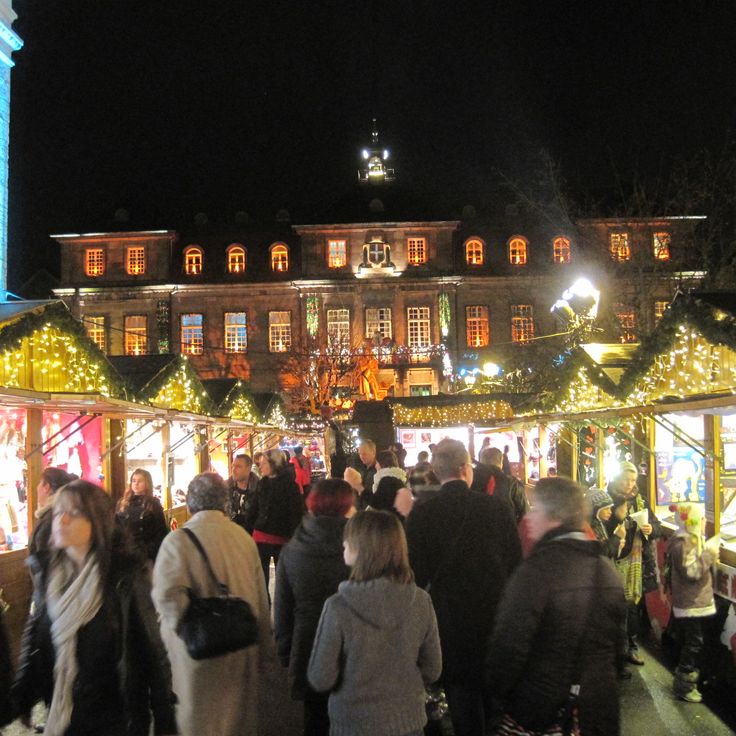
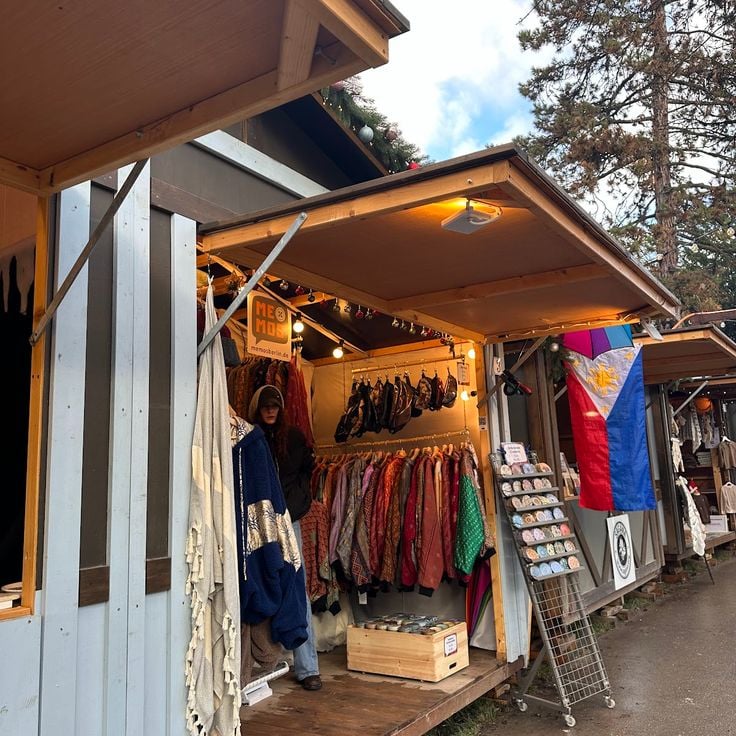
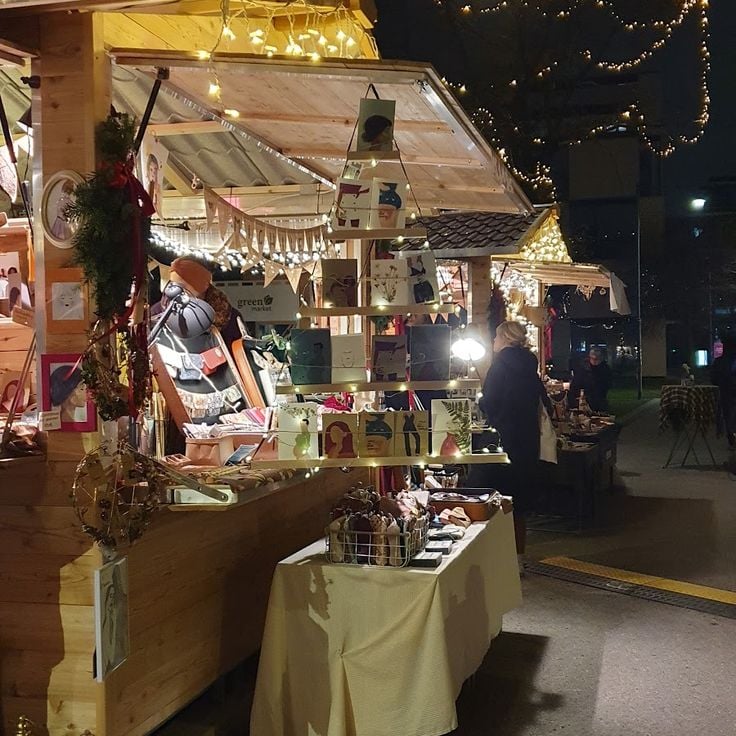
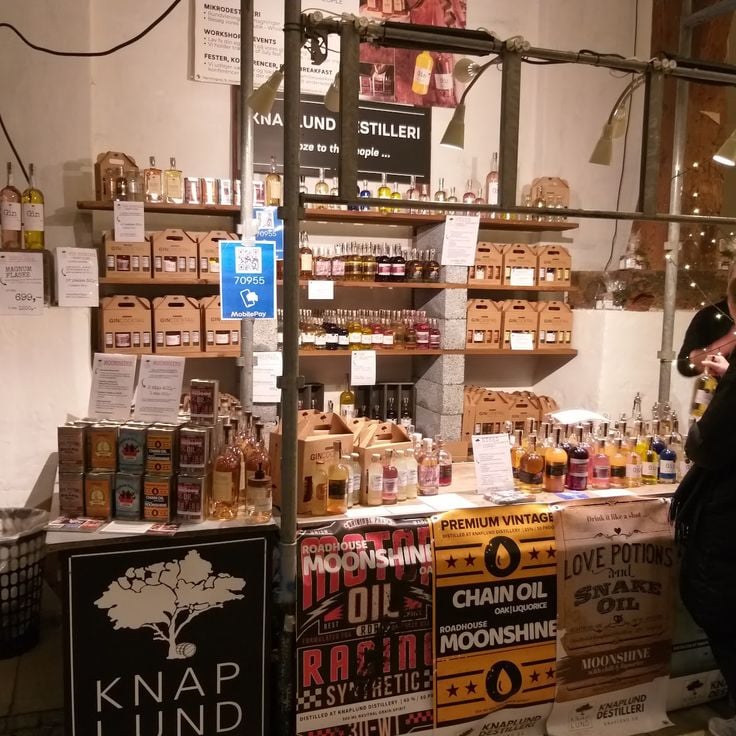
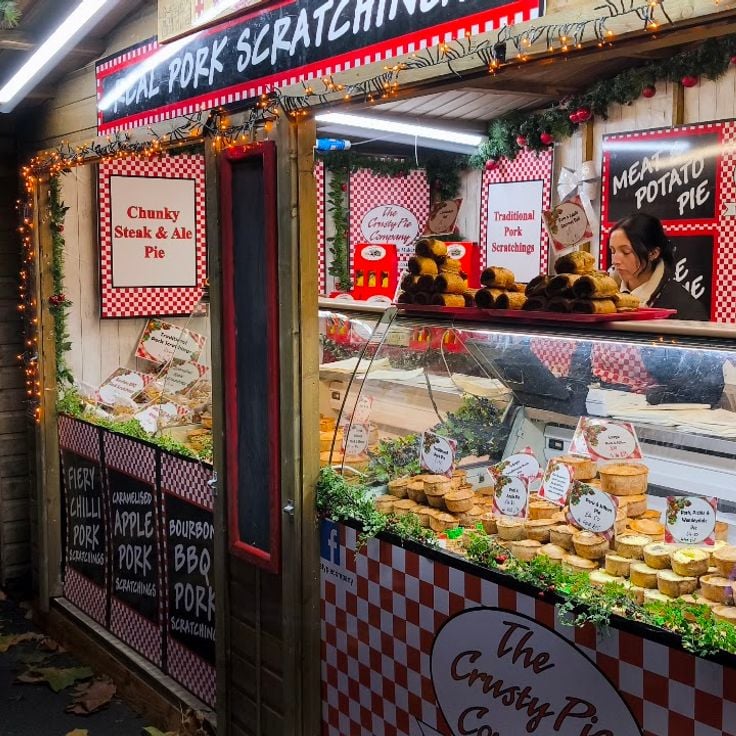
Every year, when the advent arrives, Christmas markets change the squares and old streets of European towns. Wooden stalls are set up and offer local flavors, crafts, and seasonal decorations. Walking from one stand to another, you can taste hot mulled wine, roasted almonds, and see the handmade goods that each region is proud of.
In Germany, markets are found in Nuremberg, Dresden, Munich, Hamburg, and Stuttgart. Austria has markets in Vienna and Salzburg. France gathers its markets in Strasbourg, Metz, Montbéliard, and Lille. Brussels, Bruges, and Louvain welcome visitors in Belgium, Maastricht and Valkenburg in the Netherlands, and Wrocław, Krakow, and Poznań in Poland. These places tell stories about their local history and food traditions.
From Prague to Budapest, passing through Zagreb, Basel, and Bern, markets are also found in Central and Eastern Europe. Scandinavian cities like Stockholm, Gothenburg, Oslo, and Rovaniemi, along with Riga and Tallinn in the Baltic states, keep this tradition alive. London, Edinburgh, Merano, Asti-Govone, and Madeira finish this winter trip across the continent, each showing how Christmas is celebrated in their ways.
Christmas markets in Europe: winter traditions, old towns, regional specialties, local crafts
Every year, when the advent arrives, Christmas markets change the squares and old streets of European towns. Wooden stalls are set up and offer local flavors, crafts, and seasonal decorations. Walking from one stand to another, you can taste hot mulled wine, roasted almonds, and see the handmade goods that each region is proud of.
In Germany, markets are found in Nuremberg, Dresden, Munich, Hamburg, and Stuttgart. Austria has markets in Vienna and Salzburg. France gathers its markets in Strasbourg, Metz, Montbéliard, and Lille. Brussels, Bruges, and Louvain welcome visitors in Belgium, Maastricht and Valkenburg in the Netherlands, and Wrocław, Krakow, and Poznań in Poland. These places tell stories about their local history and food traditions.
From Prague to Budapest, passing through Zagreb, Basel, and Bern, markets are also found in Central and Eastern Europe. Scandinavian cities like Stockholm, Gothenburg, Oslo, and Rovaniemi, along with Riga and Tallinn in the Baltic states, keep this tradition alive. London, Edinburgh, Merano, Asti-Govone, and Madeira finish this winter trip across the continent, each showing how Christmas is celebrated in their ways.
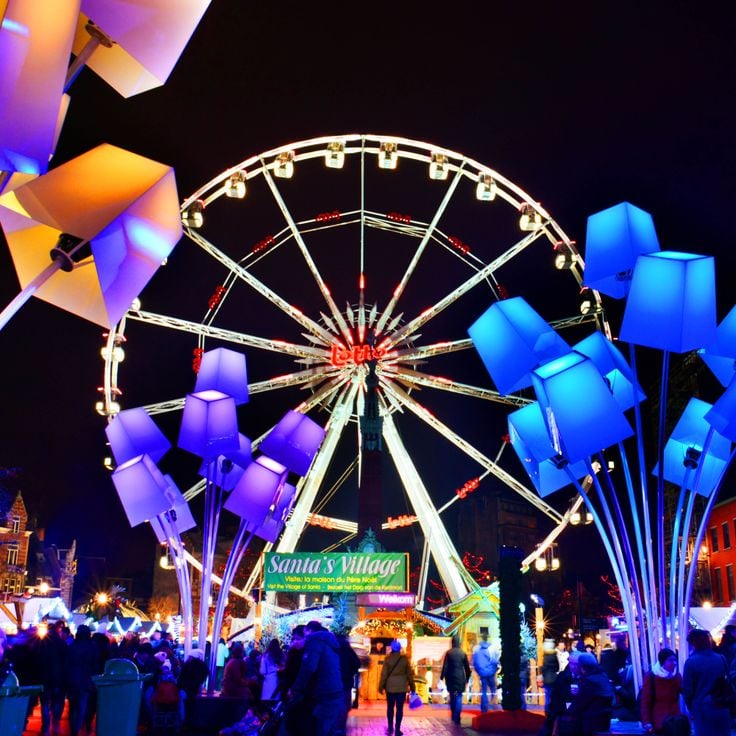
The Christmas market of Brussels takes place on the historic Grand Place and Sainte-Catherine Square. Around 200 wooden chalets offer European specialties. Visitors discover regional products, traditional crafts, and Belgian decorations. The market features local food, handmade articles, and seasonal events in the heart of the Belgian capital.
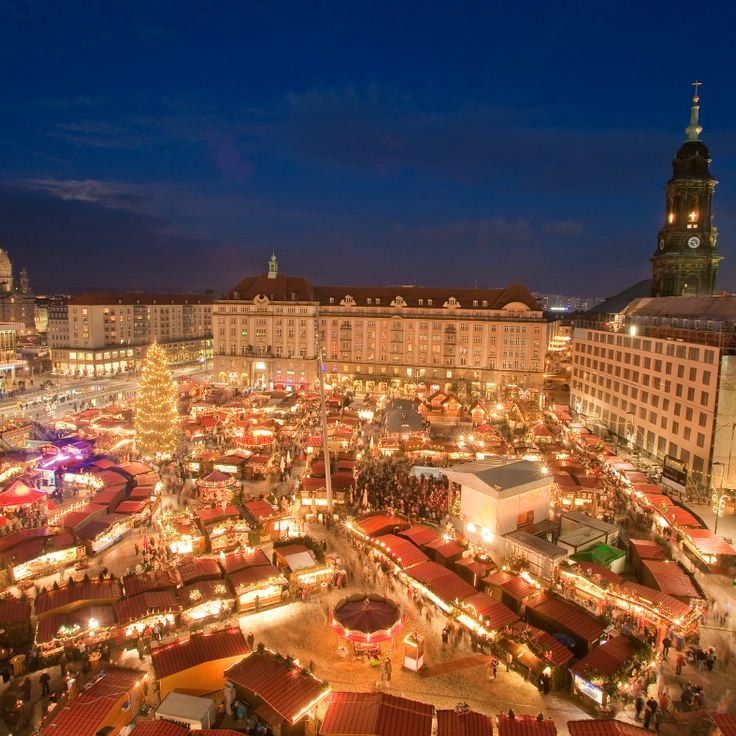
Dresden's Striezelmarkt is one of Germany's oldest Christmas markets, established in 1434. This market takes place each year in the historic center of Dresden and features regional crafts and traditions. Visitors find hand-carved figures from the Ore Mountains, wooden Christmas pyramids, and the famous Dresden Christstollen, a traditional Christmas bread. The market spreads across the Altmarkt, where visitors can taste local specialties and watch concerts and craft demonstrations.
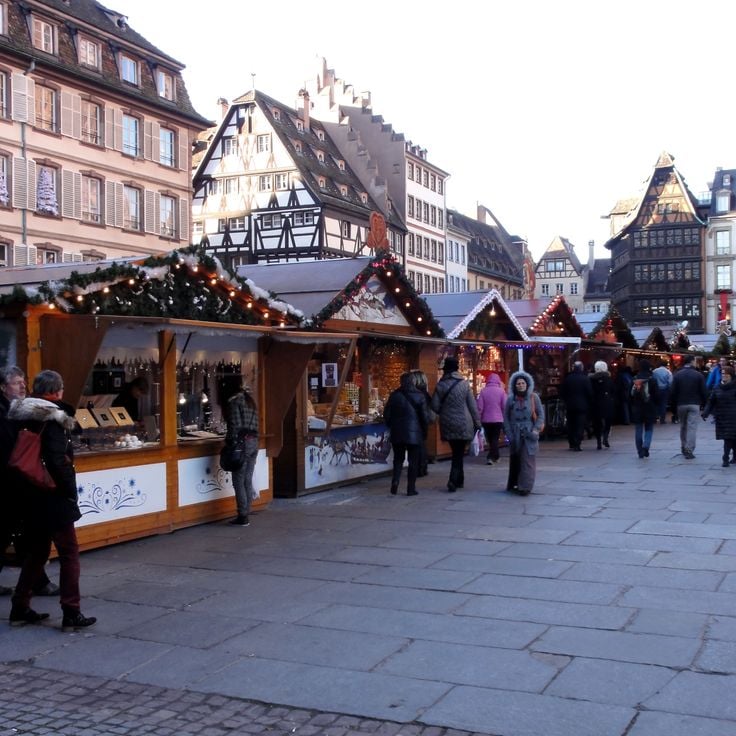
The Strasbourg Christmas Market has been operating since 1570 and stands as one of Europe's oldest Christmas markets. It transforms the city's historic squares into a winter marketplace. Wooden chalets spread from Cathedral Square through the narrow streets of the old town. Visitors find Alsatian specialties such as bredele, gingerbread, and mulled wine. The market offers traditional crafts, Christmas decorations, and regional products that reflect Alsatian artisanal traditions. It displays the culinary and craft characteristics of this region located at the border between French and German cultures.
Vienna's Christmas market takes place in front of the historic City Hall and displays regional craftsmanship and culinary specialties from the city. In traditional wooden chalets, local vendors offer handmade decorations, ceramics, and textiles. Visitors find Austrian specialties such as gingerbread, roasted chestnuts, and punch. The market spreads across City Hall Square and surrounding areas, with illuminated trees and musical performances that accompany the event.
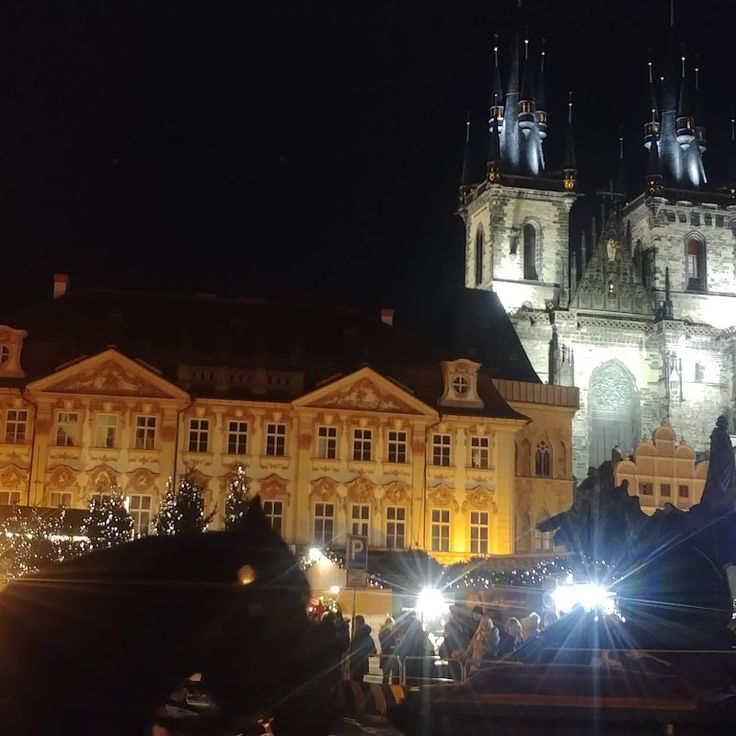
The Christmas market of Prague on the Old Town Square ranks among Europe's traditional Christmas markets. This market in the city's historic center showcases Czech craftsmanship, handmade Christmas decorations, and traditional pastries in numerous wooden stalls. Visitors find regional specialties like trdelník, grilled sausages, and spiced mulled wine. Local handcrafted items in wood, glass, and ceramics, along with festive decorations, reflect Czech Christmas traditions.
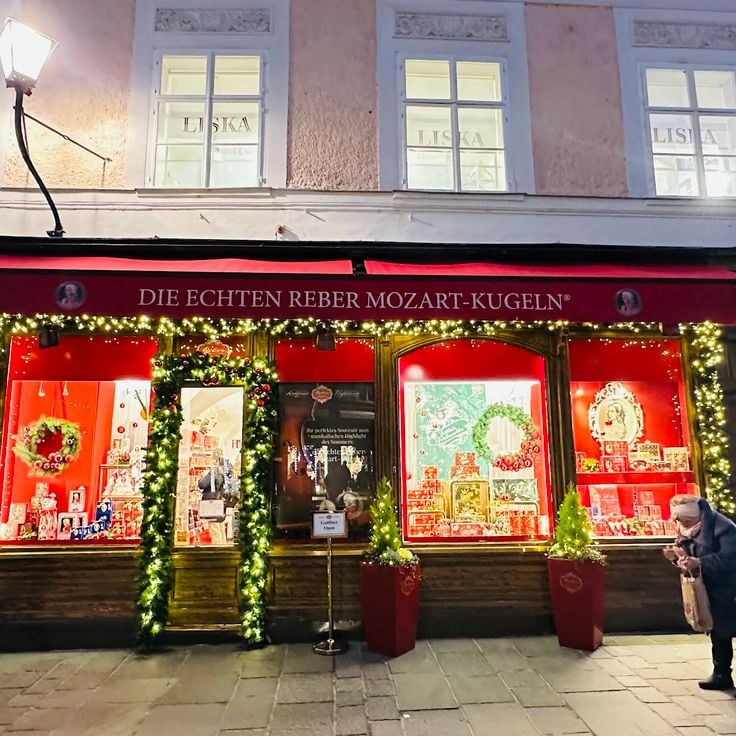
Salzburg's Christmas market takes place in the historic center and spreads across Cathedral Square and adjacent areas. This market presents Austrian craftsmanship, regional products and local specialties in traditional wooden chalets. Visitors find handmade decorations, textiles and ceramics from the region as well as culinary offerings like gingerbread, roasted almonds and spiced mulled wine. The market sits between the Cathedral and the Residence with views of the old town's Baroque architecture.
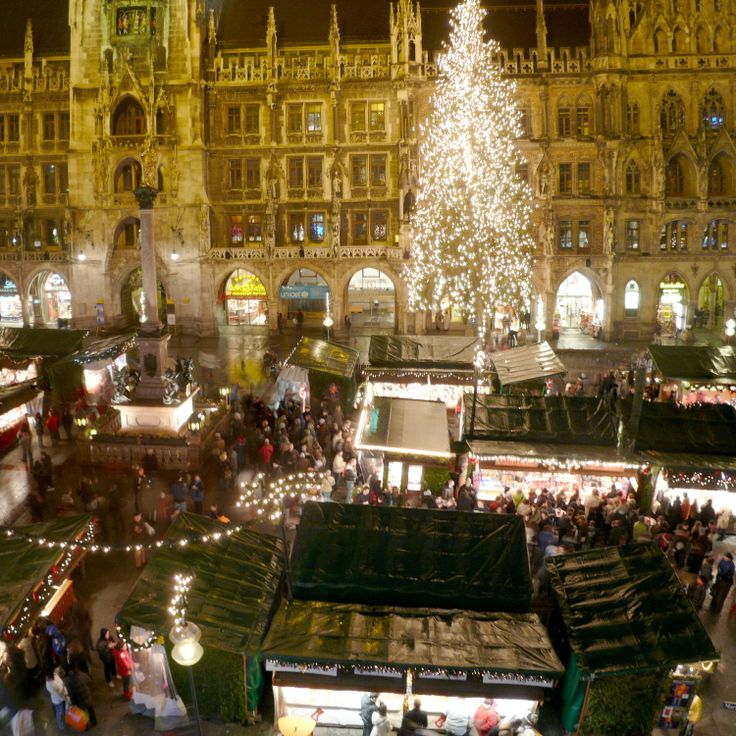
The Munich Christmas Market spreads across Marienplatz in the historic center and features numerous stands with handcrafted decorations, wooden toys, and Bavarian specialties. This traditional market displays local craftsmanship, roasted almonds, gingerbread, and mulled wine in typical wooden cabins. The market takes place in front of the town hall and attracts annual visitors seeking regional products, Christmas ornaments, and hot beverages. The stands offer Bavarian cuisine, craftsmanship, and festive items that define Munich.
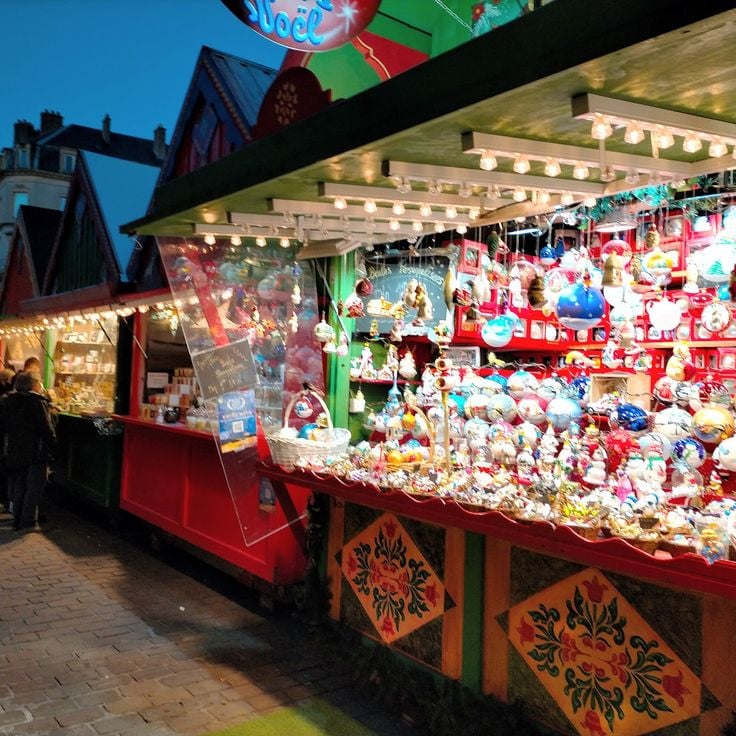
The Lille Christmas Market spreads across Place Rihour in the city center, featuring about 90 wooden chalets offering regional craftsmanship and culinary specialties from northern France. The stalls display handmade decorations, local products, and traditional dishes of the region. During the Advent season, this market transforms into a gathering place where locals and visitors enjoy mulled wine, roasted almonds, and discover the local craft traditions that define the area.
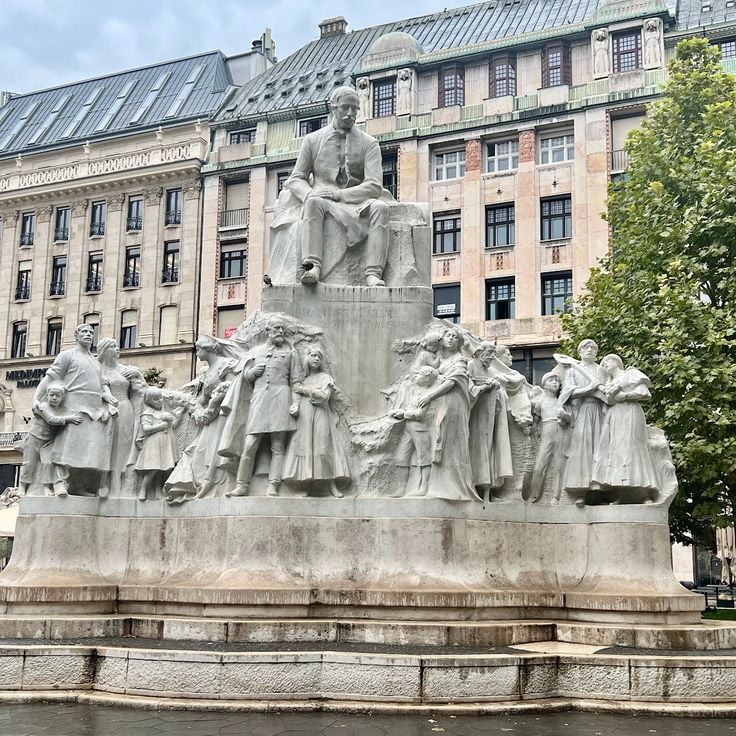
The Christmas market of Budapest takes place on Vörösmarty Square and features handcrafted jewelry, decorations, and Hungarian specialties. This market offers traditional cuisine like kürtőskalács and lángos, along with local crafts from different regions of Hungary. Visitors find ceramics, textiles, and regional products in the wooden stalls on the square. The market brings together Hungarian craftsmanship traditions with the festive setting of Budapest's historic center.
This Christmas market in London stretches along the Thames and features regional specialties in wooden chalets during the winter months. Visitors discover handcrafted decorations, local craftsmanship, and traditional British cuisine. The stalls offer festive items, warm beverages, and seasonal dishes. The market blends London's Christmas traditions with historical elements, creating a mix of past and present in a central location along the Thames.
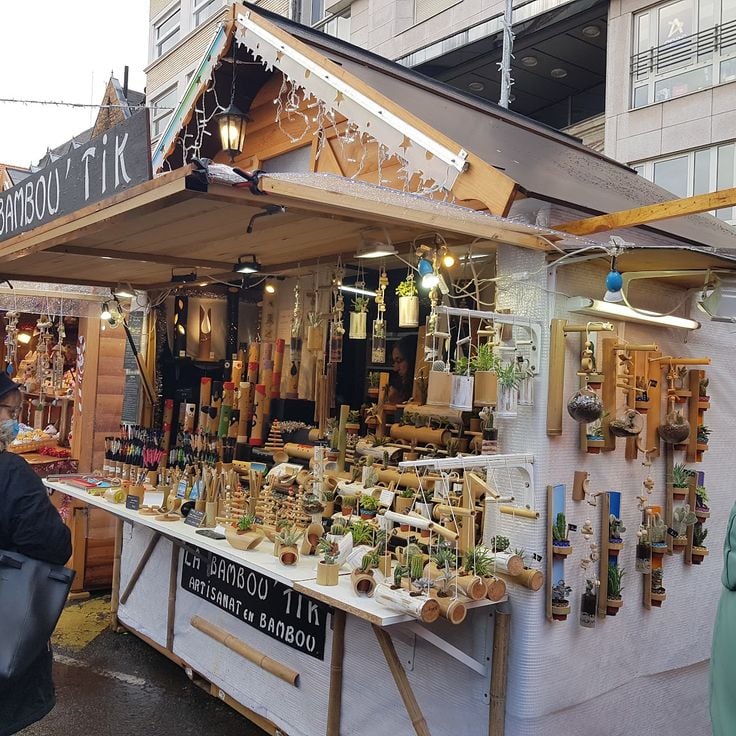
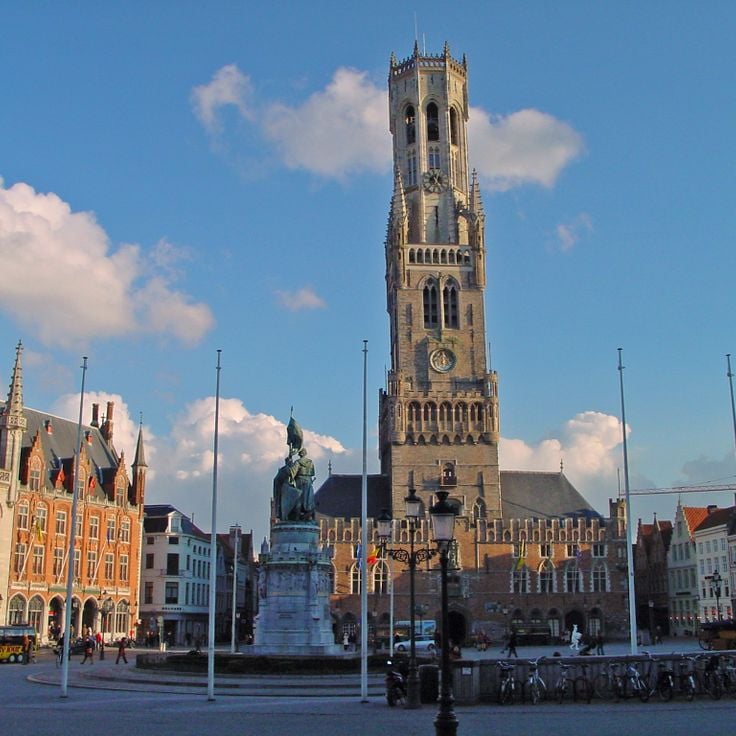
Bruges Christmas Market takes place on the Grand Place and Simon Stevins Square in the historic city center. This market showcases Belgian regional products in traditional wooden chalets. Visitors find Belgian chocolate, local lace, and other handcrafted items from the region. The stands offer traditional decorations and regional specialties. The market displays the craftsmanship of the region with stalls presenting local traditions and Belgian artisanal work.
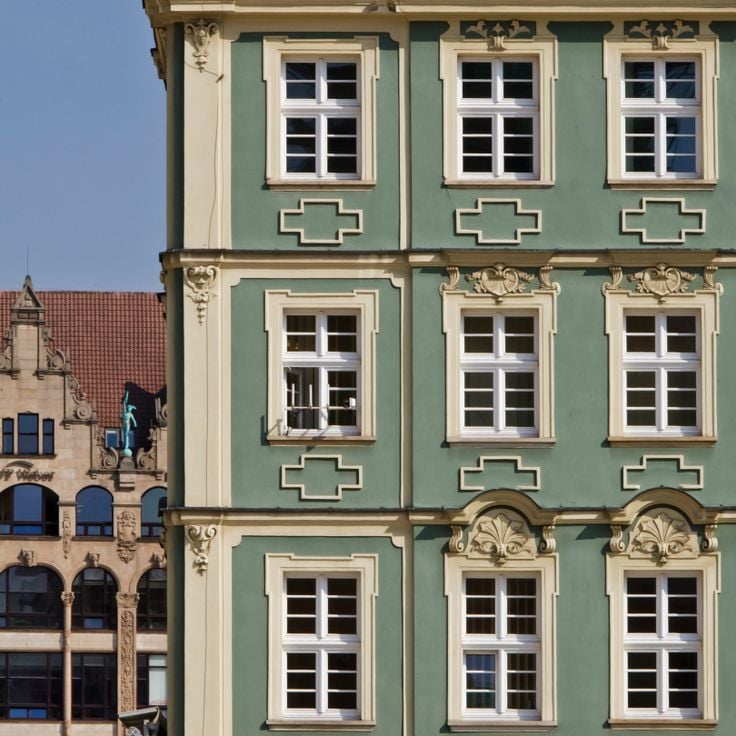
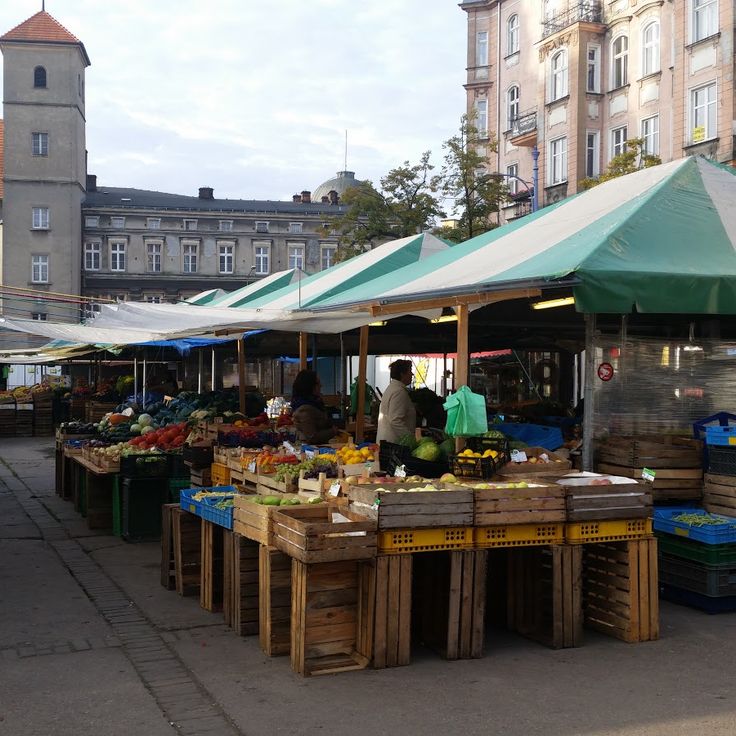
The Christmas market of Wroclaw takes place every winter on the historic Market Square and displays Polish craftsmanship in traditional wooden chalets. The market offers Silesian specialties such as pierogi and gingerbread, as well as handcrafted ceramics from the region. The stalls are arranged around the historic Town Hall and showcase authentic Silesian craftsmanship that reflects Lower Silesian traditions.
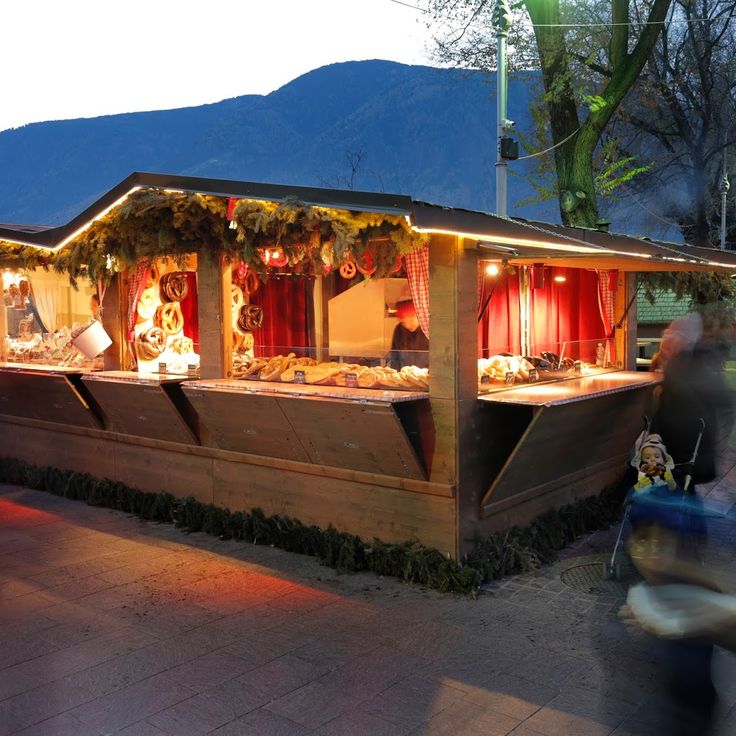
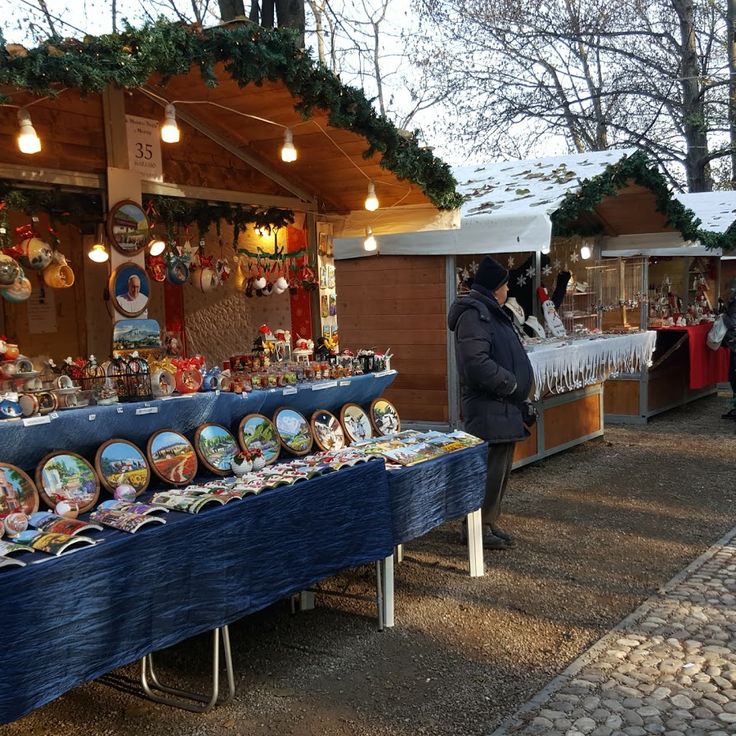
The Christmas market of Merano takes place each year in the streets and squares of the historic center. Numerous wooden huts display products from the South Tyrolean region, handcrafted goods, and Christmas decorations. Visitors can taste local specialties like zelten, schüttelbrot, and mulled wine as they stroll from stand to stand, discovering handmade Christmas ornaments. The market brings together Tyrolean traditions with the alpine character of the city.
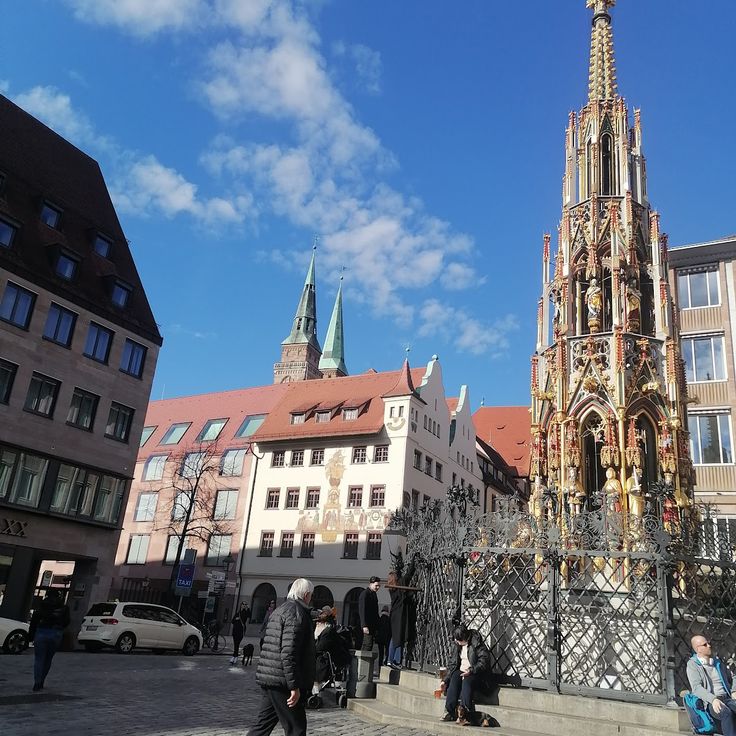
Nuremberg's Christmas Market takes place each winter on the historic Main Market Square and ranks among Europe's most important Christmas markets. This market showcases Franconian specialties such as gingerbread, grilled sausages, and mulled wine in about 180 wooden stalls, along with traditional crafts from the region. Visitors find handmade toys, nativity scenes, and carved wooden figures produced by local artisans. The market spreads around the Church of Our Lady and opens with the Christ Child, who greets visitors from a balcony dressed in golden robes.
The Christmas market of Göteborg takes place each year in the Liseberg amusement park and showcases Scandinavian Christmas traditions. Visitors find Swedish specialties like glögg, pepparkakor and lussekatter in wooden cabins. The market offers regional craftwork, handmade decorations and Christmas performances. The park is illuminated with millions of lights during the Advent season. This market brings together traditional market offerings with the park's attractions and draws visitors from Sweden and neighboring Scandinavian countries each year.
Hamburg's Christmas market takes place each winter on the historic Town Hall Square and ranks among the largest Christmas markets in northern Germany. The market showcases regional crafts such as wood carvings, ceramics, and handmade jewelry in traditional wooden chalets. Visitors can taste regional specialties like grilled sausages, roasted almonds, and spiced mulled wine. The historic square is decorated with Christmas music and lighting that frames the Town Hall and the plaza.
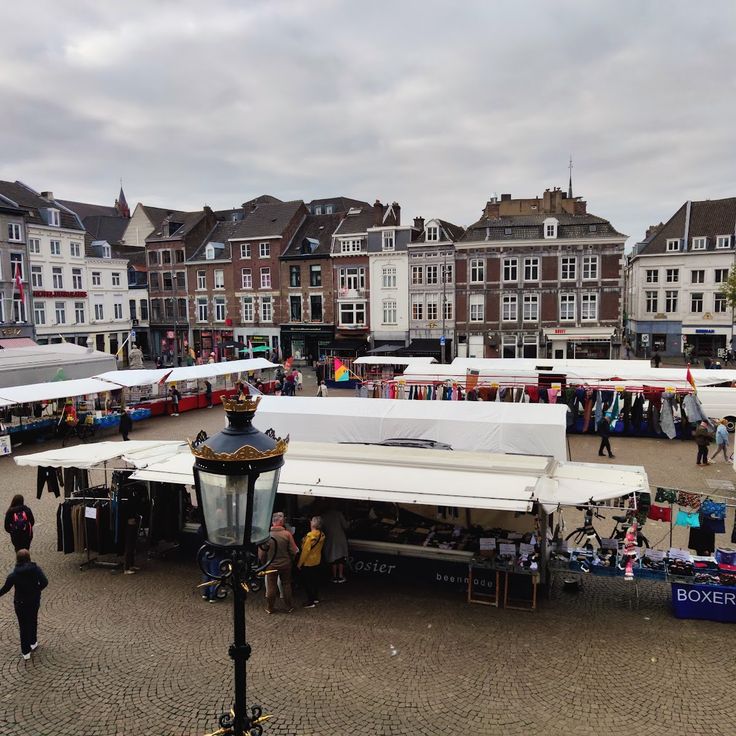
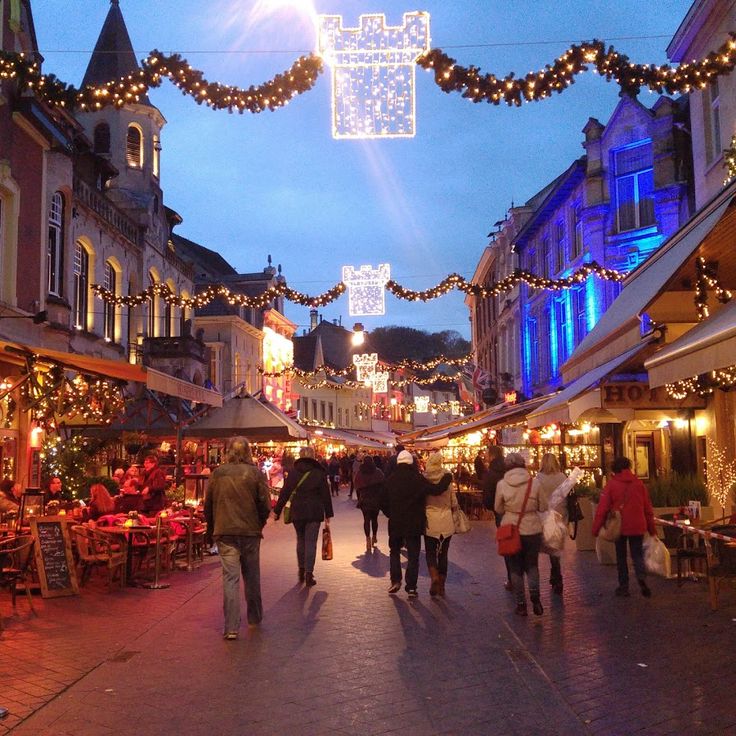
The Christmas market of Maastricht on Vrijthofplatz showcases Dutch craftsmanship and traditions. Visitors walk through wooden chalets displaying handmade decorations, textiles, and seasonal items typical of the region. The market features sweet pastries and hearty dishes from southern Netherlands, along with hot drinks. Every December, this historic square in Maastricht's center comes alive with regional products and traditional crafts that reflect local pride.
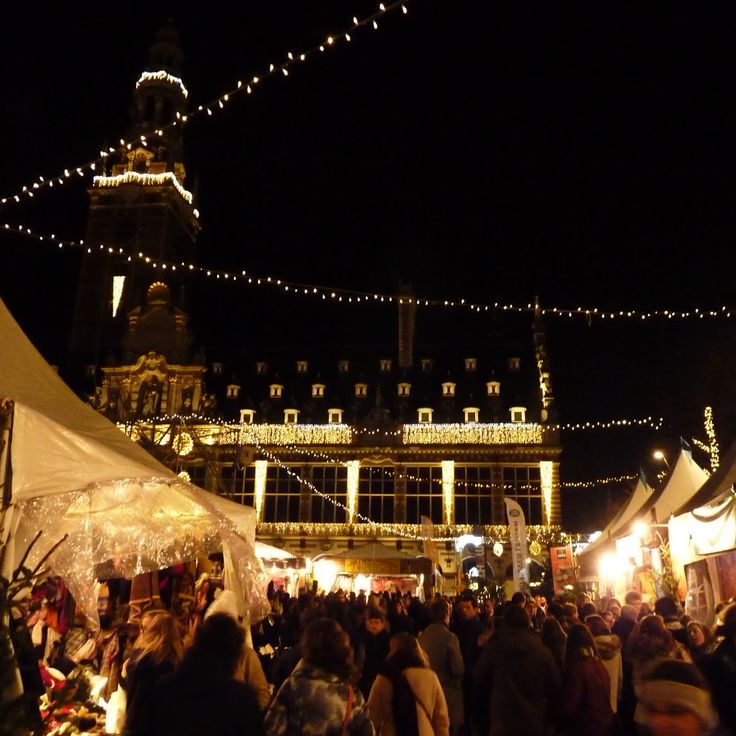
The Christmas market of Louvain takes place around Saint Peter's Cathedral and the main square. More than 140 wooden chalets display regional specialties and crafts from across the area. Visitors find Flemish products, handmade items, and regional food in Louvain's historic center. Local artisans offer traditional crafts and Belgian specialties that tell the story and culture of this city.
Metz's Christmas market spreads across five locations in the historic city center. Wooden chalets offer specialties from Lorraine, including tarte flambée and local wines. A carousel and a large Ferris wheel provide entertainment for families. Children can take part in creative workshops and meet Santa Claus. Performances take place regularly at different locations. The market includes regional crafts, traditional Christmas decorations, and Lorraine pastries.
On Poznań's historic market square, this Christmas market unfolds with traditional wooden stalls offering local and international products. An ice skating rink invites visitors to glide across the ice, while the stalls display regional specialties, handcrafted items, and festive decorations. The market brings together the holiday season with the square's historic setting, giving visitors a chance to experience Polish Christmas traditions.
The Christmas Market of Valkenburg takes place in underground galleries of former limestone mines and features crafts and regional specialties in this unusual mineral setting. Vendors offer traditional Christmas decorations, handmade items, and Dutch specialties amid the historic tunnels. This Christmas market combines the festive character of European winter markets with the geological history of the region and attracts visitors from different countries who come to explore the underground experience with its illuminated passages and caves.
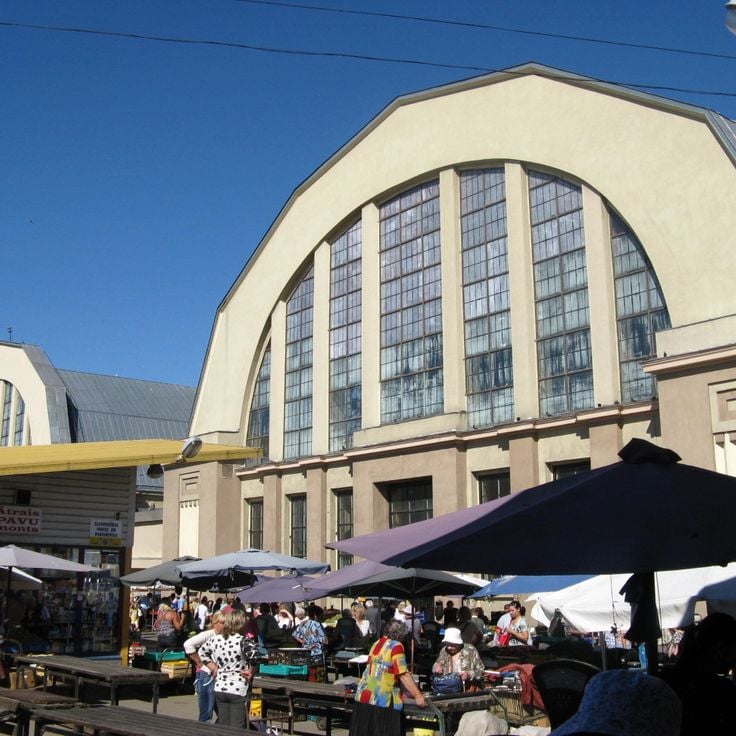
Riga's Christmas market takes place in the historic center of the Latvian capital. Wooden stands arranged around the Roland statue display local crafts and regional foods. Visitors will find hand-knitted gloves, decorated gingerbread, and local ornaments. Mulled wine is prepared using traditional Latvian recipes. The market shows how the Baltic region celebrates the Christmas season.
The Christmas market of Asti-Govone brings together two towns in Piedmont with a festive event from November through December. Wooden chalets display traditional Piedmontese specialties such as hazelnut products, truffles, and regional wines along the decorated streets of both locations. Visitors find local craftsmanship, handmade decorations, and products from the region's agricultural heritage. The route between the two towns provides a chance to discover different traditions of Piedmontese winter life. Cultural events and musical performances complement the market stalls during the Christmas season.
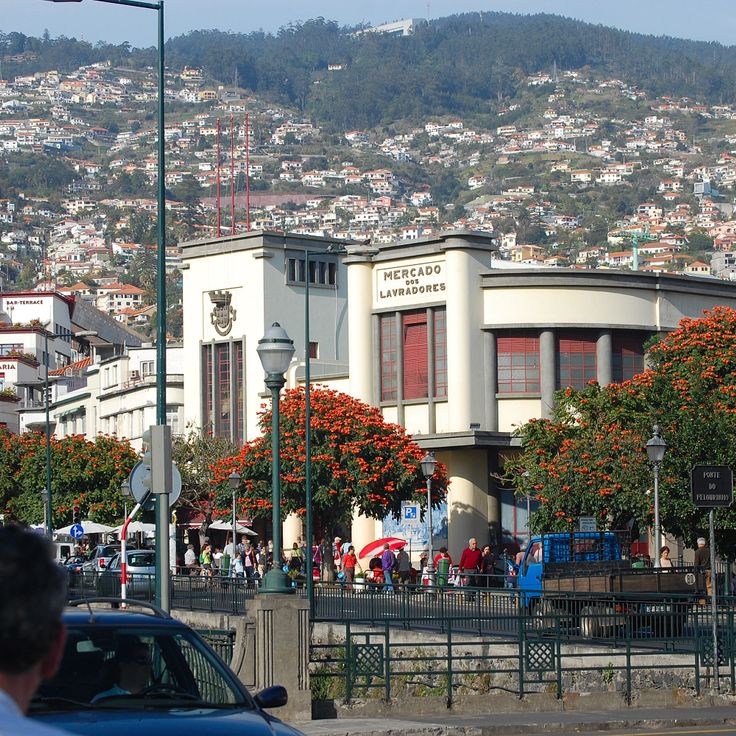
The Christmas market of Madeira shows Portuguese festive traditions in mild weather. The stalls feature regional craftsmanship and island specialties like Bolo de Mel, a traditional honey cake, as well as local embroidery. December brings pleasant temperatures that set this market apart from the colder Christmas markets of mainland Europe. Visitors find festive decorations and culinary offerings that reflect the island's character.
The Christmas market of Montbéliard brings together 160 craftspeople in the historic center near the Saint-Martin church. Visitors watch traditional craft techniques at work. Wooden chalets offer handmade items, Christmas decorations, and local products. The selection features specialties from the Franche-Comté region, particularly charcuterie and cheese. The market connects Protestant heritage with regional traditions and offers a window into local craftsmanship.
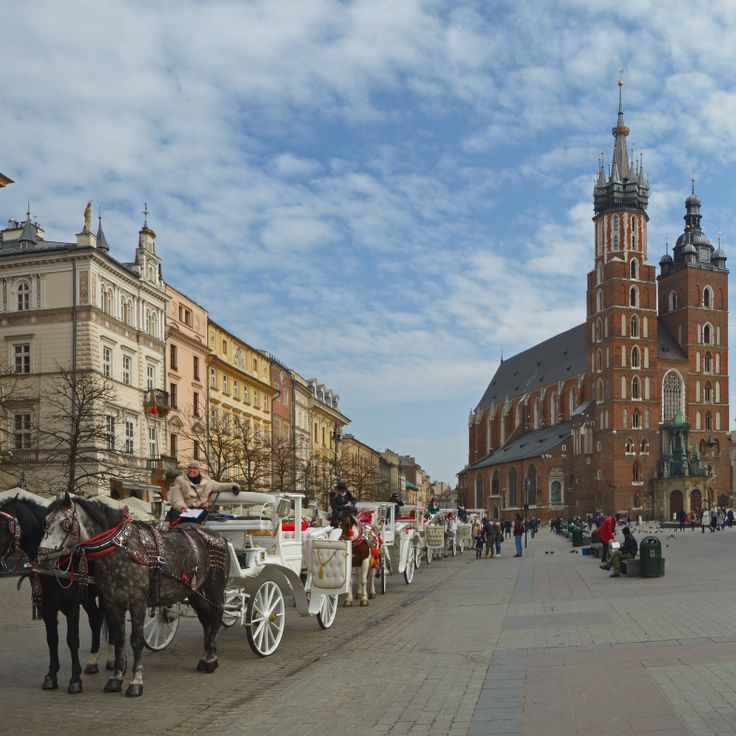
The Christmas market of Krakow takes place on the main square and offers regional specialties in traditional wooden huts. The stalls feature Polish craftsmanship, Christmas decorations, and local food like pierogi, oscypek cheese, and honey gingerbread. A traditional nativity scene competition displays handmade miniature representations of the city's well-known monuments. This market combines local craft traditions with regional culinary specialties and entertains visitors with music and cultural performances during the winter months.
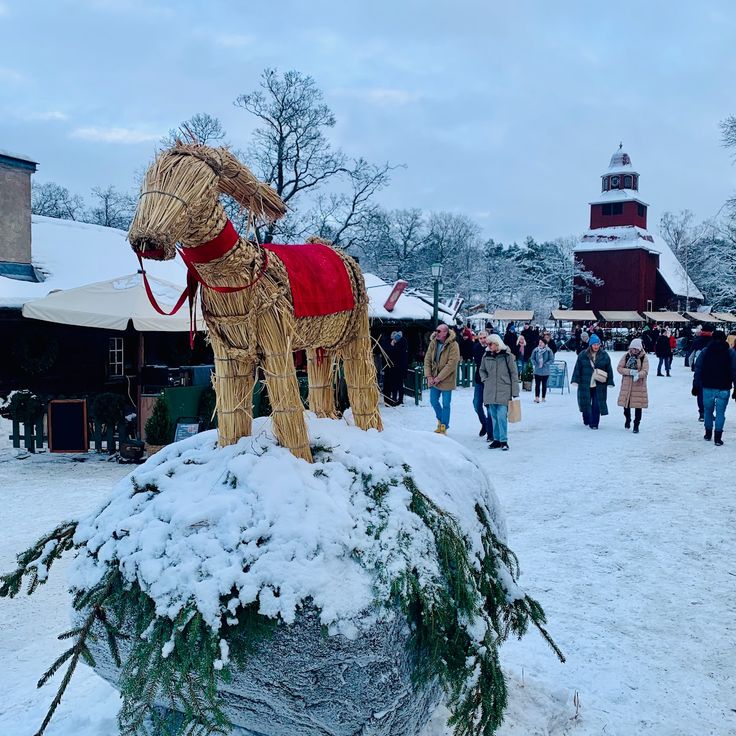
This Christmas market at Skansen takes place on the open-air museum founded in 1891. Among historic wooden houses from different regions of Sweden, craftspeople in traditional dress showcase their work. Visitors discover hand-stitched textiles, candles, and wooden items along with Swedish Christmas specialties like glögg, pepparkakor gingerbread, and smoked sausages. The market stalls line the cobblestone paths between houses from the 18th and 19th centuries.
The Christmas market of Berne transforms the historic city center of Switzerland's capital during Advent season. On Münsterplatz, wooden chalets display Swiss craftsmanship, while the market on Waisenhausplatz offers local products and regional specialties. These two markets reflect Berne's traditions and invite visitors to discover traditional decorations, handmade articles, and culinary delights set against the backdrop of Berne's medieval architecture.
This Christmas market in Rovaniemi takes place at Santa Claus Village on the Arctic Circle. It showcases traditional Sami and Lapp crafts alongside Finnish specialties. Wooden cabins display reindeer meat, smoked fish, and wool products. Visitors find handcrafted wooden items and decorative articles made by local artisans. The location on the Arctic Circle gives this market its special character. Shoppers experience how people celebrate Christmas in Lapland and discover the region's traditions.
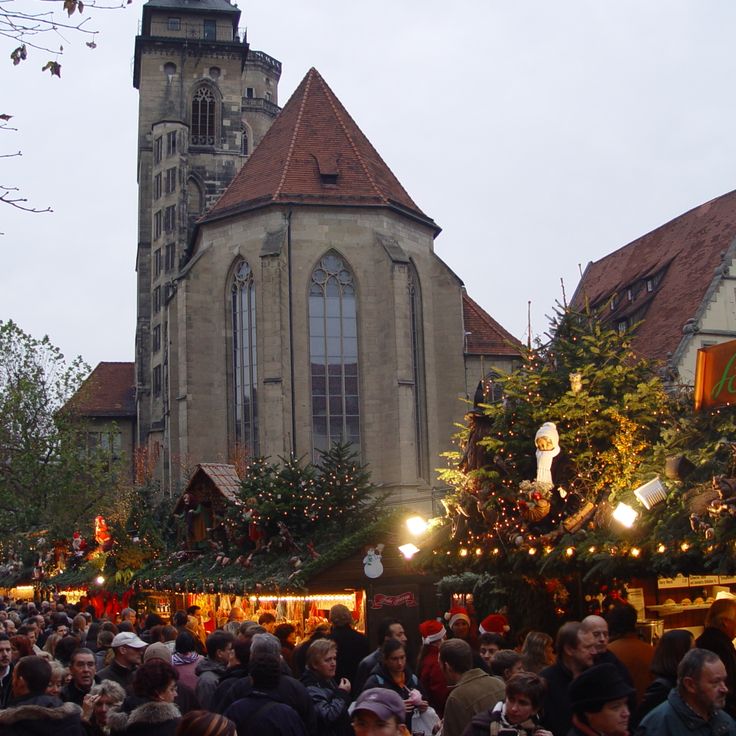
The Stuttgart Christmas market is one of Germany's major festive events. About 300 stalls on Schlossplatz and surrounding streets display regional craftsmanship including wooden objects, ceramics, glass ornaments, and traditional toys. Visitors find Swabian specialties such as Spätzle, Maultaschen, and roasted almonds, along with mulled wine from local vineyards. The sales stands gather around a wooden Christmas pyramid several meters high. Craft demonstrations show traditional manufacturing techniques. The market opens at the end of November and closes on December 23rd. Evening lights illuminate the baroque facades surrounding Schlossplatz.
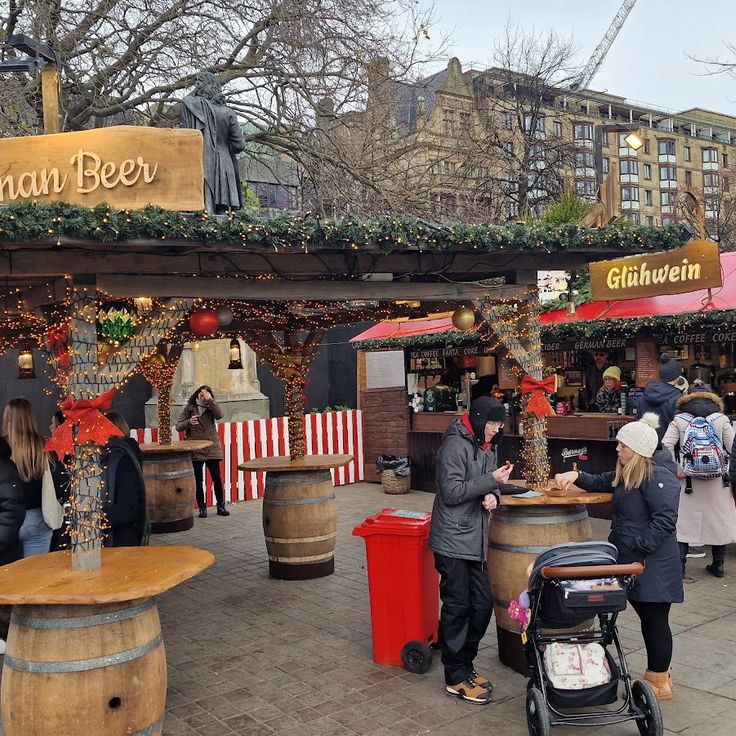
Edinburgh's Christmas market takes place each year in the lower town at the foot of the castle and is one of this Scottish capital's traditional winter events. The market offers regional specialties, Scottish crafts, and seasonal decorations in wooden chalets. In the Princes Street Gardens, an illuminated Ferris wheel, various attractions, and an ice skating rink complete the experience. Visitors find local food, handmade items, and entertainment that reflect Scottish winter traditions.
The Christmas market of Basel turns the city's historic squares into a place filled with regional traditions and handcrafted goods. About 150 wooden stalls line the Barfüsserplatz and Münsterplatz, where visitors discover Basel Läckerli, steaming mulled wine, and handmade decorations. Artisans display Swiss crafts, Christmas ornaments, and local specialties. The market connects Basel's old streets with Christmas traditions and shows how the region celebrates the holidays. Walking between the stands, you find traditional pastries and products that are typical of Basel.
Oslo's Christmas market Jul i Vinterland spreads through the city center and showcases Norwegian craftsmanship and regional specialties. Visitors can find traditional products such as elk meat, handmade decorations, and local goods. This market brings together Norwegian winter traditions with culinary offerings and handcrafted items displayed in wooden cabins. The event reflects how Norwegians celebrate Christmas and shows the local traditions of the region.
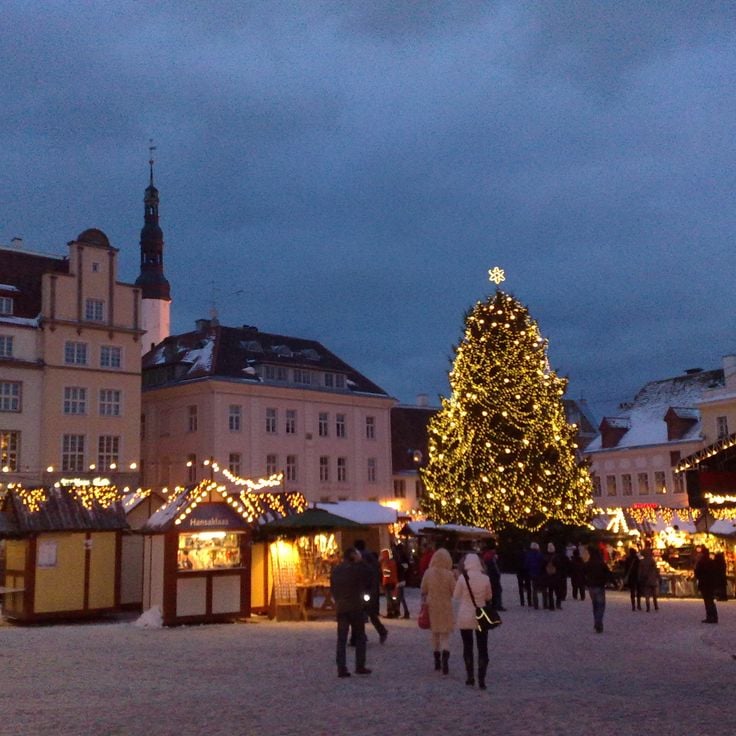
The Christmas market of Tallinn takes place on the historic Town Hall Square in the medieval old town. Visitors discover Estonian crafts, regional specialties, and traditional treats. The culinary offering includes sausages, gingerbread, and other Baltic dishes. The market displays handmade decorations and local products in wooden chalets set against gothic architecture. This event combines Estonian traditions with the festive character of the old town.
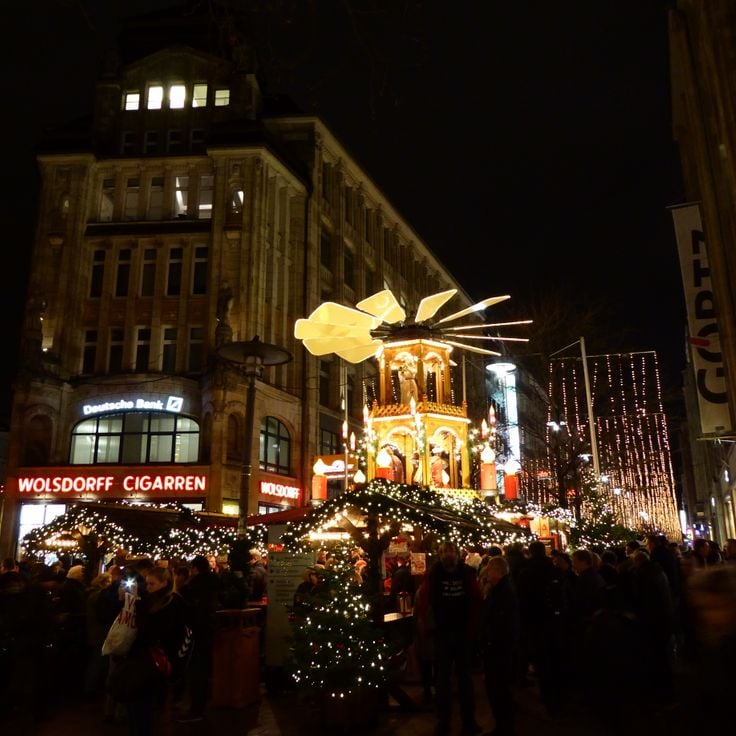
The Hamburger Weihnachtsmarkt takes place on the Town Hall Square and is one of Germany's major Christmas markets. Visitors find traditional wooden booths offering regional specialties, handmade crafts, and festive decorations. The market features mulled wine, roasted almonds, and local artisan products. During the Advent season, it reflects Hamburg's Hanseatic culture and draws crowds seeking winter charm and holiday tradition.
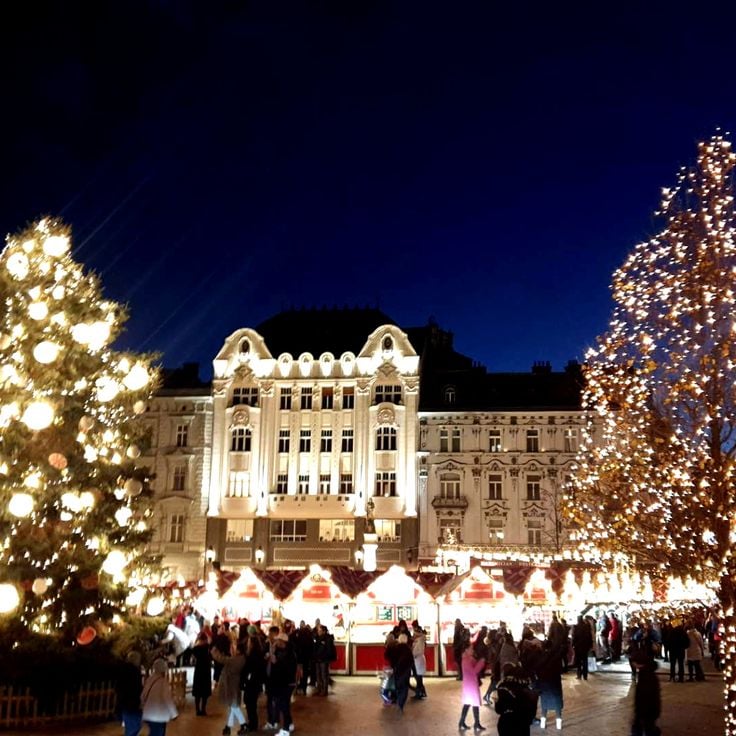
The Christmas market of Bratislava brings the Advent season to Slovakia's capital city with its own regional traditions. This market follows the long-standing European tradition, where wooden stalls display regional food specialties, handcrafted items, and seasonal decorations. Visitors can find roasted almonds, mulled wine, and local handicrafts among the offerings.
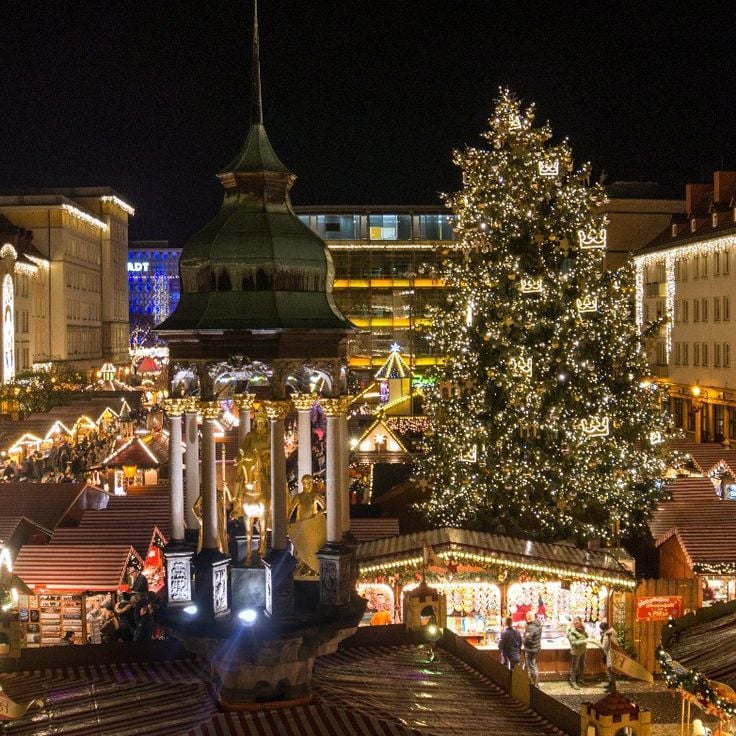
The Magdeburger Weihnachtsmarkt on Alter Markt is part of the long-standing tradition of Christmas markets across Europe during the Advent season. Like other markets in this collection, it sets up wooden stalls in its central square offering regional foods, handcrafted goods, and traditional decorations. Visitors find roasted almonds, mulled wine, and local handicrafts that reflect Magdeburg's culinary and cultural character.
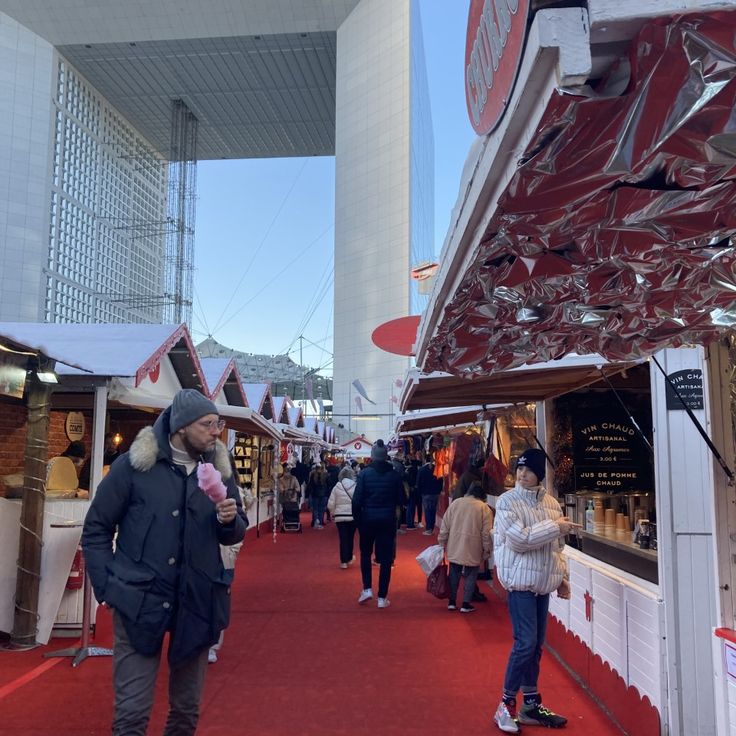
The Christmas market at Paris La Défense takes place in this modern business district, blending contemporary architecture with festive tradition. Wooden stalls offer regional French specialties, handcrafted products, and holiday decorations. Visitors can enjoy mulled wine, roasted almonds, and local treats while strolling through spacious plazas and passages, experiencing how a modern urban center celebrates the winter season.
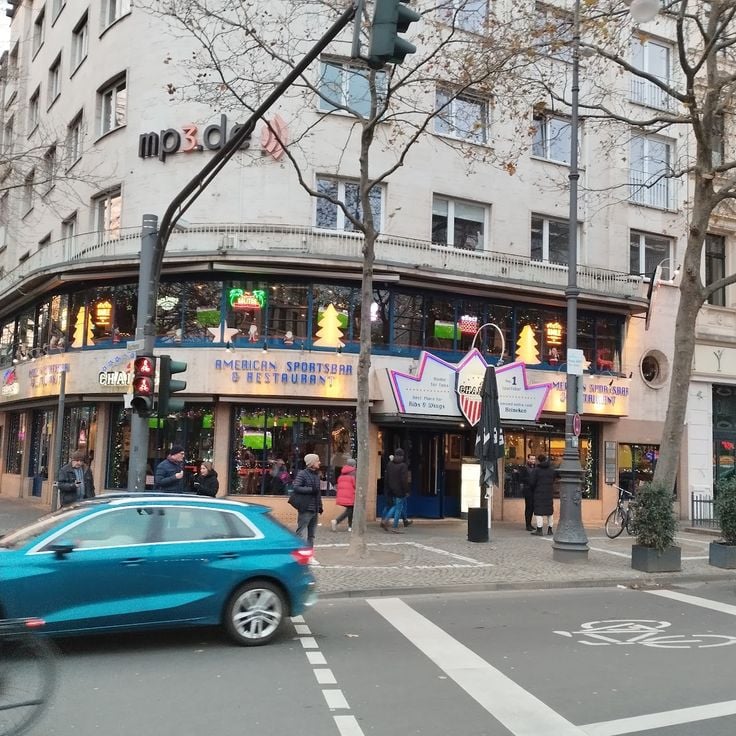
The Christmas market of Cologne spreads across several squares in the historic center and around the Cathedral. This Rhineland market showcases regional specialties such as Kölsch, a local beer, accompanied by gingerbread and roasted almonds. Wooden chalets offer crafts from the region, traditional wooden toys, and handmade decorations. The market reflects Rhineland traditions, with musicians playing during Advent evenings.
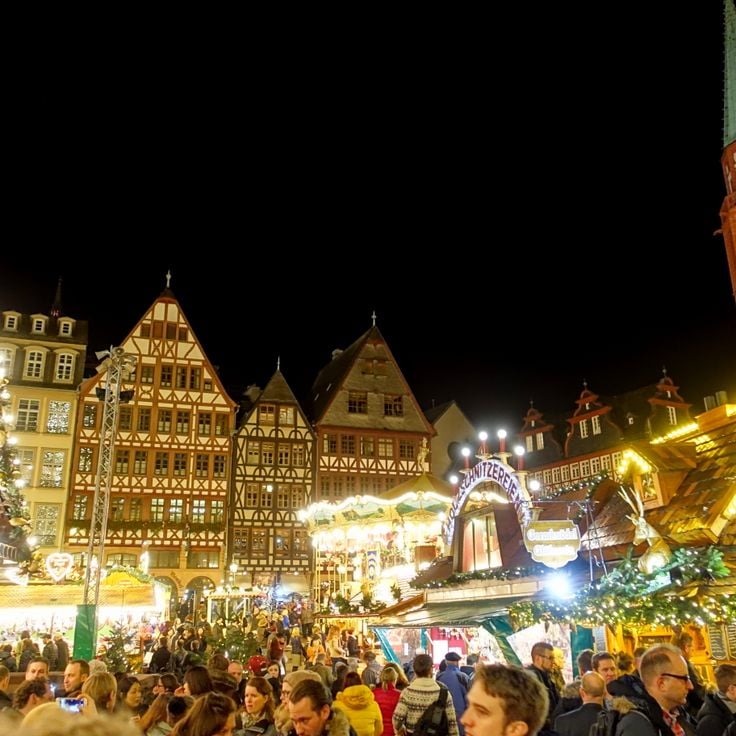
The Christmas market of Frankfurt takes place on Römerberg, the historic square in the city center. More than a hundred wooden cabins offer local specialties like Äppelwoi, a regional apple cider, gingerbread, and handcrafted products from Hesse. Visitors discover wood carvings, ceramics, and locally made Christmas decorations. The medieval character of the square blends with festive decorations during Advent, creating a welcoming atmosphere for strolling and tasting.
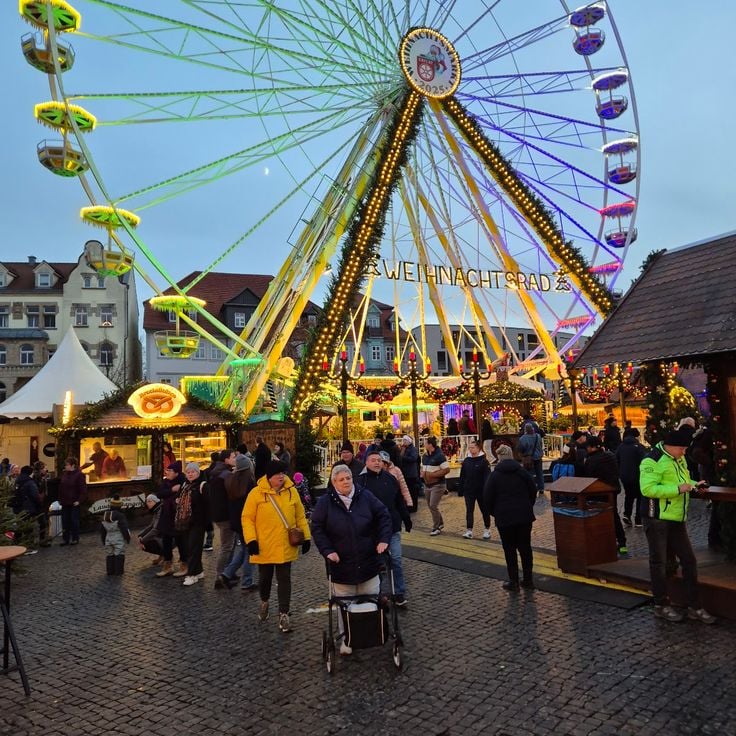
Erfurt's Christmas market takes place on Domplatz and showcases Thuringian traditions. Wooden chalets offer regional specialties such as gingerbread biscuits, grilled sausages, and mulled wine made according to local recipes. Visitors discover traditional craftsmanship, including hand-carved wooden figurines and ceramic decorations. The market spreads around the medieval cathedral and combines historic architecture with festive offerings.
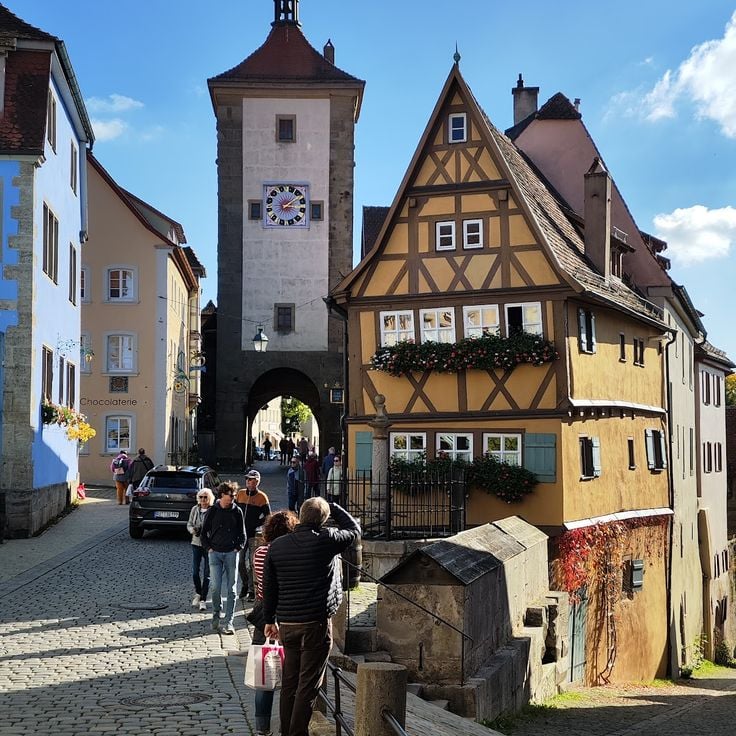
The Christmas market of Rothenburg ob der Tauber takes place in this medieval fortified town and showcases traditional Bavarian craftsmanship. Wooden stalls offer specialties such as Schneeball, a local pastry, along with mulled wine and gingerbread. The market spreads across the historic market square, surrounded by half-timbered houses. Visitors discover wooden toys, decorations, and products from local artisans that reflect the charm of this fortified town.
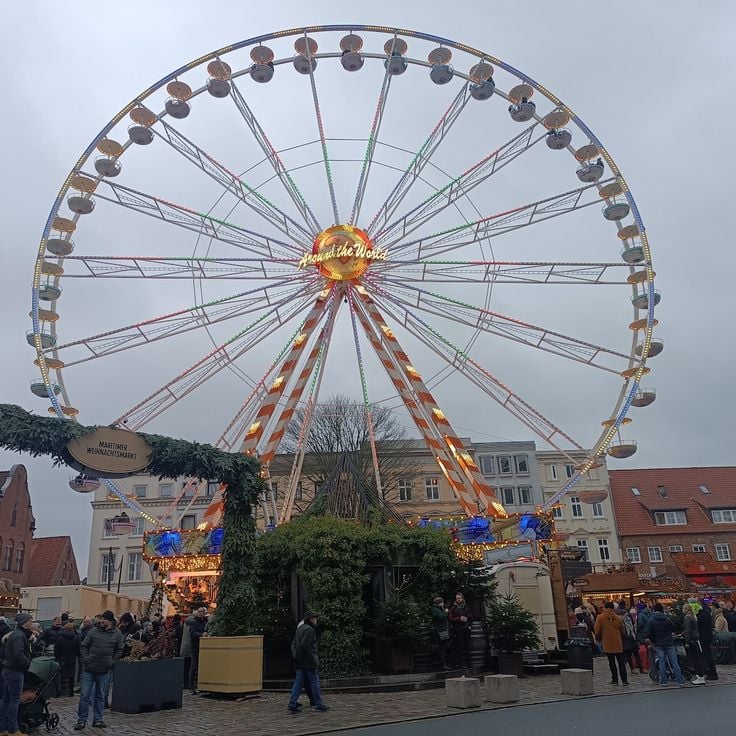
The Christmas market of Lübeck takes place in the old Hanseatic city and showcases craftsmanship from the Baltic region. Wooden chalets offer local specialties such as the famous Lübeck marzipan, smoked fish, and mulled wine. The market reflects Hanseatic culture with regional handicrafts, wood carvings, and decorative items. The old town with its Gothic red brick buildings frames this festive market.
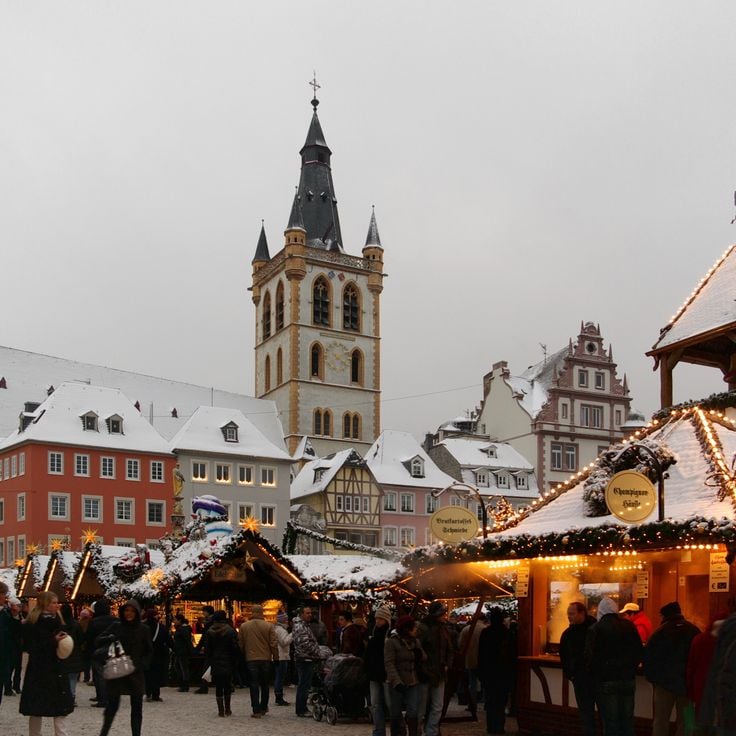
The Christmas market of Trier spreads across the Cathedral Square and the neighboring streets of this Roman city. Wooden stalls offer Moselle wines, gingerbread, and regional specialties. The market displays regional craftsmanship, wooden items, and traditional decorations. The Gothic cathedral and historic half-timbered houses create the setting for this festive market, which reflects Rhineland traditions.
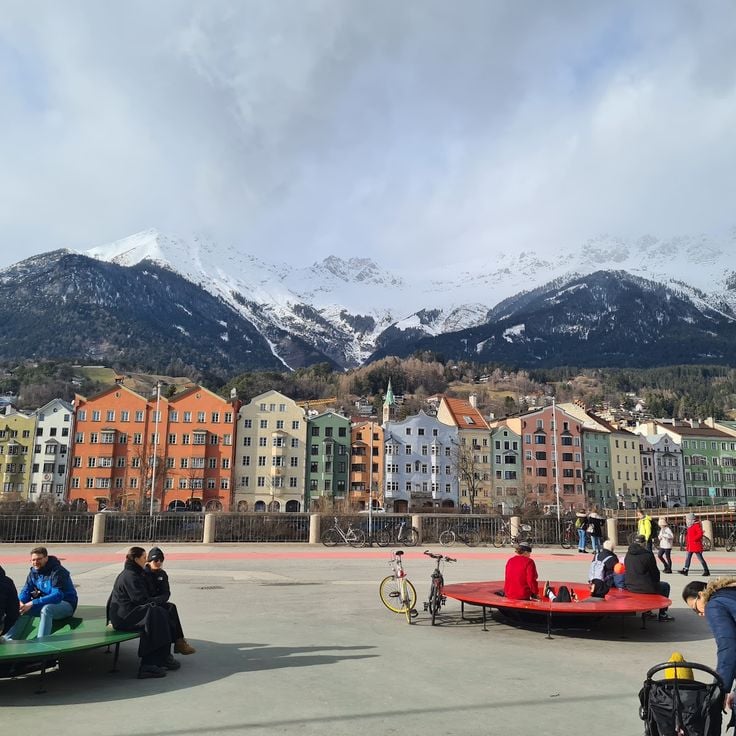
The Innsbruck Christmas Market takes place in the historic old town and showcases Tyrolean craftsmanship. Wooden chalets offer regional specialties such as zelten and schüttelbrot, along with mulled wine and local beer. The market brings together Alpine Christmas traditions with handmade products, locally made textiles, and wooden decorations. Alpine peaks frame this winter market in the background.
The Christmas market of Graz spreads across Hauptplatz, the main square, and features Styrian craftsmanship. Visitors find regional specialties like gingerbread and carved wooden items in the wooden huts, along with artisanal products from the area. The market unfolds before the baroque architecture of the city and offers hot beverages, handmade decorations, and traditional Styrian goods.
The Christmas market of Aarhus fills the city center each year with Danish winter traditions. Wooden chalets offer regional specialties like mulled wine and baked goods. The craftsmanship of the region appears in wooden goods, textiles, and handmade decorations. Visitors taste warm drinks and find products that reflect the winter heritage of Jutland.
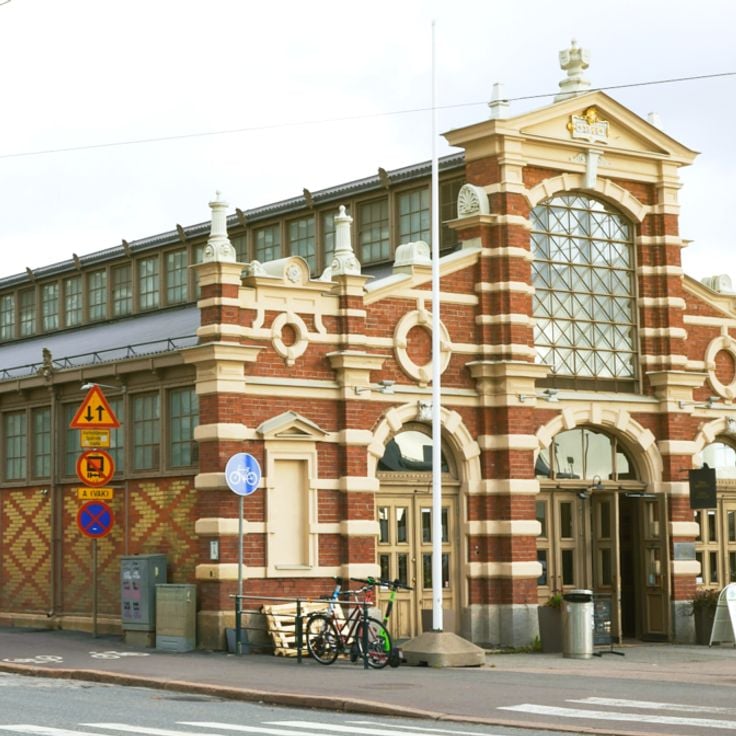
The Christmas market of Helsinki spreads across the train station square and showcases Finnish craftsmanship. Wooden chalets offer Nordic specialties such as Karelian pies and Finnish glögg. The market features handmade textiles, wooden items, and traditional decorations. Visitors discover regional artisanal products and hot beverages that reflect Finland's winter traditions.
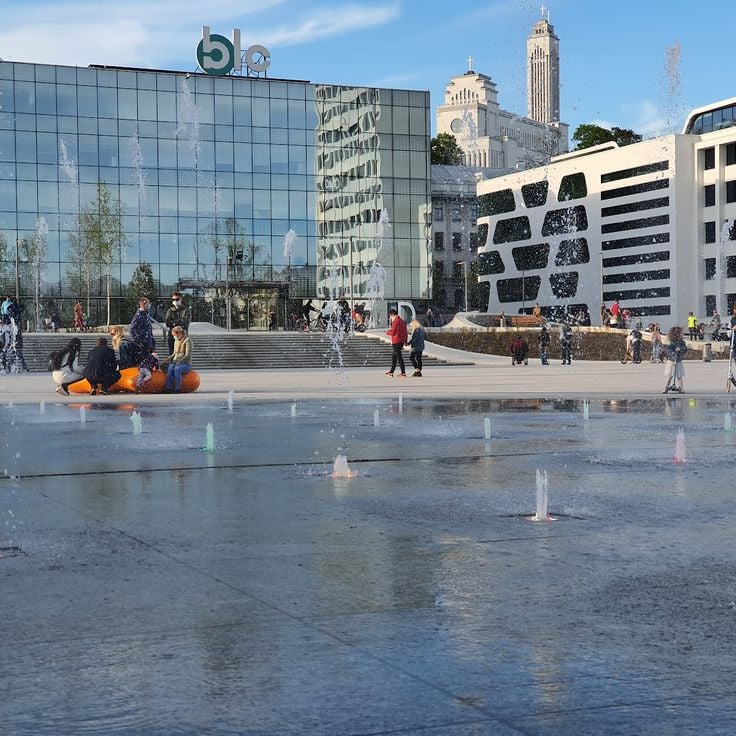
The Christmas market in Kaunas takes place in the main square and showcases Lithuanian traditions. Wooden chalets offer regional specialties, gingerbread, and local handcrafted items. The market features hand-made decorations and artisanal products that reflect Baltic culture. Visitors discover traditional textiles, wooden objects, and hot beverages.
Sofia's Christmas market unfolds in the historic center of the city and showcases Bulgarian craftsmanship in all its diversity. Wooden chalets offer regional specialties, gingerbread, and traditional handmade articles. The market presents hand-crafted decorations, regional products, and hot beverages to warm visitors. You find carved wooden items and artisan goods that reflect Balkan traditions.
Bucharest's Christmas market spreads across Revolution Square and showcases Romanian craftsmanship. Wooden chalets offer regional specialties, handmade items, and traditional decorations. The market features local products, hand-woven textiles, and hot beverages. Visitors discover carved wooden pieces and artisanal goods that reflect Romanian traditions.
The Christmas market of Sibiu takes place on the historic Great Square and showcases the craftsmanship of Transylvania. Wooden chalets offer regional specialties, gingerbread, and traditional handmade items. The market features hand-crafted decorations, local products, and warm beverages. Visitors find wooden articles and artisanal goods that reflect the traditions of Transylvania.
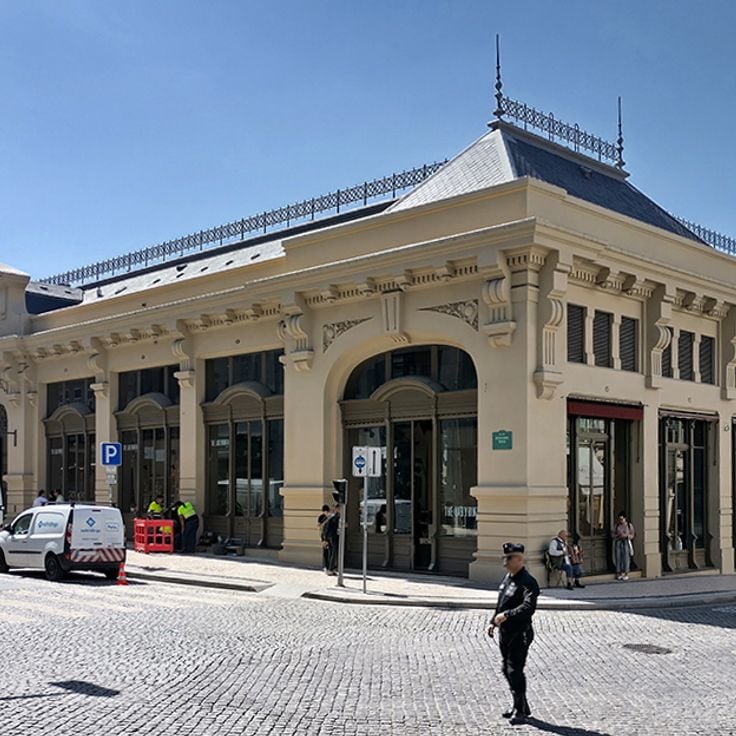
Porto's Christmas market takes place in the city center and displays Portuguese craftsmanship. Wooden stalls offer specialties from northern Portugal, gingerbread, and traditional handmade items. The market features handcrafted decorations, local products, and warm drinks. Visitors find cork items, textiles, and artisan products that reflect Porto's traditions.
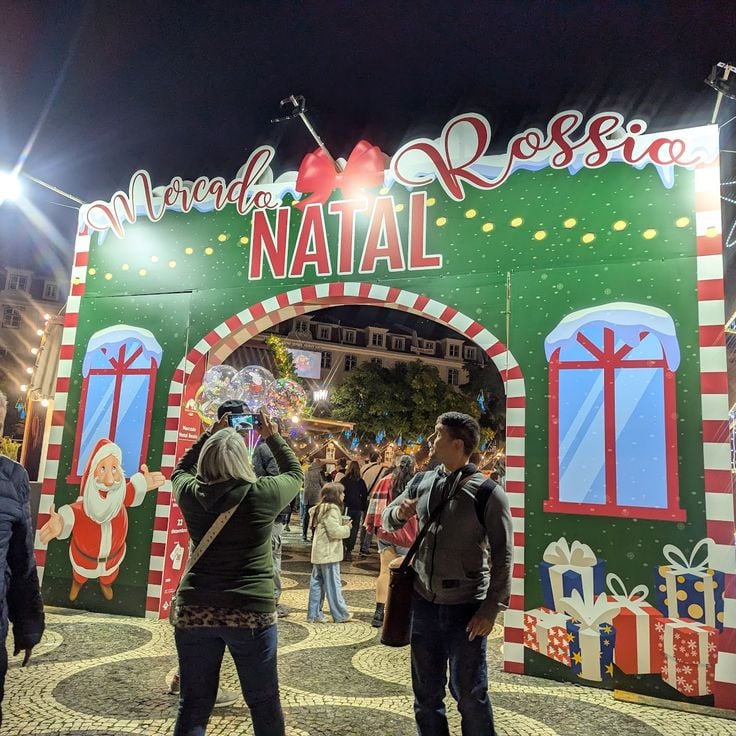
The Christmas market of Lisbon spreads through the city center and showcases Portuguese crafts. Wooden chalets offer regional specialties, gingerbread, and traditional handmade goods. The market features hand-crafted decorations, local products, and hot beverages. Visitors discover cork items, embroideries, and artisanal products that reflect Portuguese traditions.
The Christmas market of Madrid takes place on Plaza Mayor and showcases regional craftsmanship. Wooden chalets offer Castilian specialties, turrón, and traditional handmade items. The market features hand-painted decorations, local products, and hot drinks. Visitors discover wooden goods, textiles, and crafted items that reflect Madrid's traditions.
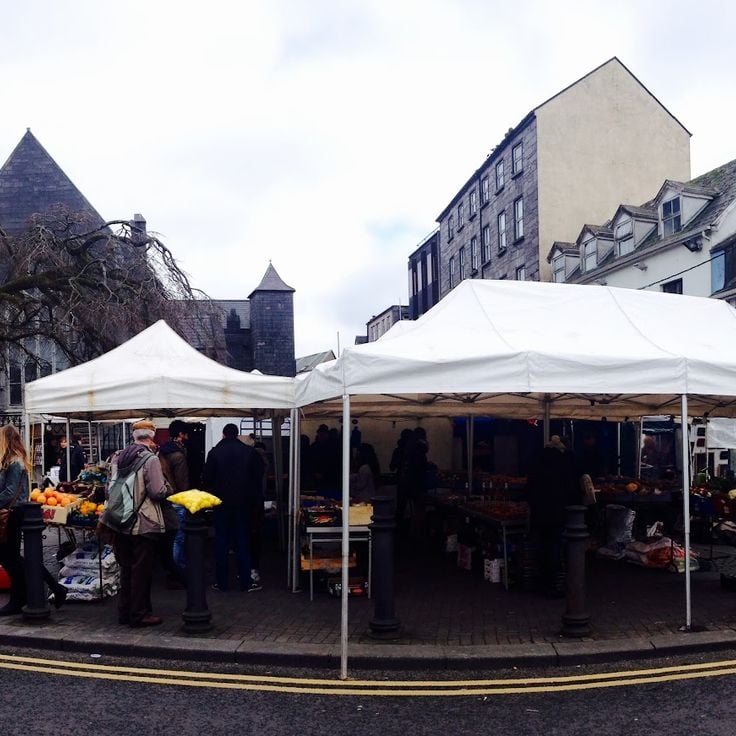
The Christmas market of Galway spreads across the central squares of the city and showcases regional craftsmanship. Wooden chalets present regional specialties, handmade products, and traditional decorations. The market displays local produce, hand-woven textiles, and warm drinks. Visitors find wooden items, ceramics, and handcrafted products that reflect the traditions of Ireland's west.
The Christmas market of York spreads through the medieval center of this English city and showcases craftsmanship from Great Britain. Wooden chalets offer regional specialties, handcrafted items, and traditional decorations. The market presents local products, handmade textiles, and hot drinks. Visitors find wooden articles, fabrics, and artisanal goods that reflect Yorkshire traditions.
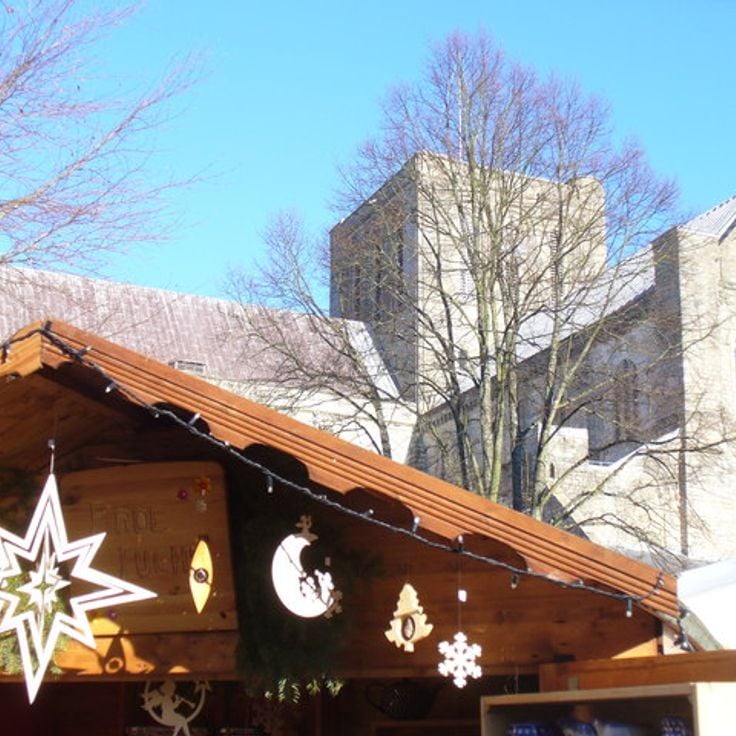
Winchester's Christmas market spreads across the cathedral plaza and showcases British craftsmanship. Wooden chalets offer regional specialties, handmade items, and traditional decorations. The market presents local products, handcrafted textiles, and hot beverages. Visitors find wooden goods, ceramics, and artisanal products that reflect British traditions.
The Christmas market of Brussels takes place on the historic Grand Place and Sainte-Catherine Square. Around 200 wooden chalets offer European specialties. Visitors discover regional products, traditional crafts, and Belgian decorations. The market features local food, handmade articles, and seasonal events in the heart of the Belgian capital.
Dresden's Striezelmarkt is one of Germany's oldest Christmas markets, established in 1434. This market takes place each year in the historic center of Dresden and features regional crafts and traditions. Visitors find hand-carved figures from the Ore Mountains, wooden Christmas pyramids, and the famous Dresden Christstollen, a traditional Christmas bread. The market spreads across the Altmarkt, where visitors can taste local specialties and watch concerts and craft demonstrations.
The Strasbourg Christmas Market has been operating since 1570 and stands as one of Europe's oldest Christmas markets. It transforms the city's historic squares into a winter marketplace. Wooden chalets spread from Cathedral Square through the narrow streets of the old town. Visitors find Alsatian specialties such as bredele, gingerbread, and mulled wine. The market offers traditional crafts, Christmas decorations, and regional products that reflect Alsatian artisanal traditions. It displays the culinary and craft characteristics of this region located at the border between French and German cultures.
Vienna's Christmas market takes place in front of the historic City Hall and displays regional craftsmanship and culinary specialties from the city. In traditional wooden chalets, local vendors offer handmade decorations, ceramics, and textiles. Visitors find Austrian specialties such as gingerbread, roasted chestnuts, and punch. The market spreads across City Hall Square and surrounding areas, with illuminated trees and musical performances that accompany the event.
The Christmas market of Prague on the Old Town Square ranks among Europe's traditional Christmas markets. This market in the city's historic center showcases Czech craftsmanship, handmade Christmas decorations, and traditional pastries in numerous wooden stalls. Visitors find regional specialties like trdelník, grilled sausages, and spiced mulled wine. Local handcrafted items in wood, glass, and ceramics, along with festive decorations, reflect Czech Christmas traditions.
Salzburg's Christmas market takes place in the historic center and spreads across Cathedral Square and adjacent areas. This market presents Austrian craftsmanship, regional products and local specialties in traditional wooden chalets. Visitors find handmade decorations, textiles and ceramics from the region as well as culinary offerings like gingerbread, roasted almonds and spiced mulled wine. The market sits between the Cathedral and the Residence with views of the old town's Baroque architecture.
The Munich Christmas Market spreads across Marienplatz in the historic center and features numerous stands with handcrafted decorations, wooden toys, and Bavarian specialties. This traditional market displays local craftsmanship, roasted almonds, gingerbread, and mulled wine in typical wooden cabins. The market takes place in front of the town hall and attracts annual visitors seeking regional products, Christmas ornaments, and hot beverages. The stands offer Bavarian cuisine, craftsmanship, and festive items that define Munich.
The Lille Christmas Market spreads across Place Rihour in the city center, featuring about 90 wooden chalets offering regional craftsmanship and culinary specialties from northern France. The stalls display handmade decorations, local products, and traditional dishes of the region. During the Advent season, this market transforms into a gathering place where locals and visitors enjoy mulled wine, roasted almonds, and discover the local craft traditions that define the area.
The Christmas market of Budapest takes place on Vörösmarty Square and features handcrafted jewelry, decorations, and Hungarian specialties. This market offers traditional cuisine like kürtőskalács and lángos, along with local crafts from different regions of Hungary. Visitors find ceramics, textiles, and regional products in the wooden stalls on the square. The market brings together Hungarian craftsmanship traditions with the festive setting of Budapest's historic center.
This Christmas market in London stretches along the Thames and features regional specialties in wooden chalets during the winter months. Visitors discover handcrafted decorations, local craftsmanship, and traditional British cuisine. The stalls offer festive items, warm beverages, and seasonal dishes. The market blends London's Christmas traditions with historical elements, creating a mix of past and present in a central location along the Thames.
Bruges Christmas Market takes place on the Grand Place and Simon Stevins Square in the historic city center. This market showcases Belgian regional products in traditional wooden chalets. Visitors find Belgian chocolate, local lace, and other handcrafted items from the region. The stands offer traditional decorations and regional specialties. The market displays the craftsmanship of the region with stalls presenting local traditions and Belgian artisanal work.
The Christmas market of Wroclaw takes place every winter on the historic Market Square and displays Polish craftsmanship in traditional wooden chalets. The market offers Silesian specialties such as pierogi and gingerbread, as well as handcrafted ceramics from the region. The stalls are arranged around the historic Town Hall and showcase authentic Silesian craftsmanship that reflects Lower Silesian traditions.
The Christmas market of Merano takes place each year in the streets and squares of the historic center. Numerous wooden huts display products from the South Tyrolean region, handcrafted goods, and Christmas decorations. Visitors can taste local specialties like zelten, schüttelbrot, and mulled wine as they stroll from stand to stand, discovering handmade Christmas ornaments. The market brings together Tyrolean traditions with the alpine character of the city.
Nuremberg's Christmas Market takes place each winter on the historic Main Market Square and ranks among Europe's most important Christmas markets. This market showcases Franconian specialties such as gingerbread, grilled sausages, and mulled wine in about 180 wooden stalls, along with traditional crafts from the region. Visitors find handmade toys, nativity scenes, and carved wooden figures produced by local artisans. The market spreads around the Church of Our Lady and opens with the Christ Child, who greets visitors from a balcony dressed in golden robes.
The Christmas market of Göteborg takes place each year in the Liseberg amusement park and showcases Scandinavian Christmas traditions. Visitors find Swedish specialties like glögg, pepparkakor and lussekatter in wooden cabins. The market offers regional craftwork, handmade decorations and Christmas performances. The park is illuminated with millions of lights during the Advent season. This market brings together traditional market offerings with the park's attractions and draws visitors from Sweden and neighboring Scandinavian countries each year.
Hamburg's Christmas market takes place each winter on the historic Town Hall Square and ranks among the largest Christmas markets in northern Germany. The market showcases regional crafts such as wood carvings, ceramics, and handmade jewelry in traditional wooden chalets. Visitors can taste regional specialties like grilled sausages, roasted almonds, and spiced mulled wine. The historic square is decorated with Christmas music and lighting that frames the Town Hall and the plaza.
The Christmas market of Maastricht on Vrijthofplatz showcases Dutch craftsmanship and traditions. Visitors walk through wooden chalets displaying handmade decorations, textiles, and seasonal items typical of the region. The market features sweet pastries and hearty dishes from southern Netherlands, along with hot drinks. Every December, this historic square in Maastricht's center comes alive with regional products and traditional crafts that reflect local pride.
The Christmas market of Louvain takes place around Saint Peter's Cathedral and the main square. More than 140 wooden chalets display regional specialties and crafts from across the area. Visitors find Flemish products, handmade items, and regional food in Louvain's historic center. Local artisans offer traditional crafts and Belgian specialties that tell the story and culture of this city.
Metz's Christmas market spreads across five locations in the historic city center. Wooden chalets offer specialties from Lorraine, including tarte flambée and local wines. A carousel and a large Ferris wheel provide entertainment for families. Children can take part in creative workshops and meet Santa Claus. Performances take place regularly at different locations. The market includes regional crafts, traditional Christmas decorations, and Lorraine pastries.
On Poznań's historic market square, this Christmas market unfolds with traditional wooden stalls offering local and international products. An ice skating rink invites visitors to glide across the ice, while the stalls display regional specialties, handcrafted items, and festive decorations. The market brings together the holiday season with the square's historic setting, giving visitors a chance to experience Polish Christmas traditions.
The Christmas Market of Valkenburg takes place in underground galleries of former limestone mines and features crafts and regional specialties in this unusual mineral setting. Vendors offer traditional Christmas decorations, handmade items, and Dutch specialties amid the historic tunnels. This Christmas market combines the festive character of European winter markets with the geological history of the region and attracts visitors from different countries who come to explore the underground experience with its illuminated passages and caves.
Riga's Christmas market takes place in the historic center of the Latvian capital. Wooden stands arranged around the Roland statue display local crafts and regional foods. Visitors will find hand-knitted gloves, decorated gingerbread, and local ornaments. Mulled wine is prepared using traditional Latvian recipes. The market shows how the Baltic region celebrates the Christmas season.
The Christmas market of Asti-Govone brings together two towns in Piedmont with a festive event from November through December. Wooden chalets display traditional Piedmontese specialties such as hazelnut products, truffles, and regional wines along the decorated streets of both locations. Visitors find local craftsmanship, handmade decorations, and products from the region's agricultural heritage. The route between the two towns provides a chance to discover different traditions of Piedmontese winter life. Cultural events and musical performances complement the market stalls during the Christmas season.
The Christmas market of Madeira shows Portuguese festive traditions in mild weather. The stalls feature regional craftsmanship and island specialties like Bolo de Mel, a traditional honey cake, as well as local embroidery. December brings pleasant temperatures that set this market apart from the colder Christmas markets of mainland Europe. Visitors find festive decorations and culinary offerings that reflect the island's character.
The Christmas market of Montbéliard brings together 160 craftspeople in the historic center near the Saint-Martin church. Visitors watch traditional craft techniques at work. Wooden chalets offer handmade items, Christmas decorations, and local products. The selection features specialties from the Franche-Comté region, particularly charcuterie and cheese. The market connects Protestant heritage with regional traditions and offers a window into local craftsmanship.
The Christmas market of Krakow takes place on the main square and offers regional specialties in traditional wooden huts. The stalls feature Polish craftsmanship, Christmas decorations, and local food like pierogi, oscypek cheese, and honey gingerbread. A traditional nativity scene competition displays handmade miniature representations of the city's well-known monuments. This market combines local craft traditions with regional culinary specialties and entertains visitors with music and cultural performances during the winter months.
This Christmas market at Skansen takes place on the open-air museum founded in 1891. Among historic wooden houses from different regions of Sweden, craftspeople in traditional dress showcase their work. Visitors discover hand-stitched textiles, candles, and wooden items along with Swedish Christmas specialties like glögg, pepparkakor gingerbread, and smoked sausages. The market stalls line the cobblestone paths between houses from the 18th and 19th centuries.
The Christmas market of Berne transforms the historic city center of Switzerland's capital during Advent season. On Münsterplatz, wooden chalets display Swiss craftsmanship, while the market on Waisenhausplatz offers local products and regional specialties. These two markets reflect Berne's traditions and invite visitors to discover traditional decorations, handmade articles, and culinary delights set against the backdrop of Berne's medieval architecture.
This Christmas market in Rovaniemi takes place at Santa Claus Village on the Arctic Circle. It showcases traditional Sami and Lapp crafts alongside Finnish specialties. Wooden cabins display reindeer meat, smoked fish, and wool products. Visitors find handcrafted wooden items and decorative articles made by local artisans. The location on the Arctic Circle gives this market its special character. Shoppers experience how people celebrate Christmas in Lapland and discover the region's traditions.
The Stuttgart Christmas market is one of Germany's major festive events. About 300 stalls on Schlossplatz and surrounding streets display regional craftsmanship including wooden objects, ceramics, glass ornaments, and traditional toys. Visitors find Swabian specialties such as Spätzle, Maultaschen, and roasted almonds, along with mulled wine from local vineyards. The sales stands gather around a wooden Christmas pyramid several meters high. Craft demonstrations show traditional manufacturing techniques. The market opens at the end of November and closes on December 23rd. Evening lights illuminate the baroque facades surrounding Schlossplatz.
Edinburgh's Christmas market takes place each year in the lower town at the foot of the castle and is one of this Scottish capital's traditional winter events. The market offers regional specialties, Scottish crafts, and seasonal decorations in wooden chalets. In the Princes Street Gardens, an illuminated Ferris wheel, various attractions, and an ice skating rink complete the experience. Visitors find local food, handmade items, and entertainment that reflect Scottish winter traditions.
The Christmas market of Basel turns the city's historic squares into a place filled with regional traditions and handcrafted goods. About 150 wooden stalls line the Barfüsserplatz and Münsterplatz, where visitors discover Basel Läckerli, steaming mulled wine, and handmade decorations. Artisans display Swiss crafts, Christmas ornaments, and local specialties. The market connects Basel's old streets with Christmas traditions and shows how the region celebrates the holidays. Walking between the stands, you find traditional pastries and products that are typical of Basel.
Oslo's Christmas market Jul i Vinterland spreads through the city center and showcases Norwegian craftsmanship and regional specialties. Visitors can find traditional products such as elk meat, handmade decorations, and local goods. This market brings together Norwegian winter traditions with culinary offerings and handcrafted items displayed in wooden cabins. The event reflects how Norwegians celebrate Christmas and shows the local traditions of the region.
The Christmas market of Tallinn takes place on the historic Town Hall Square in the medieval old town. Visitors discover Estonian crafts, regional specialties, and traditional treats. The culinary offering includes sausages, gingerbread, and other Baltic dishes. The market displays handmade decorations and local products in wooden chalets set against gothic architecture. This event combines Estonian traditions with the festive character of the old town.
The Hamburger Weihnachtsmarkt takes place on the Town Hall Square and is one of Germany's major Christmas markets. Visitors find traditional wooden booths offering regional specialties, handmade crafts, and festive decorations. The market features mulled wine, roasted almonds, and local artisan products. During the Advent season, it reflects Hamburg's Hanseatic culture and draws crowds seeking winter charm and holiday tradition.
The Christmas market of Bratislava brings the Advent season to Slovakia's capital city with its own regional traditions. This market follows the long-standing European tradition, where wooden stalls display regional food specialties, handcrafted items, and seasonal decorations. Visitors can find roasted almonds, mulled wine, and local handicrafts among the offerings.
The Magdeburger Weihnachtsmarkt on Alter Markt is part of the long-standing tradition of Christmas markets across Europe during the Advent season. Like other markets in this collection, it sets up wooden stalls in its central square offering regional foods, handcrafted goods, and traditional decorations. Visitors find roasted almonds, mulled wine, and local handicrafts that reflect Magdeburg's culinary and cultural character.
The Christmas market at Paris La Défense takes place in this modern business district, blending contemporary architecture with festive tradition. Wooden stalls offer regional French specialties, handcrafted products, and holiday decorations. Visitors can enjoy mulled wine, roasted almonds, and local treats while strolling through spacious plazas and passages, experiencing how a modern urban center celebrates the winter season.
The Christmas market of Cologne spreads across several squares in the historic center and around the Cathedral. This Rhineland market showcases regional specialties such as Kölsch, a local beer, accompanied by gingerbread and roasted almonds. Wooden chalets offer crafts from the region, traditional wooden toys, and handmade decorations. The market reflects Rhineland traditions, with musicians playing during Advent evenings.
The Christmas market of Frankfurt takes place on Römerberg, the historic square in the city center. More than a hundred wooden cabins offer local specialties like Äppelwoi, a regional apple cider, gingerbread, and handcrafted products from Hesse. Visitors discover wood carvings, ceramics, and locally made Christmas decorations. The medieval character of the square blends with festive decorations during Advent, creating a welcoming atmosphere for strolling and tasting.
Erfurt's Christmas market takes place on Domplatz and showcases Thuringian traditions. Wooden chalets offer regional specialties such as gingerbread biscuits, grilled sausages, and mulled wine made according to local recipes. Visitors discover traditional craftsmanship, including hand-carved wooden figurines and ceramic decorations. The market spreads around the medieval cathedral and combines historic architecture with festive offerings.
The Christmas market of Rothenburg ob der Tauber takes place in this medieval fortified town and showcases traditional Bavarian craftsmanship. Wooden stalls offer specialties such as Schneeball, a local pastry, along with mulled wine and gingerbread. The market spreads across the historic market square, surrounded by half-timbered houses. Visitors discover wooden toys, decorations, and products from local artisans that reflect the charm of this fortified town.
The Christmas market of Lübeck takes place in the old Hanseatic city and showcases craftsmanship from the Baltic region. Wooden chalets offer local specialties such as the famous Lübeck marzipan, smoked fish, and mulled wine. The market reflects Hanseatic culture with regional handicrafts, wood carvings, and decorative items. The old town with its Gothic red brick buildings frames this festive market.
The Christmas market of Trier spreads across the Cathedral Square and the neighboring streets of this Roman city. Wooden stalls offer Moselle wines, gingerbread, and regional specialties. The market displays regional craftsmanship, wooden items, and traditional decorations. The Gothic cathedral and historic half-timbered houses create the setting for this festive market, which reflects Rhineland traditions.
The Innsbruck Christmas Market takes place in the historic old town and showcases Tyrolean craftsmanship. Wooden chalets offer regional specialties such as zelten and schüttelbrot, along with mulled wine and local beer. The market brings together Alpine Christmas traditions with handmade products, locally made textiles, and wooden decorations. Alpine peaks frame this winter market in the background.
The Christmas market of Graz spreads across Hauptplatz, the main square, and features Styrian craftsmanship. Visitors find regional specialties like gingerbread and carved wooden items in the wooden huts, along with artisanal products from the area. The market unfolds before the baroque architecture of the city and offers hot beverages, handmade decorations, and traditional Styrian goods.
The Christmas market of Aarhus fills the city center each year with Danish winter traditions. Wooden chalets offer regional specialties like mulled wine and baked goods. The craftsmanship of the region appears in wooden goods, textiles, and handmade decorations. Visitors taste warm drinks and find products that reflect the winter heritage of Jutland.
The Christmas market of Helsinki spreads across the train station square and showcases Finnish craftsmanship. Wooden chalets offer Nordic specialties such as Karelian pies and Finnish glögg. The market features handmade textiles, wooden items, and traditional decorations. Visitors discover regional artisanal products and hot beverages that reflect Finland's winter traditions.
The Christmas market in Kaunas takes place in the main square and showcases Lithuanian traditions. Wooden chalets offer regional specialties, gingerbread, and local handcrafted items. The market features hand-made decorations and artisanal products that reflect Baltic culture. Visitors discover traditional textiles, wooden objects, and hot beverages.
Sofia's Christmas market unfolds in the historic center of the city and showcases Bulgarian craftsmanship in all its diversity. Wooden chalets offer regional specialties, gingerbread, and traditional handmade articles. The market presents hand-crafted decorations, regional products, and hot beverages to warm visitors. You find carved wooden items and artisan goods that reflect Balkan traditions.
Bucharest's Christmas market spreads across Revolution Square and showcases Romanian craftsmanship. Wooden chalets offer regional specialties, handmade items, and traditional decorations. The market features local products, hand-woven textiles, and hot beverages. Visitors discover carved wooden pieces and artisanal goods that reflect Romanian traditions.
The Christmas market of Sibiu takes place on the historic Great Square and showcases the craftsmanship of Transylvania. Wooden chalets offer regional specialties, gingerbread, and traditional handmade items. The market features hand-crafted decorations, local products, and warm beverages. Visitors find wooden articles and artisanal goods that reflect the traditions of Transylvania.
Porto's Christmas market takes place in the city center and displays Portuguese craftsmanship. Wooden stalls offer specialties from northern Portugal, gingerbread, and traditional handmade items. The market features handcrafted decorations, local products, and warm drinks. Visitors find cork items, textiles, and artisan products that reflect Porto's traditions.
The Christmas market of Lisbon spreads through the city center and showcases Portuguese crafts. Wooden chalets offer regional specialties, gingerbread, and traditional handmade goods. The market features hand-crafted decorations, local products, and hot beverages. Visitors discover cork items, embroideries, and artisanal products that reflect Portuguese traditions.
The Christmas market of Madrid takes place on Plaza Mayor and showcases regional craftsmanship. Wooden chalets offer Castilian specialties, turrón, and traditional handmade items. The market features hand-painted decorations, local products, and hot drinks. Visitors discover wooden goods, textiles, and crafted items that reflect Madrid's traditions.
The Christmas market of Galway spreads across the central squares of the city and showcases regional craftsmanship. Wooden chalets present regional specialties, handmade products, and traditional decorations. The market displays local produce, hand-woven textiles, and warm drinks. Visitors find wooden items, ceramics, and handcrafted products that reflect the traditions of Ireland's west.
The Christmas market of York spreads through the medieval center of this English city and showcases craftsmanship from Great Britain. Wooden chalets offer regional specialties, handcrafted items, and traditional decorations. The market presents local products, handmade textiles, and hot drinks. Visitors find wooden articles, fabrics, and artisanal goods that reflect Yorkshire traditions.
Winchester's Christmas market spreads across the cathedral plaza and showcases British craftsmanship. Wooden chalets offer regional specialties, handmade items, and traditional decorations. The market presents local products, handcrafted textiles, and hot beverages. Visitors find wooden goods, ceramics, and artisanal products that reflect British traditions.
The Christmas market of Brussels takes place on the historic Grand Place and Sainte-Catherine Square. Around 200 wooden chalets offer European specialties. Visitors discover regional products, traditional crafts, and Belgian decorations. The market features local food, handmade articles, and seasonal events in the heart of the Belgian capital.
Dresden's Striezelmarkt is one of Germany's oldest Christmas markets, established in 1434. This market takes place each year in the historic center of Dresden and features regional crafts and traditions. Visitors find hand-carved figures from the Ore Mountains, wooden Christmas pyramids, and the famous Dresden Christstollen, a traditional Christmas bread. The market spreads across the Altmarkt, where visitors can taste local specialties and watch concerts and craft demonstrations.
The Strasbourg Christmas Market has been operating since 1570 and stands as one of Europe's oldest Christmas markets. It transforms the city's historic squares into a winter marketplace. Wooden chalets spread from Cathedral Square through the narrow streets of the old town. Visitors find Alsatian specialties such as bredele, gingerbread, and mulled wine. The market offers traditional crafts, Christmas decorations, and regional products that reflect Alsatian artisanal traditions. It displays the culinary and craft characteristics of this region located at the border between French and German cultures.
Vienna's Christmas market takes place in front of the historic City Hall and displays regional craftsmanship and culinary specialties from the city. In traditional wooden chalets, local vendors offer handmade decorations, ceramics, and textiles. Visitors find Austrian specialties such as gingerbread, roasted chestnuts, and punch. The market spreads across City Hall Square and surrounding areas, with illuminated trees and musical performances that accompany the event.
The Christmas market of Prague on the Old Town Square ranks among Europe's traditional Christmas markets. This market in the city's historic center showcases Czech craftsmanship, handmade Christmas decorations, and traditional pastries in numerous wooden stalls. Visitors find regional specialties like trdelník, grilled sausages, and spiced mulled wine. Local handcrafted items in wood, glass, and ceramics, along with festive decorations, reflect Czech Christmas traditions.
Salzburg's Christmas market takes place in the historic center and spreads across Cathedral Square and adjacent areas. This market presents Austrian craftsmanship, regional products and local specialties in traditional wooden chalets. Visitors find handmade decorations, textiles and ceramics from the region as well as culinary offerings like gingerbread, roasted almonds and spiced mulled wine. The market sits between the Cathedral and the Residence with views of the old town's Baroque architecture.
The Munich Christmas Market spreads across Marienplatz in the historic center and features numerous stands with handcrafted decorations, wooden toys, and Bavarian specialties. This traditional market displays local craftsmanship, roasted almonds, gingerbread, and mulled wine in typical wooden cabins. The market takes place in front of the town hall and attracts annual visitors seeking regional products, Christmas ornaments, and hot beverages. The stands offer Bavarian cuisine, craftsmanship, and festive items that define Munich.
The Lille Christmas Market spreads across Place Rihour in the city center, featuring about 90 wooden chalets offering regional craftsmanship and culinary specialties from northern France. The stalls display handmade decorations, local products, and traditional dishes of the region. During the Advent season, this market transforms into a gathering place where locals and visitors enjoy mulled wine, roasted almonds, and discover the local craft traditions that define the area.
The Christmas market of Budapest takes place on Vörösmarty Square and features handcrafted jewelry, decorations, and Hungarian specialties. This market offers traditional cuisine like kürtőskalács and lángos, along with local crafts from different regions of Hungary. Visitors find ceramics, textiles, and regional products in the wooden stalls on the square. The market brings together Hungarian craftsmanship traditions with the festive setting of Budapest's historic center.
This Christmas market in London stretches along the Thames and features regional specialties in wooden chalets during the winter months. Visitors discover handcrafted decorations, local craftsmanship, and traditional British cuisine. The stalls offer festive items, warm beverages, and seasonal dishes. The market blends London's Christmas traditions with historical elements, creating a mix of past and present in a central location along the Thames.
Bruges Christmas Market takes place on the Grand Place and Simon Stevins Square in the historic city center. This market showcases Belgian regional products in traditional wooden chalets. Visitors find Belgian chocolate, local lace, and other handcrafted items from the region. The stands offer traditional decorations and regional specialties. The market displays the craftsmanship of the region with stalls presenting local traditions and Belgian artisanal work.
The Christmas market of Wroclaw takes place every winter on the historic Market Square and displays Polish craftsmanship in traditional wooden chalets. The market offers Silesian specialties such as pierogi and gingerbread, as well as handcrafted ceramics from the region. The stalls are arranged around the historic Town Hall and showcase authentic Silesian craftsmanship that reflects Lower Silesian traditions.
The Christmas market of Merano takes place each year in the streets and squares of the historic center. Numerous wooden huts display products from the South Tyrolean region, handcrafted goods, and Christmas decorations. Visitors can taste local specialties like zelten, schüttelbrot, and mulled wine as they stroll from stand to stand, discovering handmade Christmas ornaments. The market brings together Tyrolean traditions with the alpine character of the city.
Nuremberg's Christmas Market takes place each winter on the historic Main Market Square and ranks among Europe's most important Christmas markets. This market showcases Franconian specialties such as gingerbread, grilled sausages, and mulled wine in about 180 wooden stalls, along with traditional crafts from the region. Visitors find handmade toys, nativity scenes, and carved wooden figures produced by local artisans. The market spreads around the Church of Our Lady and opens with the Christ Child, who greets visitors from a balcony dressed in golden robes.
The Christmas market of Göteborg takes place each year in the Liseberg amusement park and showcases Scandinavian Christmas traditions. Visitors find Swedish specialties like glögg, pepparkakor and lussekatter in wooden cabins. The market offers regional craftwork, handmade decorations and Christmas performances. The park is illuminated with millions of lights during the Advent season. This market brings together traditional market offerings with the park's attractions and draws visitors from Sweden and neighboring Scandinavian countries each year.
Hamburg's Christmas market takes place each winter on the historic Town Hall Square and ranks among the largest Christmas markets in northern Germany. The market showcases regional crafts such as wood carvings, ceramics, and handmade jewelry in traditional wooden chalets. Visitors can taste regional specialties like grilled sausages, roasted almonds, and spiced mulled wine. The historic square is decorated with Christmas music and lighting that frames the Town Hall and the plaza.
The Christmas market of Maastricht on Vrijthofplatz showcases Dutch craftsmanship and traditions. Visitors walk through wooden chalets displaying handmade decorations, textiles, and seasonal items typical of the region. The market features sweet pastries and hearty dishes from southern Netherlands, along with hot drinks. Every December, this historic square in Maastricht's center comes alive with regional products and traditional crafts that reflect local pride.
The Christmas market of Louvain takes place around Saint Peter's Cathedral and the main square. More than 140 wooden chalets display regional specialties and crafts from across the area. Visitors find Flemish products, handmade items, and regional food in Louvain's historic center. Local artisans offer traditional crafts and Belgian specialties that tell the story and culture of this city.
Metz's Christmas market spreads across five locations in the historic city center. Wooden chalets offer specialties from Lorraine, including tarte flambée and local wines. A carousel and a large Ferris wheel provide entertainment for families. Children can take part in creative workshops and meet Santa Claus. Performances take place regularly at different locations. The market includes regional crafts, traditional Christmas decorations, and Lorraine pastries.
On Poznań's historic market square, this Christmas market unfolds with traditional wooden stalls offering local and international products. An ice skating rink invites visitors to glide across the ice, while the stalls display regional specialties, handcrafted items, and festive decorations. The market brings together the holiday season with the square's historic setting, giving visitors a chance to experience Polish Christmas traditions.
The Christmas Market of Valkenburg takes place in underground galleries of former limestone mines and features crafts and regional specialties in this unusual mineral setting. Vendors offer traditional Christmas decorations, handmade items, and Dutch specialties amid the historic tunnels. This Christmas market combines the festive character of European winter markets with the geological history of the region and attracts visitors from different countries who come to explore the underground experience with its illuminated passages and caves.
Riga's Christmas market takes place in the historic center of the Latvian capital. Wooden stands arranged around the Roland statue display local crafts and regional foods. Visitors will find hand-knitted gloves, decorated gingerbread, and local ornaments. Mulled wine is prepared using traditional Latvian recipes. The market shows how the Baltic region celebrates the Christmas season.
The Christmas market of Asti-Govone brings together two towns in Piedmont with a festive event from November through December. Wooden chalets display traditional Piedmontese specialties such as hazelnut products, truffles, and regional wines along the decorated streets of both locations. Visitors find local craftsmanship, handmade decorations, and products from the region's agricultural heritage. The route between the two towns provides a chance to discover different traditions of Piedmontese winter life. Cultural events and musical performances complement the market stalls during the Christmas season.
The Christmas market of Madeira shows Portuguese festive traditions in mild weather. The stalls feature regional craftsmanship and island specialties like Bolo de Mel, a traditional honey cake, as well as local embroidery. December brings pleasant temperatures that set this market apart from the colder Christmas markets of mainland Europe. Visitors find festive decorations and culinary offerings that reflect the island's character.
The Christmas market of Montbéliard brings together 160 craftspeople in the historic center near the Saint-Martin church. Visitors watch traditional craft techniques at work. Wooden chalets offer handmade items, Christmas decorations, and local products. The selection features specialties from the Franche-Comté region, particularly charcuterie and cheese. The market connects Protestant heritage with regional traditions and offers a window into local craftsmanship.
The Christmas market of Krakow takes place on the main square and offers regional specialties in traditional wooden huts. The stalls feature Polish craftsmanship, Christmas decorations, and local food like pierogi, oscypek cheese, and honey gingerbread. A traditional nativity scene competition displays handmade miniature representations of the city's well-known monuments. This market combines local craft traditions with regional culinary specialties and entertains visitors with music and cultural performances during the winter months.
This Christmas market at Skansen takes place on the open-air museum founded in 1891. Among historic wooden houses from different regions of Sweden, craftspeople in traditional dress showcase their work. Visitors discover hand-stitched textiles, candles, and wooden items along with Swedish Christmas specialties like glögg, pepparkakor gingerbread, and smoked sausages. The market stalls line the cobblestone paths between houses from the 18th and 19th centuries.
The Christmas market of Berne transforms the historic city center of Switzerland's capital during Advent season. On Münsterplatz, wooden chalets display Swiss craftsmanship, while the market on Waisenhausplatz offers local products and regional specialties. These two markets reflect Berne's traditions and invite visitors to discover traditional decorations, handmade articles, and culinary delights set against the backdrop of Berne's medieval architecture.
This Christmas market in Rovaniemi takes place at Santa Claus Village on the Arctic Circle. It showcases traditional Sami and Lapp crafts alongside Finnish specialties. Wooden cabins display reindeer meat, smoked fish, and wool products. Visitors find handcrafted wooden items and decorative articles made by local artisans. The location on the Arctic Circle gives this market its special character. Shoppers experience how people celebrate Christmas in Lapland and discover the region's traditions.
The Stuttgart Christmas market is one of Germany's major festive events. About 300 stalls on Schlossplatz and surrounding streets display regional craftsmanship including wooden objects, ceramics, glass ornaments, and traditional toys. Visitors find Swabian specialties such as Spätzle, Maultaschen, and roasted almonds, along with mulled wine from local vineyards. The sales stands gather around a wooden Christmas pyramid several meters high. Craft demonstrations show traditional manufacturing techniques. The market opens at the end of November and closes on December 23rd. Evening lights illuminate the baroque facades surrounding Schlossplatz.
Edinburgh's Christmas market takes place each year in the lower town at the foot of the castle and is one of this Scottish capital's traditional winter events. The market offers regional specialties, Scottish crafts, and seasonal decorations in wooden chalets. In the Princes Street Gardens, an illuminated Ferris wheel, various attractions, and an ice skating rink complete the experience. Visitors find local food, handmade items, and entertainment that reflect Scottish winter traditions.
The Christmas market of Basel turns the city's historic squares into a place filled with regional traditions and handcrafted goods. About 150 wooden stalls line the Barfüsserplatz and Münsterplatz, where visitors discover Basel Läckerli, steaming mulled wine, and handmade decorations. Artisans display Swiss crafts, Christmas ornaments, and local specialties. The market connects Basel's old streets with Christmas traditions and shows how the region celebrates the holidays. Walking between the stands, you find traditional pastries and products that are typical of Basel.
Oslo's Christmas market Jul i Vinterland spreads through the city center and showcases Norwegian craftsmanship and regional specialties. Visitors can find traditional products such as elk meat, handmade decorations, and local goods. This market brings together Norwegian winter traditions with culinary offerings and handcrafted items displayed in wooden cabins. The event reflects how Norwegians celebrate Christmas and shows the local traditions of the region.
The Christmas market of Tallinn takes place on the historic Town Hall Square in the medieval old town. Visitors discover Estonian crafts, regional specialties, and traditional treats. The culinary offering includes sausages, gingerbread, and other Baltic dishes. The market displays handmade decorations and local products in wooden chalets set against gothic architecture. This event combines Estonian traditions with the festive character of the old town.
The Hamburger Weihnachtsmarkt takes place on the Town Hall Square and is one of Germany's major Christmas markets. Visitors find traditional wooden booths offering regional specialties, handmade crafts, and festive decorations. The market features mulled wine, roasted almonds, and local artisan products. During the Advent season, it reflects Hamburg's Hanseatic culture and draws crowds seeking winter charm and holiday tradition.
The Christmas market of Bratislava brings the Advent season to Slovakia's capital city with its own regional traditions. This market follows the long-standing European tradition, where wooden stalls display regional food specialties, handcrafted items, and seasonal decorations. Visitors can find roasted almonds, mulled wine, and local handicrafts among the offerings.
The Magdeburger Weihnachtsmarkt on Alter Markt is part of the long-standing tradition of Christmas markets across Europe during the Advent season. Like other markets in this collection, it sets up wooden stalls in its central square offering regional foods, handcrafted goods, and traditional decorations. Visitors find roasted almonds, mulled wine, and local handicrafts that reflect Magdeburg's culinary and cultural character.
The Christmas market at Paris La Défense takes place in this modern business district, blending contemporary architecture with festive tradition. Wooden stalls offer regional French specialties, handcrafted products, and holiday decorations. Visitors can enjoy mulled wine, roasted almonds, and local treats while strolling through spacious plazas and passages, experiencing how a modern urban center celebrates the winter season.
The Christmas market of Cologne spreads across several squares in the historic center and around the Cathedral. This Rhineland market showcases regional specialties such as Kölsch, a local beer, accompanied by gingerbread and roasted almonds. Wooden chalets offer crafts from the region, traditional wooden toys, and handmade decorations. The market reflects Rhineland traditions, with musicians playing during Advent evenings.
The Christmas market of Frankfurt takes place on Römerberg, the historic square in the city center. More than a hundred wooden cabins offer local specialties like Äppelwoi, a regional apple cider, gingerbread, and handcrafted products from Hesse. Visitors discover wood carvings, ceramics, and locally made Christmas decorations. The medieval character of the square blends with festive decorations during Advent, creating a welcoming atmosphere for strolling and tasting.
Erfurt's Christmas market takes place on Domplatz and showcases Thuringian traditions. Wooden chalets offer regional specialties such as gingerbread biscuits, grilled sausages, and mulled wine made according to local recipes. Visitors discover traditional craftsmanship, including hand-carved wooden figurines and ceramic decorations. The market spreads around the medieval cathedral and combines historic architecture with festive offerings.
The Christmas market of Rothenburg ob der Tauber takes place in this medieval fortified town and showcases traditional Bavarian craftsmanship. Wooden stalls offer specialties such as Schneeball, a local pastry, along with mulled wine and gingerbread. The market spreads across the historic market square, surrounded by half-timbered houses. Visitors discover wooden toys, decorations, and products from local artisans that reflect the charm of this fortified town.
The Christmas market of Lübeck takes place in the old Hanseatic city and showcases craftsmanship from the Baltic region. Wooden chalets offer local specialties such as the famous Lübeck marzipan, smoked fish, and mulled wine. The market reflects Hanseatic culture with regional handicrafts, wood carvings, and decorative items. The old town with its Gothic red brick buildings frames this festive market.
The Christmas market of Trier spreads across the Cathedral Square and the neighboring streets of this Roman city. Wooden stalls offer Moselle wines, gingerbread, and regional specialties. The market displays regional craftsmanship, wooden items, and traditional decorations. The Gothic cathedral and historic half-timbered houses create the setting for this festive market, which reflects Rhineland traditions.
The Innsbruck Christmas Market takes place in the historic old town and showcases Tyrolean craftsmanship. Wooden chalets offer regional specialties such as zelten and schüttelbrot, along with mulled wine and local beer. The market brings together Alpine Christmas traditions with handmade products, locally made textiles, and wooden decorations. Alpine peaks frame this winter market in the background.
The Christmas market of Graz spreads across Hauptplatz, the main square, and features Styrian craftsmanship. Visitors find regional specialties like gingerbread and carved wooden items in the wooden huts, along with artisanal products from the area. The market unfolds before the baroque architecture of the city and offers hot beverages, handmade decorations, and traditional Styrian goods.
The Christmas market of Aarhus fills the city center each year with Danish winter traditions. Wooden chalets offer regional specialties like mulled wine and baked goods. The craftsmanship of the region appears in wooden goods, textiles, and handmade decorations. Visitors taste warm drinks and find products that reflect the winter heritage of Jutland.
The Christmas market of Helsinki spreads across the train station square and showcases Finnish craftsmanship. Wooden chalets offer Nordic specialties such as Karelian pies and Finnish glögg. The market features handmade textiles, wooden items, and traditional decorations. Visitors discover regional artisanal products and hot beverages that reflect Finland's winter traditions.
The Christmas market in Kaunas takes place in the main square and showcases Lithuanian traditions. Wooden chalets offer regional specialties, gingerbread, and local handcrafted items. The market features hand-made decorations and artisanal products that reflect Baltic culture. Visitors discover traditional textiles, wooden objects, and hot beverages.
Sofia's Christmas market unfolds in the historic center of the city and showcases Bulgarian craftsmanship in all its diversity. Wooden chalets offer regional specialties, gingerbread, and traditional handmade articles. The market presents hand-crafted decorations, regional products, and hot beverages to warm visitors. You find carved wooden items and artisan goods that reflect Balkan traditions.
Bucharest's Christmas market spreads across Revolution Square and showcases Romanian craftsmanship. Wooden chalets offer regional specialties, handmade items, and traditional decorations. The market features local products, hand-woven textiles, and hot beverages. Visitors discover carved wooden pieces and artisanal goods that reflect Romanian traditions.
The Christmas market of Sibiu takes place on the historic Great Square and showcases the craftsmanship of Transylvania. Wooden chalets offer regional specialties, gingerbread, and traditional handmade items. The market features hand-crafted decorations, local products, and warm beverages. Visitors find wooden articles and artisanal goods that reflect the traditions of Transylvania.
Porto's Christmas market takes place in the city center and displays Portuguese craftsmanship. Wooden stalls offer specialties from northern Portugal, gingerbread, and traditional handmade items. The market features handcrafted decorations, local products, and warm drinks. Visitors find cork items, textiles, and artisan products that reflect Porto's traditions.
The Christmas market of Lisbon spreads through the city center and showcases Portuguese crafts. Wooden chalets offer regional specialties, gingerbread, and traditional handmade goods. The market features hand-crafted decorations, local products, and hot beverages. Visitors discover cork items, embroideries, and artisanal products that reflect Portuguese traditions.
The Christmas market of Madrid takes place on Plaza Mayor and showcases regional craftsmanship. Wooden chalets offer Castilian specialties, turrón, and traditional handmade items. The market features hand-painted decorations, local products, and hot drinks. Visitors discover wooden goods, textiles, and crafted items that reflect Madrid's traditions.
The Christmas market of Galway spreads across the central squares of the city and showcases regional craftsmanship. Wooden chalets present regional specialties, handmade products, and traditional decorations. The market displays local produce, hand-woven textiles, and warm drinks. Visitors find wooden items, ceramics, and handcrafted products that reflect the traditions of Ireland's west.
The Christmas market of York spreads through the medieval center of this English city and showcases craftsmanship from Great Britain. Wooden chalets offer regional specialties, handcrafted items, and traditional decorations. The market presents local products, handmade textiles, and hot drinks. Visitors find wooden articles, fabrics, and artisanal goods that reflect Yorkshire traditions.
Winchester's Christmas market spreads across the cathedral plaza and showcases British craftsmanship. Wooden chalets offer regional specialties, handmade items, and traditional decorations. The market presents local products, handcrafted textiles, and hot beverages. Visitors find wooden goods, ceramics, and artisanal products that reflect British traditions.