See the monuments around you in AROpen chests in the app
Around Us is built for your phone — point your camera at the streets and discover the monuments and places around you in augmented reality.Around Us is built for your phone — chests unlock when you walk, explore and capture nearby places.
Let's go on a journey to discover Gothenburg in Sweden
Gothenburg is Sweden's second-largest city, offering a mix of history, nature, and culture. The city has much to explore: museums display Nordic art and history, while parks and gardens invite you to walk through them. Canals shape the cityscape, and the harbor reflects its maritime past. The Haga district keeps traditional wooden houses that show how people lived here long ago. The Botanical Garden is one of the largest in Scandinavia and holds thousands of plant species. Old buildings like the cathedral and Kronhuset tell the story of 400 years of city life.
When you visit, you can walk through the old town, explore the gardens, or visit the islands in the archipelago. The opera house and various theaters offer cultural events. Parks like Slottsskogen invite you to relax. In museums, you learn more about culture, art, and the history of shipping. Markets and restaurants show the daily life of the city.
Gothenburg invites you to experience a Nordic city where history and nature come together.
Let's go on a journey to discover Gothenburg in Sweden
Gothenburg is Sweden's second-largest city, offering a mix of history, nature, and culture. The city has much to explore: museums display Nordic art and history, while parks and gardens invite you to walk through them. Canals shape the cityscape, and the harbor reflects its maritime past. The Haga district keeps traditional wooden houses that show how people lived here long ago. The Botanical Garden is one of the largest in Scandinavia and holds thousands of plant species. Old buildings like the cathedral and Kronhuset tell the story of 400 years of city life.
When you visit, you can walk through the old town, explore the gardens, or visit the islands in the archipelago. The opera house and various theaters offer cultural events. Parks like Slottsskogen invite you to relax. In museums, you learn more about culture, art, and the history of shipping. Markets and restaurants show the daily life of the city.
Gothenburg invites you to experience a Nordic city where history and nature come together.
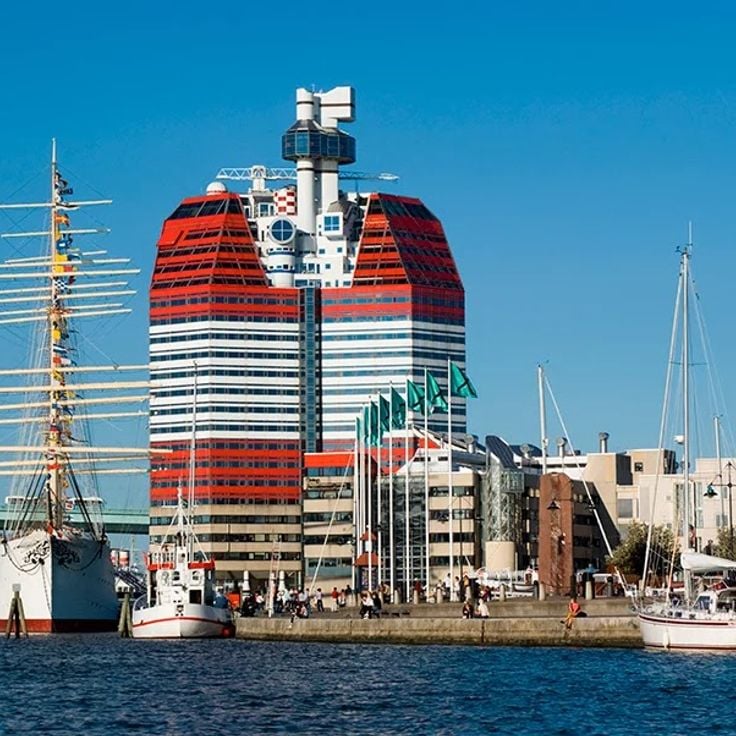
The Skanskaskrapan Tower is an 86-meter skyscraper completed in 1959 that defines Gothenburg's skyline. From the observation deck, you can see across the port and into the historical neighborhoods of Sweden's second-largest city, including the traditional wooden houses of Haga, the canals, and the surrounding archipelago. The tower offers a vantage point to understand the maritime heritage and layered history of this cultural city.
The Palmhuset is a greenhouse built in 1878 with an iron and glass structure located within Gothenburg's Botanical Garden, the largest in Scandinavia. It houses collections of palms, orchids, and Mediterranean plants. The building displays 19th-century industrial architecture and contributes to the botanical and cultural heritage of Sweden's second-largest city, which preserves its history through sites like the cathedral and Kronhuset.
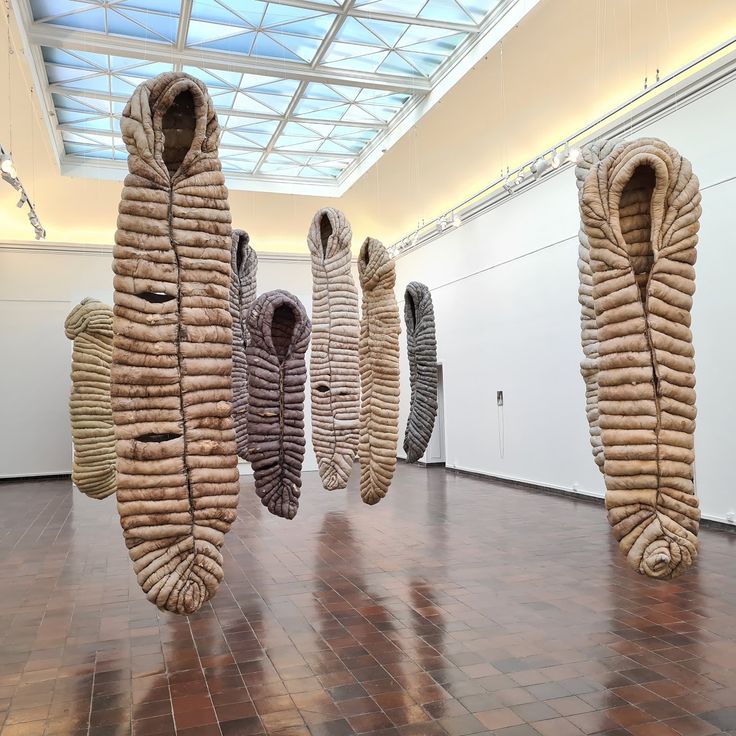
The Museum of Fine Arts in Gothenburg displays art from the Nordic region and around the world, ranging from the 15th century to the present day. The museum features forty exhibition spaces with both permanent and rotating collections. As part of Gothenburg's cultural landscape, this museum complements the city's other important sites, such as the historic Haga district with its wooden houses, the waterfront canals, and the Botanical Garden. Visitors can explore how Nordic artistic traditions have evolved over centuries while discovering works from beyond the region.
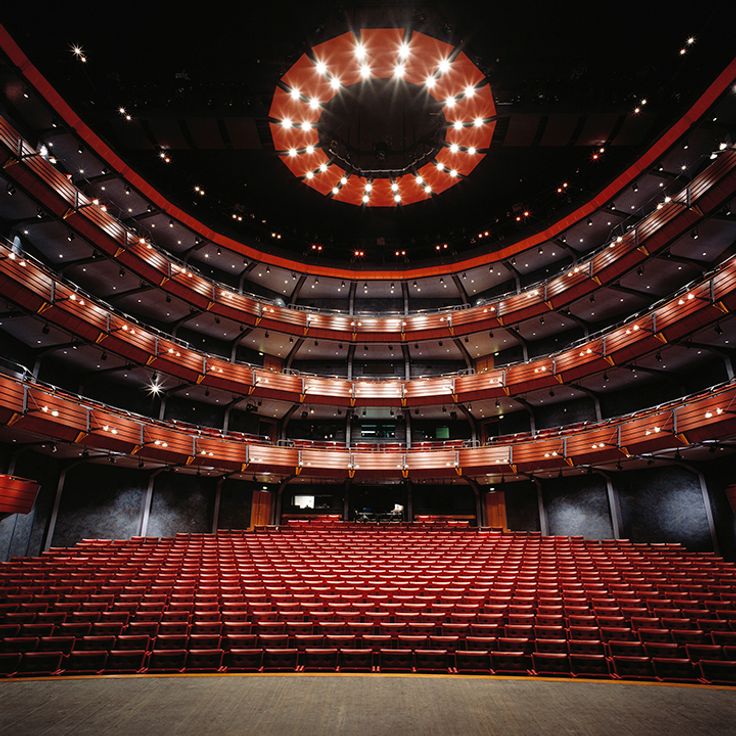
The Gothenburg Opera House is a modern performing arts venue that reflects the contemporary cultural life of Sweden's second-largest city. Built in 1994, this venue features a main hall with 1300 seats hosting regular opera, dance, and concert performances. The Opera House complements Gothenburg's broader cultural landscape, which includes traditional wooden houses in the Haga district, scenic canals, and the Botanical Garden.
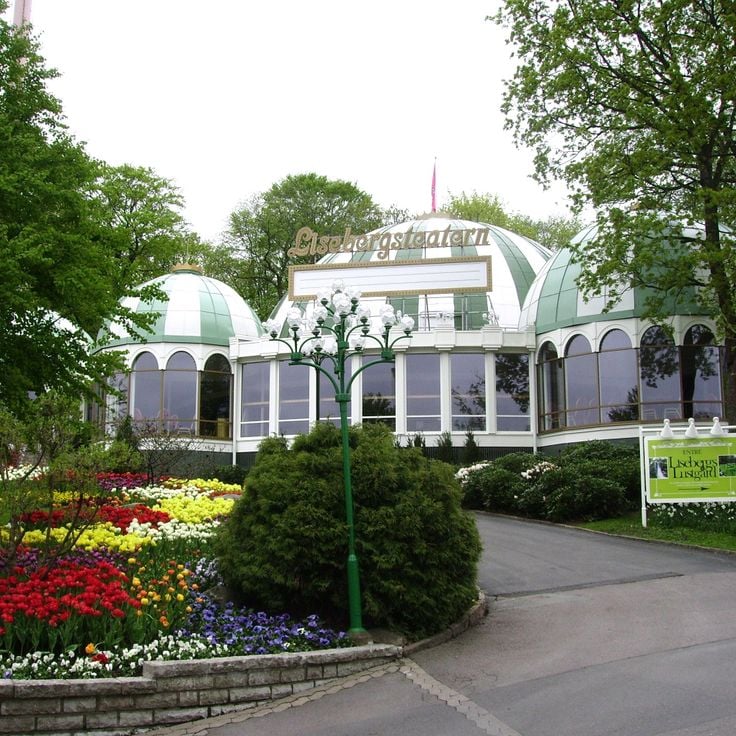
Liseberg Park contributes to Gothenburg's cultural landscape, which showcases Nordic art, traditional wooden houses, and the maritime heritage of Sweden's second-largest city. This amusement park opened in 1923 and features over 40 rides and attractions, gardens, restaurants, and a concert hall. It complements Gothenburg's other cultural sites, including the Art Museum with Nordic works from the 15th century onward, the Haga district with its historic architecture, and the canals that reflect the city's 400 years of history.
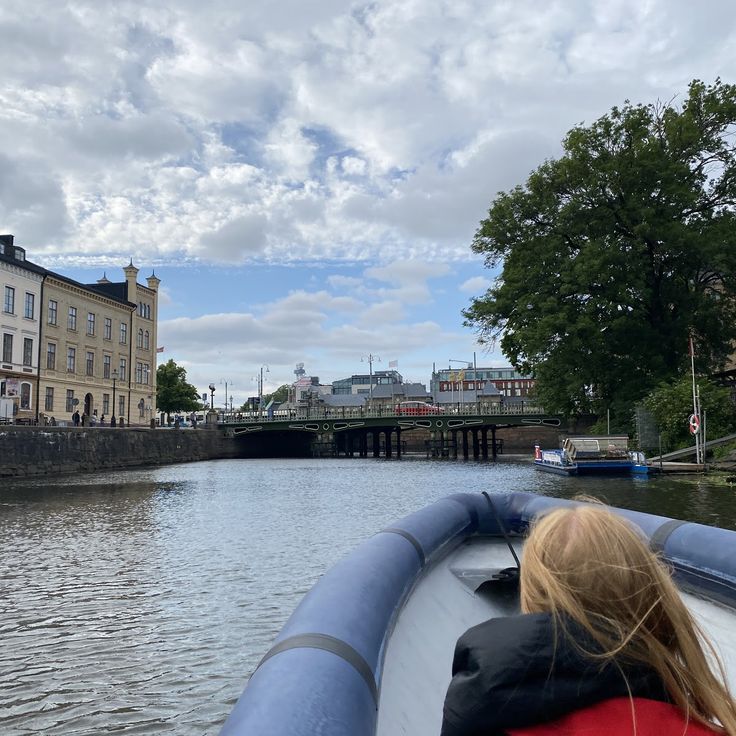
The Gothenburg Canals are a network of waterways built in the 17th century that run through the city center and connect several historic districts. They showcase the maritime heritage of Sweden's second-largest city and offer views of how Gothenburg has developed over 400 years. The canals shape the character of the city and invite visitors to walk along their banks and discover its neighborhoods.
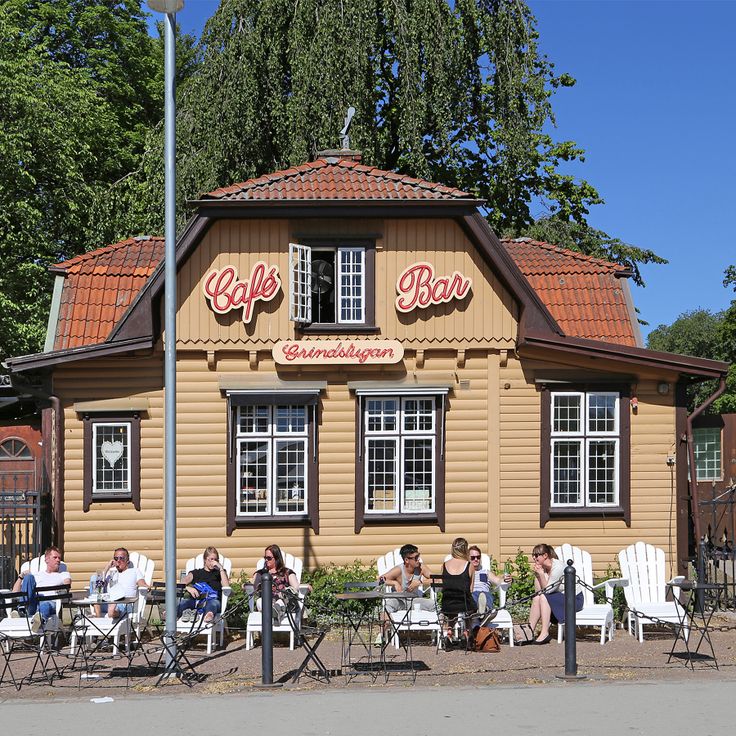
The Haga District in Gothenburg is a 19th-century neighborhood that shows how the city looked in earlier times. Colorful wooden houses line cobblestone streets, and the buildings retain their traditional character. Independent shops and cafes occupy the ground floors, where locals and visitors stop for coffee and traditional Swedish pastries. Walking through these streets, you feel the rhythm of daily life that has continued for generations. This district is a living piece of Gothenburg's cultural heritage, showing what the city was like 400 years ago and how it has evolved.
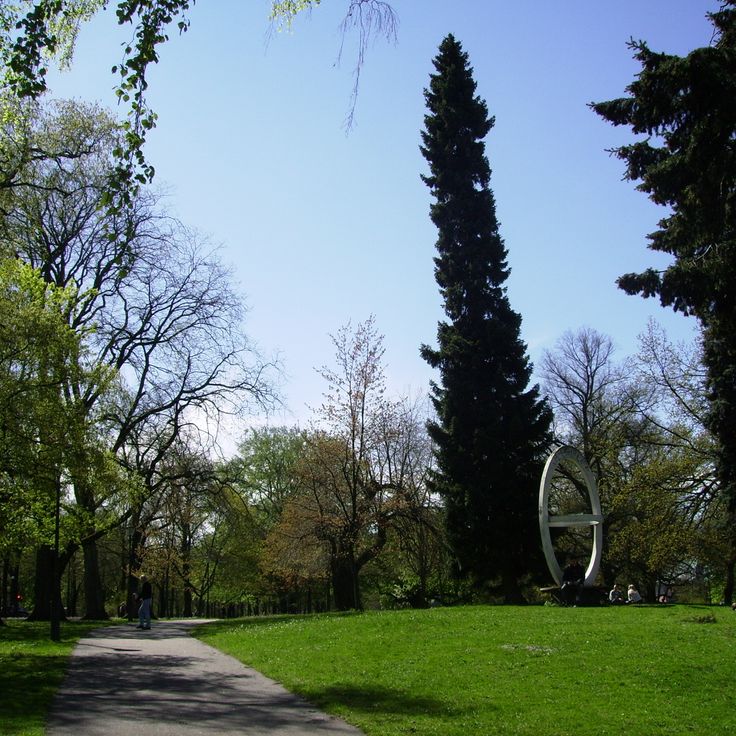
Slottsskogen Park is a large green space in Gothenburg that shows how the city weaves nature into daily life. The park spreads across extensive grounds where visitors encounter local animal species in open settings. Walking paths wind through the landscape, a zoo allows closer views of wildlife, and open areas invite people to sit and spend time outdoors. The park sits at the heart of the city, offering residents and travelers a place to step away from urban activity and enjoy nature. This reflects Gothenburg's character, where green spaces and water shape the city's identity.
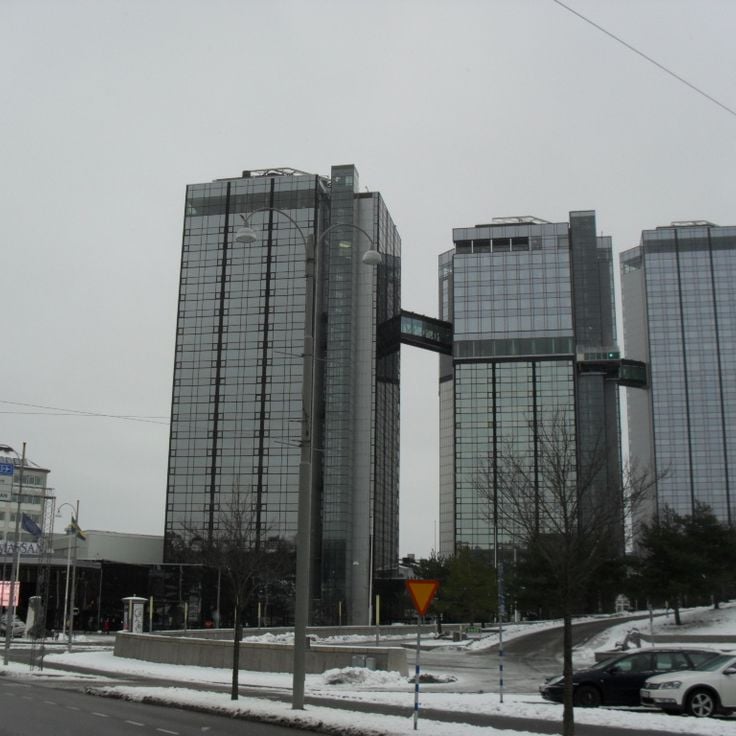
The Gothia Towers are three glass and steel buildings 100 meters high in Gothenburg. They house hotels, restaurants, conference rooms, and an observation deck. As a modern landmark of the city, the towers shape Gothenburg's skyline and offer visitors a view over the harbor city, its canals, and the surrounding islands of the archipelago.
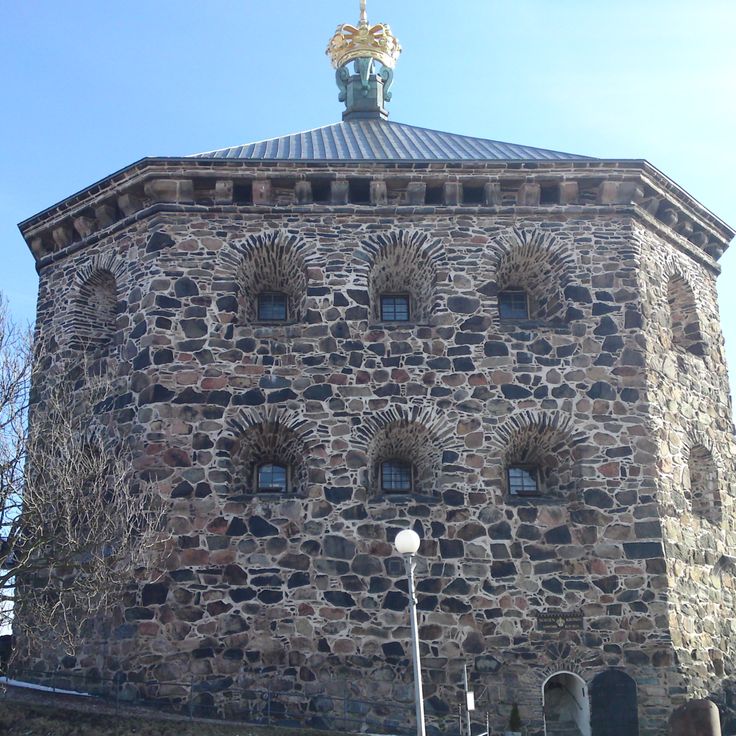
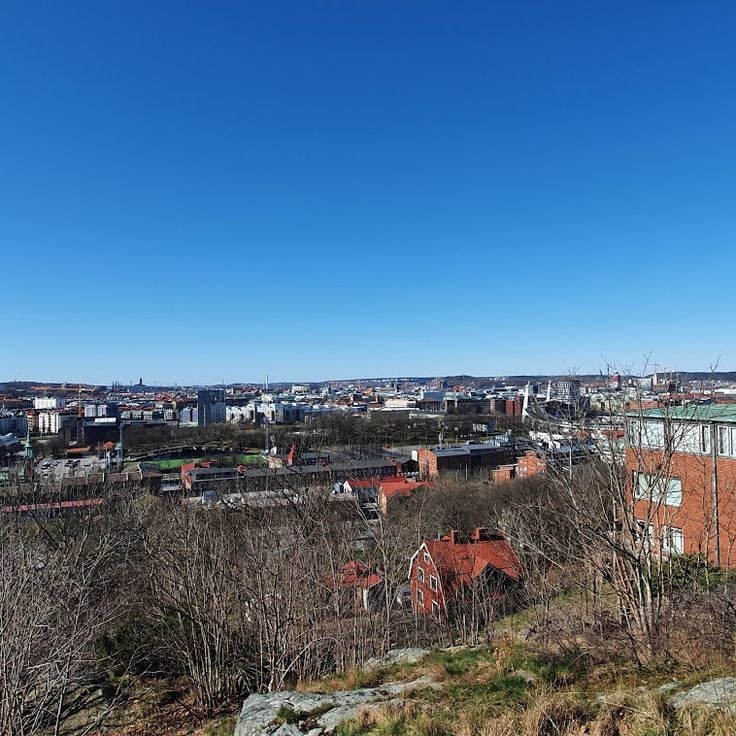
Skansen Kronan is one of the historic buildings that bears witness to 400 years of Gothenburg's urban history. This military fortification was built in 1687 at the top of Risåsberget hill. The hexagonal structure was designed to protect the city from Danish attacks and now offers views of the maritime city and its canals.
Stora Saluhallen reflects the food culture of Gothenburg and fits into the story of this Swedish city's museums, parks, and historic buildings. Built in 1889 in a red brick building, the market brings together vendors who sell fresh produce and Swedish specialties. It shows how locals gather and shop in the city.
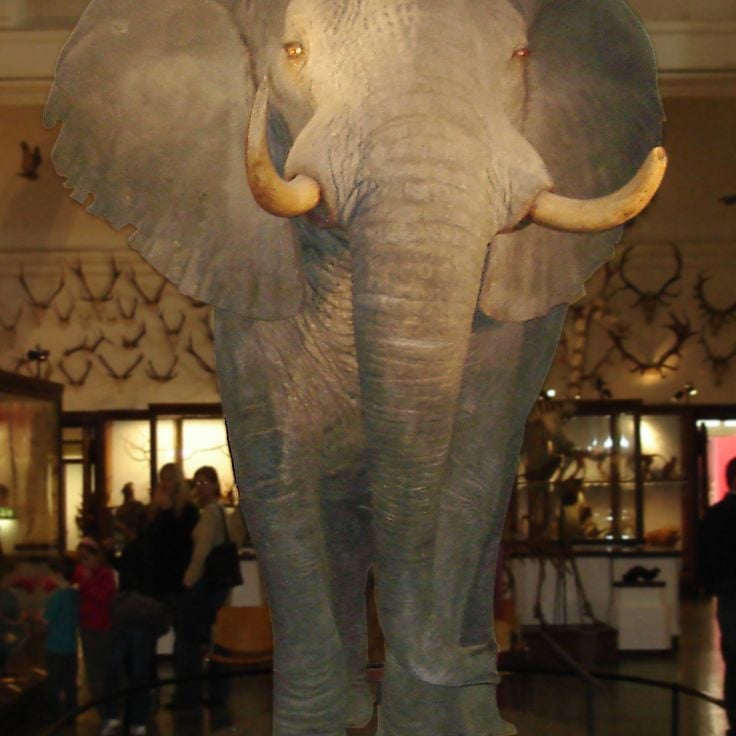
The Natural History Museum in Gothenburg is a scientific institution founded in 1833 that enriches your journey through Sweden's cultural heritage. It displays zoology collections with skeletons, taxidermied animals, and marine specimens from around the world. The museum complements the other sites in the city—the art museums, parks, and historic buildings—and offers visitors a window into the natural world that has shaped this maritime city's identity.
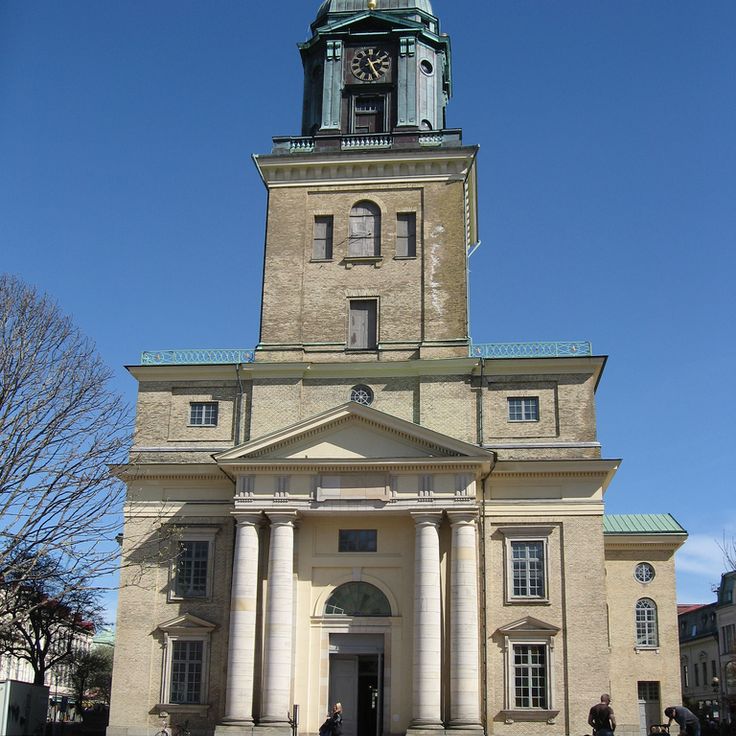
The Gothenburg Cathedral is a religious building from the 17th century in central Gothenburg that embodies the architectural and religious history of this Swedish port city. Designed in Dutch Baroque style, this cathedral stands as one of the historic buildings that bear witness to four centuries of urban development. The cathedral reflects how Gothenburg has maintained its cultural traditions through the centuries.
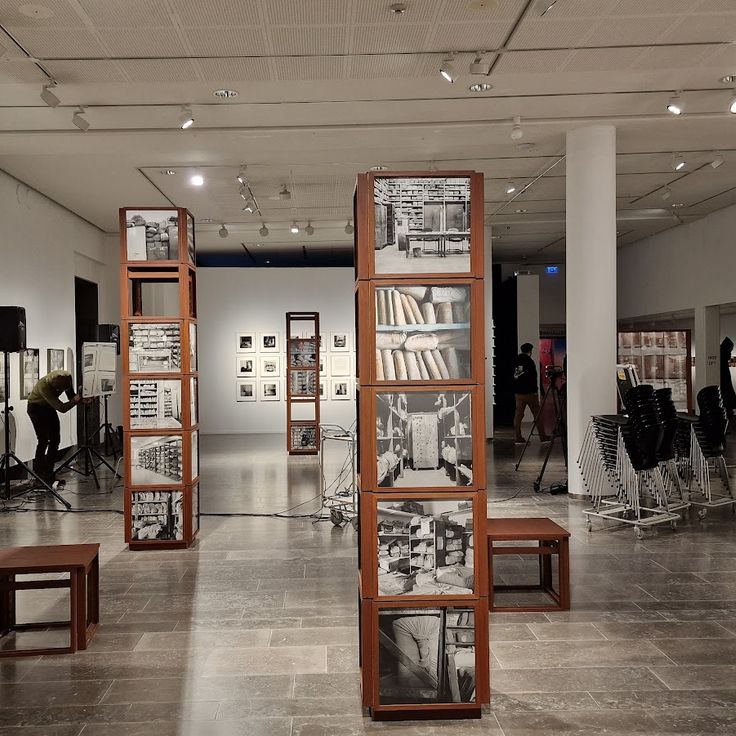
The Hasselblad Center is a photography hub in Gothenburg that shines a light on photographic culture in Sweden's second-largest city. Since 1989, it has presented exhibitions of contemporary and historical photography. The collections feature works by Swedish and international photographers and complement the city's diverse art scene.
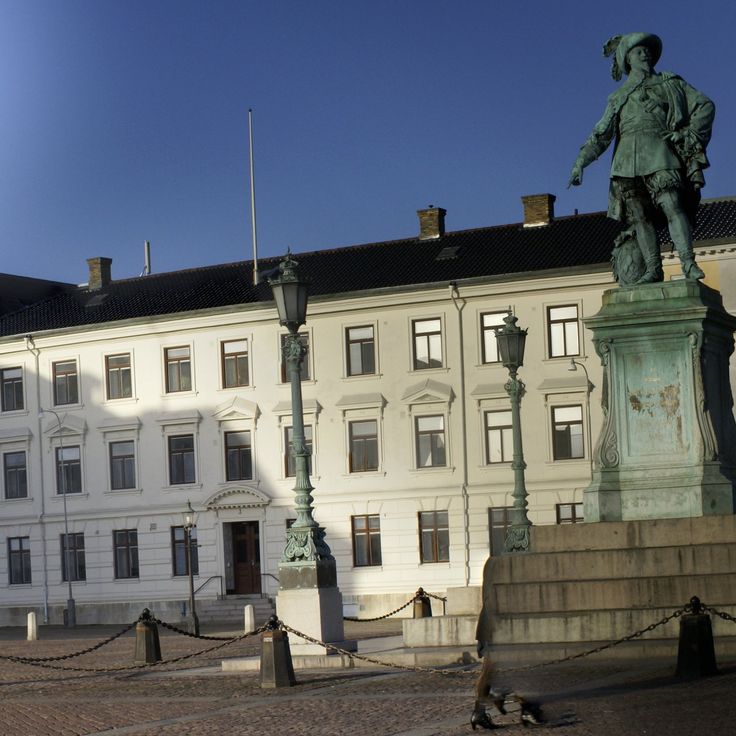
Gustav Adolf Square is a central plaza in Gothenburg that reflects the historical character of Sweden's second-largest city. The town hall, built in 1673, stands as a prominent structure on the square and represents the architectural heritage of its era. A statue of Gustav II Adolf anchors the space. The Stock Exchange building, designed in the neoclassical style, adds to the ensemble of historic structures. The square brings together different periods of the city's 400-year history and invites visitors to experience the urban development of Gothenburg.
Feskekörka is an indoor fish and seafood market housed in an 1874 building designed to resemble Norwegian churches, complete with pointed spires. This market reflects Gothenburg's connection to the sea and adds to the cultural landmarks that define Sweden's second-largest city. Visitors can purchase fresh fish and seafood while appreciating the distinctive architectural style of the structure.
Palmhuset is a botanical greenhouse built in 1878 that houses tropical and Mediterranean plants. This complex in Gothenburg shows the natural history and green spaces that helped shape Sweden's second-largest city. The building itself reflects Victorian architecture, and within its grounds you'll find a rose garden and a café housed in a Victorian veranda, offering visitors a place to experience the diversity of plant life while learning about the city's cultural heritage.
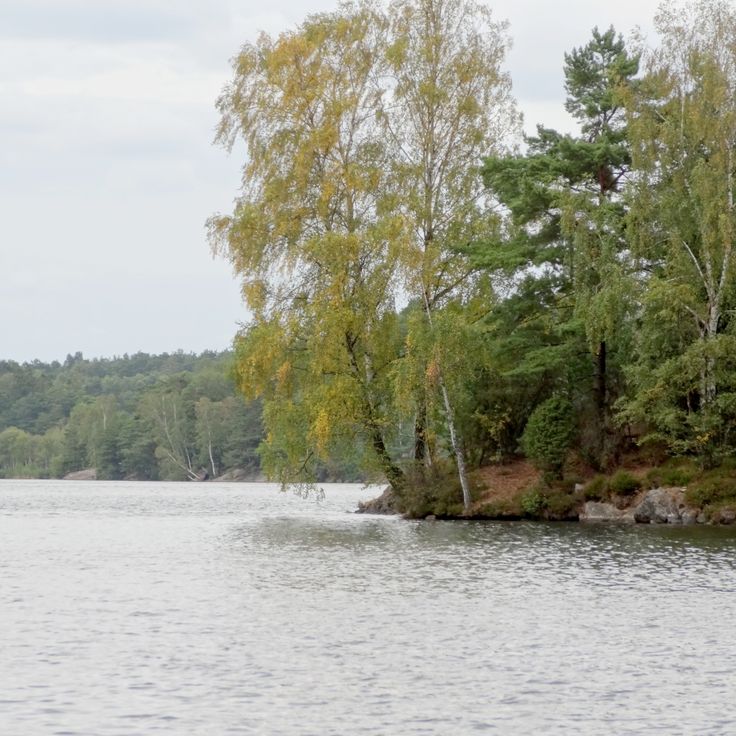
Stora Delsjön is a natural lake in Gothenburg where visitors can experience the natural side of Sweden's second-largest city. The lake has a sandy beach for swimming and fishing, and canoe rentals are available for those who want to explore the water. Hiking trails loop through the surrounding nature reserve, offering a contrast to the museums, parks, and historic architecture found elsewhere in the city.
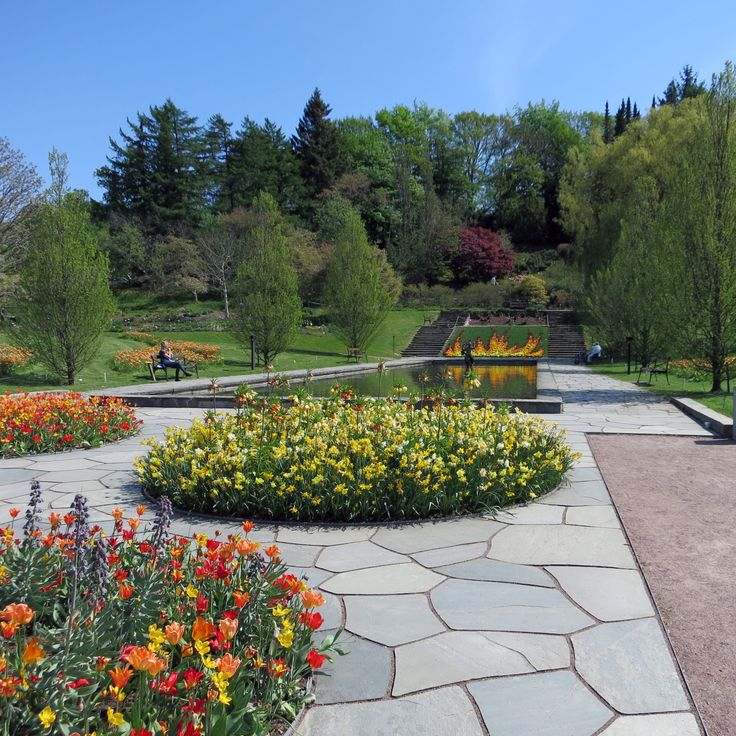
The Gothenburg Botanical Garden showcases the plant diversity of Sweden's second-largest city and contributes to its cultural life. The garden holds around 16,000 plant species, with greenhouses displaying carnivorous plants, a rock garden, an alpine valley, and a waterfall. This green space is the largest of its kind in Scandinavia and stands alongside Gothenburg's historic buildings, traditional wooden houses, and waterfront charm.
The Lion Stairs is a monumental staircase built in 1893 near the canal in Gothenburg and represents the architectural heritage of Sweden's second-largest city. Four bronze lion statues frame the granite steps, standing as guardians of this public space. The structure reflects the craftsmanship and urban character of Gothenburg during the late 19th century.
The Gothenburg Archipelago is a group of around twenty islands spread along the western coast of Sweden. This island landscape showcases the maritime character of Gothenburg and offers visitors access to beaches and fishing villages. Regular ferry services connect the islands to each other and to the city. The archipelago is part of Gothenburg's cultural identity and reflects the rhythm of coastal life.
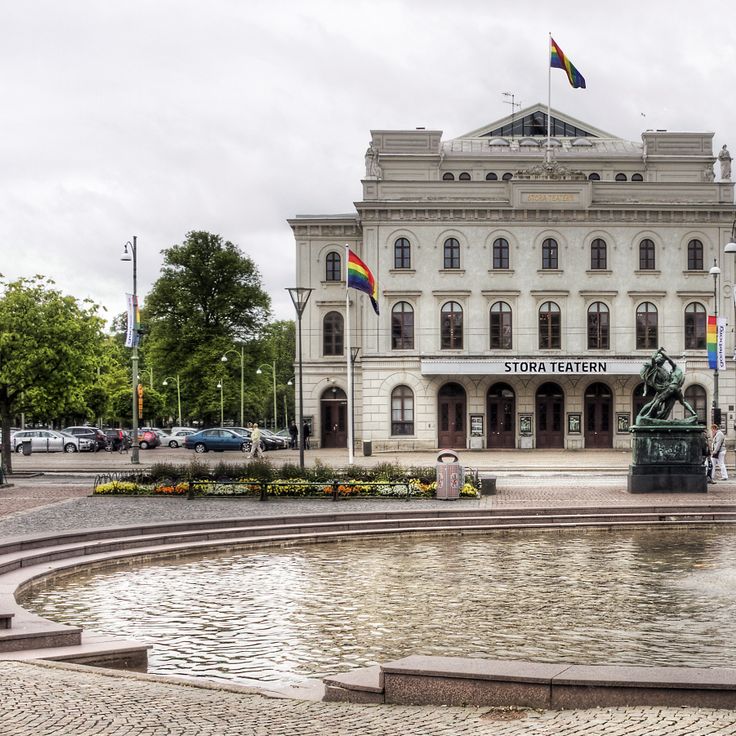
Stora Theater is a performance venue built in 1859 in the city center of Gothenburg and reflects the cultural history of Sweden's second-largest city. The facade features neoclassical architectural style with ornamental columns. The theater sits within the diverse cultural landscape of Gothenburg, where museums, parks, and monuments showcase the city's heritage. This venue embodies 400 years of urban history, much like the cathedral and Kronhuset that stand as witnesses to the city's development.
The Konsthallen is a municipal art gallery located on Götaplatsen Avenue in Gothenburg. It hosts international exhibitions and art lectures. As part of the city's cultural offerings, it plays a role in Gothenburg's standing as a center for contemporary art and complements other institutions like the Museum of Art, which displays Nordic art from the 15th century onward.
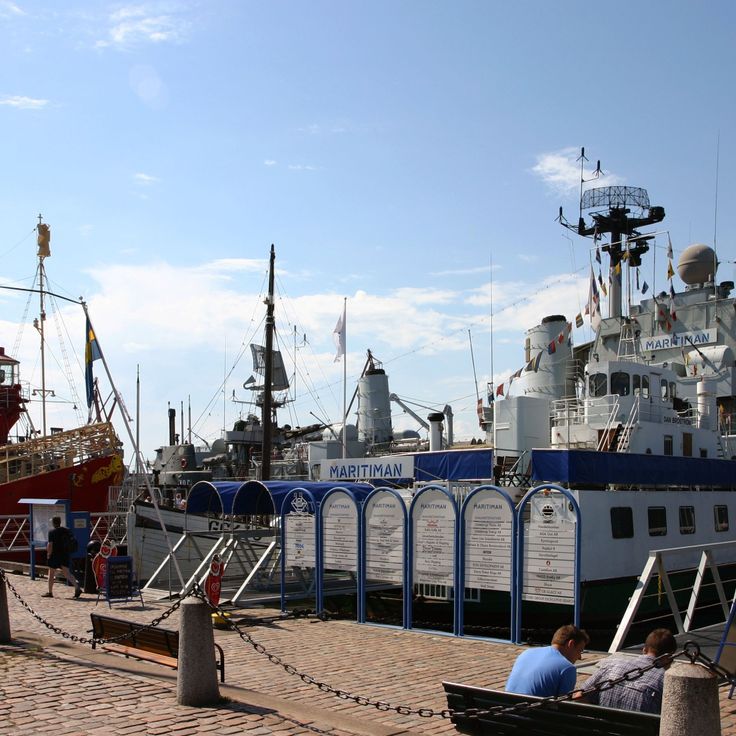
Maritiman showcases a collection of naval and commercial ships in Gothenburg's harbor. The museum features a working submarine and several historic boats that document the maritime history of this Swedish port city. Visitors can board the vessels and learn how sailors lived and worked. The exhibition tells the story of Gothenburg as an important port on Sweden's west coast.
The Aeromuseum tells the story of Swedish aviation and complements your exploration of Gothenburg's cultural riches. Located in a former military bunker, this museum houses civilian and military Swedish aircraft from the 20th century. The collection documents how aviation developed and shaped Sweden's relationship with the skies.
Universeum in Gothenburg is a science center where visitors explore seven levels of interactive experiences, including marine aquariums, a rainforest, and space exhibitions. It complements the cultural offerings of Sweden's second-largest city, adding a modern dimension to Gothenburg's museums, parks, and historical monuments.
Kungsparken is a green space created in the 19th century along Gothenburg's canals and shows the natural side of this maritime city. In the park, visitors walk under old oaks that provide shade and tell the story of the city. This place is part of a collection of parks, museums, and monuments that showcase the cultural heritage of Sweden's second-largest city.
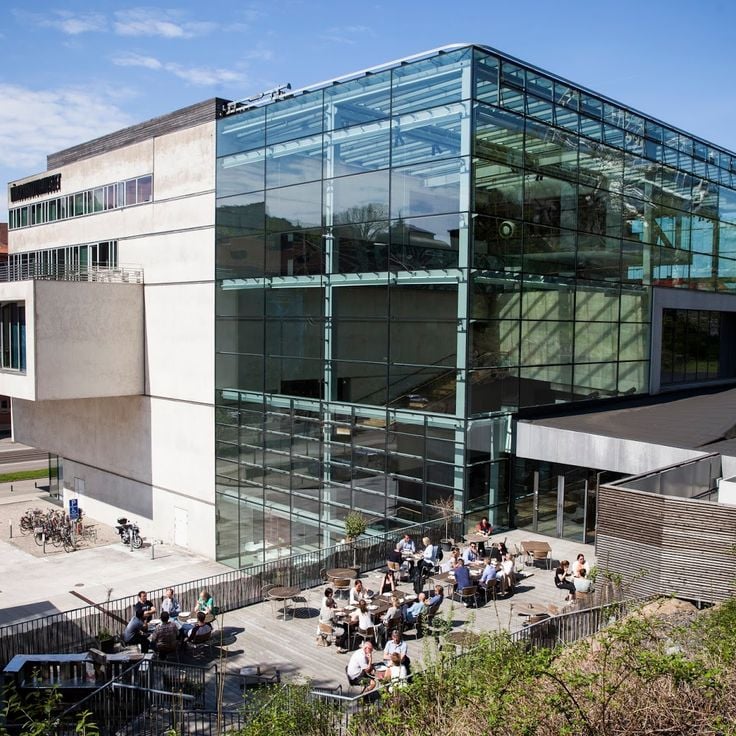
The Museum of World Culture in Gothenburg presents collections and exhibitions exploring lifestyles, clothing, art, and social issues from different regions of the world. As part of the cultural offerings in Sweden's second-largest city, this museum complements other museums, parks, and monuments that reflect the history and diversity of Gothenburg.
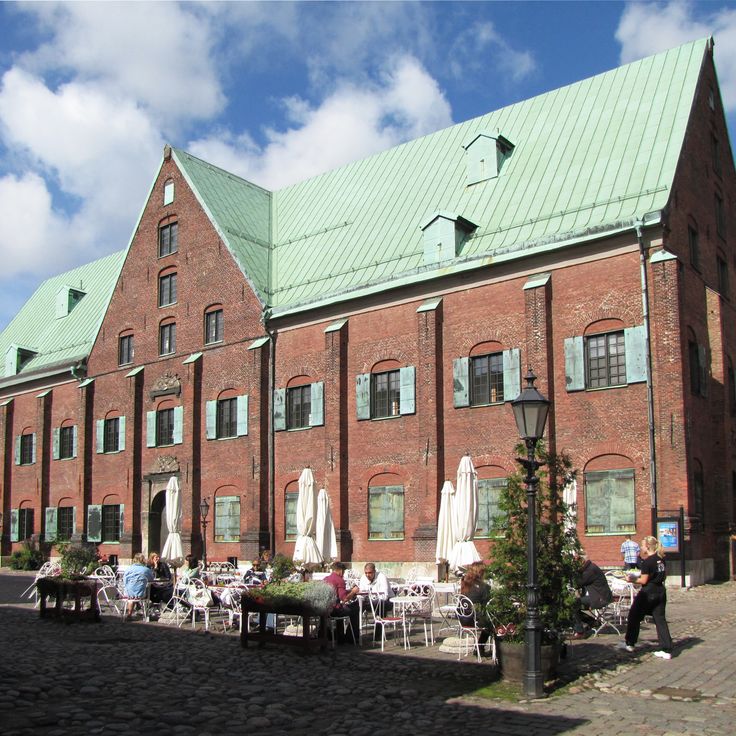
Kronhuset is a red brick building constructed in 1643 and the oldest standing structure in Gothenburg. Originally built to store artillery, it stands as a witness to 400 years of the city's history. This building is part of the museums, parks, and monuments that represent the cultural heritage of Sweden's second-largest city. Together with other historic structures such as the cathedral, the traditional wooden houses of the Haga district, the canals offering views of the maritime city, and the Botanical Garden housing thousands of plant species, Kronhuset helps tell the story of Gothenburg.
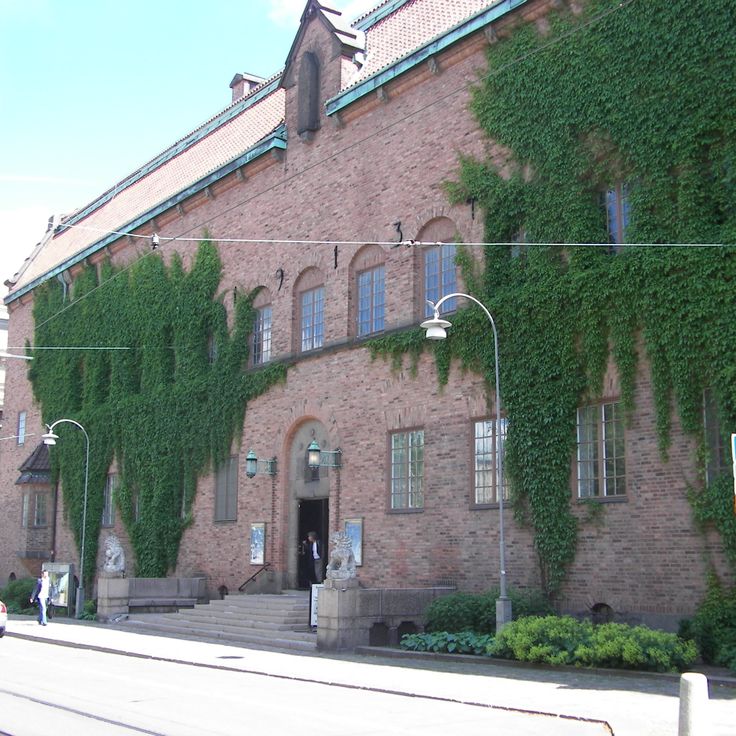
The City Museum of Gothenburg traces the history of this Swedish harbor city through objects spanning 12,000 years. Inside, visitors encounter a restored Viking ship and archaeological finds that reveal how people lived in different periods. The museum helps visitors understand the cultural story of Gothenburg, a city shaped by its canals, traditional wooden houses, and its importance as a maritime center.
The Röhsska Museum displays collections of fashion, furniture, textiles, and decorative arts from Sweden and other countries across various historical periods. As part of Gothenburg's cultural offerings, this museum contributes to understanding the design history and craft traditions that shape the city.
The Skanskaskrapan Tower is an 86-meter skyscraper completed in 1959 that defines Gothenburg's skyline. From the observation deck, you can see across the port and into the historical neighborhoods of Sweden's second-largest city, including the traditional wooden houses of Haga, the canals, and the surrounding archipelago. The tower offers a vantage point to understand the maritime heritage and layered history of this cultural city.
The Palmhuset is a greenhouse built in 1878 with an iron and glass structure located within Gothenburg's Botanical Garden, the largest in Scandinavia. It houses collections of palms, orchids, and Mediterranean plants. The building displays 19th-century industrial architecture and contributes to the botanical and cultural heritage of Sweden's second-largest city, which preserves its history through sites like the cathedral and Kronhuset.
The Museum of Fine Arts in Gothenburg displays art from the Nordic region and around the world, ranging from the 15th century to the present day. The museum features forty exhibition spaces with both permanent and rotating collections. As part of Gothenburg's cultural landscape, this museum complements the city's other important sites, such as the historic Haga district with its wooden houses, the waterfront canals, and the Botanical Garden. Visitors can explore how Nordic artistic traditions have evolved over centuries while discovering works from beyond the region.
The Gothenburg Opera House is a modern performing arts venue that reflects the contemporary cultural life of Sweden's second-largest city. Built in 1994, this venue features a main hall with 1300 seats hosting regular opera, dance, and concert performances. The Opera House complements Gothenburg's broader cultural landscape, which includes traditional wooden houses in the Haga district, scenic canals, and the Botanical Garden.
Liseberg Park contributes to Gothenburg's cultural landscape, which showcases Nordic art, traditional wooden houses, and the maritime heritage of Sweden's second-largest city. This amusement park opened in 1923 and features over 40 rides and attractions, gardens, restaurants, and a concert hall. It complements Gothenburg's other cultural sites, including the Art Museum with Nordic works from the 15th century onward, the Haga district with its historic architecture, and the canals that reflect the city's 400 years of history.
The Gothenburg Canals are a network of waterways built in the 17th century that run through the city center and connect several historic districts. They showcase the maritime heritage of Sweden's second-largest city and offer views of how Gothenburg has developed over 400 years. The canals shape the character of the city and invite visitors to walk along their banks and discover its neighborhoods.
The Haga District in Gothenburg is a 19th-century neighborhood that shows how the city looked in earlier times. Colorful wooden houses line cobblestone streets, and the buildings retain their traditional character. Independent shops and cafes occupy the ground floors, where locals and visitors stop for coffee and traditional Swedish pastries. Walking through these streets, you feel the rhythm of daily life that has continued for generations. This district is a living piece of Gothenburg's cultural heritage, showing what the city was like 400 years ago and how it has evolved.
Slottsskogen Park is a large green space in Gothenburg that shows how the city weaves nature into daily life. The park spreads across extensive grounds where visitors encounter local animal species in open settings. Walking paths wind through the landscape, a zoo allows closer views of wildlife, and open areas invite people to sit and spend time outdoors. The park sits at the heart of the city, offering residents and travelers a place to step away from urban activity and enjoy nature. This reflects Gothenburg's character, where green spaces and water shape the city's identity.
The Gothia Towers are three glass and steel buildings 100 meters high in Gothenburg. They house hotels, restaurants, conference rooms, and an observation deck. As a modern landmark of the city, the towers shape Gothenburg's skyline and offer visitors a view over the harbor city, its canals, and the surrounding islands of the archipelago.
Skansen Kronan is one of the historic buildings that bears witness to 400 years of Gothenburg's urban history. This military fortification was built in 1687 at the top of Risåsberget hill. The hexagonal structure was designed to protect the city from Danish attacks and now offers views of the maritime city and its canals.
Stora Saluhallen reflects the food culture of Gothenburg and fits into the story of this Swedish city's museums, parks, and historic buildings. Built in 1889 in a red brick building, the market brings together vendors who sell fresh produce and Swedish specialties. It shows how locals gather and shop in the city.
The Natural History Museum in Gothenburg is a scientific institution founded in 1833 that enriches your journey through Sweden's cultural heritage. It displays zoology collections with skeletons, taxidermied animals, and marine specimens from around the world. The museum complements the other sites in the city—the art museums, parks, and historic buildings—and offers visitors a window into the natural world that has shaped this maritime city's identity.
The Gothenburg Cathedral is a religious building from the 17th century in central Gothenburg that embodies the architectural and religious history of this Swedish port city. Designed in Dutch Baroque style, this cathedral stands as one of the historic buildings that bear witness to four centuries of urban development. The cathedral reflects how Gothenburg has maintained its cultural traditions through the centuries.
The Hasselblad Center is a photography hub in Gothenburg that shines a light on photographic culture in Sweden's second-largest city. Since 1989, it has presented exhibitions of contemporary and historical photography. The collections feature works by Swedish and international photographers and complement the city's diverse art scene.
Gustav Adolf Square is a central plaza in Gothenburg that reflects the historical character of Sweden's second-largest city. The town hall, built in 1673, stands as a prominent structure on the square and represents the architectural heritage of its era. A statue of Gustav II Adolf anchors the space. The Stock Exchange building, designed in the neoclassical style, adds to the ensemble of historic structures. The square brings together different periods of the city's 400-year history and invites visitors to experience the urban development of Gothenburg.
Feskekörka is an indoor fish and seafood market housed in an 1874 building designed to resemble Norwegian churches, complete with pointed spires. This market reflects Gothenburg's connection to the sea and adds to the cultural landmarks that define Sweden's second-largest city. Visitors can purchase fresh fish and seafood while appreciating the distinctive architectural style of the structure.
Palmhuset is a botanical greenhouse built in 1878 that houses tropical and Mediterranean plants. This complex in Gothenburg shows the natural history and green spaces that helped shape Sweden's second-largest city. The building itself reflects Victorian architecture, and within its grounds you'll find a rose garden and a café housed in a Victorian veranda, offering visitors a place to experience the diversity of plant life while learning about the city's cultural heritage.
Stora Delsjön is a natural lake in Gothenburg where visitors can experience the natural side of Sweden's second-largest city. The lake has a sandy beach for swimming and fishing, and canoe rentals are available for those who want to explore the water. Hiking trails loop through the surrounding nature reserve, offering a contrast to the museums, parks, and historic architecture found elsewhere in the city.
The Gothenburg Botanical Garden showcases the plant diversity of Sweden's second-largest city and contributes to its cultural life. The garden holds around 16,000 plant species, with greenhouses displaying carnivorous plants, a rock garden, an alpine valley, and a waterfall. This green space is the largest of its kind in Scandinavia and stands alongside Gothenburg's historic buildings, traditional wooden houses, and waterfront charm.
The Lion Stairs is a monumental staircase built in 1893 near the canal in Gothenburg and represents the architectural heritage of Sweden's second-largest city. Four bronze lion statues frame the granite steps, standing as guardians of this public space. The structure reflects the craftsmanship and urban character of Gothenburg during the late 19th century.
The Gothenburg Archipelago is a group of around twenty islands spread along the western coast of Sweden. This island landscape showcases the maritime character of Gothenburg and offers visitors access to beaches and fishing villages. Regular ferry services connect the islands to each other and to the city. The archipelago is part of Gothenburg's cultural identity and reflects the rhythm of coastal life.
Stora Theater is a performance venue built in 1859 in the city center of Gothenburg and reflects the cultural history of Sweden's second-largest city. The facade features neoclassical architectural style with ornamental columns. The theater sits within the diverse cultural landscape of Gothenburg, where museums, parks, and monuments showcase the city's heritage. This venue embodies 400 years of urban history, much like the cathedral and Kronhuset that stand as witnesses to the city's development.
The Konsthallen is a municipal art gallery located on Götaplatsen Avenue in Gothenburg. It hosts international exhibitions and art lectures. As part of the city's cultural offerings, it plays a role in Gothenburg's standing as a center for contemporary art and complements other institutions like the Museum of Art, which displays Nordic art from the 15th century onward.
Maritiman showcases a collection of naval and commercial ships in Gothenburg's harbor. The museum features a working submarine and several historic boats that document the maritime history of this Swedish port city. Visitors can board the vessels and learn how sailors lived and worked. The exhibition tells the story of Gothenburg as an important port on Sweden's west coast.
The Aeromuseum tells the story of Swedish aviation and complements your exploration of Gothenburg's cultural riches. Located in a former military bunker, this museum houses civilian and military Swedish aircraft from the 20th century. The collection documents how aviation developed and shaped Sweden's relationship with the skies.
Universeum in Gothenburg is a science center where visitors explore seven levels of interactive experiences, including marine aquariums, a rainforest, and space exhibitions. It complements the cultural offerings of Sweden's second-largest city, adding a modern dimension to Gothenburg's museums, parks, and historical monuments.
Kungsparken is a green space created in the 19th century along Gothenburg's canals and shows the natural side of this maritime city. In the park, visitors walk under old oaks that provide shade and tell the story of the city. This place is part of a collection of parks, museums, and monuments that showcase the cultural heritage of Sweden's second-largest city.
The Museum of World Culture in Gothenburg presents collections and exhibitions exploring lifestyles, clothing, art, and social issues from different regions of the world. As part of the cultural offerings in Sweden's second-largest city, this museum complements other museums, parks, and monuments that reflect the history and diversity of Gothenburg.
Kronhuset is a red brick building constructed in 1643 and the oldest standing structure in Gothenburg. Originally built to store artillery, it stands as a witness to 400 years of the city's history. This building is part of the museums, parks, and monuments that represent the cultural heritage of Sweden's second-largest city. Together with other historic structures such as the cathedral, the traditional wooden houses of the Haga district, the canals offering views of the maritime city, and the Botanical Garden housing thousands of plant species, Kronhuset helps tell the story of Gothenburg.
The City Museum of Gothenburg traces the history of this Swedish harbor city through objects spanning 12,000 years. Inside, visitors encounter a restored Viking ship and archaeological finds that reveal how people lived in different periods. The museum helps visitors understand the cultural story of Gothenburg, a city shaped by its canals, traditional wooden houses, and its importance as a maritime center.
The Röhsska Museum displays collections of fashion, furniture, textiles, and decorative arts from Sweden and other countries across various historical periods. As part of Gothenburg's cultural offerings, this museum contributes to understanding the design history and craft traditions that shape the city.
The Skanskaskrapan Tower is an 86-meter skyscraper completed in 1959 that defines Gothenburg's skyline. From the observation deck, you can see across the port and into the historical neighborhoods of Sweden's second-largest city, including the traditional wooden houses of Haga, the canals, and the surrounding archipelago. The tower offers a vantage point to understand the maritime heritage and layered history of this cultural city.
The Palmhuset is a greenhouse built in 1878 with an iron and glass structure located within Gothenburg's Botanical Garden, the largest in Scandinavia. It houses collections of palms, orchids, and Mediterranean plants. The building displays 19th-century industrial architecture and contributes to the botanical and cultural heritage of Sweden's second-largest city, which preserves its history through sites like the cathedral and Kronhuset.
The Museum of Fine Arts in Gothenburg displays art from the Nordic region and around the world, ranging from the 15th century to the present day. The museum features forty exhibition spaces with both permanent and rotating collections. As part of Gothenburg's cultural landscape, this museum complements the city's other important sites, such as the historic Haga district with its wooden houses, the waterfront canals, and the Botanical Garden. Visitors can explore how Nordic artistic traditions have evolved over centuries while discovering works from beyond the region.
The Gothenburg Opera House is a modern performing arts venue that reflects the contemporary cultural life of Sweden's second-largest city. Built in 1994, this venue features a main hall with 1300 seats hosting regular opera, dance, and concert performances. The Opera House complements Gothenburg's broader cultural landscape, which includes traditional wooden houses in the Haga district, scenic canals, and the Botanical Garden.
Liseberg Park contributes to Gothenburg's cultural landscape, which showcases Nordic art, traditional wooden houses, and the maritime heritage of Sweden's second-largest city. This amusement park opened in 1923 and features over 40 rides and attractions, gardens, restaurants, and a concert hall. It complements Gothenburg's other cultural sites, including the Art Museum with Nordic works from the 15th century onward, the Haga district with its historic architecture, and the canals that reflect the city's 400 years of history.
The Gothenburg Canals are a network of waterways built in the 17th century that run through the city center and connect several historic districts. They showcase the maritime heritage of Sweden's second-largest city and offer views of how Gothenburg has developed over 400 years. The canals shape the character of the city and invite visitors to walk along their banks and discover its neighborhoods.
The Haga District in Gothenburg is a 19th-century neighborhood that shows how the city looked in earlier times. Colorful wooden houses line cobblestone streets, and the buildings retain their traditional character. Independent shops and cafes occupy the ground floors, where locals and visitors stop for coffee and traditional Swedish pastries. Walking through these streets, you feel the rhythm of daily life that has continued for generations. This district is a living piece of Gothenburg's cultural heritage, showing what the city was like 400 years ago and how it has evolved.
Slottsskogen Park is a large green space in Gothenburg that shows how the city weaves nature into daily life. The park spreads across extensive grounds where visitors encounter local animal species in open settings. Walking paths wind through the landscape, a zoo allows closer views of wildlife, and open areas invite people to sit and spend time outdoors. The park sits at the heart of the city, offering residents and travelers a place to step away from urban activity and enjoy nature. This reflects Gothenburg's character, where green spaces and water shape the city's identity.
The Gothia Towers are three glass and steel buildings 100 meters high in Gothenburg. They house hotels, restaurants, conference rooms, and an observation deck. As a modern landmark of the city, the towers shape Gothenburg's skyline and offer visitors a view over the harbor city, its canals, and the surrounding islands of the archipelago.
Skansen Kronan is one of the historic buildings that bears witness to 400 years of Gothenburg's urban history. This military fortification was built in 1687 at the top of Risåsberget hill. The hexagonal structure was designed to protect the city from Danish attacks and now offers views of the maritime city and its canals.
Stora Saluhallen reflects the food culture of Gothenburg and fits into the story of this Swedish city's museums, parks, and historic buildings. Built in 1889 in a red brick building, the market brings together vendors who sell fresh produce and Swedish specialties. It shows how locals gather and shop in the city.
The Natural History Museum in Gothenburg is a scientific institution founded in 1833 that enriches your journey through Sweden's cultural heritage. It displays zoology collections with skeletons, taxidermied animals, and marine specimens from around the world. The museum complements the other sites in the city—the art museums, parks, and historic buildings—and offers visitors a window into the natural world that has shaped this maritime city's identity.
The Gothenburg Cathedral is a religious building from the 17th century in central Gothenburg that embodies the architectural and religious history of this Swedish port city. Designed in Dutch Baroque style, this cathedral stands as one of the historic buildings that bear witness to four centuries of urban development. The cathedral reflects how Gothenburg has maintained its cultural traditions through the centuries.
The Hasselblad Center is a photography hub in Gothenburg that shines a light on photographic culture in Sweden's second-largest city. Since 1989, it has presented exhibitions of contemporary and historical photography. The collections feature works by Swedish and international photographers and complement the city's diverse art scene.
Gustav Adolf Square is a central plaza in Gothenburg that reflects the historical character of Sweden's second-largest city. The town hall, built in 1673, stands as a prominent structure on the square and represents the architectural heritage of its era. A statue of Gustav II Adolf anchors the space. The Stock Exchange building, designed in the neoclassical style, adds to the ensemble of historic structures. The square brings together different periods of the city's 400-year history and invites visitors to experience the urban development of Gothenburg.
Feskekörka is an indoor fish and seafood market housed in an 1874 building designed to resemble Norwegian churches, complete with pointed spires. This market reflects Gothenburg's connection to the sea and adds to the cultural landmarks that define Sweden's second-largest city. Visitors can purchase fresh fish and seafood while appreciating the distinctive architectural style of the structure.
Palmhuset is a botanical greenhouse built in 1878 that houses tropical and Mediterranean plants. This complex in Gothenburg shows the natural history and green spaces that helped shape Sweden's second-largest city. The building itself reflects Victorian architecture, and within its grounds you'll find a rose garden and a café housed in a Victorian veranda, offering visitors a place to experience the diversity of plant life while learning about the city's cultural heritage.
Stora Delsjön is a natural lake in Gothenburg where visitors can experience the natural side of Sweden's second-largest city. The lake has a sandy beach for swimming and fishing, and canoe rentals are available for those who want to explore the water. Hiking trails loop through the surrounding nature reserve, offering a contrast to the museums, parks, and historic architecture found elsewhere in the city.
The Gothenburg Botanical Garden showcases the plant diversity of Sweden's second-largest city and contributes to its cultural life. The garden holds around 16,000 plant species, with greenhouses displaying carnivorous plants, a rock garden, an alpine valley, and a waterfall. This green space is the largest of its kind in Scandinavia and stands alongside Gothenburg's historic buildings, traditional wooden houses, and waterfront charm.
The Lion Stairs is a monumental staircase built in 1893 near the canal in Gothenburg and represents the architectural heritage of Sweden's second-largest city. Four bronze lion statues frame the granite steps, standing as guardians of this public space. The structure reflects the craftsmanship and urban character of Gothenburg during the late 19th century.
The Gothenburg Archipelago is a group of around twenty islands spread along the western coast of Sweden. This island landscape showcases the maritime character of Gothenburg and offers visitors access to beaches and fishing villages. Regular ferry services connect the islands to each other and to the city. The archipelago is part of Gothenburg's cultural identity and reflects the rhythm of coastal life.
Stora Theater is a performance venue built in 1859 in the city center of Gothenburg and reflects the cultural history of Sweden's second-largest city. The facade features neoclassical architectural style with ornamental columns. The theater sits within the diverse cultural landscape of Gothenburg, where museums, parks, and monuments showcase the city's heritage. This venue embodies 400 years of urban history, much like the cathedral and Kronhuset that stand as witnesses to the city's development.
The Konsthallen is a municipal art gallery located on Götaplatsen Avenue in Gothenburg. It hosts international exhibitions and art lectures. As part of the city's cultural offerings, it plays a role in Gothenburg's standing as a center for contemporary art and complements other institutions like the Museum of Art, which displays Nordic art from the 15th century onward.
Maritiman showcases a collection of naval and commercial ships in Gothenburg's harbor. The museum features a working submarine and several historic boats that document the maritime history of this Swedish port city. Visitors can board the vessels and learn how sailors lived and worked. The exhibition tells the story of Gothenburg as an important port on Sweden's west coast.
The Aeromuseum tells the story of Swedish aviation and complements your exploration of Gothenburg's cultural riches. Located in a former military bunker, this museum houses civilian and military Swedish aircraft from the 20th century. The collection documents how aviation developed and shaped Sweden's relationship with the skies.
Universeum in Gothenburg is a science center where visitors explore seven levels of interactive experiences, including marine aquariums, a rainforest, and space exhibitions. It complements the cultural offerings of Sweden's second-largest city, adding a modern dimension to Gothenburg's museums, parks, and historical monuments.
Kungsparken is a green space created in the 19th century along Gothenburg's canals and shows the natural side of this maritime city. In the park, visitors walk under old oaks that provide shade and tell the story of the city. This place is part of a collection of parks, museums, and monuments that showcase the cultural heritage of Sweden's second-largest city.
The Museum of World Culture in Gothenburg presents collections and exhibitions exploring lifestyles, clothing, art, and social issues from different regions of the world. As part of the cultural offerings in Sweden's second-largest city, this museum complements other museums, parks, and monuments that reflect the history and diversity of Gothenburg.
Kronhuset is a red brick building constructed in 1643 and the oldest standing structure in Gothenburg. Originally built to store artillery, it stands as a witness to 400 years of the city's history. This building is part of the museums, parks, and monuments that represent the cultural heritage of Sweden's second-largest city. Together with other historic structures such as the cathedral, the traditional wooden houses of the Haga district, the canals offering views of the maritime city, and the Botanical Garden housing thousands of plant species, Kronhuset helps tell the story of Gothenburg.
The City Museum of Gothenburg traces the history of this Swedish harbor city through objects spanning 12,000 years. Inside, visitors encounter a restored Viking ship and archaeological finds that reveal how people lived in different periods. The museum helps visitors understand the cultural story of Gothenburg, a city shaped by its canals, traditional wooden houses, and its importance as a maritime center.
The Röhsska Museum displays collections of fashion, furniture, textiles, and decorative arts from Sweden and other countries across various historical periods. As part of Gothenburg's cultural offerings, this museum contributes to understanding the design history and craft traditions that shape the city.