Gothenburg Botanical Garden, Botanical garden in Änggården, Gothenburg, Sweden.
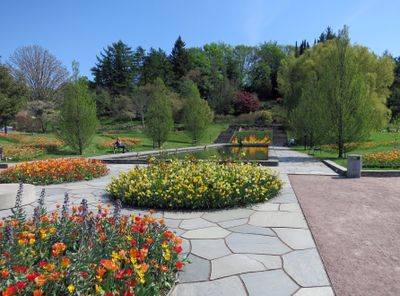
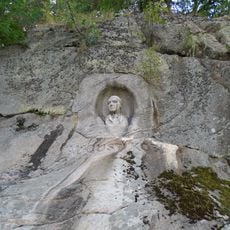
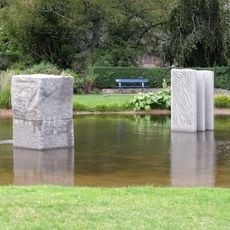
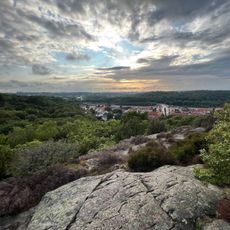
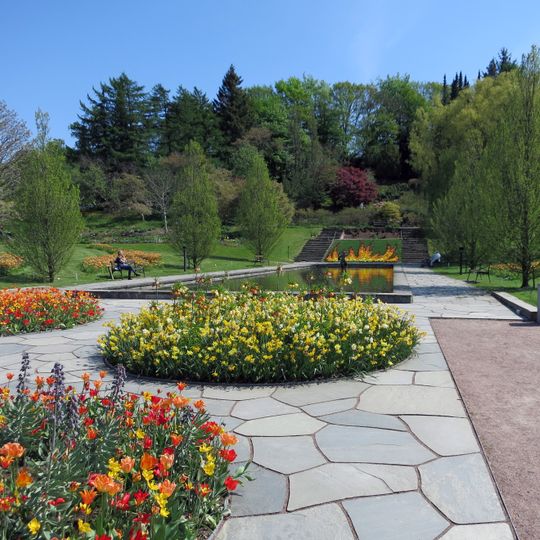
Gothenburg Botanical Garden is a large green space housing more than 16,000 plant species from different climates and continents. The grounds are organized into specialized areas including rock gardens, tropical plant sections, and many other collections that shape its layout and character.
The Gothenburg City Council took the initiative in 1912, the decision was made in 1915 and work began in 1916, funded mainly by the Charles Felix Lindberg Foundation in memory of the donor, who died in 1909. The Woodlands opened to the public on 2 May 1919 and the cultivated areas on 8 July 1923, during Gothenburg's 300th-anniversary exhibition. Carl Skottsberg led the construction from 1915 and served as first director from 1919 to 1948; the garden was considered complete only in 1948.
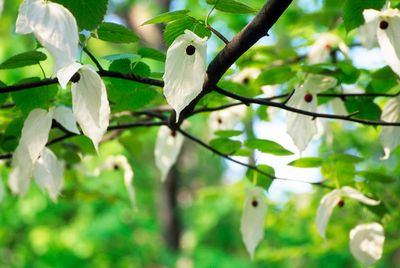
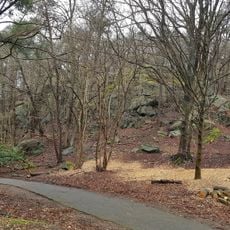
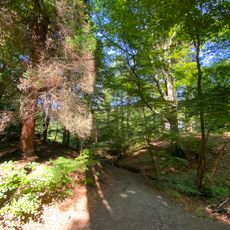
The garden's symbol is the white wood anemone, which carpets the Woodlands and the Änggårdsbergen nature reserve in spring. The yellow-painted Stora Änggården manor house, completed in 1812, stands beyond the greenhouses and now serves as a staff residence. Nearby is the timbered Boatsman's Cottage, built in 1794 in Gothenburg's old harbour area and moved here in 1917.
The garden has paths that allow visitors to explore the grounds at their own pace and discover different plant collections. Electric wheelchairs can be reserved in advance for those who need mobility assistance while moving through the space.
The garden preserves the Sophora Toromiro tree, a species that no longer exists in its native Easter Island habitat and survives here as a vital conservation specimen. This rare tree makes the location important for saving endangered plants from disappearing forever.
The community of curious travelers
AroundUs brings together thousands of curated places, local tips, and hidden gems, enriched daily by 93,743 contributors worldwide.