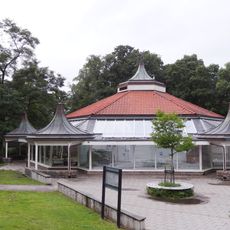
Kungsladugård, Residential district in Gothenburg, Sweden
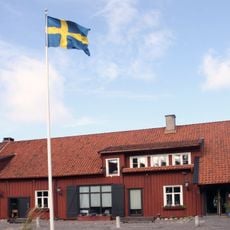
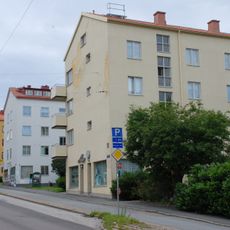
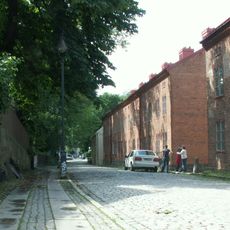
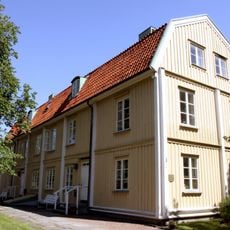
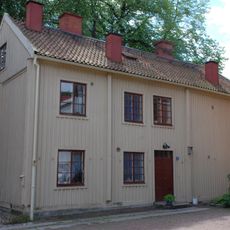
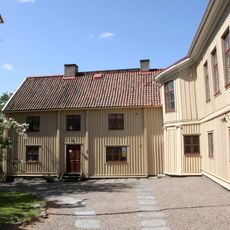
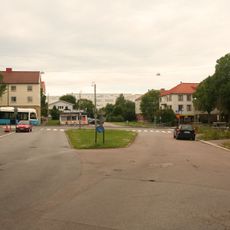
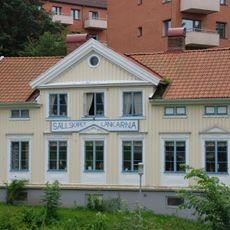
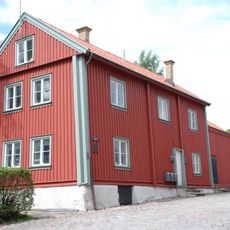
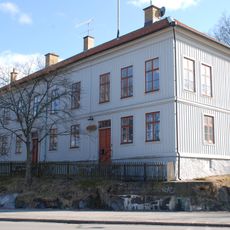
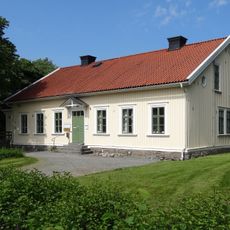
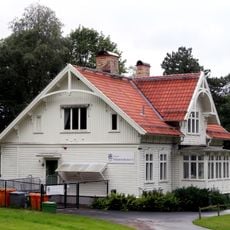
Kungsladugård is a residential district in Gothenburg where wooden houses with private gardens sit on sloping ground. The northern part has tightly built row houses, while the southern section opens up into blocks of detached and semi-detached homes.
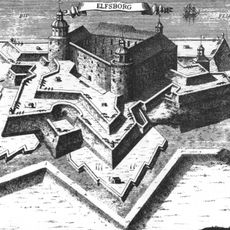
The district was formally established on 14 July 1916 by royal decree, formed from parts of Majorna's first and third rotar. Its name comes from Älvsborgs Kungsladugård, a royal estate inside Älvsborg Castle; when Gothenburg was founded in 1621 the castle was demolished and the estate passed to the county governor. In 1716 Karl XII gave the estate lands to the city in exchange for three ships and 60 cannons. Albert Lilienberg's 1916 plan laid out workers' housing, and landshövdingehus blocks were built between 1917 and 1935.
Kungsladugård shows two clearly different housing types side by side: tightly packed row houses in the north and more open detached homes in the south. Walking through the streets, you can see at a glance how differently the two parts of the area were built and are used today.
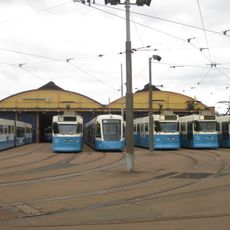
The district has good public transport links to central Gothenburg and is close to schools, supermarkets, and parks. Families visiting the area will also find a large water play area nearby.
The name comes from Älvsborgs Kungsladugård, a royal estate whose farm buildings stood by the river in present-day Majorna. In 1716 Karl XII gave the estate lands to Gothenburg in exchange for three ships and 60 cannons for the city's defence. The district itself was only established on 14 July 1916.
The community of curious travelers
AroundUs brings together thousands of curated places, local tips, and hidden gems, enriched daily by 94,020 contributors worldwide.