Sweden, Constitutional monarchy in Northern Europe
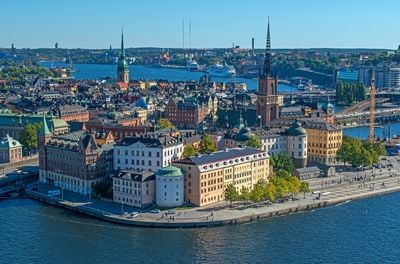
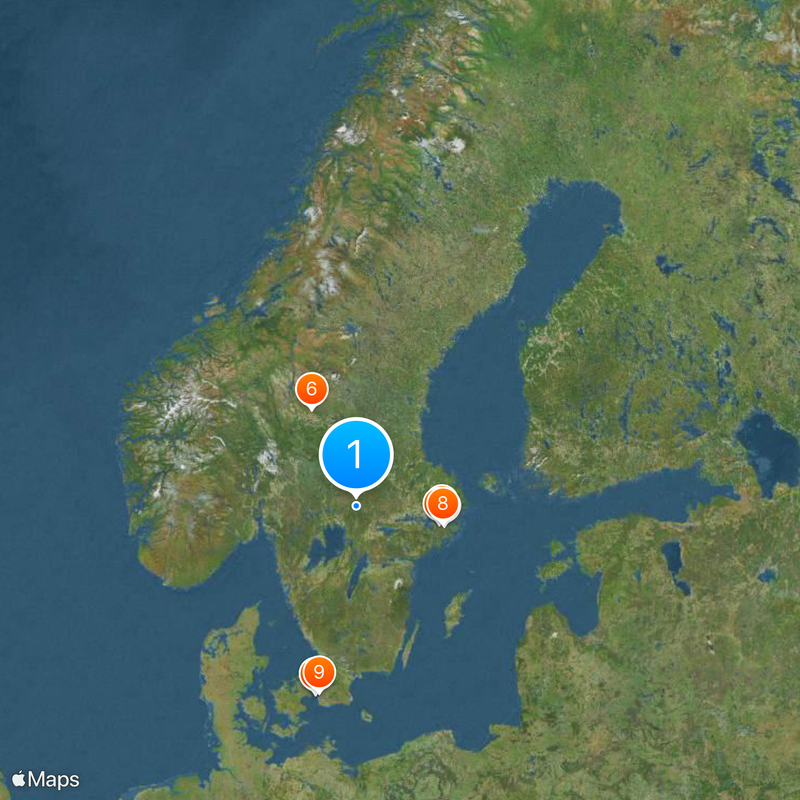
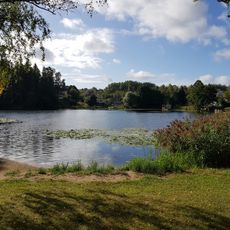
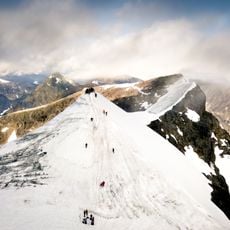
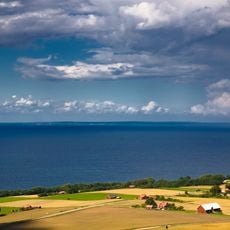
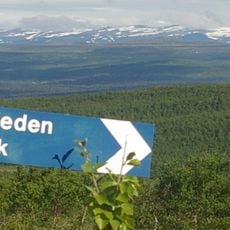
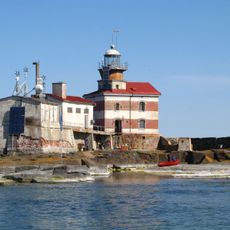
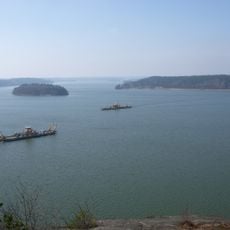
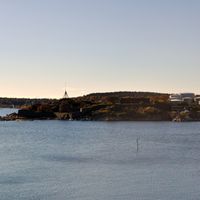
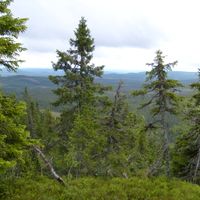
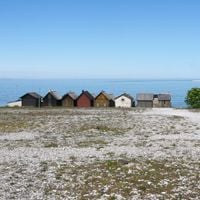
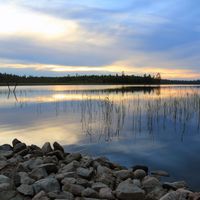
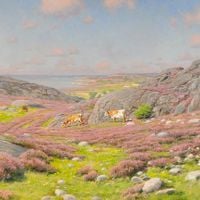
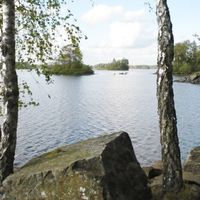
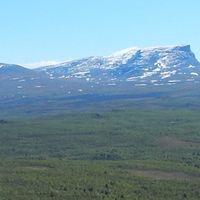
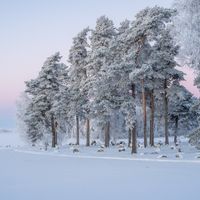
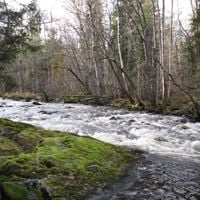
Sweden is a constitutional monarchy in Northern Europe that borders the Baltic Sea and covers roughly 450,000 square kilometers. The territory stretches from mountain ranges in the northwest to flat coastal plains in the south, with more than ten thousand lakes dotting the interior and a coastline filled with rocky islets and islands.
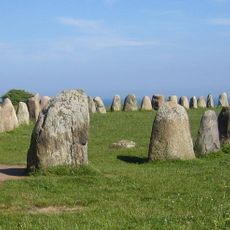
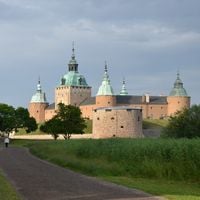
Vikings from this region conducted trade and conquest voyages from the 8th to the 11th centuries. The realm gained independence from the Kalmar Union in 1523 and became a great power in the 17th century, losing that status after defeats against Russia in the early 18th century.
Midsummer celebrations draw people to parks and countryside houses where they dance around flower-decorated poles and wear garlands. The Lucia festival on December 13 brings candlelit processions in schools and churches, with children dressed in white singing traditional songs.
International airports in Stockholm, Gothenburg, and Malmö offer connections to European and worldwide destinations. The country is part of the Schengen Area, which removes border checks with most European neighbors, and the currency is the Swedish krona.
The Right of Public Access allows all people to use public and private land for recreation, including camping and berry picking. This centuries-old principle is written into modern laws and relies on individual responsibility toward nature.
The community of curious travelers
AroundUs brings together thousands of curated places, local tips, and hidden gems, enriched daily by 60,000 contributors worldwide.