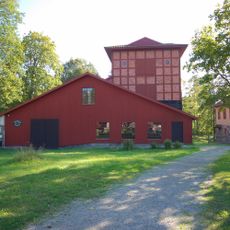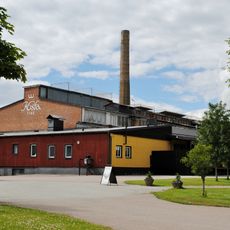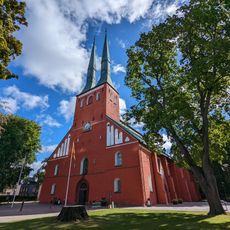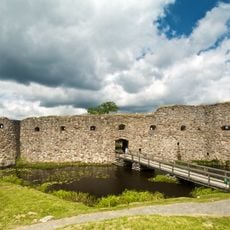
Kronoberg County, Administrative county in Småland, Sweden
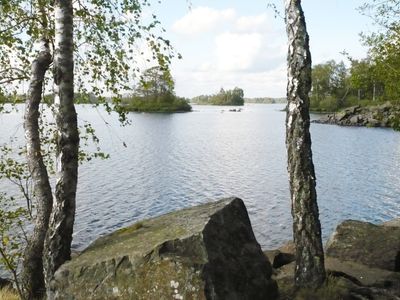
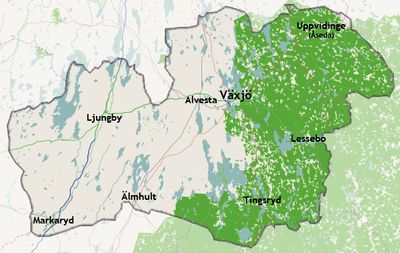
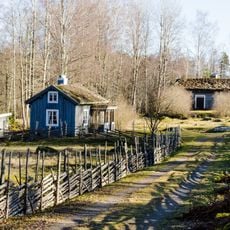
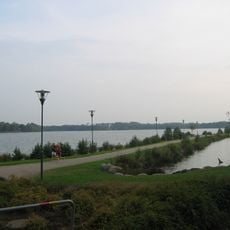
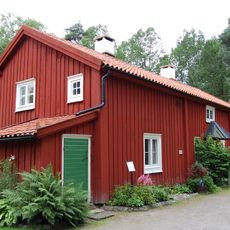
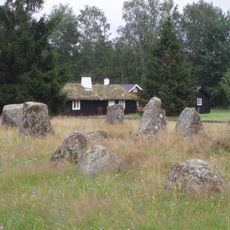
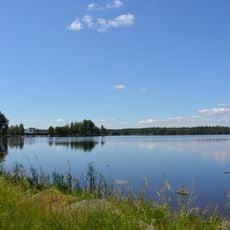
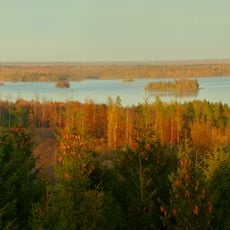
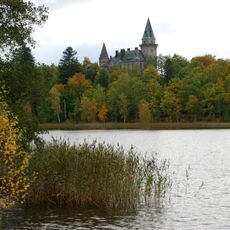
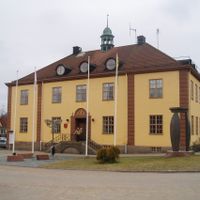
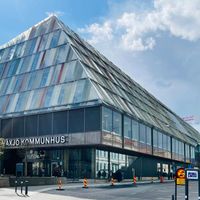
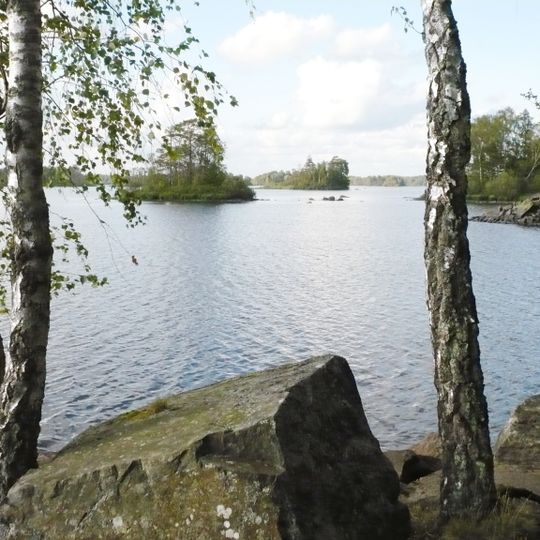
Kronoberg County is an administrative region in southern Sweden comprising eight municipalities spread across varied terrain. The area encompasses forests, lakes, and towns, with Växjö serving as the main administrative and cultural hub.
The region was established as a separate county in 1687 when it split from Jönköping, establishing Växjö as its administrative center. The town had received city status centuries earlier, making it a natural choice for regional leadership.
Glassblowing traditions have shaped local life for centuries, and you can still see artisans at work in studios throughout the region. The craft remains woven into daily life, with workshops and galleries showing both historical and contemporary pieces made by hand.
The region is well-connected by rail to major Swedish cities, while Växjö Airport offers flight options for visitors arriving from farther away. Accommodation ranges from hotels in town centers to lodges and guesthouses in quieter areas, with renting a car recommended for exploring remote parts.
The region became famous for glassmaking starting in the 1700s, when dozens of small furnaces began producing handcrafted glass that gained recognition across Sweden. Visitors today can watch artisans practicing methods passed down through generations in working studios open to the public.
The community of curious travelers
AroundUs brings together thousands of curated places, local tips, and hidden gems, enriched daily by 60,000 contributors worldwide.