Södermanland County, Administrative region in east-central Sweden
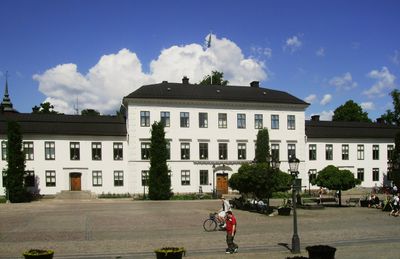
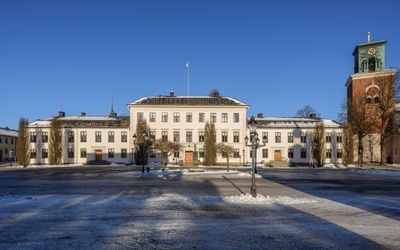
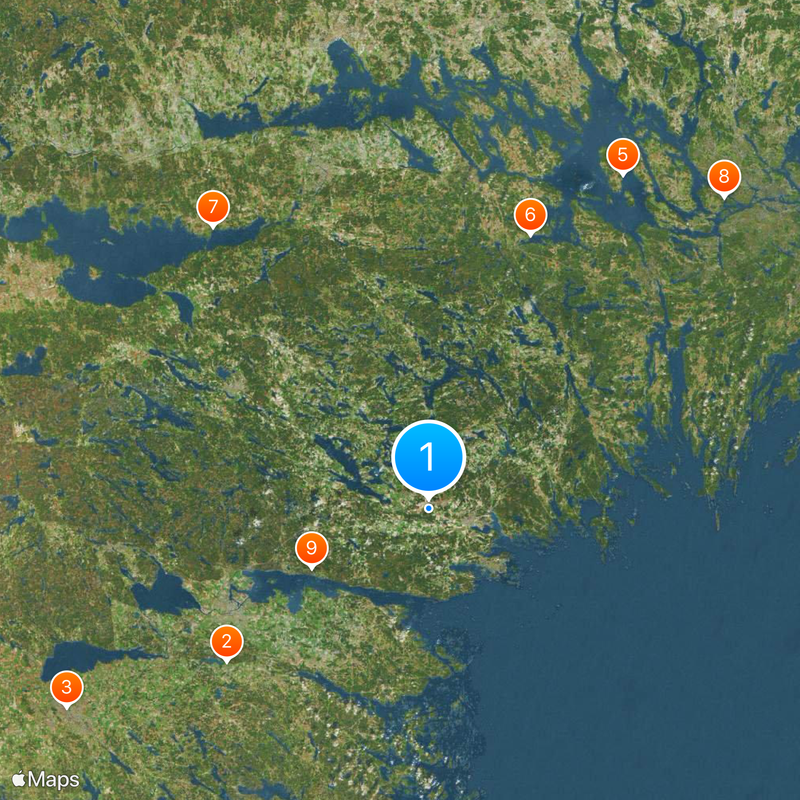
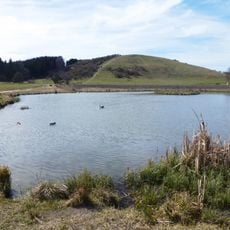
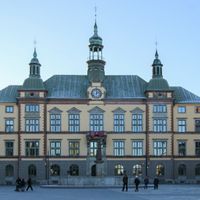
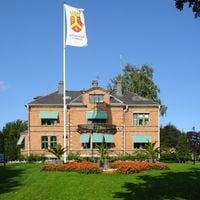
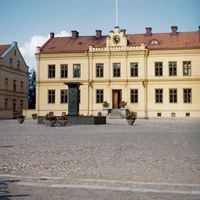
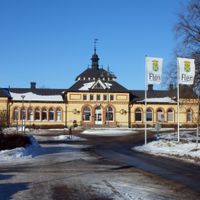
Södermanland County is an administrative region in east-central Sweden situated between Lake Mälar and the Baltic Sea, dotted with numerous smaller lakes and productive farmland. The territory comprises nine municipalities, with Eskilstuna as its largest city and Nyköping serving as the county seat.
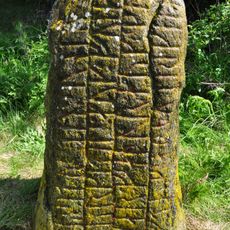
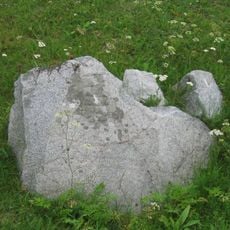
The territory became an organized administrative division in 1634 when Sweden restructured its governance under King Gustav II Adolf. Human settlement in the region extends back to the Viking Age, evidenced by more than 300 runestones scattered throughout the landscape.
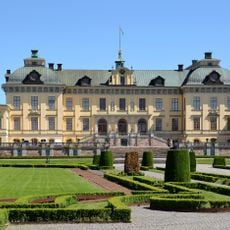
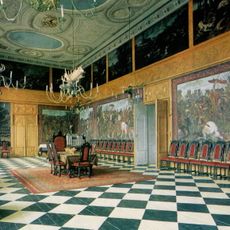
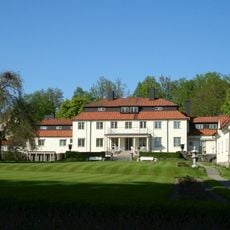
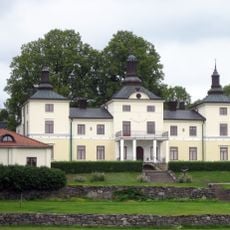
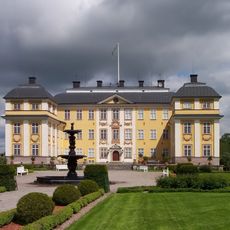
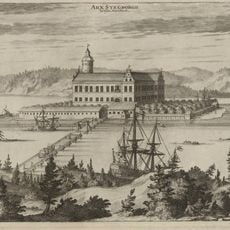
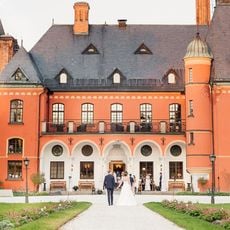
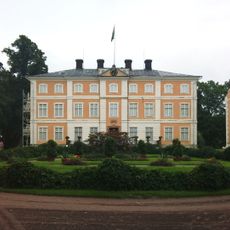
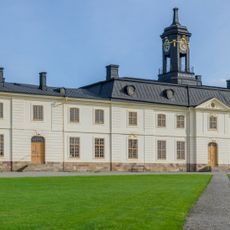
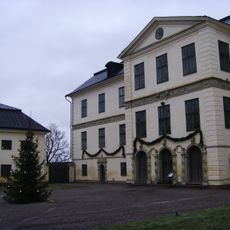
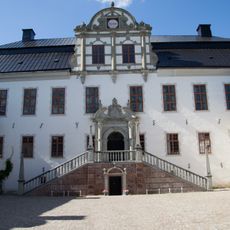
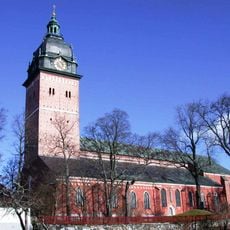
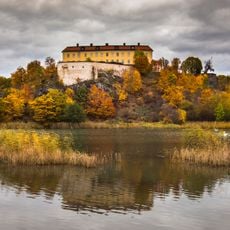
The region is home to medieval churches and Renaissance castles like Gripsholm, reflecting architectural traditions that shaped local identity over centuries. Walking through these sites reveals how communities valued both spiritual spaces and noble residences as centers of daily life.
The region is generally accessible and suited for various activities ranging from walks to exploring historic sites and natural areas. Visitors should plan according to the season, as weather conditions significantly affect the landscape and outdoor experiences throughout the year.
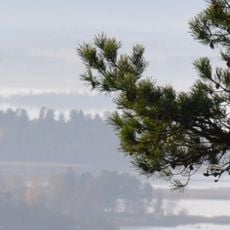
An extensive network of hiking trails traverses the region, providing year-round access to forests, lakes, and coastal areas that many visitors overlook. These paths connect different landscape types and reveal the natural diversity of the territory.
The community of curious travelers
AroundUs brings together thousands of curated places, local tips, and hidden gems, enriched daily by 60,000 contributors worldwide.