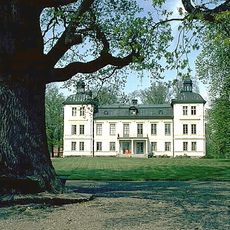
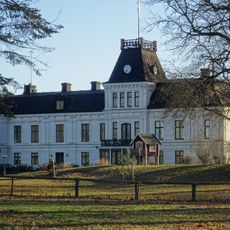
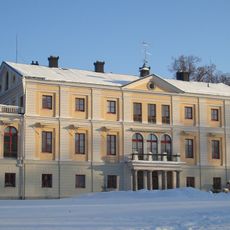
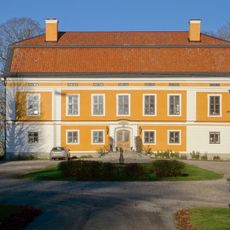
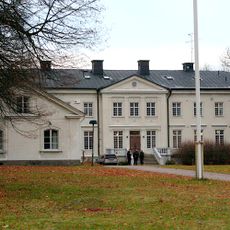
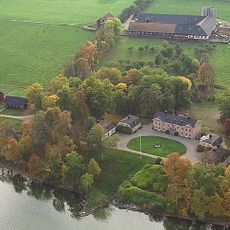
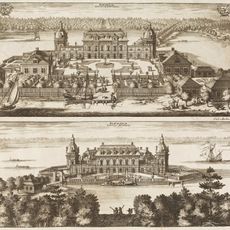
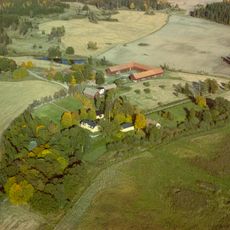
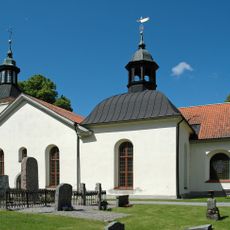
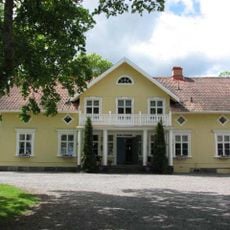
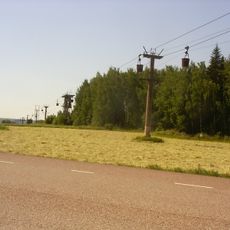
Julita manor, Manor estate in Sörmland, Sweden.
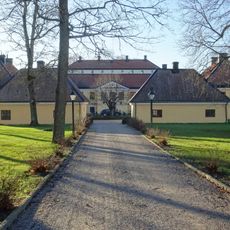
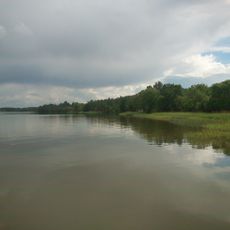
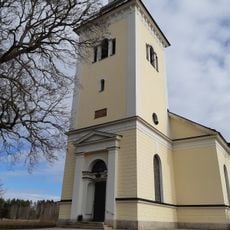
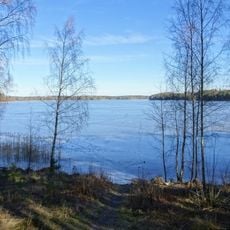
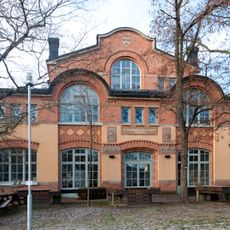
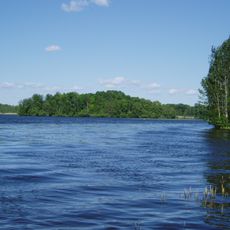
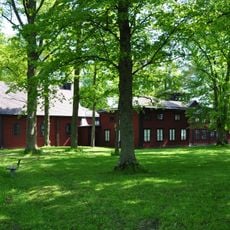
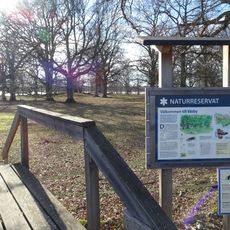
Julita is a manor estate in Sörmland, Sweden, featuring several preserved buildings, historical interiors, gardens, and a park beside Lake Öljaren. The property contains roughly 15 different structures that showcase the architecture and organization of early 1900s Swedish country life.
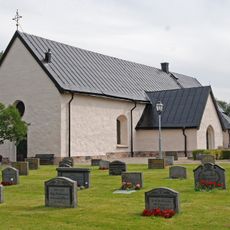
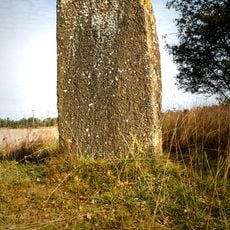
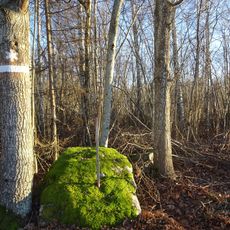
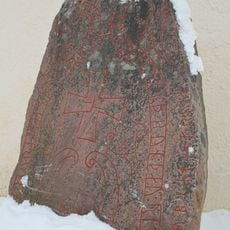
Julita was likely a chieftain's farm in the Viking Age; a 11th-century runestone and the remains of a Viking plateau house at Oxhagen survive. Around 1180 King Knut Eriksson gave it to the Cistercians, who founded Julita Monastery there. The estate took its present form at the Reformation, when the monastery closed and the crown granted the land to Olof Arvidsson (Stenbock) and later Jöran Persson. Artur Bäckström donated it to the Nordiska museet in 1941, which took over in 1944.
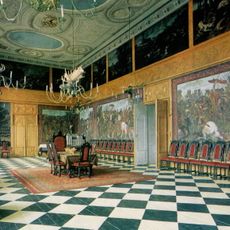
The manor operates as part of the Nordiska museet and displays furniture, textiles, and household items that show how people lived in Swedish countryside estates. Walking through the rooms, you can see how daily routines and family life unfolded in these rural settings.
The park is open throughout the year, though the buildings and guided tours operate from late May through September. It helps to check in advance when tours are scheduled, as they run only on certain days.
Julita is one of Sweden's clonal archives for apple varieties, and the varieties kept there are chosen through the Programme for Cultivated Diversity. Around 70 mandated varieties are preserved on the estate, alongside a number of others, together with clonal archives for pears, hops and rhubarb.
The community of curious travelers
AroundUs brings together thousands of curated places, local tips, and hidden gems, enriched daily by 94,086 contributors worldwide.