Julita Abbey, Medieval Cistercian monastery in Katrineholm Municipality, Sweden
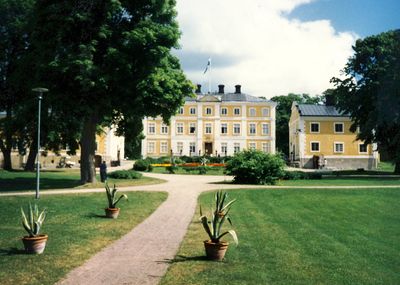
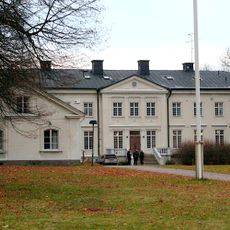
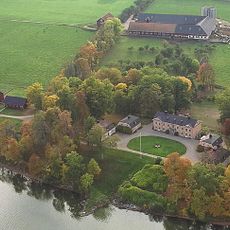
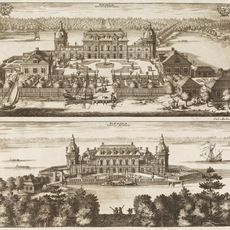
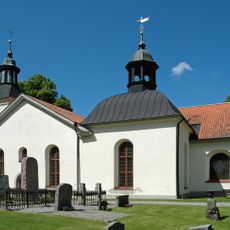
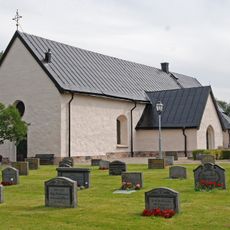
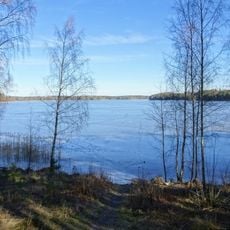
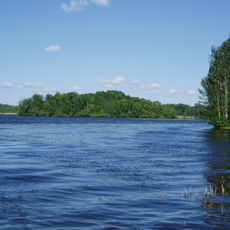
Julita Abbey was a medieval Cistercian monastery built on the shores of Lake Öljaren, with the main structures arranged around a central courtyard typical of such religious communities. Stone foundations and structural fragments remain embedded in the landscape, marking where the church, dormitories, and service buildings once stood.
The monastery was founded around 1160 by Cistercian monks who developed it into a major landholding center across Södermanland. Following the Reformation in the 16th century, the community dispersed and the buildings gradually fell into disuse.
The monastery served as a pilgrimage destination for those seeking the intercession of Saint Böta, a local holy figure venerated in this region. People came to this place looking for spiritual guidance and healing.
The site is best explored on foot, with open grounds that allow visitors to wander among the ruins and understand the original layout. The natural setting by the lake provides a peaceful backdrop for reflection and photography.
Excavations have revealed that monks kept extensive fish ponds for both food and as part of their water management system. The careful manipulation of water levels indicates how seriously they approached their relationship with the surrounding landscape.
The community of curious travelers
AroundUs brings together thousands of curated places, local tips, and hidden gems, enriched daily by 91,685 contributors worldwide.